Features

Gallery 1
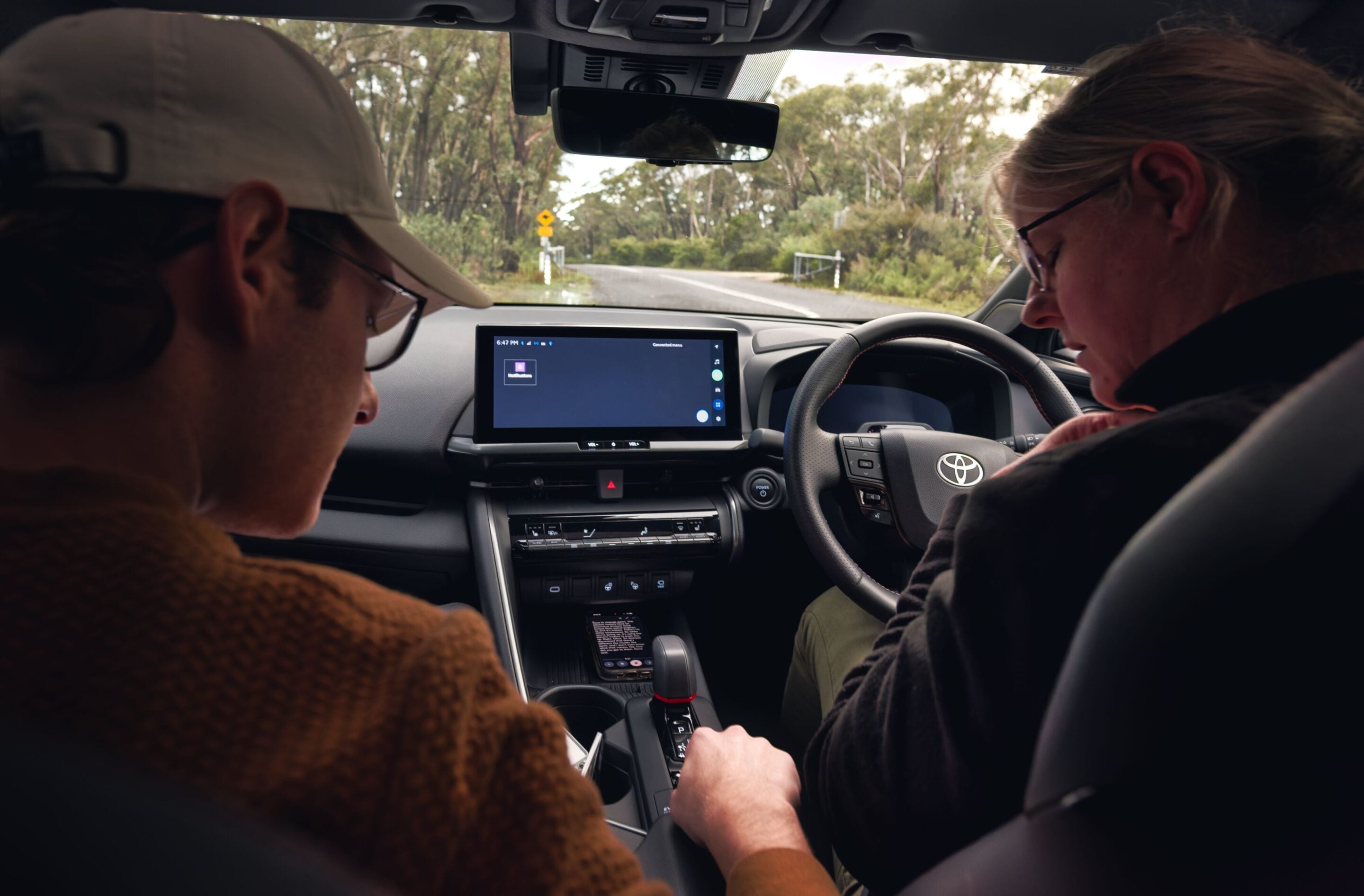
“Take your left foot off the brake and put it on the floor, Mum.”
“Mum? Mum!”
My left foot hovers, confused, searching for the clutch. There isn’t one. My right foot freezes convinced the car is about to launch itself into the neighbour’s fence. The engine is silent, the car motionless, yet I’m certain we’re about to crash.
“It’s not going anywhere,” my son says, already regretting this. “This is a different way of driving.”
That’s when it hits me: driving used to be muscle memory. Now it’s software, and I’ve been left behind.
I’ve driven the same car for nearly 20 years: a black Toyota Yaris five-door hatchback. Manual. No screens.
No sensors. No digital assistant judging my decisions. Just a key, a clutch and muscle memory that has never let me down. I’ve never had an accident.
1
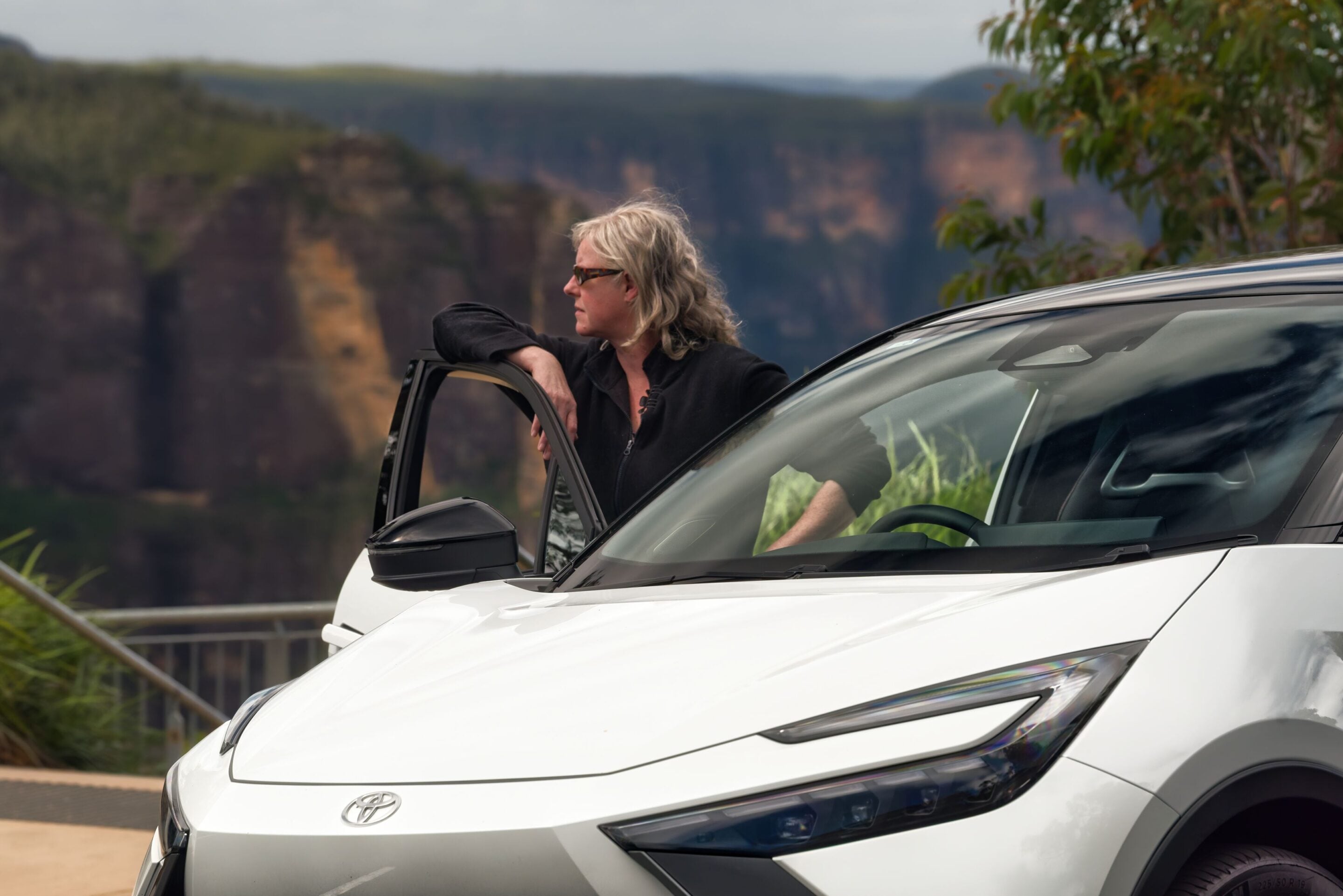
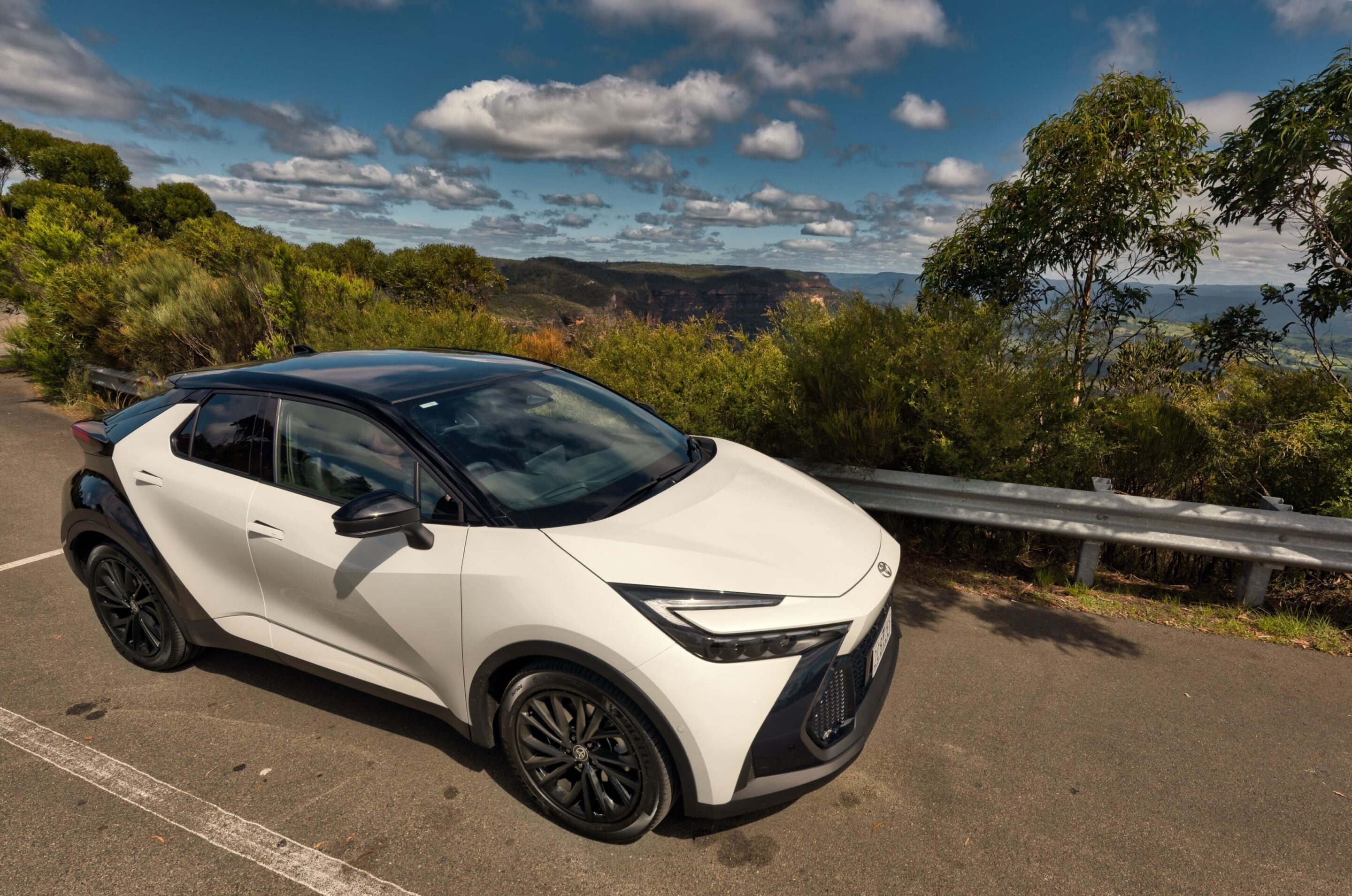
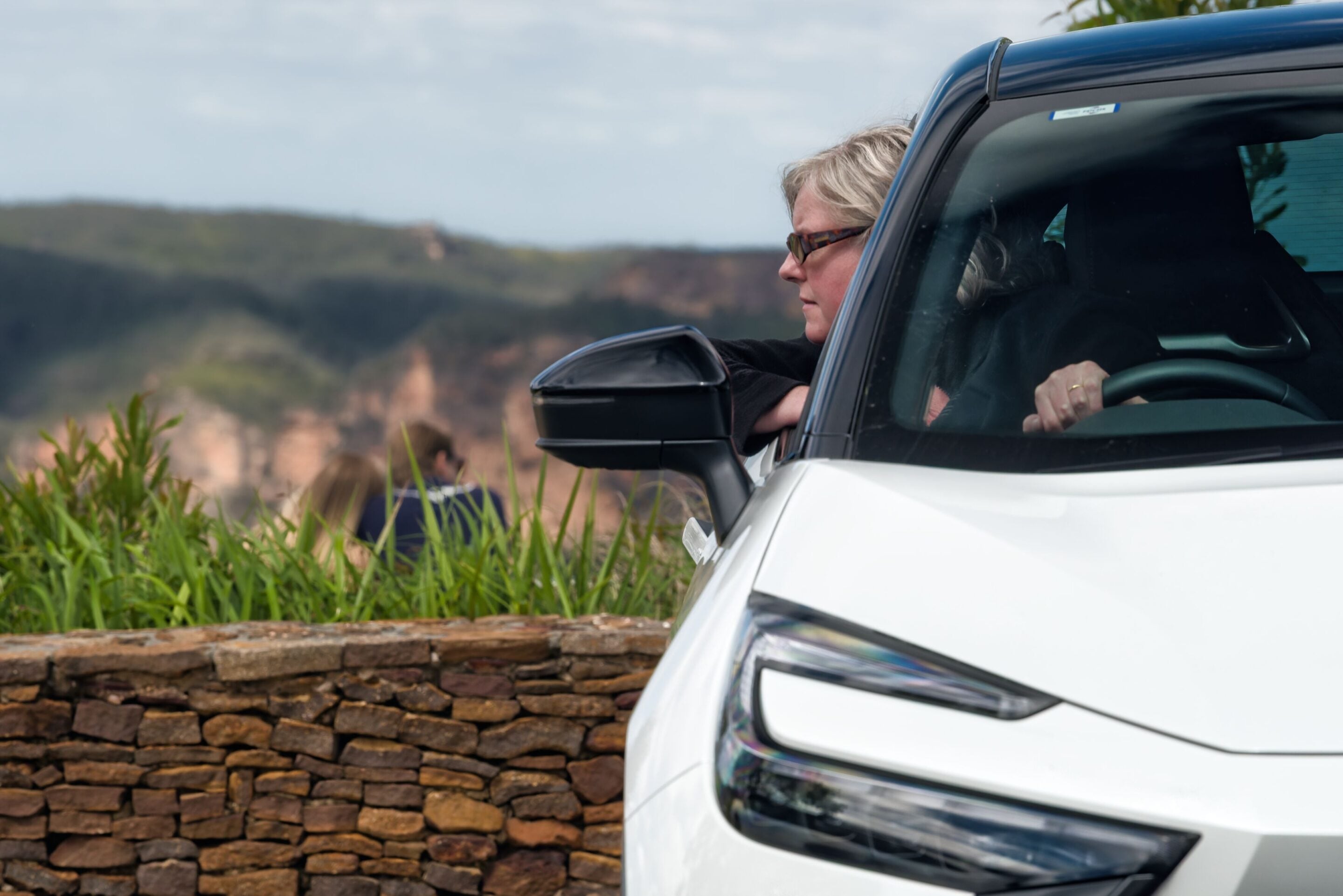
Now behind the wheel of Toyota’s new C-HR GR Sport Hybrid, it feels like stepping into the next chapter of something I already trust rather than a different brand. Thankfully, my husband drove the car home from the depot in a busy traffic suburb to our quiet no-through road in a bushland town on Sydney’s western fringe.
Living in the Blue Mountains these days, I don’t drive in city traffic.
The Boy drops in to teach me how to operate a modern car. I’m terrified. I learned to drive in a manual Toyota Tarago van without power steering, stuffed with rambunctious kids and Dad calmly issuing instructions from the passenger seat. We drove everywhere: around the city, long stretches of highway, endless suburban loops designed to teach me how to tackle roundabouts, hill starts and spatial awareness. I was the first of five children to learn in that van.
By the time it finally clicked over one million kilometres and gave up, it was battered, scraped and held together mostly by habit and family memory. Naturally, Mum and Dad replaced it with another Toyota van. Then another. The last one is in our driveway being transformed into a camper.
My first car was a forest green Corolla hatchback, followed by a maroon one, a silver one and a black one. Always Corolla (other than a brief flirtation with a grey RAV4 about 20 years ago). Always manual. Always Toyota.
My current Yaris is showing its age. The fuel gauge is unreliable so I keep it filled above two pips. Apparently it’s a thing with the 2007 model, which I learned when it carked it on the highway one day. The door seals are perishing, so it stinks of mildew every time it rains. The duco has lost some of its sheen. First gear has moods. But I know that car.
1
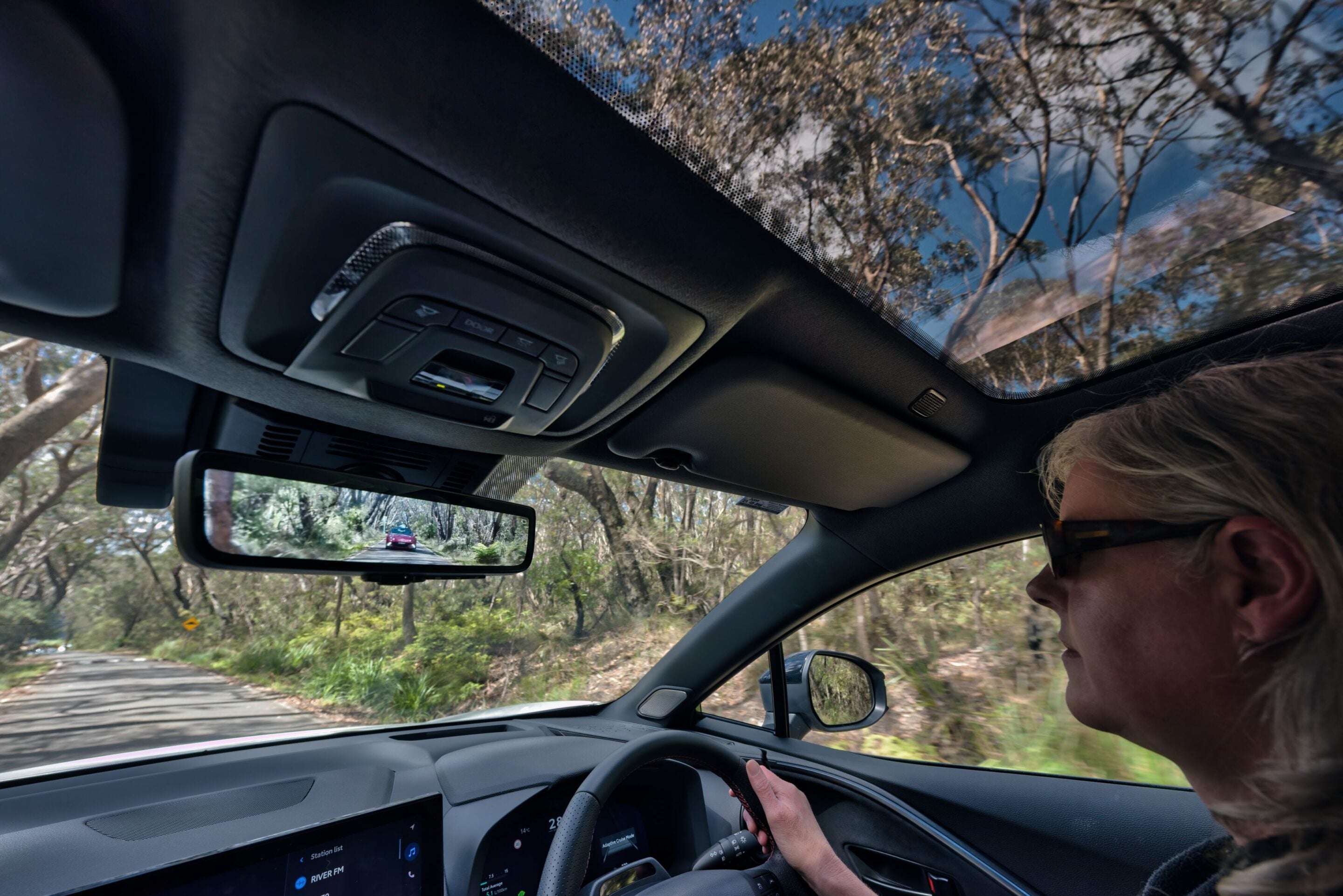
I know how much kick to give it to get up a hill. I know when I can launch into traffic and when to wait. But I trust it and, more importantly, it’s always been worthy of that trust.
It was feeling a bit sluggish recently, so we checked the oil. Who knows how long it had run on dry, but six days a week it had dutifully carted us up and down the Mountains and beyond without complaint. That’s the thing about Toyota. It has never let me down. The Yaris is like a windup toy: pull the string and it goes. The C-HR does that too. It just does a lot more of it.
“Okay, so that’s your lane assist,” The Boy explains patiently.
“What’s lane assist?”
A pause. “It keeps you in the lane.”
“I am in the lane.”
“Yeah, but it helps.”
That word keeps coming up. Helps. The car isn’t taking over; it’s backing me up. It beeps when I drift slightly. It flags cars I can’t see. It adjusts speed when traffic changes. It projects information onto the windscreen so I don’t have to glance down. At first it feels like interference. Then gradually it starts to feel like support.
“My car’s mostly mechanical,” I say.
“This is mostly electronic,” The Boy replies.
And somewhere between those two things is where modern driving now sits. Driving used to be physical. Mechanical. You felt everything through your hands and feet, even your seat. Now it’s physical and digital, instinct and information.
I always thought my attachment to manual cars was about simplicity.
But after a few days in the C-HR, I realise it’s also about familiarity. And here’s the uncomfortable truth: the C-HR reveals I’m a control freak. I don’t trust anyone but me to visually sweep a shopping centre carpark before reversing.
The reverse cameras and sensors are undeniably helpful, but I still twist around in my seat like a startled bantam chook, checking everything with my own eyes.
I passed my driving test on the first attempt in 1989 but failed the reverse parking component, a skill I still struggle with. The C-HR somehow makes reverse parking feel less like public humiliation and more like a collaborative exercise. The cameras and sensors don’t rob me of control, they widen the margins.
The deeper we get into the weekend, the more I realise I haven’t just skipped a few years of driving technology. I’ve skipped an entire era.
“Wait,” I say at one point. “The car charges itself?”
The Boy looks at me the way people look at grandparents discovering Wi-Fi. “Yes, Mum.”
The Toyota C-HR Hybrid combines a petrol engine, electric motor and regenerative braking to recharge the battery while driving. It doesn’t need plugging into a charger. The car quietly charges itself while moving.
1
Mind. Blown.
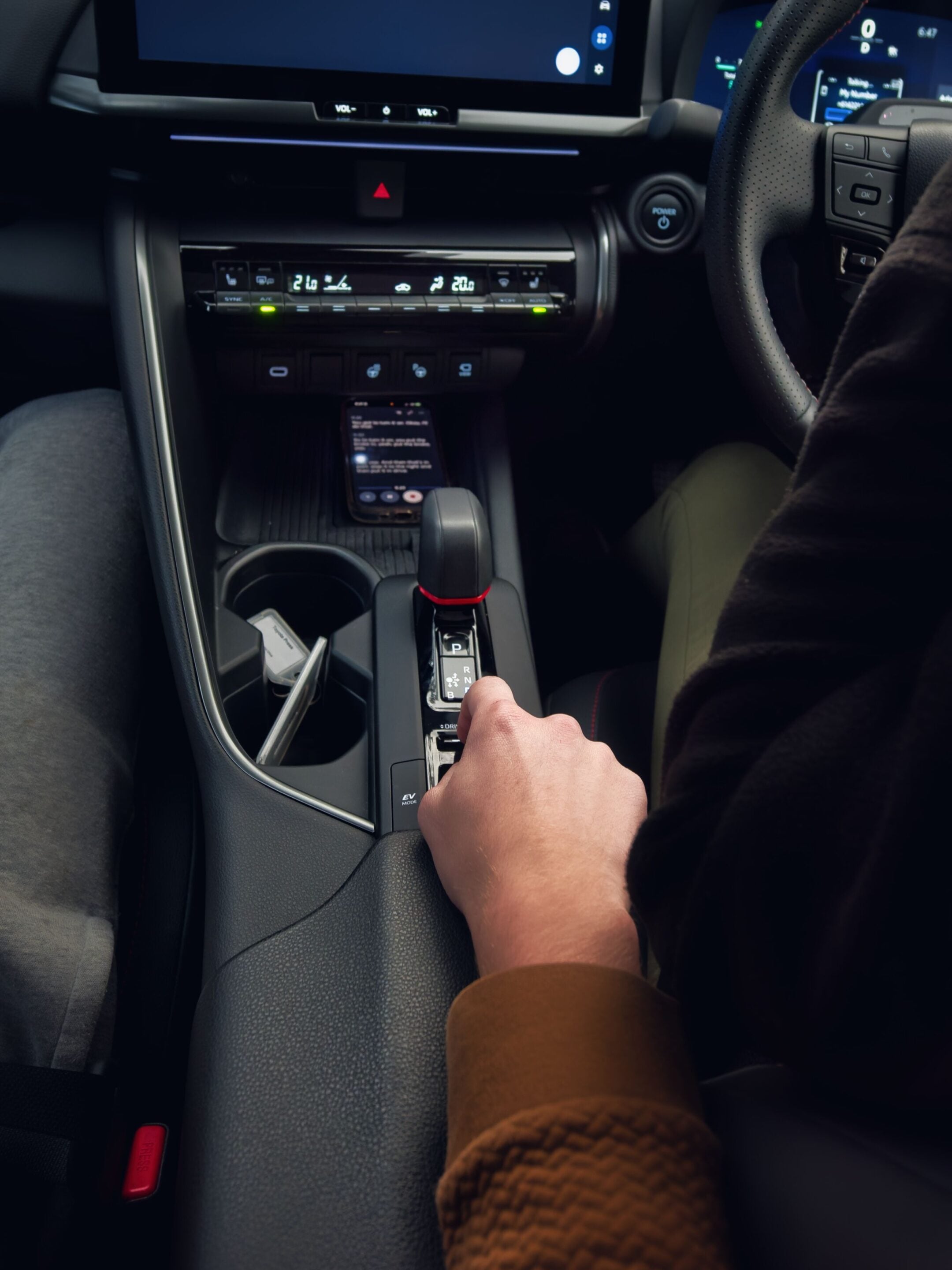
“This car doesn’t really have gears?” I wonder.
“Well, not normal ones,” he says.
The C-HR uses a continuously variable transmission, or CVT, which as you more knowledgeable Wheels readers would know, smoothly blends power from the petrol engine and electric motors without traditional gear shifts.
“What does that actually mean?” I ask.
“It means you don’t have to think about gears anymore.”
That feels faintly offensive.
“All right, so Dad just discovered there’s different modes. Like Sport mode.”
The Boy presses the button with the enthusiasm of someone about to demonstrate fireworks.
“Sport mode basically unlocks how the car should be all the time,” he declares.
Immediately, the car changes character. Not in a Fast & Furious way, but definitely sharper, more alive. The steering tightens. Acceleration becomes more immediate. The car stops feeling polite and starts feeling edgy.
“What does it actually do?” I ask.
The Boy launches into an explanation involving throttle response, electric motor assistance and torque.
All I hear is: “The electric motors have an enormous amount more torque than petrol engines, and it’s instant. There’s no delay whatsoever.”
That becomes obvious almost immediately. In my Yaris, getting up Boddington Hill on the Great Western Highway below Wentworth Falls in the Blue Mountains requires strategy, optimism and what I can only describe as a flying start from somewhere around Bullaburra, the suburb downhill. The C-HR doesn’t flinch. I don’t have to drop a gear. My foot’s barely squeezing the accelerator. It just climbs. Quietly. Effortlessly.
“When you’re going up hills, it’s using the electric motors to push you up,” he says.
For the first time since getting into the car, I stop focusing on what I don’t understand and start noticing what I like. The confidence. The ease. The strange, slightly addictive feeling that the car is always ready before I am. The Boy casually informs me the car is all-wheel drive.
“But they won’t let us take it off-road,” I point out.
He gathers patience like a physical cloak.
“No, because it’s not a four-wheel-drive,” he says. “It’s ALL-wheel drive.”
He explains how the C-HR’s AWD system uses an electric motor to direct power to the rear wheels when extra traction or acceleration is needed, particularly on hills, corners or slippery roads.
Most of the time it behaves like a front-wheel-drive car, quietly shifting power around in the background without demanding attention. It makes the car feel planted. That confidence becomes obvious on winding mountain roads near home.
In my Yaris, overtaking requires careful planning, favourable weather and, ideally, a mild tailwind. In the C-HR, acceleration arrives instantly and smoothly.
1
“The electric motors give you instant power when you need it,” The Boy says.
And that’s the thing I keep noticing about this car. It isn’t trying to intimidate me with performance – it reassures me.
There are other things I love, too. The seat adjusts itself at the push of a button – to my back and bottom. The steering wheel warms my hands on cold mountain mornings. The heated seats make me irrationally happy. I haven’t had a functioning radio in the Yaris for years and long ago resorted to a portable Bluetooth speaker rolling around on the floor. So the C-HR’s sound system seamlessly syncing podcasts, playlists and maps from my phone is luxury. The phone charging pad feels like magic. The cabin feels designed for people who actually spend time in cars.
At some point during the weekend, The Boy stops sounding exasperated and starts sounding smug.
“I knew this was going to happen,” he says as his father enthusiastically experiments with another button. “I knew you guys would eventually drive a car with all the mod cons and actually like it.”
To be fair, he’s not wrong. By this stage we’ve become oddly attached to the heated seats, the blind-spot monitoring and the reverse cameras that transform parking from a high-stakes emotional event into something almost mundane.
“You don’t need all the mod cons though, do you,” my husband argues weakly.“Most of them come standard now,” The Boy shoots back. “It’s not even that expensive anymore. If this was 2010 or the early 2000s, yeah. But now it’s just normal.”
I’m reminded of the first touchscreen mobile phone we ever bought. We stood in the kitchen stabbing uselessly at the screen with the confidence of people convinced buttons were superior technology. Now I panic if my maps app takes more than three seconds to load.
That’s the thing about technology: it arrives looking unnecessary and faintly ridiculous right up until the moment it becomes indispensable.
“So you’ve worked out the steering wheel phone system,” The Boy says over the phone one afternoon. “Where are you now?”
His father and I are excited to see him.
“We’re out the front of your place.”
We see the curtain twitch.
“Why are you parked in the street? Drive into the driveway.”
“I can’t,” I admit. “I haven’t got the hang of reverse yet.”
A pause. A sigh.
“Okay. I’ll be there in a minute.”
The Boy isn’t teaching me how to drive. He’s teaching me how to exist inside a different philosophy of driving. The old idea of driving was built around mastery. You understood the machine completely and controlled every part of it yourself.
The new idea is collaboration – the car helps, it watches, it fills in gaps and, slightly annoyingly, that can be pretty great.
At one point The Boy asks, with a sly grin: “How do you find the speedo being on the windscreen, Mum?”
Cheeky boy.
1
Here’s what I’ve come to realise. I’m still a good driver – attentive, careful and experienced. I understand roads, conditions and risk. I feel the car. But now there’s help. And it turns out that’s not a bad thing.
This isn’t really a story about losing control but redefining it, about understanding that driving hasn’t been taken away. It’s been reimagined and expanded, supported in ways that make it safer, easier and, occasionally, more enjoyable.
I’ll go back to my Yaris. Of course I will. It’s familiar, predictable and mine. Toyota, after all, is still home. But I’ll get back into that little black hatchback knowing that the future of driving isn’t about replacing what I know – it’s about building on it.
And if this is what that future looks like, I’m beginning to understand why so many people have already made the switch. Even if I still check over my shoulder like a startled bird every time I reverse.
This story first appeared in the August 2026 issue of Wheels magazine, now on sale. Subscribe here and gain access to 12 issues for $109 plus online access to every Wheels issue since 1953.
Follow WhichCar/Wheels on Google
Click the button below to make WhichCar by Wheels a preferred source for your news.

We recommend
-
 Features
Dying breed: The last remaining manual cars available in Australia
The mechanical connection of a clutch and manually manipulated gear lever continues to be a rare find on Australia’s new car market, with just 25 cars and light commercial vehicles left with the three-pedal option.
-
 News
NewsToyota head warns 'it cannot survive' as iconic Corolla is positioned for EV option
A behind-the-scenes documentary reveals Toyota's push to reinvent its best-selling model as executives warn against complacency in the face of rising Chinese competition.
-
 News
NewsWhich driver assist tech do motorists find most annoying?
New survey finds drivers frustrated by safety systems, while convenience features remain most valued.