
Features

Gallery 1
In February 2024, Ford CEO Jim Farley said he had “humbling” regrets about how he’d handled the brand’s quality control nightmare and confessed that he should have addressed the problem much sooner. You’d think a raw statement like that would have resulted in a marked improvement by now. You’d be wrong.
When Farley made his admission, the Blue Oval had just been hit by a tsunami of 109 recalls in 2023, affecting 7.8 million passenger vehicles globally, according to the company’s own reports. Ten of those recalls went into effect in Australia.
Fast-forward to today and Ford has had 19 recalls in Australia so far this year. At that rate, the brand will break the mark of 26 recalls it set in 2025. In 2024, there were 17 of them. So despite Farley’s efforts, at least from an Aussie perspective, the problem has been getting worse.
4
In case you think we’re unfairly singling Ford out when recalls for increasingly complex vehicles are actually an industry-wide problem, we’ve also looked into what’s been going on with its competitors down under.
Yes, Toyota has had 11 recalls this year, but the brand offers a significantly more extensive range of models for Aussie customers than Ford does. Kia and Mazda have had five, Nissan three, Subaru one, GWM has had zero, and you have to go back to 2022 to find the solitary recall for BYD.
The poor quality control Aussie customers have been dealing with has been mirrored around the world. Ford recorded an industry-record 153 recalls globally in 2025 with almost 13 million vehicles affected. Stellantis, which owns 16 brands including Jeep, Ram, Dodge, Fiat, Alfa Romeo, Chrysler and Opel, had just 53 recalls affecting 2.7 million vehicles in the same period.
By June this year, the marque had issued 50 recall notices involving 11.2 million vehicles, meaning there’s a chance 2025’s record could be broken in terms of the number of cars affected. Ford also had the highest number of recalls in the industry in 2022 and 2023. The warranty costs have been astonishing. They ran to US$2.3 billion in the three months to July 2024 alone.
Ford had put new quality control measures in place before Farley’s “humbling” confession. In early 2024, the company said the results were showing up in its data, with 30 per cent fewer customers hit by recalls in 2023 compared with 2022. Those shocking 2025 numbers put paid to the Blue Oval’s optimism.
4
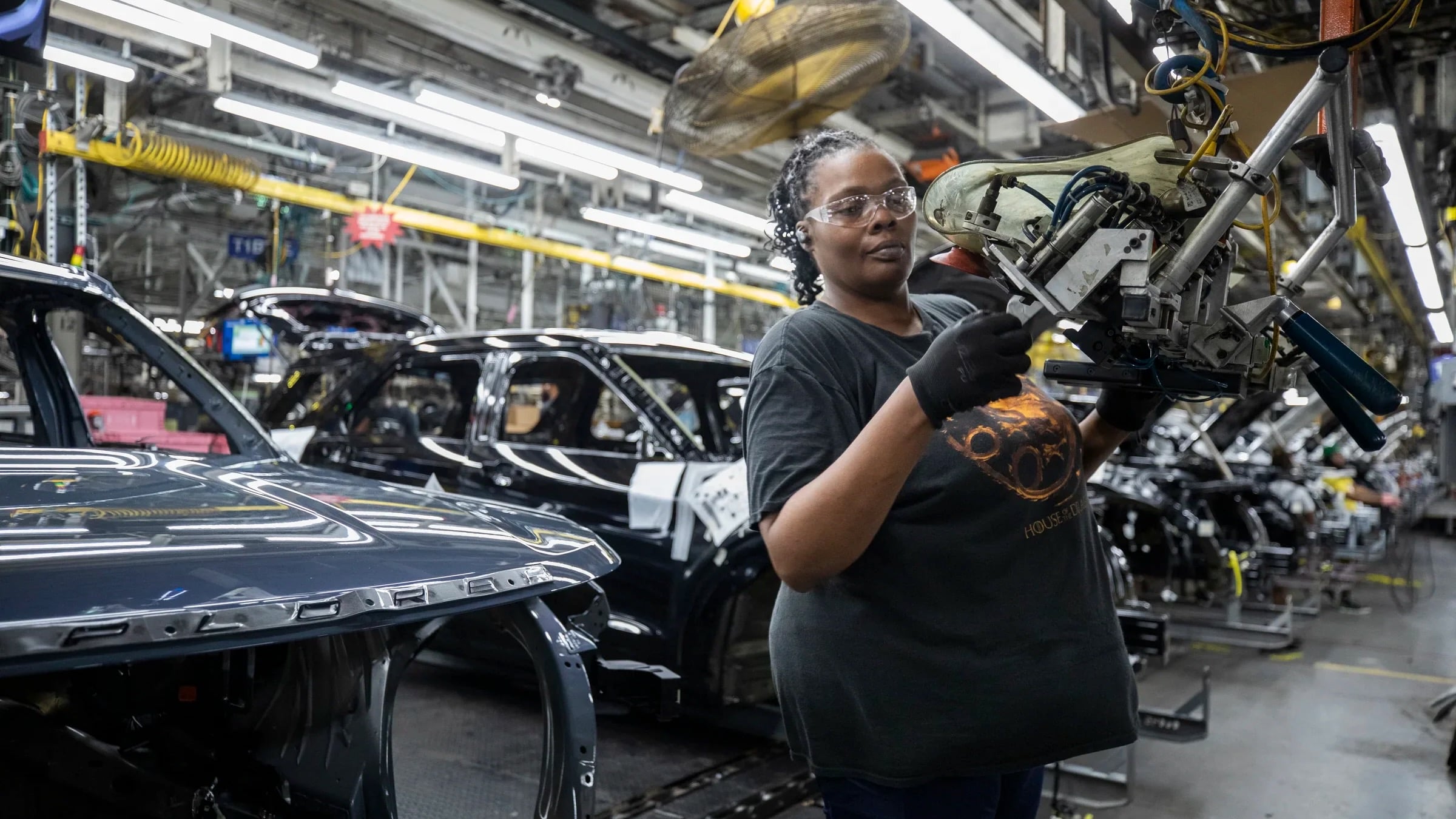
This June, it was reported that Ford had dramatically increased the scrutiny of engines produced at its Essex plant in Canada, which cranks out the V8 in the Mustang and F-150, as well as the larger bent eights found in Super Duty trucks. The thorough tear-down inspections that were performed every few months were being carried out every day.
Ford also turned to artificial intelligence for help and it appeared to be on the right track. The AI monitoring systems analysed production data for patterns that warned of potential faults, even when the components concerned were within tolerances. A system called AiTriz scanned vehicles for defects using high-resolution cameras.
In May 2024, Automotive News reported that AI quality controls at the Van Dyke facility in Michigan were weeding out problems in fine style. The installation of faulty rubber seals for oil pumps at the plant fell from 40 per month in May 2023 to zero slightly less than a year later. However, by June this year Ford made headlines for rehiring more than 300 human quality inspectors because the automated systems weren’t delivering the desired results.
In Ford’s defence, it took top spot in the USA’s JD Power Initial Quality Study in June. It was the first time it had done so since 2010, and the turnaround was huge after the automaker came 15th in 2023. The company called itself “the new gold standard for mass market new vehicle quality” when it trumpeted the win.
4
So it can be argued that the ongoing wave of recalls isn’t a completely accurate picture of what’s been going on in Ford factories for the past couple of years, because those seemingly never-ending announcements have more to do with vehicles manufactured before the new quality controls took effect.
However, you don’t have to look too closely at the Aussie recall information at www.vehiclerecalls.gov.au to see that’s not really the case. We’ll stick to what this year’s figures show us.
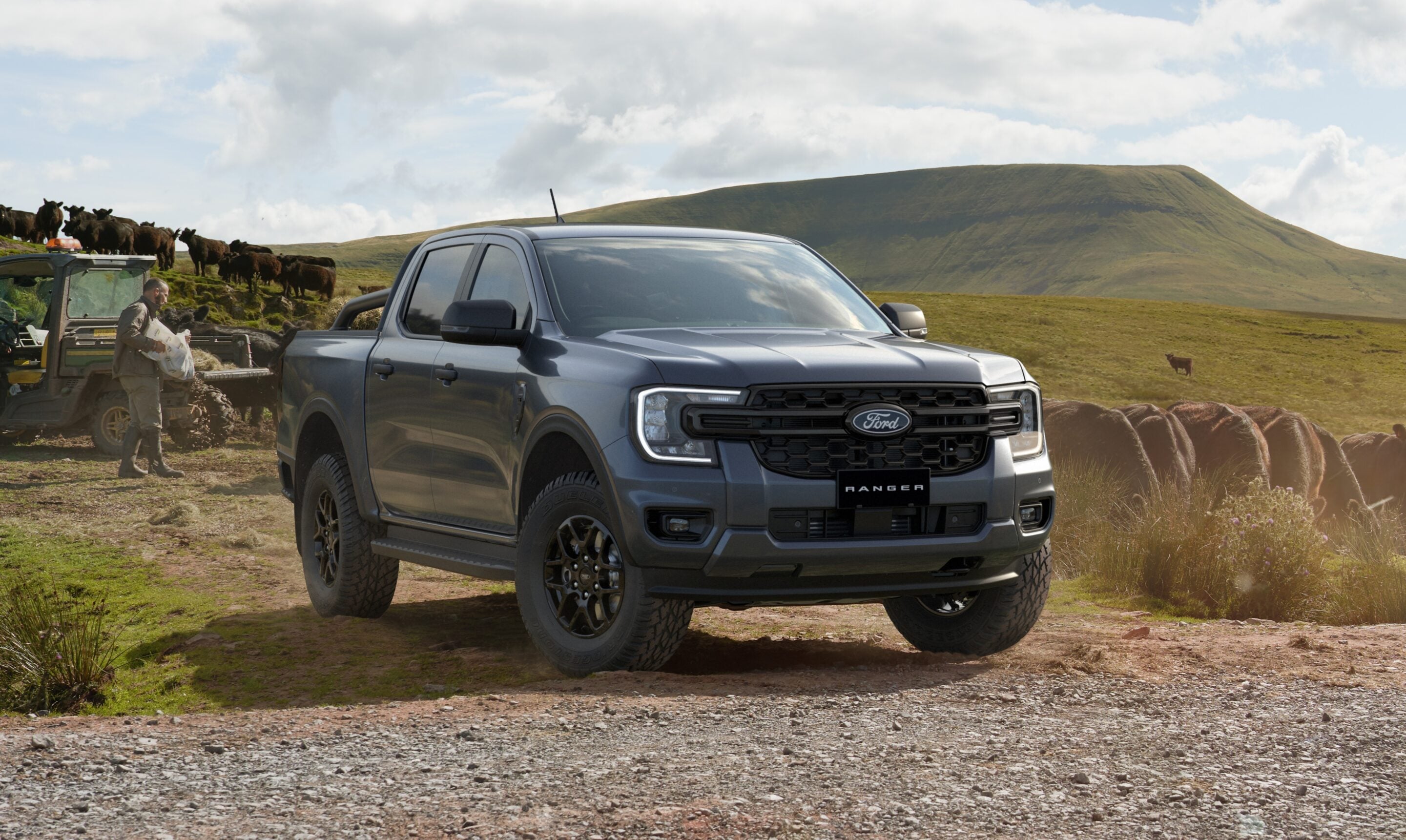
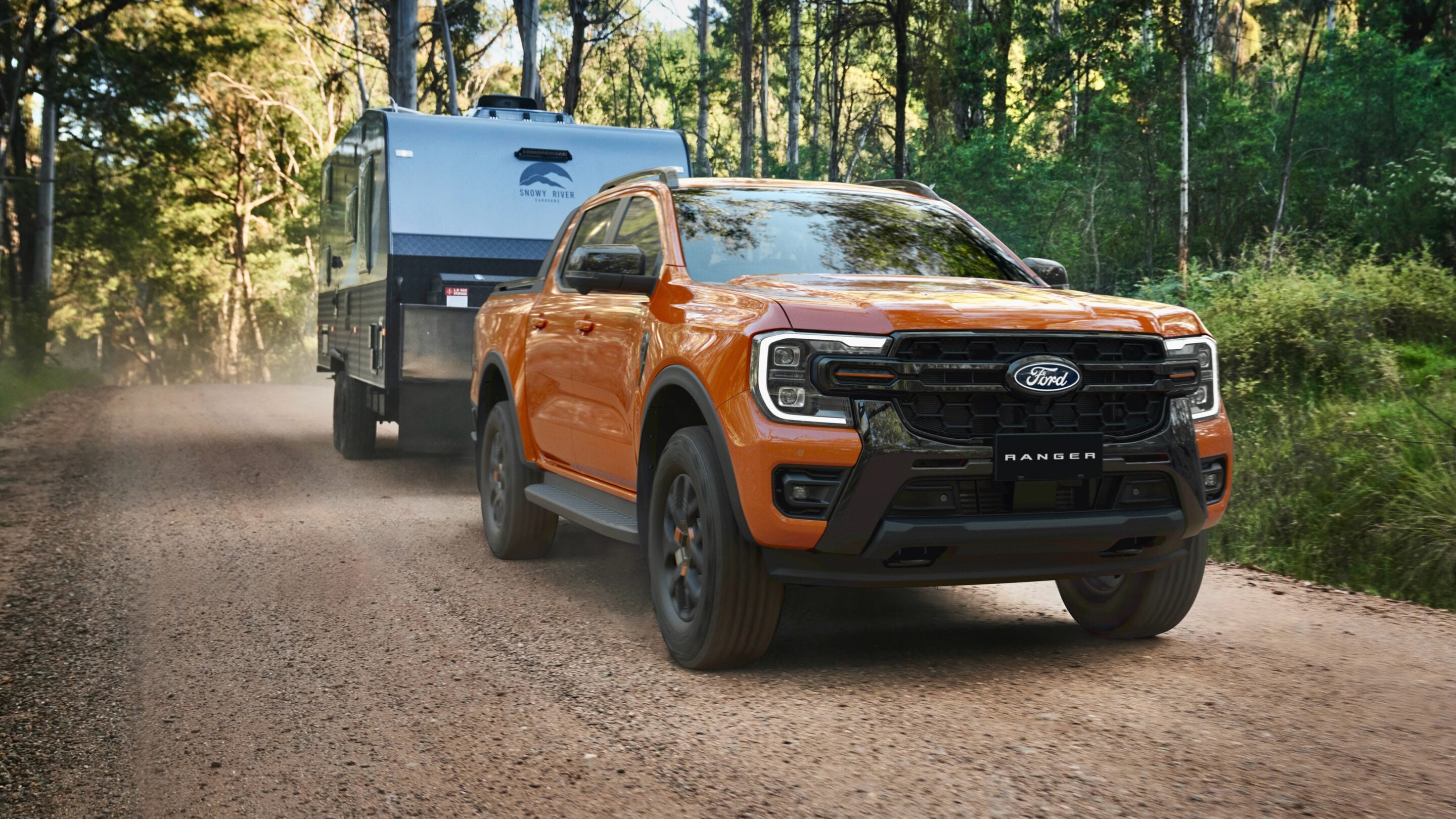
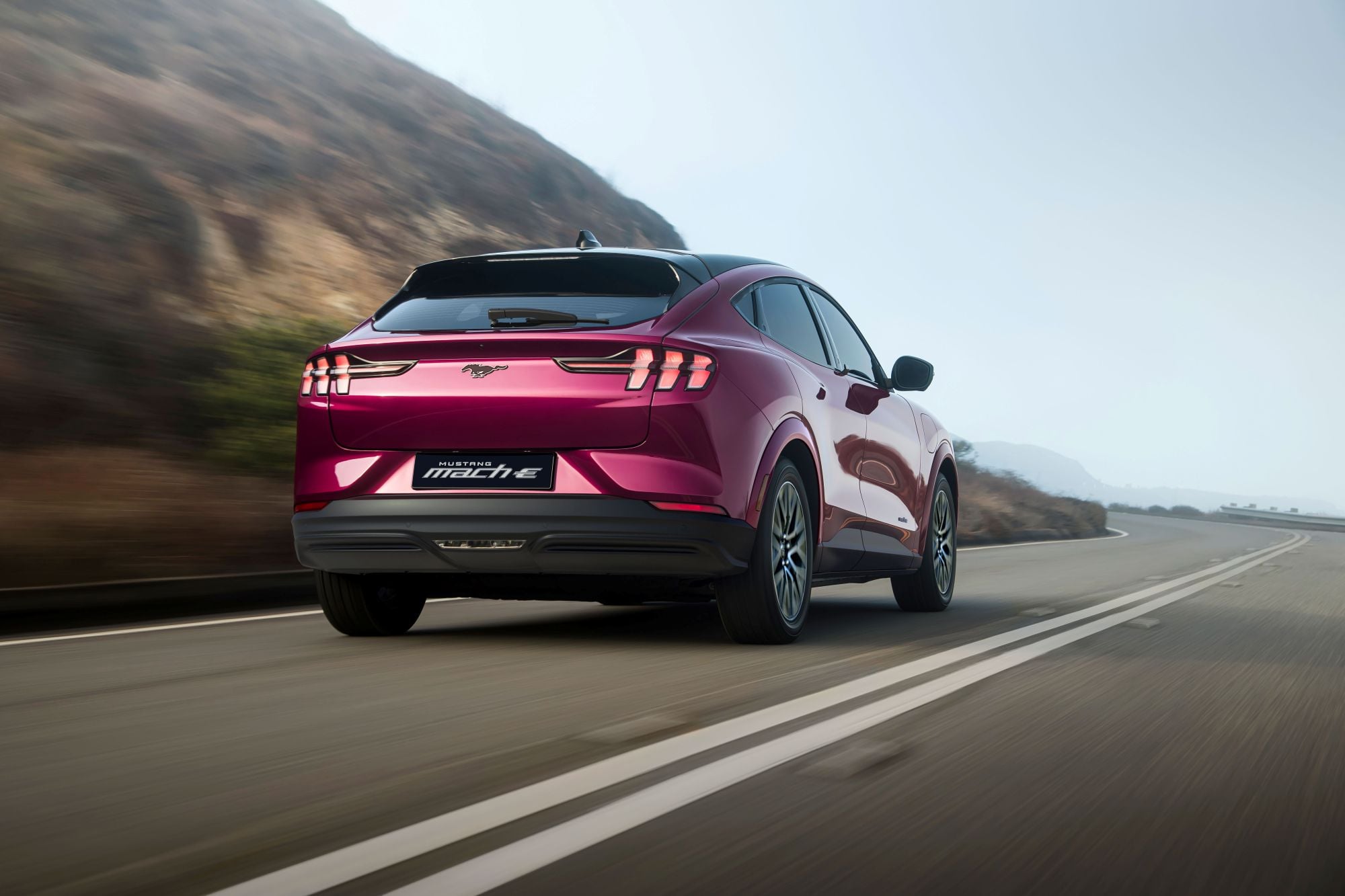
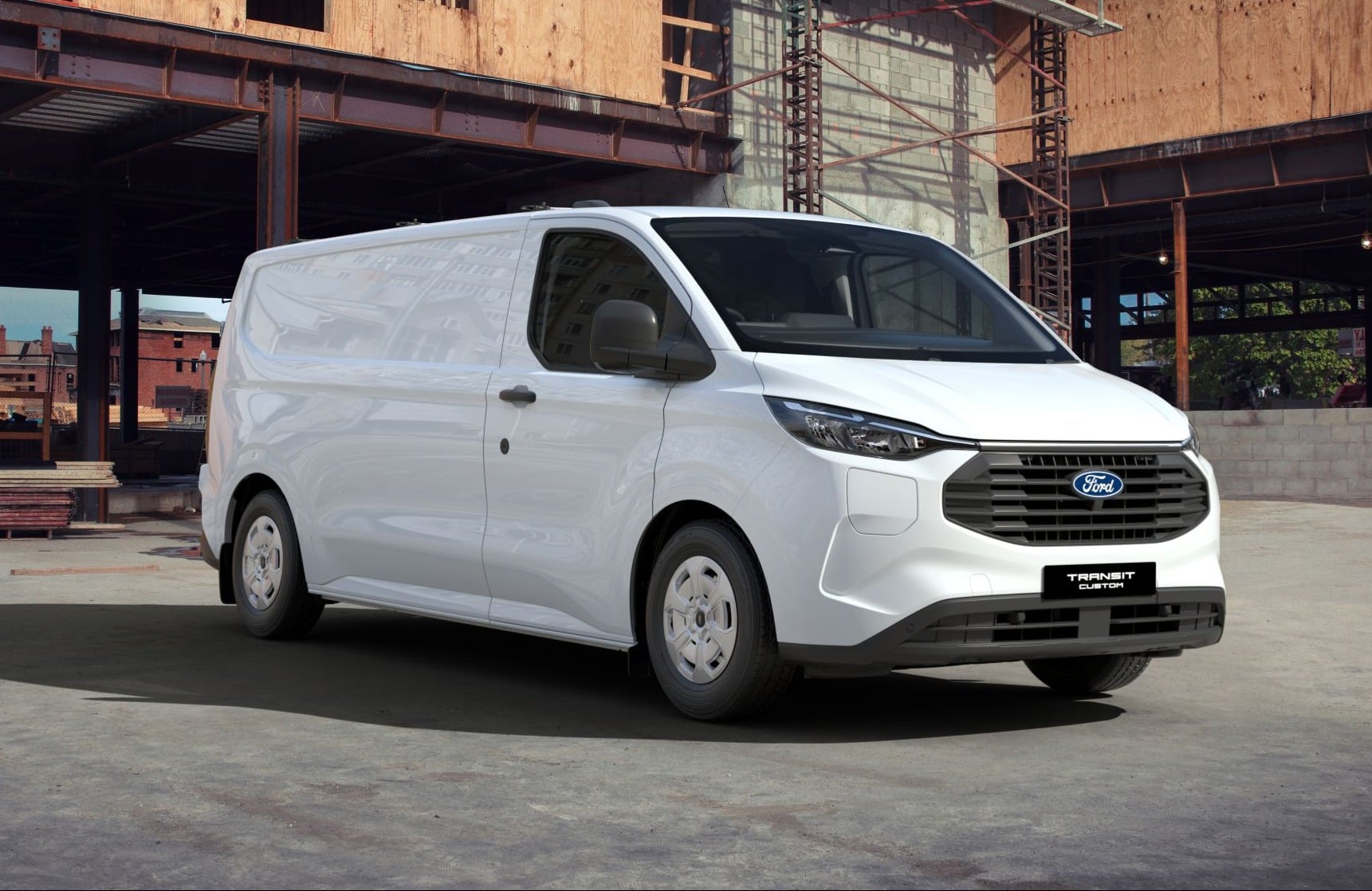
On August 18, almost 14,000 Rangers made in 2025 and 2026 were recalled due to a side airbag problem. On July 13, Transits and Tourneo Customs made from 2025-2026 were the subject of three recalls involving a total of 3610 units. On July 1 it was the turn of Mach-Es, Transits and Transit Customs made in the last two years. Transit Customs made in 2024-25 cropped up in an April 22 recall announcement.
By our count, in this year alone, models made as recently as 2024 were the subject of a further four recalls in Australia.
The Blue Oval remains immensely popular down under. The Ranger racked up a 37-year first in January by taking out top spot on our sales charts for the third year in a row. But who knows how many more vehicles Henry’s company could have shifted if it weren’t for potential customers being scared off?
3
“Recalls reflect our intensive strategy to proactively find and fix hardware and software issues to help protect our customers,” Ford said in a statement to WhichCar by Wheels.
“Ford is making meaningful and measurable progress to improve the quality of newly produced vehicles. However, we are always going to see isolated issues come up and when we do we will take immediate action to fix them and look after our customers.”
The company went on to point out its Aussie portfolio covers more than a dozen nameplates, each with several model variants and powertrain options, increasing the chance of a recall – or as Ford puts it, “creating more opportunities for issues to be identified and proactively addressed”.
Ford also raised the same point we’ve discussed: that recalls can involve vehicles made several years ago and therefore not subject to the improvements made to testing and quality processes.
They’re logical points, but it’s hard to see them providing much comfort to the long list of Aussie motorists whose vehicles have been caught up in the recall tidal wave.
Follow WhichCar/Wheels on Google
Click the button below to make WhichCar by Wheels a preferred source for your news.

We recommend
-
 News
NewsFord issues recall for previously recalled Ranger and Everest models
A transmission software issue has led to a recall for over 2500 Ford Ranger and Ford Everest vehicles that were recalled previously for the same issue.
-
 News
NewsFord still tops new car searches, despite being the most recalled car brand – report
A study that plots buyer intent against ownership experiences reveals that Ford, despite its high recall rate, remains one of the most-purchased new vehicles.
