
News
Gallery 1
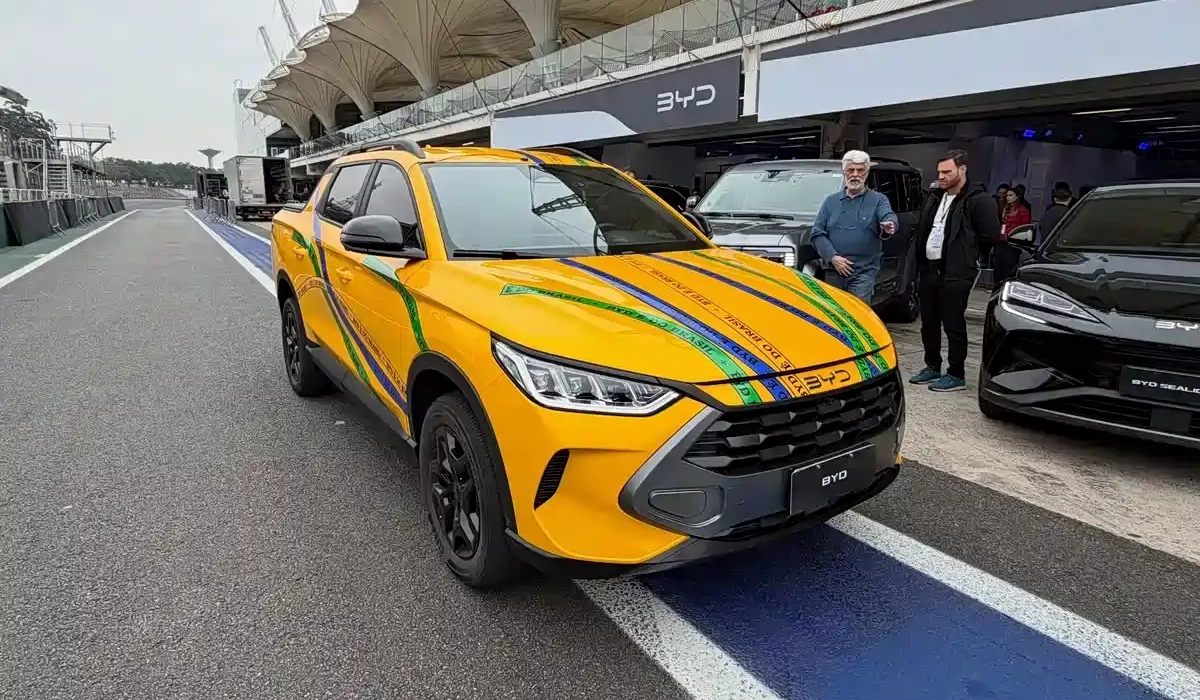
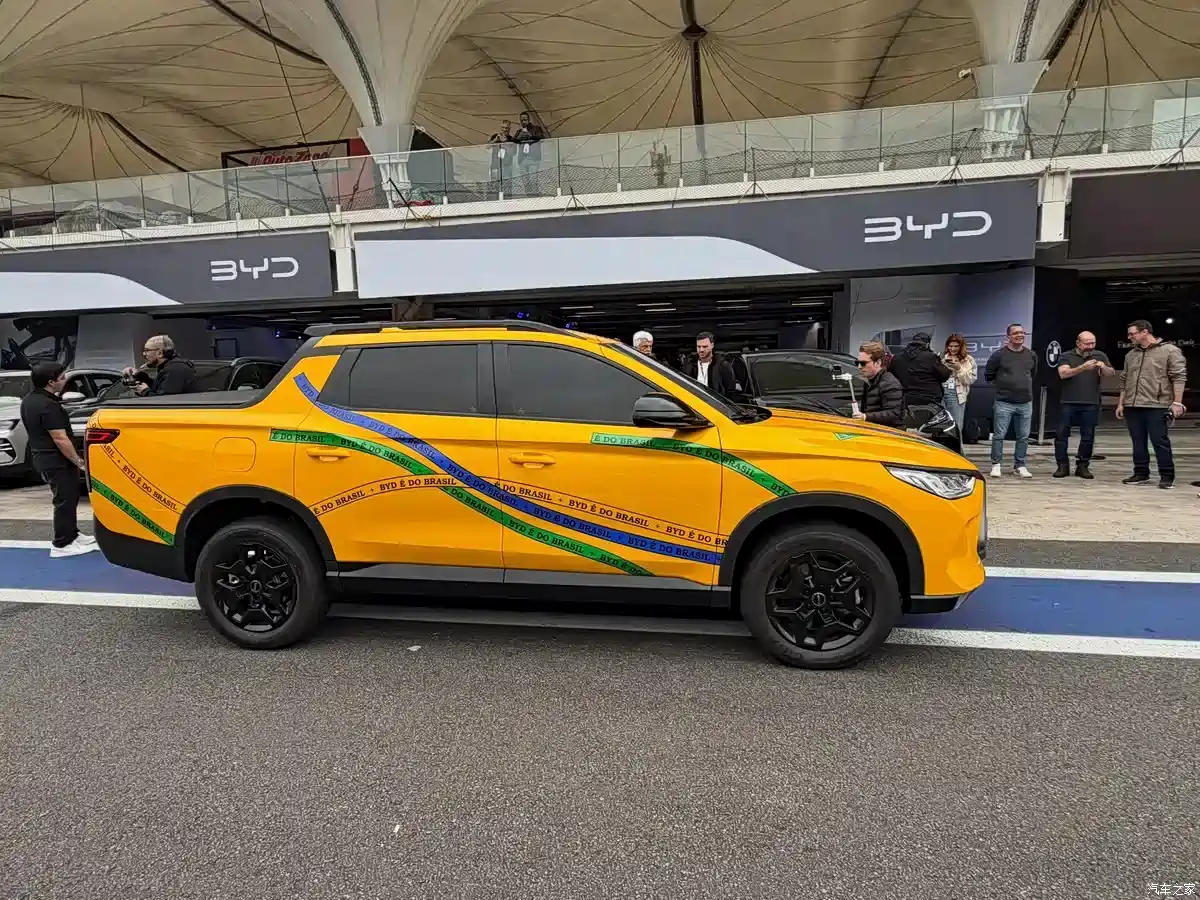
BYD has officially revealed its second ute model, the BYD Mako. Like the Shark 6 ute before it, the Mako features a plug-in hybrid powertrain, but it’s based on a more car-like monocoque chassis instead of an off-road-ready ladder frame.
The Mako shares its underpinnings with the Sealion 6 SUV and has a closer connection in terms of styling to pre-update versions of the Sealion 6 (sold in China as the Song Plus) rather than the revised model that sits in Australian showrooms. The result is a front-end appearance that’s closer to the Sealion 5.
2
The Mako was revealed in Brazil, where the market for ‘compact’ utes remains strong. The new model will arrive as a competitor to similar SUV-based utes from Volkswagen, Fiat and Ram.
China’s Autohome revealed that the Mako will be powered by a 1.5-litre naturally aspirated engine and a single electric motor, enabling front-wheel drive via a dedicated hybrid transmission. Unlike many of its competitors, an all-wheel-drive version is planned, but specifications have not yet been revealed.
Combined powertrain output is 166kW, while battery capacity is 12.9kWh. Australia’s entry-level Sealion 5 Essential has a slightly lower 156kW system output, but a matching 12.9kWh battery capacity for 71km of claimed EV-only range. Official range estimates for the Mako haven’t been published.
Suspension is via MacPherson front struts and a multi-link rear with coil springs, rather than the leaf springs found in other compact utes in Brazil. While the basic layout comes from the Sealion 6, changes have been made to the suspension tune for load-carrying and towing.
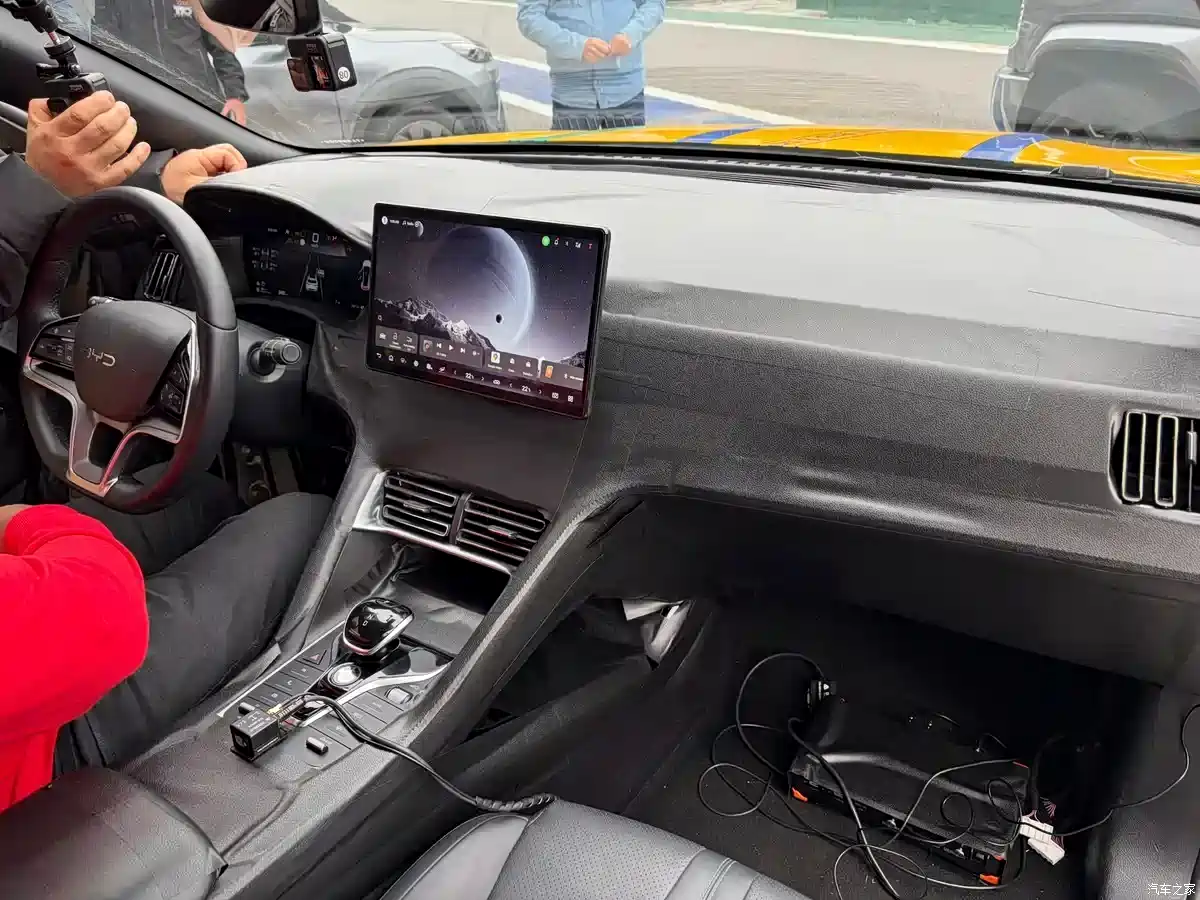
The Mako’s interior also appears to borrow heavily from the Sealion 6, with a familiar layout for the dash and centre console, but a larger 15.6-inch infotainment display in place of the 12.8-inch unit.
Pricing in Brazil is expected to start from around 200,000 Brazilian reais (A$53,840), close to the $55,900 starting price of the Shark 6 Dynamic in Australia. Meanwhile, Shark 6 pricing in Brazil starts from 379,800 reais (A$102,200), indicating a much lower potential entry point if the Mako were to come down under.
3
While BYD has previously expressed interest in expanding its ute line-up in Australia, a spokesperson for BYD Australia was unable to confirm plans for the Mako.
“The Shark 6 is well accepted in this market and the lineup is pretty strong right now following the recent introduction of the Shark 6 Dynamic Cab Chassis and 2.0-litre Performance pickup. We’re pretty happy with that for now,” the spokesperson said.
“We are always looking at what might be available, then assess whether it may fill a gap in our lineup and if there would be sufficient customer demand to make a business case work.”
Production of the Mako will begin in China, with plans to switch to Brazilian assembly for that market. Overseas media report that the Mako is one of five planned ute models for BYD’s global line-up, opening the door to an as-yet-unseen alternative offering for the Australian market.
Follow WhichCar/Wheels on Google
Click the button below to make WhichCar by Wheels a preferred source for your news.

We recommend
-
 Reviews
BYD Shark 6 review: Two new variants bring more power and capability
BYD’s Shark 6 has been a sales phenomenon in the Australian new car market. Less than two short years since launch, the manufacturer’s first dual-cab has sold more than 24,000 units in this dual-cab hungry market.
-
 UOTY
UOTY2025-26 Wheels Ute of the Year Winner: BYD Shark 6
In a first for Wheels, dual cabs get their own segment and new yearly award – with a razor sharp focus. And it's one of the newer brands taking out our first-ever Ute of the Year award, the BYD Shark 6.
