
News

Gallery 1
The biggest independent study of used EV batteries ever produced has found that models from Mercedes, BMW and Hyundai are best at retaining their battery health, with Tesla’s Y and 3 falling to the lower part of the field and Nissan, Renault and Mini cars bringing up the rear.
Austrian EV battery diagnostics company Aviloo amassed data from more than 500,000 State of Health (SoH) tests held around the world – including Australia – from 2022 to this year. The SoH reveals the share of a battery’s original usable capacity that is still left, meaning a pack with 90 per cent SoH can cover 90 per cent of its original range.

4
Aviloo analysed 20 of the most popular models on the market and calculated their median SoH at distances of 50,000km, 100,000km and 150,000km. The results showed that EV batteries are lasting a lot longer than naysayers would have you believe, with none of the vehicles suffering a drop of more than 10 per cent in the first 50,000km.
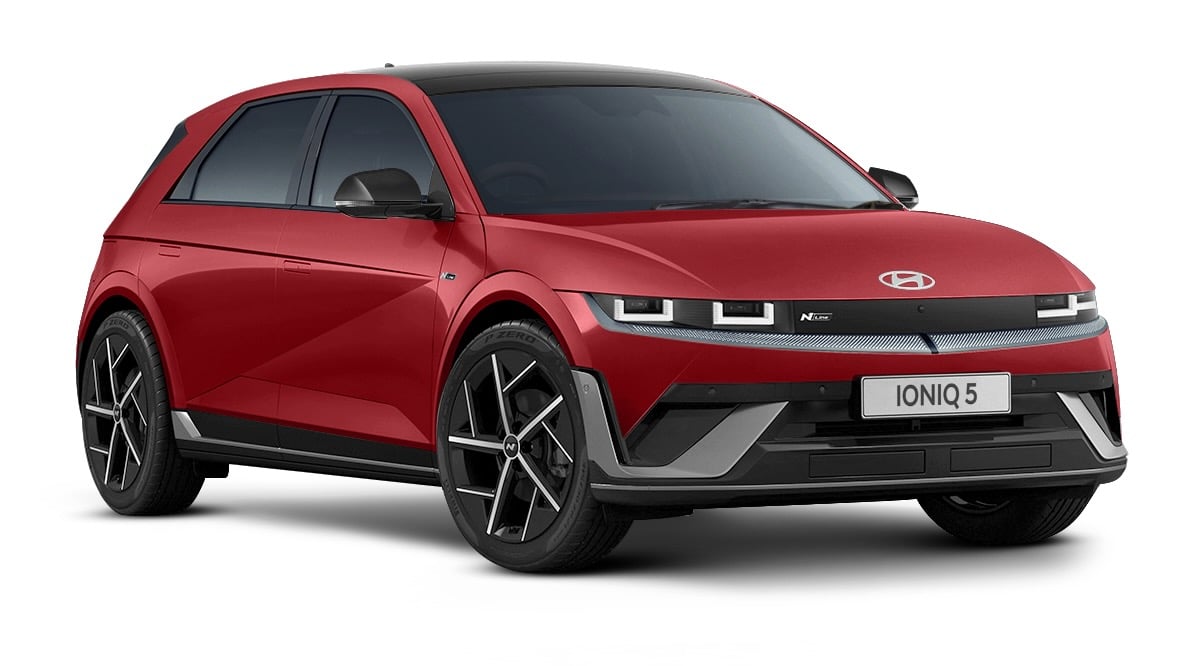
The best performers at the 150,000km mark were the Mercedes EQA SUV (pictured above) with a 94 per cent SoH, followed by the Hyundai IONIQ 5 on 93.8 per cent and BMW i4 at 93.6 per cent, then the Hyundai Kona and Volvo XC40 Recharge.
Tesla’s Model Y had a 150,000km SoH of 90.32 per cent, ahead of the Model 3 with 88.94 per cent. Many of the tested vehicles didn’t lose capacity in a linear fashion. For example, the Model 3 suffered most of its drop within the first 50,000km before levelling out, and the IONIQ 5 was the top performer with a 97.13 per cent result at 50,000km before being overtaken by the Merc and Beemer.
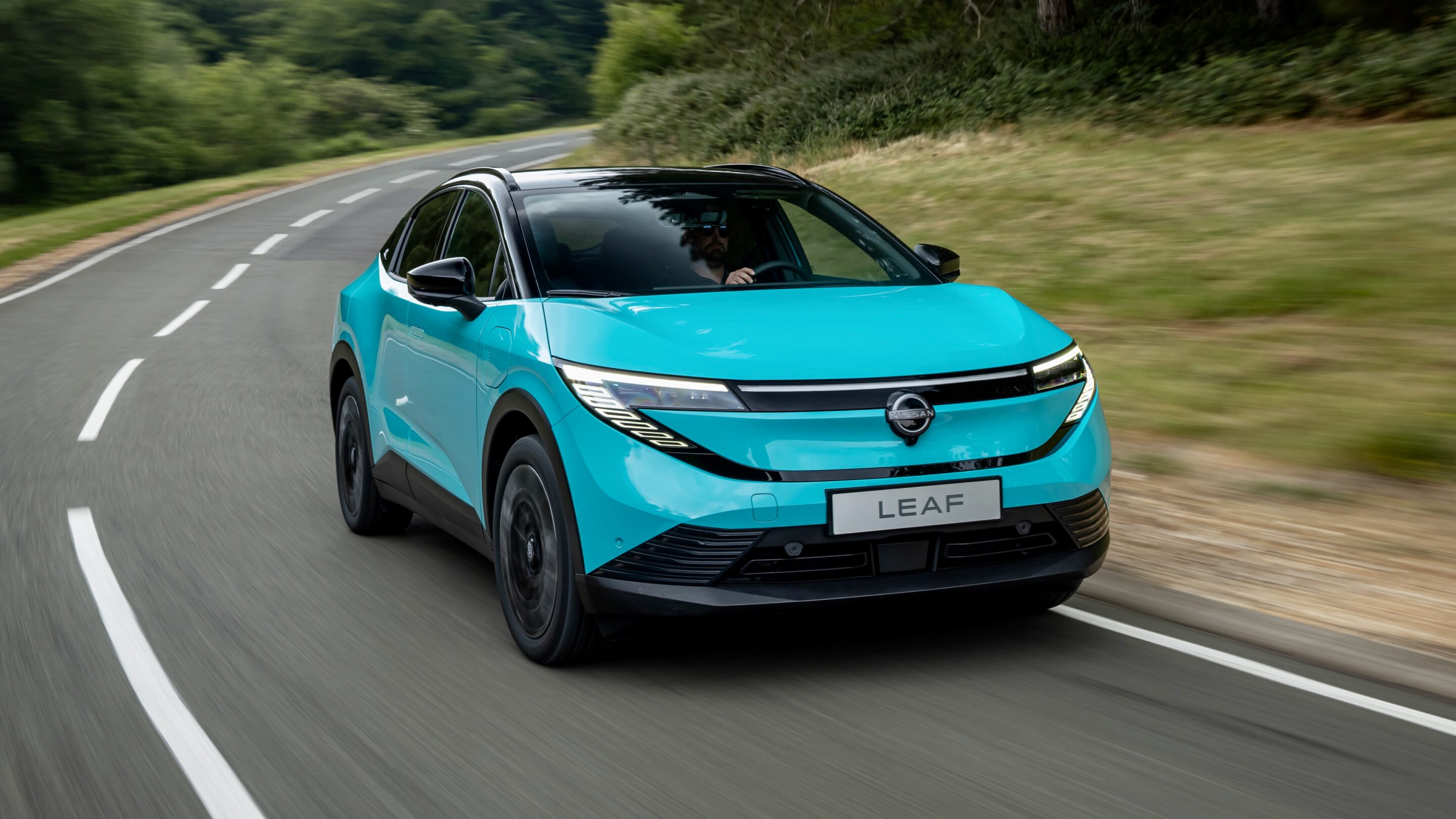
At the other end of the scale, the Nissan Leaf (pictured below) came last with 86.7 per cent after 150,000km, with the Mini Cooper SE at 87.1 per cent and Renault Zoe at 87.3 per cent. Going up from the bottom of the results, we then have the Model 3, Model Y, Audi Q4 e-tron and Opel Corsa-e.
Switching to the SoH after 50,000km gives us slightly different rankings, with the IONIQ 5 first on 97.1 per cent, the EQA on 96.6 per cent, and Kona on 96.3. The Leaf was last once again, but still turned in an impressive figure of 91.2 per cent.
4
It should be stressed that the study also found that results varied between individual examples of the same model, and the way the vehicles were charged also played a key role, with the more frequent charging needed by cars with smaller battery packs contributing to their comparatively poorer results.
“Yes, EV batteries are ageing better than the ‘they’ll wear out fast’ myth suggests, but that’s not the most important thing this report tells you,” said Aviloo CEO Marcus Berger. “What matters is that battery health varies significantly between models, and even more between individual cars of the same model.”
Follow WhichCar/Wheels on Google
Click the button below to make WhichCar by Wheels a preferred source for your news.

We recommend
-
 News
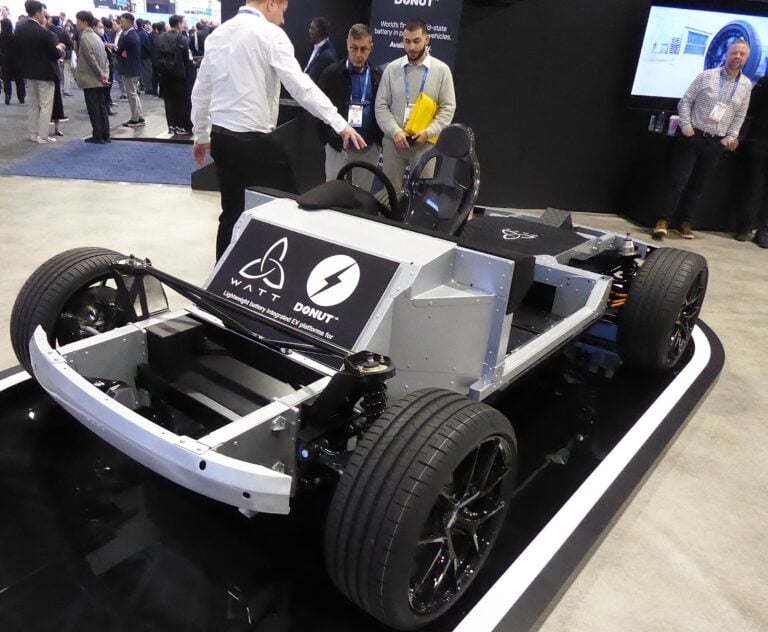
NewsWorld-first EV battery tech: Results revealed of testing to verify claims of as little as 10 minutes charging
Would you consider an EV more seriously if charging times were significantly reduced? Donut Lab claims its technology requires just 10 minutes charging for a near-600km range... and now independent test results are in.
-
 News
NewsBYD prefers its fast-charging Blade battery over hyped solid-state tech... for now
Solid-state EV batteries promise to be lighter, safer, and deliver longer range, but the world’s biggest EV manufacturer says they are not the best option.
