News
Gallery 1
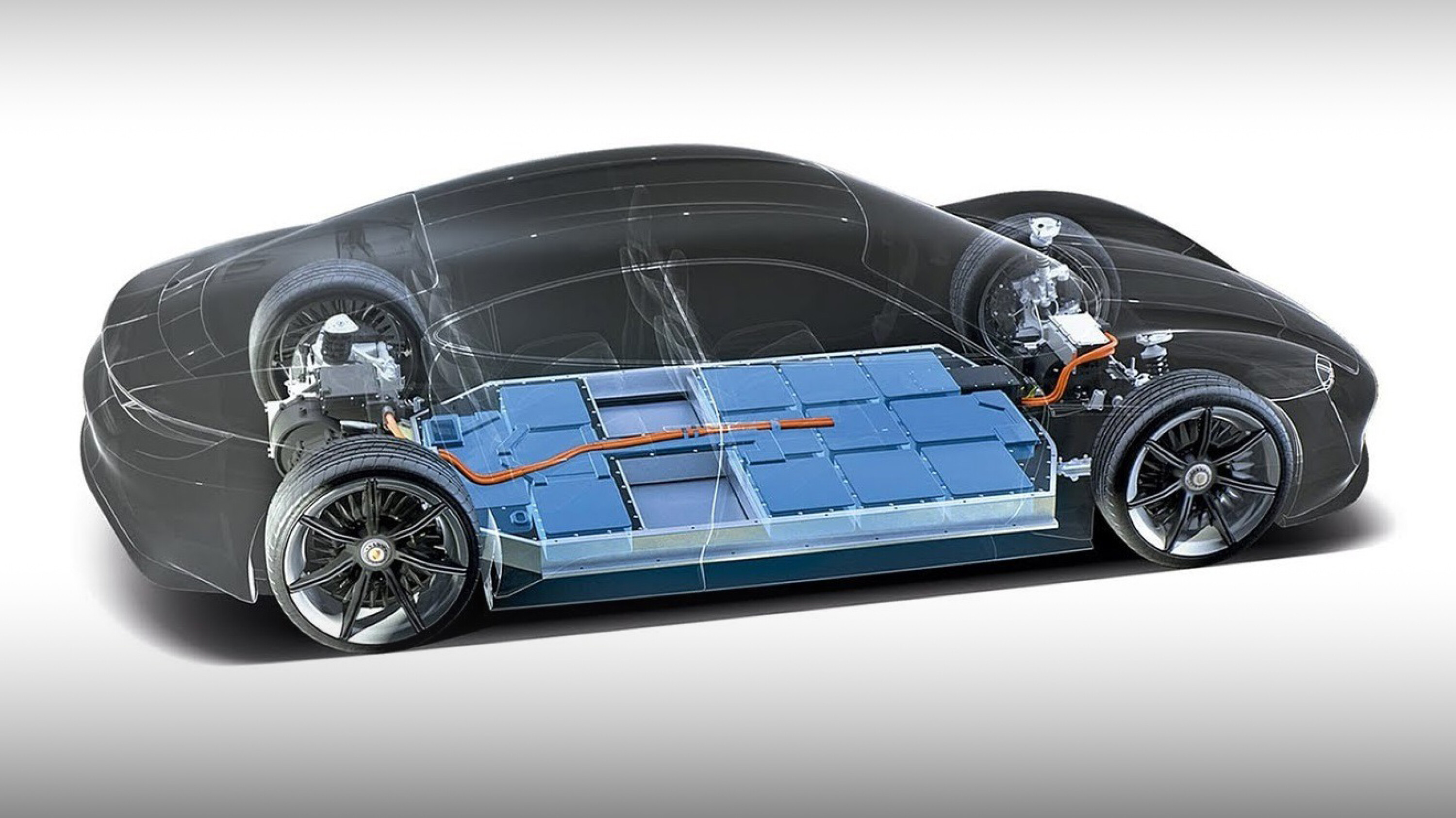
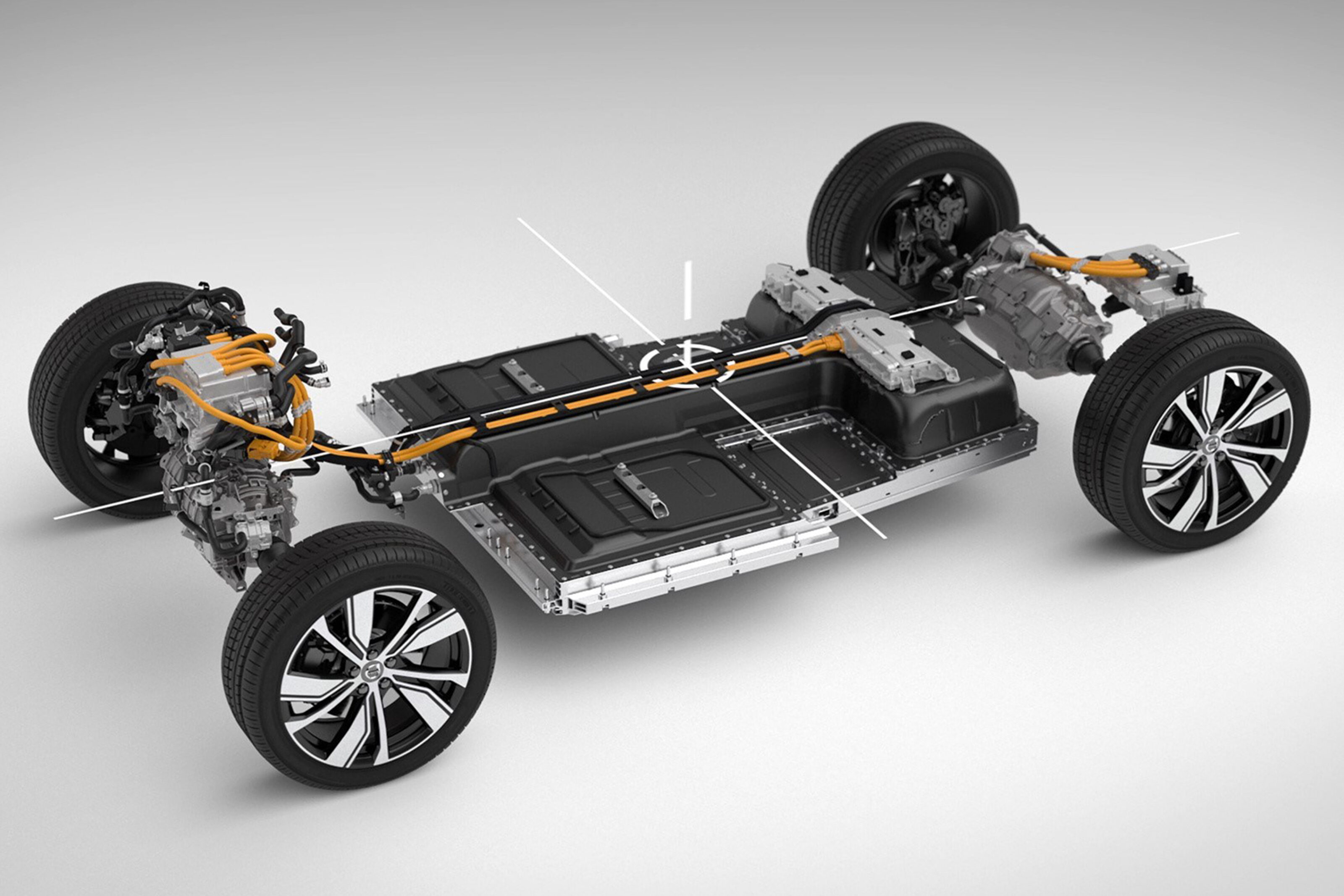
Electric vehicle batteries are retaining far more of their original capacity than many buyers might expect, according to a large-scale study examining used EVs across multiple brands.
Battery analytics firm Generational analysed data from 8,000 electric vehicles produced by 36 manufacturers, covering cars aged between zero and 12 years and with odometer readings ranging from new to more than 250,000 kilometres. The results showed an average battery state of health (SoH) of 95 per cent across all vehicles studied.
That figure is significantly higher than the 70 per cent threshold typically set by manufacturers as the minimum capacity level covered under battery warranty replacement policies.
1
Even among older vehicles aged between eight and 12 years, the median battery SoH remained at 85 per cent. The lower 25th percentile of cars in this age group averaged 82 per cent battery health, while the best-performing examples retained up to 90 per cent of their original capacity.
Generational chief executive Oliver Phillpott said the findings challenge common perceptions around EV battery longevity.
“The data shows EV batteries are performing better than many consumers and industry observers have assumed,” he said. “Even older vehicles are comfortably above typical warranty thresholds.”
One of the study’s key findings was that vehicle age and distance travelled do not always directly correlate with battery degradation. According to Generational, some high-kilometre EVs – with more than 160,000km recorded – still returned battery health figures between 88 and 95 per cent.
The company suggested that newer, higher-kilometre vehicles may sometimes present a better battery health proposition than older, low-kilometre examples, challenging traditional used-car valuation assumptions.
The findings are likely to be welcomed by insurers and fleet operators seeking clearer data on long-term ownership costs. Generational has also proposed the introduction of standardised battery condition reports, or “battery passports”, to provide greater transparency in the used EV market.
Philip Nothard, Chair of the Vehicle Remarketing Association, said confidence in battery condition is critical for second-hand buyers.
“Potential buyers of used electric cars place a strong emphasis on battery health,” he said. “Greater transparency will help dispel misconceptions and build trust in the technology.”
Follow WhichCar/Wheels on Google
Click the button below to make WhichCar by Wheels a preferred source for your news.

We recommend
-
 Comparisons
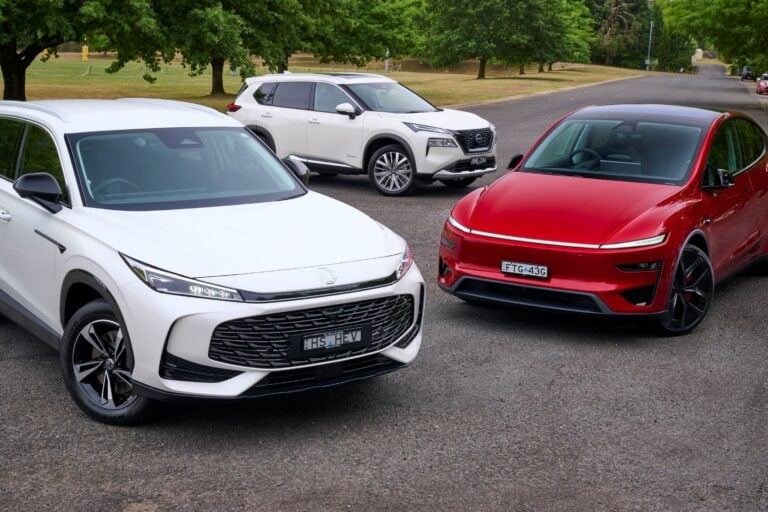
Powertrain battle! Nissan X-Trail v Tesla Model Y v MG HS Hybrid+
Australian buyers love medium and large SUVs – and the choices have never been more broad than they are right now. The question is, which powertrain suits you? best? Regular hybrid, petrol generator electric, or full electric? Three very different combatants duke it out
-
 Reviews
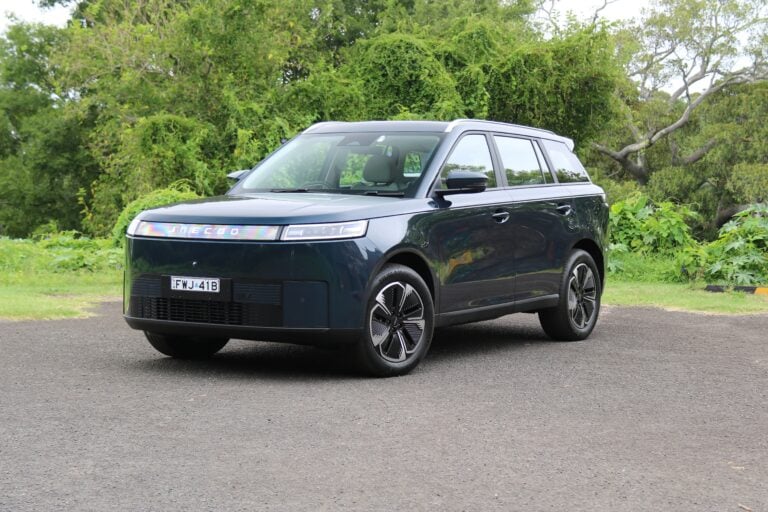
Jaecoo J5 EV review: Stylish small electric SUV takes on BYD’s Atto 2
The J5 EV is the latest, smallest and greenest SUV that Jaecoo has launched. Is there more to it than its bargain pricing?