
News
Gallery 1
The ongoing battle for tech supremacy in electric vehicles may have just had one of its biggest challengers step out of the ring.
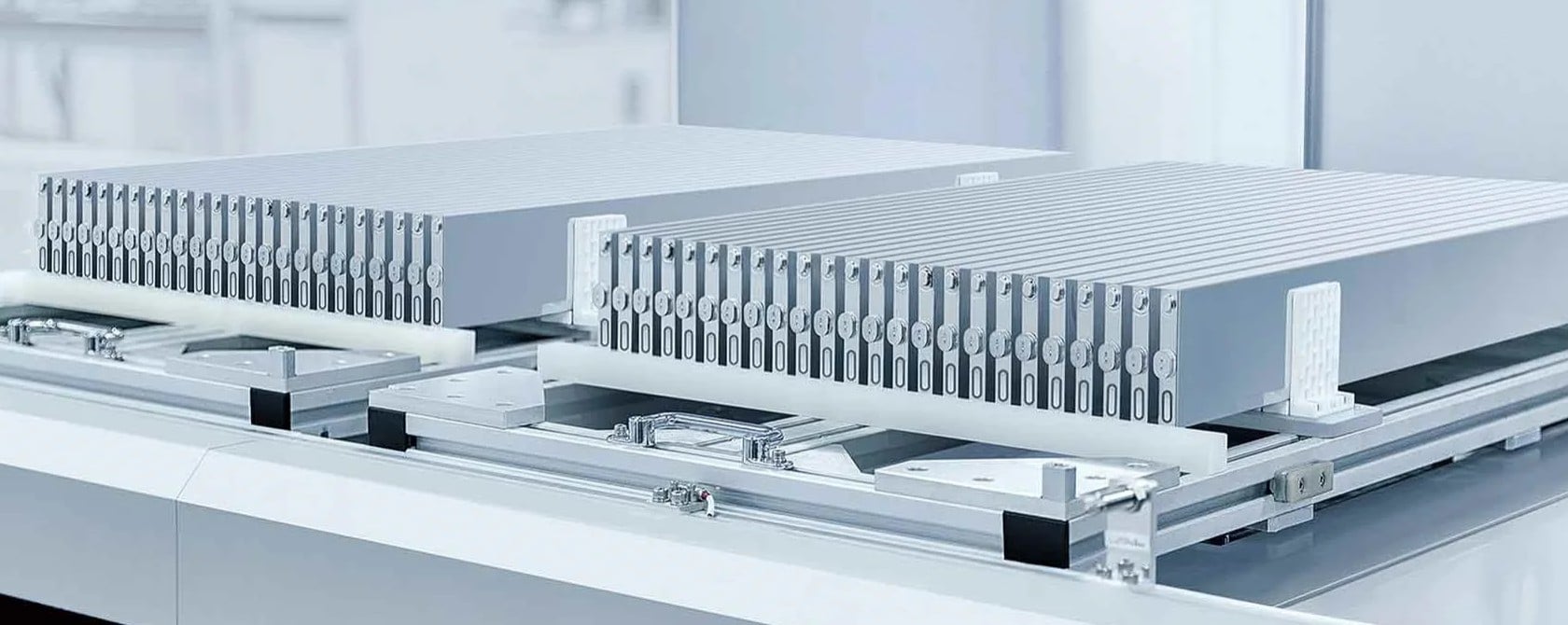
The executive vice president of BYD Auto, Stella Li (bottom), has declared her company’s second-generation lithium-ion ‘Blade’ battery (below) as superior to much hyped solid-state batteries, despite BYD’s self-proclaimed ‘leading position’ in development of the advanced tech.
In an interview with Auto Express, Li said, “At this point in time, our second-generation Blade battery is much better in terms of efficiency and cost. I don’t think that solid-state is ready for the mass market yet.”
1
Solid-state batteries, as suggested by the name, replace flammable liquid electrolytes with solid electrolytes based on ceramic, glass or other ‘dry’ materials, and provide greater temperature stability and puncture resistance, while offering energy density more than double that of traditional batteries, by weight.
In automotive applications, that would mean either lighter batteries for equivalent EV range, or longer range from a similarly-sized battery, with the ability to charge faster, owing to greater thermal stability.
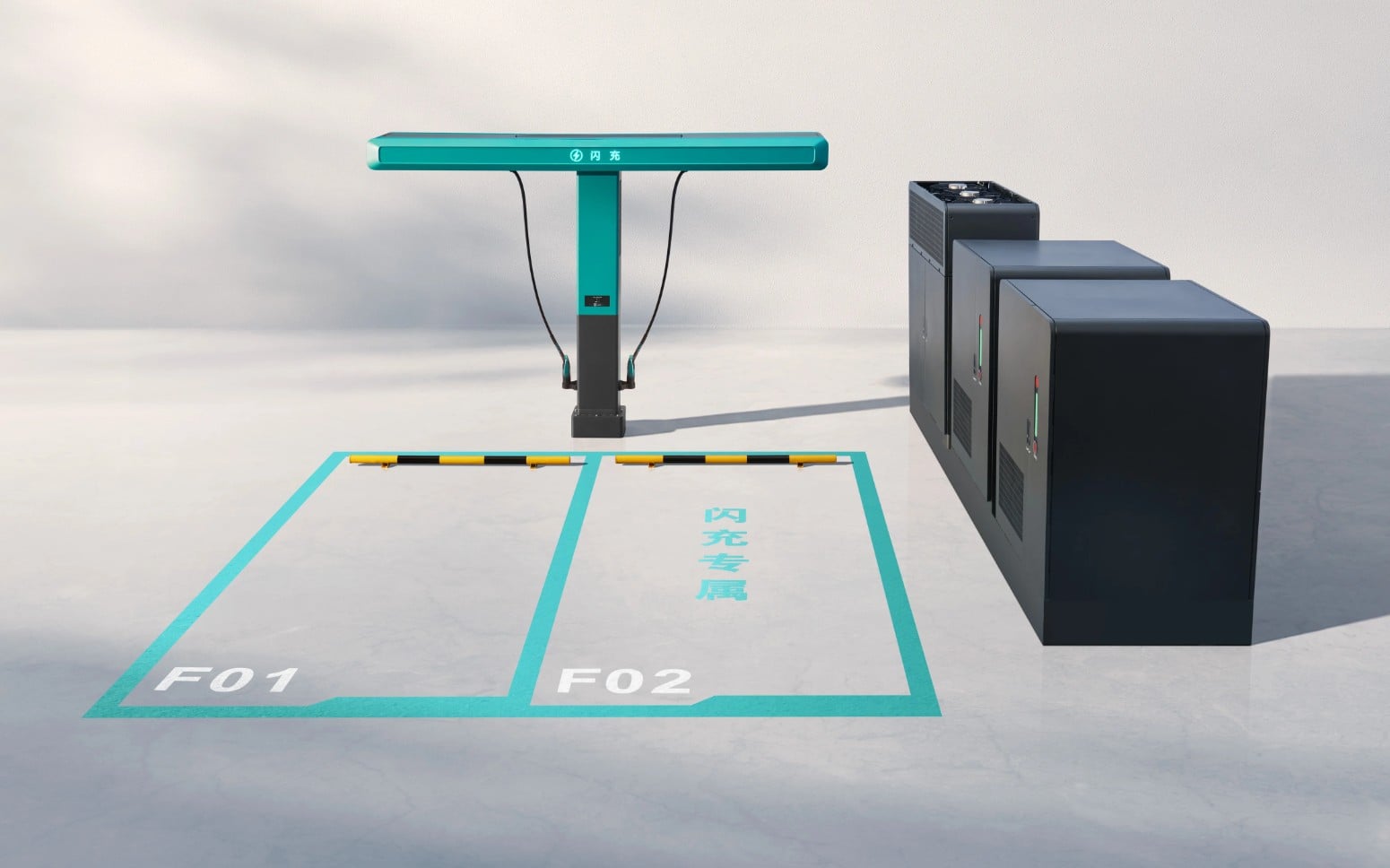
BYD, meanwhile, has recently unveiled its ‘Flash Charging’ network in China, and will roll it out globally, allowing ultra-rapid charging at up to 1500kW, almost four times faster than existing EV chargers, essentially matching theoretical solid-state charging speeds.

1
As Chinese brands fight for technological superiority, BYD’s withdrawal from the solid-state race comes as a massive upset, suggesting that the brand may have reached a dead end in commercial-scale solid-state battery development.
BYD is not alone however, with CATL announcing last month that it has new-generation batteries compatible with 3000kW charging and higher energy density, allowing greater range. Rather than using solid-state tech, CATL has developed viable sodium-ion chemistry that it says will enter production before the end of 2026.
Chinese carmakers, including Changan, Chery, and Dongfeng, all claim to be in the testing phases of solid-state battery tech, while SAIC and Nio have already introduced semi-solid-state batteries as a bridging technology.
BYD’s claims that its Flash Charging-equipped models can recharge from 10 to 97 per cent in nine minutes, or to 70 per cent in as little as five minutes. Potentially close enough to solid-state performance to rule out the newer tech unless cost efficiency improves.
A report by Bloomberg at the end of 2025 revealed the cost of lithium-ion batteries manufactured in China could be as low as US$84 (A$117) per kilowatt-hour. Around the same time, battery manufacturer Sunwoda claimed to have reduced the cost of solid-state packs to US$281/kWh (A$391), approaching the current price of semi-solid-state battery tech.
No manufacturer has yet revealed a production solid-state battery in an automotive application.
Follow WhichCar/Wheels on Google
Click the button below to make WhichCar by Wheels a preferred source for your news.

We recommend
-
 News
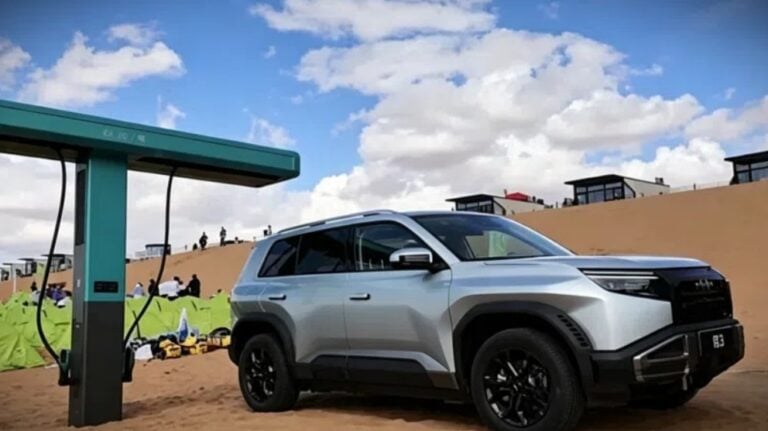
NewsBYD’s desert Flash Charging demonstration hints at Australian suitability
BYD offered a ‘real world’ demonstration of its 1500kW charging tech in a remote part of the Mongolian desert, suggesting the super-fast charging tech could be a natural fit for Australia.
-
 Reviews
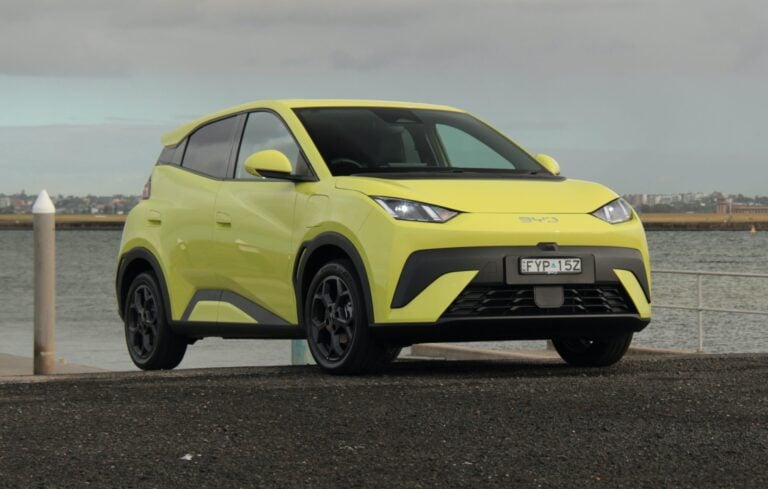
BYD Atto 1 review: Small EV breaks new ground in Australia
The BYD Atto 1 is now the cheapest electric car you that can buy in Australia, but should you? Read our review of the top-spec Premium to find out.
-
 News
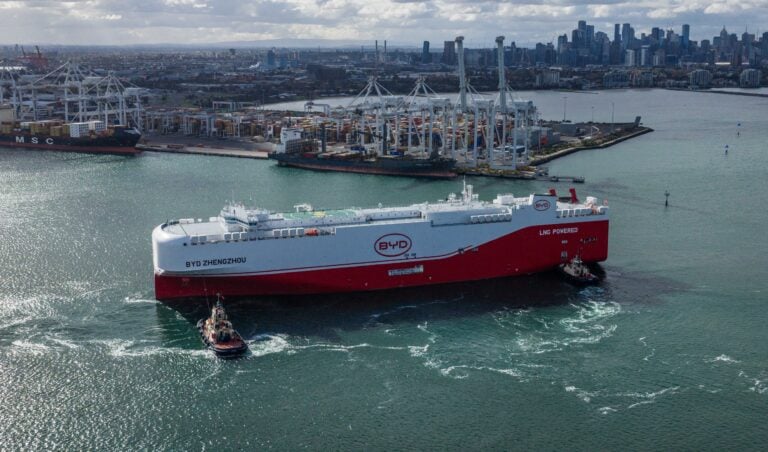
NewsBYD's much publicised ship arrives in Australia carrying almost 5000 vehicles
Weeks after departing China, BYD Zhengzhou has docked in Melbourne as the brand ramps up supply for Australian buyers.
