
News

Gallery 1
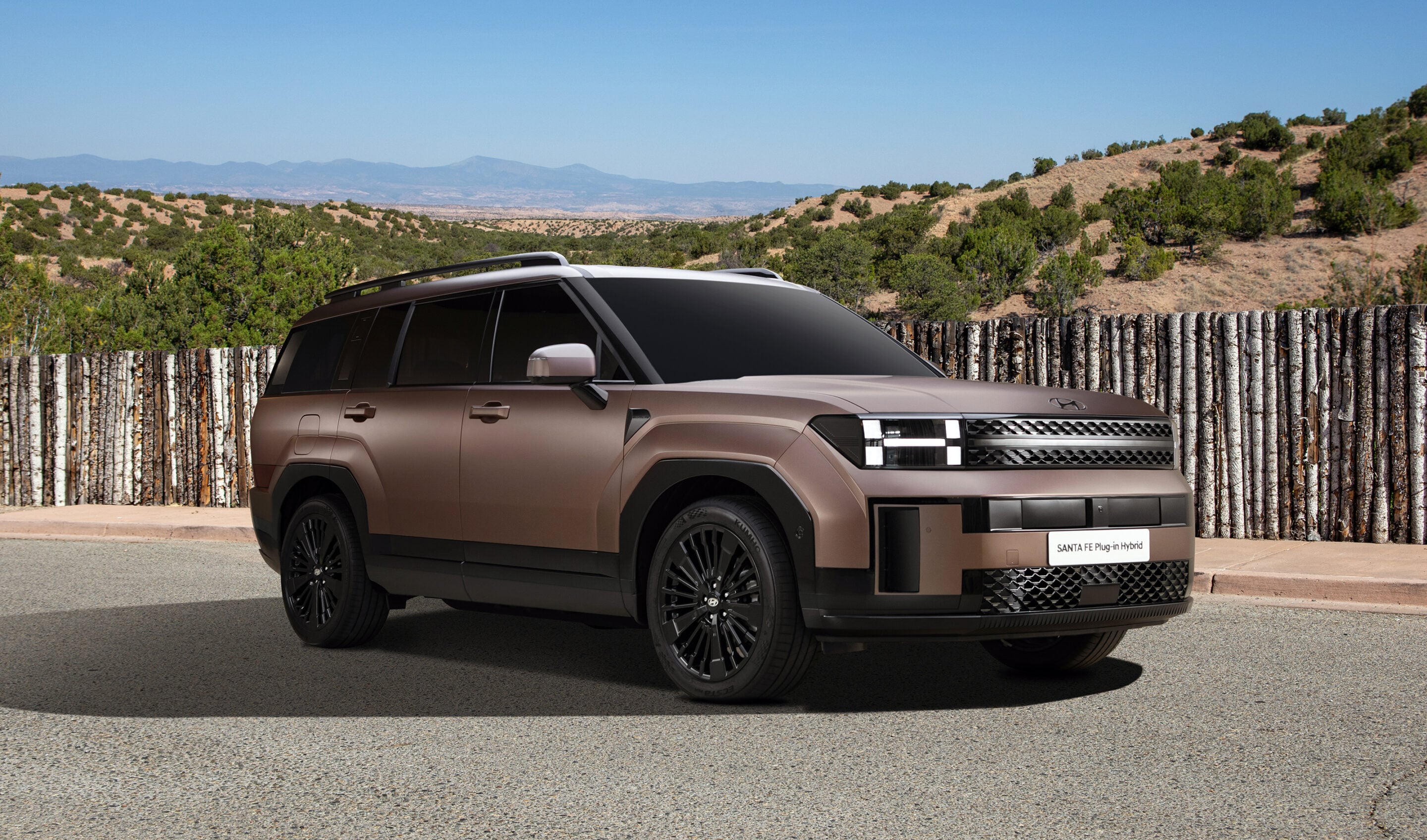
Hyundai Australia says it hasn’t “missed the boat” when it comes to plug-in hybrids, despite the previously stagnant electrified tech now enjoying a surge in popularity.
Speaking to Whichcar by Wheels exclusively, Hyundai Australia’s General manager of Product Planning, Jonathan Lam said that “we are always looking at what’s available to us globally. Certainly, with NVES (New Vehicle Emission Standard) in our market, we’d be looking at all sorts of hybridisation, whether it’s hybrid, plug-in hybrids or EVs.”
1
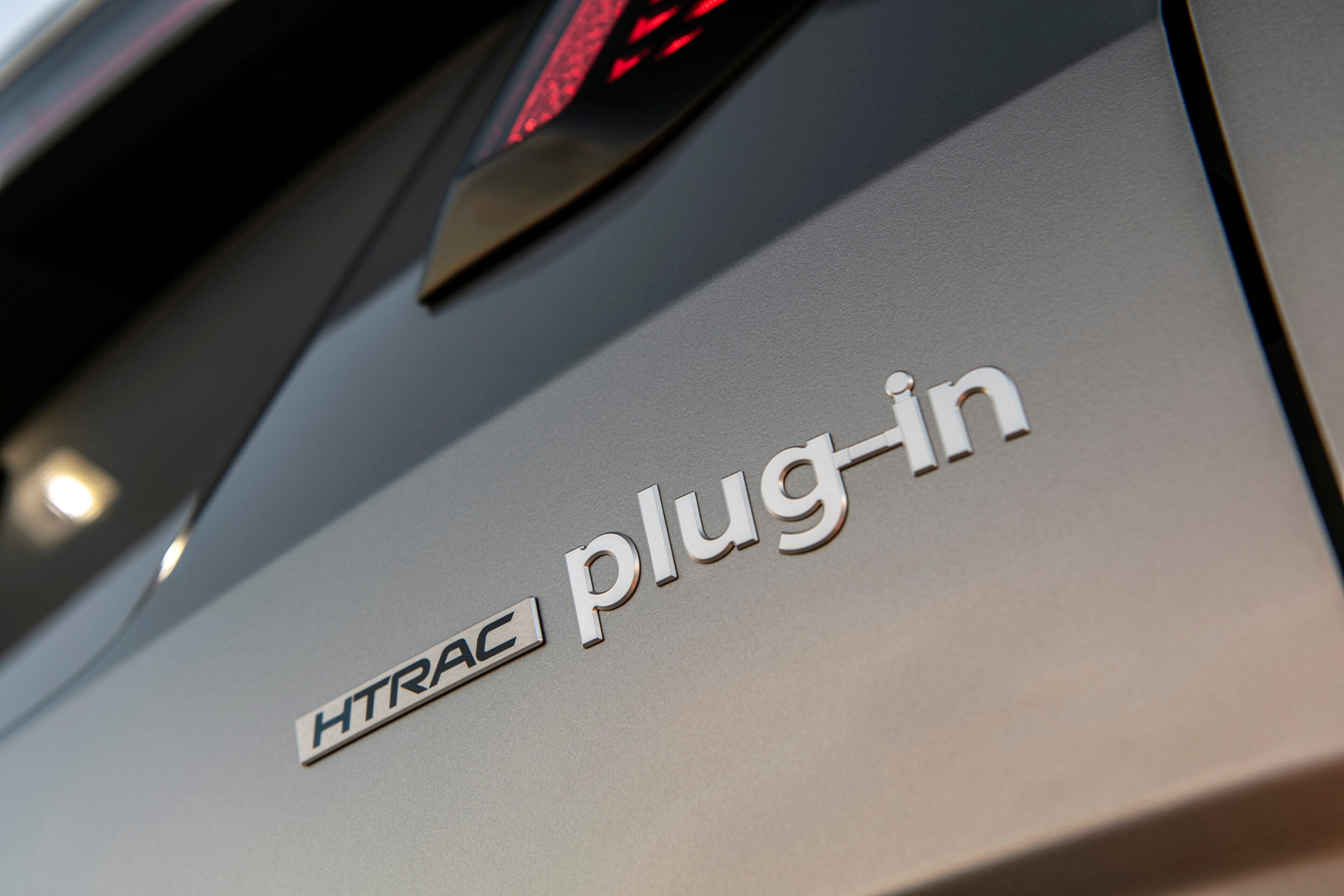
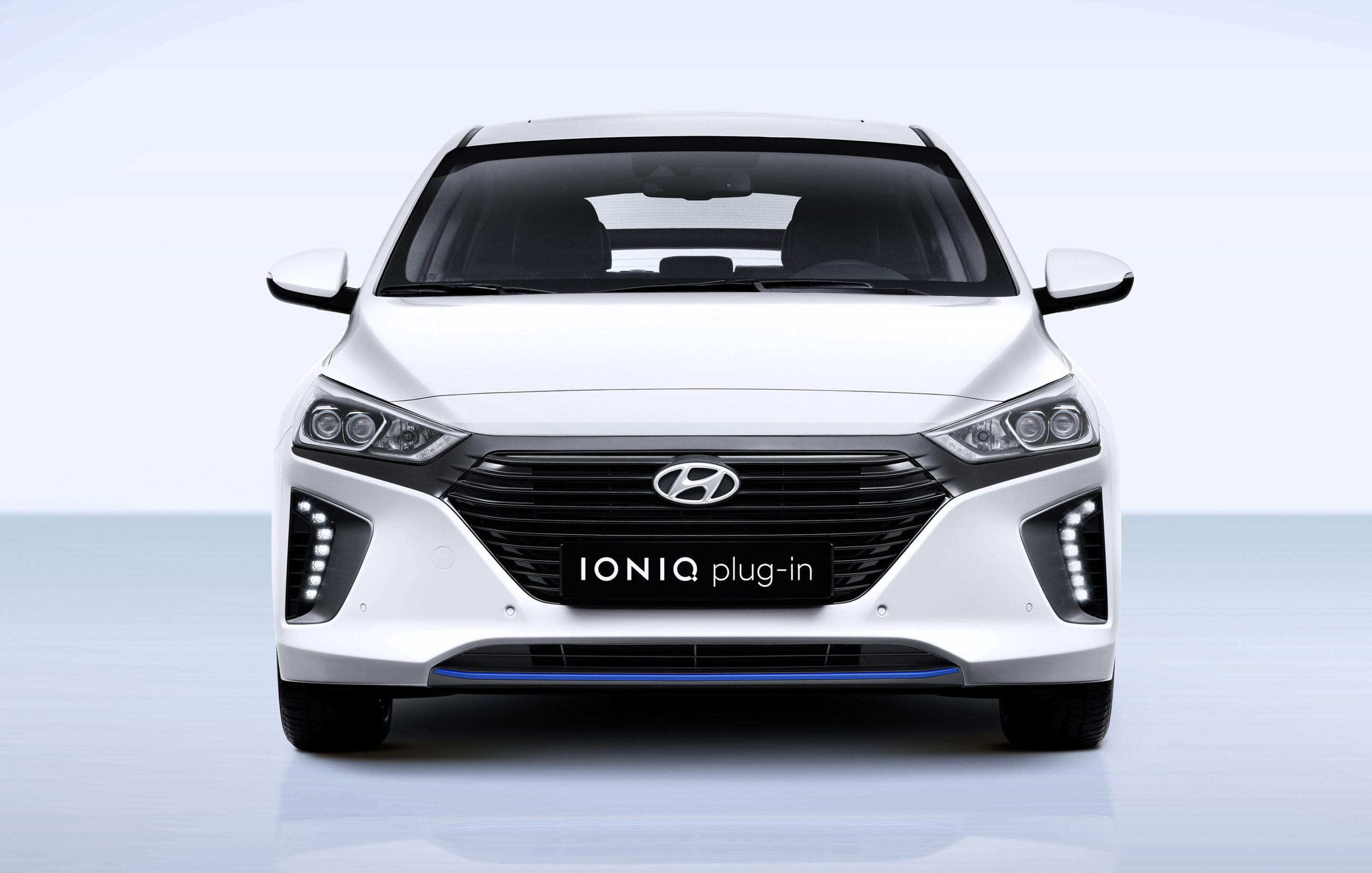
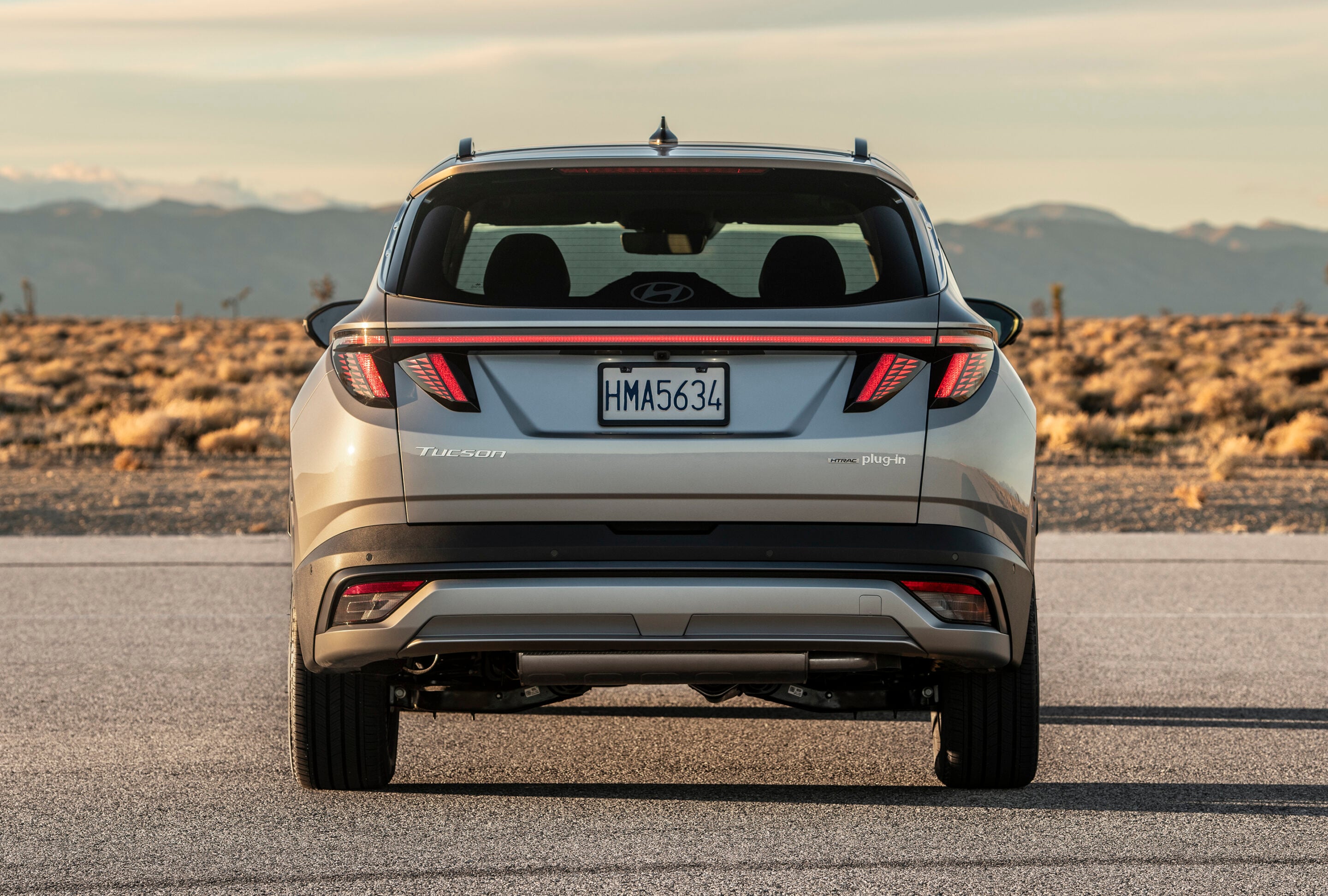
Hyundai Australia doesn’t currently offer a plug-in hybrid across its line-up. The lone PHEV to make its way to Australia was the Ioniq (pictured, below) back in 2018 but slow sales saw it axed in 2022, despite the Korean automaker offering PHEV variants of some of its more popular models – the Tucson and Sante Fe – across Europe and North America.
Both are powered by the 1.6-litre turbo-four paired with an electric motor for outputs of 185kW and 350Nm. A 14.kWh lithium-ion battery offers a claimed 68km of EV-only range based on the more lenient NEDC testing cycle.
It’s the same plug-in powertrain available in Australia in the Kia Sorento PHEV, flying a lone flag for plug-in hybrids for the Korean giant locally.
1
But when asked if he believed Hyundai had ‘missed the plug-in hybrid’ boat, Lam said, “I wouldn’t call it missing the boat.
“I think it’s one of those things where we can see there’s been an explosion with plug-in hybrids, but we also need to consider the price points at which some of these cars are priced at.”
Lam didn’t explicitly state it, but he was clearly referencing the recent influx of plug-in hybrids from a range of Chinese manufacturers, with models that are priced well below similar offerings from more established brands.
But when pressed on whether Hyundai would find it difficult to compete on price in what is a rapidly expanding market for PHEVs, Lam countered with, “The other way to look at it is, we still feel like we’ve got a compelling product at different sort of price points. It’s just a matter of what the consumer prefers.”
1
Sales of plug-in hybrids in Australia have more than doubled this year, reaching 75,206 to the end of August, according to the Federal Chamber of Automotive Industries. This time last year, PHEVs accounted for 33,500 new car sales.
Regular hybrids are also enjoying growth, up 10.3 per cent year-on-year, with the FCAI reporting 142,210 hybrids sold so far in 2026. Twelve months ago, that number was 128,896. Both forms of hybrid are being outsold by full battery-electric, with total sales to the end of August running to 152,823. This time last year, EVs had amassed 62,736 sales.
Follow WhichCar/Wheels on Google
Click the button below to make WhichCar by Wheels a preferred source for your news.

We recommend
-
 News
NewsEVs and PHEVs now outsell ICE vehicles in one place in Australia
One Australian territory has reached critical mass in plug-in electric vehicle uptake, now accounting for 55 per cent of all new cars sold.
-
 Reviews
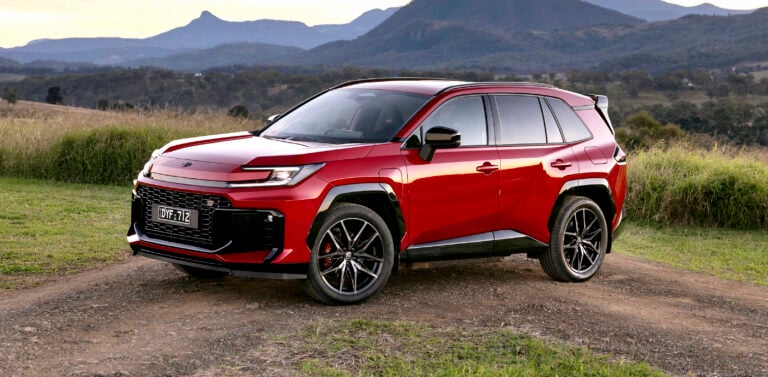
Toyota RAV4 PHEV review: Fashionably late to the plug-in hybrid party
The arrival of plug-in hybrid tech brings even more choice for buyers of Australia’s best-selling SUV, but has Toyota left its run too late?
