
News

Gallery 1
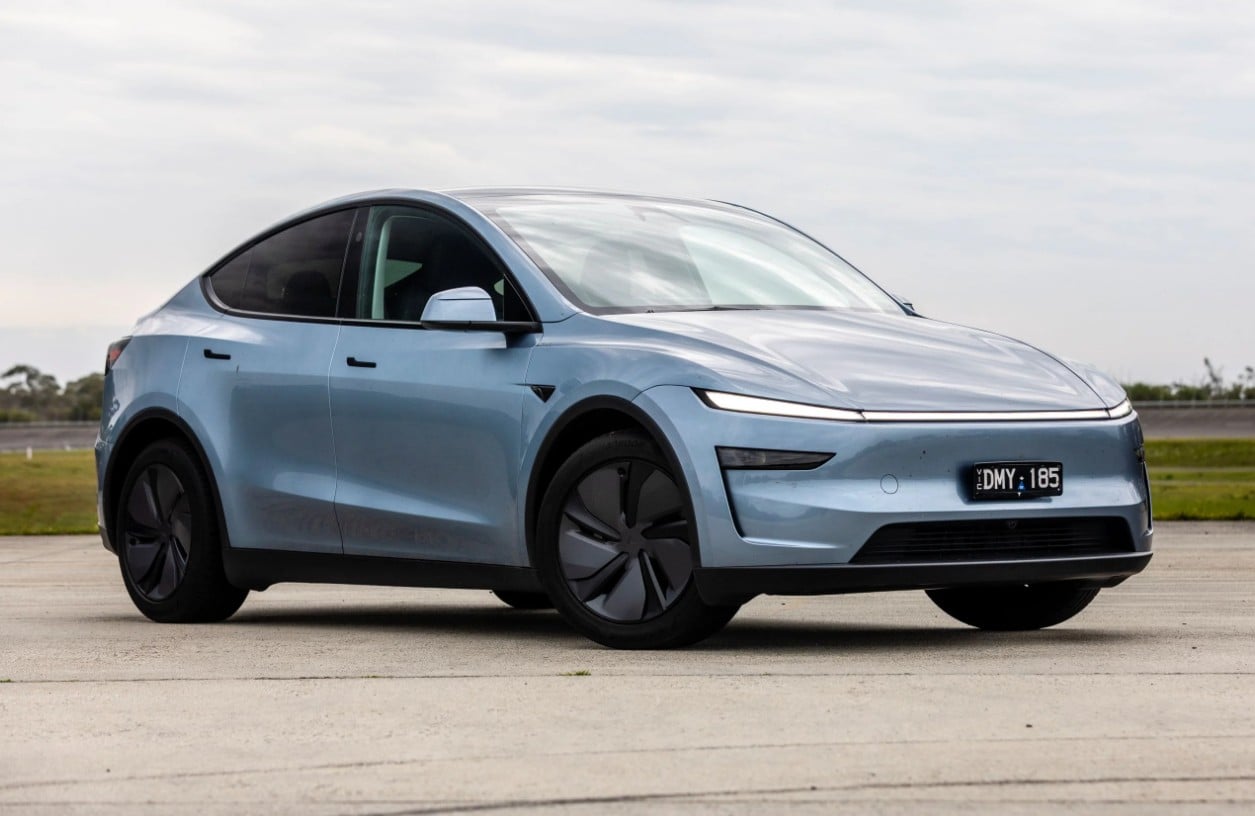
Tesla is pushing the Australian Government to accelerate the introduction of driverless vehicles on public roads, arguing that the technology could save hundreds of lives, prevent thousands of injuries and deliver more than $10 billion in economic benefits.
In its submission to the Senate Select Committee on Productivity in Australia on October 16, the American EV manufacturer called for Australia’s proposed Automated Vehicle Safety Law (AVSL) to be brought forward from 2029 to 2027, arguing that Australia is falling behind in preparing for autonomous vehicles, despite work on a national regulatory framework beginning a decade ago.
“Australia’s AV regulatory framework was first proposed by the National Transport Commission back in 2016,” the company said. “Today, progress on a national AV framework remains fragmented and continues to face uncertain timelines.”
4
According to Tesla, accelerating the legislation by just two years could prevent hundreds of road deaths and thousands of injuries, while unlocking more than $10 billion in safety, productivity, environmental and economic benefits. The economic estimate comes from modelling by the Autonomous Vehicle Association of Australia, while it also cited government research suggesting autonomous vehicles could save up to 800 lives annually.
Tesla has also used the performance of its existing Full Self-Driving (Supervised) technology to support its argument. Since the system launched locally in September 2025, Tesla claims its vehicles have travelled more than 160 million kilometres across Australia and New Zealand with the technology activated.
The company claims that its vehicles operating with FSD (Supervised) engaged recorded 40 per cent fewer collisions, 90 per cent fewer harsh braking incidents and 86 per cent fewer harsh acceleration events.
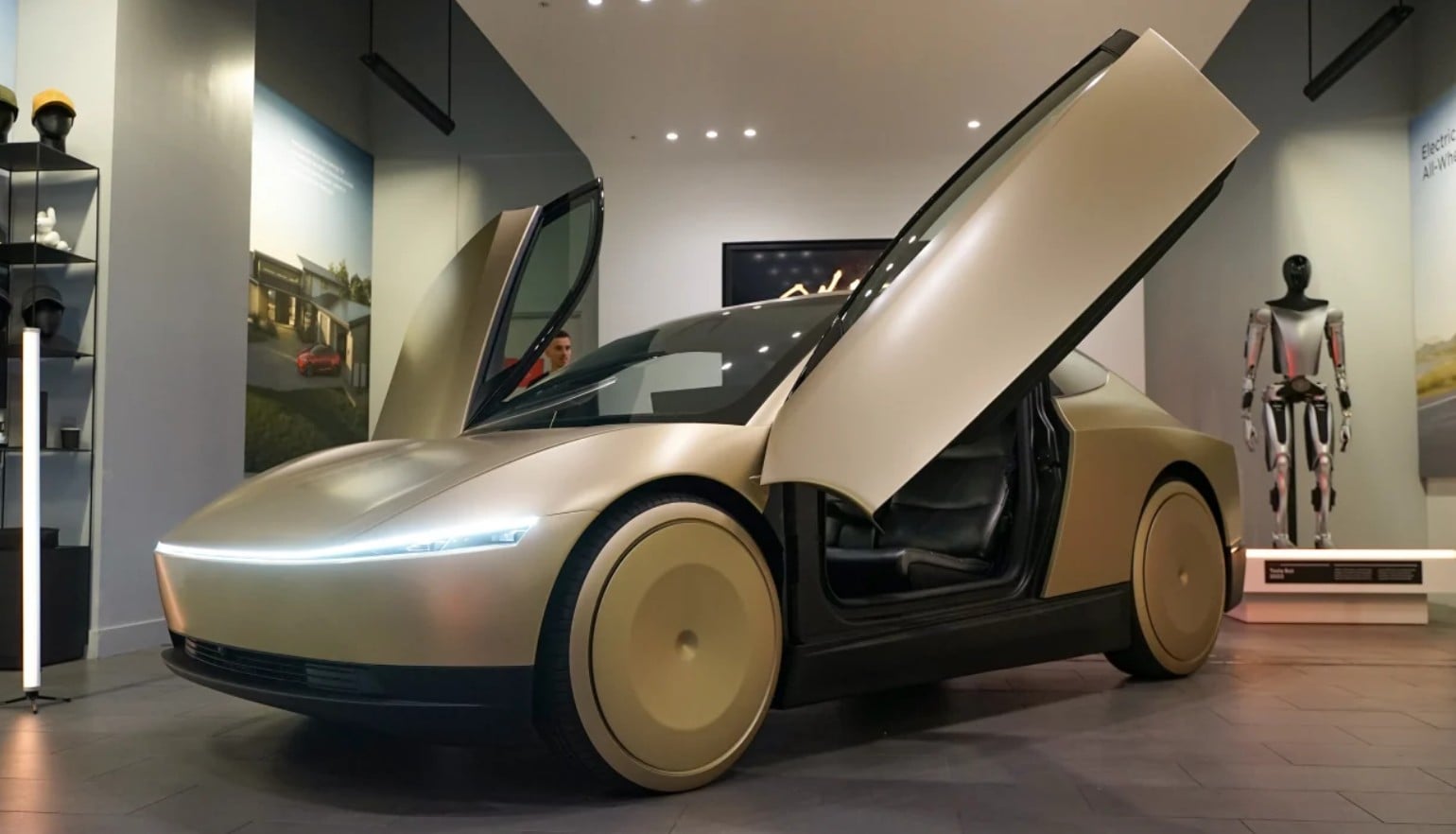
Importantly, FSD (Supervised) is classified as a Level 2 driver assistance system, meaning motorists must remain attentive and responsible for controlling the vehicle at all times. That differs significantly from the fully autonomous vehicles Tesla ultimately wants to introduce, including its Cybercab robotaxi, which features neither a steering wheel nor pedals.
5
Australia’s National Transport Commission has already outlined plans to permit the conditional deployment of autonomous vehicles in selected locations from 2027, although broader implementation will require changes to federal, state and territory legislation.
Tesla isn’t the only company interested in introducing driverless vehicles locally, with Google’s Waymo also exploring opportunities in Australia. However, the technology has attracted opposition from transport unions, which have warned that widespread robotaxi adoption could threaten thousands of jobs and undermine existing transport industries.
For Tesla, the argument is that Australia’s regulatory framework should move faster to accommodate technology it believes is already capable of delivering significant safety and economic benefits. Whether the Federal Government agrees remains to be seen, but Tesla’s submission makes clear that the company wants its driverless vehicles on Australian roads sooner rather than later.
Follow WhichCar/Wheels on Google
Click the button below to make WhichCar by Wheels a preferred source for your news.

We recommend
-
 Features
Pigs might fly: Inside the wave of doubt over the Tesla Roadster – and the 'real reason' for its insane launch
The Tesla Roadster was finally unveiled on October 16 after years of waiting. Amazement and wonder followed... but so did skepticism about the tech and Elon Musk's motives.
-
 News
Tesla officially cans the Cybertruck for Australia as plans for right-hand drive version are axed completely
You won't be seeing the Tesla Cybertruck down under after Tesla notified Aussies who reserved one of the models to let them know there will be no right-hand drive version.
-
 News
What Tesla didn't mention at its spectacular Roadster launch...
Almost a decade after its original unveiling, Tesla's electric supercar has resurfaced with extraordinary performance claims – but prospective buyers should read the fine print...
