
News


Gallery 1
Diesel-powered vehicles have made a surprising comeback in Australia’s new car sales charts, reclaiming the top spot from electric vehicles as our nation’s automotive market continues to undergo a significant transformation.
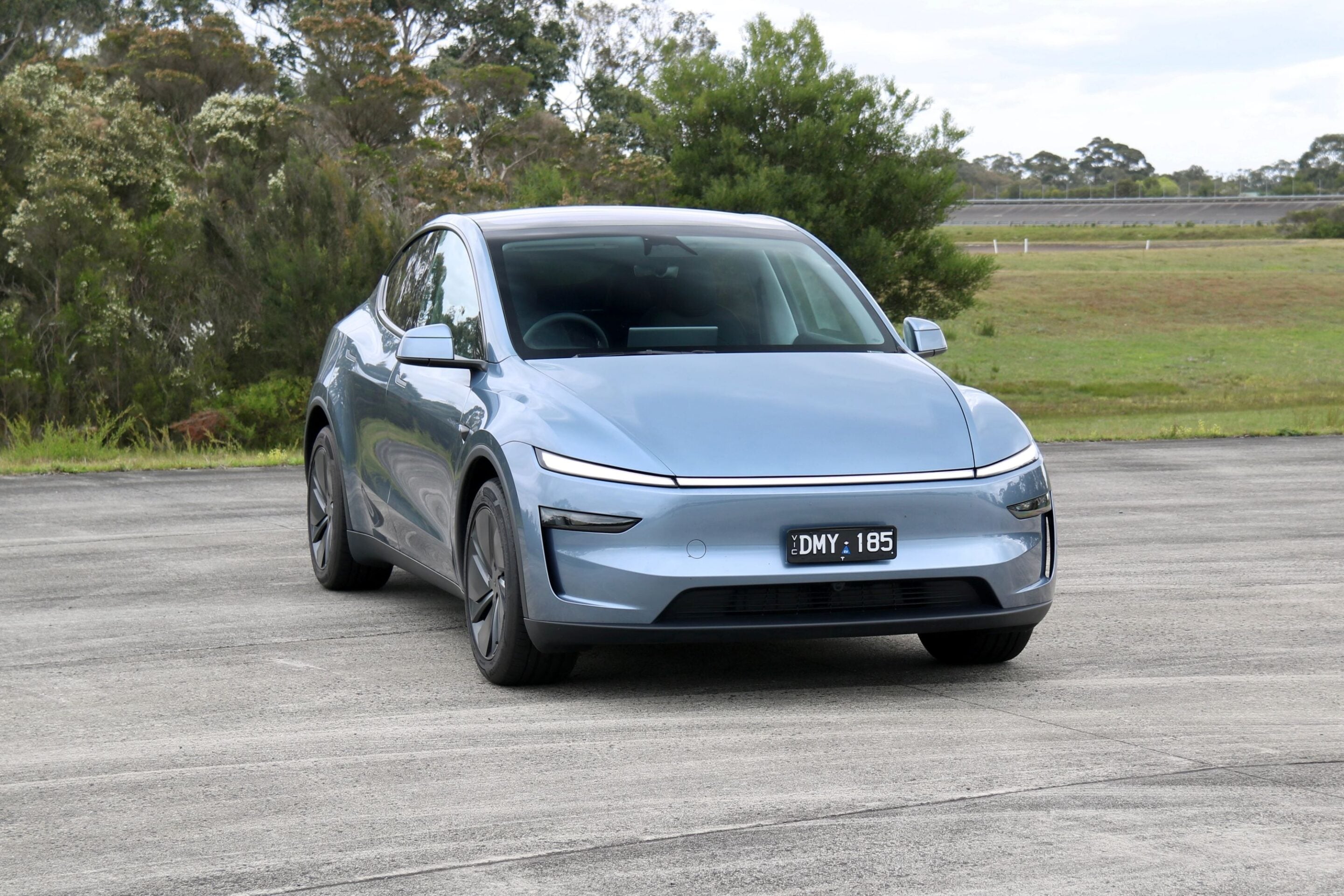
According to the latest VFACTS sales figures, Australians purchased 25,649 diesel-powered vehicles in October 2026, which represented 23.9 per cent of the new-car market. That effort was enough to narrowly surpass battery electric vehicles (BEVs), which recorded 24,845 deliveries and a 23.1 per cent market share.
The result marks an unexpected turnaround for diesel, which had been overtaken by electric vehicles in both August and September as demand for electric models surged. However, despite diesel’s return to the top, the latest figures show that Australia’s transition towards electrified vehicles is continuing.

3
While electric vehicle sales declined by 5.5 per cent compared with September, when 26,287 BEVs were registered, their October market share remained substantially higher than the 7.3 per cent recorded during the same month last year.
Meanwhile, petrol-powered vehicles slipped to third place, with 23,605 deliveries accounting for 22.0 per cent of the market. That represents a significant 35.9 per cent decline in petrol sales compared with October 2025, highlighting the changing preferences of Australian new car buyers.
Despite diesel’s resurgence, electrified vehicles achieved a significant milestone in October, collectively accounting for more than half of eligible new-car sales for the first time. Combining electric vehicles with conventional hybrids and plug-in hybrids, electrified models represented 52.8 per cent of passenger, SUV and light commercial vehicle sales recorded through VFACTS and the EV Council.
Diesel’s continued popularity is being supported by Australia’s strong appetite for utes and large four-wheel drives, with vehicles such as the Toyota HiLux, Ford Ranger and Toyota LandCruiser remaining popular choices among private and business buyers. It was actually the HiLux that was Australia’s best-selling vehicle in October, recording 5954 deliveries, ahead of the Ranger with 4841 sales.
3
However, diesel’s October result doesn’t necessarily signal a sustained reversal in Australia’s changing automotive landscape. Diesel holds a 24.3 per cent share of Australia’s year-to-date sales, but petrol holds a 27.5 per cent market share, making it the most popular of 2026. EVs hold a 19.3 per cent share,
While diesel holds a 24.3 per cent share of year-to-date sales, petrol remains the most popular fuel type across 2026 so far, accounting for 27.5 per cent of the market. EVs currently hold a 19.3 per cent year-to-date share, and diesel’s lead is a substantial 52,925 vehicles, meaning that it’s likely to finish ahead of EVs for the full year.
Nevertheless, October’s figures highlight an increasingly diverse Australian new car market, where traditional diesel-powered workhorses continue to attract many buyers, even as electrified vehicles account for a growing proportion of sales. Will 2027 change that? Time will tell.
Follow WhichCar/Wheels on Google
Click the button below to make WhichCar by Wheels a preferred source for your news.

We recommend
-
 News
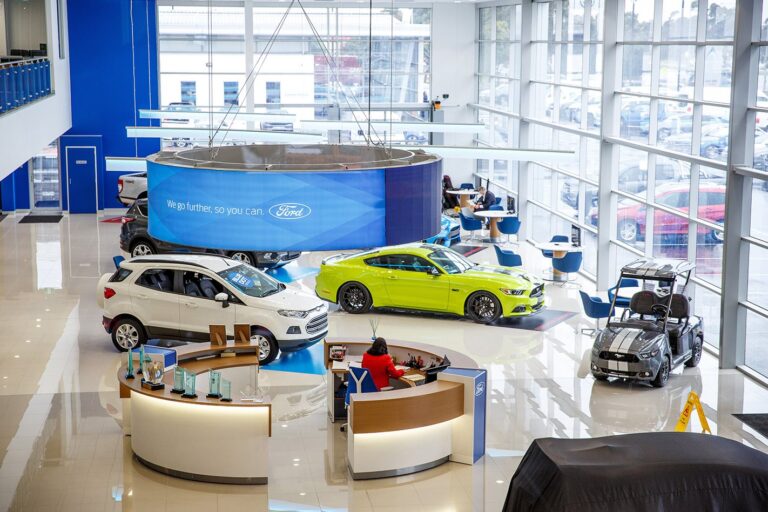
Dire warning that Australia’s car dealerships are at ‘crisis point’ amid call for ban on new brands entering the country
New-car dealerships down under are in urgent need of protective measures as they face disaster, according to the Australian Automotive Dealer Association.
-
 Features
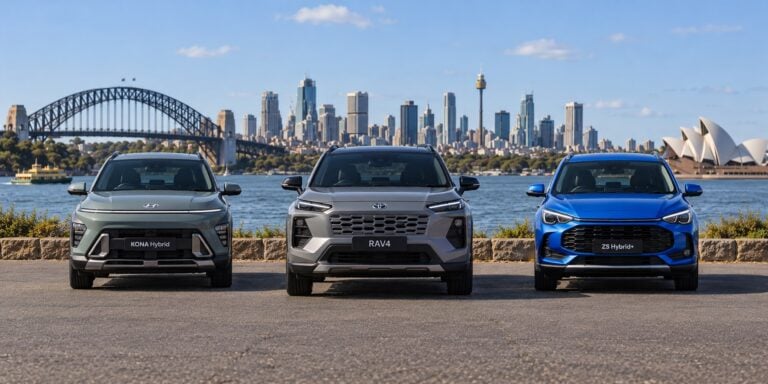
Revealed: Australia’s top 10 most fuel-efficient SUVs as petrol and diesel prices shoot up again
SUVs remain wildly popular in Australia. But with petrol and diesel prices spiking, what's your best bet for saving at the bowser? We've got you covered...
-
 News
GWM says new 3.0-litre diesel won't impact NVES targets
GWM's local boss is confident sales of the brand's EVs and plug-in hybrids will offset any NVES impacts of its new 3.0-litre diesel Tank 500 and Cannon Alpha
