Features

Gallery 1
Transport is one of the biggest drains on the Aussie household budget – especially in light of the way petrol and diesel prices have spiked since the federal government’s fuel excise relief ended. According to the Australian Institute of Petroleum, the national average price of petrol is 227.3 cents a litre, with the average cost of diesel at 273.6 cents a litre… and climbing.
Fuel consumption matters for another reason, too. While Australians continue to favour larger vehicles such as SUVs, choosing a more efficient model can help reduce both running costs and emissions – without necessarily making the jump to a plug-in hybrid or fully electric vehicle.
So, if you want the practicality of an SUV without the hefty fuel bills, which models are the most economical? Here’s the WhichCar by Wheels guide to the 10 most fuel-efficient non-plug-in SUVs currently on sale in Australia:
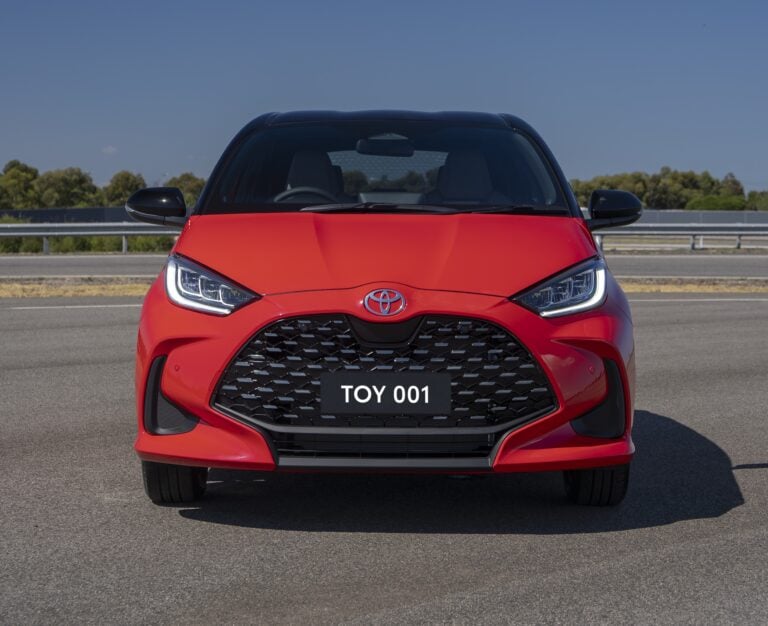
Toyota Yaris Cross 2WD and Lexus LBX: 3.8L/100km
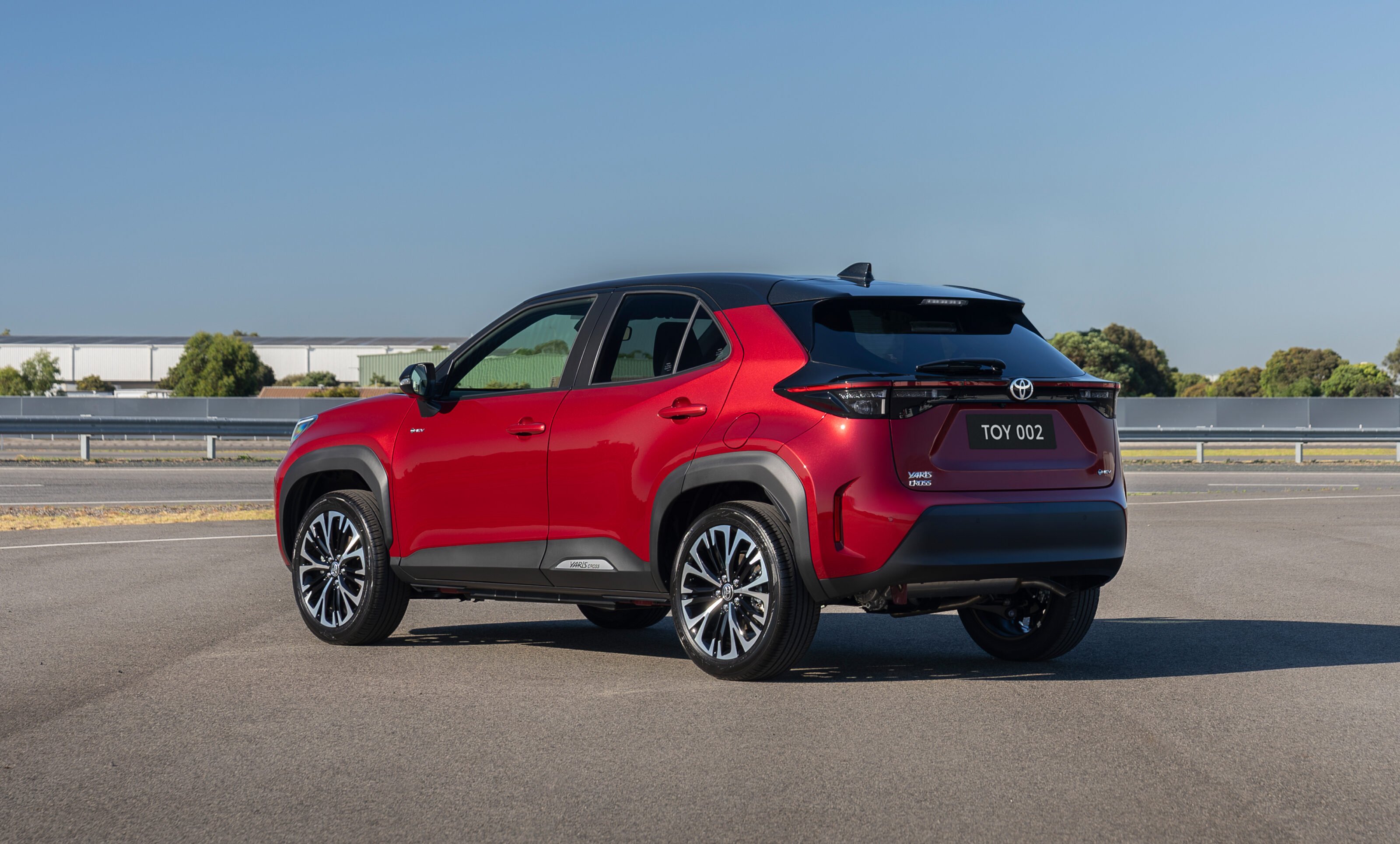
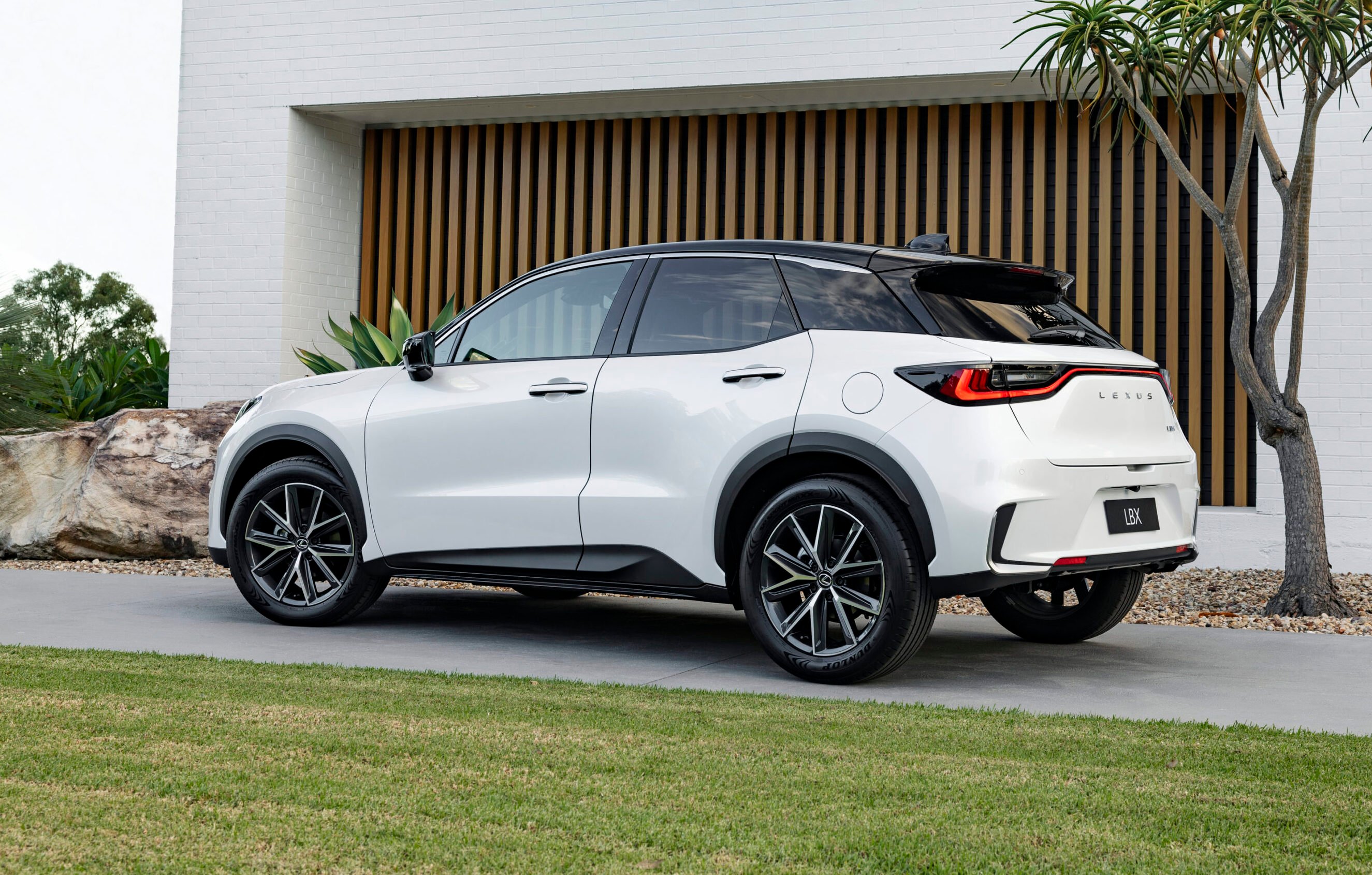
Flexing Toyota’s muscle in hybrid vehicle efficiency, the Yaris Cross small SUV and its luxury cousin, the Lexus LBX, are the most fuel-efficient SUVs in Australia with a claimed combined fuel consumption rating of just 3.8L/100km. Both also have very low CO2 emissions: 86g/km for the Yaris Cross and 85g/km for the LBX.
Both use a 1.5-litre three-cylinder petrol hybrid drivetrain making 85kW of total power in the Yaris Cross and 100kW in the LBX. The Yaris Cross is priced from $31,790 plus on-road costs and the LBX is $47,550 +ORC, though both have more expensive and better-equipped grades for buyers to choose. Using the same platform, both the Yaris Cross and LBX drive well and they’re practical for their size, too.
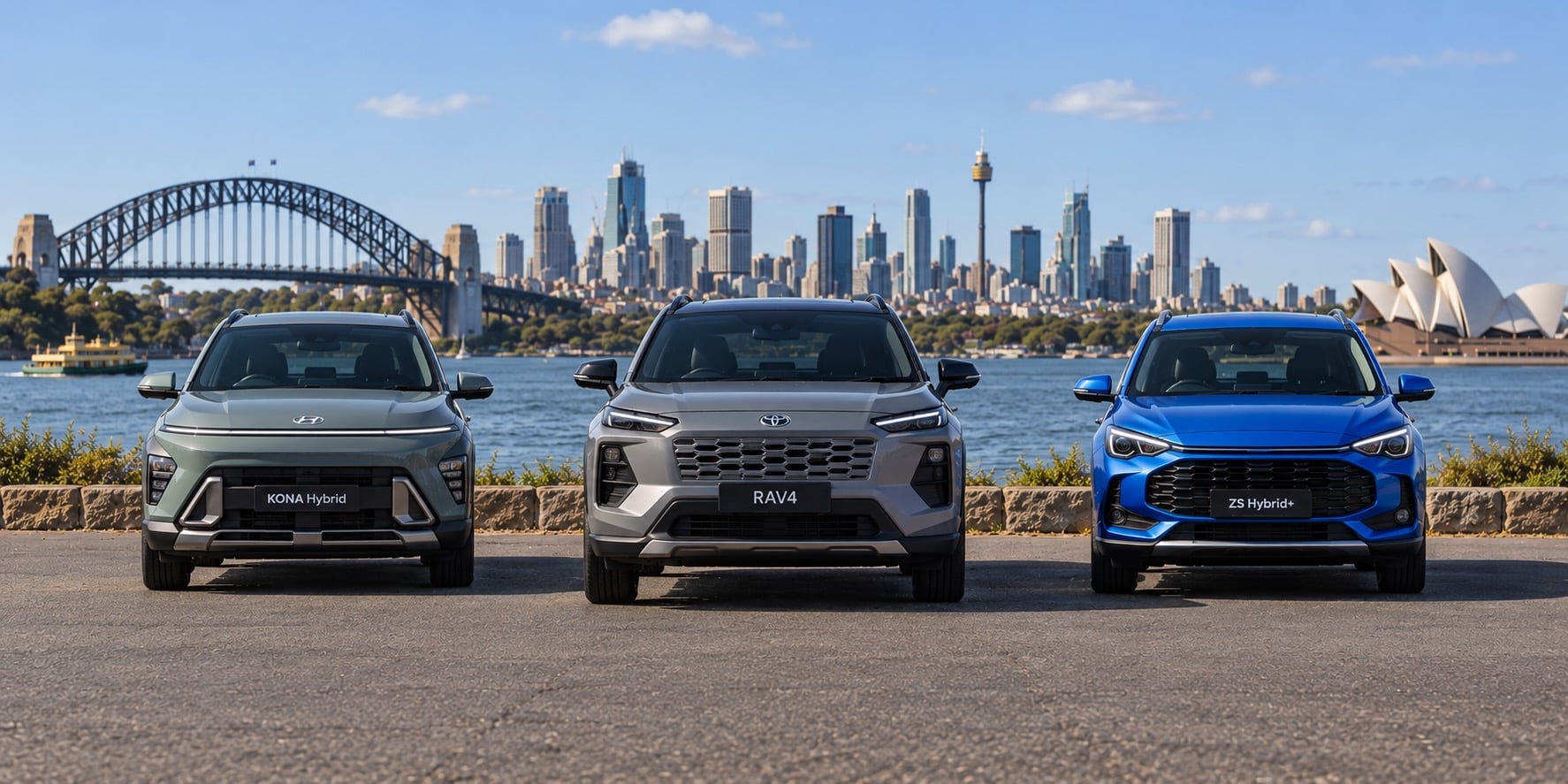
Hyundai Kona Hybrid: 3.9L/100km
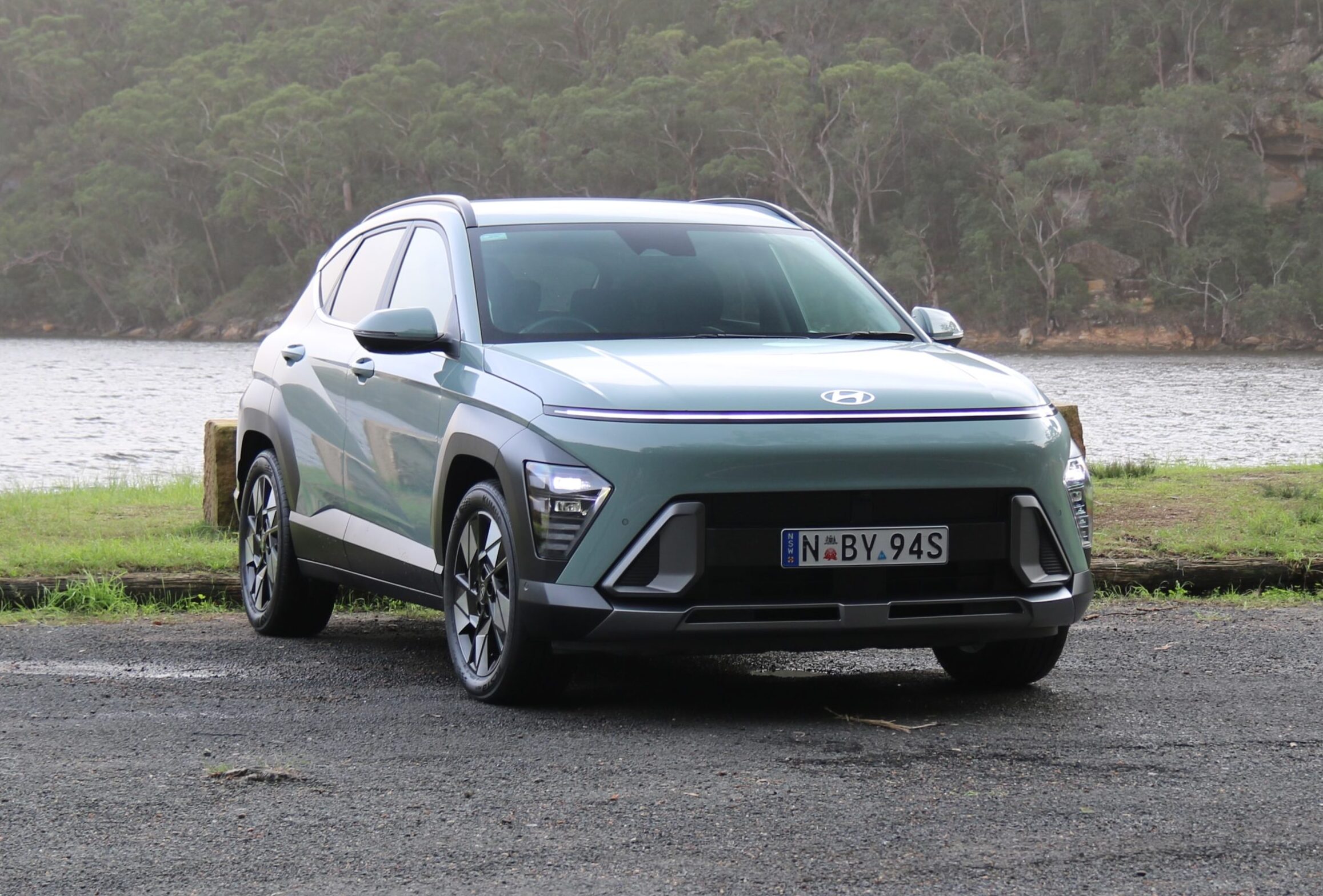
Coming in just behind the Yaris Cross and LBX is the Hyundai Kona Hybrid, which uses a 1.6-litre four-cylinder hybrid drivetrain for a claimed combined fuel consumption rating of just 3.9L/100km and combined CO2 emissions of 88g/km.
The Kona Hybrid is priced from $36,500 +ORC and is also available in sportier-looking N Line and more luxurious Premium forms for buyers who want more features. Unlike the Toyota hybrids, the Kona uses a six-speed dual-clutch automatic transmission for a refined and natural driving feel, and the Kona is also quite well equipped across the range.
Toyota Yaris Cross AWD and Toyota C-HR: 4.0L/100km
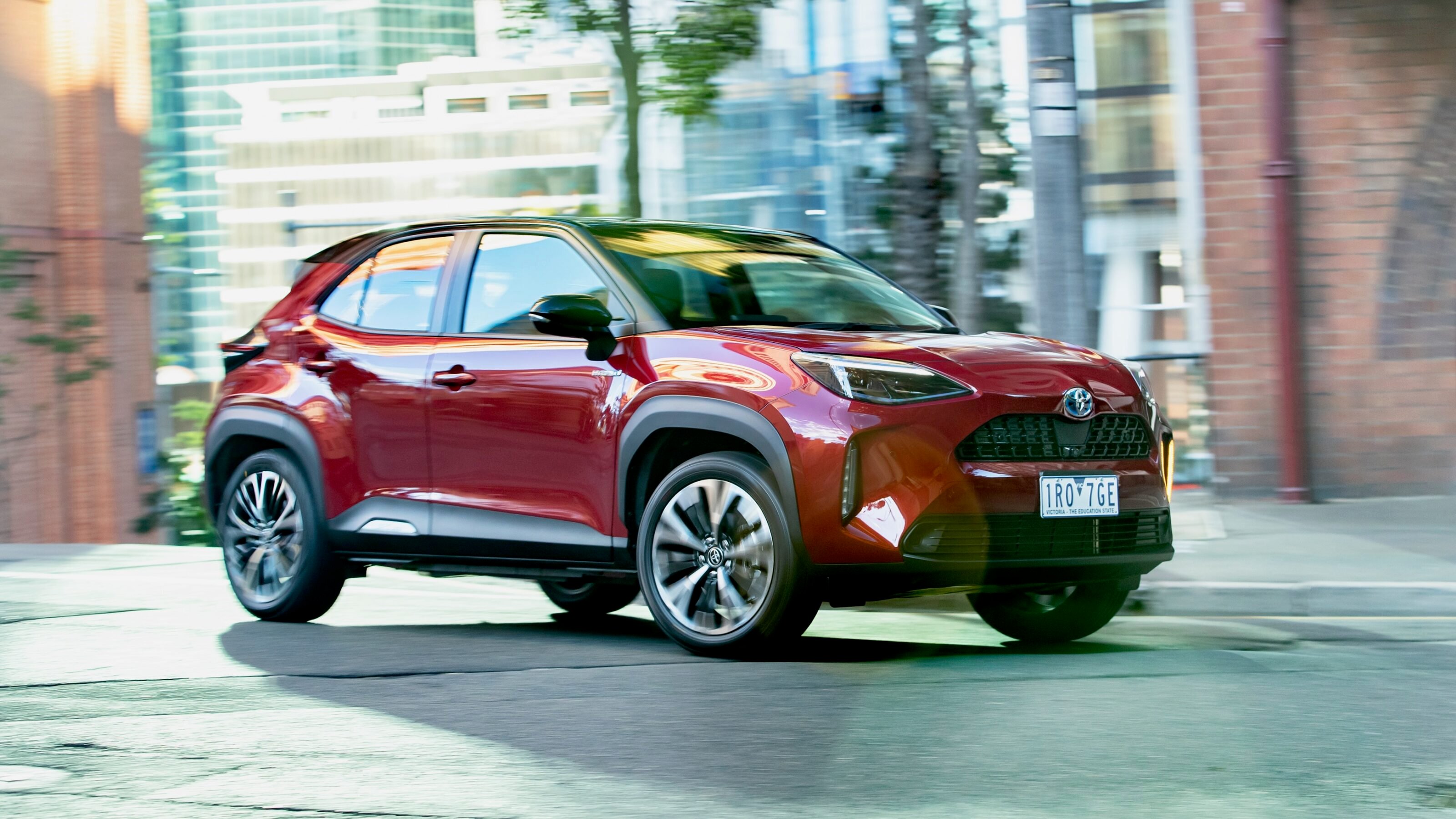
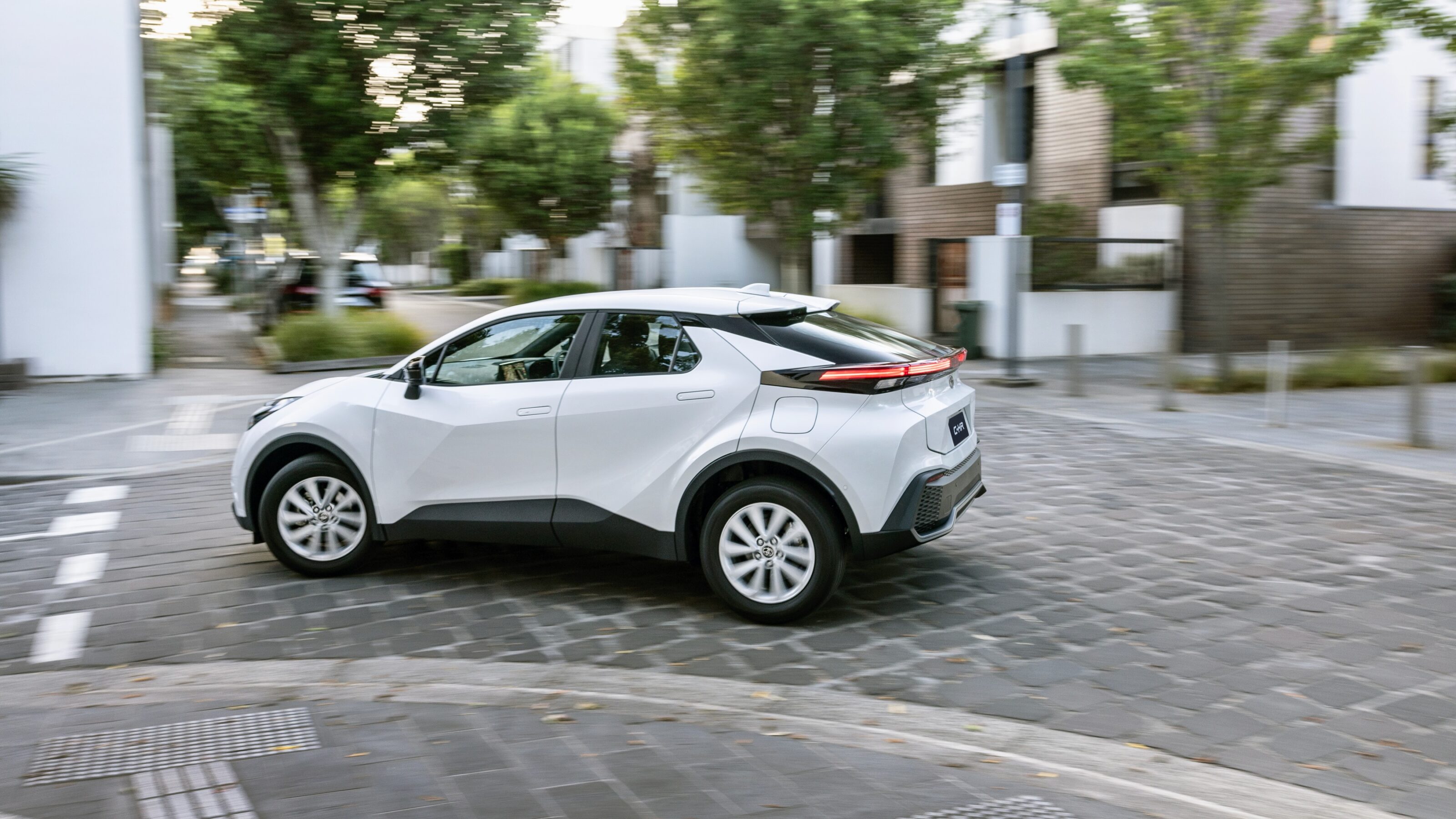
Rounding out the top three are the all-wheel drive version of the Yaris Cross and the slightly larger Toyota C-HR. Unlike most all-wheel drive cars on the market, the Yaris Cross employs an electric motor on the rear axle so that there’s no mechanical link between the front and rear wheels. As a result, its rating is just 0.2L/100km above the front-drive version and for keener drivers, the AWD replaces the 2WD model’s torsion beam with an independent set-up for better ride and handling. However, that also gives it a smaller boot.
The larger C-HR (priced from $42,990 +ORC) uses a 103kW 1.8-litre hybrid drivetrain, yet gets the same 4.0L/100km rating as the Yaris Cross. Priced from $45,000 +ORC, the Kia Niro Hybrid uses a 104kW 1.6-litre hybrid drivetrain with a six-speed dual-clutch automatic transmission. Importantly, all three drive quite well – especially the Kia with its locally tuned suspension and geared transmission making it feel more natural to steer than Toyota’s e-CVT.
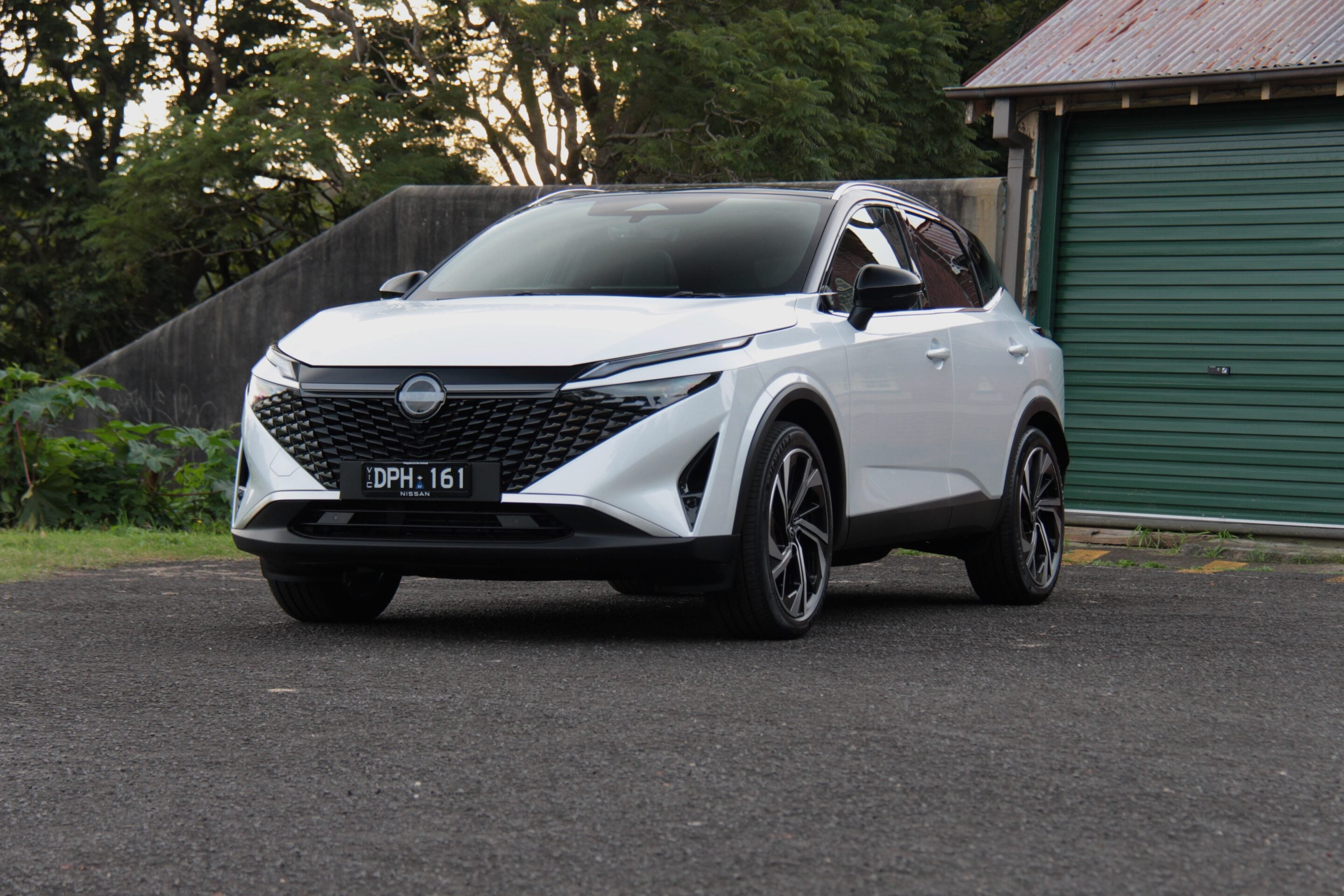
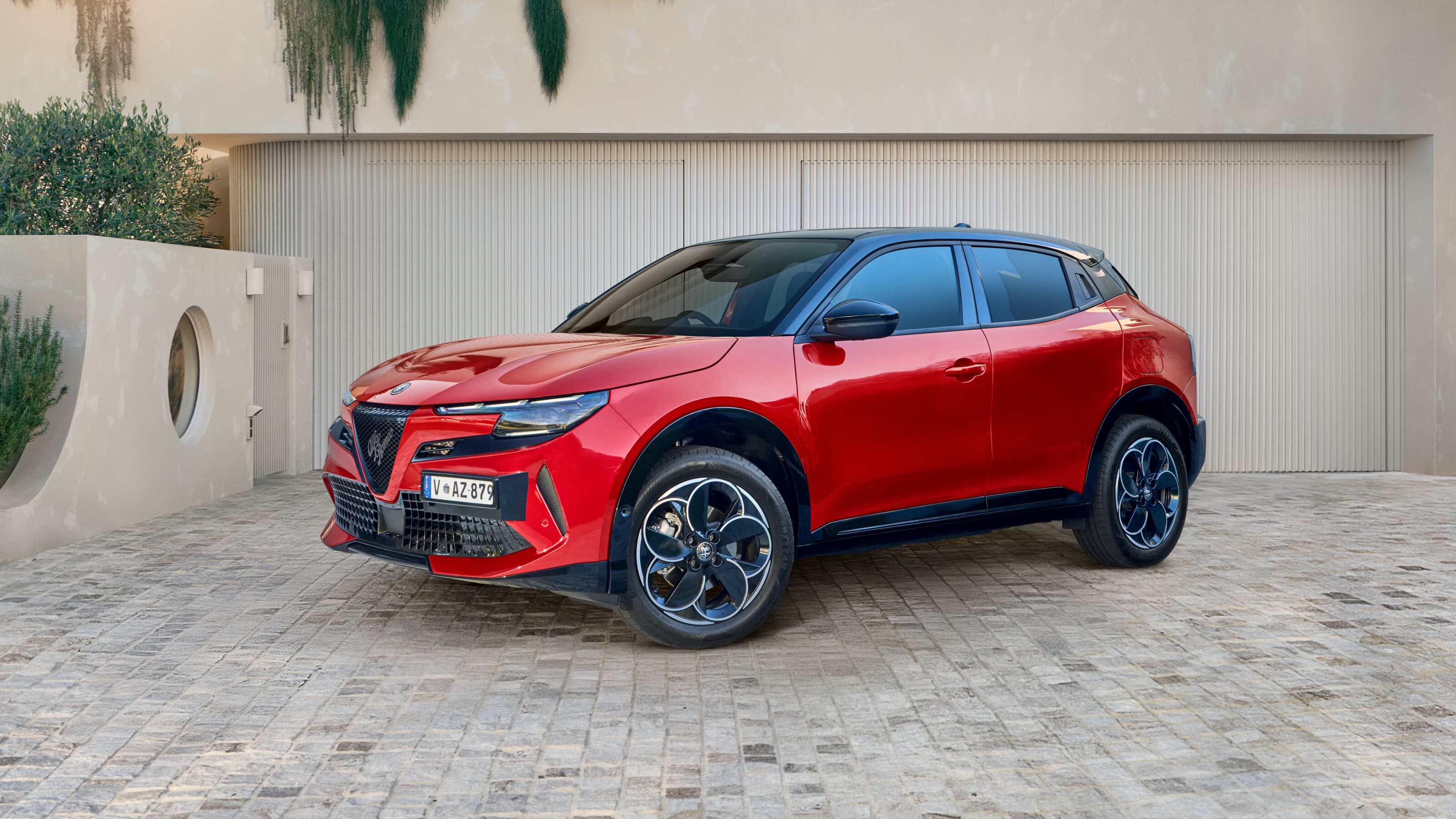
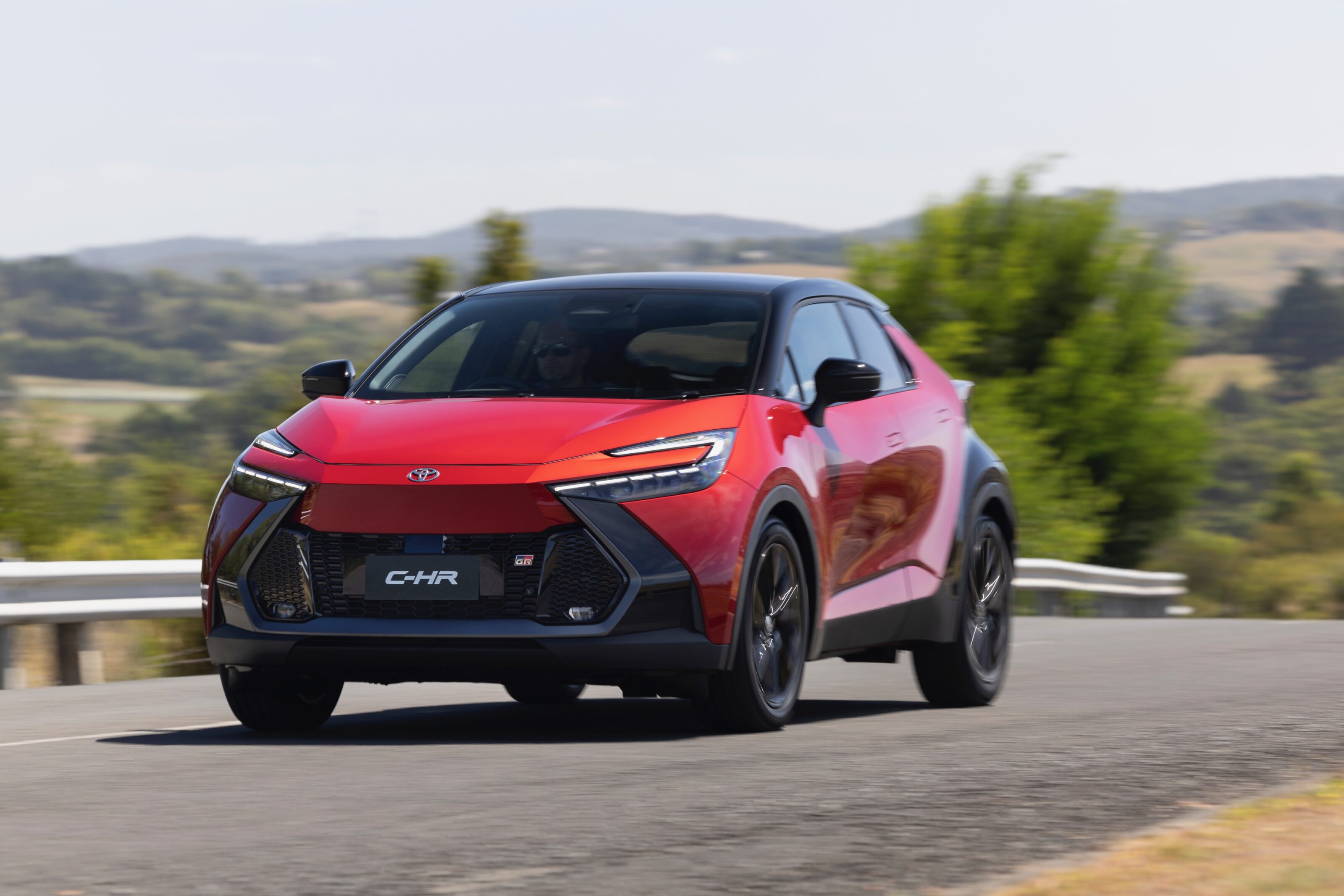
Nissan Qashqai e-Power, Alfa Romeo Junior Ibrida and Toyota C-HR GR Sport: 4.1L/100km
1
Nissan Qashqai
1
Alfa Romeo Junior
The updated Nissan Qashqai launched locally earlier this year and while it doesn’t appear all that updated on the outside, it’s a different story underneath. The brand gave it its latest e-Power drivetrain with upgraded internals and an even lower combined fuel consumption rating of just 4.1L/100km, which is especially remarkable given that it makes 140kW of power.
The Alfa Romeo Junior is a new model that launched in Australia in 2025. It uses the same 1.2-litre turbocharged mild-hybrid drivetrain seen in Peugeot products locally thanks to parent company Stellantis, and because of its small sizing, it’s also rated at 4.1L/100km on the combined cycle. Producing 107kW of power and 230Nm of torque, the Junior is peppier than you’d imagine.
The C-HR GR Sport’s larger 146kW, 2.0-litre hybrid drivetrain makes 43kW more than the smaller 1.8-litre hybrid system in lesser C-HR models, but official figures say it only uses 0.1L/100km more of fuel at just 4.1L/100km. The C-HR GR Sport is rated at 94g/km for CO2 emissions as well.
Lexus UX300h: 4.2L/100km
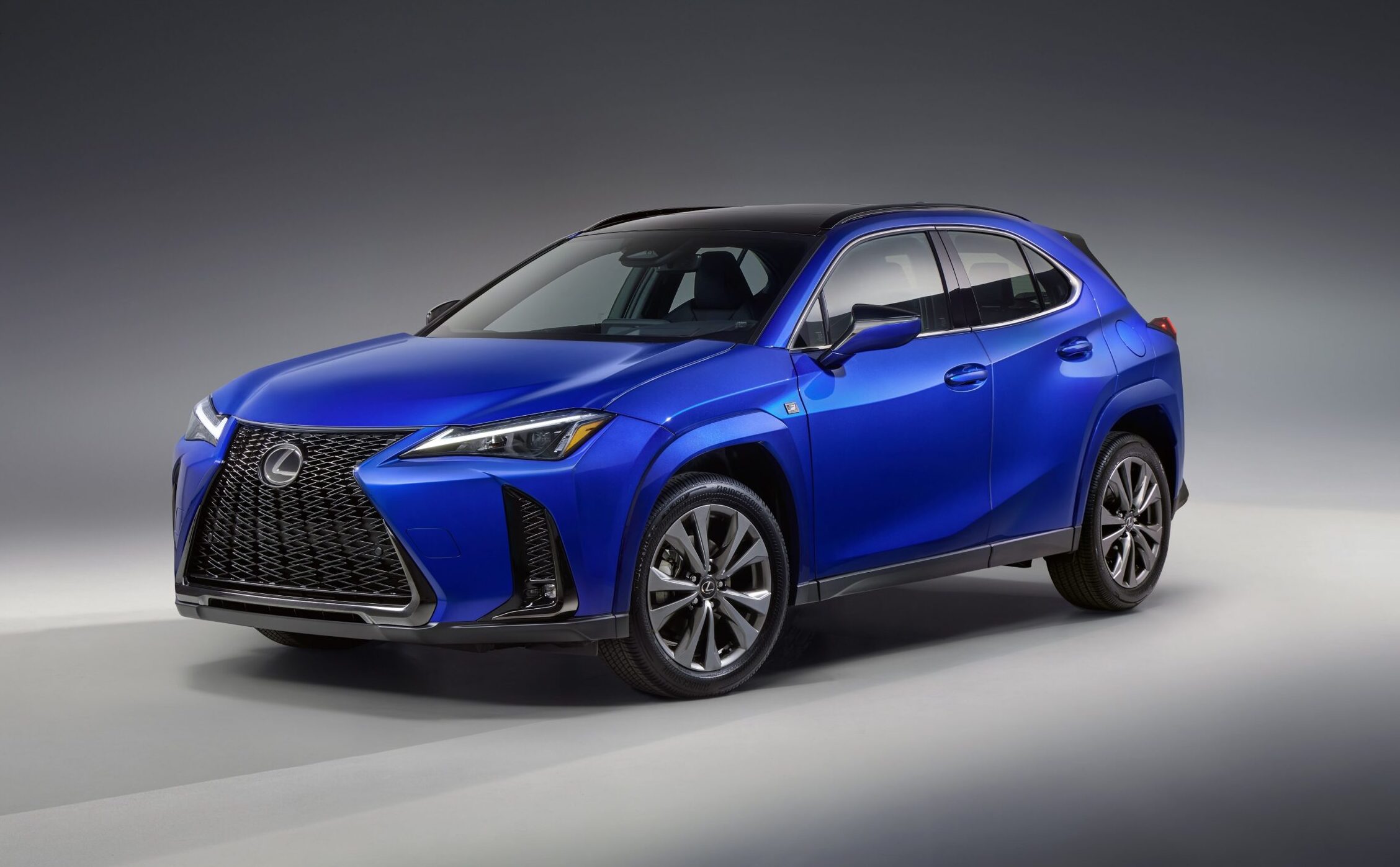
Using the same 2.0-litre hybrid drivetrain as the C-HR GR Sport, the Lexus UX300h – formerly known as the UX250h – is rated at just 4.2L/100km and 99g/km for CO2 emissions.
Pricing for the UX300h starts at $55,370 +ORC for the entry-level Luxury – just $380 more than the C-HR GR Sport – and extends to $73,210 +ORC for the top-spec F Sport.
Toyota Corolla Cross 2WD and Honda HR-V Hybrid: 4.3L/100km
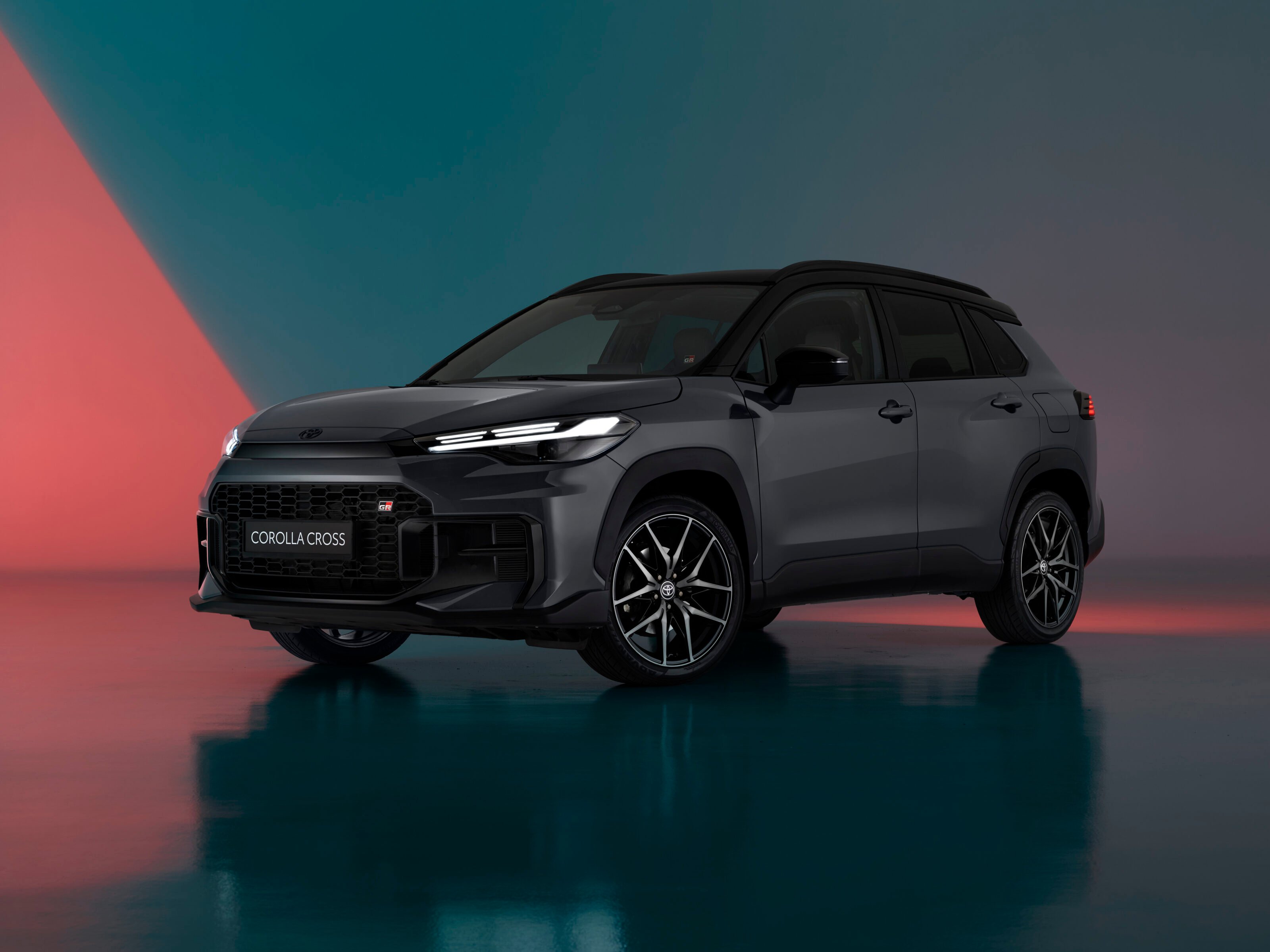
The 2.0-litre hybrid system in the Corolla Cross is both powerful and frugal, though its larger body makes it thirstier than the C-HR with the same drivetrain.
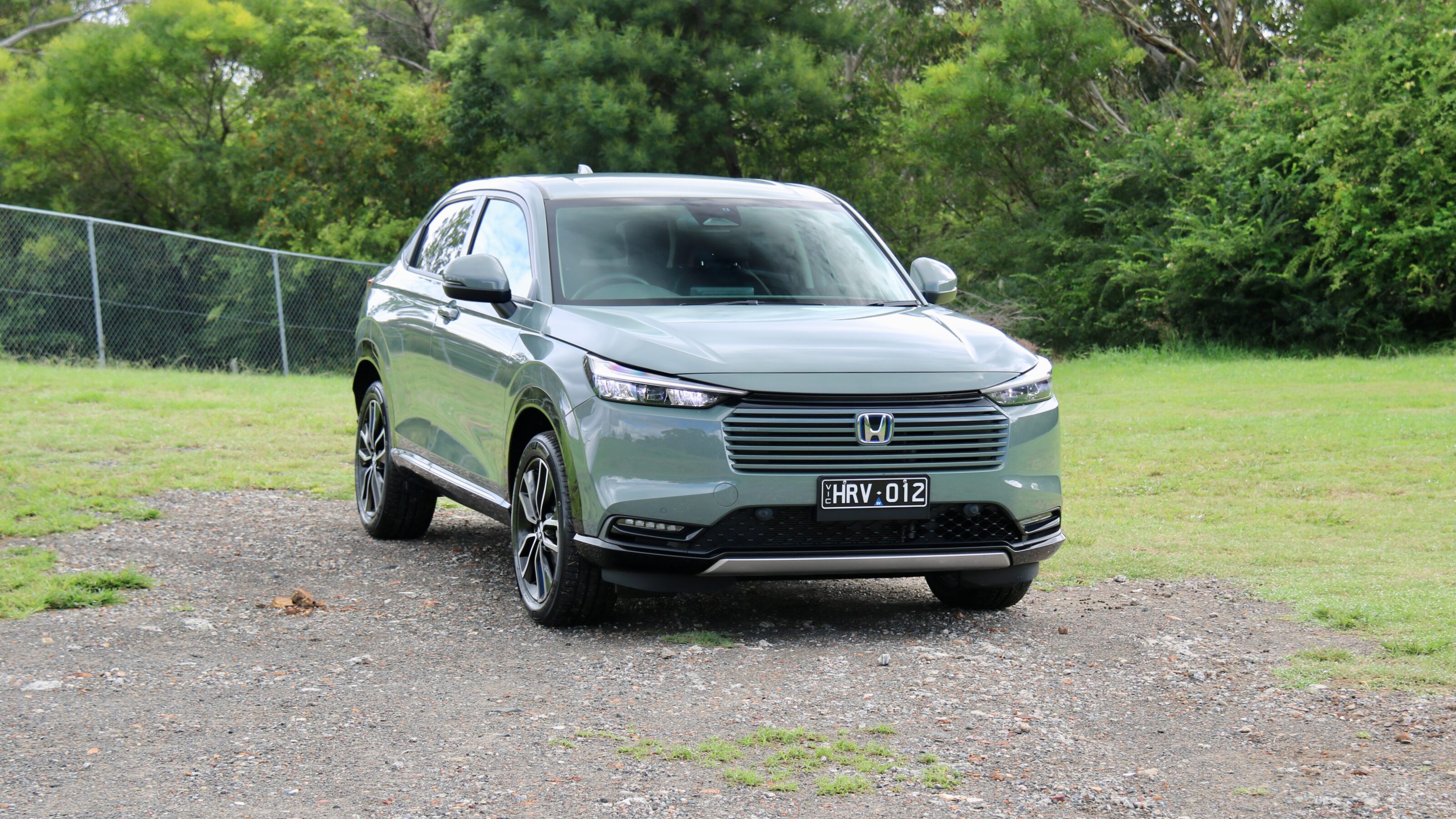
Honda makes it to this list with the HR-V Hybrid small SUV, which uses a 1.5-litre hybrid drivetrain making 96kW of power and an insanely practical body.
Toyota Corolla Cross AWD and Peugeot 2008 Hybrid: 4.4L/100km
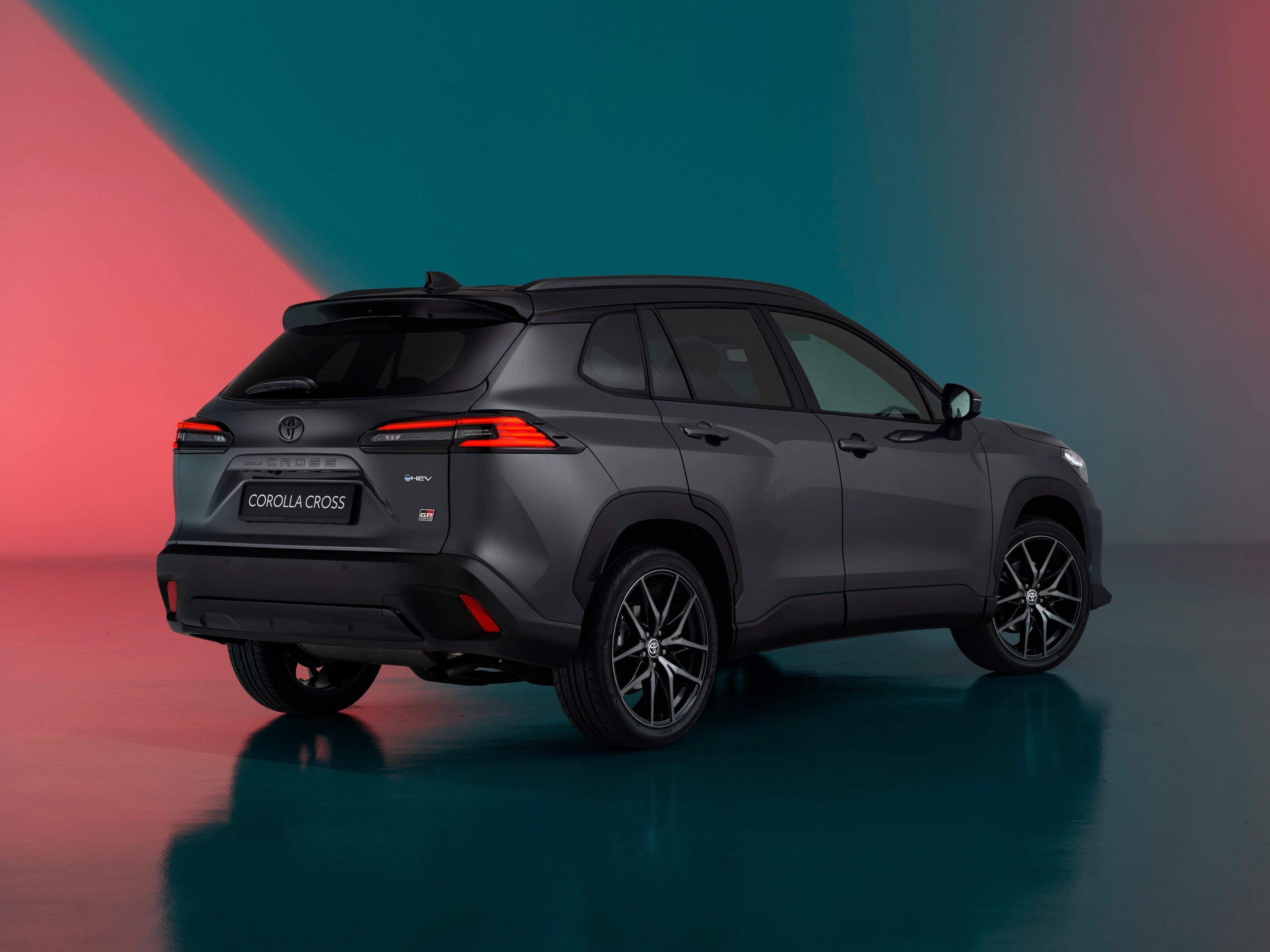
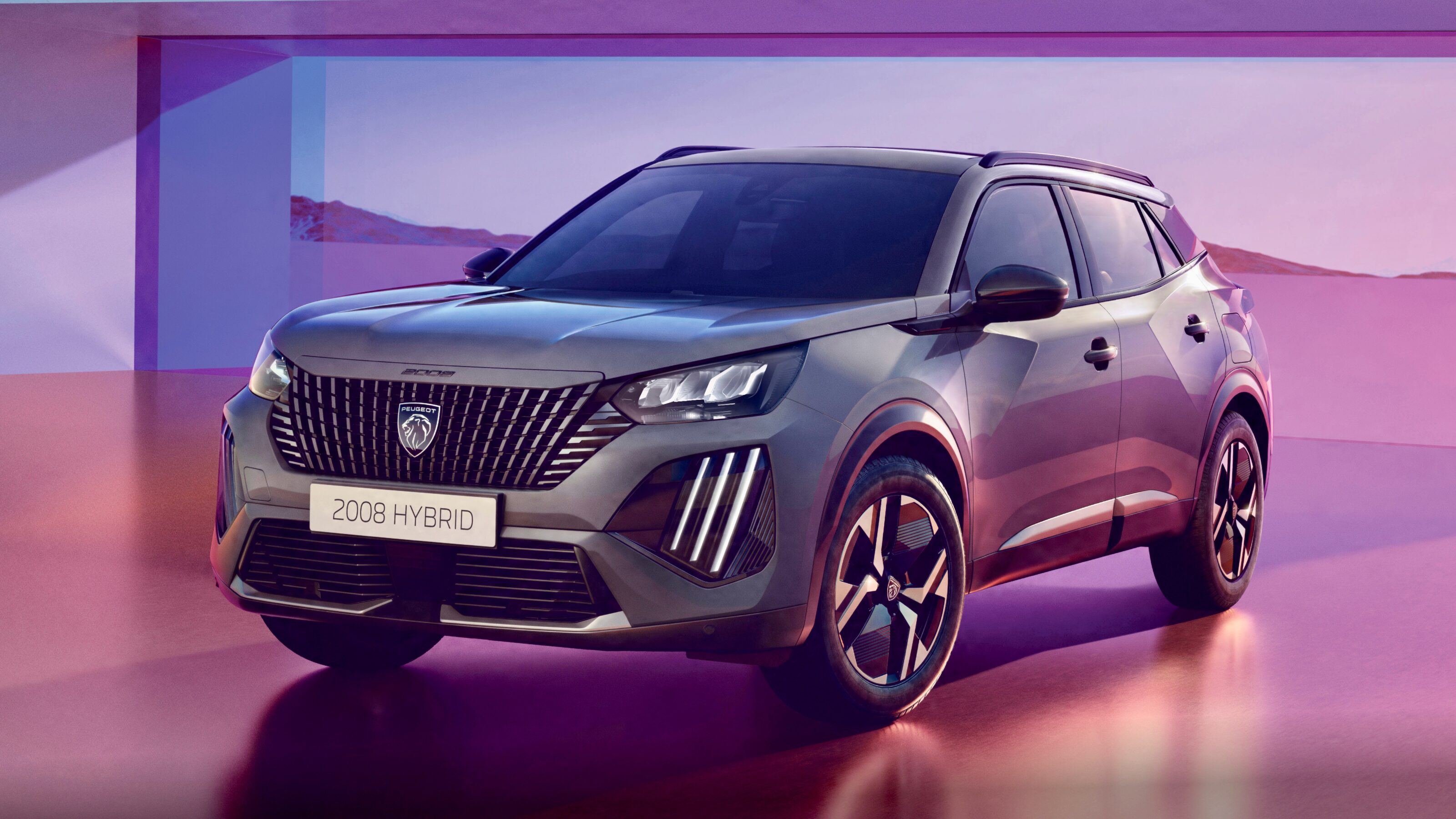
The all-wheel drive Corolla Cross is slightly less frugal than the two-wheel drive model – not enough to likely notice in the real world, however – and it’s the same story with the 2008, which is 0.2L/100km off its lower 308 sibling.
While the Corolla Cross uses a naturally aspirated 2.0-litre engine, the 2008 uses a turbocharged 1.2-litre hybrid drivetrain mated to a six-speed dual-clutch drivetrain for the same 4.4L/100km rating. Running costs for the Corolla Cross are helped by the fact it runs on 91RON regular unleaded, whereas the 2008 must be filled with minimum 95RON premium unleaded.
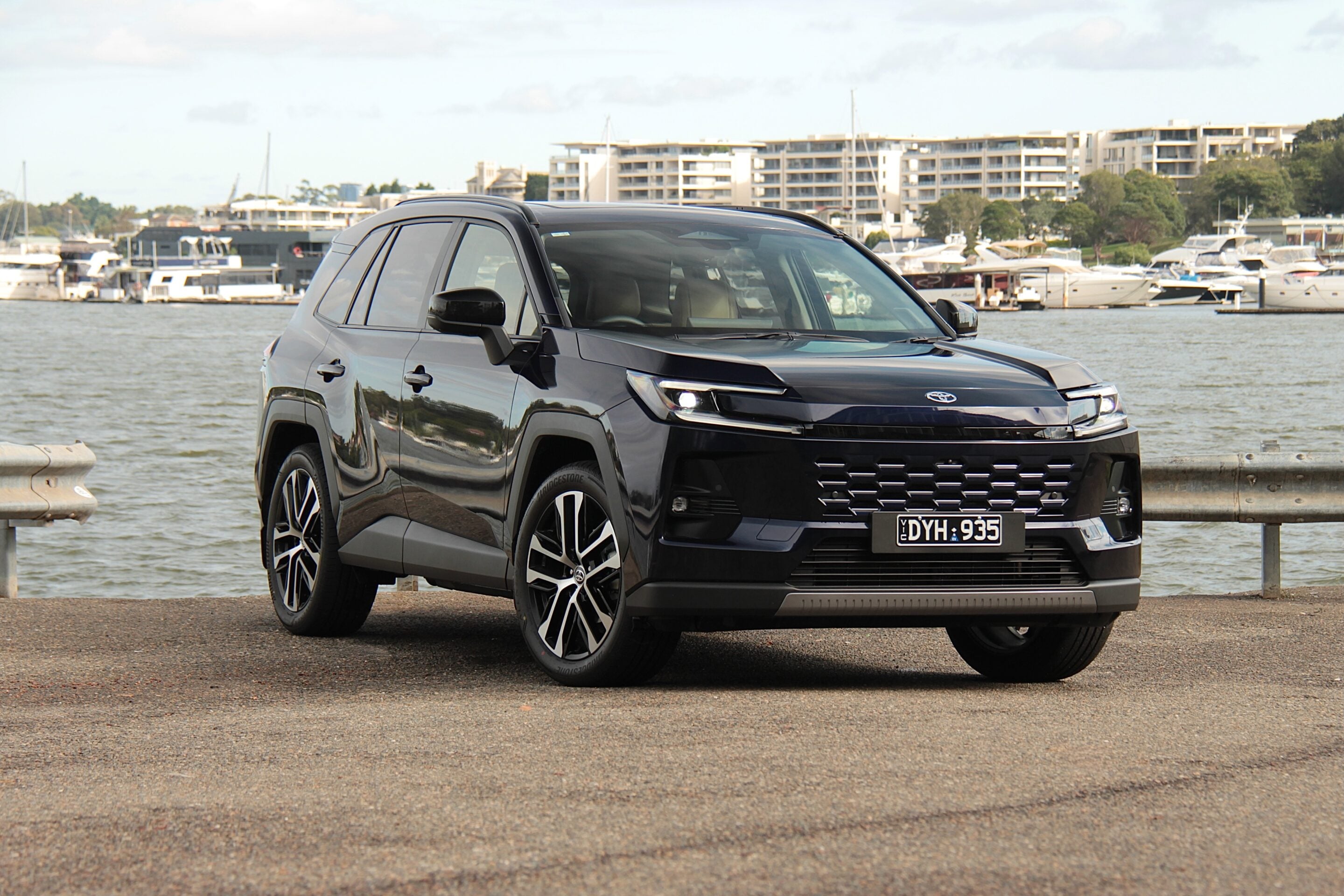
Toyota RAV4 2WD: 4.5L/100km
1
Toyota RAV4
Toyota’s best-selling product globally makes it on to this list for the first time with impressive efficiency that is undoubtedly one of the reasons why it’s so popular. The new-generation model launched earlier in the year with a switch to a newer 2.5-litre hybrid system, which is now rated to Euro 6 emissions standards and makes 143kW of power (19kW down on the last model) and it now uses even less fuel at just 4.5L/100km combined.
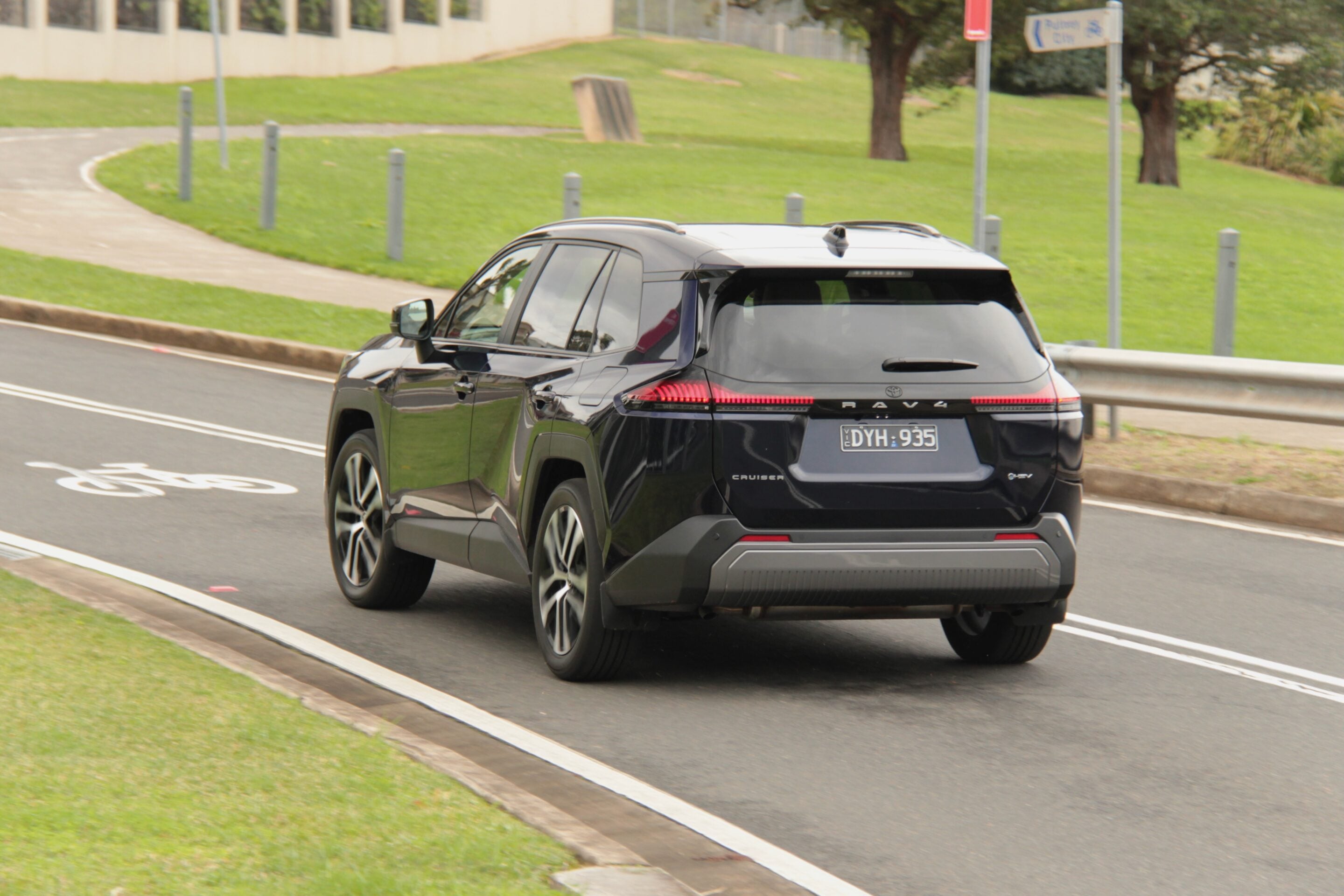
Toyota RAV4 AWD: 4.6L/100km
2
Toyota RAV4 AWD
As with the previous RAV4, the new model features an all-wheel drive system on most models that runs through an electric motor on the rear axle instead of using a traditional mechanical link between the front and rear wheels. According to Toyota, that reduces weight and also gives the RAV4 superior traction because e-motors are faster and offer more torque. Compared to the front-wheel drive car, it officially uses just 0.1L/100km more fuel – an amount so small we doubt you’d notice during real-world driving.
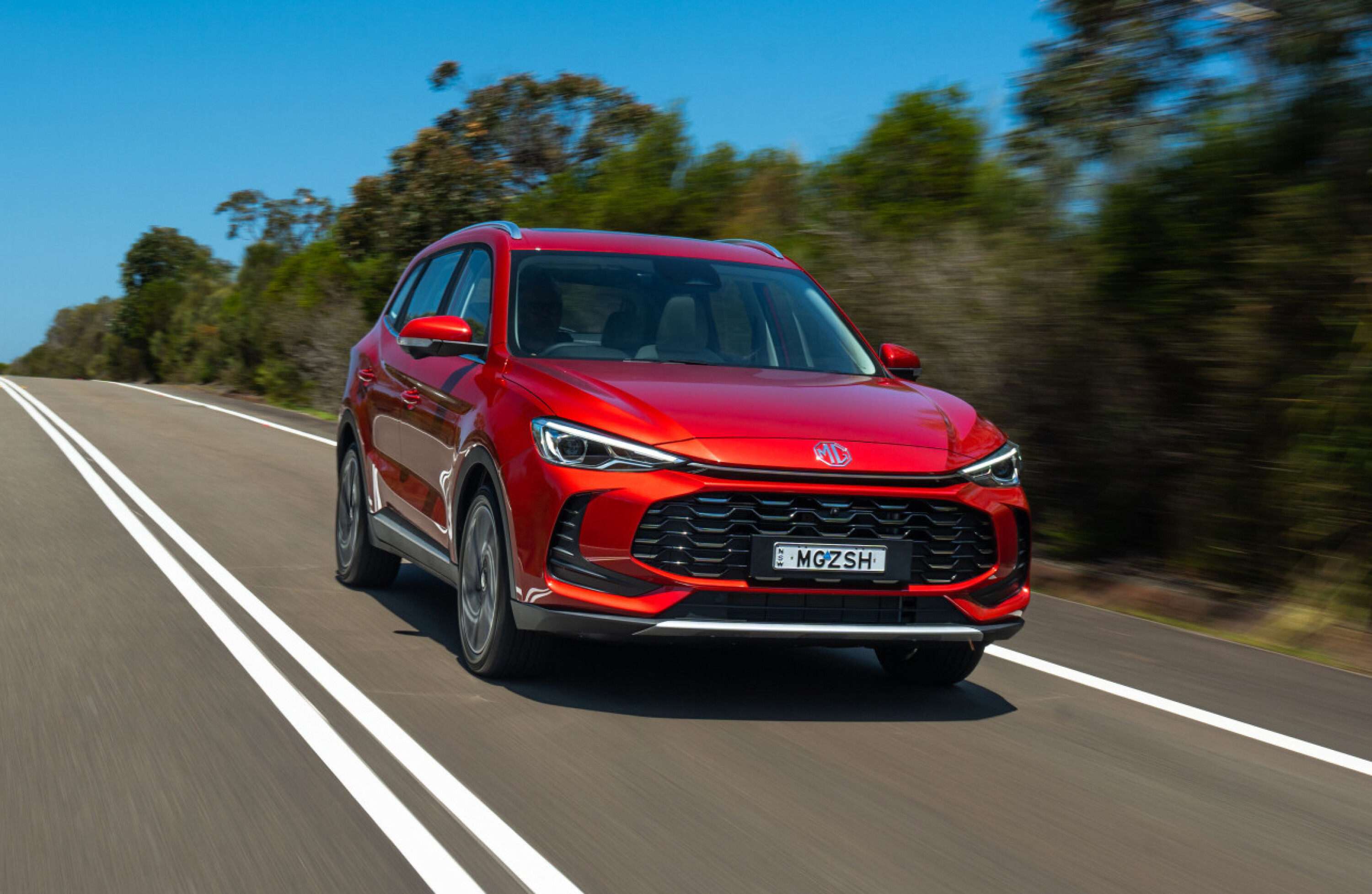
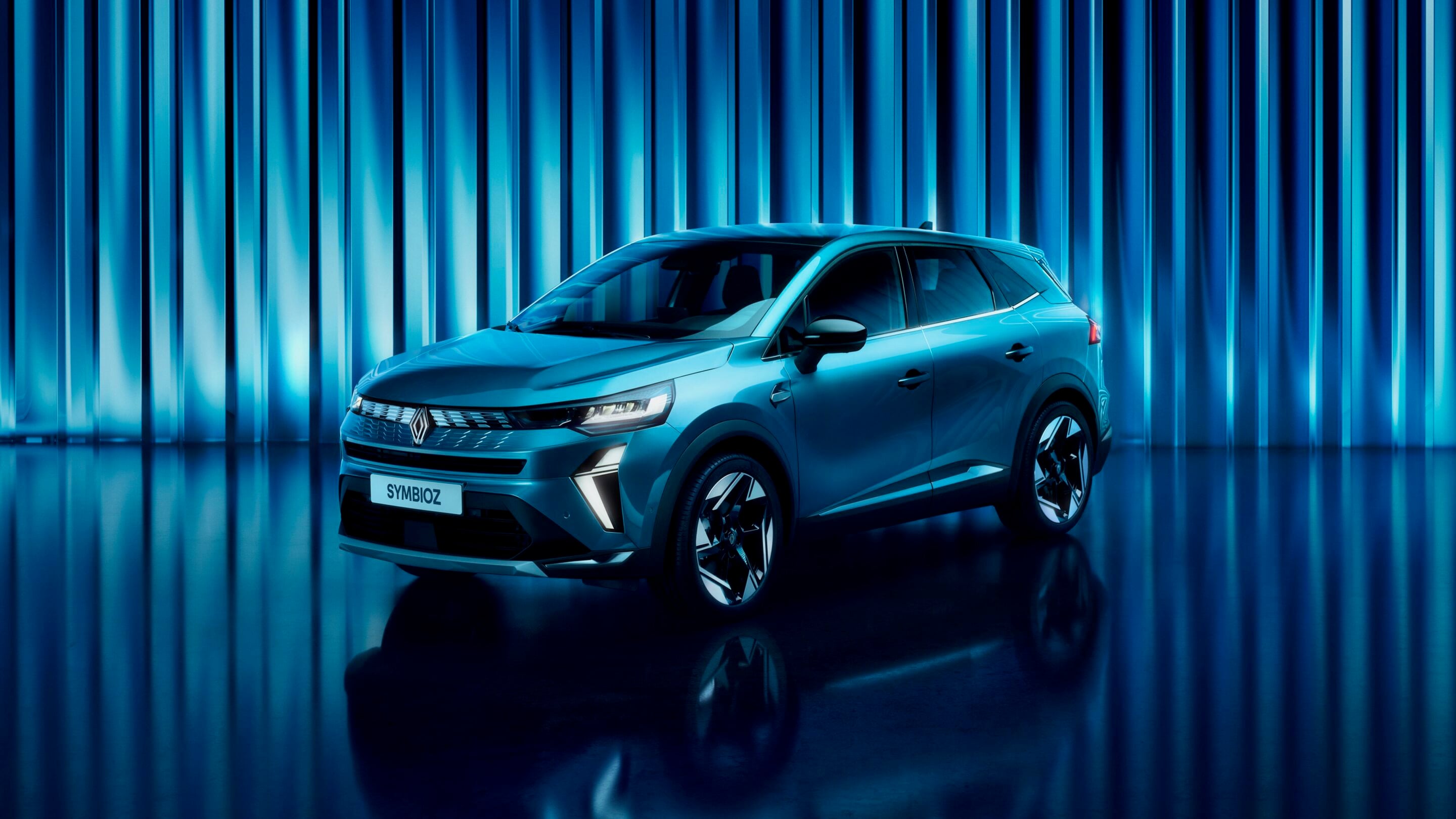
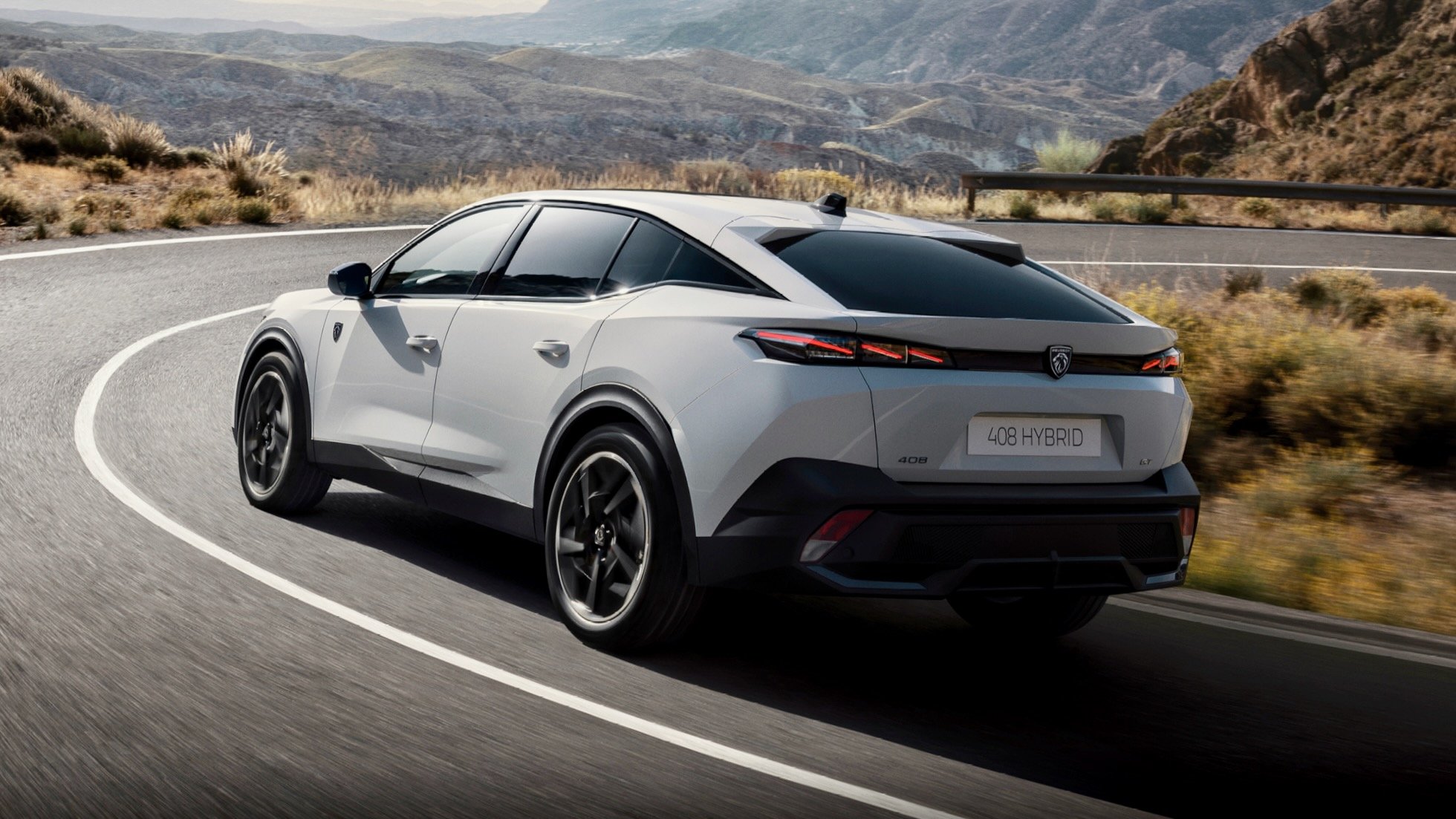
MG ZS Hybrid+, Renault Symbioz and Peugeot 408 Hybrid: 4.7L/100km
1
Renault Symbioz
The MG ZS Hybrid+ – priced from $30,990 drive away – is also impressively frugal. It runs the MG3’s hybrid system, which is rated for 155kW of peak power and makes it one of the most powerful entries on this list. However, it’s rated at just 0.4L/100km more than that model.
A newcomer to Australian shores also makes its debut on this list: the Renault Symbioz, which uses a 1.8-litre four-cylinder hybrid drivetrain making 116kW of power but consumes just 4.7L/100km on the combined cycle.
Finally, yet another Peugeot has earned a spot: the $57,990 +ORC 408 coupe SUV with its new 1.2-litre turbo-petrol hybrid system, which launched in Australia earlier this year after its maker decided on hybrid power to replace the former plug-in hybrid drivetrain.
With fuel prices and household expenses showing little sign of easing, choosing more fuel-efficient SUVs can make meaningful difference to running costs. And as this list shows, you don’t necessarily need to plug in to save fuel, with conventional hybrids now delivering impressive efficiency across a broad range of SUV sizes and price points.
Follow WhichCar/Wheels on Google
Click the button below to make WhichCar by Wheels a preferred source for your news.

We recommend
-
 Features
Which are the most fuel efficient large SUVs in Australia?
Large SUVs are big business in Australia these days and while their size can put pressure on your fuel costs, these 10 are surprisingly thrifty.
-
 Features
What are the most fuel efficient vehicles on the market without a plug?
Dramatically cutting your fuel use is possible without buying a vehicle that plugs into a wall. Here are the most fuel efficient vehicles in each segment.