Features

Gallery 1
In 2025, 189,021 large SUVs were sold in Australia from a variety of brands at a variety of price points, proving we are big fans of the segment. Nevertheless, cost-of-living concerns mean that while we love a bigger car, fuel efficiency is a major consideration at new-car purchase time.
Surprisingly despite their dimensions and ability to carry many passengers, some large SUVs can actually be quite thrifty with fuel. Excluding electric and plug-in hybrid models, here’s the WhichCar by Wheels guide to the 10 most fuel-efficient large SUVs on the new car market:
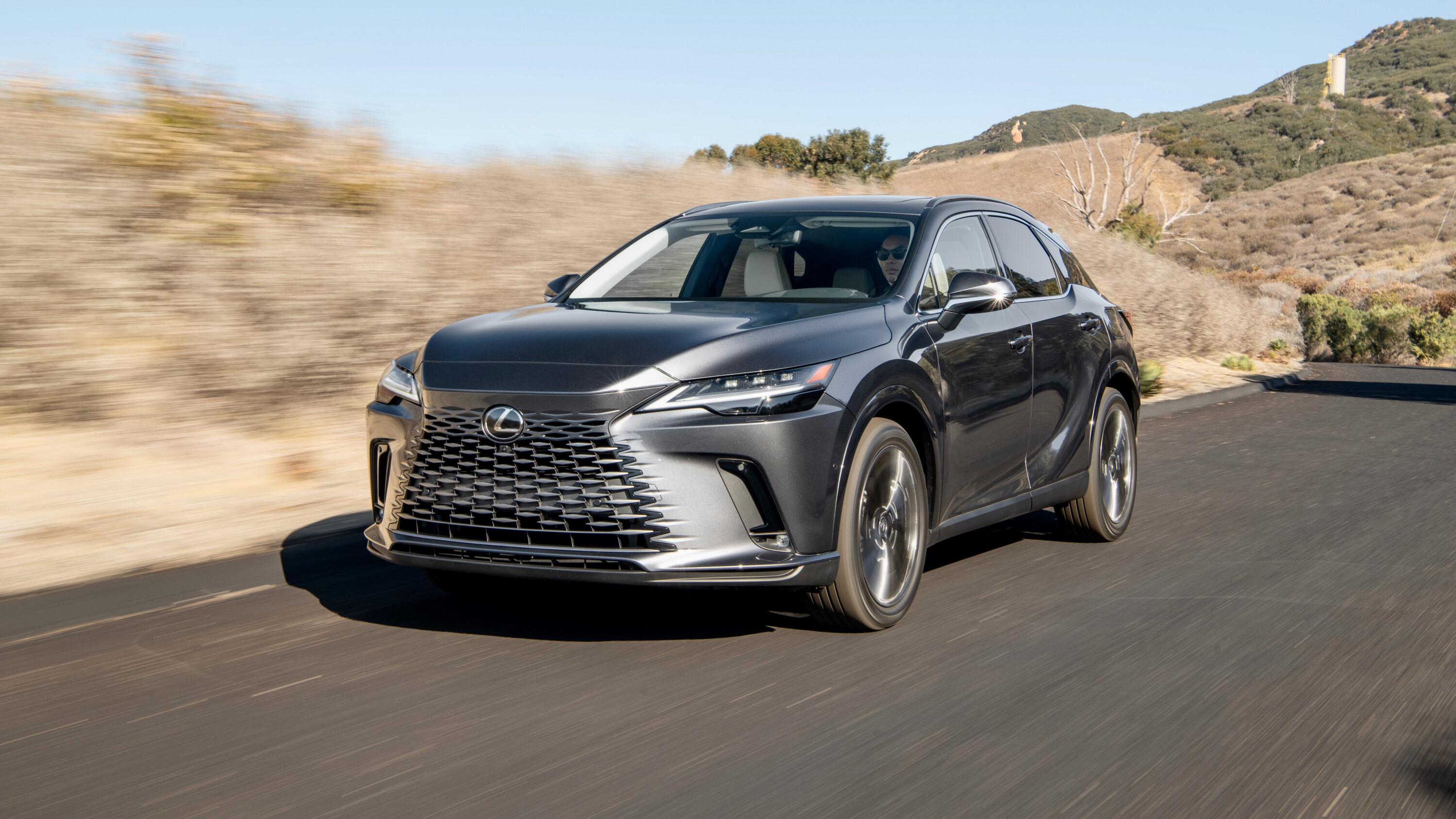
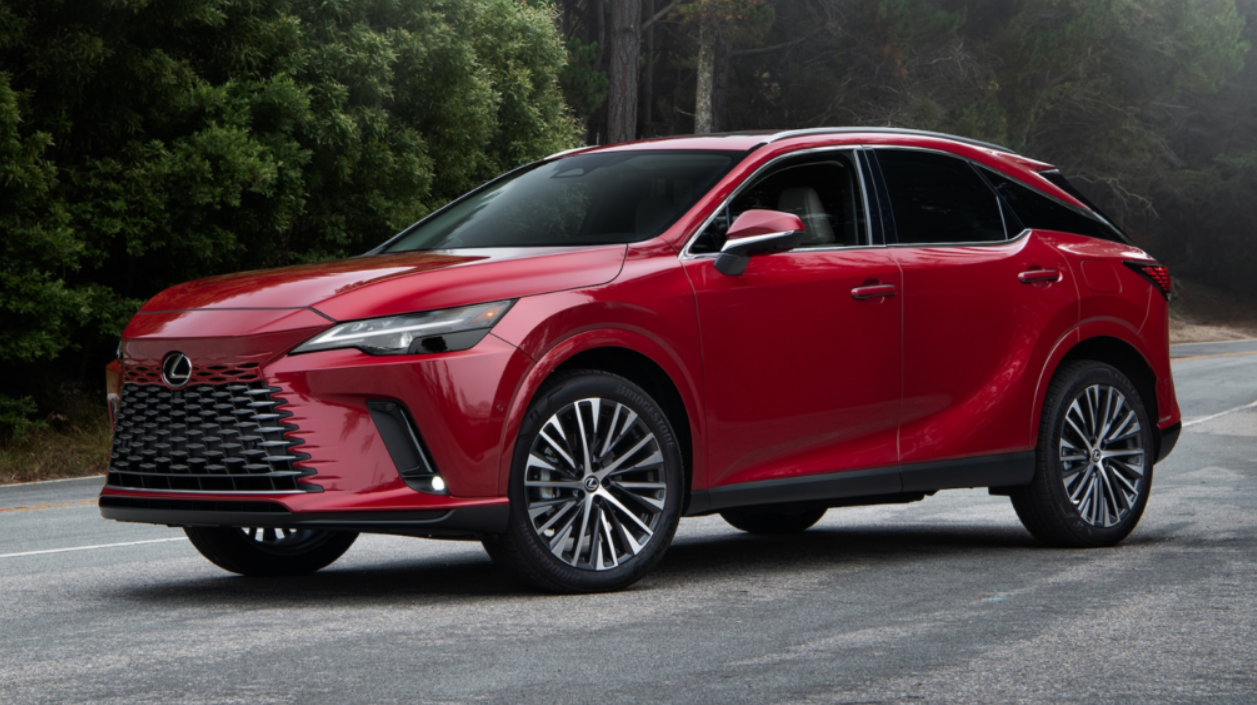
1) Lexus RX350h: 5.0L/100km
4
Perhaps unsurprisingly for a company using Toyota’s hybrid systems, the most fuel efficient non-plug-in large SUV in Australia is the Lexus RX350h. Rated at just 5.0L/100km on the combined cycle, the RX350h uses a 184kW 2.5-litre four-cylinder hybrid drivetrain with an eCVT transmission, sending power to solely the front wheels.
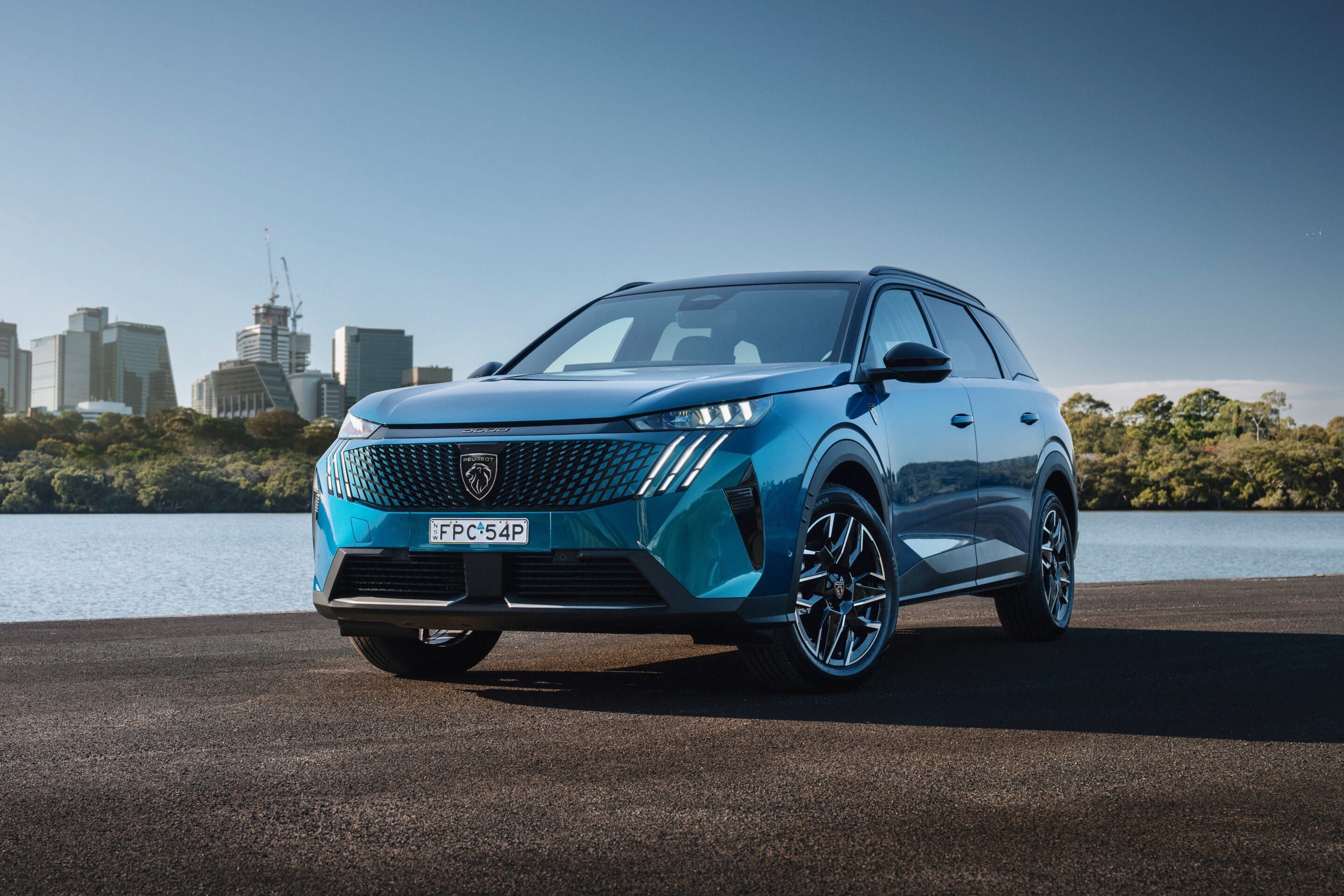
2) Peugeot 5008 Hybrid: 5.1L/100km
4
In a likely surprise to some that the second-most efficient large SUV on sale in Australia currently is a Peugeot. Specifically, it’s the third-generation 5008, which uses a hybridised 1.2-litre turbocharged three-cylinder engine mated to a six-speed dual-clutch transmission for 107kW total outputs and a combined fuel consumption rating of just 5.1L/100km. Overseas, both plug-in hybrid and fully electric drivetrains are also available in the 5008, but only the hybrid is sold locally.
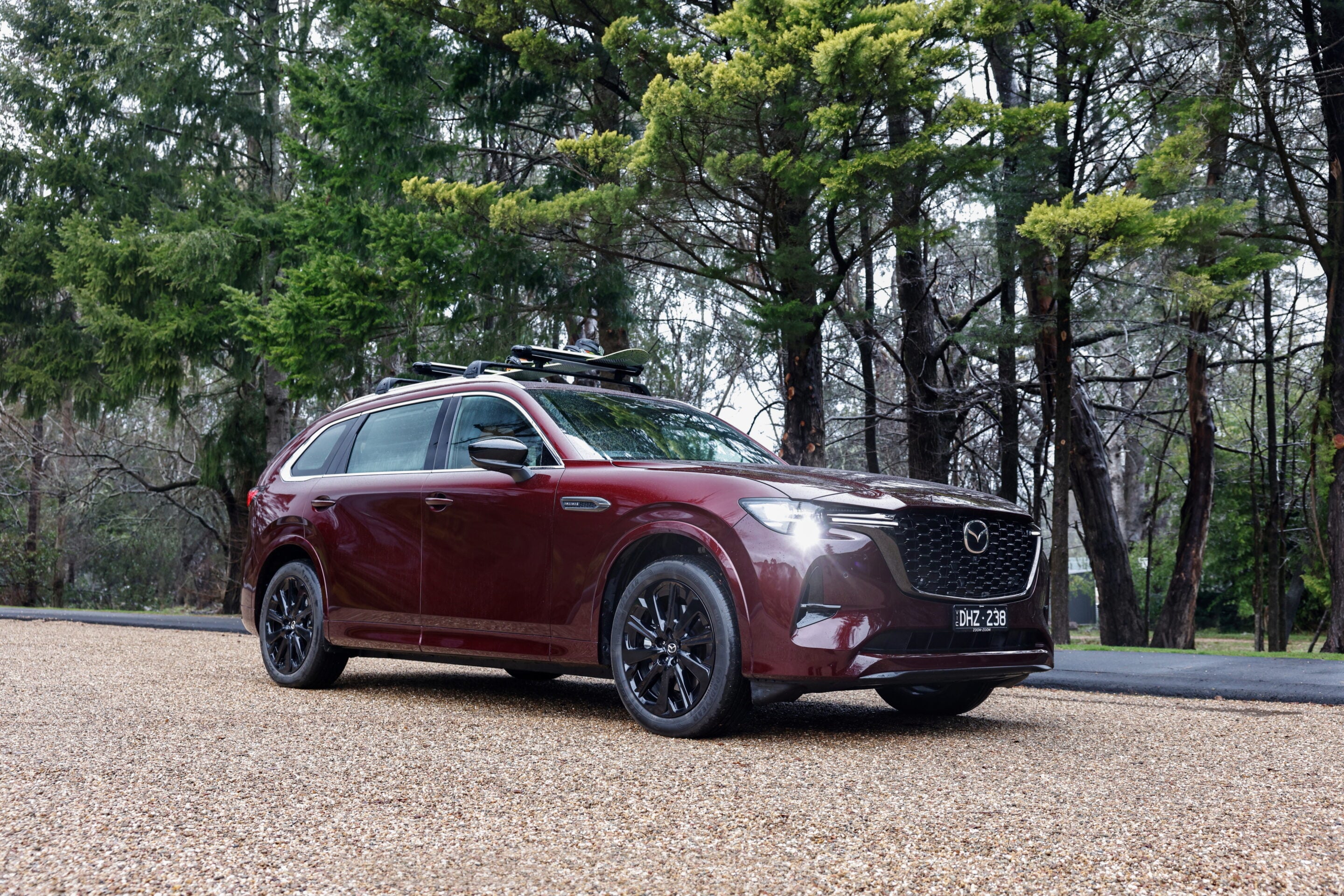
3) Mazda CX-80 diesel: 5.2L/100km
4
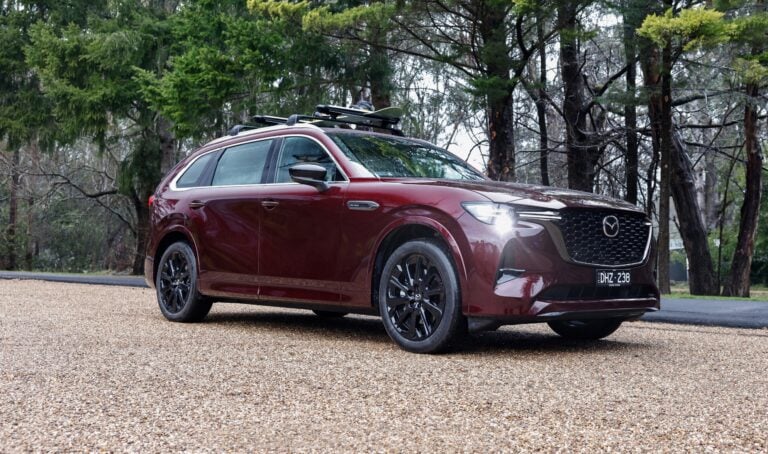
While Mazda sells a plug-in hybrid version of the CX-80 that’s capable of 65km of electric driving (WLTP), we’re ignoring plug-in hybrids for this list and in that sense, the diesel variant is the most efficient CX-80. Returning a claimed 5.2L/100km despite using a big 187kW/550Nm 3.3-litre six-cylinder turbo-diesel engine and coming it at a sizeable 4990mm in length, the CX-80 is uses mild-hybrid tech to shut off the engine when not required and earn impressive fuel consumption as a result.
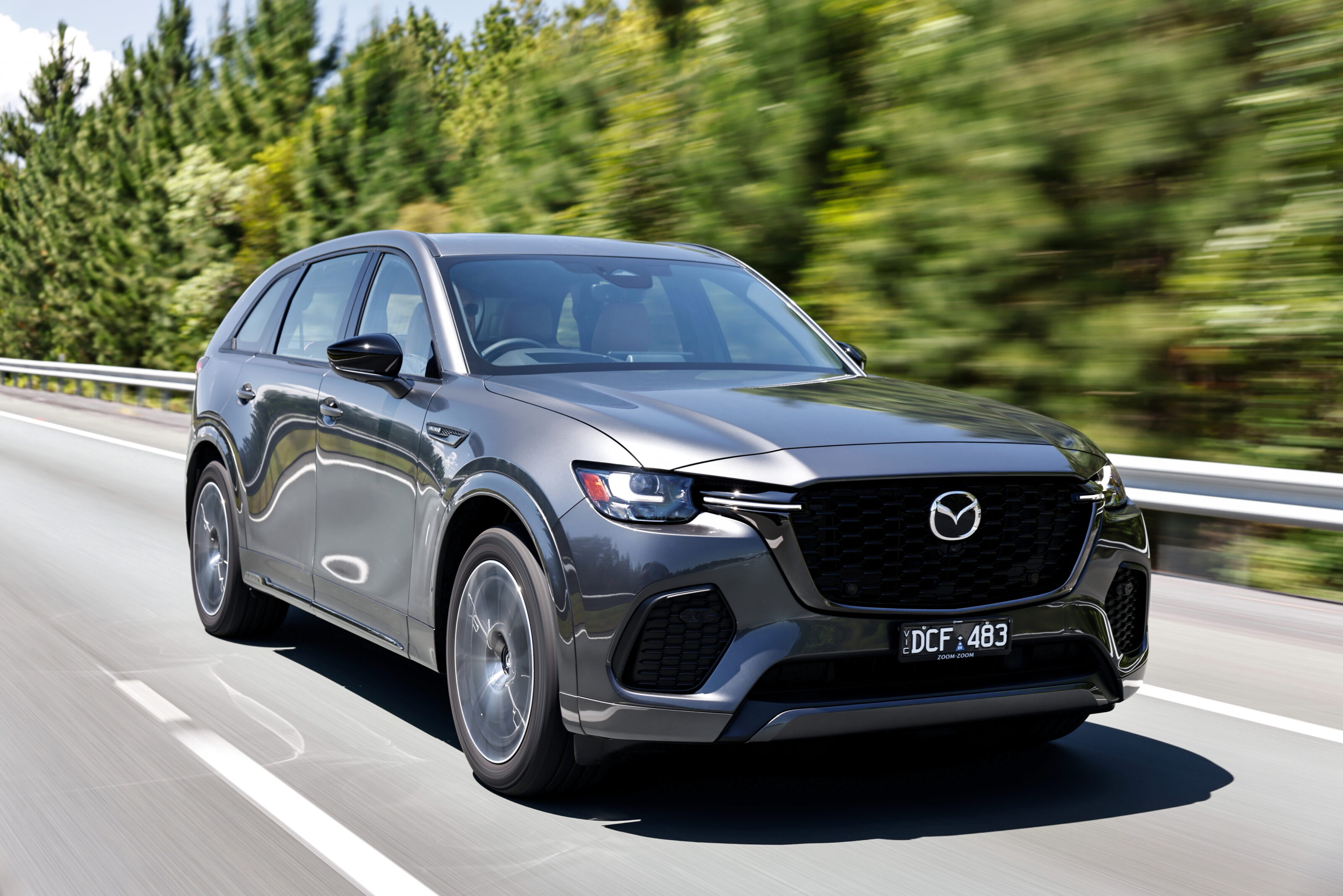
4) Mazda CX-70/CX-90 diesel: 5.4L/100km
6
Mazda’s biggest SUVs, the CX-70 and CX-90, use the same 3.3-litre turbo-diesel as the slightly smaller CX-80 for a combined rating of 5.4L/100km, which is quite impressive for such large vehicles. Like the CX-80, their powertrains use mild-hybrid tech to help with performance and shut off the engine when not required, such as when coasting or braking. As a result, they’re some of the most fuel efficient large SUVs on the market.
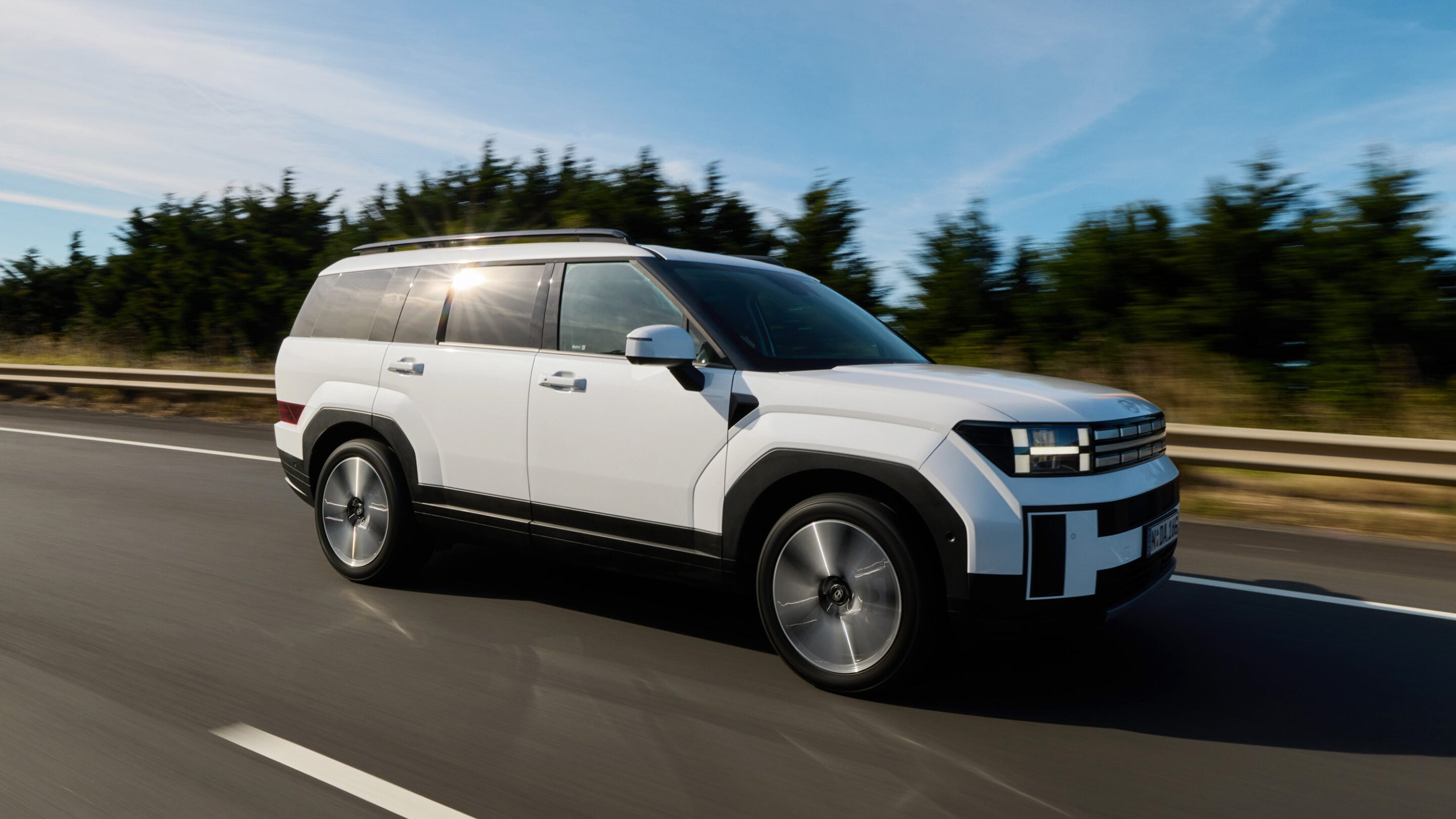
5) Hyundai Santa Fe Hybrid and Toyota Kluger Hybrid: 5.6L/100km
7
It’s clear that hybrids are also a great way to save fuel, a point proven by both the Hyundai Santa Fe and Toyota Kluger as both are rated at just 5.6L/100km on the combined cycle. Hyundai uses a 1.6-litre turbocharged engine mated to a six-speed automatic to achieve that number, while Toyota uses a naturally aspirated 2.5-litre engine instead. The Kluger is solely available in all-wheel drive form, while the Santa Fe is also available as a front-driver at the bottom of the range.
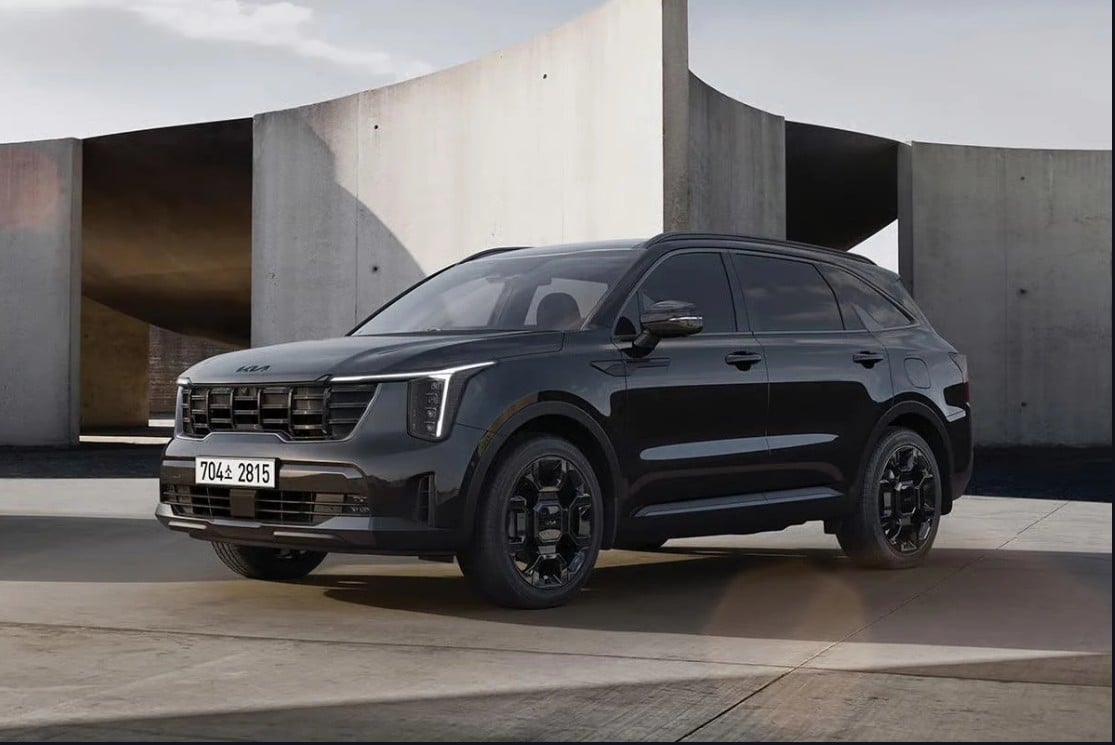
6) Kia Sorento Hybrid and Skoda Kodiaq Mild Hybrid: 6.0L/100km
6
Using the same hybrid drivetrain as the Santa Fe, the Kia Sorento Hybrid uses a bit more fuel at 6.0L/100km, but it’s still quite fuel efficient for such a large vehicle. It’s available across the Sorento range, in front- or all-wheel drive forms. Skoda also features on this list thanks to a new 1.5-litre turbocharged mild-hybrid drivetrain that’s set to launch soon in the Kodiaq SUV, which is also rated at just 6.0L/100km, or 3.2L/100km less than the all-wheel drive, non-mild hybrid 2.0-litre turbo-petrol engine currently available. Both the Sorento and Kodiaq also offer plug-in hybrid drivetrains.
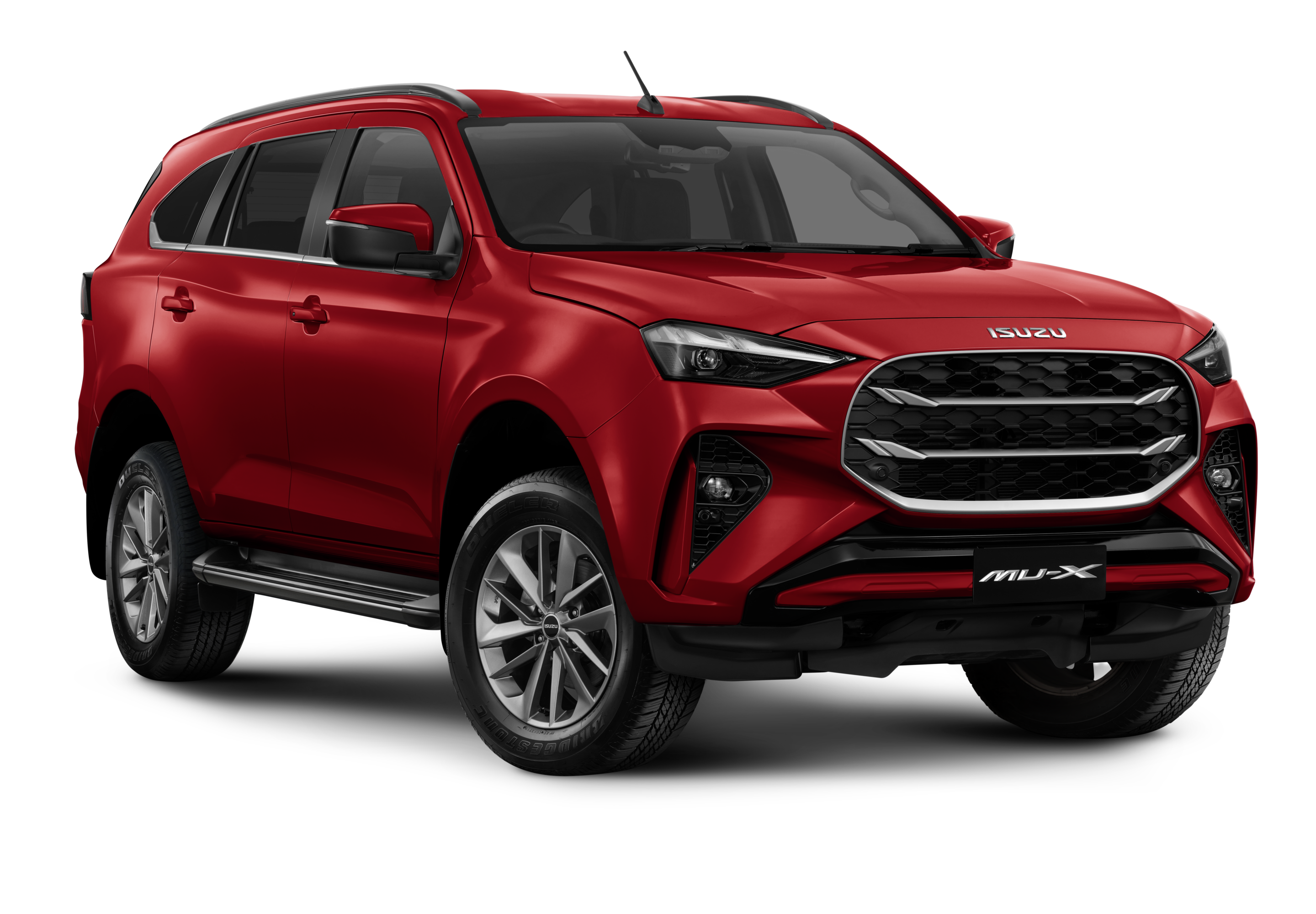
7) Isuzu MU-X LS-M 2.2L 4×2: 6.4L/100km
3
In another reminder that diesel engines can be quite fuel efficient, the new 2.2-litre four-cylinder turbo-diesel in the entry level two-wheel drive version of the Isuzu MU-X is rated at just 6.4L/100km on the combined cycle. Despite not featuring any hybrid tech, plus its hefty dimensions and 1995kg kerb weight, the MU-X is reportedly capable of 5.6L/100km economy at highway speeds, which is also impressive, though this MU-X is only the two-wheel drive version.
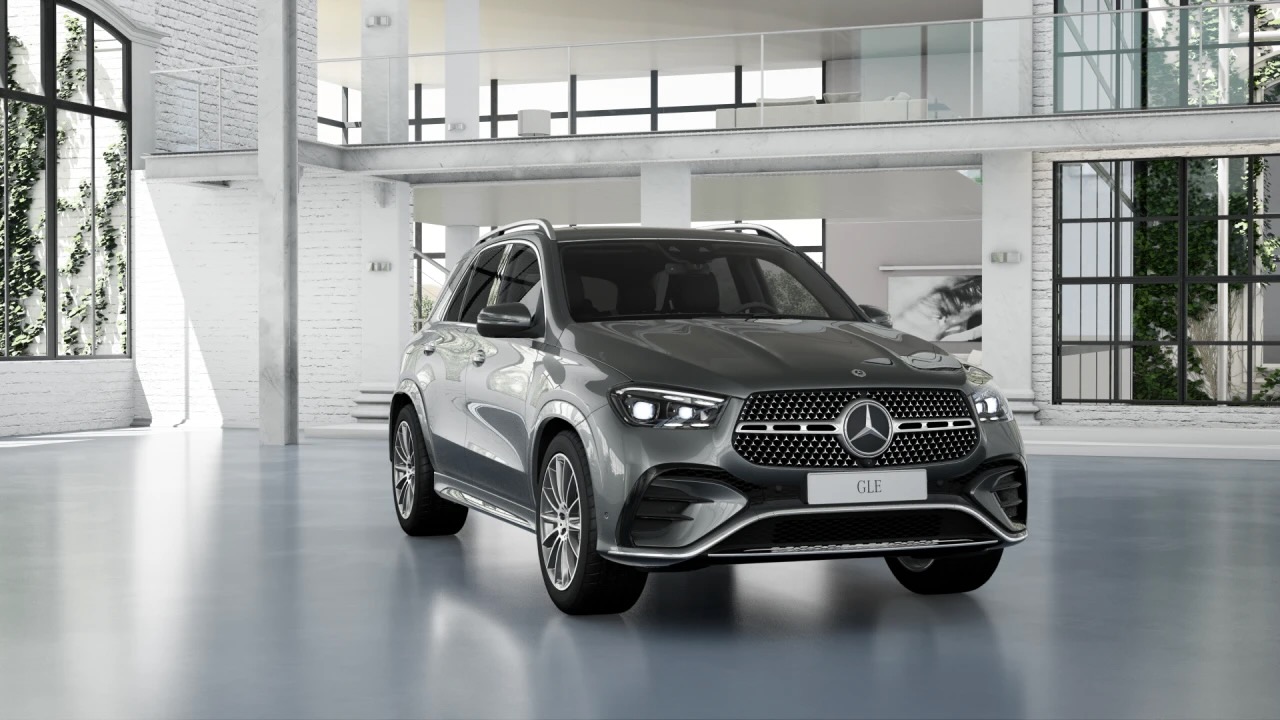
8) Mercedes-Benz GLE 300 d: 6.6L/100km
3
Using a 2.0-litre four-cylinder turbo-diesel engine with a mild-hybrid system, the Mercedes-Benz GLE 300 d punches above its weight making 198kW of power and 550Nm of torque (plus 15kW from the mild-hybrid system at certain times). Featuring four cylinders helps with economy as the GLE 300 d is rated at 6.6L/100km on the combined cycle, which is impressive for such a large and heavy vehicle.
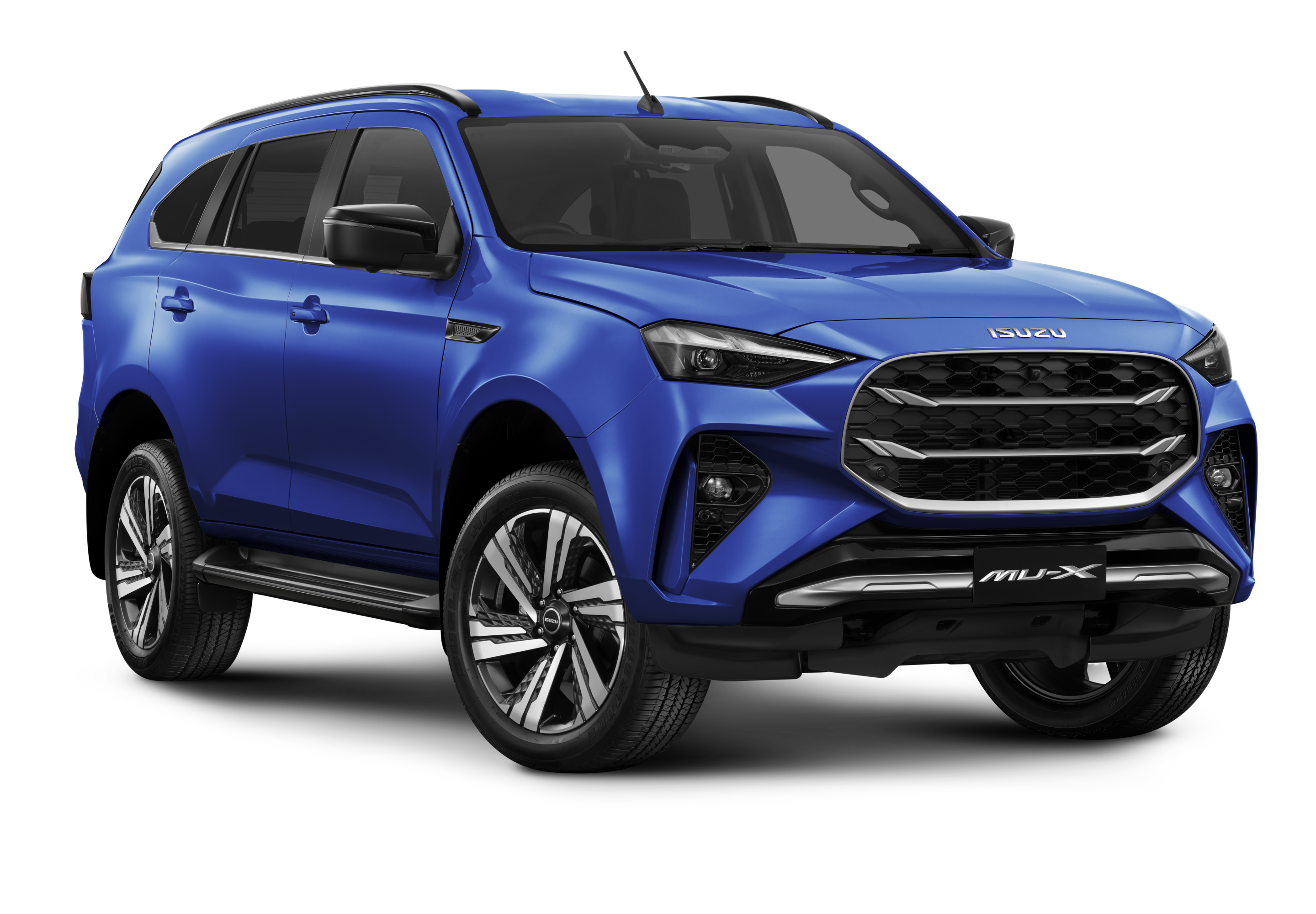
9) Isuzu MU-X 2.2L 4×4: 6.7L/100km
3
The MU-X’s second entrant on this list is 0.3L/100km higher than the first due to the addition of a four-wheel drive system that gives the MU-X the legendary off-road capability that Isuzu is known for. Like the 4×2 variant of the MU-X, the 4×4 uses a 2.2-litre turbo-diesel with an eight-speed automatic, but a larger 3.0-litre diesel is also available for 20kW/50Nm more grunt that pushes fuel consumption up to 7.6L/100km.
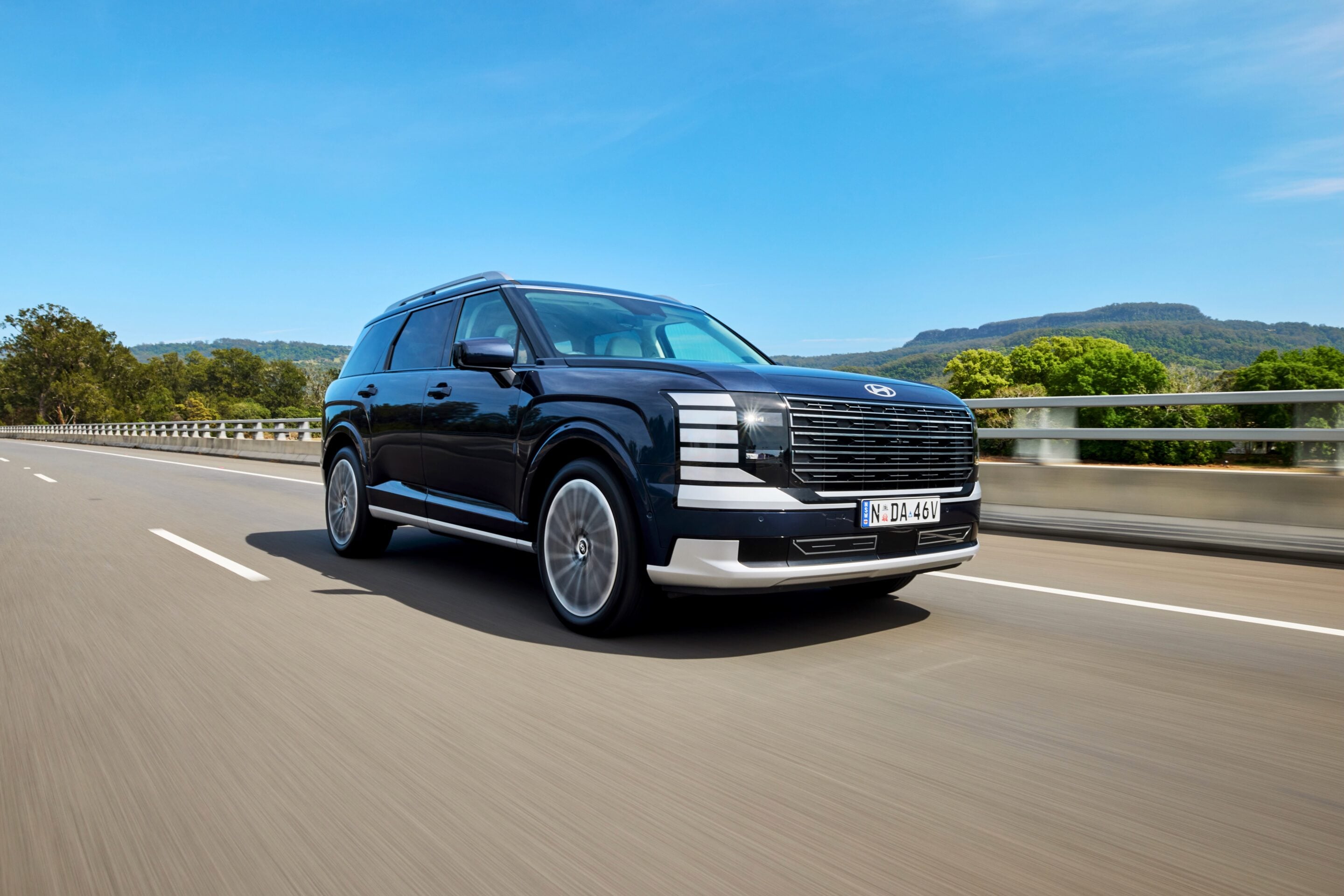
10) Hyundai Palisade Hybrid: 6.8L/100km
4
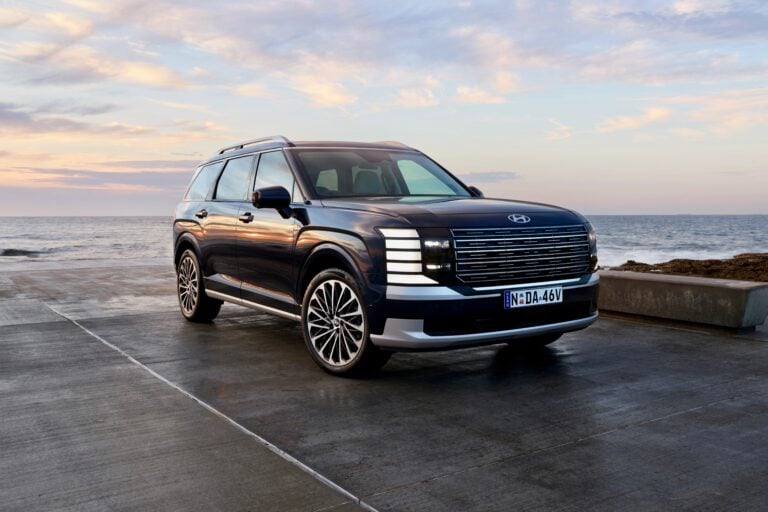
Rounding out the top 10 most fuel efficient large SUVs is the new Hyundai Palisade, which went on sale locally late last year. Featuring a new 2.5-litre turbo-petrol hybrid drivetrain making 245kW of power, it’s the most powerful car on this list, rated at 6.8L/100km on the combined cycle. Available only in top-spec Calligraphy trim for now, the Palisade will also offer a lower-spec Elite later this year, which could be made available in more efficient front-drive form too.
Follow WhichCar/Wheels on Google
Click the button below to make WhichCar by Wheels a preferred source for your news.

We recommend
-
 Reviews
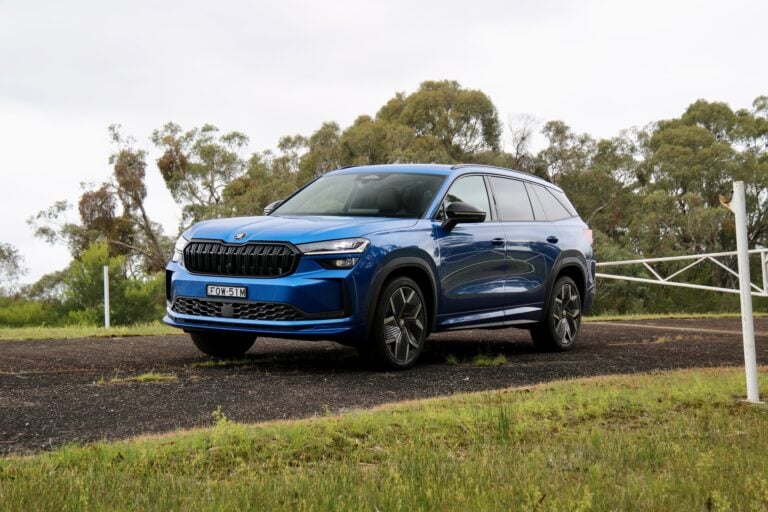
Skoda Kodiaq Sportline review: Sporty take on the seven-seat large SUV
The Skoda Kodiaq has long been one of the most car-like seven-seater SUVs on the market – is it as easy to recommend the new second-generation model?
-
 Reviews
Hyundai Palisade review: Hybrid power now part of luxuriously appointed 2nd gen large SUV
The Hyundai Palisade has entered its second generation with more class, luxury and performance as part of the brand's continuing roll-out of upgraded product.
-
 Reviews
2025 Mazda CX-80 D50e Azami review: Ride issues smoothed by classy cabin and excellent fuel economy
With three rows, premium features and a focus on luxury in flagship Azami trim, the Mazda CX-80 is poised to become the brand’s best-selling large family SUV in Australia.