
Features

Gallery 1
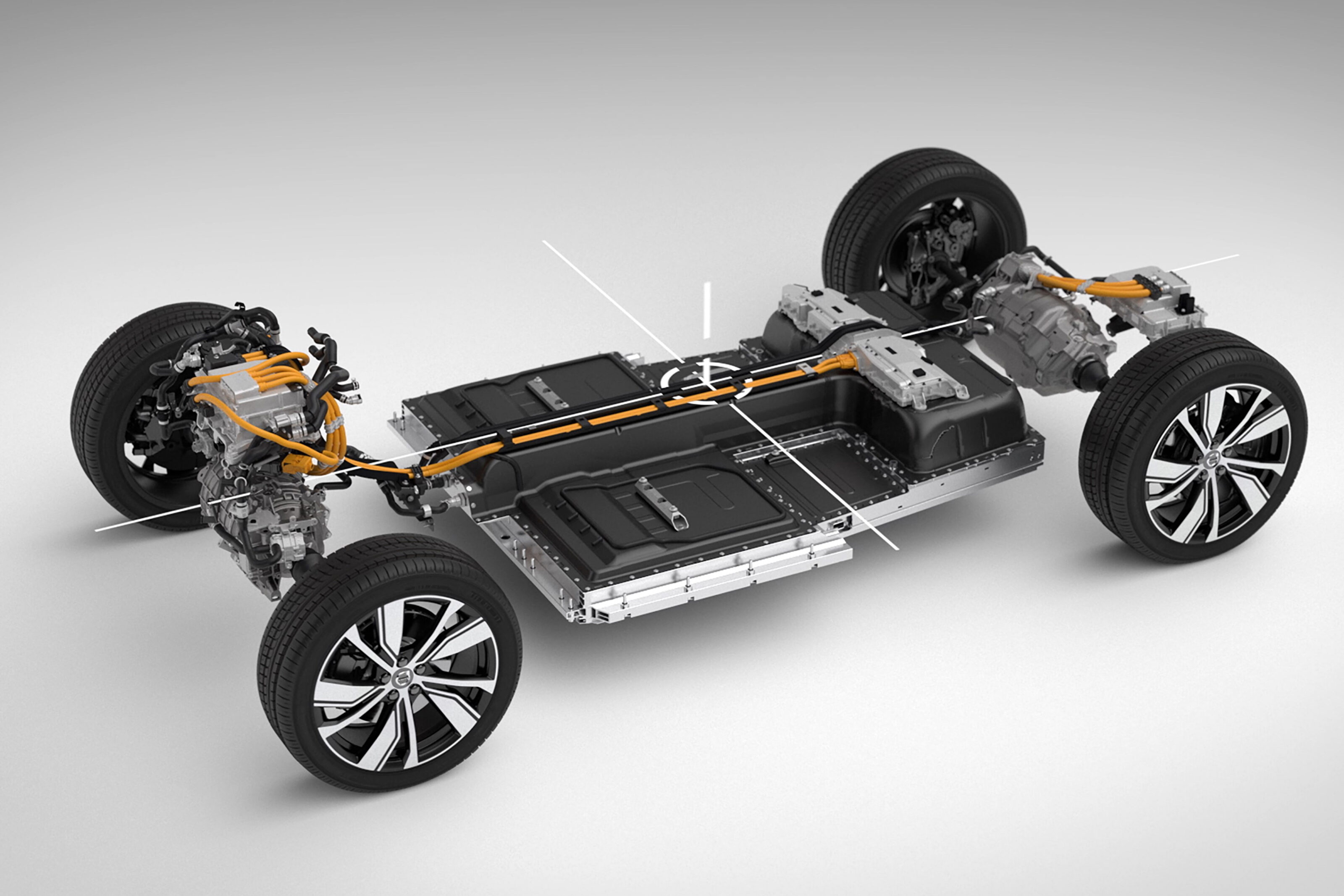
Not all EV batteries are the same. While they all store electricity to power an electric motor, the type of battery fitted to an EV can greatly affect its driving range, charging speed, lifespan and price.
Most electric cars currently use lithium-ion batteries, but there are several different types. Some are cheaper and longer-lasting, while others can store more energy to deliver greater driving range.
New technologies, including sodium-ion and solid-state batteries, could also change how electric cars are powered in the future. So, what are the differences between the different types of battery, and which battery type is best?
Lithium iron phosphate (LFP)
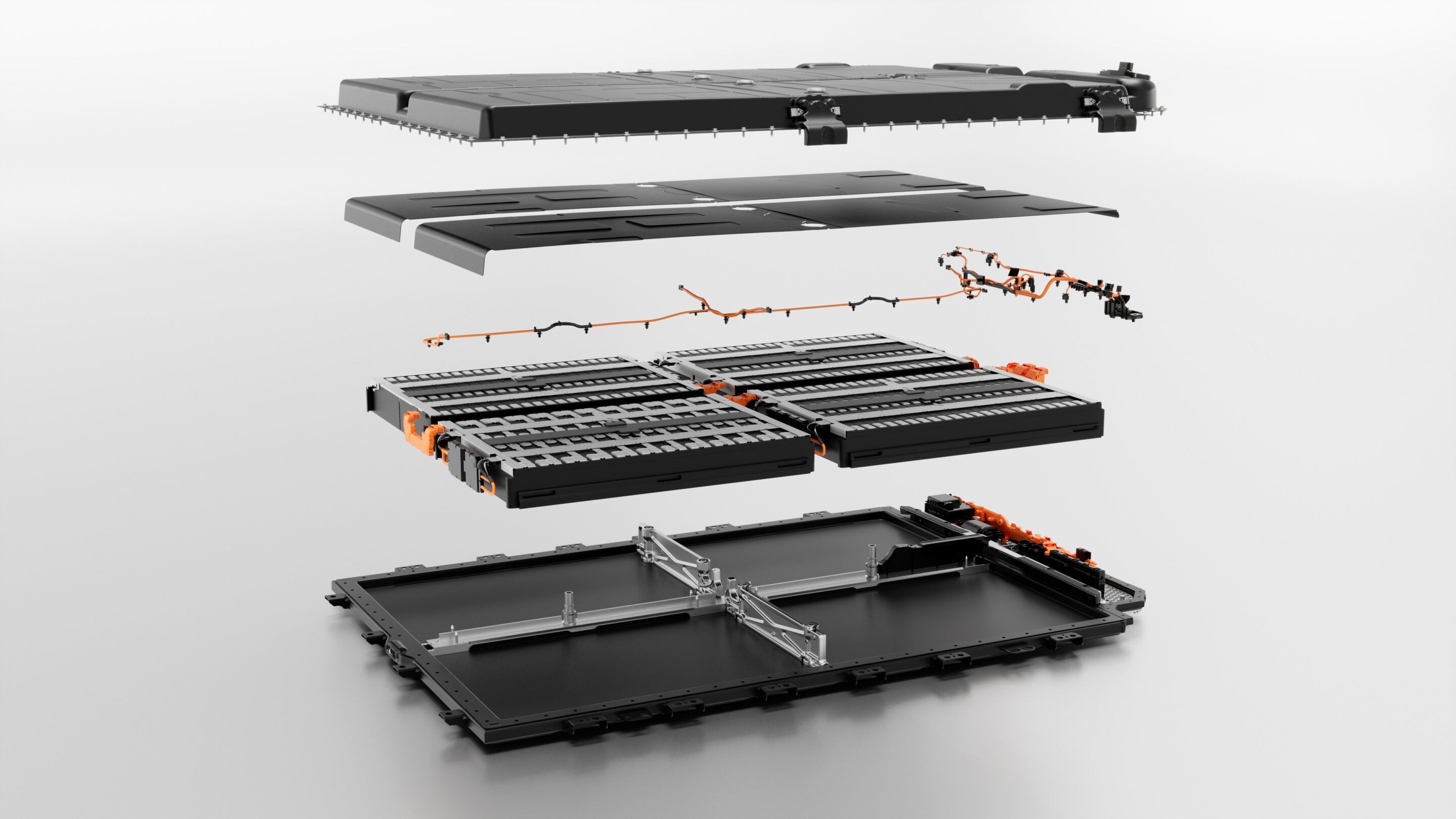
Lithium iron phosphate (LFP) batteries are increasingly common in electric vehicles, particularly more affordable models from brands such as BYD and MG. Their biggest advantage is cost, which allows manufacturers to charge less for the vehicles that use them. LFP batteries use relatively inexpensive materials, making them cheaper to produce than many other lithium-ion batteries.
1
They’re also durable, generally lasting longer than other battery types, and are less prone to overheating. Another benefit is that LFP batteries can generally be charged to 100 per cent more regularly without significantly affecting their lifespan, although owners should follow their manufacturer’s recommendations.
The main drawback is that they store less energy for their size and weight than some alternatives. This means an LFP battery may need to be larger and heavier to provide the same driving range. They also tend to charge slower in very cold conditions.
Pros: Affordable, long-lasting, safer against overheating and tolerant of regular full charging.
Cons: Heavier for the same capacity and poorer cold-weather performance.
Nickel manganese cobalt (NMC)
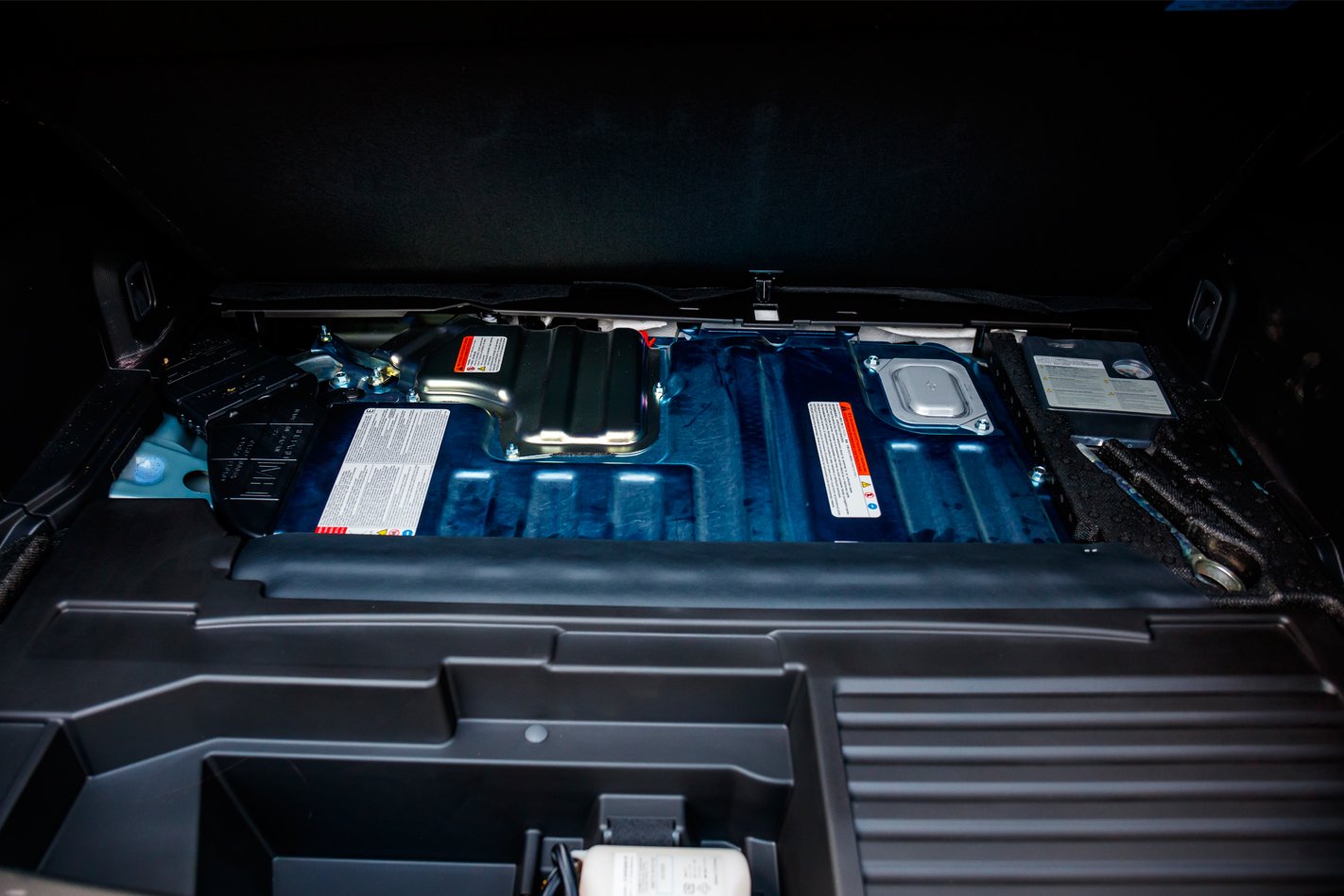
Nickel manganese cobalt (NMC) batteries are commonly used in electric vehicles where driving range and performance are priorities. Their main advantage is that they can store more energy in a smaller, lighter package than LFP batteries. This makes them particularly useful for long-range electric vehicles.
They also generally perform better in cold weather, however, NMC batteries are more expensive to manufacture because they use costly materials such as nickel and cobalt, which also raise environmental and ethical concerns.
2
They can also degrade more quickly if regularly charged to 100 per cent, particularly in hot conditions. As a result, many manufacturers recommend limiting everyday charging to around 80 per cent.
Pros: High energy storage capacity, lighter weight and good driving range.
Cons: More expensive, greater potential for degradation and reliance on costly materials.
Nickel cobalt aluminium (NCA)
Nickel cobalt aluminium (NCA) batteries are similar to NMC batteries, offering high energy storage capacity and strong performance. Tesla has historically used NCA batteries in some of its longer-range and higher-performance EVs.
Like NMC batteries, they can store plenty of energy without adding excessive weight, making them suitable for vehicles designed to travel longer distances. However, they’re relatively expensive to manufacture and require careful temperature management to maintain their performance and lifespan. Because of that, they’re less widely used than their LFP and NMC cousins.
Pros: High energy storage capacity, strong performance and relatively lightweight.
Cons: Expensive, sensitive to high temperatures and reliant on costly materials.
Lithium manganese iron phosphate (LMFP)
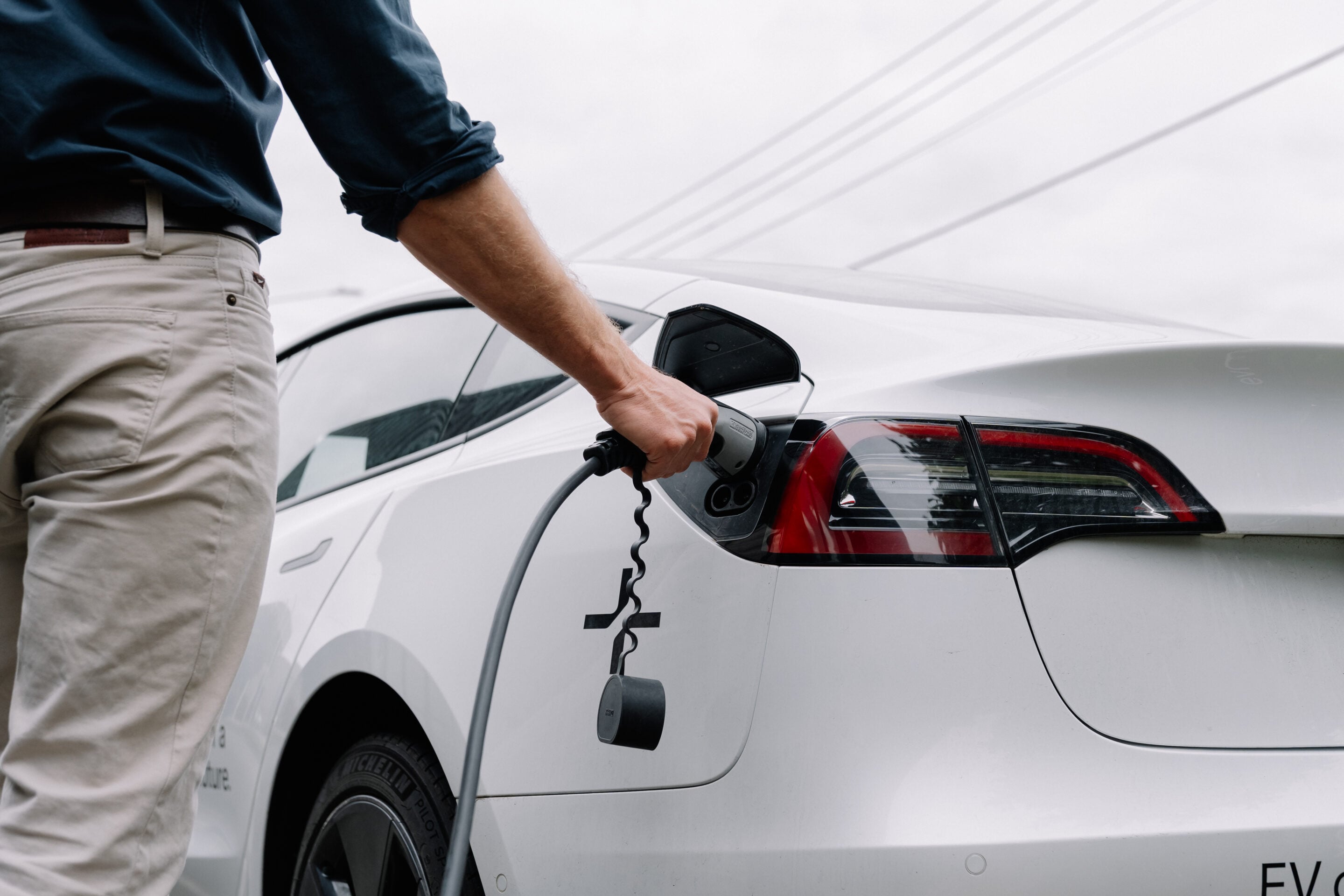
Lithium manganese iron phosphate (LMFP) batteries are a newer development of conventional LFP tech. By adding manganese, manufacturers can increase the amount of energy stored in the battery, which potentially improves the driving range but without significantly increasing weight. Like LFP batteries, they also avoid expensive materials such as nickel and cobalt, helping keep costs down.
2
LMFP is beginning to appear in commercial battery applications, although its use remains far less widespread than conventional LFP or NMC technology. LMFP could eventually offer a useful compromise between the affordability of LFP batteries and the greater driving range potential of NMC batteries.
Pros: More energy storage than LFP, relatively affordable materials and good durability potential.
Cons: Newer technology with limited availability.
Sodium-ion batteries
Sodium-ion batteries are an emerging alternative to lithium-ion technology, using sodium instead of lithium. By comparison with that mineral, sodium is abundant and inexpensive, potentially making these batteries cheaper to produce in the future. They can also perform well in cold temperatures, which is another advantage over some conventional lithium-ion batteries.

2
However, sodium-ion batteries generally store less energy for their size and weight. This makes them better suited to affordable, shorter-range electric vehicles rather than models designed for long-distance travel. Chinese manufacturers including CATL and BYD are advancing sodium-ion technology, with CATL and Changan announcing a production passenger vehicle to come. Manufacturing volumes and global availability remain limited compared with established lithium-ion batteries.
Pros: Abundant materials, potential for lower costs and good cold-weather performance.
Cons: Lower energy storage capacity and limited availability.
Solid-state batteries
Solid-state batteries are among the most promising future technologies for electric vehicles, and are being dubbed the “next big thing” in electric vehicles. Conventional lithium-ion batteries generally use a liquid material, known as an electrolyte, to move electrically charged particles between their electrodes. Solid-state batteries replace this liquid with a solid material.
Some solid-state designs could allow batteries to store significantly more energy. They could also charge faster and improve safety by reducing the use of flammable liquid materials. However, solid-state batteries remain expensive and difficult to manufacture, while ensuring they last for many years is another challenge.

3
Manufacturers including Toyota are developing the technology, with the Japanese brand targeting its first all-solid-state battery-powered vehicle by 2028. Some semi-solid-state batteries are already being used in limited applications like some MG products in China, but fully solid-state batteries are not yet widely available in production cars.
Pros: Potential for longer driving range, faster charging, improved safety and lower weight.
Cons: Expensive, difficult to manufacture and not yet widely available.
What does the future hold for EV batteries?
EV battery technology is evolving rapidly, with many manufacturers working to make batteries cheaper, lighter, longer-lasting and faster to charge. While LFP and NMC batteries are likely to remain the most common options for the foreseeable future, emerging technologies such as sodium-ion and solid-state batteries could bring significant improvements in the years ahead.
Follow WhichCar/Wheels on Google
Click the button below to make WhichCar by Wheels a preferred source for your news.


We recommend
-
 News
Elon Musk announces new Tesla Model Y… without a steering wheel
The world's richest man sees a different path forward for the Model Y, and it also doesn't include pedals.
-
 News
Mitsubishi ASX VR-e: Brand’s most powerful production car ever priced for Australia
The 2027 Mitsubishi ASX VR-e will start from $45,990 driveaway in Australia, with generous standard equipment and a 342kW performance flagship.
-
 News
BMW M3 Electric prototype international first drive: Sports sedan loses nothing in the translation to battery power
Our mates at Auto Express got the equivalent of Willy Wonka's golden ticket when they got to steer the upcoming BMW M3.
