
A tantalising taste of our sports car future left judges hungry for more.
THIS shapely, scissor-winged, plug-in hybrid coupe was the most divisive Wheels COTY 2016 contender of all.
There were judges who loved the way the i8 drove every bit as much as its concept-car looks. And there were some unconvinced by the BMW, arguing that its performance and handling failed to keep the promise made by its sensational styling.
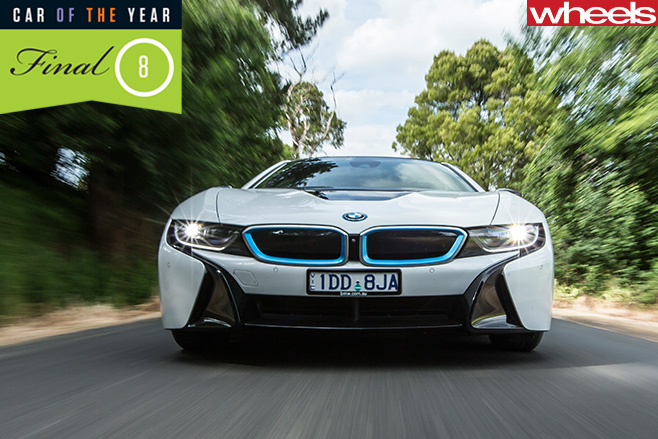
BMW also remained reasonably faithful to the broad technical detail of the Vision concept. Its centre section is a carbonfibre cell, with aluminium subframes bolted on fore and aft to serve as mounting points for the suspension and steering, and to cradle drivetrain components. Behind the passenger compartment is a three-cylinder 1.5-litre turbo. It’s from BMW’s modular engine family, but boosted to produce a hefty 170kW. It drives the rear wheels through a six-speed automatic transmission.
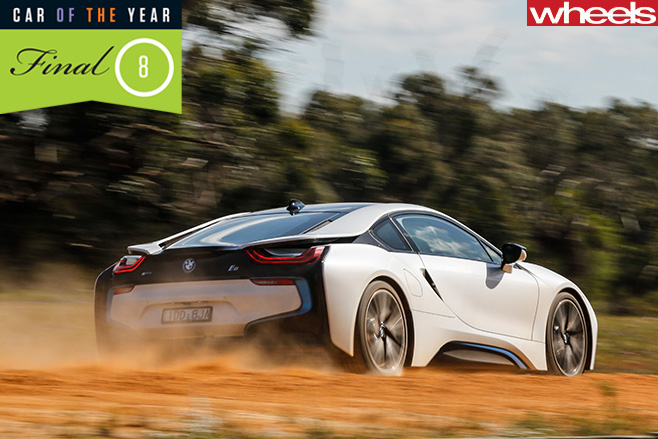
The i8 can run in three different driver-selectable modes. In eDrive it’s a front-drive electric car, drawing on energy stored in a 5kWh usable-capacity lithium-ion battery pack. Once this is used up – around 35km is the claimed range – the i8 switches to Comfort mode, where internal combustion and electric power are blended. Nudging the gear lever to the left engages Sport mode, where the internal-combustion engine runs full-time.
Judges who tried it were impressed by eDrive. There’s strong acceleration, but top speed is limited to 120km/h, making it well suited for city and suburban driving. But from this point, opinions diverge…
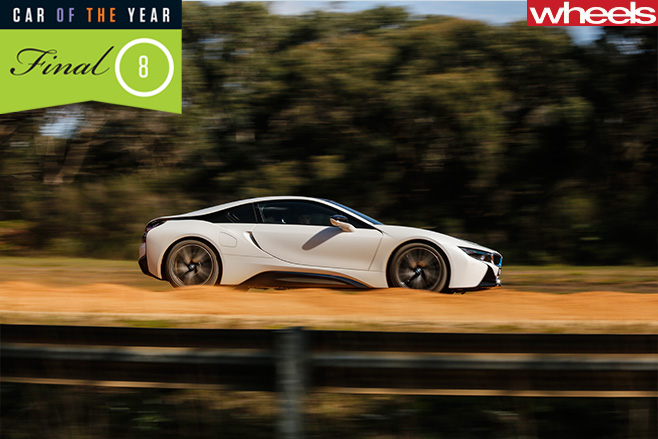
Other judges were smitten by the sound of the turbo triple when working hard in Sport mode. They also liked the flavour of the i8’s performance in this mode, with the hybrid system’s full 266kW and 570Nm on tap.
There was something approaching consensus on the i8’s dynamics. The BMW’s ride impressed most judges. But while the i8 has no handling vices, it lacks on-limit adjustability.
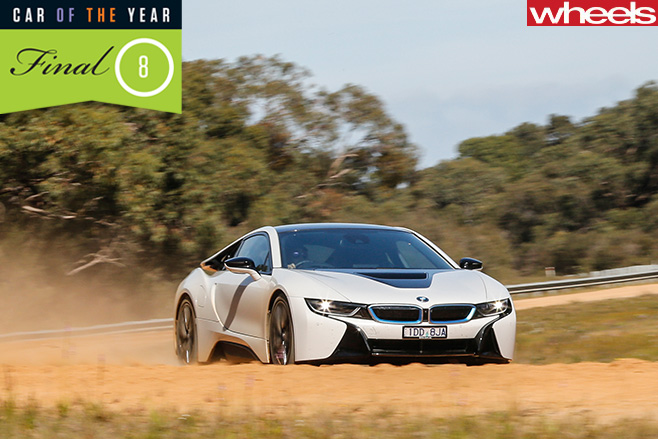
The way the i8 split the judging panel on key points like function, practicality and value was fatal. Without broad support it’s simply impossible for a car to make it to COTY’s closing stage.
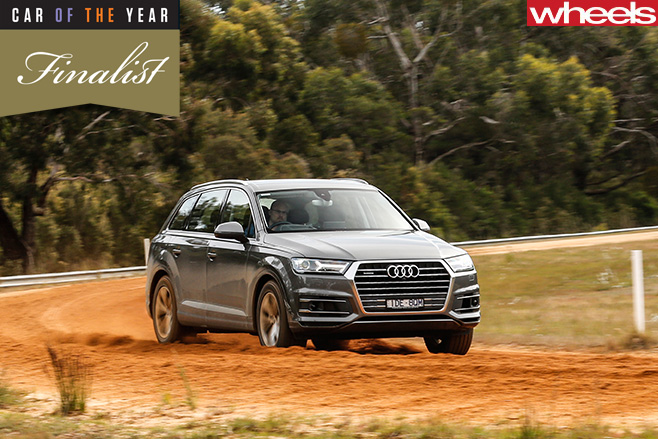
No seven-seat SUV has ever pampered its passengers and delighted its driver as much as the new Audi Q7.
Rarely does an SUV come along that makes such a mark on Car of the Year. The last was the Ford Territory in 2004 – and it won.
The second-generation Audi Q7 – unfashionably late, but a vast leap over the original – resets the dynamic standards to which other luxury SUVs will now be measured.
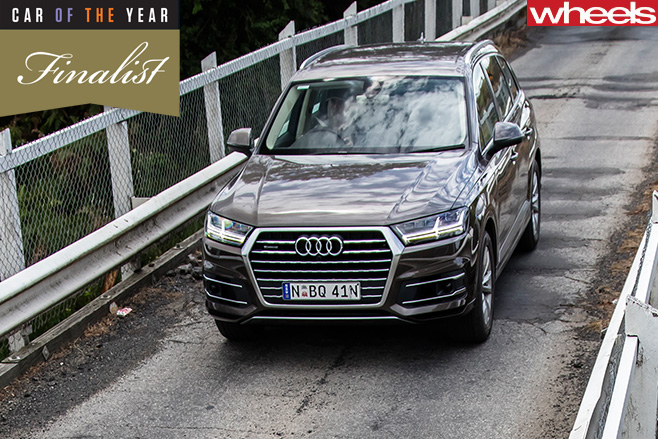
The Q7 is cold, aluminium-infused proof a luxury SUV can (almost) drive like a passenger car while delivering on the interior flexibility and accoutrements expected of the family-friendly breed.
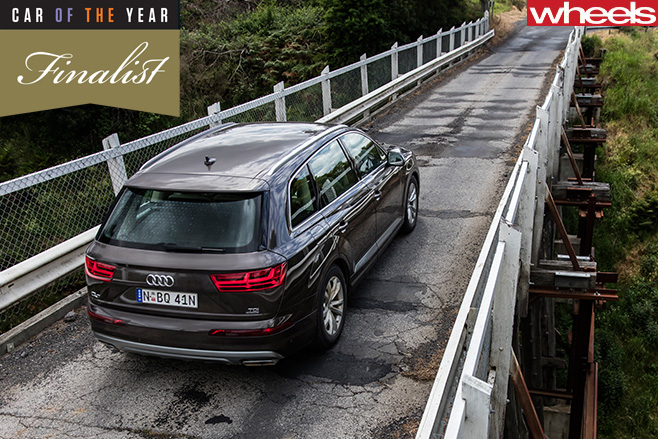
Credit goes to the full aluminium body (saving 95kg) and lighter components. For example, the single V6 turbo-diesel engine on offer for now (an e-tron hybrid is coming) weighs 20kg less.
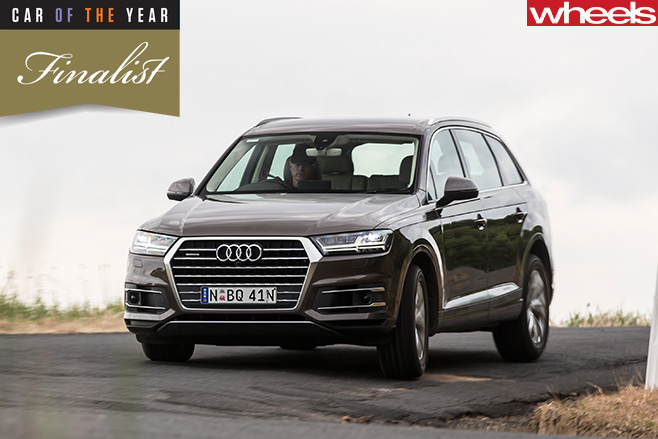
The Q7 has genuine style and thoughtfulness in its cabin. Combining the customisable 12.3-inch Virtual Cockpit with the retractable 8.3-inch colour screen makes for easy infotainment navigation. When paired with elegant materials and a clean, functional layout it reasserts the luxury oozing from every pore. It is a lovely place to be.
The further aft the COTY judges ventured the more they appreciated the flexibility of those seats, too. The second row flips, slides and folds in a 40/20/40 configuration, while the pair of individual third row pews glide elegantly into the floor at the push of a button. Topping it off are the child-seat anchor points in the third row.
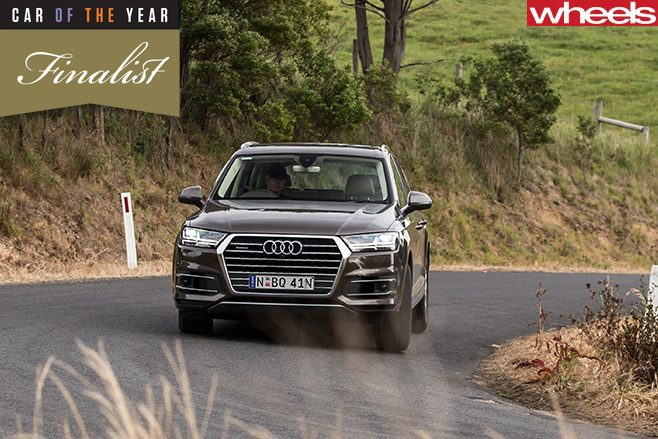
Indeed, the Q7 injects limousine luxury with sedan-like dynamics and levels of comfort until now not experienced in an SUV. There wasn’t a COTY judge that exited the big Audi without praising its class-leading refinement.
That refinement – in judges’ eyes deemed impressive at a price tag double the Q7’s $103,900 ask – helped comfortably advance the Audi through the 2016 COTY testing ranks.
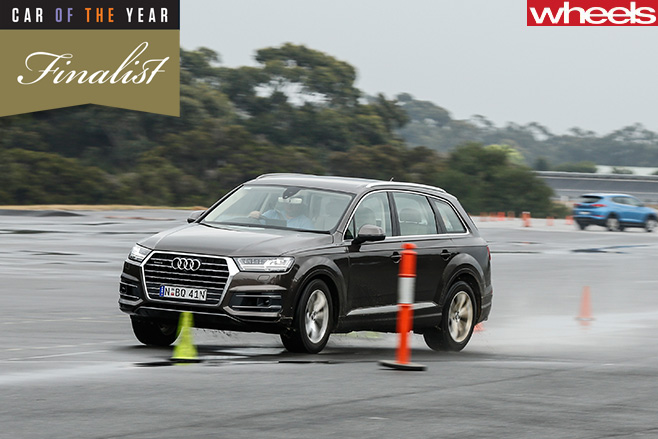
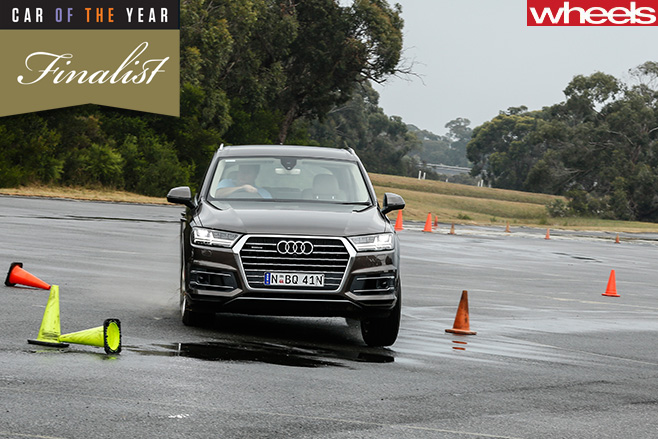
Yet the long-awaited newcomer impressed from the second it hit the sodden Lang Lang proving ground on our first day of testing. That a car with the size and space of the Q7 can tackle corners with such surety and fluidity is testament to the engineering efforts beneath.
Fuel use wasn’t as impressive. While the 5.9 litres per 100km sticker is startling, the reality is less so. The Q7 used close to double that to complete the long COTY country loop, driven with spirited bursts, but with a lot less of the everyday stop-start that typically inflates fuel figures.
While the Q7 3.0 TDI is currently the only model available in Australia, we enlisted two examples for testing; one with standard steel coil springs, and one with the optional air suspension system.
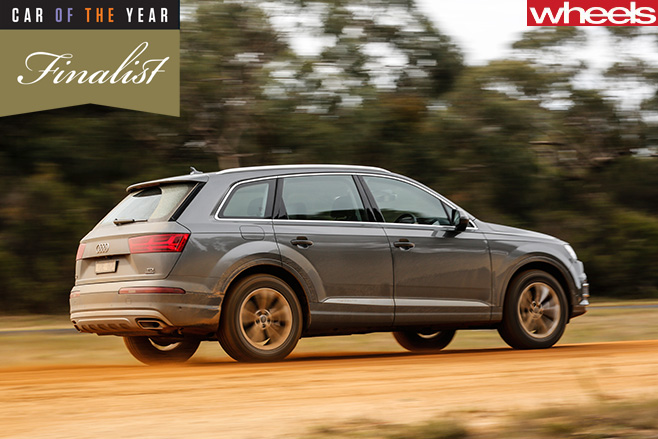
A rare dynamic hiccup was its dirt braking performance, while after some good ol’ COTY punishment, its brakes could become stinky and smoky following heavy applications.
Safety has also taken some significant steps with the Q7. For example, the auto emergency braking has been calibrated to recognise oncoming traffic and apply the brakes if the driver plans to turn across oncoming cars.
The Q7 and this latest diesel engine – loosely related to the former V6 – have so far escaped the controversy. But the company’s tarnished reputation leaves a sour “what-next?” taste, and every judge took that into consideration.
Still, there’s little overlooked in Audi’s most convincing and complete car to date.
Good performance cars are like good comedy: it’s all in the delivery.
It’s primarily this reason why diesel performance cars have struggled to gain a foothold, regardless of how impressive their numbers may be. Diesels produce plenty of low-end punch, and strong torque equals strong acceleration, but changing up at 4000rpm just isn’t particularly exciting.
It’s here Mazda’s claim that the new XD Astina should be seen as the new 3’s performance variant falls over somewhat. At the moment there are no plans to introduce an MPS version of the current 3, but Mazda points to the Astina XD’s impressive 420Nm torque figure as proof that it can punch above its oil-burning origins.
While it’s true that the XD out-grunts the old MPS by 40Nm, its 129kW power figure means it lacks 51kW at the top end. Extracting the best from the 2.2-litre turbo-diesel requires frequent use of the six-speed manual ’box to keep it in its narrow 2000-4500rpm powerband.
That’s not a criticism, simply a fact of life with diesel engines. It’s plenty brisk enough in the cut-and-thrust of everyday traffic, with a satisfying surge up to around 4000rpm.
Despite the torque advantage, thankfully there is none of the manic torque-steer that afflicted the old MPS. Traction is generally pretty strong, and the XD’s softer set-up ensures a comfortable ride in most scenarios. As we discovered recently at Bang For Your Bucks 2014, the new Mazda 3 is extremely entertaining when driven hard, though the steering is quite numb and it lacks the sharpness of rivals at this price point.
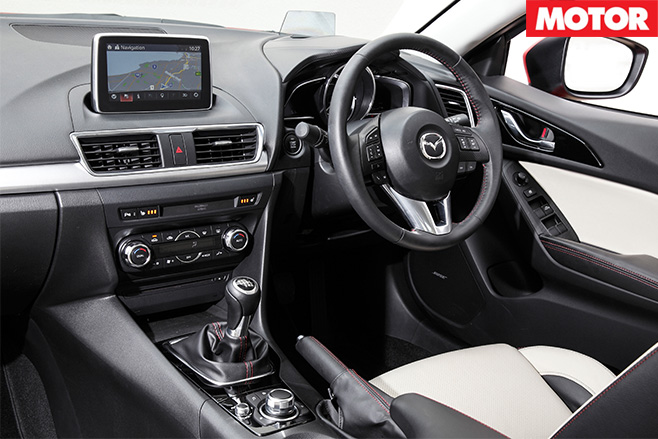
Thanks to the ‘Kuroi’ pack, which includes a bodykit and 18-inch wheels that look oddly like 16s, our test car was even more, a hefty $43,239, and that’s without the carbon-style wrapped roof or cost of fitting the Kuroi kit.
In its defence, the XD Astina is loaded up with more toys than a billionaire’s toddler, including a sunroof, heated seats, a head-up display, nine-speaker Bose stereo and an active safety kit with radar cruise control, blind spot monitoring and smart city braking.
While an impressive car that is comfortable and enjoyable to drive, the XD Astina isn’t sharp enough to warrant the ‘performance car’ tag. For our money the $15K cheaper base SP25 delivers the sportiness punch line a lot better.
Specs
Engine: 2191cc inline-4 diesel, DOHC, 16v, turbo Power: 129kW @ 4500rpm Torque: 420Nm @ 2000rpm Weight: 1448kg 0-100km/h: 7.7sec (claimed) Price: $43,239
2016 Car of the Year issue: 25 contenders, one winner, all reviewed and compared.
Plus: Maxing out a Bentley on the road; Holden’s secret ute; 370kW Peugeot hybrid; Everest v Prado.
ALSO IN THIS EDITION:
- Why you should buy a new car right now
- Volvo’s Polestar-packing S90 imagined
- Lambo launches steer-by-throttle Huracan
- Merc GLC joins the small luxo SUV set
- Open-air Ferrari 488 Spider driven
- Human-powered thrills and spills in the Pedal Prix
- Lamborghini mulls hybrid, diesel future
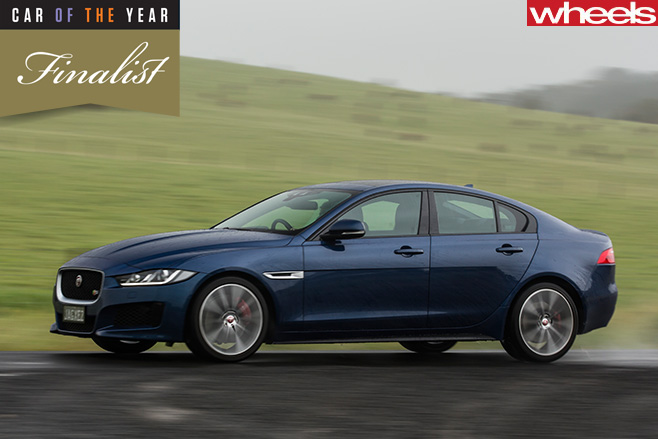
The dynamic brilliance of Jaguar’s XE made it a compelling choice – and it almost won.
WE ALREADY knew the XE was good. Even before its launch here last September, overseas drives indicated this Jaguar had the talent to be a real premium medium-class contender.
Performances in local tests and comparisons, when they came, only reinforced that view.
Now we also know the XE is one of the outstanding cars of its year.
The Wheels COTY test program is tougher than any normal road test. It’s a week-long search for weakness. It’s guaranteed to find faults and flaws, and the XE was no exception. But this was also the car which emerged as the strongest challenger to our winner.
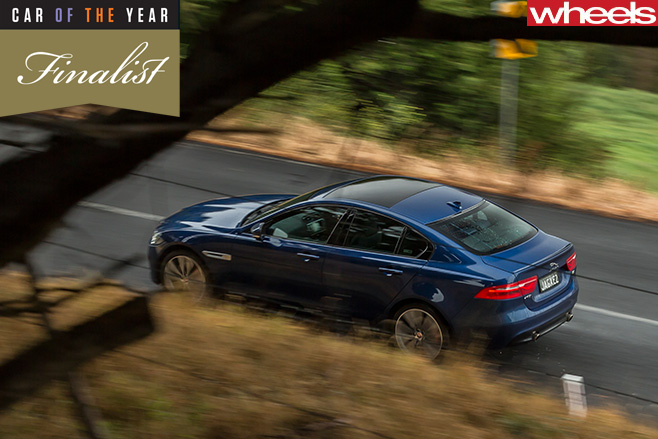
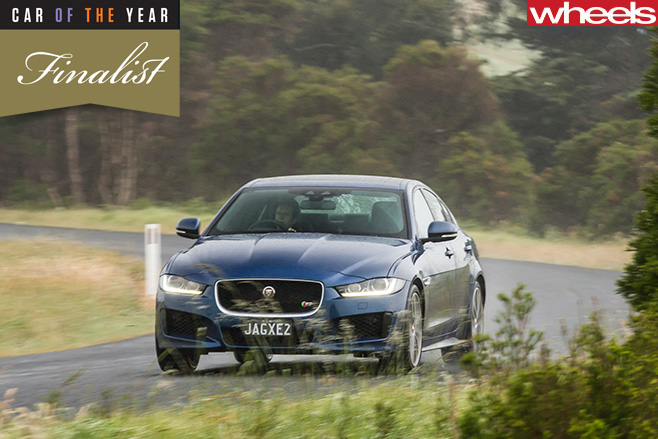
The Jaguar’s electrically assisted steering provides a silky sense of connection and control. Equally alluring is the finesse with which this Jaguar treads the ride and handling tightrope.
The XE’s chassis is perhaps at its best in the least costly and most basic Prestige grade. The 20d model in this specification supplied for COTY testing was impressive, both at the proving ground and on the road.
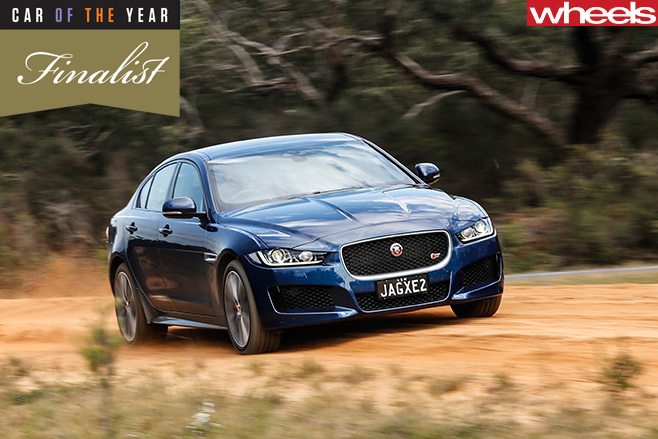
It was disappointing that the use of aluminium hasn’t made it lighter. Although the metal makes up more than 75 percent of the body structure, the finished result is really no lighter than its main rivals. But Jaguar’s engineers have delivered a structure of terrific integrity. Even at Lang Lang, where high body loads are generated when cornering, the XE never showed the slightest sign of flex.
The all-new Jaguar Land Rover 2.0-litre turbo-diesel introduced in the XE provided further proof of engineering expertise. While some judges noted the noisiness of the Ingenium from outside, there were no complaints from behind the wheel. Inside the car, the engine is satisfying; quiet, smooth and torquey. It also co-operates in unobtrusive harmony with the ZF eight-speed automatic that’s used in all Australian-spec XE models. And the sub-8.0L/100km consumption during COTY’s briskly driven public road loops was pretty impressive.
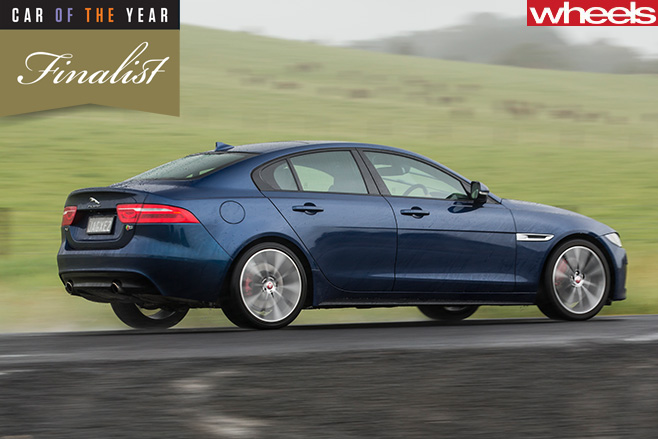
It’s the thirsty supercharged 3.0-litre V6 of the range-topping S that’s the least convincing engine. This Jaguar-made unit is the same as that used in the base F-Type. While the engine’s performance is properly lusty, most judges noted the negative effect the heavier V6 had on the XE’s sublime balance.
Same goes for the front half of the cabin. Jaguar’s space-consuming pop-up gear selector dial in the centre console contributes to the problem, but why do the cupholders and door pockets need to be so shallow and narrow?
Yet these aren’t the main reasons the XE’s interior is its greatest weakness. No COTY judge thought the cabin conveyed the same classiness and elegance that its engineering finesse and exterior style do.
That’s something we’ll never be able to know…
Mazda’s brilliantly light and easy sports car won the judges’ hearts and minds. Here’s why it deserved its victory.
IT HAPPENS to the best of us. The compulsion to continually acquire and accumulate, to expand our empire, to want more than what we already have.
It’s hard-wired into our consciousness, yet true enlightenment lies in the reversal of that thinking. A deliberate rejection of excess to achieve a fundamental lightness of being.
A Mazda MX-5, in other words.
Here is an open-top, rear-drive sports car that weighs about as much as a supermini, yet exhibits the body strength of a car weighing 50 percent more. It’s also more compact from nose to tail than any MX-5 in history, yet manages to extract vital cabin-space increases over its larger, heavier predecessor.
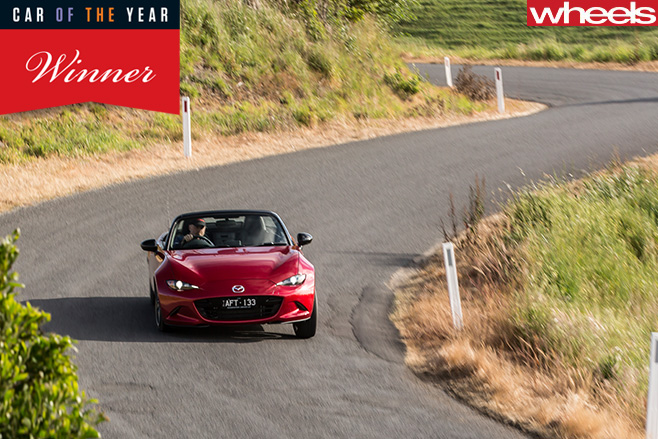
Had we been gambling types, the petite Mazda would’ve been the odds-on favourite for this year’s gong. Yet two-thirds of the way into COTY’s exhaustive week-long testing regime, the outcome was anything but clear-cut.
The Audi Q7’s outstanding refinement and air-sprung ride, the Jaguar XE’s superb dynamic performance and the Volkswagen Passat’s sophisticated polish ensured the MX-5 needed to mobilise every fragment of its gram-strategised form if the Wheels trophy was to land on its mantelpiece.
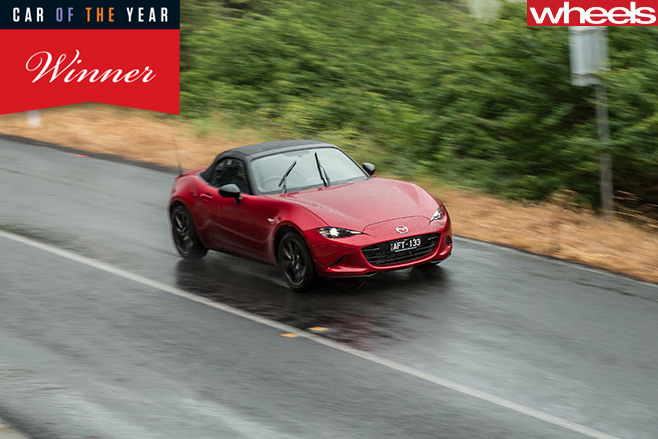
The six-speed auto 1.5 proved an enormous surprise. Despite its modest 96kW and 150Nm, the baby-engined MX-5 has an effervescence that makes you want to continually spank its bottom to the 7500rpm redline (and beyond), accompanied by a delightful rasp as it extracts those last few hundred revs.
The ‘SkyActiv-Drive’ auto ’box is primed for a good time too. Smooth and intuitive – if sometimes rather busy – in regular driving, the auto has an innate ability to keep the 1.5 ticking along in its pleasure zone.
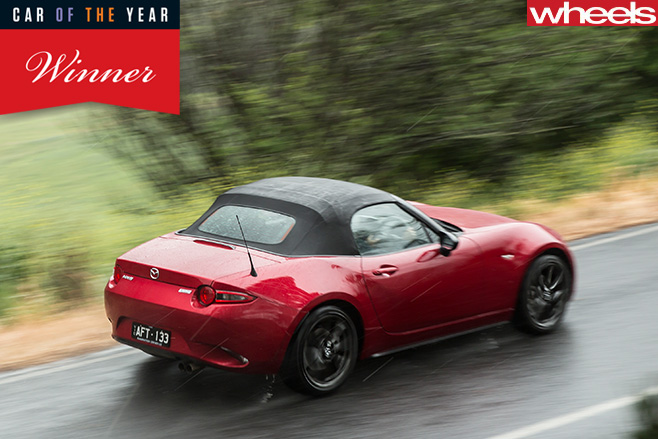
Cough up another $2500 and you move into 2.0-litre MX-5 territory, gaining a chubbier, slightly throatier and more tractable 118kW/200Nm engine for minimal additional coin. But here’s where the (friendly) debate raged. The 1.5’s raspy, rev-happy sweetness or the 2.0-litre’s muscularity? An impromptu poll between all eight COTY judges resulted in a virtual tie.
Of even more tangible functional benefit to the MX-5’s station in life, and its COTY win, is its chassis. It’s almost difficult to put into words just how revelatory it is to experience a small, lithe, super-agile and exquisitely balanced little thing like the MX-5. And at sane speeds too.
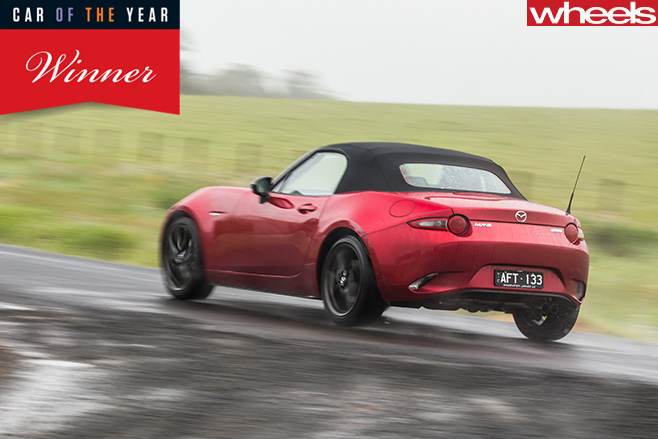
No MX-5 variant is immune to fairly persistent tyre noise, yet there’s a pleasant calm to the MX-5’s cabin when driving with the roof down at three-figure speeds. And that shapely soft top is incredibly easy to operate. About the only black mark against the MX-5’s beautifully crafted cloth roof is that it isn’t really receptive to being opened on the move.
Inside the MX-5’s characterful cabin, clever use of space abounds. For example, there’s a decently sized, lockable glovebox between the seats, liberating extra space for the passenger’s legs.
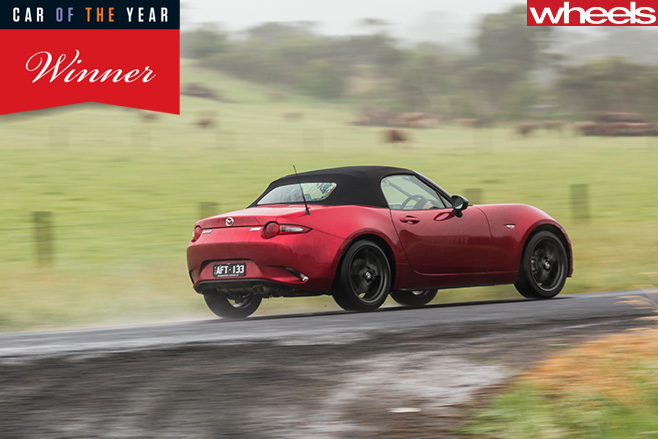
But the wheel itself is art, with a slim, leather-stitched rim just like the 1970s British roadsters that inspired the original MX-5, guiding near-perfect steering that spans a super-tight 9.4m turning circle and delivers scalpel-sharp turn-in and precision.
The MX-5’s seats eschew foam and springs in lieu of a lightweight net material and urethane pads that allow you to sit deep within the seat. As a result, the MX-5 has clearly the most comfortable front passenger’s seat in Mazda’s entire model portfolio, while the driver’s bucket delivers a terrific driving position for the majority of Australians out there.
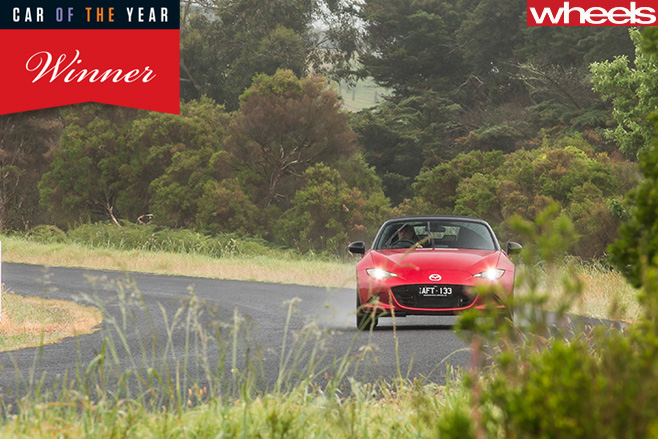
While the MX-5’s ‘SkyActiv-G’ drivetrains are developments of existing engines, there isn’t a single item in the entire car that hasn’t been touched by Mazda’s fastidious ‘gram strategy’.
The MX-5’s focus on improved technology yields gains in efficiency and safety too. Despite being flogged mercilessly, the 1009kg 1.5-litre manual averaged an impressive 8.0L/100km carrying two occupants on our hilly, twisty road loop, closely followed by the 2.0-litre manual and the 1.5-litre GT auto. We’ve no doubt that all three could easily dip into the sixes (or better) on a flat 110km/h cruise.
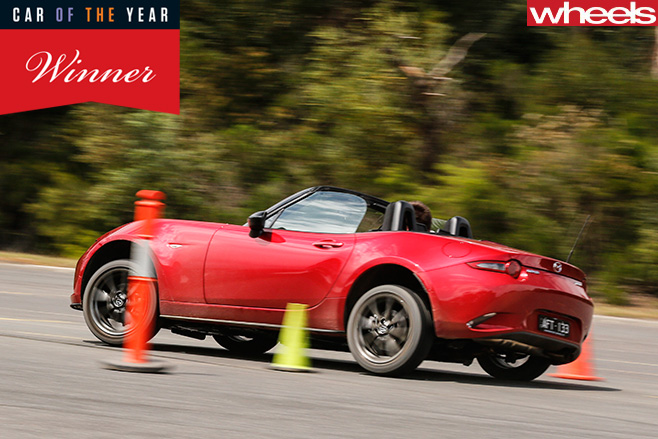
Ultimately, the over-achieving MX-5 isn’t quite perfect. The lack of an ESC Sport setting removes the possibility of enjoying more of its rear-drive deliciousness while still having a safety net.
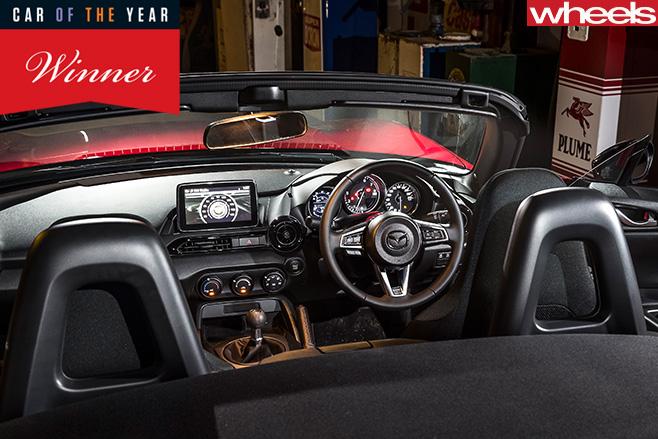
Finally, the MZD Connect multimedia system in our test 1.5 GT auto wasn’t quite the full six-pack and kept glitching when connecting to phones and searching for tracks to crank through its excellent nine-speaker Bose stereo.
But there’s an essence to the ND Mazda MX-5 that transcends mere box ticking and clipboard analysis. It gets under your skin and attaches itself directly to your emotional centre, in the most exquisite fashion imaginable.
The MX-5 proves you don’t need brute power and insane speeds to have a momentous time behind the wheel. It’s motoring at its purest – beautifully simple, yet simply beautiful to drive – and it achieves all that with a delicate global footprint.
Did you reckon our 297km/h on a public road in a Falcon-based FPV was a bit soft? How about nudging 330km/h in a Bentley Continental?
Late in 2014, Wheels took a Ford Falcon based FPV GT-F to an unrestricted stretch of the Stuart Highway in the Northern Territory. And we asked legendary race driver John Bowe to see how fast the FPV GT-F could go.
Late last year, Pommie journo Ben Oliver thought he could do better than that. So he arranged for Bentley to lend him a Continental GT Speed.
Oliver slipped into the driver’s seat of the Bentley on the same Northern Territory highway. And he forced himself to push the right pedal into the carpet for kilometre after kilometre.
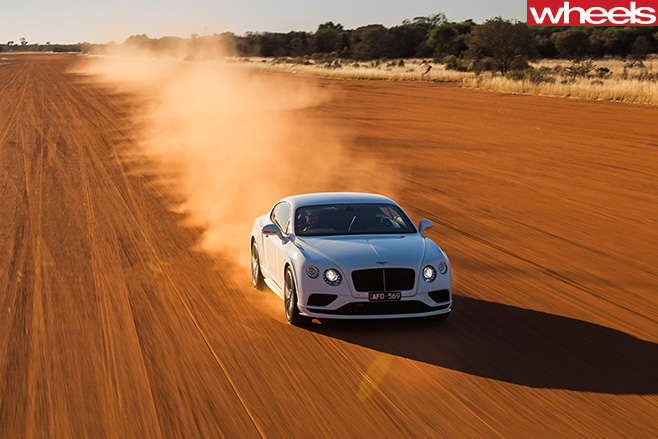
It might have been legal, but Oliver did not find it comfortable. Even though Bowe was there again – sitting ice-cool in the passenger seat of the Bentley beside him.
Bowe had previously maxed out the Continental himself, having been hired by Bentley to drive it for a video they produced of the event. He even got a bit more speed out of it.
The Bentley video is good, with its voice-over from Bowe. But Oliver’s story is better. You can read it in the February 2016 issue of Wheels – the Car of the Year issue – on sale now.
Wheels celebrates the joy of driving with 2016 COTY winner.
The proving-ground tests have been made, the thousands of kilometres have been driven, judgments have been argued and a verdict reached.
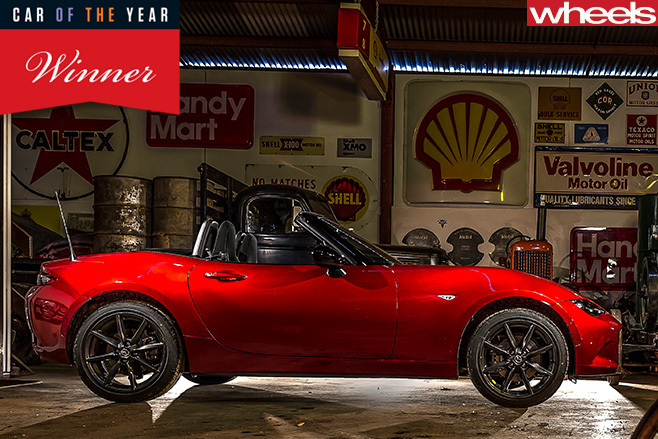
The 2016 Wheels Car of the Year is the Mazda MX-5.
It is the third win for the popular sports car, with previous generations having won the prestigious award in 1989 and 2005.
The 2016 Car of the Year was announced at a gala event in Melbourne tonight.
“It proves that you don’t need brute power and insane speeds to have a momentous time behind the wheel.
“The MX-5 roadster is a stunning achievement. It’s smaller on the outside but more practical on the inside, it’s lighter than its predecessors but is also stronger, and it is quite simply better than ever.
“But, more than ticking boxes and meeting our tough testing criteria – which it did impressively – this is about the joy of driving a great car.
“It’s an exhilarating experience and the driver is the true winner here.”
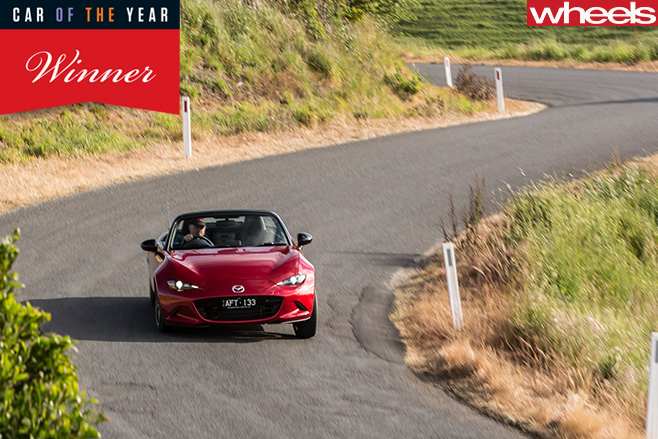
The diminutive Mazda roadster won the most coveted award in Australian motoring from a field of 25 cars, all of which faced a ruthless winnowing over three days at the Holden proving ground at Lang Lang, outside Melbourne.
That cut the contenders to a shortlist of eight, which were evaluated over a further four days on public roads.
The other seven shortlisted cars were the Audi Q7, BMW i8, Jaguar XE, Mazda CX-3, Mercedes-AMG GT S, Volkswagen Passat and Volvo XC90.
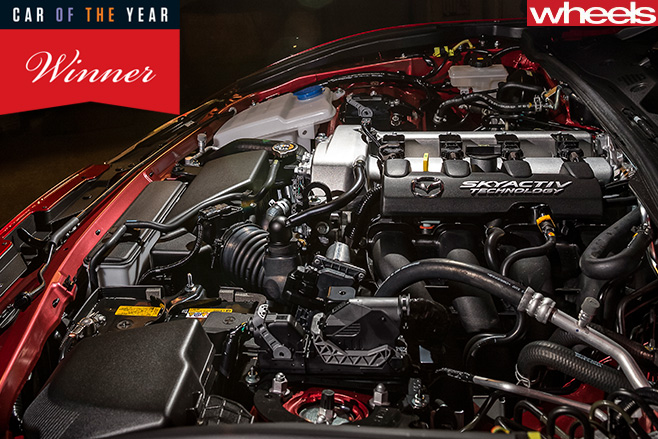
But the judges concluded that the emotionally appealing and resource-efficient Mazda roadster had done enough for victory.
Panel members also found themselves charmed by the way Mazda had expressed coherently its design team’s philosophy of eschewing excess and maximising satisfaction.
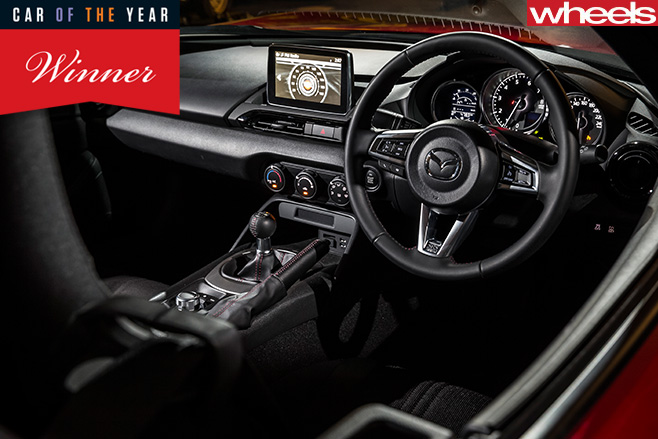
“It’s motoring at its purest – beautifully simple, yet simply beautiful to drive – and it achieves all that with a delicate global footprint.
“Here’s hoping its brilliance is the genesis for a new era in sports cars, where less overwhelmingly means more.”
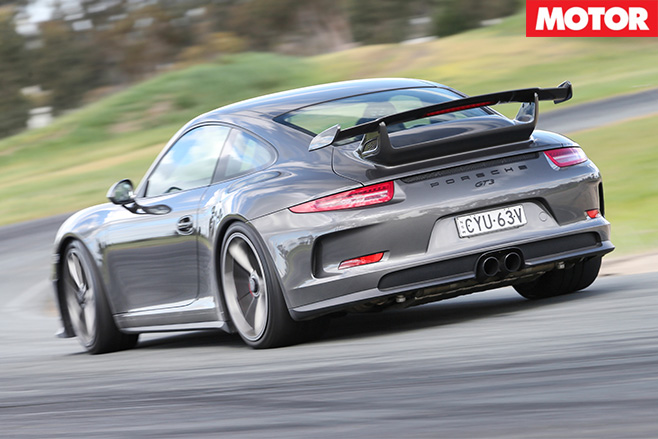
Porsche’s 911 GT3 has officially been crowned MOTOR’s 2016 Performance Car of the Year.
Announced at tonight’s Australian Motoring Awards ceremony, the 911 GT3 beat 11 other contestants in the revered annual mega-test to bag Porsche’s 12th win in the event’s 20-year history.
It wasn’t easy, either. PCOTY 2016 saw the 911 GT3 meet strong competition from the likes of the GT S, Mercedes-AMG’s brand new sports car, Jaguar’s new all-wheel drive F-Type, and the hottest hatch of recent times, the Renault Sport 275 Megane Trophy R, on road, strip, and track.
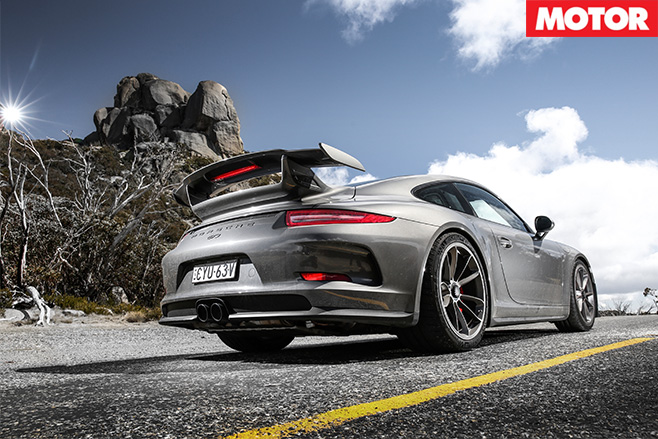
With the victory Porsche now not only joins forebears from its own stable, but various legends like BMW’s M3 in 2002, Lamborghini’s Gallardo in 2004, and Nissan’s GT-R in 2011 in PCOTY’s halls of winners.
For months, there has been one big question on everyone’s lips in the WhichCar office: What is going to take home the inaugural WhichCar Style Award?
Writer Gore Vidal once said, “Style is knowing who you are, what you want to say, and not giving a damn”. It’s this simple quote that might be the key to unlocking the motivation behind the presentation of the award.
The Australian Motoring Awards was held on Wednesday, 20 January 2016 at the Crown Palladium, Melbourne, where the award for the most stylish car of 2015 was presented to (drum roll please)… the Alfa Romeo 4C.
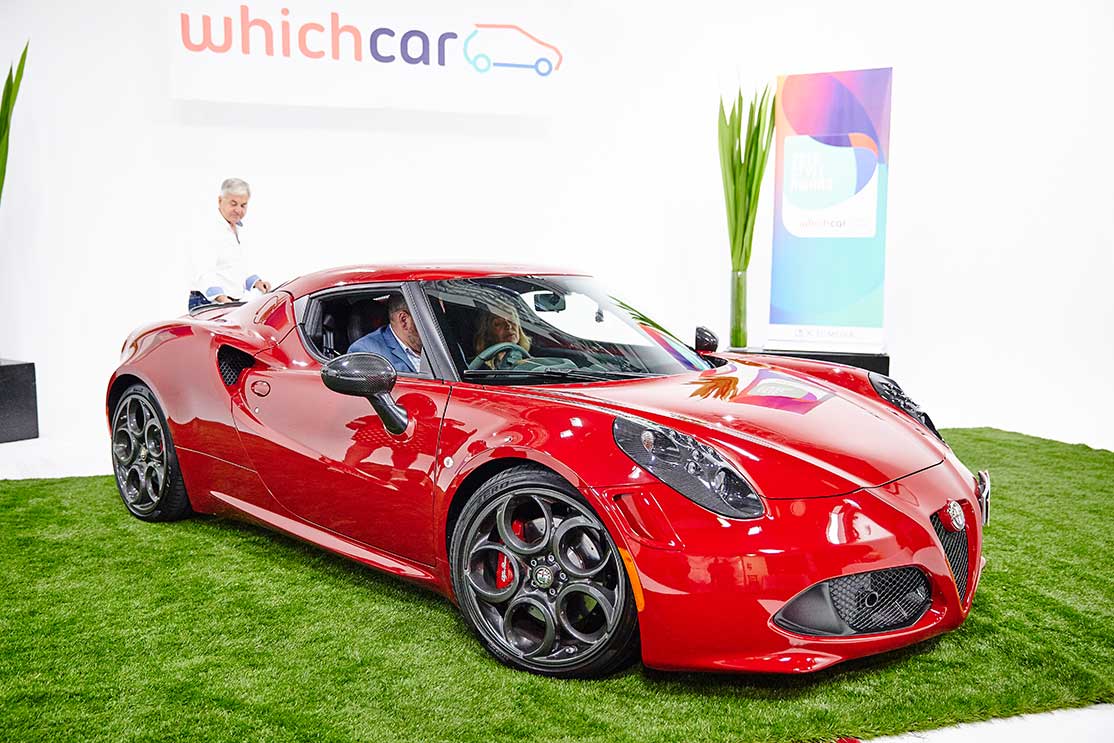
Against a group of stylish contenders – Land Rover Discovery Sport, Holden Cascada and the Jaguar XE – the 4C was a standout thanks to its innovative design and unique interior.
The Alfa Romeo 4C makes a statement, and the judging panel agreed it is a work of automotive art. But then again, it’s an Italian car, so we’d expect nothing less than an emotive finish. Men’s Style editor, Michael Pickering, referred to the Alfa Romeo 4C as “an automotive Sophia Loren”.
While the 4C’s immediate visual appeal was a standout feature, it came down to a heated discussion between all members of the judging panel. The four cars put up strong cases for themselves.
But there could only be one winner.
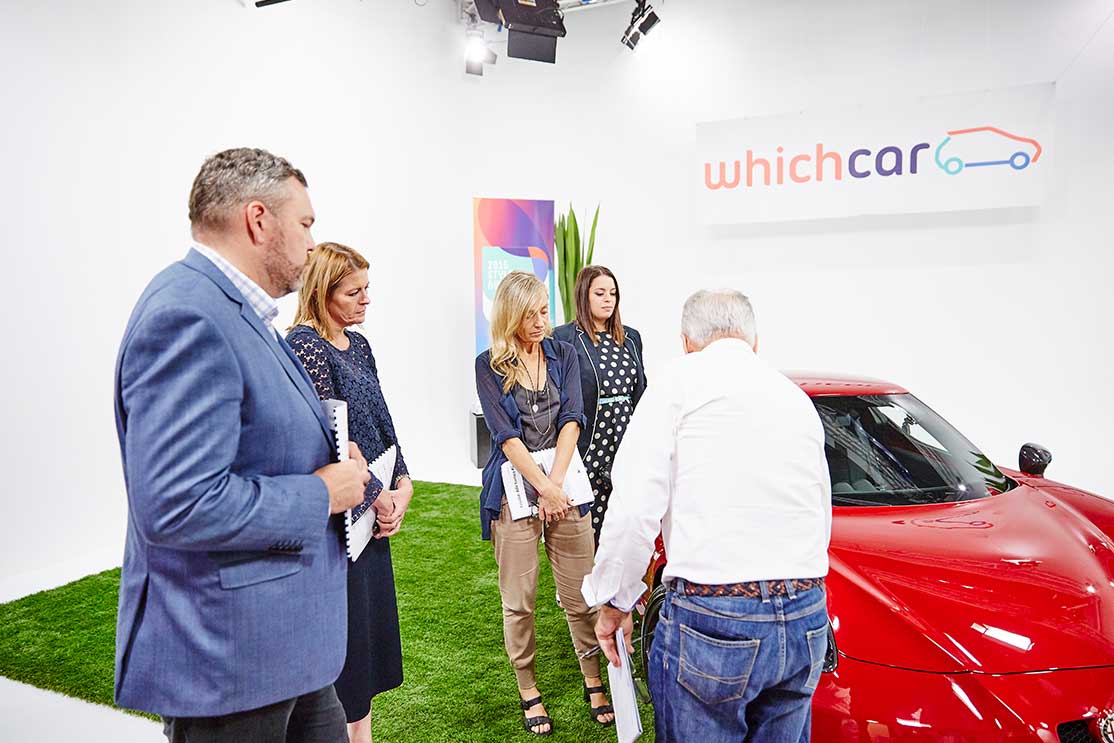
The Alfa’s quirky bug-like headlights were both loved and loathed by the judges, as was the ‘mechanically exposed’ interior that can be likened to a go-kart rather than a luxury sports scar, but there’s a kind of beauty in its androgynous guise. Ultimately, it was its strikingly beautiful looks, innovative carbon fibre frame and first class finishes which won the 4C the gong.
The Alfa Romeo 4C may not suit everybody’s lifestyle, but its breathtaking looks and ground-breaking design are undeniable and those who love it will do so unconditionally. It’s for that reason it has earned its stripes as Australia’s most stylish car.
ABOUT THE WHICHCAR STYLE AWARDS
- The Land Rover Discovery Sport, Holden Cascada and Jaguar XE joined the Alfa Romeo 4C as finalists in the WhichCar Style Award following an online reader poll.
- Vehicles are not rated against each other, but measured against a strict criteria. The criteria covers Design Innovation, Functional Ergonomics (practicality of the design), Stand-out Features (X-factor), Value for Money and Target Market (how well the design meets owners’ wants and needs).
- There were five judges on the panel and all the vehicles were given a score out of 50 (per judge). The panel was led by renowned Australian automotive designer, Paul Beranger, and included editors from Bauer’s leading lifestyle brands Belle, Real Living, Men’s Style.
