
PORSCHE says its new Mission E high performance electric car – shown as a concept at the 2015 Frankfurt motor show and expected on sale about 2018 – will be the fastest on the market.
That means it will out-accelerate the Tesla P85D, which gets from 0 to 100km/h in 3.0 seconds.
It could also spawn a high performance electric family, including SUVs and a sports car.
Speaking shortly after the sleek four-door’s motor show reveal at the show, Porsche research and development chief Wolfgang Hatz said it was important to take the electric performance lead.
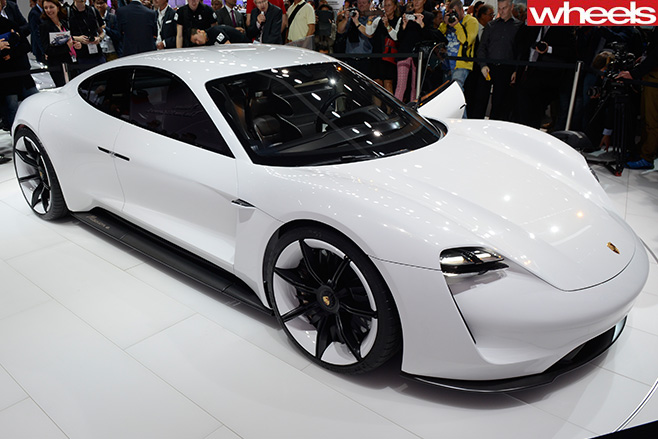
The Mission E is powered by two “permanently-excited” electric motors claimed to produce more than 440kW and accelerate the sleek four-door to 100km/h in “under 3.5 seconds”.
“It will be less than 3.5 seconds, we didn’t say how much less,” said Hatz, refusing to give details.
He said the electric motors will use technology gleaned from the brand’s Le Mans-winning 919 hybrid race cars and that the engines would be developed in-house with a yet-to-be-announced external partner.
“It is very much influenced by 918 [Spyder] development and 919 used … our own e-motors,” said Hatz.
“Those e-motors we will use on the Mission E will also be strong in-house development together with a partner, which we cannot publish at the moment.”
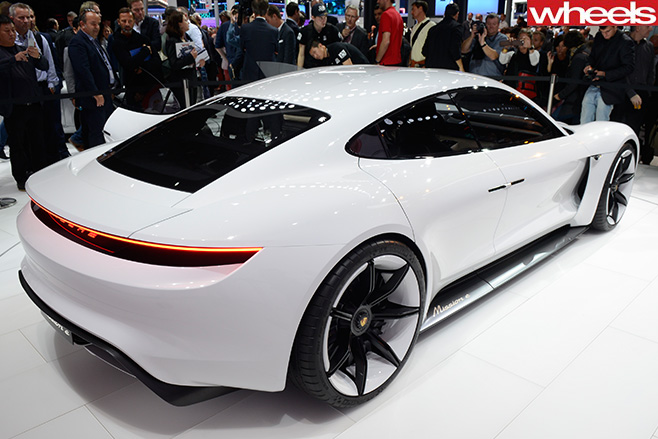
He also said the Mission E production car would bring new battery and charging technology – including an 800V electrical system similar to that in the 919 race car – that would allow more than 500km of driving and an 80 percent charge within 15 minutes.
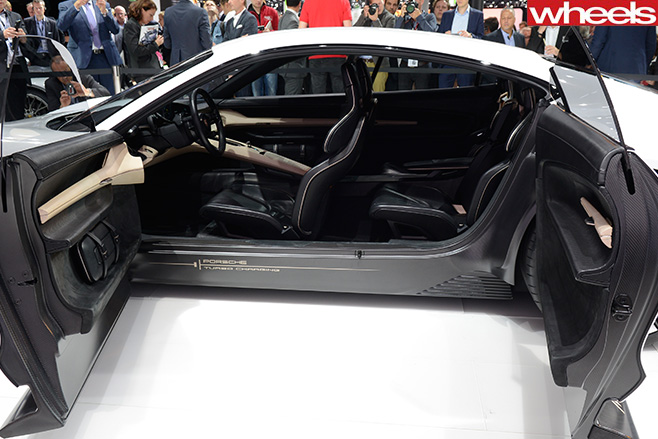
Much of its futuristic technology – including OLED displays, gesture control, holograms – was being worked on for production.
Hatz also said the overall design would not stray wildly from the Mission E concept, in much the same way as the 918 Spyder remained faithful to its concept.
Porsche has also built flexibility into its Mission E concept, which is designed to expand – or contract.
“We have now made a concept … which is scalable,” says Hatz. “We can shorten the wheelbase, we can lengthen the wheelbase, we can [make it] low, very lower, higher.”
“First of all we work hard to make the first car a success,” he says of the bold move into electric performance cars, which many see as a way to tackle the success of American newcomer Tesla.
“We decided four-door, four-seater is the first project to start with, and then we see. The first one has to be ‘wow, this is a real Porsche’.”
Hatz would not be drawn on how much the Mission E would cost, but confirmed it would be a profitable project for the car maker known most for its iconic 911 sports car.
“We need a reasonable volume on such a project,” he says. “We cannot afford a project where we lose money.”
The two blokes who started Rolls-Royce couldn’t have been more different.
In 1904, Charles Rolls was a tall and skinny, fearless 26-year-old who had raced cars as a uni student and, to fund his racing, opened one of Britain’s first car dealerships.
Henry Royce was a 41-year-old engineer, inventor and manufacturer; a big, bearded fellow who bought a French Decauville and thought it wasn’t much chop, so he designed and built his own car himself.
He sold one of the very first Royce cars to a business partner, Henry Edmunds. Edmunds was mates with Rolls through a car club, and had an idea that Royce could build the cars and Rolls could sell them.
So he introduced Rolls to Royce over lunch in Manchester on May 4, 1904. It was one seriously important meal that, cars aside, would eventually lead to the legendary Merlin V12 that helped Britain’s Spitfires repel a Nazi invasion – and change the course of history.
These days Rolls-Royce powers machines including the Joint Strike Fighter jet and the Airbus A380. But it seems the cars are tilting a little too far in the Royce direction.
Royce was focused on craftsmanship, but Rolls was a risk-taker. As well as racing cars he was a pioneering aviator, sadly killed in an air show aged just 32. Rolls would’ve surely thought our Wraith GT3 was something seriously sweet.
A similar German-owned British brand, Bentley – formerly owned by Rolls-Royce – has had success not just getting its 2.2-tonne Continental to 1300kg, but promoting its brand to new audiences.
With more than six racecar products, BMW Motorsport clearly sees value in the motorsport business. Right now it’s finishing off the M6 GT3, so why not swap a few bits under a Wraith as well?
The diet Bentley proved a tonne can come out of a car like this, but its Conti had an all-wheel drive system to lose. The 2360kg rear-drive Wraith has to work harder. Every exterior panel is carbonfibre; the roof? Magnesium alloy. A carbon propshaft connects to a lighter, rear-mounted sequential transaxle.
Adios, V12 Sadly, to save weight, the road-going Wraith’s 6.6-litre twin-turbo V12 is ditched for the M6 GT3’s 4.4-litre twin-turbo V8. Tweaked for motorsport duties, the dry-sumped V8 makes 447kW, or 600 horses, and is tucked aft of the front wheels for better weight distribution.
This. is. spartan! The Wraith’s entire interior is stripped – seats, leather, carpets, dozens of ECUs and miles of loom, all ditched. The doors are just wobbly carbon shells. A double-strength cage is fitted by BMW Motorsport, which has its work cut out meeting the 1300kg target.
Not cheap An M6 GT3 costs $550K. The Wraith, however, with its higher starting price, extensive weight-saving materials, and general man hours turning it race-spec, costs closer to $700K. As it’ll clearly attract gentleman drivers, it also gets ABS and TC like the Bentley.
Got wing? The slab-shaped Wraith GT3 will need to spend a lot of time in BMW Motorsport’s wind tunnel, optimising its new carbon front splitter, underbody and rear wing – aero helping the Wraith wring the maximum from its 18×13-inch wheels shod in 310/710 R18 slicks.
WHERE DOES IT FEEL AT HOME?
The XC60 fits nicely in the luxury-SUV market, and while it’s comfortable on those longer getaways, it’s most at home transporting the family around the suburbs.
WHAT IT’S MADE FOR
It’s made for the Monday to Friday family school-run but it’s also great for those family camping trips.
STAND OUT FEATURES
Our absolute favourite feature in the Volvo XC60 is the in-built two-stage booster seat. It makes life, for those with a small family so much easier. Safety is also a notable feature in the XC60, but we wouldn’t expect any less from Volvo.
WE LOVE
Being a family-car, the XC60 has plenty of space and ensures everyone is comfortable. The passengers have good visibility from the back which is a bonus for those who get travel sick, and the boot will swallow any cargo. Better still, with the rear seats folded and even the passenger seat folded, you could almost move a small apartment. Staying true to Volvo’s reputation, the XC60 comes packed with safety gear, including anti-lock braking system, electronic brakeforce distribution, city safety collision and a roll stability control. Basically… it’s safe.
THINGS WE’D LIKE TO CHANGE
However, to be taken seriously as an SUV these days, navigation should come as standard but it comes at an extra cost in base model XC60 – but then again, maybe we’re asking too much. We’ve also noticed its Road Sign Information technology is a bit glitchy and not always as accurate as it should be – so still keep an eye out for those speeding fines. Lastly, it doesn’t handle as well as some of its competitors, but unless you’re driving one SUV after the other, you probably won’t notice.
WHO WILL IT SUIT?
Those who drive children around regularly will love the XC60. It’s a pretty stylish way to step into the mum-and-dad-mobile stage of life and it sure beats a station-wagon. We’re sure you’d agree.
Click here to find out more about the Volvo XC60.
THE process of dreaming about, researching and tyre-kicking your next new car is filled with exciting possibility.
But actually laying your cash down at the dealership can snap you from fantasy into a grim reality of lacklustre retained values, wildly expensive insurance premiums, spiralling repayments and untold thirst for premium fuel.
What if you knew about the hidden costs upfront, because someone had crunched all the critical numbers, before drawing conclusions about how to best spend your hard-earned on a gleaming new car? That’s where Wheels’ annual Gold Star Value Awards comes in.
In other years, Wheels has taken the cream of the crop across all the key car classes and broken each car down into key cost components such as annual fuel and depreciation costs before feeding the data into a clever set of formulae.
The only change to the formula this year is that, instead of taking only the best cars in each class, we’ve put all the cars on sale in Oz through our analysis.
Thousands of cars were tipped into the hopper, but just one winner in each of 21 classes – welcome Dual Cab 4×4 Utes for 2015 – is elevated to the top of the podium and presented with a coveted Wheels Gold Star Value Awards gong.
Gold Star Value Awards Explained
Class ceiling GOLD Star Value Awards eligibility used to be capped at $150K, because the depreciation on cars beyond that far outweighs running costs. This year we instead let the formula take care of car selection. No big-buck cars came within an Aventador’s roar of the podium.
Depreciation THIS is the biggest – and least considered – cost of new car ownership. Of the thousands of vehicles we evaluated, three-year resale value figures ranged from 36.9 percent (BMW i8) to 79.0 percent (Mazda 2 Neo).
Insurance COMPREHENSIVE insurance quotes sourced from AAMI for a 35-year-old male living in Chatswood, NSW, Rating 1 for life, no finance, car for private use.
Fuel ANNUAL fuel cost calculation is based on ADR combined-cycle consumption figures. Annual distance travelled is taken as the Australian Bureau of Statistics’ average of 14,000km and actual fuel prices are used.
Purchase price MOST new-car buyers set out with a budget in mind, so Gold Star cars is divided into consumer-friendly price brackets. The real cost of owning the car is depreciation, which is where price comes into the equation.
Real cost IT’S relatively easy to put a representative number on the three years of depreciation, fuel and insurance, so the total of these equate to 80 percent of a vehicle’s score.
Service WIDESPREAD fixed-price or capped-price servicing schemes should make it possible to compare car servicing costs. But there are still some brands or individual models without such. As a result, service intervals are scored. A 12-month interval (or longer) is likely to be be less expensive (and more convenient) than six- or nine-month intervals, so it gets maximum points. Cars with variable or ‘condition-based’ service intervals are also given full points.
Warranty IF NOTHING else, a five-year warranty gives greater peace of mind than shorter ones. However, it’s impossible to put a hard cost on what an extra warranty is worth; it only saves money if and when something goes wrong. For that reason, warranty accounts for 10 points out of 100.
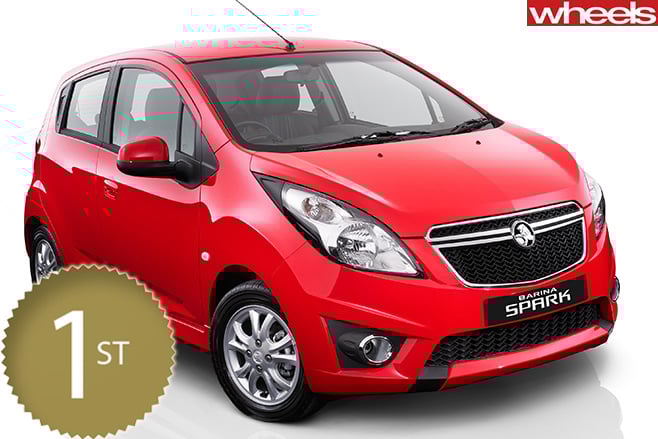
Low-dollar runabouts weighed up.
Holden Barina Spark CD
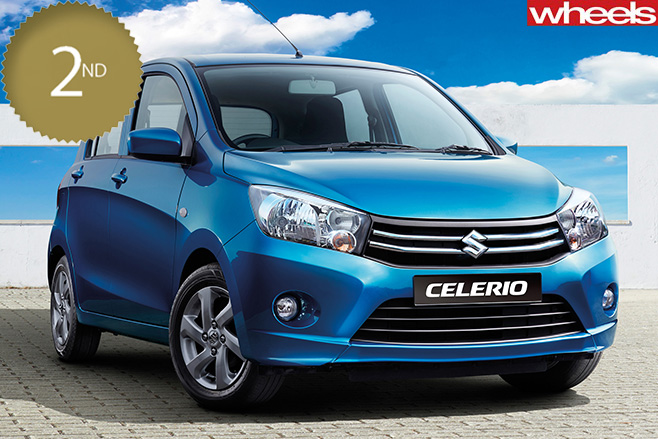
Suzuki Celerio
Nissan Micra ST
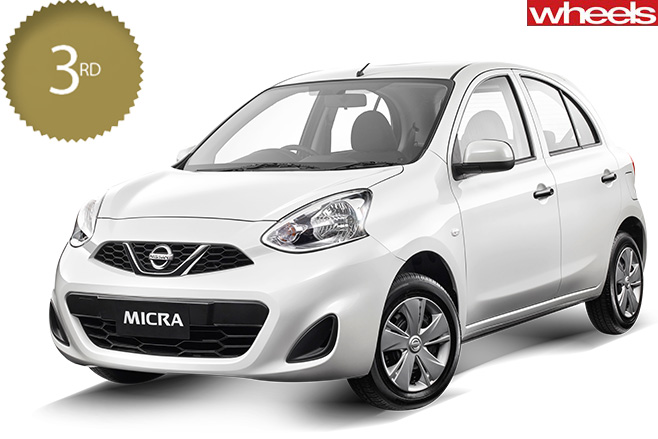
| City Cars | Holden Barina Spark CD hatch man | Suzuki Celerio man | Nissan Micra ST man |
| Purchase Price | $12,890 | $12,990 | $13,490 |
| Combined cycle fuel (L/100km) | 5.2 | 4.7 | 5.9 |
| Fuel RON (min. rec.) | 91 | 91 | 91 |
| Three-year fuel cost | $2968 | $2683 | $3368 |
| Redbook resale (%) | 64.7 | 64.3 | 67.0 |
| Three-year depreciation | $4550 | $4637 | $4452 |
| AAMI insurance premium | $627 | $627 | $642 |
| Service interval (months) | 9 | 6 | 6 |
| Warranty (years) | 3 | 3 | 3 |
For the best value in motoring, look no further.
Mazda 2 Neo
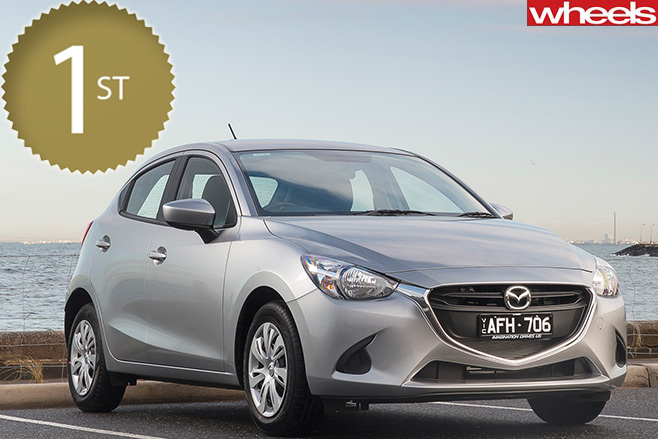
The Mazda 2 Neo is Australia’s least expensive car to run in terms of three-year depreciation and fuel costs. Its 79 percent retained value and the $14,990 entry price do most of the work, while the efficient 1.5-litre four-cylinder uses just 5.4 litres of 91 octane per 100km to contain annual fuel cost. Of the top picks in the class, only the VW Polo 66TSI uses less fuel, at 4.8L/100km, though the second-placed Swift goes close to the Mazda’s figure.
The miserly Mazda’s 12-month service interval counts for points in terms of convenience and should contribute to a cost saving as well, though in the day of five- and seven-year warranties the Mazda’s three years is acceptable rather than outstanding.
So there you have it; if you want to save money, buy a base Mazda 2. And it’s pleasing that, if you want to enjoy your driving in a light car, you should also buy a 2.
Honda Jazz VTi
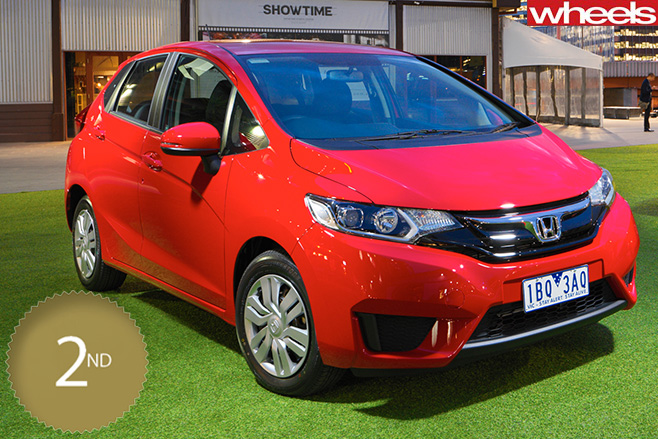
Ford Fiesta Ambiente
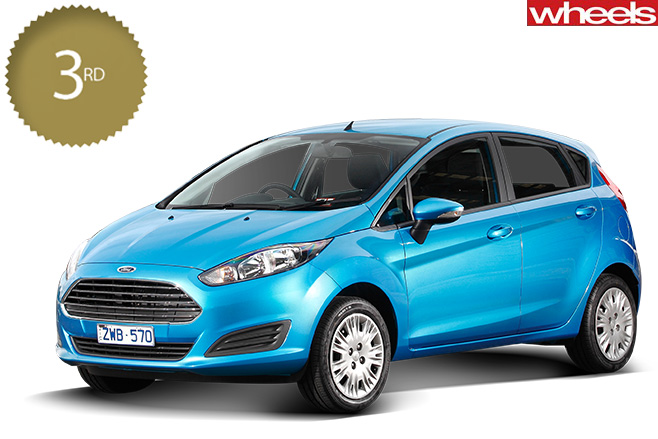
| Light Cars under $17K | Mazda 2 Neo man | Honda Jazz VTi man | Ford Fiesta Ambiente man |
| Purchase Price | $14,990 | $14,990 | $15,825 |
| Combined cycle fuel (L/100km) | 5.4 | 6.2 | 5.8 |
| Fuel RON (min. rec.) | 91 | 91 | 91 |
| Three-year fuel cost | $3082 | $3539 | $3311 |
| Redbook resale (%) | 79.0 | 69.2 | 64.5 |
| Three-year depreciation | $3148 | $4617 | $5618 |
| AAMI insurance premium | $641 | $641 | $709 |
| Service interval (months) | 12 | 6 | 12 |
| Warranty (years) | 3 | 3 | 3 |
Up-spec versions can be thrifty.
Mazda 2 Genki
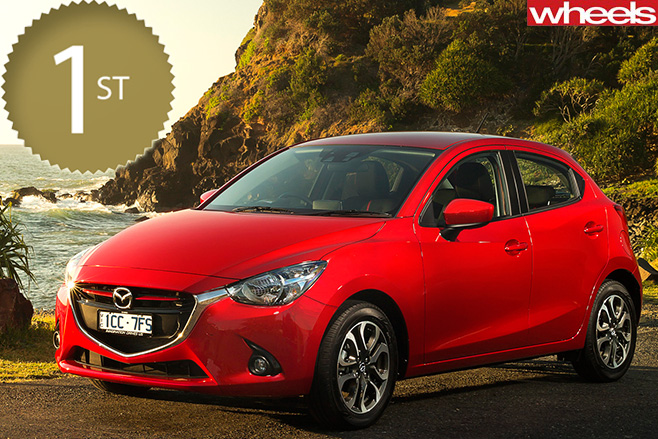
If you’ve just read about how the Neo trumped its sub-$17K rivals, you can guess how it did it in more upmarket Genki form. Clearly the Mazda’s value doesn’t dissipate as you work up through the range.
The smart-looking Genki uses less fuel than the Neo, yet has a bit more power – win-win. The resale isn’t as good as its less-expensive sibling, but 76 percent of $20K retained after three years is still excellent, and the warranty and service intervals are good and great respectively.
There’s value in the fact the Genki features extra driver safety technology, plus other niceties to make it more satisfying to own and easier to sell when it’s time for a new one.
Core qualities such as the 2’s sweet manual gearshift action remain and the handling is sharpened on larger alloys and low-profile tyres.
VW Polo 81TSI Comfortline
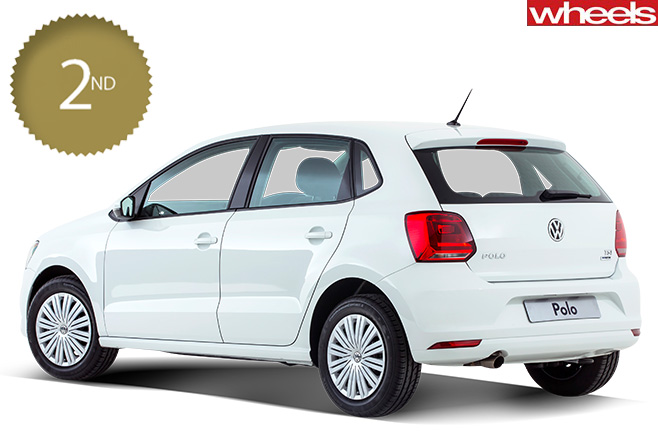
Ford Fiesta Trend
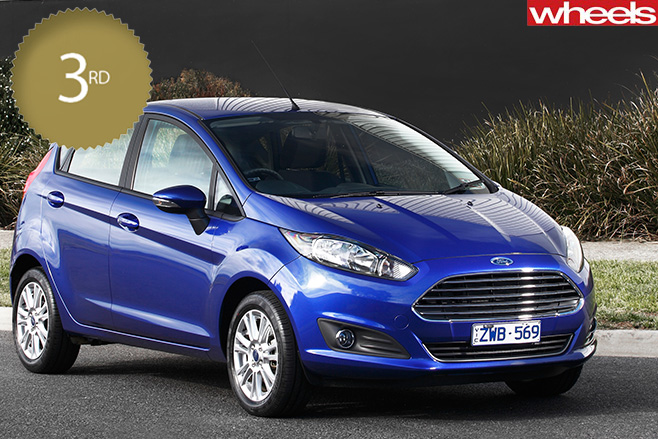
| Light Cars under $25K | Mazda 2 Genki man | Volkswagen Polo 81TSI Comfortline man | Ford Fiesta Trend man |
| Purchase Price | $19,990 | $18,590 | $17,825 |
| Combined cycle fuel (L/100km) | 5.2 | 4.9 | 5.8 |
| Fuel RON (min. rec.) | 91 | 95 | 91 |
| Three-year fuel cost | $2968 | $2978 | $3311 |
| Redbook resale (%) | 76.3 | 65.6 | 64.7 |
| Three-year depreciation | $4738 | $6395 | $6292 |
| AAMI insurance premium | $726 | $731 | $724 |
| Service interval (months) | 12 | 12 | 12 |
| Warranty (years) | 3 | 3 | 3 |
Kia tops hard-fought podium.
Kia Cerato S
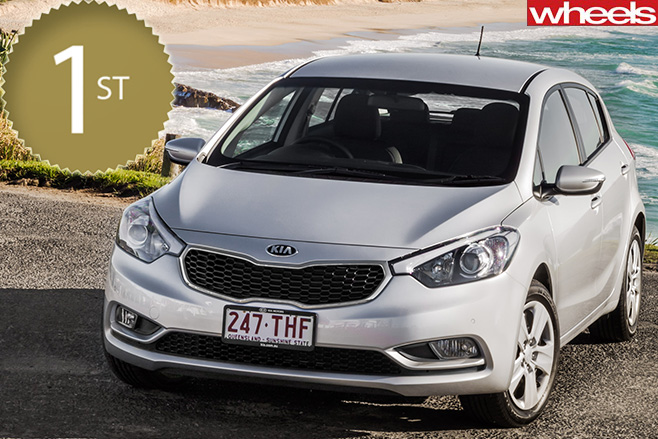
Here, however, it’s not just a long warranty that seals the deal. The Kia is among the least expensive to buy of the entry-level small car set, which helps offset its retained value forecast of only 57 percent.
Fuel consumption is good at 6.6L/100km; some rivals do better, but they demand 95 octane while the Cerato happily sips regular 91. Top it off with inexpensive insurance ($730) and you have a sure-fire cash-saver.
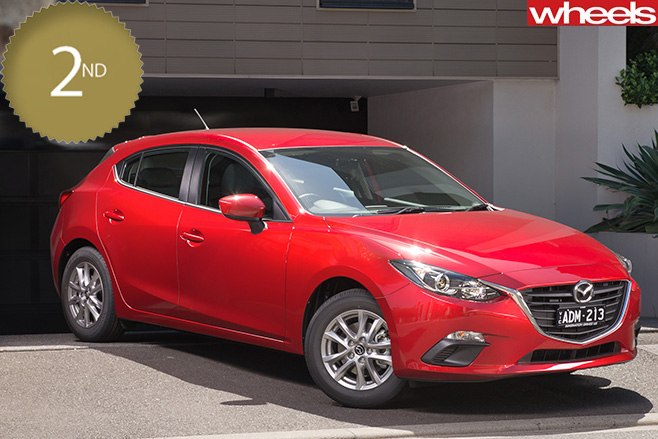
Mazda 3 Neo
Skoda Rapid Spaceback Ambition
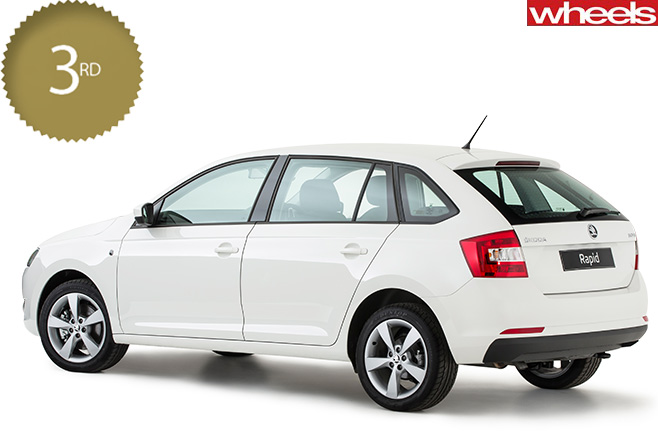
| Small Cars under $25K | Kia Cerato S man | Mazda 3 Neo man | Skoda Rapid Spaceback Ambition man |
| Purchase Price | $19,990 | $20,490 | $18,990 |
| Combined cycle fuel (L/100km) | 6.6 | 5.8 | 5.4 |
| Fuel RON (min. rec.) | 91 | 91 | 95 |
| Three-year fuel cost | $3767 | $3311 | $3282 |
| Redbook resale (%) | 57.0 | 63.7 | 59.5 |
| Three-year depreciation | $8596 | $7438 | $7691 |
| AAMI insurance premium | $730 | $804 | $731 |
| Service interval (months) | 12 | 12 | 12 |
| Warranty (years) | 7 | 3 | 3 |
Style and substance meet in the premium hatch showdown.
Audi A1 Sportback
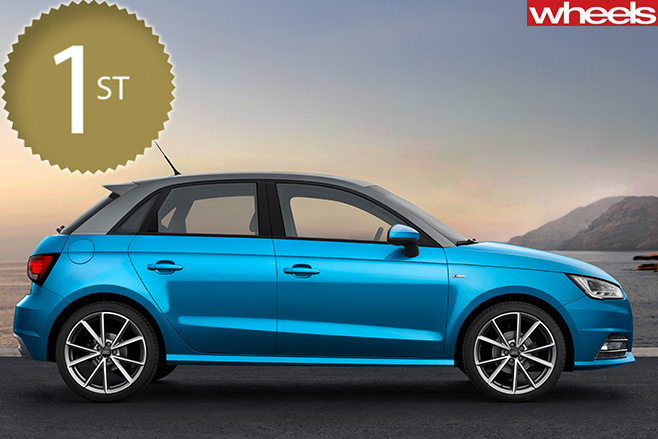
You don’t even need to spend beyond the base model thanks to a likeable new 1.0-litre turbo triple, which teams brilliantly with the five-speed manual. The little donk helps the A1 sip just 4.2L/100km, which is better than most, though it does prefer more expensive 95-octane PULP.
However, the 60 percent three-year retained value is solid in this company, the three-year warranty as good as all bar the Citroen DS3 (fourth), and the 12-month service interval is unbeaten.
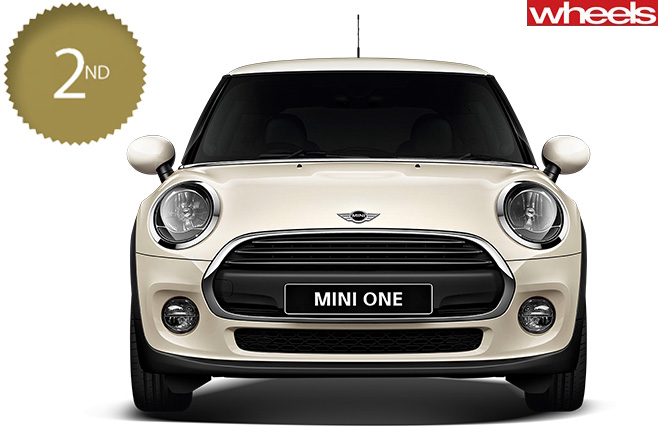
Mini One 3dr
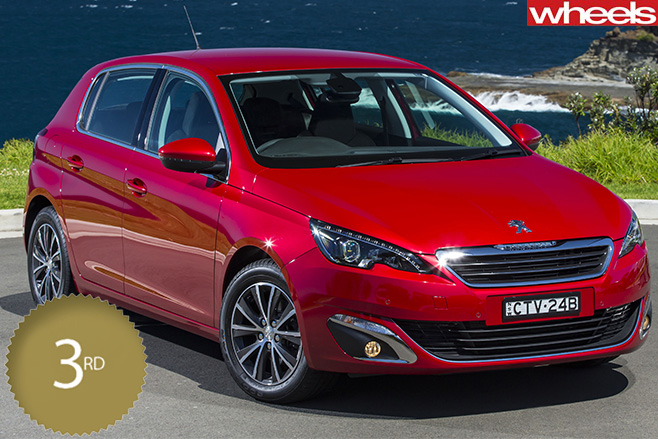
Peugeot 308 Allure HDi
| Premium Small Cars under $50K | Audi A1 Sportback man 1.0 TFSI | Mini One 3dr man | Peugeot 308 Allure HDi auto |
| Purchase Price | $26,900 | $24,950 | $35,290 |
| Combined cycle fuel (L/100km) | 4.2 | 4.9 | 4.1 |
| Fuel RON (min. rec.) | 95 | 95 | D |
| Three-year fuel cost | $2553 | $2978 | $2478 |
| Redbook resale (%) | 60.0 | 58.0 | 59.7 |
| Three-year depreciation | $10,760 | $10,479 | $14,222 |
| AAMI insurance premium | $858 | $843 | $999 |
| Service interval (months) | 12 | 12 | 12 |
| Warranty (years) | 3 | 3 | 3 |
Volkswagen leads diverse field.
VW Passat 118TSI
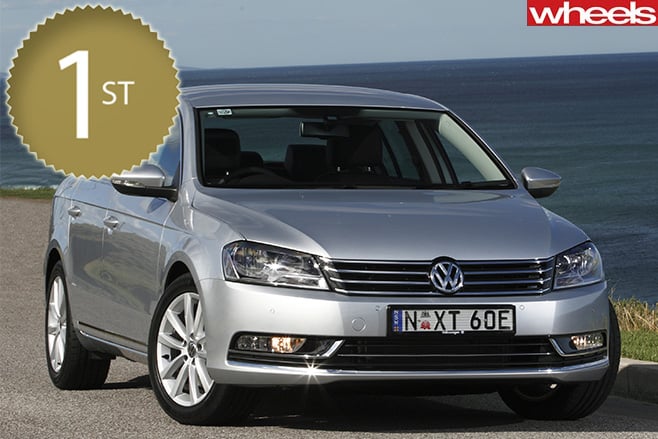
The 1.8-litre turbo-petrol four-cylinder is responsive, smooth and characterful, and uses only 7.2L/100km, which is brilliant for a brisk 1500kg sedan (or wagon). Yet it’s the Passat’s reasonable purchase price combined with a decent 59 percent three-year resale figure that does the bulk of the money-saving.
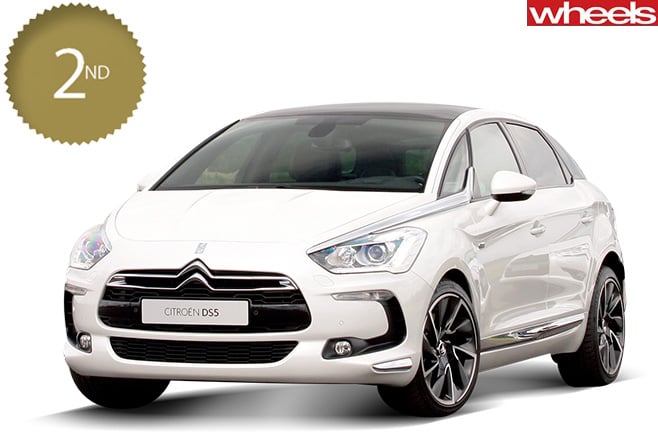
Citroen DS5 DSport HDi
Infiniti Q50 GT 2.2d
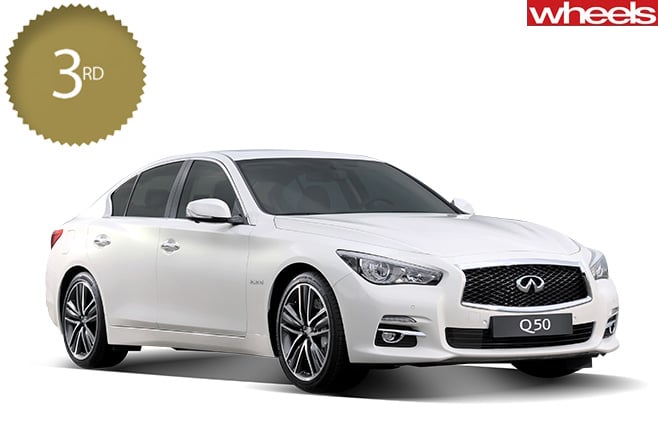
| Premium Medium Cars $45K-$60K | Volkswagen Passat 118TSI sedan | Citroen DS5 DSport HDi | Infiniti Q50 GT 2.2d |
| Purchase Price | $38,990 | $51,990 | $51,900 |
| Combined cycle fuel (L/100km) | 7.2 | 6.1 | 5.2 |
| Fuel RON (min. rec.) | 95 | D | D |
| Three-year fuel cost | $4376 | $3687 | $3143 |
| Redbook resale (%) | 58.6 | 58.1 | 53.4 |
| Three-year depreciation | $16,142 | $21,784 | $24,185 |
| AAMI insurance premium | $1023 | $1207 | $1202 |
| Service interval (months) | 12 | 12 | 12 |
| Warranty (years) | 3 | 6 | 4 |
