Today Henry Ford turns 150.
So to celebrate this milestone, Wheels thought it appropriate to pay tribute to the man who not only revolutionised the car business worldwide, but created a brand that would change the Australian motoring landscape forever.
But how does one pay tribute? With a Top 10 Fords gallery of course!
With so many models to choose from this is by no means a definitive list. Think of it more as a starting point, a conversation starter for you to argue about with your mates.
So what’s your favourite Ford?
What you’re looking at could be one of the quickest Subaru WRXs to date.
It also has a ridiculously long name.
Built solely for the Japanese market, this bright orange Subaru is officially called the WRX STI tS Type RA.
Still, it should be quick with Subaru giving it a host of track-focused modifications.
Revised suspension with tweaked springs and dampers, a faster steering ratio and big Brembo brakes all add performance, but it’s the big rear wing that points most to the WRX’s track nature.
Just 300 will be built, with none to make the trip Down Under.
Pity.
Meet the Vuhl 05 – Mexico’s new supercar beater.
Officially unveiled overnight, think of the featherweight Vuhl (pronounced ‘Vool’) as Mexico’s answer to the Ariel Atom.
Using a 213kW 2.0-litre Ford Ecoboost engine, the track-focused lightweight special can reportedly charge from 0-100km/h in 3.7 seconds and hit a top speed of 245km/h.
Impressive figures, but it’s clear the Vuhl (which stands for Vehicles of Ultra High-performance and Lightweight) hasn’t been built for comfort.
With a bare-bones design, no windscreen and hard bucket seats, the entire car weighs just 695kg (dry), putting if firmly up against established rivals likes the Atom, KTM X-Bow and BAC Mono.
Whether the Vuhl can match their performance remains to be seen, but still, good job Mexico!
BMW’s new electric city car has been spied ahead of its official reveal late next month.
It’s not the first time the i3 prototype has been caught testing, but it is the first time we’ve seen the new baby BMW almost entirely without camouflage.
Set to go on sale in Australia in the second-half of 2014, the i3 will be offered in two drivetrain variants.
One will be powered solely by a 125kW all-electric motor, while the other will add a small petrol engine to extend the car’s range.
Only the second, hybrid variant will be offered in Australia.
Early talk suggests the i3 will travel up to 160km on battery power alone.
Need a moment to yourself? We don’t blame you.
The car you see here is officially called the Jaguar ‘Project 7’ – a brand-new racing variant of Jag’s F-Type convertible.
Set to make its debut at this year’s Goodwood Festival of Speed, the gorgeous, race-focused Jag not only embodies the British company’s latest tech, but nods to its racing heritage through unique design cues.
Powered by the same 405kW 5.0-litre supercharged V8 found in the XKR-S GT, the single seat ‘Project 7’ should hit 0-100km/h in 4.1 seconds.
Extensive use of carbonfibre (front-splitter, rear diffuser and sideskirts) keeps weight down, while the Project 7’s unique blue paint harks back to Jaguar’s ’56/’57 Le Mans winning D-Type.
Will Jaguar actually race it? We doubt it, but does it really matter when it looks and sounds this good?
Looks aggressive doesn’t it.
But the Caterham Se7en you see here is much more than muscular good looks – it’s the most extreme car ever produced by the British company.
That makes it one of the world’s fastest track day cars; a featherweight, no compromise special capable of hitting 0-100km/h in 2.8 seconds.
Called the 620R, Caterham will unleash this new model at this year’s Goodwood Festival of Speed.
Replacing the existing Superlight R500, the 620R uses a supercharged 2.0-litre Ford Duratec engine producing 231kW/297Nm.
No word yet on official weight figures, but expect the 620R hit the scales on the right side of 500kg.
Further improvements include a gunmental chassis, new front-end aerodynamics and adjustable wishbone front suspension.
Cabin comfort has also increased, with the 620R featuring new switchgear and carbonfibre trim.
Meet the most potent production Peugeot ever made – the RCZ R.
The French brand’s new performance flagship, the R finally gives the RCZ coupe the grunt to match its designer good looks.
Touted as the most powerful production Peugeot ever, the RCZ boasts 199kW/330Nm from its tiny 1.6-litre turbo-charged four-cylinder engine.
Power is sent to the front wheels via a new Torsen differential designed to reduce wheel-spin and torque steer, with Peugeot claiming a blistering 0-100km/h sprint of 5.9 seconds.
That makes it quicker than Renault’s Megane RS265, the Volkswagen Scirocco R and the Opel Astra OPC.
But don’t think Peugeot has simply chucked more power at the RCZ. The coupe’s suspension has been lowered by 10mm, the track widened and new dampers included to improve handling.
Weight is down too, with the RCZ R stripping 92kg to weigh in at 1280kg.
Just 40 RCZ Rs are expected to make their way Down Under in March 2014, with a price tag of around $75,000.
Do you want supercar performance with none of the usual supercar drawbacks?
Do you like the idea of being massaged in a plush interior while your driver blows away sportscars at the lights?
Then the new Mercedes-Benz S63 AMG is the uber-limousine for you.
Revealed overnight, think of the S63 as the most luxurious Mercedes money can buy, with a nuclear bomb under the bonnet.
Equipped with all of the normal S-Class’s luxuries (like a ‘chauffuer pack’ and a ‘first-class’ rear suite) under the bonnet the S63 gets AMG’s twin-turbo 5.5-litre V8 which churns out 430kW/900Nm.
That’s enough grunt to rocket the 1995kg super-limo from 0-100km/h in 4.4 seconds, with all that power sent through the rear wheels. Australian buyers will again be denied the four-wheel-drive version.
Other AMG touches include new bodywork, AMG seats, a rear diffuser and a pair of twin exhaust pipes.
It isn’t cheap, though, with the S63 to retail for around $390,000 when it arrives in December.
This story first appeared in Auto Action #1549
Click here to buy the magazine.
“THE BLACKEST Day in Australian Sport”, “Cheating Allowed to Fester”, “Athletes Stood Down”; the headlines started rolling in and the country’s shock grew as rumours circulated about a well-entrenched drug culture that had taken control of our proud sporting nation.
The veins of untruth had pried their way into football, athletics and cycling. And in February this year national sports leaders frantically rushed to defend the integrity of their chosen code and reassure the public that the pride and distinction which underlined Australia’s sporting history was still intact.
Motorsport was no exception. The very day that the Australian Crime Commission released its findings from a 12-month investigation into the widespread use of banned drugs in Australian professional sport and links with organised crime, CAMS delivered a message to the motorsport community.
“We have a drugs policy and an anti-doping policy in place, we are confident in both and our sport is very much aware of the consequences of illicit and performance-enhancing drugs,” CAMS Chief Executive Eugene Arocca said in a prepared statement.
“In motorsport in particular, our competitors have an enhanced responsibility given they are in control of competition cars.
“CAMS has even worked with other sporting codes to ensure that our policy is best-practice.”
It was a good message, because at a glance it’s easy to see how motorsport is a natural draw for high-flying adrenaline junkies craving high-speed excitement. But it got us wondering; if it was a policy that had let down other sporting codes, was it really good enough for our hub of drivers craving the rush of success..?
The facts
DRUG TESTING first started in Australia Motorsport started in 2000, and since then around 350 competitors have been tested.
Testing is always carried out by the Australian Sports Anti-Doping Authority (ASADA). The urine tests cover both performance-enhancing and illicit drugs, though the number of tests that are completed in each sporting code each year are no longer published by ASADA. The last figures made publicly available were in the 2004-2005 annual report, where 16 tests were recorded for motor racing. Four of these tests were government-funded, while the other 12 were paid for by CAMS under their arrangement with ASADA. The number of tests completed each year is still dependant on the amount of government funding CAMS receives due to the exuberant costs involved. As such, they work under a pay-per-use system. ASADA lists the price of a full-screen urine test at $760.
To date there have been seven positive returns recorded by CAMS in Australia. Four of those tested for Cannabis, two tested for substances under the ‘diuretics and other masking agents’ class and one tested for amphetamines.
Testing was previously carried out at a wide variety of CAMS events at different levels. In 2009 testing was concentrated towards more serious competitors and away from the casual competitor. Since then, there have been no positive returns recorded by CAMS.
The federal government has so far contributed $510,202 towards the CAMS Illicit Drugs education program. In recent days they have also contributed an additional $110,000 grant in an effort to change CAMS regulations from an educational policy to a testing policy.
Who gets tested
THE CAMS domestic testing pool is made up of the following list of drivers:
• Winner of the CAMS Gold Star in the previous year
• First two drivers (in finishing order) of the Bathurst 1000 in the previous year
• Winning driver of the Australian Rally Championship the previous year
• First three drivers in the Australian Touring Car Championship (V8 Supercars) in the previous year
• Any drivers in the FIA registered testing pool
• Any drivers on an assistance package from CAMS or associated entities which is supported by an ASG grant
As well as all drivers and co-drivers competing in the following categories:
• V8 Supercars Championship
• V8 Supercars Development Series
• Any FIA International event held in Australia
• Australian Drivers Championship (CAMS Gold Star)
• CAMS Formula Ford Championship
• Australian Rally Championship
• V8 Ute Racing Series
• Australian Carrera Cup Championship
• Australian GT Championship/Challenge
All others in a national series are less likely to be targeted for full screen testing and everyone else competing under the sanction of CAMS is said to be “very unlikely” to be targeted for full screen testing.
On an international scale, the FIA registered testing pool includes the following drivers:
• Two drivers from each team entered in the FIA Formula One World Championship
• The drivers nominated by each manufacturer to score manufacturer points in specific events during the FIA World Rally Championship (WRC) season
• The top 10 drivers in the WRC points table of the previous season, as per the final official WRC overall classification as published on the FIA website
• Any other driver that the FIA sees fit to include in this pool
These drivers in the FIA pool are required to give whereabouts information to WADA so they can be located at random times for unexpected testing. Like CAMS, FIA’s testing is not limited to the above categories. In 2012 a total of 103 drivers were tested in-competition, within categories ranging from the World Touring Car Championship to the CIK-FIA U18 World Karting Championship. Another 20 drivers were tested out of competition.
How are they tested?
MOST TESTING in Australia is done at the completion of an event. Once notified of testing, the driver is escorted by a chaperone who stays within sight of the competitor at all times until a sample is taken. The CAMS Anti-Doping Policy explains that samples are required to be witnessed by the ASADA chaperone, who will be the same gender as competitor.
Ford Performance Racing driver Mark Winterbottom has been tested four times over his career and says the procedure hasn’t changed since he first began racing.
“There’s certainly nothing glamorous about it,” says Winterbottom.
“You get told that they’re the tester and they follow you around so you have to hold your sample in until you go to the podium or press conference. And then you go to the medical room, fill out the forms and write down what you’ve taken. There’s some stuff that is obviously legal, but you’ve still got to document it.
“The bloke follows you into the urinal, you stand inside the cubical, your pants have got to come down to your knees and your shirt has got to come up to your chest, so you’re fully exposed. Then the guy stares at you and watches the fluid leave your body and then as soon as you start your flow the he looks away.
“So it’s not very glamorous at all. It’s just a bloke you’ve never met and knows everything about you. And the personalities aren’t that flash either. You try to make a joke with them while they’re staring at you and they don’t have the best sense of humour.”
The Punishment
THERE IS a whole host of different rules surrounding the sanctions placed on a competitor who has committed an anti-doping rule violation.
Violations vary from the presence of a prohibited substance to the use or attempted use of a prohibited substance – where proof of the violation can be as simple as admissions of guilt or witness statements. There are also rules against failing to submit to sample collection and the possession of a prohibited substance.
According to the CAMS Anti-Doping Policy, the ineligibility period for a driver for the presence, use or attempted use, or possession of prohibited substances is a minimum of two years. However, to date the longest suspension placed on a driver in Australia is 12 months.
This is because there is a glut of circumstances that allow for the reduction and even complete removal of a period of ineligibility. If a driver can prove the substance was not intended to enhance their performance or mask the use of another substance, the suspension can be lifted. Likewise, if the driver can prove they were at no fault or negligence – such as being sabotaged by another competitor – they can also walk away with a slap on the wrist. Drivers can also whittle down their sentence by dobbing in others behaving badly or by admitting to the violation before giving their sample.
On the other end of the scale, there are circumstances which can increase a sentencing and as little as two violations over a lifetime can result in being banned from competition for life.
The theory
ADMITTEDLY, MOTORSPORT does seem an unlikely area for performance-enhancing doping. And by all accounts there doesn’t appear to be any drug specifically designed to give a driver an on-track advantage. However, there are drugs available that build muscle, cut weight, improve concentration and sharpen the senses, although it must be said opinions are split as to whether these drugs could in fact give drivers an advantage.
FIA F1 medical delegate Jean-Charles Piette believes there are drugs available that have the potential to impact a driver both physically and mentally.
“I think we have two aspects – one is in competition, and the other is out of competition,” Piette told ESPN. “Out of competition, for example, there might be some drugs that help to increase muscle strength. If you have looked at Formula One drivers from the back, as you can see during the briefings, what is striking is that they have such strong neck muscles. To resist, to withstand the g-forces.”
Despite there being two separate policies that regulate performance-enhancing and illicit drugs, Piette concedes that the lines between the two can often be blurred.
“There are some drugs that might reinforce the aptitude and skill to drive in competition,” Piette conceded. “On a theoretical basis, we could imagine the potential for such drugs, starting from the benign ones – such as caffeine, for example, or nicotine – to the more serious, such as amphetamines or cocaine. In other sports there have been some positive tests from people, and it’s not always clear it’s from recreational use.
“We have some drugs in medicine that can help you focus attention… Legal and illegal drugs. Some of the former are employed for rare brain disorders, where you find you sleep abnormally to help make people alert. This is also used in the army, by commandos, to stay awake for consecutive days. So that’s part of it. And these kinds of drugs are tested for.”
Medical Delegate for the V8 Supercars Championship Series, Dr Carl Le, disagrees with Piette’s logic.
“Motorsport is different to other forms of sport, where there really aren’t any performance-enhancing drugs that they can take to improve their driving abilities,” he says. “All of our drivers are athletes, but then there are obviously the guys that are better drivers and there are no real drugs that give them that performance edge, as such.”
Le also opposed the theory that amphetamines could give drivers any competitive advantage on track.
“I’m not aware of any drugs that would give the drivers any performance enhancement, but drivers know there is regular testing so they would not take the risk,” he adds.
The Reality
BUT WHILE opinions remain split over the relevance to performance-enhancing drugs in motorsport, the only real evidence shows that doping simply isn’t part of the culture.
“Just the type of sport it is, is different to teams sports,” continues Le. “I think the ethos is very different. Team sports are more susceptible to supplements and things like that.”
Part of Le’s role within V8 Supercars is to advise drivers and teams on potential impacts of medications they require.
“It’s not just for the fact of whether it omits WADA anti-doping controls, but also whether it has any side-effects that may affect their ability to drive,” he says. “So generally they’re paranoid about taking any medication at all because they don’t want to take anything that could make you drowsy, such as an antihistamine.”
Piette agrees with this observation, saying the fragile nature of motorsport makes drivers very careful with what they ingest.
“Drivers are highly competitive,” argues Piette. “There are, let’s say, four or five top drivers who earn a lot of money. Then there are the middle ranks, then there are the drivers who have to pay to get into the car. They are very aware that their position is something fragile. They are not sure about getting a seat or not for next year, so I think they take real care about medication.”
Winterbottom says he gets all his medications approved by Le and that the potential implications of such medication constantly plays on his mind.
“You’ve just got to be smart because if you go to the chemist and they give you something over the counter it could have pseudoephedrine, or a small trace of something illegal in it,” he says. “Also, when you’re training, all those pre-workout drinks, they can have stuff in them which isn’t really anything but is illegal. Even with vitamins, proteins and supplements, sometimes it will say it is approved by the American drug agency, but it doesn’t necessarily translate to Australia.
“You’ve got to do your own research too really, because even if someone tells you it’s legal and you believe him and then you get done for it, it’s in your own hands.
“But it’s hard because if you’ve got a cold you can’t take anything. If I think you took a pseudoephedrine or something that would make you feel better, it would probably be safer than you not taking it.”
Winterbottom says he has never experienced a drug culture in V8 Supercars and that motorsport is different to other sports in the way the car influences the performance.
“I think the mechanical aspect has got more risk than the human aspect has got. You’re pushing the boundaries with the car, not the driver and that’s where our sport differs a little. Our pistons are like other peoples legs.”
So are we doing enough?
NEVER AFRAID to weigh into a debate, Mark Webber has been vocal about his desire for more drug testing for a number of years.
“I think we should do a lot of it,” said the Red Bull Racing driver in 2007. “If we rave on about how awesomely fit the drivers are, why don’t we do proper tests like that in every other sport?
“The FIA says it’s too expensive – but what a load of bullshit! How can it be too expensive in this game?
“If they can do it for a bloke jumping into a sandpit, how come they can’t do it in F1? We should do more of it.”
Webber spoke out again recently, after former Aussie MotoGP rider Anthony West was banned for a month for testing positive for the stimulant Methylhexaneamine. But while motor racing is a natural home for adrenaline junkies who crave speed and exhilaration, unfortunately for Webber, the overwhelming evidence suggests that this lust rarely extends beyond the racetrack and that anti-doping regulations in place are simply doing a fine job at keeping our sport clean.
No Formula One or V8 Supercar driver has ever failed a drug test and so racing remains a sport in which the cars are much more likely to fall foul of the strict regulations than the drivers.
There is no clear explanation why drugs have never made a significant impact in motorsport. The personal risk in doping is spread relatively evenly across all sporting codes that have adopted random testing policies in recent years, and the number of tests done each year really becomes irrelevant in considering the random nature of such testing.
Nevertheless, scandals in motorsport remain almost always about the racecar, very rarely the driver. The answer may lie behind the real danger in motorsport; that is not the risk of shame that drugs brings to a sport, but the responsibilities that driver carries with them when they strap themselves into a racecar. The reality remains that the personal risk associated with drivers taking illicit drugs is much more serious than that of almost all other sporting codes.
“It is something different, using drugs in a motor race and in track-and-field or soccer,” Piette concludes. “If a soccer player takes some drugs, it is a risk to his health, but not to the team or to the spectators. In a motor race, if a driver takes some drugs, the potential risks are not only to the driver, but also to his colleagues on track, to the spectators, the marshals… they have to consider people beyond themselves.”
Motor racing is a dangerous sport that relies on clear minds, quick reactions and split-second timing to keep the drivers, marshals, pit crew and spectators safe. And the controversy that continues to unravel in Australian sport is a stark reminder that we can never be complacent about the existence of drugs in motorsport, because we have a lot more to lose than our pride and integrity.
For a little country, Australia has fared pretty well in our Formula 1 ventures.
However, history tells us that we could have performed even better, with some of our most talented racing exports never making it to the pinnacle of motorsport – despite showing enormous promise.
Almost every driver dreams of F1, but the majority of them never make it to the driver’s seat. A lot of the time that’s because they’re simply not good enough, but sometimes there is more to the story…
WILL POWER
Young Will Power had incredible raw speed but struggled to find consistency. This, coupled by the strain of funding his Euro campaign, saw the United States win out as his final destination.
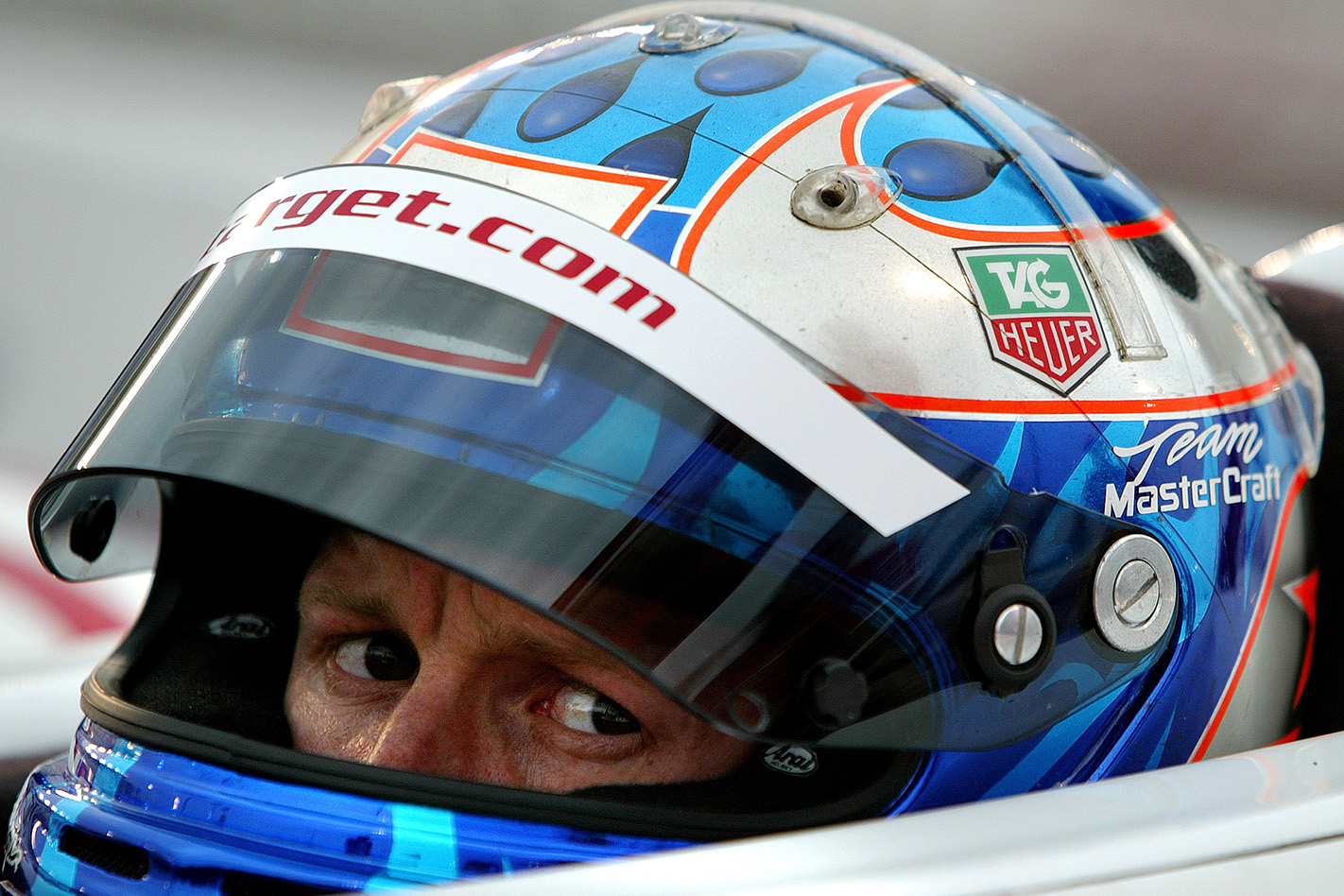
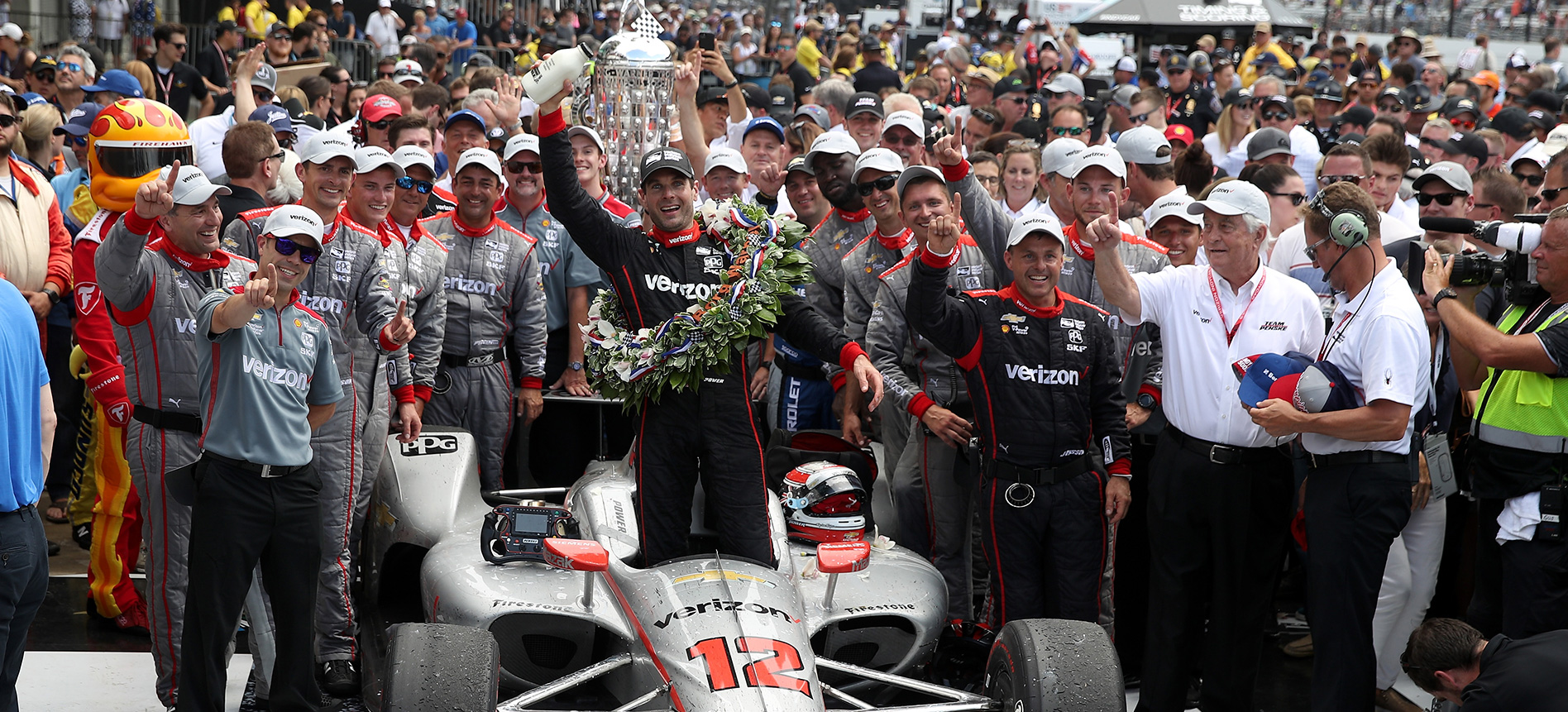
Now a veteran IndyCar racer for the titanic Penske Racing team, he has an Indianapolis 500 victory and championship crown to his name. Legendary team boss Roger Penske provided the perfect environment for Power to unleash his raw ability. But apart from a single F1 test with Minardi in 2004, sadly the Queenslander never really made it onto the F1 radar.
FRANK MATICH
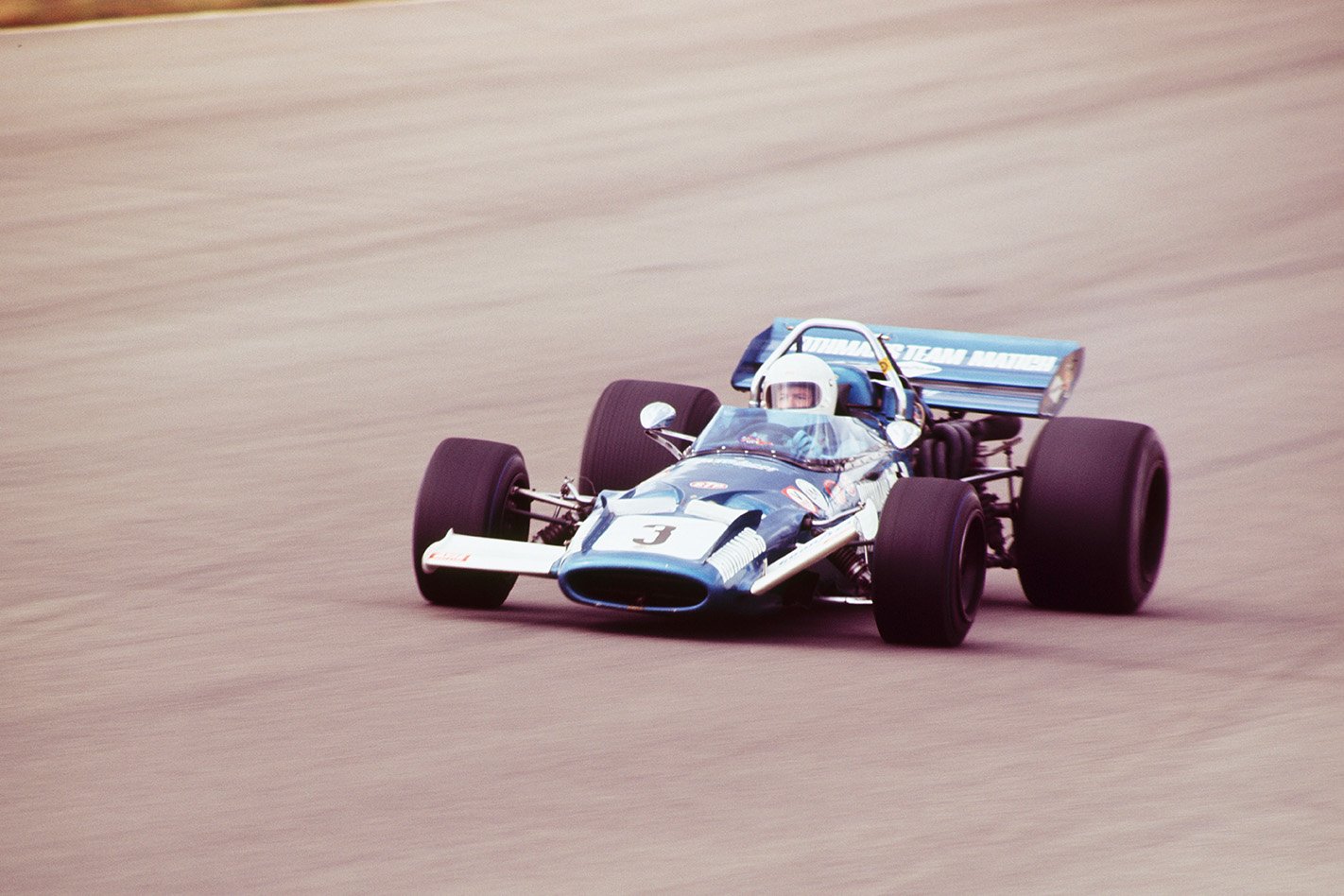
This guy’s racing endeavours in the 1960s and ’70s had him tipped as the next Aussie to take on Europe. He was even offered an F1 drive by legend of the sport Colin Chapman, but incredibly turned it down.
“I was rather surprised that he was quite serious, but it just wasn’t practical,” Matich told Autosport.
“I was lucky to have the Total sponsorship going, but they did not have any international racing programs. So out of respect to them, I said no.”
CRAIG LOWNDES
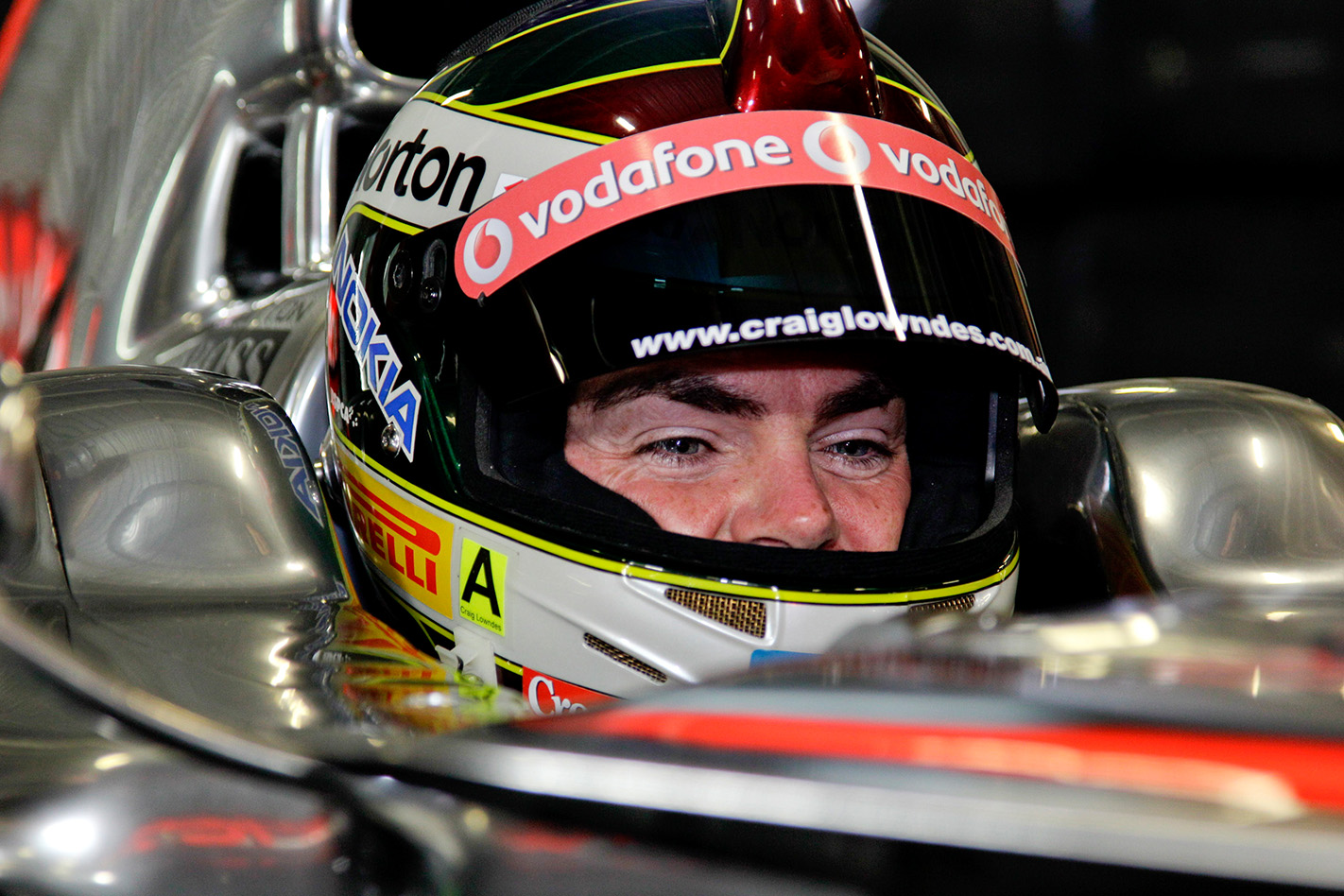
At one point, the legendary Australian touring car racer seemed destined for open-wheel glory. Lowndes arrived in Europe in 1996 ready to dive headfirst into F3000 with RSM Marko.
While he had done all the right things to earn the seat, ‘The Kid’ struggled, eventually being trumped big-time by his teammate Juan Pablo Montoya before returning to Aussie shores for good.
“I have no regrets,” Lowndes told Autosport.
“In hindsight, you could always have made better choices, but it showed me what the world of motor racing was like. The only disappointment was that I didn’t get a second season [in F3000].”
Lowndes did eventually get a taste of Formula 1 when he performed a car swap with 2009 F1 champion Jenson Button at Bathurst, driving the McLaren-Mercedes MP4-23 around Mount Panorama in 2011.
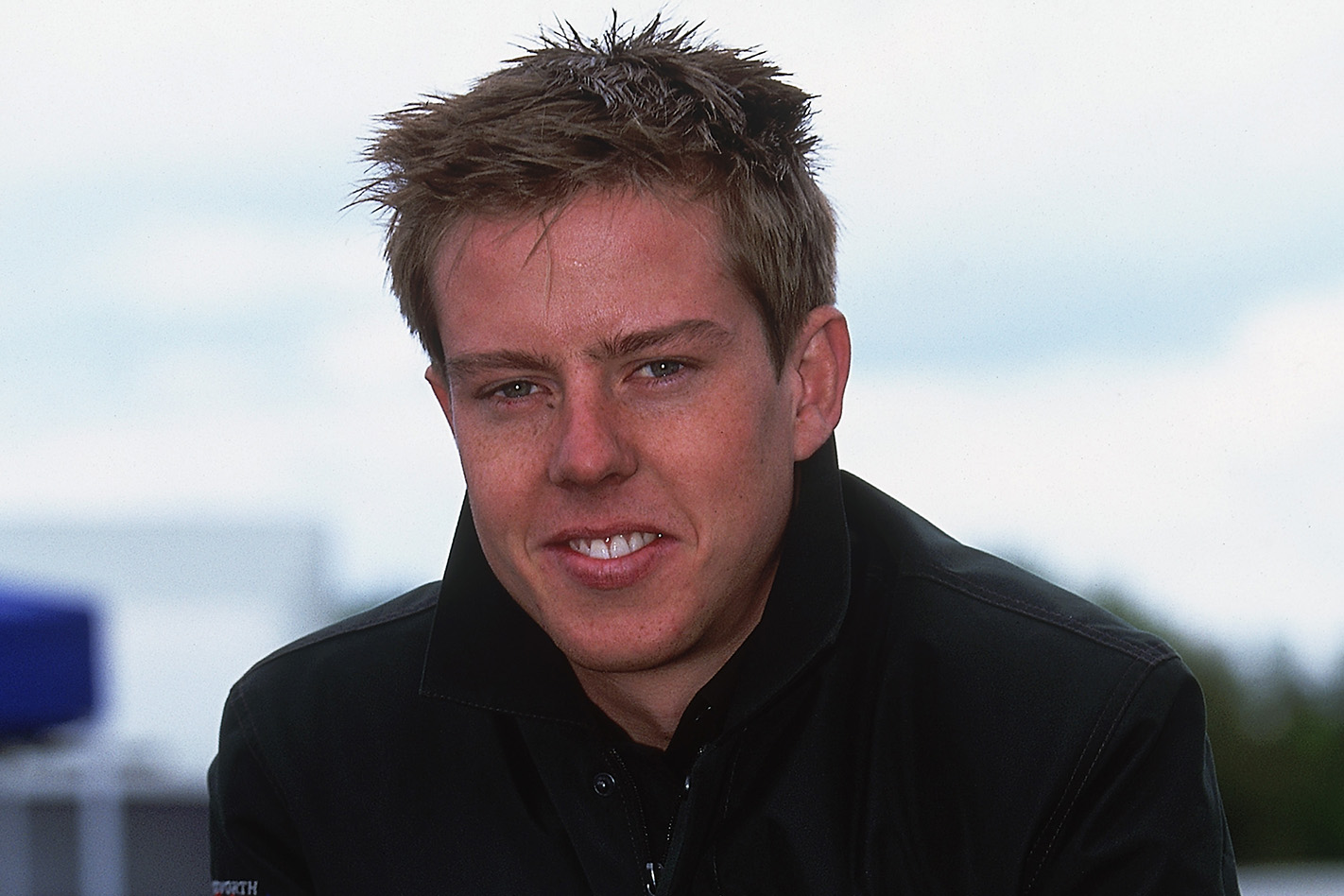
JAMES COURTNEY
Courtney had the world at his feet when he showed up at Monza on July 11, 2002 for a Jaguar F1 test. All that would change in one day.
The rear wing on Courtney’s Jaguar collapsed, took out the right-rear suspension and sent the car careering into the wall at over 300km/h.
“That shunt fundamentally changed his outlook on F1,” Courtney’s longtime manager Alan Gow told Autosport.
“That’s when he decided he wasn’t going to be cannon-fodder for anyone and we didn’t pursue F1.”
HONOURABLE MENTION: SCOTT DIXON
Technically not an Australian, the Brisbane-born Dixon races as a New Zealander.
One of the world’s great open-wheel racing talents, Dixon passed by Europe entirely on his way to the top of the American ladder.
His success in the US earned him a test with Williams in March of 2004, but it unfortunately never eventuated to anything more.
We doubt he has any regrets though, with Dixon’s trophy cabinet including 45 IndyCar race wins, 112 podiums, an Indy 500 victory, five IndyCar championships, and three Daytona 24 hour victories.