
News

Gallery 1
Australian 4WD owners are being warned that modifications considered legal in one state could breach regulations in another, potentially resulting in fines exceeding $1000. A new review by Australian 4WD accessory supplier OCAM 4×4 Accessories highlights significant differences in vehicle modification rules across the country, particularly when it comes to suspension lifts, larger tyres and bull bars.
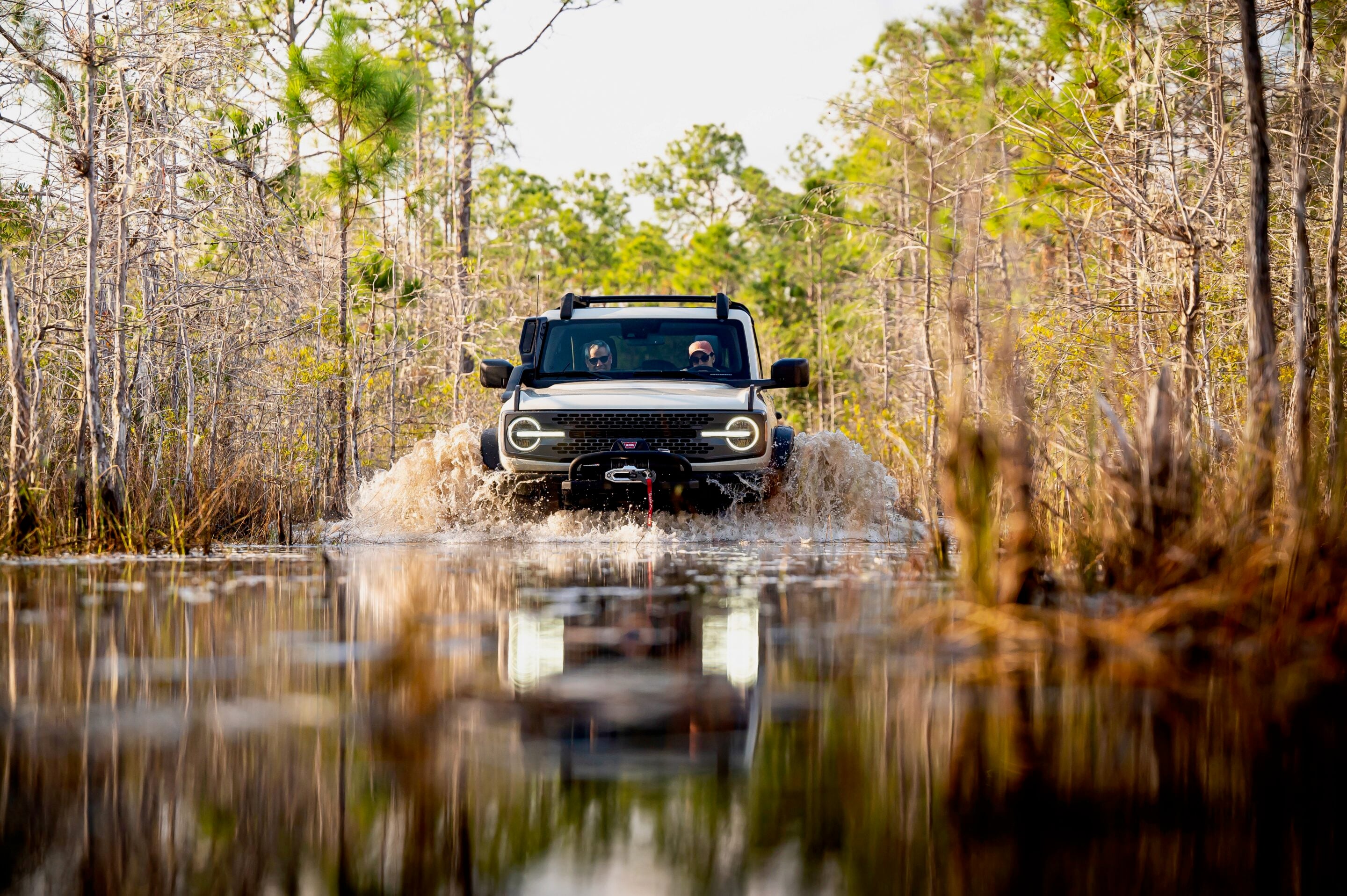
According to the company, one of the biggest areas of confusion is how much a 4WD can be raised without requiring engineering certification. In the Northern Territory, vehicles can be lifted by up to 100mm without engineering approval, compared with 75mm in NSW, Victoria and Queensland.
Meanwhile, Western Australia, South Australia, Tasmania and the ACT have a lower threshold of 50mm, although additional inspection or approval requirements may apply.
3
OCAM 4×4 Accessories director Peter Gorgievski said the differences could catch owners unaware, particularly those modifying their vehicles for interstate travel.
“We fit out 4WDs for people heading interstate all the time, and state-to-state regulations can trip them up,” he said. “They’re not doing anything wrong intentionally, the rules are just different everywhere you go.”
The review also found that penalties for non-compliant modifications vary considerably between states. In Victoria, fines for vehicle standard offences can reach $836, while Tasmania has penalties of up to $852 for unsafe or unroadworthy vehicles.
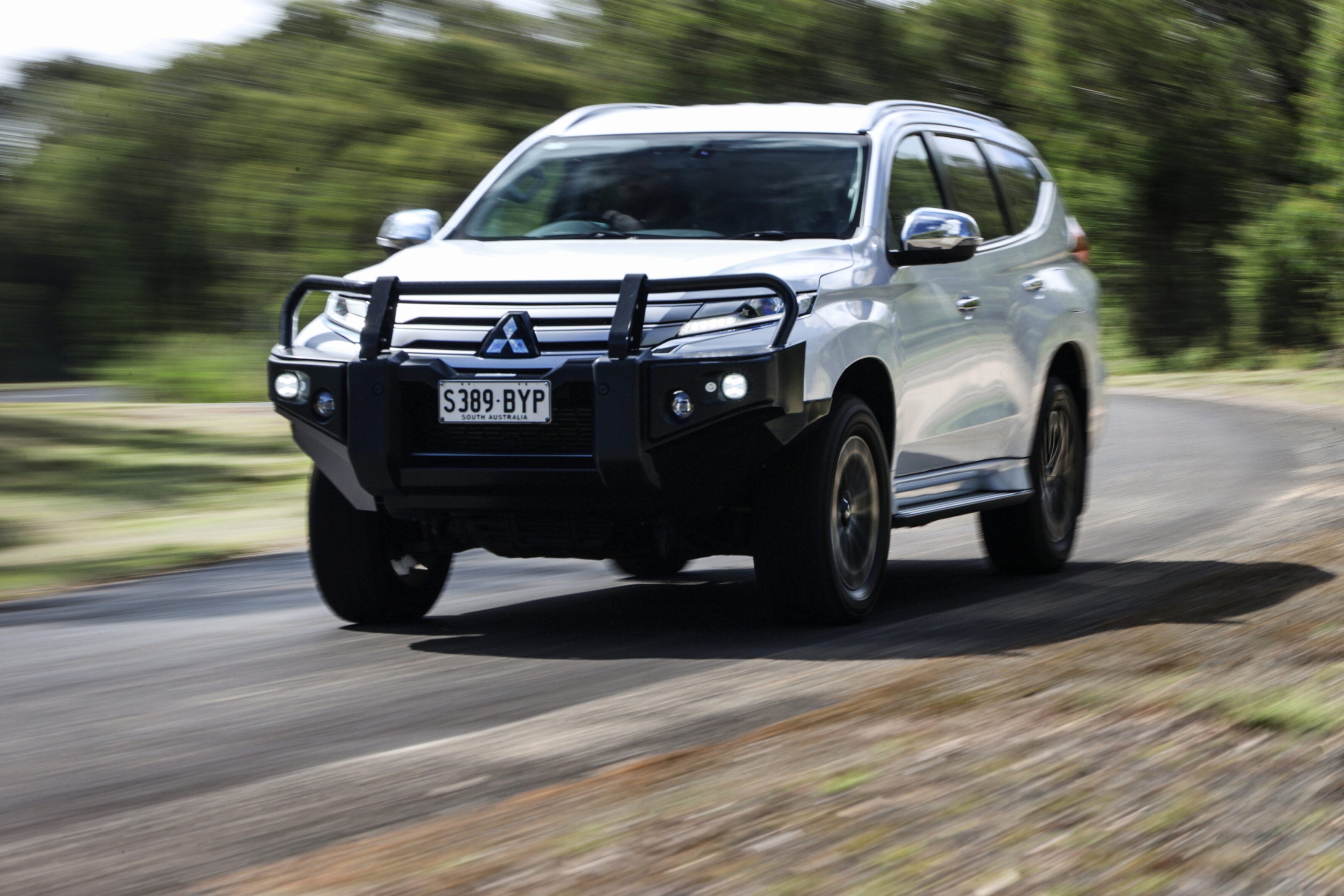
Bull bars are another potential problem, particularly on newer vehicles equipped with cameras, radar sensors and features such as autonomous emergency braking (AEB) and lane keeping assistance. Motorists can face significant penalties if a bull bar obscures their number plate, with fines reaching $1200 in Western Australia.
Gorgievski recommended that owners check the applicable regulations before purchasing or installing aftermarket accessories, particularly if they intend to relocate interstate.
“One set of rules would make our job easier and our customers safer,” he said. “Until then, our advice is simple: check before you build, not after.”
Follow WhichCar/Wheels on Google
Click the button below to make WhichCar by Wheels a preferred source for your news.

We recommend
-
 News
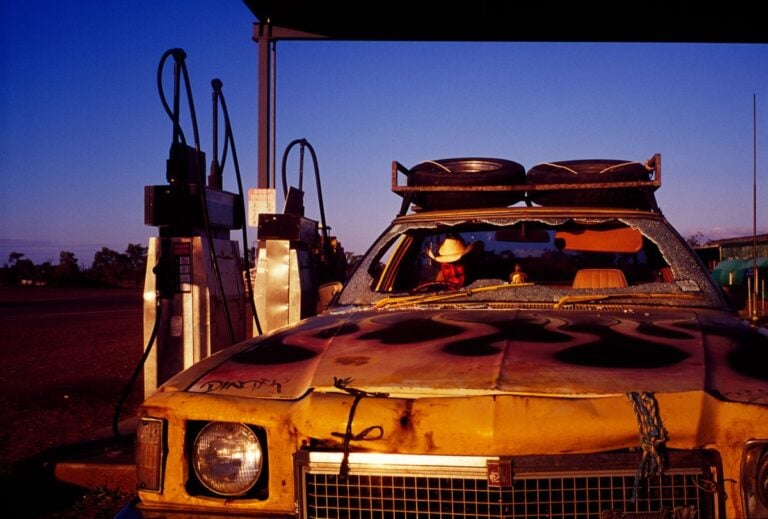
Mad Max meets modern art in National Gallery's new car-themed exhibition
From a woven Toyota HiLux to a cigarette-covered Jaguar, a major exhibition explores the automobile's cultural influence.
-
 News
Australia's most expensive and cheapest parking revealed as one city charges $32 an hour
The gulf between the dearest and most affordable parking in the country is huge.
-
 News
Revealed: The infuriating rule stopping Aussie EV owners from using their cars to drive down their power bills
Owning an EV could help Australians slash their electricity bills, but a little-known restriction is preventing some owners from doing so.
