
News

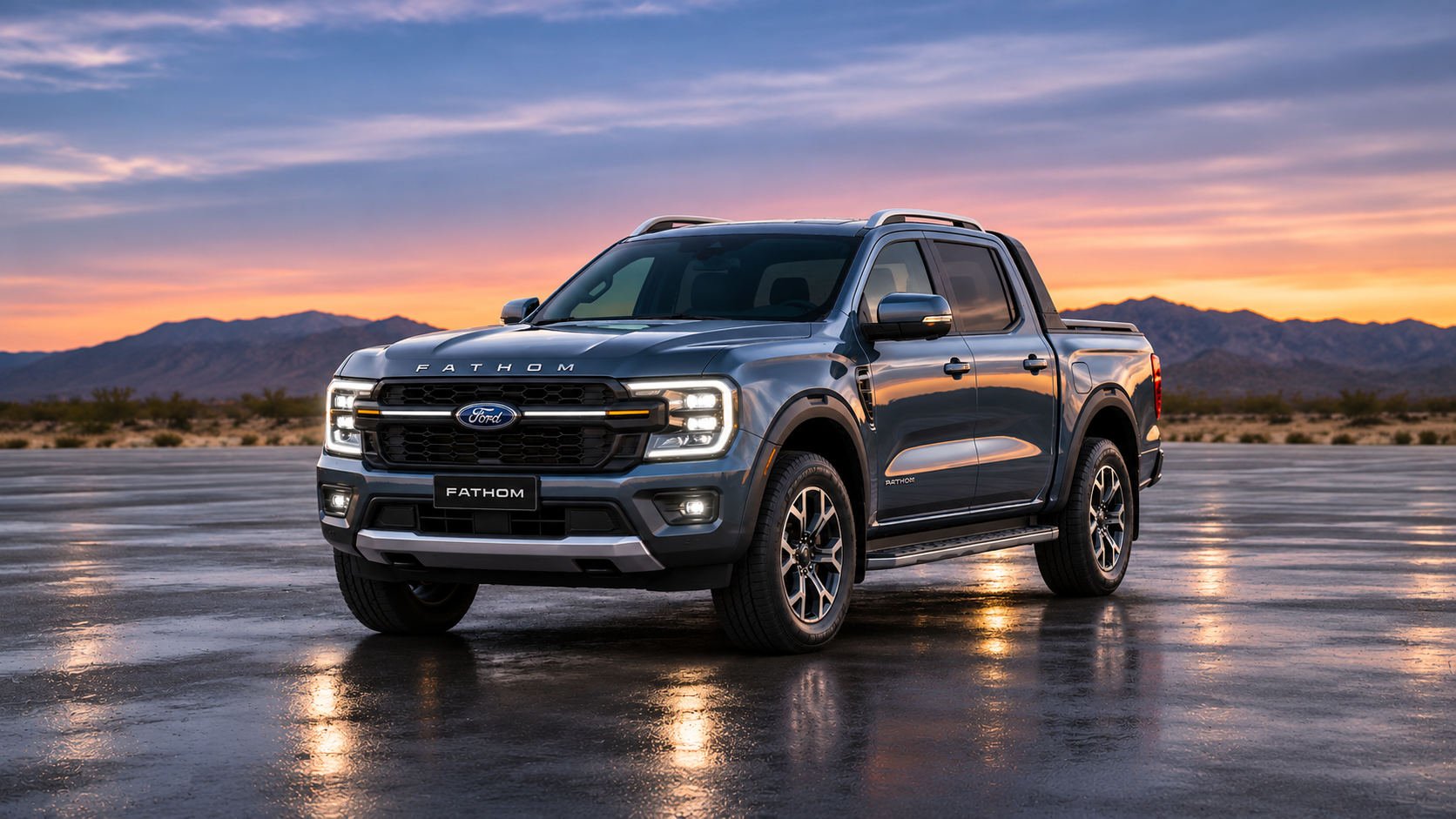
Gallery 1
New details have emerged about the upcoming 2028 Ford Fathom electric ute, including its battery technology, construction, and the car giant’s plans to manufacture its own battery cells. Set to enter production in late 2027, the Fathom will be the first model built on Ford’s new ‘Universal Electric Vehicle’ platform, which has been developed with a particular focus on affordability and manufacturing efficiency.
Ford has previously confirmed a starting price of US$29,945 (around $46,000 at current exchange rates) for the electric ute, which is expected to play an important role in the company’s next generation of electric vehicles. Now, following a tour of Ford’s new ‘BlueOval Battery Park’ facility in Michigan, MotorTrend has revealed further information about the technology that will underpin the Fathom.

3
The entry-level model (a WhichCar by Wheels render of which appears in the above gallery) will run with lithium iron phosphate (LFP) batteries, which is a chemistry already widely used in affordable electric vehicles from manufacturers including BYD and MG. However, Ford is taking a different approach to how those batteries are integrated into the vehicle. Rather than mounting the battery beneath the passenger compartment, it will use a structural battery design that’s part of the chassis.
According to MotorTrend, the 108 rectangular battery cells can carry up to 40 per cent of the loads transferred through the vehicle, which helps improve structural rigidity while also reducing the number of additional components required. The battery pack will also form the floor of the passenger compartment, with the seats and carpeting installed directly above it.
Ford says these efforts to improve efficiency, including reducing aerodynamic drag, have allowed engineers to reduce the amount of battery capacity required, cutting approximately US$1300 (A$2000) from the vehicle’s cost.
While Ford is yet to officially confirm the Fathom’s battery capacity, MotorTrend estimates the entry-level model will feature a pack of approximately 64 to 67kWh. That could translate to a driving range of up to around 370km. A longer-range version using a larger NMC battery is also planned with a range of at least 483km.

4
Meanwhile, Ford has commenced battery cell production at its new US$3 billion ($4.6 billion) BlueOval Battery Park facility in Michigan, with the first LFP cells already shipped for use in Fathom prototypes. The factory will reportedly eventually be capable of producing up to 80 battery cells per minute, which will allow Ford to reduce its reliance on external suppliers and reduce production costs.
Ford CEO Jim Farley said on X: “This is a significant step for us. We’re building capability to deliver batteries for more affordable electric vehicles and applying that same LFP technology and manufacturing expertise to build a new energy storage business with Ford Energy.”
Further specifications, including power outputs, towing capacity and official driving range figures are expected to be revealed closer to the Fathom’s launch in 2027. Australian availability is yet to be confirmed.
Follow WhichCar/Wheels on Google
Click the button below to make WhichCar by Wheels a preferred source for your news.


We recommend
-
 News
Ford Australia exec opens up about building more cars at the iconic Broadmeadows plant: "We've got the capacity to expand"
If you think Ford stopped manufacturing cars locally in 2016, you're about to get a pleasant surprise.
-
 News
Updated 2028 Ford Mustang GTD gets a stunning special edition with a tie to motorsport history
The upcoming Mustang GTD pays homage to a milestone in Ford's racing past.
-
 News
Ford wants to patent ‘Crosspower’ name down under in sign a new hybrid version of the Ranger is on the cards
The patent filing refers to 'electric automobiles' and it could mean a new powertrain for the Ranger.
