News
Gallery 1
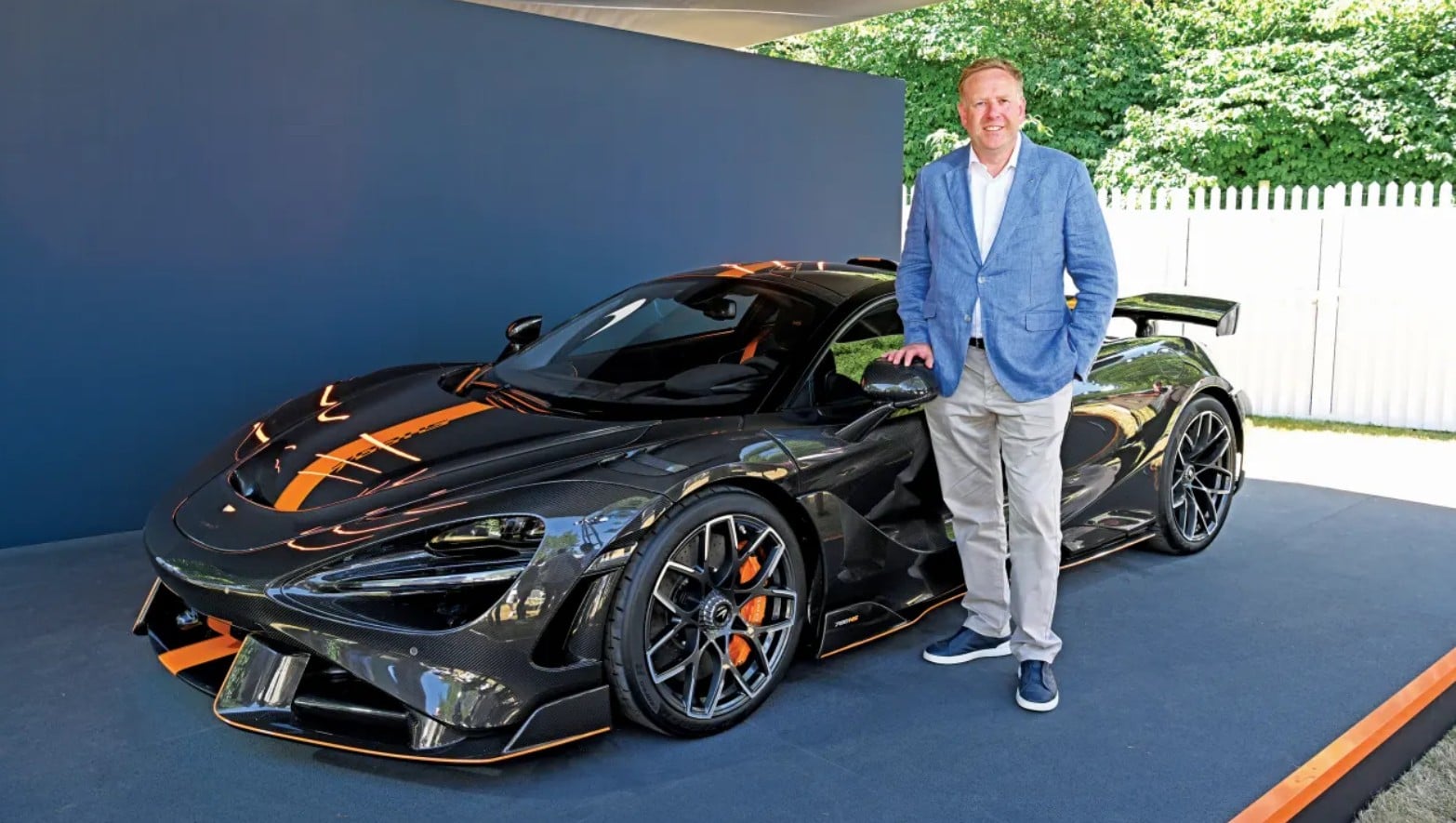
McLaren is preparing for a major transformation under its new ownership, with a broader vehicle portfolio, increased investment in design and a faster cadence of new-model launches. CEO Nick Collins (below) says the changes will build on the British marque’s supercar heritage while taking the brand into new territory and attracting a wider customer base.
Speaking to AutoExpress, Collins said he was “super-energised and excited” by McLaren’s future product plans, describing the coming period as one of the most exciting chapters he has encountered during 33 years in the automotive industry. He added that the company’s upcoming models would arrive with a regularity that could surprise observers.
Collins took a central role in McLaren following its acquisition by Abu Dhabi-based CYVN Holdings in April 2025. Since then, management has undertaken an extensive planning program aimed at strengthening the company’s foundations and positioning it for sustainable growth.
1
Part of that strategy has involved reducing annual production to about 2000 vehicles, helping align supply with demand and support residual values. McLaren is also targeting improved quality while investing “double-digit millions” in its design operations.
New chief design officer Kemal Curic, formerly of Ford and Lincoln, will help shape the next generation of McLarens. Collins says Curic is already influencing vehicles at several stages of development, as well as the technology and processes used by the design team.
While the future range is expected to expand beyond McLaren’s traditional offering, Collins insists every new model will retain the characteristics expected of the brand.
An electric McLaren, however, does not appear imminent. Collins said the company would introduce a battery-electric model only when customers demand one. For now, petrol and hybrid powertrains remain central to its plans, with electrification primarily being used to enhance performance.
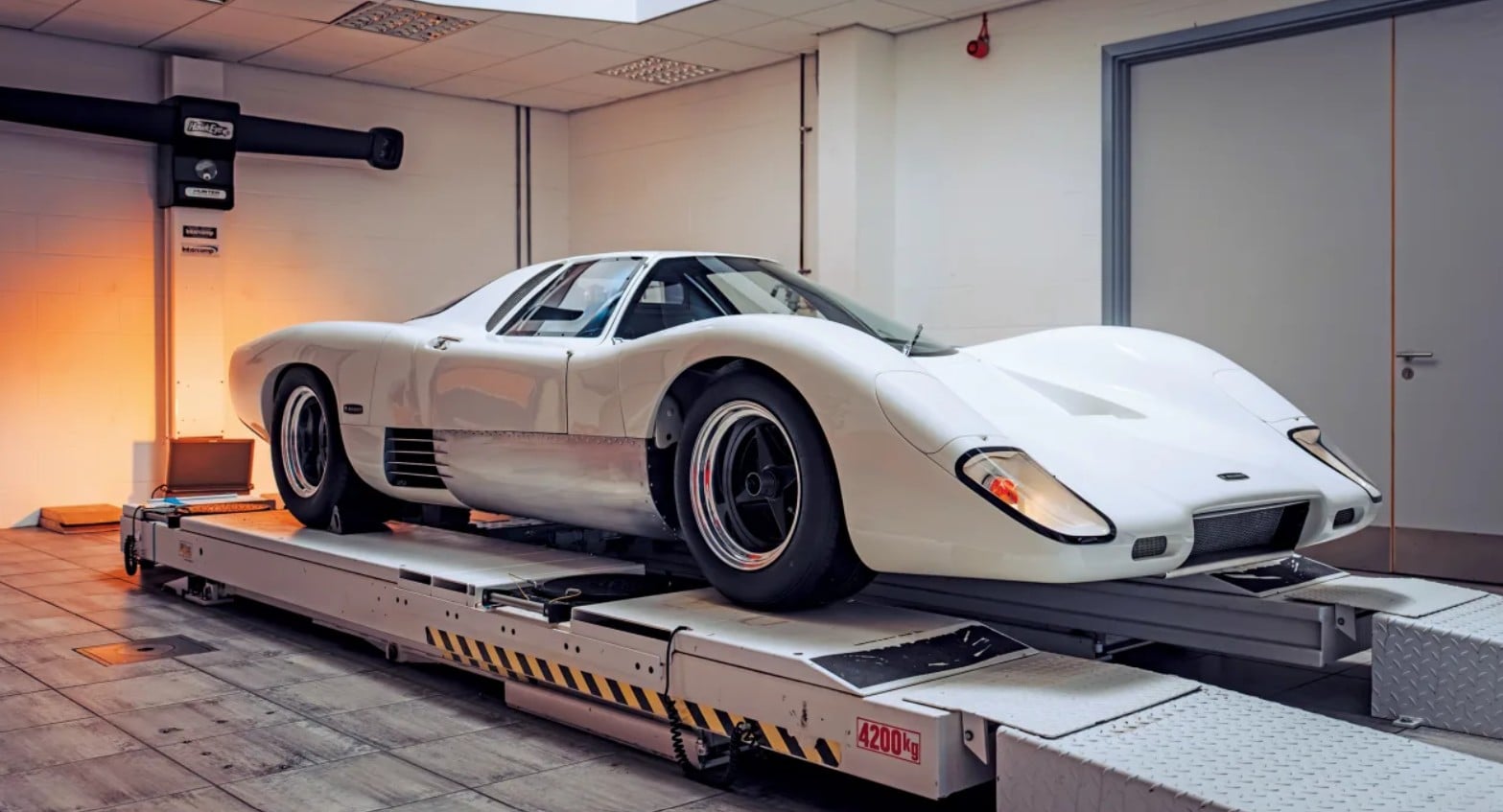
Recent arrivals offer an early indication of the company’s renewed momentum. The W1 represents McLaren’s latest Ultimate Series flagship, while the limited-production 788 HS provides a final, more extreme evolution of the Super Series lineage. McLaren Special Operations has also completed its first M6GT continuation car (below).
1
Collins describes these vehicles as merely the “prologue” to what comes next.
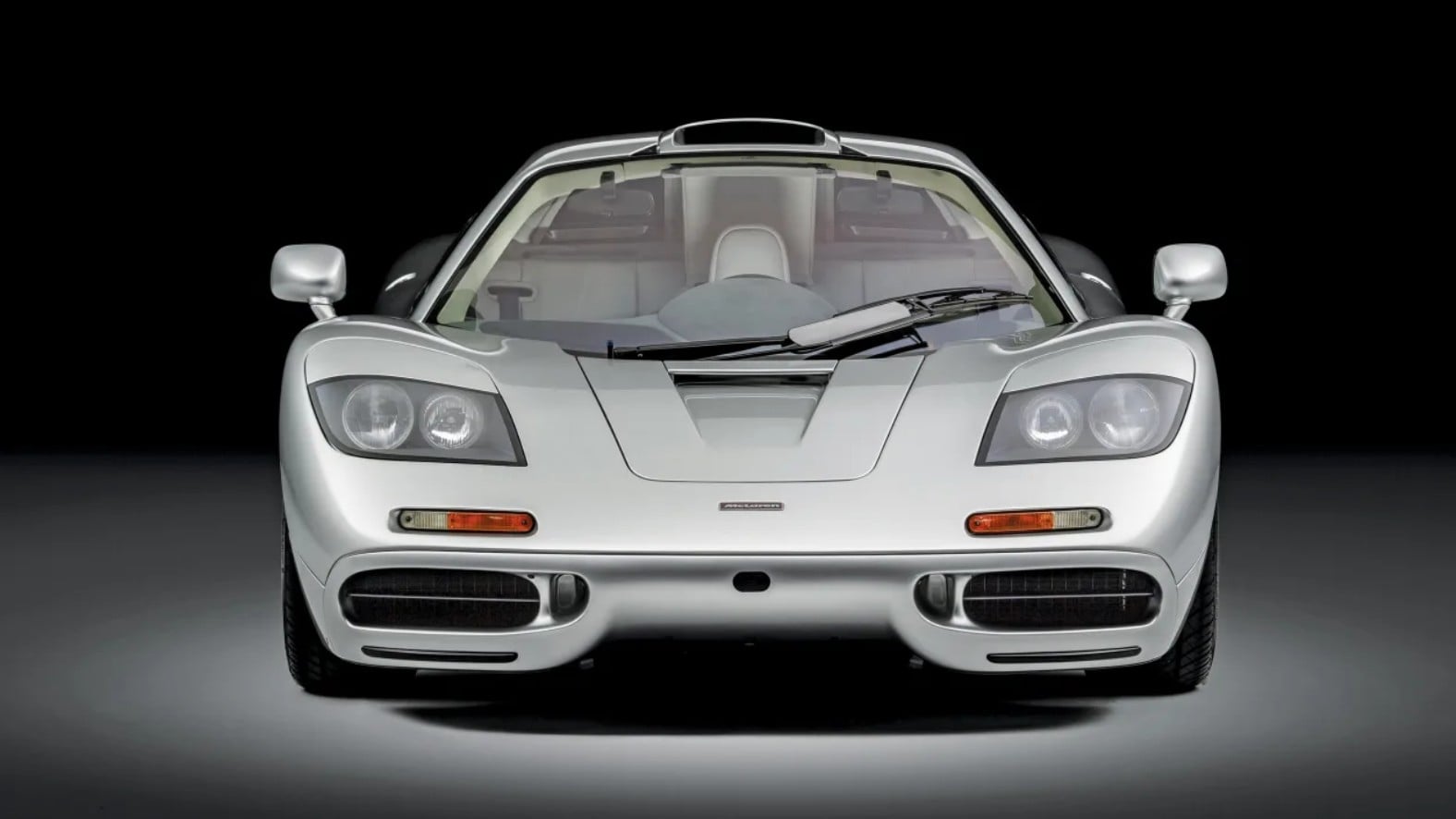
The ambition, he says, is to recapture the bold thinking embodied by the original McLaren F1 while moving the company into fresh segments and reaching new customers. With greater financial backing, expanded design resources and multiple products progressing through development, McLaren is signalling that its next chapter could unfold quickly.
Follow WhichCar/Wheels on Google
Click the button below to make WhichCar by Wheels a preferred source for your news.

We recommend
-
 News
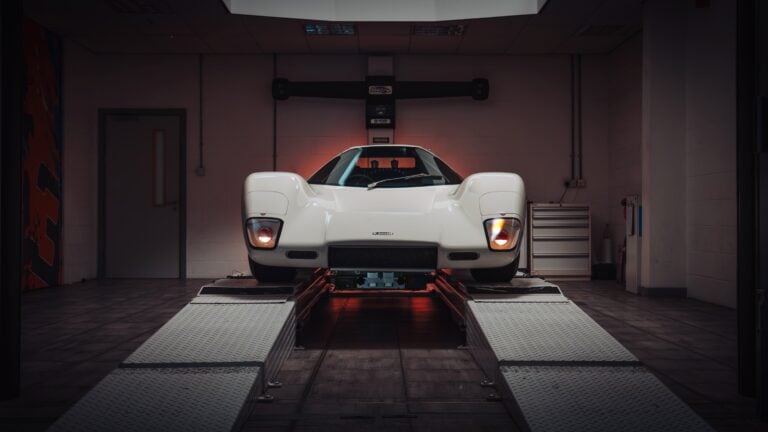
NewsMcLaren reveals M6GT ahead of Goodwood 2026 as tribute to founder
McLaren Special Operations has revealed a one-off restored M6GT as a tribute to founder Bruce McLaren and his vision for the brand's first road car.
-
 News
NewsMcLaren to revive manual gearbox in ultra-exclusive new supercar?
Rumoured limited-run flagship could become the British marque's first three-pedal road car since the legendary F1.
-
 News
NewsMcLaren reveals hypercar for Le Mans return
New MCL-HY signals factory comeback to endurance racing in 2027, alongside exclusive customer track car programme.