Reviews
Gallery 1
10.0
/10
Score
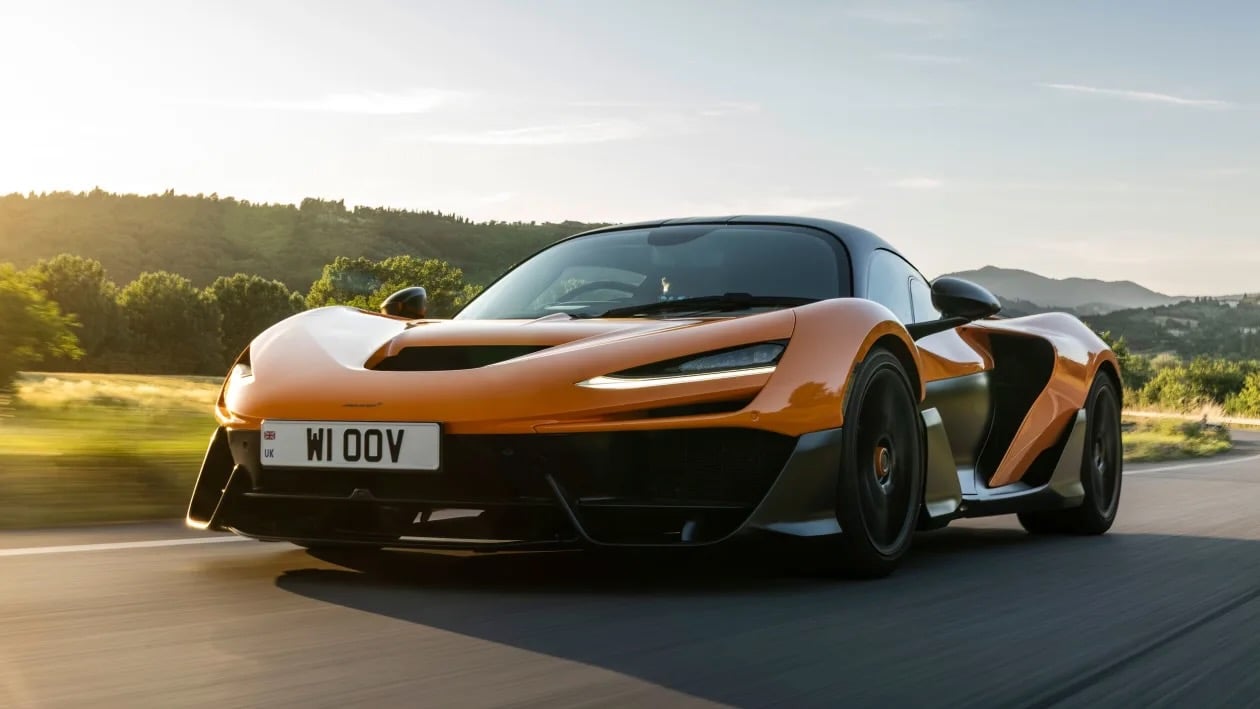
From a company such as McLaren, hearing that its new model is the most powerful and quickest the company has ever produced is a surprise. Given the Woking-based marque’s back catalogue, the new W1 — the successor to the wild P1 and its iconic F1 predecessor — must be something special.
Like its P1 direct predecessor, the new W1 is a hybrid hypercar with all the grunt going to the rear wheels alone. Its total electric and motor and petrol engine combined outputs are massive at 938kW and 1,340Nm of torque. For comparison, the P1 produced “only” 664kW and 900Nm and both cars weigh almost exactly the same at just under 1,400kg dry.
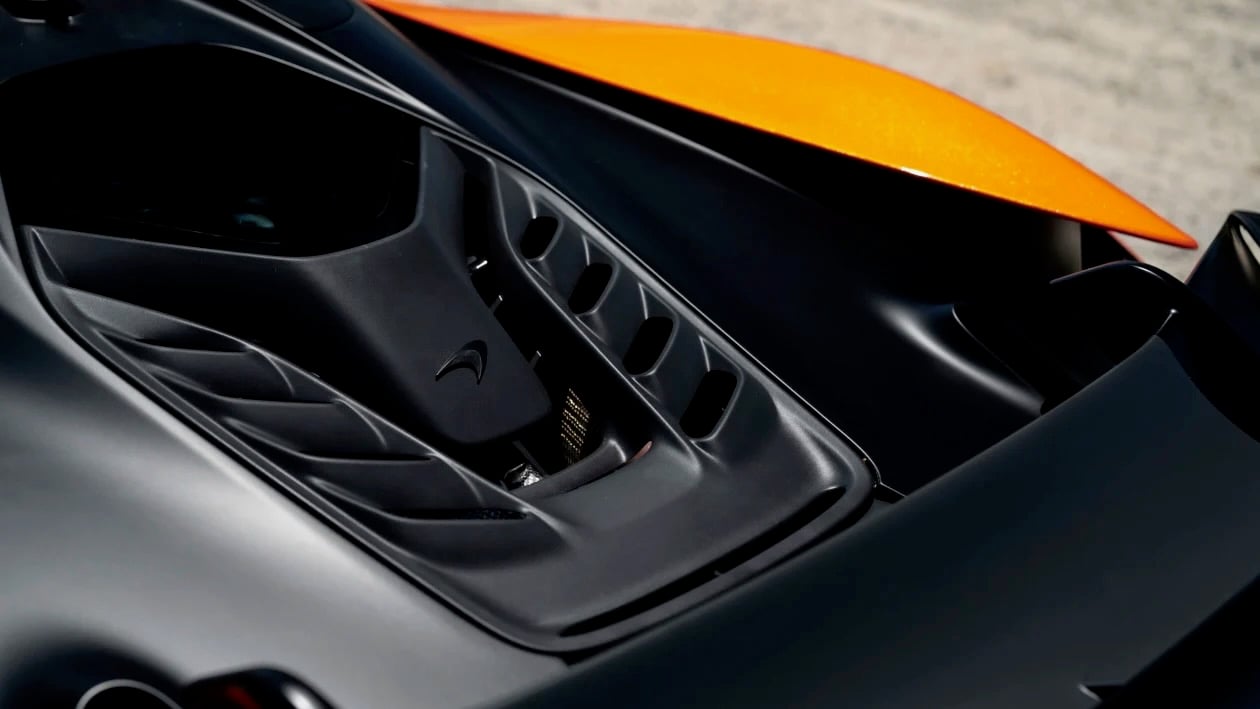
Located in the middle of the W1 is an all-new twin-turbocharged 4.0-litre V8 engine, which is 13kg lighter and 40mm shorter than the previous V8 (which is still used in the 750S). It features larger turbochargers than its predecessor, as well as both direct and port injection so that it can rev higher than before. Without any electrification, the engine produces a huge 680kW of power and 900Nm of torque.
6
Yet, behind the engine is an eight-speed dual-clutch gearbox and alongside is a radial flux e-motor. Drawing power from small a 1.4kWh battery — smaller than the hybrid battery you’d find on something like a Toyota RAV4 — this electric motor adds another 250kW of power and 440Nm of torque into the mix.
The W1 is capable of running as an EV, and mostly when reversing, but the range is a small 2.6km because of the small size of the battery. McLaren says that it’s just enough to get you away from your house in the morning without waking anybody up, but not much more.
However, zero emissions motoring is not what this hybrid is about, instead, it’s about going incredibly quickly. The claimed acceleration figures begin with 0-100km/h in just 2.7 seconds, which is obviously quite quick, but it’s not exceptional these days and that’s because the grunt reaches the tarmac solely through the 335-section rear tyres. Indeed, many of the W1’s rivals, like the Ferrari F80, get better traction by using all four wheels — the F80, for example, hits 100km/h in just 2.15 seconds.
Not that the other performance figures are anything less than mightily impressive: It hits 200km/h in just 5.8 seconds and 0-300km/h dash is completed in just 12.7 seconds, both of which are both phenomenal and put it on a par with the extreme Aston Martin Valkyrie.
4
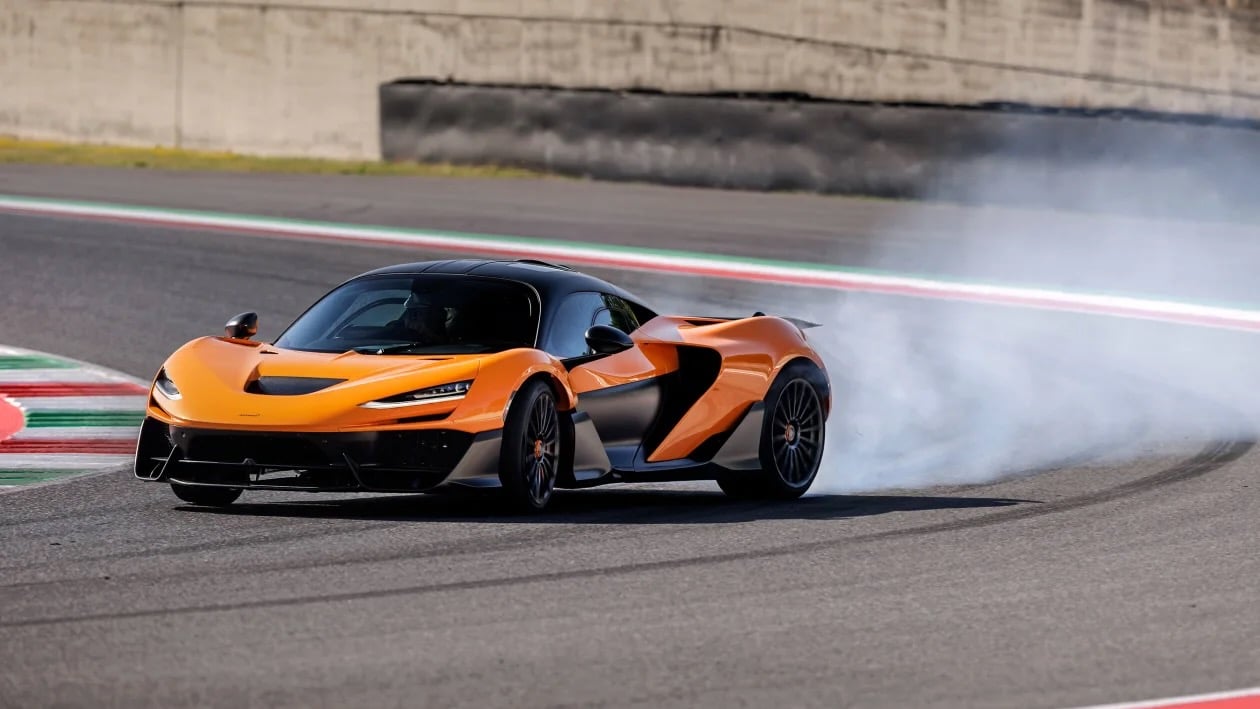
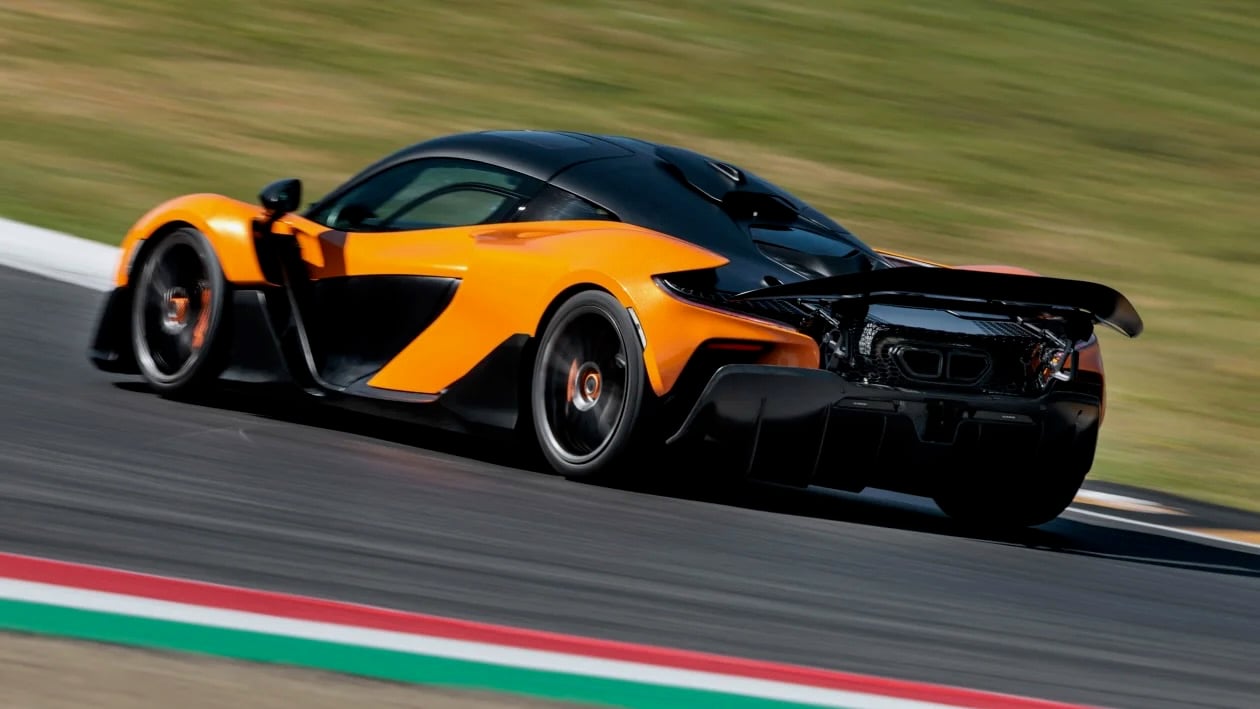
But the W1 has the corners covered as well, because its race mode drops the ride height and extends the rear wing to increase the downforce to a massive 1000kg, while the active rear wing also acts as an air brake and can drop into a drag reduction mode when necessary. It was immediately clear through the high speed sections of the Mugello Circuit in Italy that the W1 was launched on that it feels incredibly stable and confidence inspiring at high speed.
The W1’s braking system also gives its driver huge confidence. McLaren has always been known for superb brake feel and the W1 is no different. However, its new carbon discs have an extra layer of ceramic coating on them to increase durability, and they allow for more aggressive brake pads for extra stopping performance. On the launch event, we were hitting over 325km/h before braking at the 200 metre board going into the first corner. 325km/h to around 70km/h in under 200 metres is incredible.
The W1’s wheelbase is 70mm shorter than in the P1’s and as a result, it feels more agile, especially through tighter corners. Its selectable drive modes are chosen with the rocker switches on the instrument binnacle and if you put the car in Sport for both the Handling and Powertrain, you have a hypercar that is incredibly involving and also very characterful. The steering remains hydraulically power-assisted and as a result, you get superb feel and feedback.
3
But the W1 isn’t just impressive on the track. Put it into comfort mode and it will happily tackle whatever everyday life can throw at it. In this mode, the e-motor is reduced to smoothing out gear changes and it’s very quiet at low revs. Around town, there is a nose lift function for any particularly steep speed bumps, and although the ride is firm, it’s still quite comfortable.
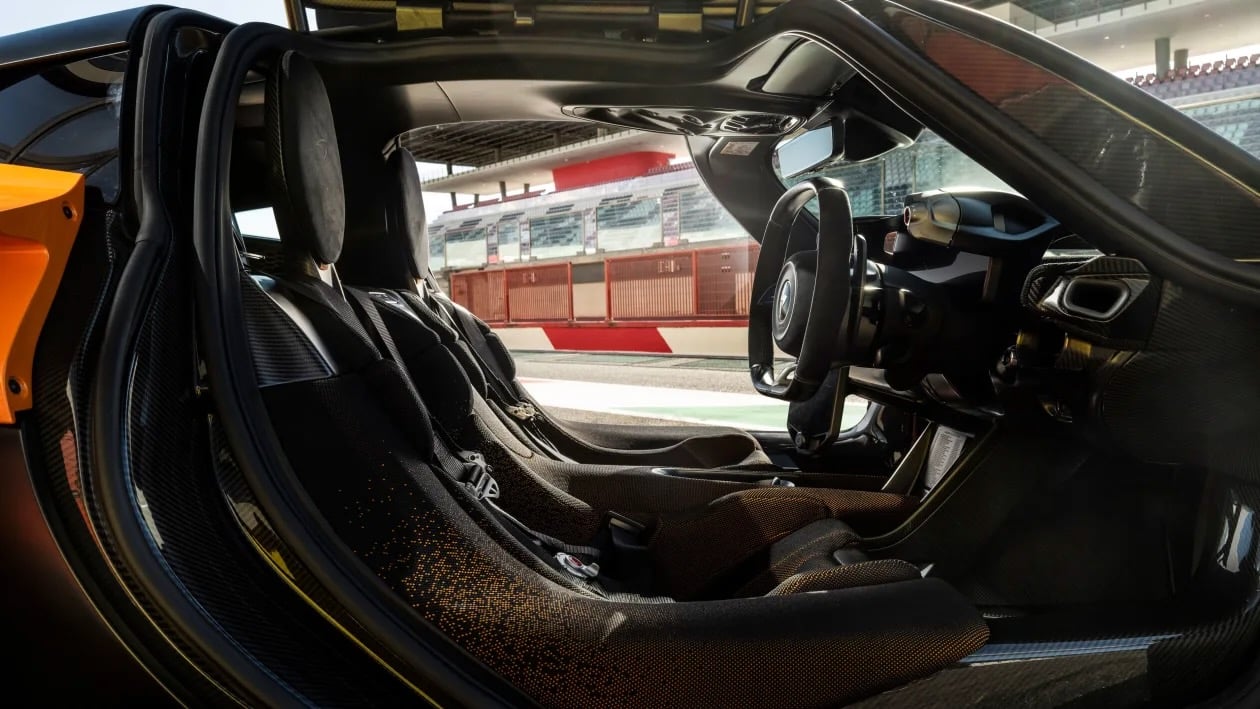
Inside is well featured with Apple CarPlay, colour-adjustable ambient lighting and the most illustrious feature for a hypercar: Somewhere for a coffee cup. Storage is covered with a couple of holes around the cabin and there’s also 118 litres of luggage space behind the headrests.
The new anhedral doors that are hinged from the roof greatly help entry and exiting the W1. The doors themselves are a work of art and really show how the air must move out of the front wheel races and down the side of the car. Once inside, you find yourself in a seat that is fixed to the bulkhead and a pedal box and steering column that move to accommodate the driver.
4
Starting the W1 is very cool too: Select reverse or put the (small) windows down and look up as the buttons are on the roof. Very jet fighter.
Sometimes, you get a hypercar that can feel skewed towards one specialty or area of expertise, perhaps to please certain owner groups. But the McLaren W1 is different, because it feels like it was built to cover everything. It’s fantastically well-rounded and capable of adapting to a huge range of situations — it feels at home doing 325km/h on a race track as it does pottering around your local village using its electric power. If you were only going to have one hypercar to do it all, this might just be the one.
McLaren W1 specifications:
| Price | A$3.85 million |
|---|---|
| Powertrain | 4.0-litre V8 turbo/radial-flux e-motor |
| Peak power/torque | 938kW/1240Nm |
| Transmission | Eight-speed dual-clutch, rear-wheel drive |
| 0-100km/h | 2.7 seconds |
| Top speed | 350km/h |
| Claimed combined fuel economy/CO2 emissions | 16.9L/100km, 310g/km |
| Size (L/W/H) | 4635/2191/1182mm |
| On sale | Now (in select markets) |
10.0
/10
Score
Follow WhichCar/Wheels on Google
Click the button below to make WhichCar by Wheels a preferred source for your news.

We recommend
-
 News
NewsA-Z of this year's Goodwood Festival of Speed cars
Electric supercars, V8-powered sports cars and cutting-edge concepts will headline another star-studded Goodwood Festival of Speed this July.
-
 News
NewsBritish company McMurtry Automotive teases wild new electric track car
A British engineering firm has teased the final version of its new electric track car, with the McMurty Spéirling Pure set to debut next week.
-
 News
NewsMcLaren reveals hypercar for Le Mans return
New MCL-HY signals factory comeback to endurance racing in 2027, alongside exclusive customer track car programme.