News
Gallery 1
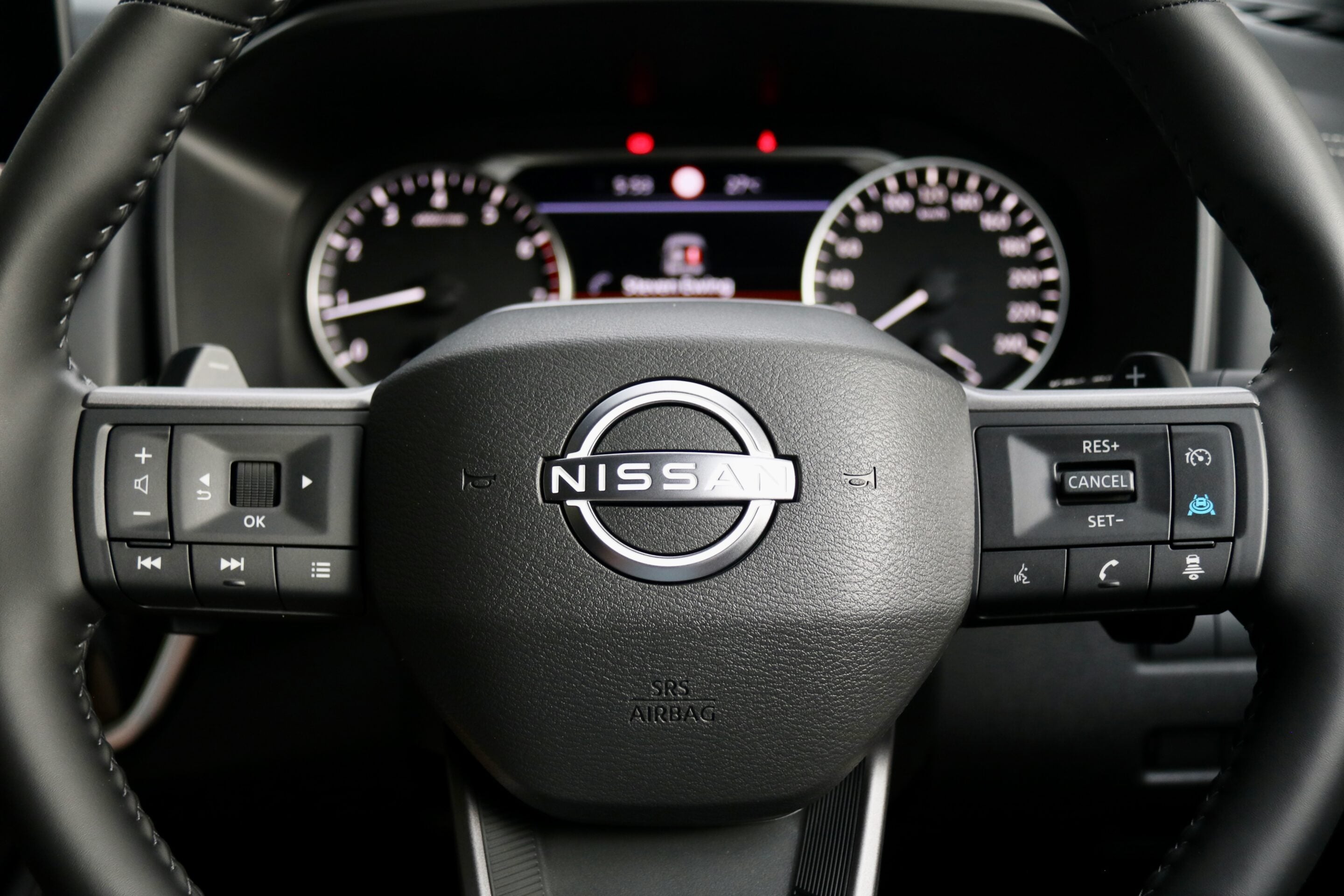
Nissan is undertaking a wide-ranging overhaul of its global strategy, combining a reduced model line-up with new hybrid technologies, AI-driven systems and the return of key nameplates in a bid to strengthen its position in an increasingly competitive market.
Central to the plan is a significant simplification of Nissan’s product portfolio. The company intends to cut its global line-up from 56 models to 45, focusing on higher-volume and more profitable vehicles while reducing complexity and development costs.
At the same time, Nissan is accelerating its push into electrified powertrains – but with a clear emphasis on hybrids rather than full battery-electric vehicles in the near term. A new generation of models will feature the brand’s e-Power system, where petrol engines act as generators to support electric drive, offering an EV-like experience without the need for external charging.
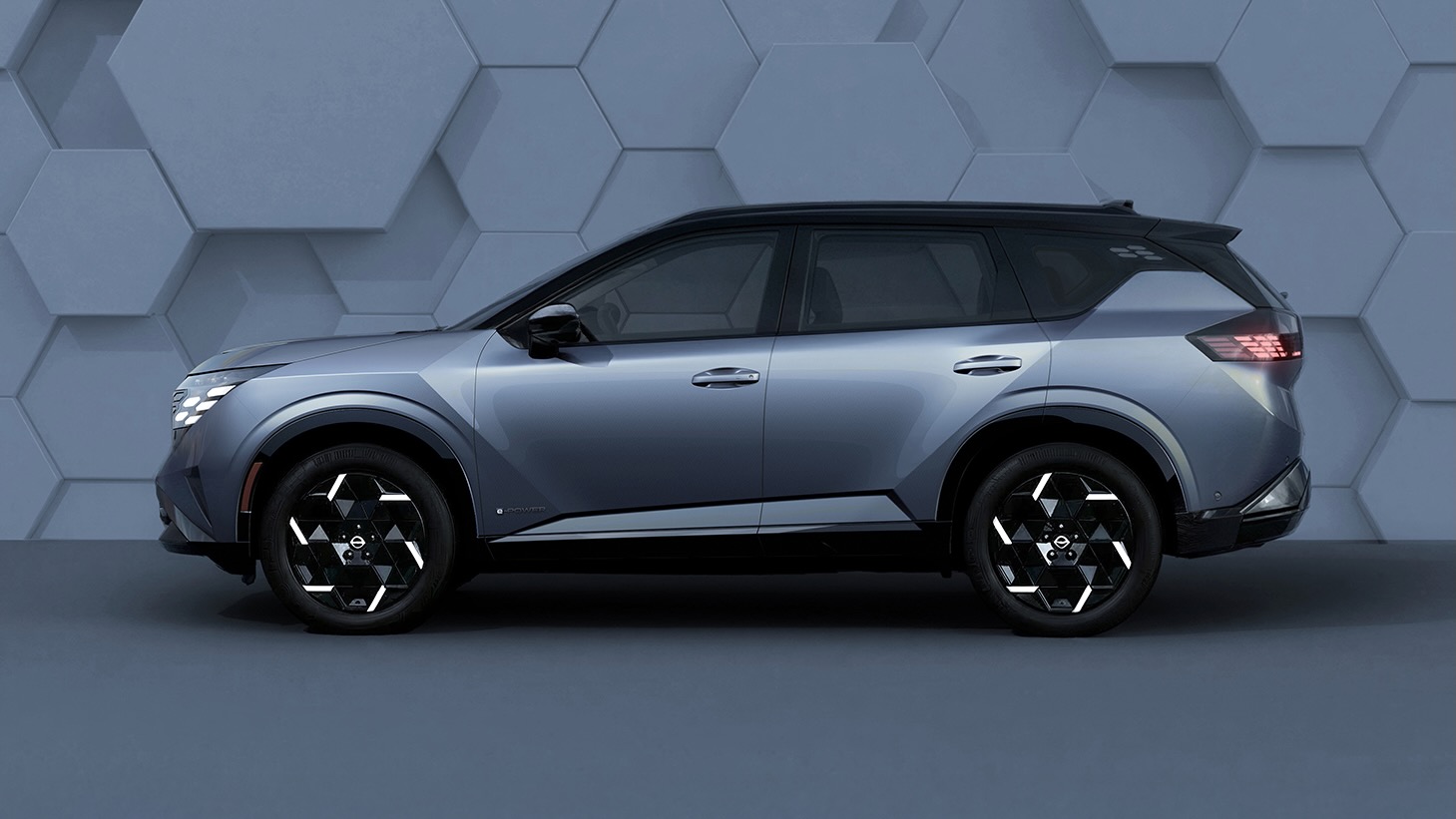
1
The next-generation Rogue (X-Trail) (above) is expected to play a key role in this strategy, becoming a flagship for hybrid technology and helping Nissan compete with established rivals such as the Toyota RAV4 and Honda CR-V.
Alongside electrification, Nissan is also moving into what it describes as “AI-defined vehicles”. The company plans to integrate advanced autonomous driving systems across the majority of its future range, aiming for up to 90 per cent of models to feature some level of self-driving capability.
Despite the shift toward electrification and software, Nissan is also revisiting traditional segments. The long-rumoured return of the Xterra SUV has now been confirmed, with the rugged model set to rejoin the line-up later this decade. Built on a body-on-frame platform, it will target off-road-focused rivals such as the Ford Bronco and Toyota 4Runner.
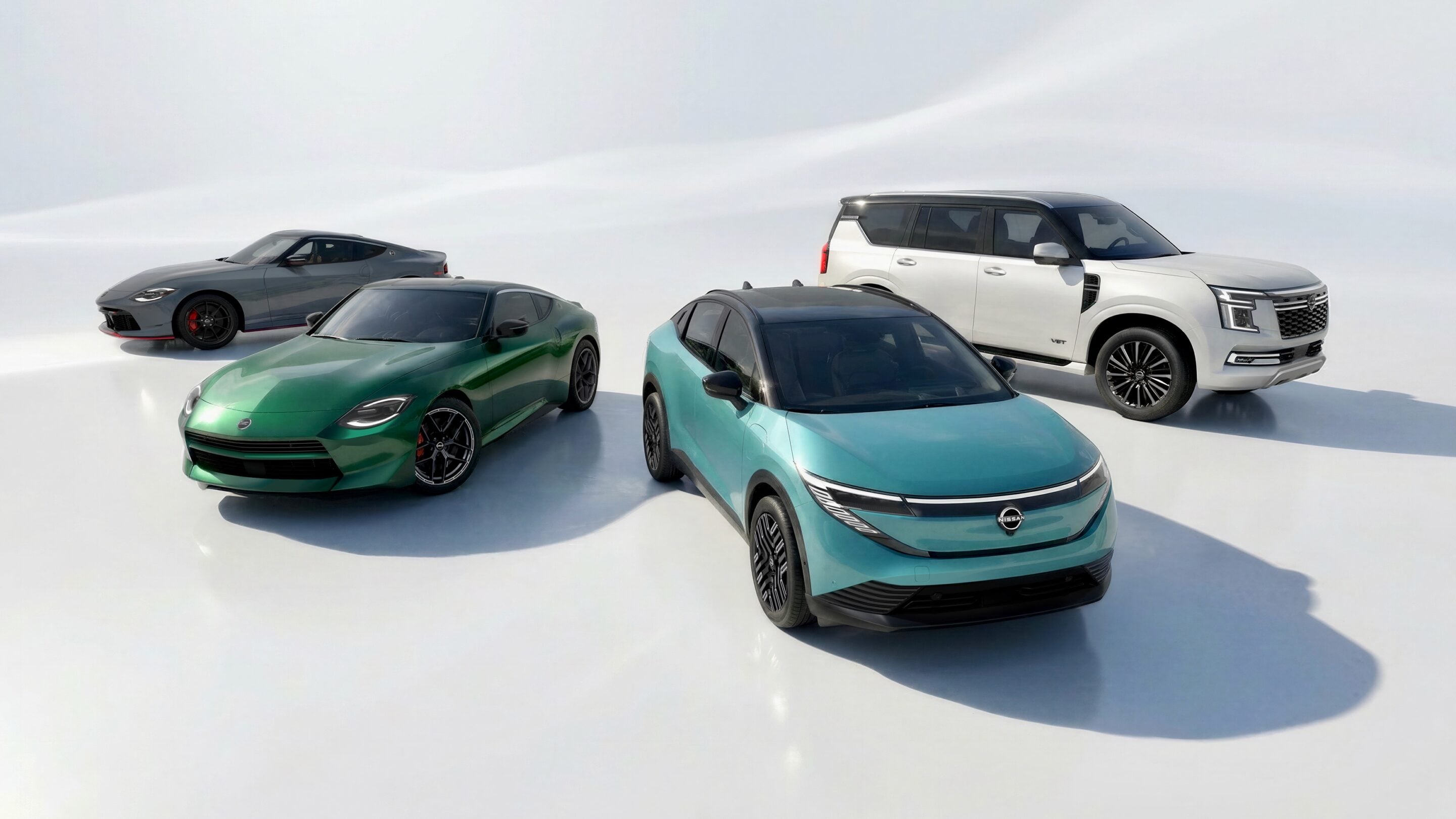
1
The new Xterra is expected to offer V6 and hybrid powertrain options, signalling that Nissan is maintaining a mix of conventional and electrified drivetrains rather than committing exclusively to EVs.
This multi-pronged approach reflects broader pressures facing the company, including rising competition from Chinese manufacturers and the need to improve profitability. Nissan is also restructuring its operations, including plant closures and job reductions, as it looks to streamline its global business.
Taken together, the strategy represents a recalibration rather than a wholesale pivot—balancing new technologies with familiar segments as Nissan works to stabilise its future direction.
Follow WhichCar/Wheels on Google
Click the button below to make WhichCar by Wheels a preferred source for your news.

We recommend
-
 Reviews
Nissan X-Trail ST-L review: Not flashy but ticks many boxes as a practical family SUV
There are nearly 30 options for buyers to choose between in the hotly contested mid-size SUV segment, so how does the often-overlooked Nissan X-Trail compare?
-
 Comparisons
Powertrain battle! Nissan X-Trail v Tesla Model Y v MG HS Hybrid+
Australian buyers love medium and large SUVs – and the choices have never been more broad than they are right now. The question is, which powertrain suits you? best? Regular hybrid, petrol generator electric, or full electric? Three very different combatants duke it out