News
Gallery 1
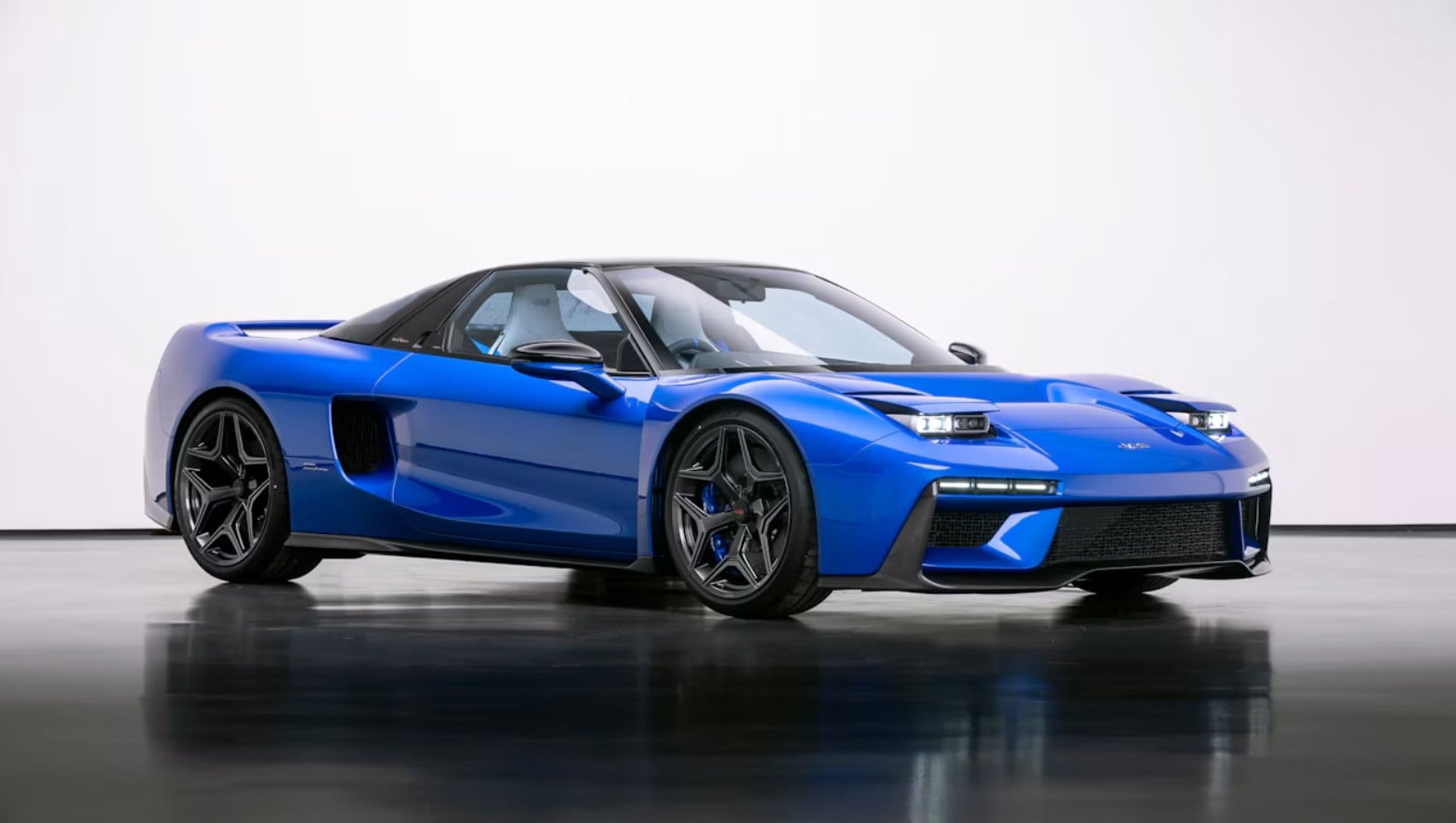
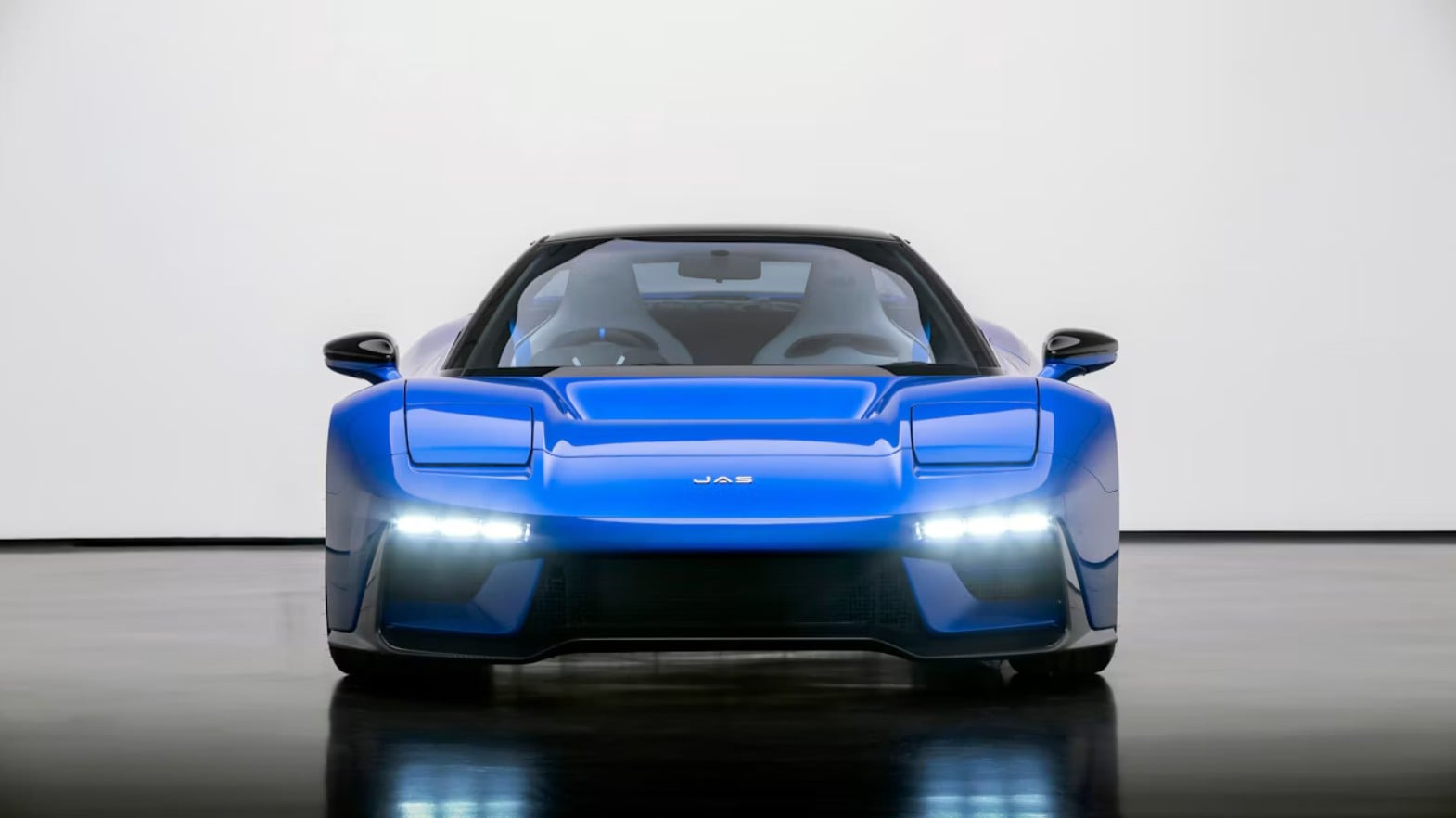
One of Japan’s most celebrated supercars has been given a modern makeover, with Italian design house Pininfarina helping transform the original Honda NSX into a substantially more powerful machine.
Called the JAS Tensei, the project is a collaboration between Pininfarina and JAS Motorsport, which has maintained a motorsport partnership with Honda since 1998.
Tensei translates from Japanese as ‘rebirth’ or ‘reincarnation’, reflecting the intention to preserve the character of the original 1990 NSX while introducing contemporary engineering.
2
The most significant changes are beneath the bodywork. Engine specialist JUDD Power has enlarged the naturally aspirated V6 from 3.0 to 3.5 litres, increasing output to 317kW – more than 110kW above the original.
The engine now revs to 8500rpm and incorporates individual throttle bodies, a revised exhaust and dry-sump lubrication, allowing it to sit lower in the chassis.
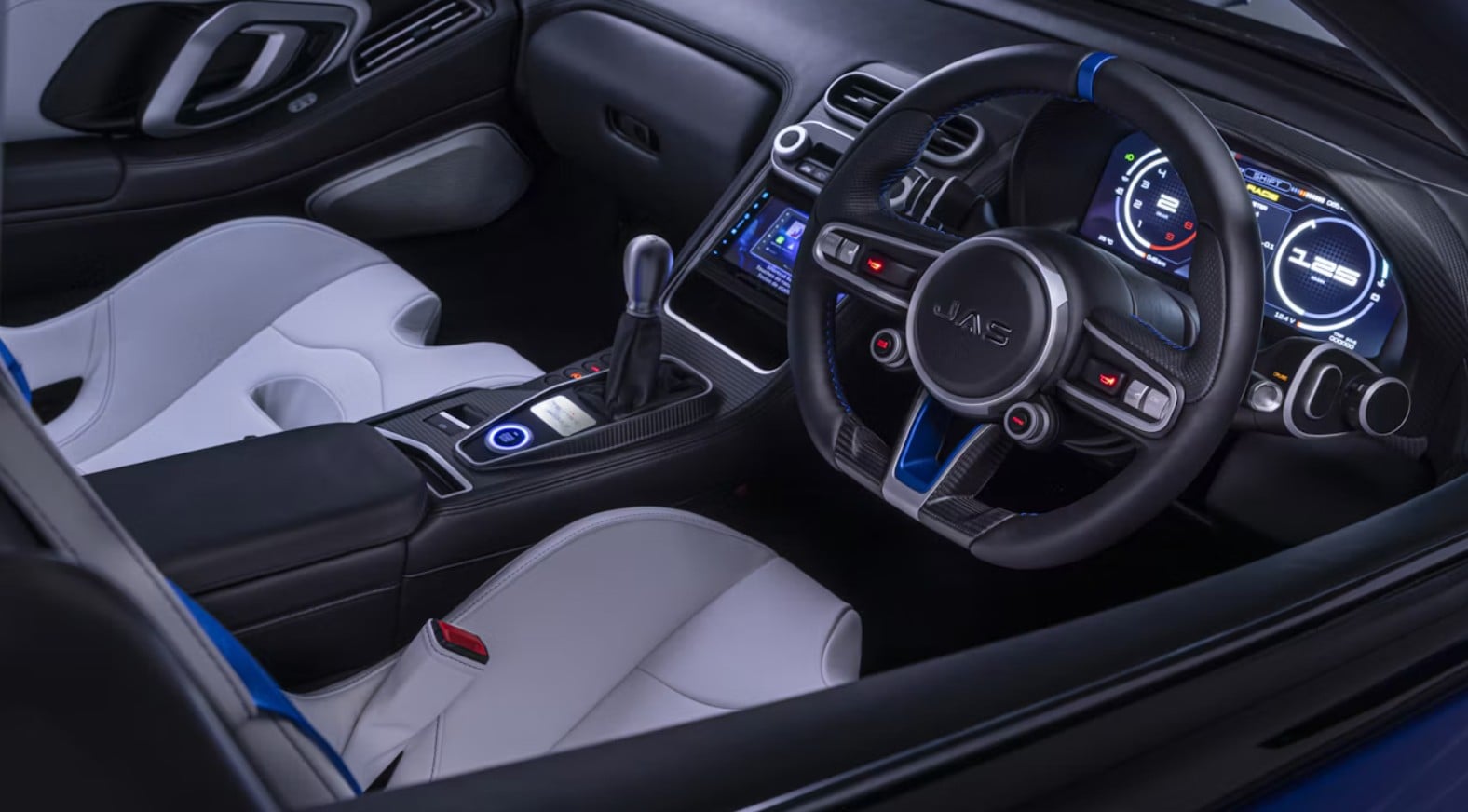
Power reaches the rear wheels through a six-speed manual gearbox, twin-plate carbon clutch and mechanical limited-slip differential.
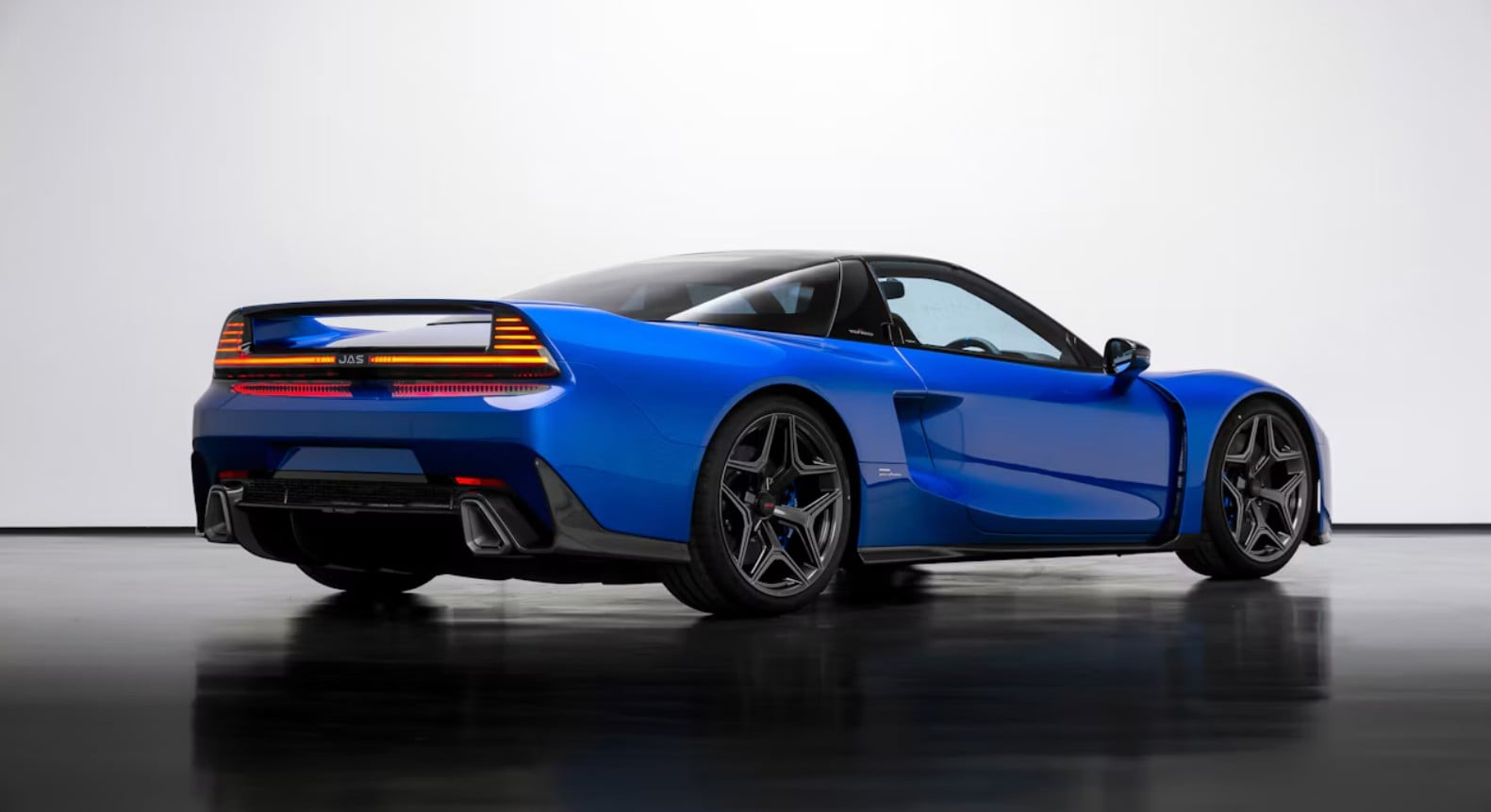
Weight has been reduced to 1250kg, approximately 120kg below the original, thanks partly to new carbon-fibre exterior panels.
The chassis receives carbon-Kevlar reinforcement, a wheelbase extended by 55mm and a track widened by up to 190mm.
2
Revised suspension incorporates adjustable KW coilovers, while carbon-ceramic brakes feature six-piston front and four-piston rear calipers. The wheels measure 19 inches at the front and 20 inches at the rear.
Pininfarina’s exterior redesign retains the NSX’s familiar proportions and pop-up headlights, complemented by LED lighting, enlarged cooling ducts and a redesigned rear wing and diffuser.
Despite the extensive modifications, the Tensei remains road-legal rather than a dedicated track car. Pricing, production numbers and availability have yet to be announced.
Pininfarina also has an earlier connection with the NSX. Its 1984 Honda HP-X concept explored a mid-engined sports-car layout that helped establish the direction for Honda’s subsequent production supercar.
7
The Tensei therefore brings the Italian design house back to a project it helped inspire more than four decades ago.
Follow WhichCar/Wheels on Google
Click the button below to make WhichCar by Wheels a preferred source for your news.

We recommend
-
 News
NewsTwo trademark filings show McLaren could be striking out in a new direction with its upcoming cars
The news comes just after McLaren revealed a new logo... and plans for its first SUV.
-
 News
NewsPorsche confirms it has a new mid-engine hypercar in the works – but there's bad news for fans of the 718
Porsche has released its Sportwagenschmiede '35’ plan, and it's good news for fans of outrageous performance cars.