News

Gallery 1
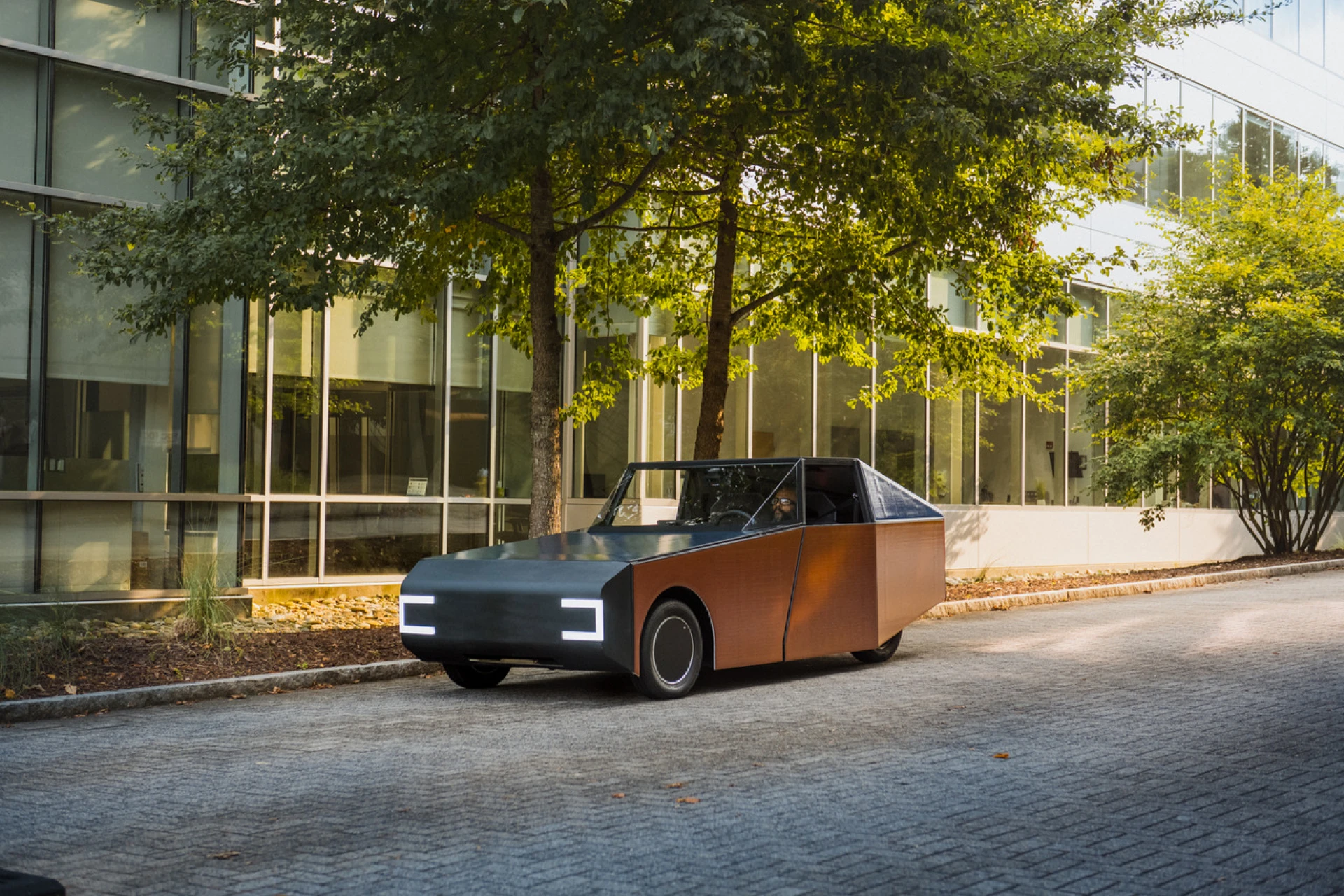
University students who were challenged by BMW to build an energy-positive vehicle have claimed they’ve answered the call with a solar-powered coupe that recovers more power than it uses during a typical urban commute.
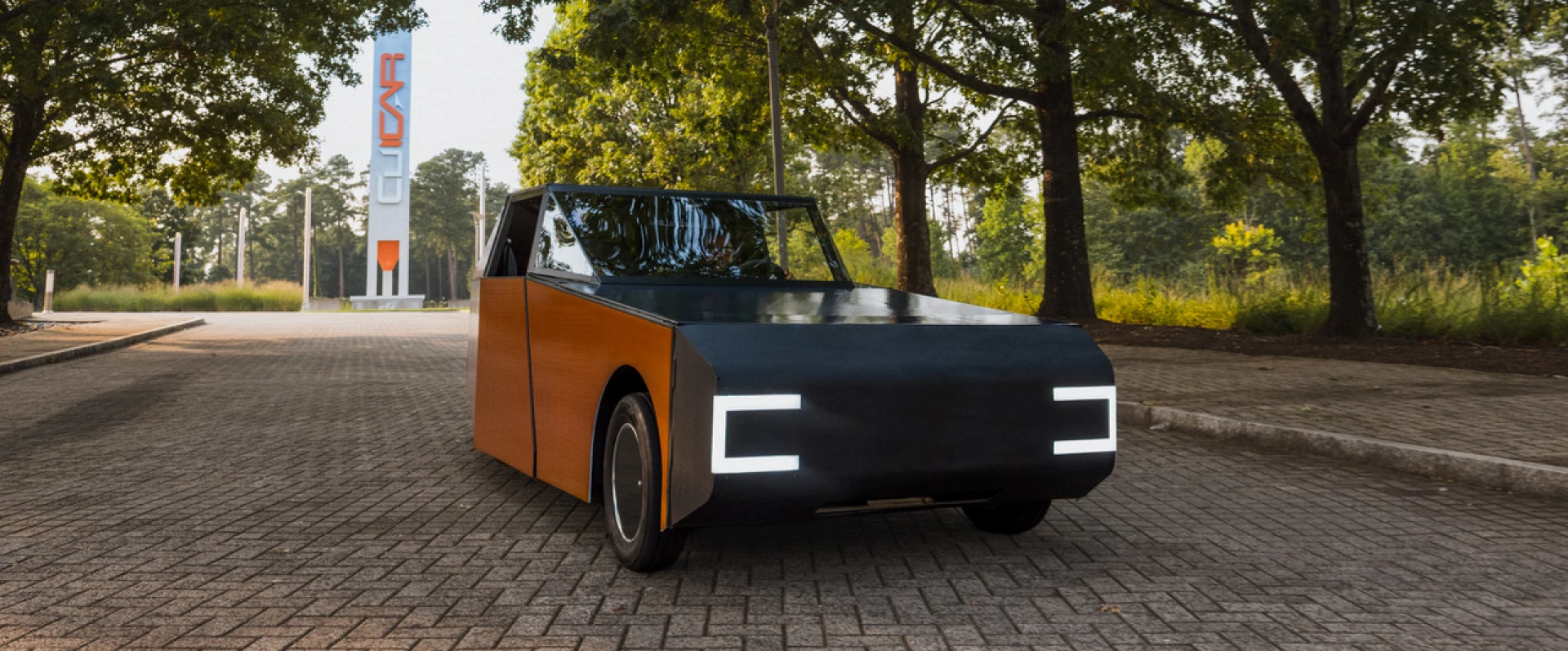
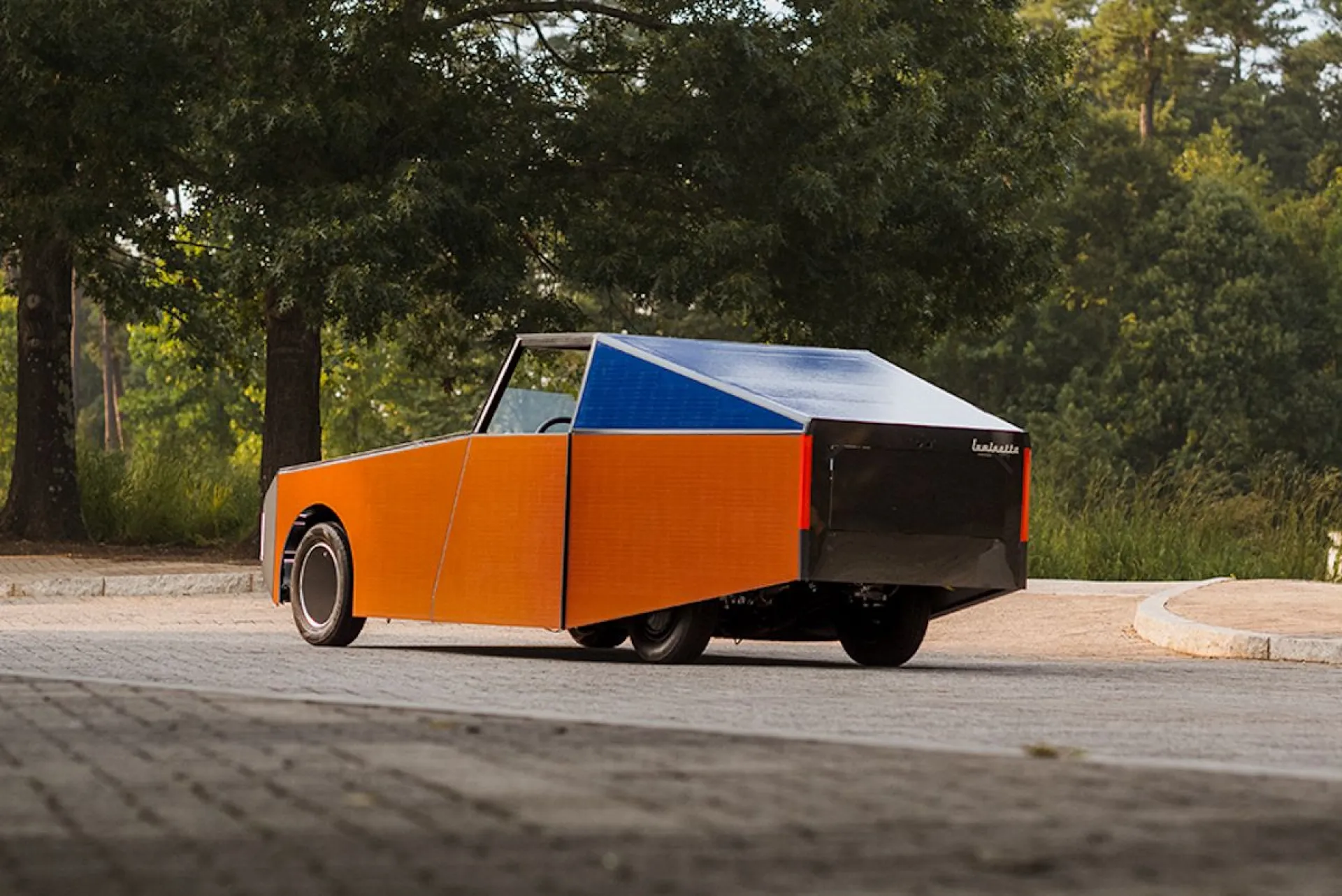
The Deep Orange 17 was revealed earlier this month by a crew from Clemson University who have been working on the project since the German marque threw down the gauntlet in late 2024. Yes, it’s ugly enough to make an EA Ford Falcon look like a Lamborghini Miura, but its ultra-boxy appearance is a big part of its scientific success.
3
Deep Orange was designed with real-world EV use in mind. The team from the university’s automotive engineering department reasoned that the long periods that cars spend parked present a perfect opportunity for harvesting solar energy. To that end, they loaded the bodywork with more than 1700 photovoltaic cells that can generate power even when parts of the body panels are shaded.
The 16 graduate students modelled conditions in South Carolina, Germany, Spain and India to evaluate the car’s performance. They found that a daily commute of 20km resulted in the vehicle generating enough surplus solar energy to provide an average of 50km in additional range in all four locations.
The vehicle weighs just 550kg thanks to the heavy emphasis on lightweight construction using structural steel for passenger safety, aluminium components, carbon fibre structural members and 3D-printed metal joints.
4
You’d never guess it from looking at the almost complete lack of curves, but the Deep Orange 17 was also designed with aerodynamics in mind. According to the Clemson team, it draws inspiration from the characteristics of the boxfish, which has a body that reduces drag while maintaining interior volume. They also say the look was inspired by “BMW’s design heritage”, although heaven knows what the bigwigs at the marque’s Munich headquarters think of that.
The solar set-up gets help from regenerative braking, intelligent torque distribution and optimised drivetrain controls to meet the energy target. In keeping with its aim to meet real-world drivers’ needs, the experimental coupe also gets Apple CarPlay and Android Auto.
BMW and Clemson’s partnership is more than two decades old. The manufacturer was a founding partner of the university’s International Center for Automotive Research in 2007, and has been the primary sponsor for five projects, including a next-generation SUV design. The Deep Orange 17 is due to appear at next year’s Consumer Electronics Show in Las Vegas.
Follow WhichCar/Wheels on Google
Click the button below to make WhichCar by Wheels a preferred source for your news.

We recommend
-
 News
NewsAussie says driving Tesla Model Y for 40,000km cost him just $713 in electricity
The Tesla went on regular highway trips and DC fast-charging sessions as it clocked up the amazing numbers over three years.
-
 News
NewsLightyear One solar-powered EV claims 725km driving range
Dutch auto brand soaks up Vitamin D for a cleaner EV