
News
Gallery 1
Toyota is preparing one of the biggest technological transformations in its history, with plans to make its entire vehicle line-up software-defined by 2030.
The world’s largest carmaker intends to introduce its proprietary Arene software platform across approximately 50 models, eventually equipping around 10 million new vehicles annually.
The strategy was subsequently confirmed by Toyota, with chief technology officer Hiroki Nakajima outlining the company’s ambitions during a recent investor briefing in Brussels.
Unlike conventional vehicles, where many electronic functions remain largely unchanged after production, software-defined vehicles (SDVs) can receive significant upgrades throughout their lifespan.
1
Much like smartphones, they can gain new features through over-the-air updates, potentially improving safety systems, driver assistance, infotainment and other functions without requiring a dealership visit.
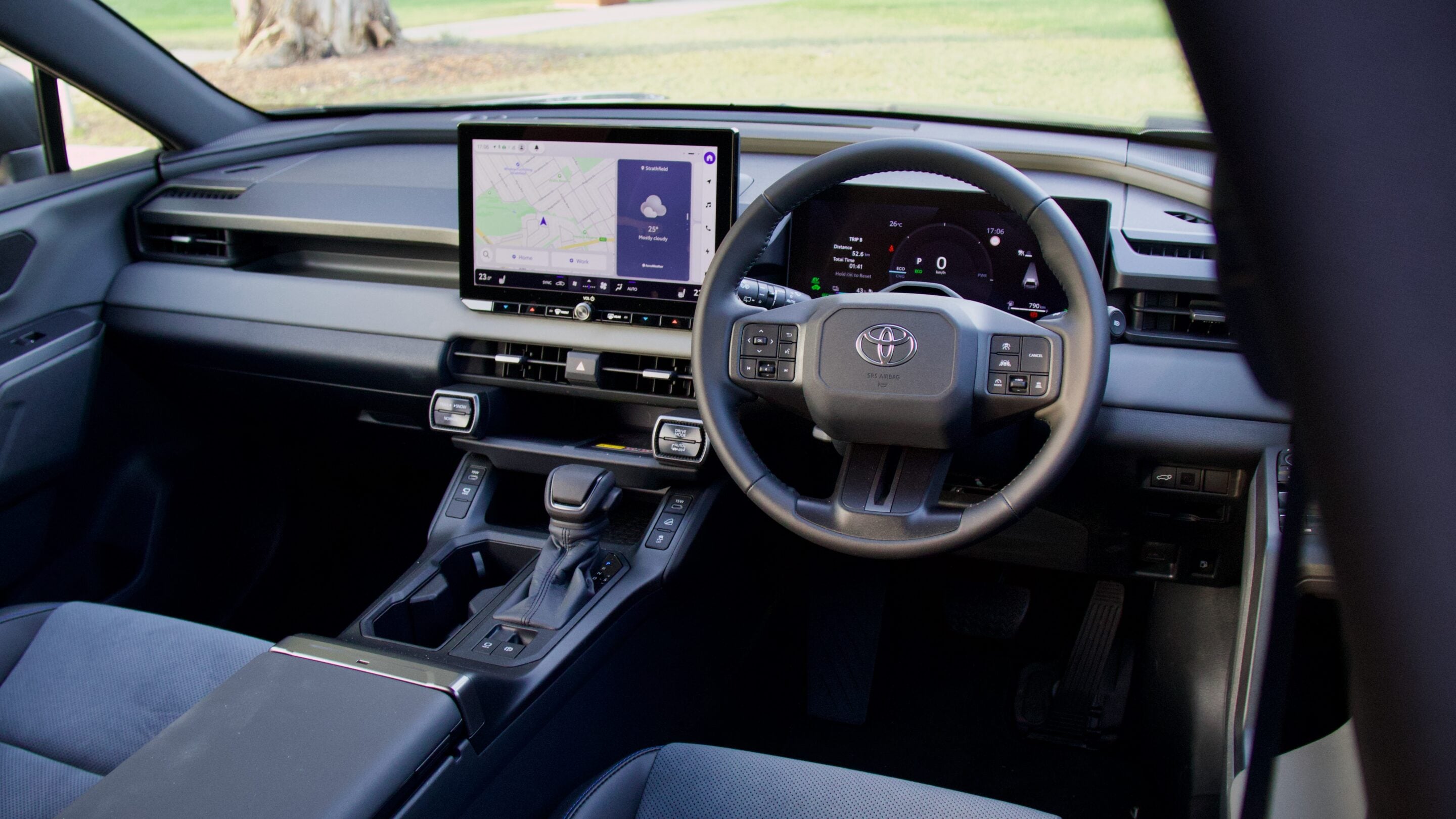
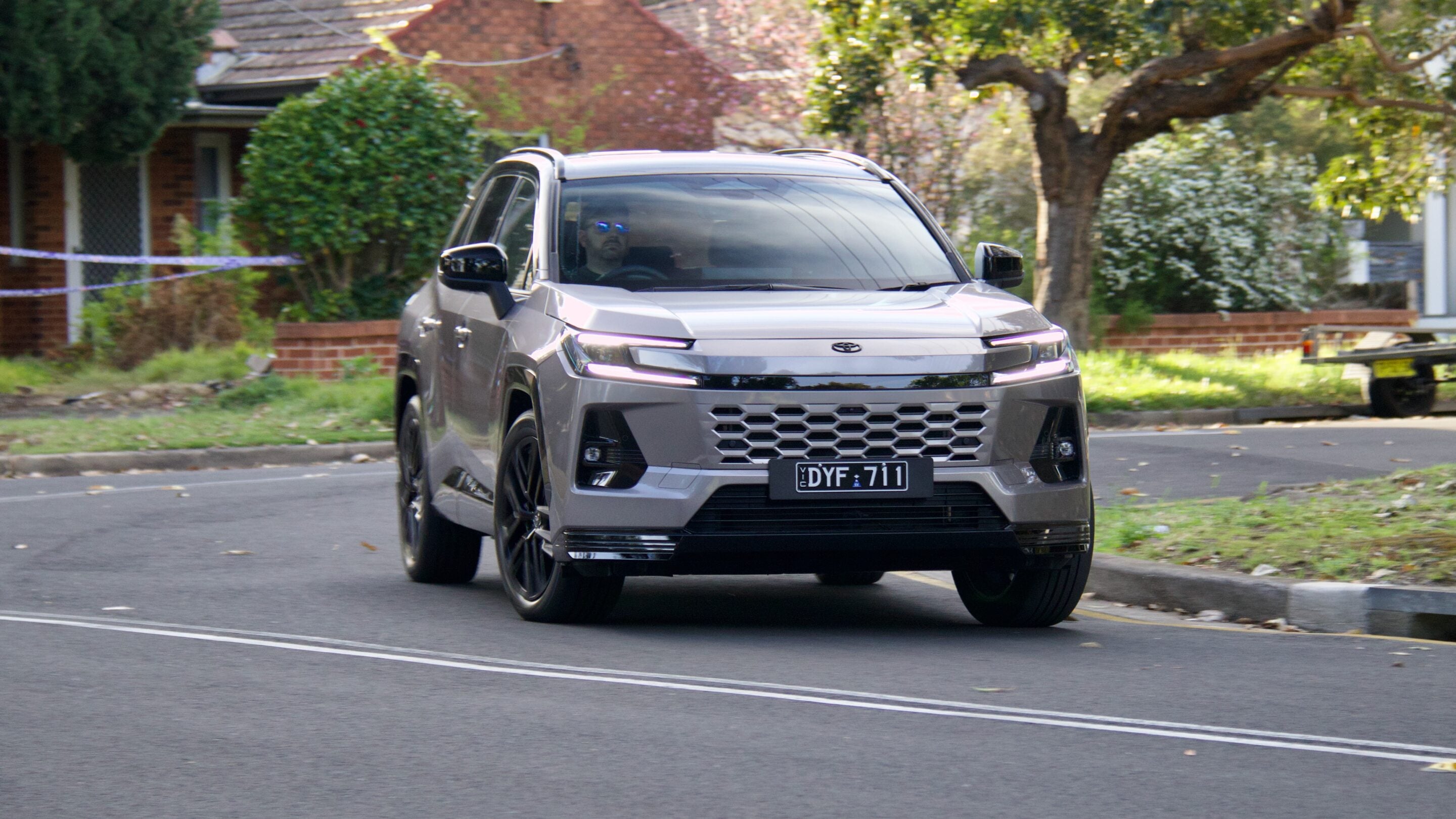
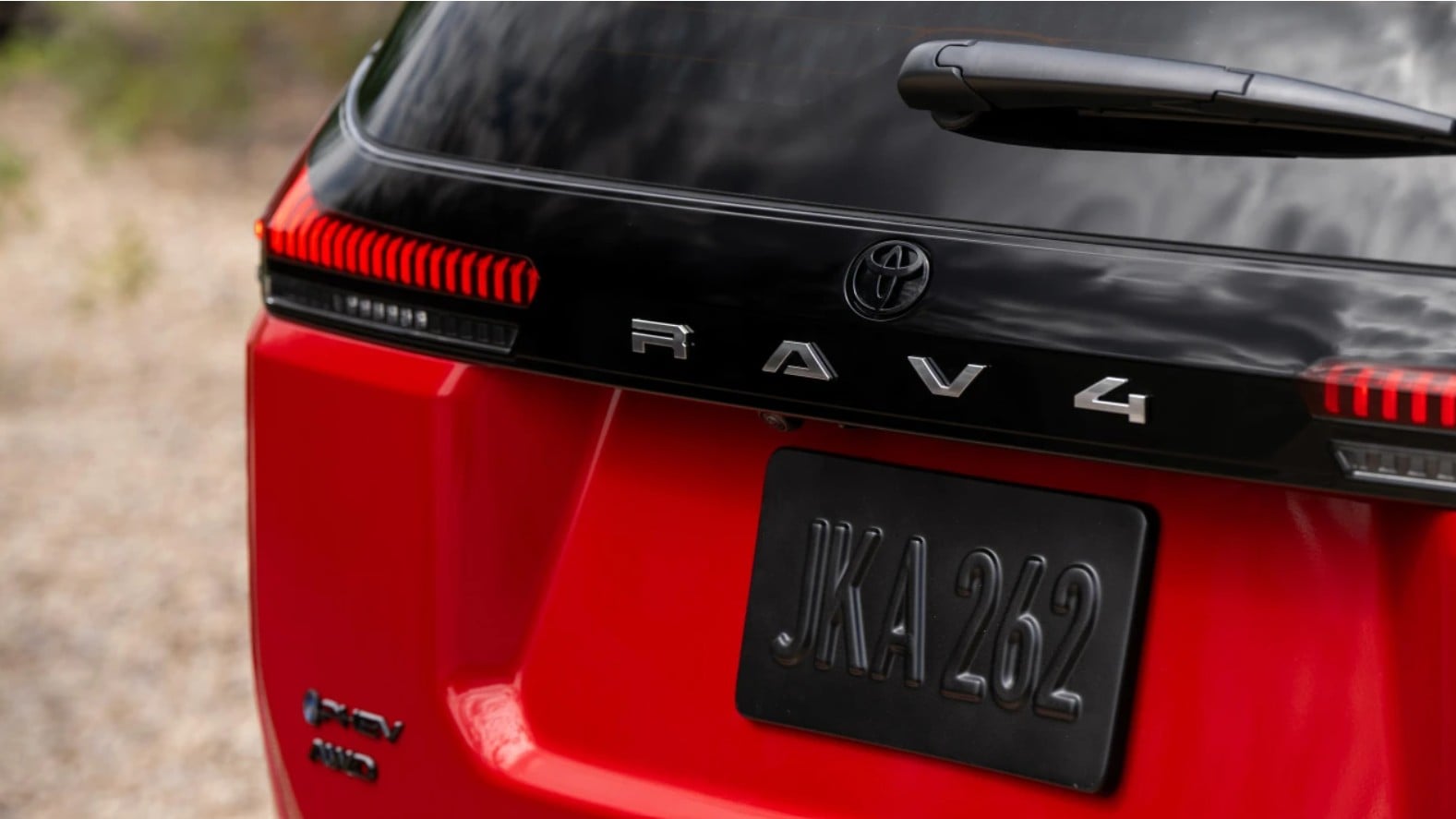
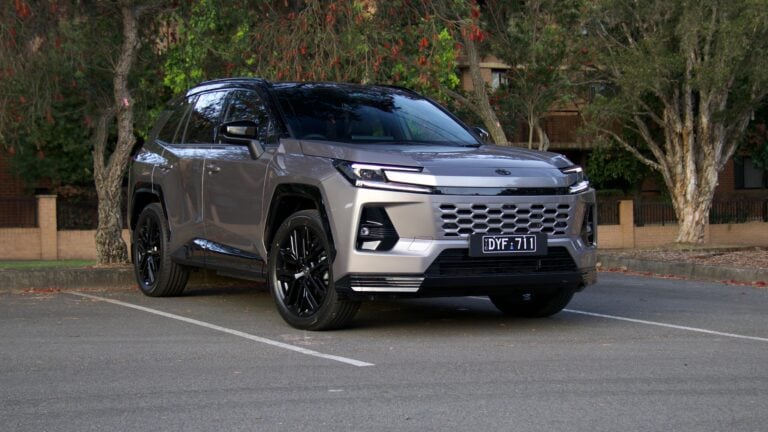
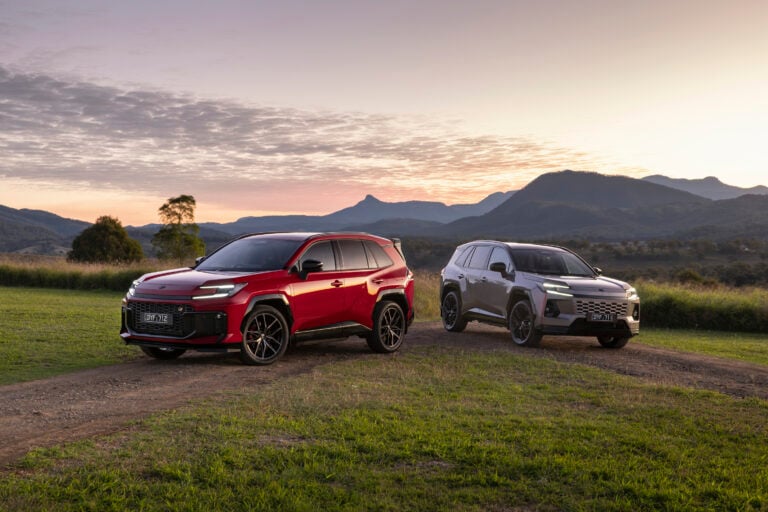
Toyota’s Arene platform made its production debut in the latest-generation RAV4, launched globally in 2025, and will progressively spread throughout the company’s passenger-car and SUV ranges.
Developed to support more efficient software creation and testing, Arene also enables Toyota to gather vehicle data and refine features based on real-world use.
The transition represents a significant shift in how Toyota develops vehicles, placing greater emphasis on software alongside traditional mechanical engineering.
1
It also creates opportunities for additional revenue after a vehicle is sold, potentially through paid software upgrades and subscription-based services.
The strategy follows similar moves by Tesla and several Chinese manufacturers, which have increasingly embraced software-based vehicle architectures and remote updates.
Toyota also intends to expand Arene beyond its own vehicles, with plans to offer the technology to alliance partners as it approaches 2035.
Longer-term ambitions reportedly include connecting vehicles with homes and roadside infrastructure, potentially allowing cars to communicate with buildings and systems monitoring pedestrians.
For Australian motorists, the implications could be substantial. Future Toyota models, including popular vehicles such as the RAV4, Corolla and HiLux, could increasingly receive new capabilities without hardware modifications, although specific Australian rollout plans remain unconfirmed.
The announcement signals Toyota’s determination to compete in an industry where software capability is becoming almost as important as engines, batteries and traditional vehicle engineering.
Follow WhichCar/Wheels on Google
Click the button below to make WhichCar by Wheels a preferred source for your news.

We recommend
-
 Reviews
2026 Toyota RAV4 XSE PHEV review: The sweet spot of the new range brings impressive grunt and charging to the table
Toyota’s first plug-in hybrid RAV4 promises serious EV range and surprising performance, but does that make it more compelling than the regular hybrid?
-
 News
Toyota warns of price hikes for some of its most popular models as it focuses on giving Aussies more EVs
Australia’s new emissions rules could make some popular Toyota models more expensive in 2027, as it prepares a wider range of EV and PHEV vehicles.
-
 News
Would you trust AI to choose your next car? More Australians are doing just that... but there are pitfalls
From asking whether a Ford Ranger is a good buy to comparing ownership costs, AI is changing how Australians research cars and manufacturers are taking notice.
