News

Gallery 1
Toyota Australia has warned prices could rise for some of its most popular models as the Federal Government’s New Vehicle Efficiency Standard (NVES) becomes increasingly strict, but that pressure should be offset as it grows its range of electrified models.
The Japanese brand is calling for a more “equitable and pragmatic” approach to emissions regulations, arguing buyers in rural Australia could be disproportionately affected by tougher targets. Toyota Australia said price increases from 2027 cannot be ruled out under current NVES rules, with models such as the HiLux and LandCruiser 70 Series potentially among those affected.
4
The NVES places annual fleet-wide CO2 limits on manufacturers, with those targets becoming progressively tighter. For Type 2 vehicles – including many utes and heavy off-roaders, which Toyota Australia sells in big numbers – the target drops from 180g/km in 2026 to just 150g/km in 2027.
Toyota supports the NVES and reducing vehicle emissions, but believes in the need to account for customers who cannot easily transition to electric vehicles, like those in rural areas, where big distances and limited charging infrastructure mean diesel- and petrol-powered vehicles remain crucial. Toyota will raise its concerns as part of the legislated review of the NVES that’s due to commence before the end of 2026.
At the same time, it’s planning to increase the number of electric and plug-in hybrid vehicles it sells in Australia, which will no doubt help with NVES compliance. The company is targeting 30 per cent of its Australian sales coming from BEVs, plug-in hybrids and hydrogen vehicles by the end of 2030 as part of what it calls its “30 by 30” strategy.
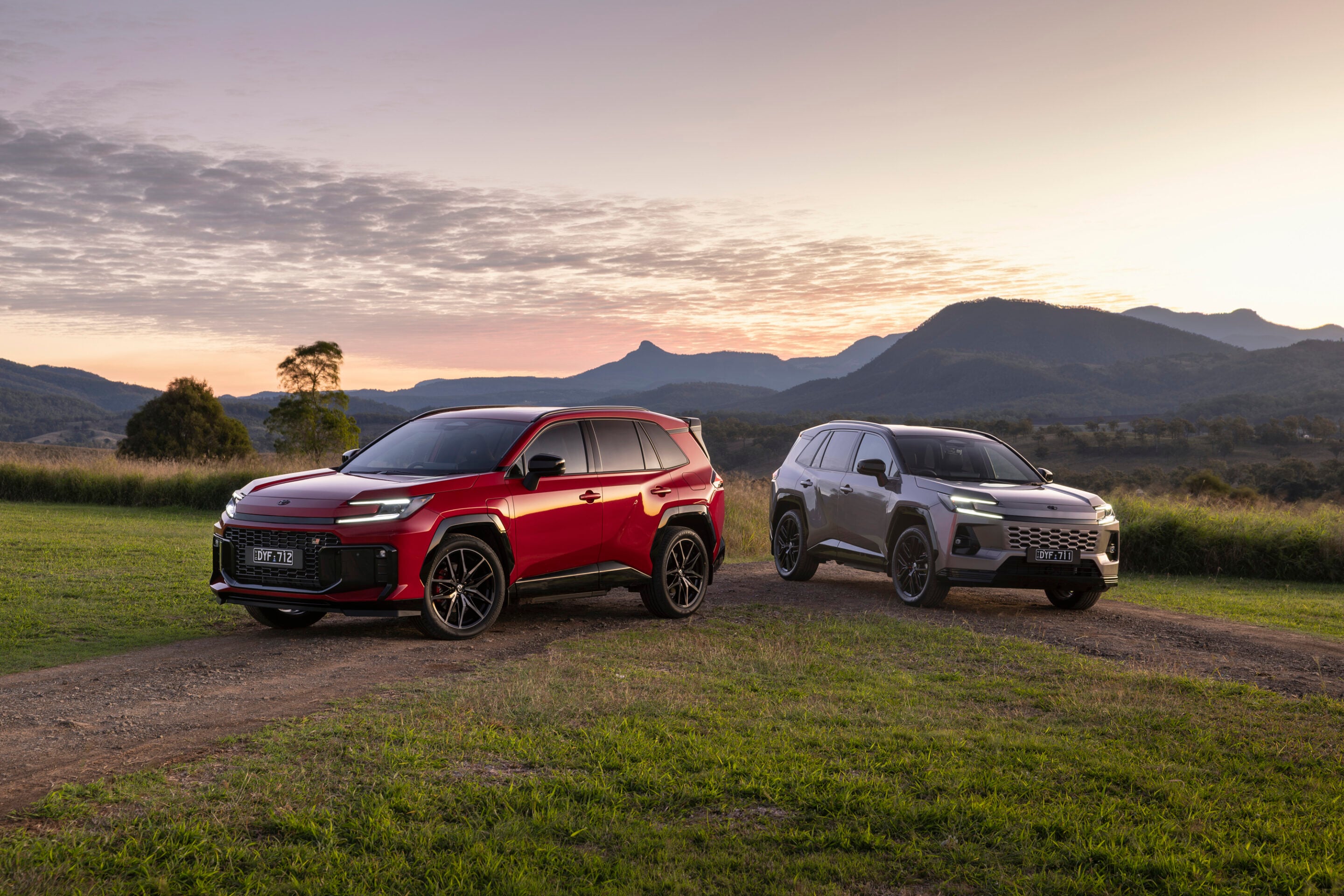
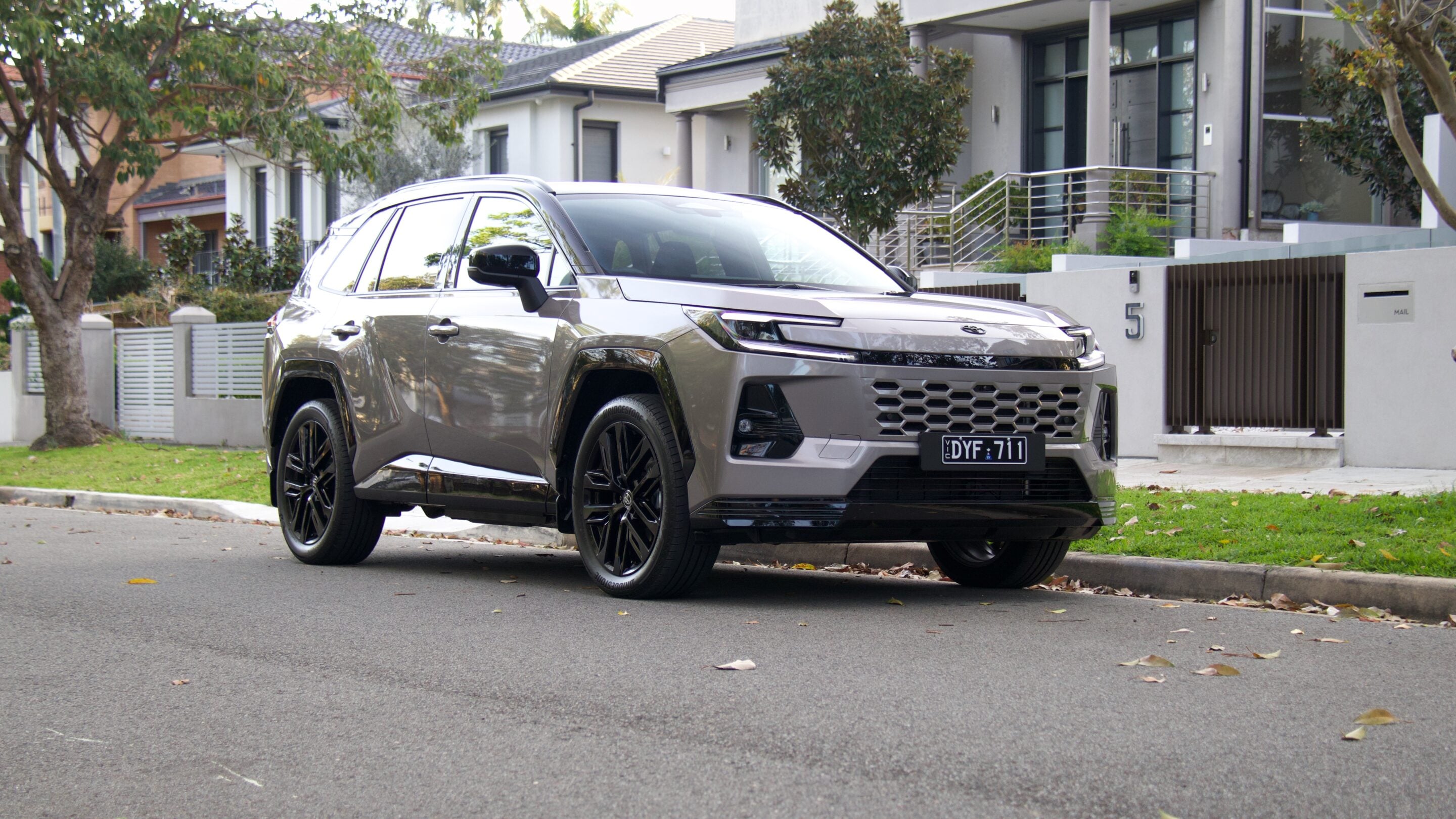
That push has already begun as it launched its first electric HiLux in Australia earlier this year, joining the bZ4X electric SUV, while the new-generation RAV4 has introduced plug-in hybrid power to the model locally for the first time. Toyota will expand its electrified range further in 2027, with the new lower-spec RAV4 GXL PHEV due early in the year, while the new electric C-HR is also due to arrive locally in mid-2027.
Beyond that, the next-generation Corolla is expected to support multiple powertrain types, a move that could be expanded to more models in the range as part of Toyota’s “multi-pathway” strategy. It’s been rumoured that the next Corolla could potentially include petrol, hybrid, battery-electric and hydrogen drivetrain options to cover multiple global markets, a move that cars like the RAV4 could follow with.
Follow WhichCar/Wheels on Google
Click the button below to make WhichCar by Wheels a preferred source for your news.

We recommend
-
 Reviews
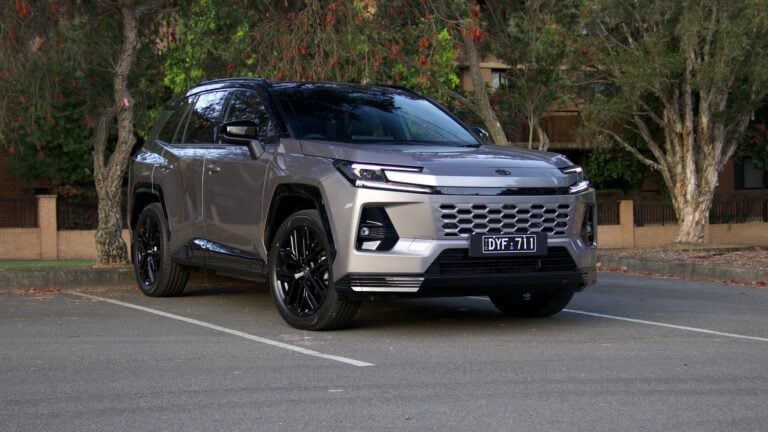
2026 Toyota RAV4 XSE PHEV review: The sweet spot of the new range brings impressive grunt and charging to the table
Toyota’s first plug-in hybrid RAV4 promises serious EV range and surprising performance, but does that make it more compelling than the regular hybrid?
-
 News
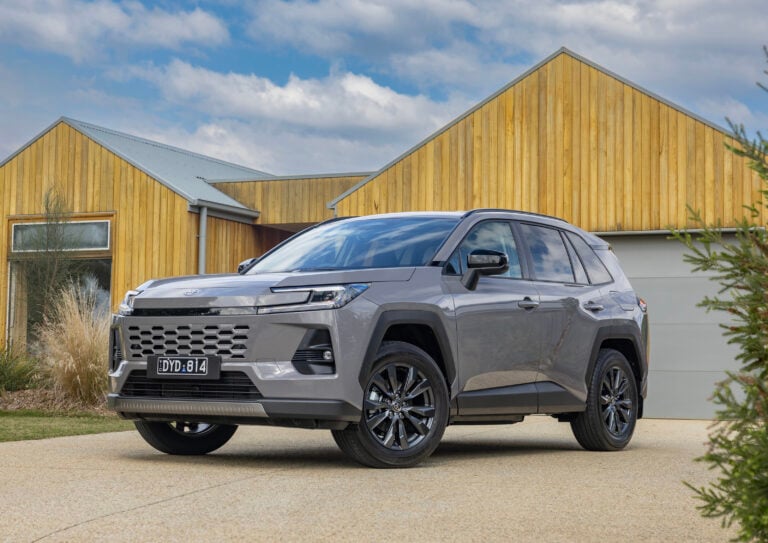
NewsToyota RAV4 plug-in hybrid gets cheaper with the new entry-level GXL
Toyota will expand the new RAV4 line-up with a more affordable GXL plug-in hybrid, joining the existing XSE and GR Sport PHEV variants.
-
 News
NewsToyota strikes out in bold new direction as it makes unexpected move to broaden its EV line-up
The decision on range-extending EVs will reportedly see Toyota begin production in China next year.