
News
Gallery 1
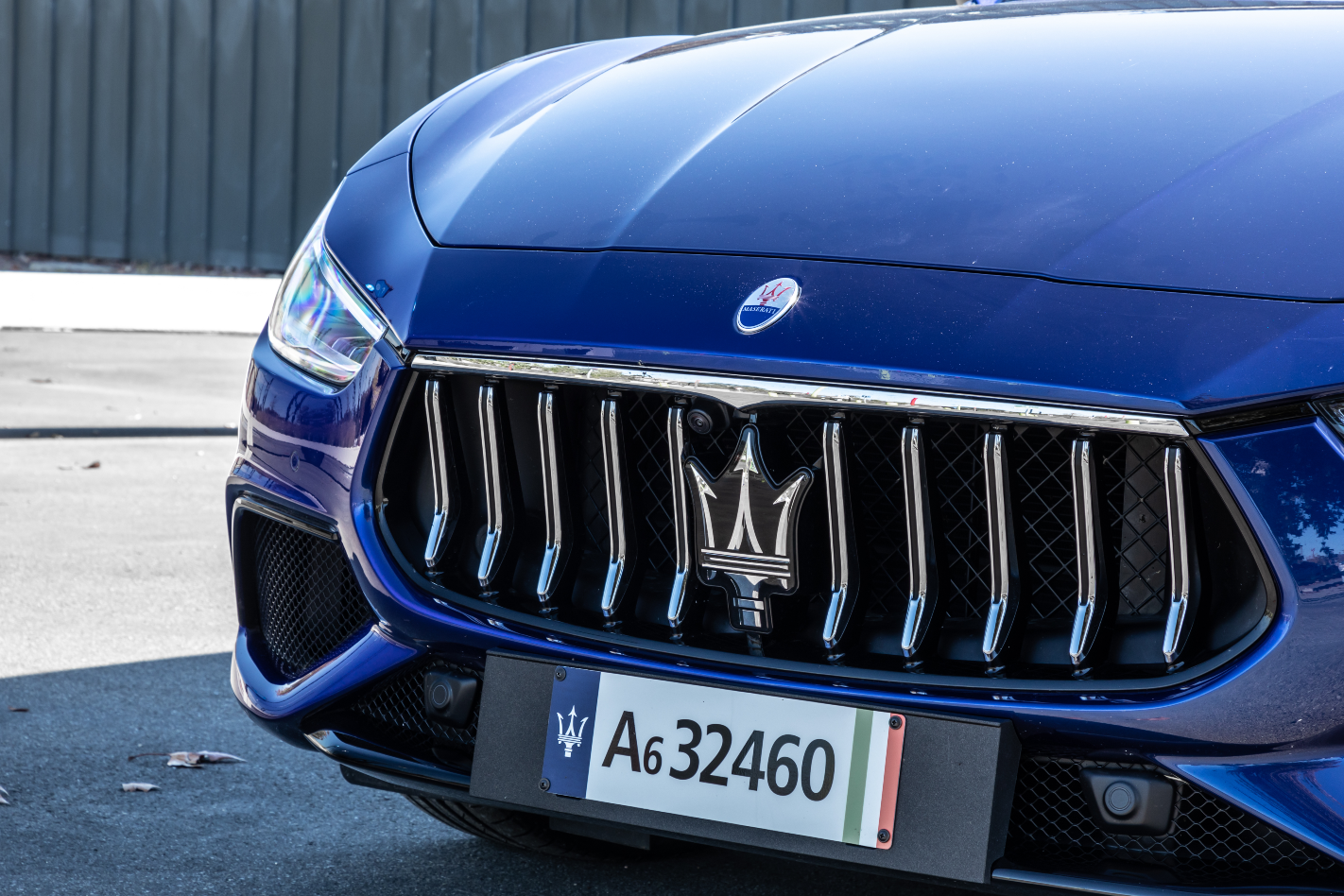
Maserati is preparing to unveil a new generation of vehicles as parent company Stellantis attempts to revive the fortunes of the struggling Italian luxury carmaker.
The brand’s absence from the 2026 Paris Motor Show raised further questions about its future, but Stellantis CEO Antonio Filosa has confirmed that a comprehensive recovery strategy will be announced in Modena, Italy, in December.
“Maserati will be presented in December, in Modena. It won’t just be about slides, but a real plan that will secure the future for our beloved luxury brand,” Filosa told journalists.
The announcement comes after several difficult years for Maserati, during which sales have fallen sharply and questions have mounted over its long-term viability within the Stellantis group.
1
The company’s move towards electrification, combined with the discontinuation of its V8-powered models, has failed to generate the customer demand originally anticipated.
Filosa acknowledged the need for substantial investment in the brand’s future models and underlying engineering.
“Maserati needs product, Maserati needs technology, and these will be extensively presented in Modena in December,” he said.
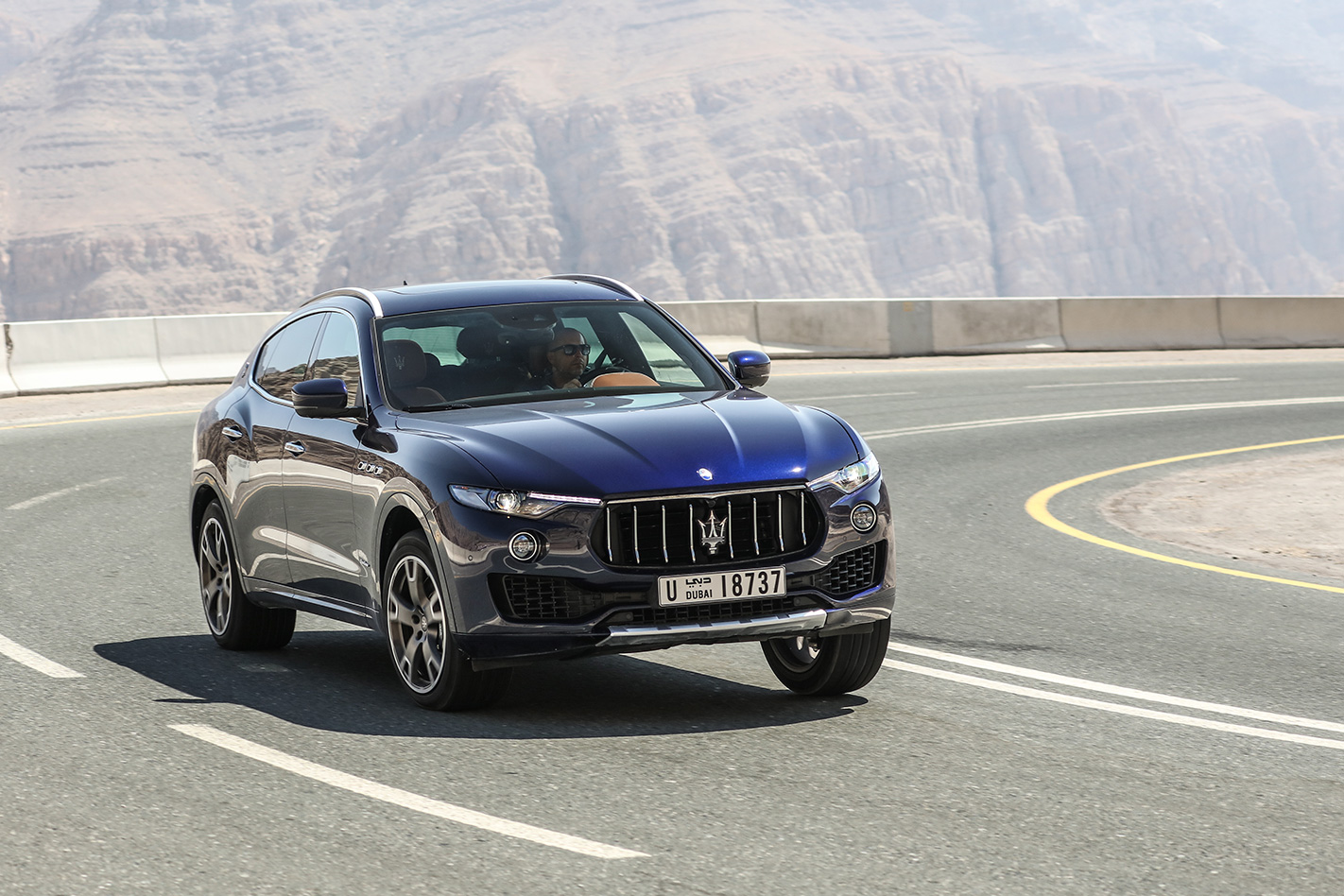
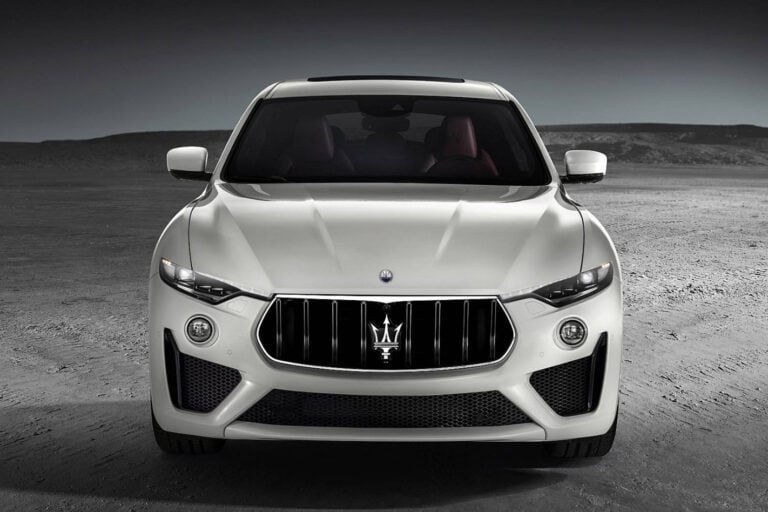
A central component of the proposed revival will be a replacement for the discontinued Levante SUV (above), which previously competed against the Porsche Cayenne, BMW X5 and Mercedes-Benz GLE.
Maserati CEO Santo Ficili confirmed that a concept previewing the new vehicle will form part of the December presentation.
“A new concept car will be presented. Let me call it Levante, just to say that we are coming back to the E SUV segment,” Ficili said.
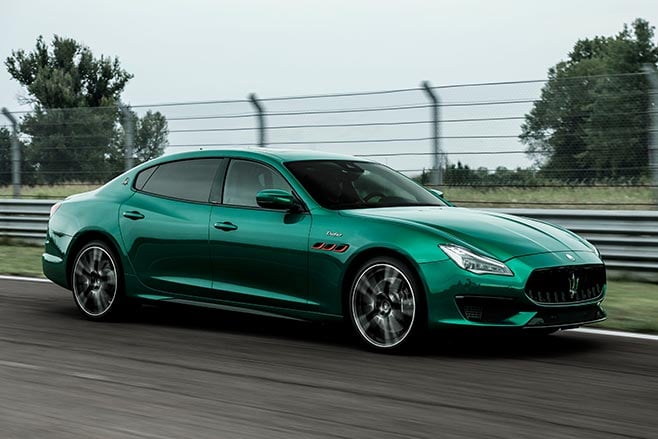
The company is also considering a radical reinterpretation of its traditional Quattroporte flagship, potentially abandoning the familiar luxury sedan format in favour of a more unconventional body style.
“The story of the Quattroporte, in my mind, for the future is not a sedan. It can be something between a shooting brake and a crossover: a very low, big car to come back to this part of the segment,” Ficili explained.
1
Such a move would represent a significant departure for a nameplate historically associated with large, powerful four-door luxury sedans.
Ficili also outlined how Maserati intends to restructure its model portfolio around two principal product families.
“We can imagine having the brand built on two different pillars. One is the world of the GranTurismo, where today we are okay because we have the MC20, the GT2 Stradale, the GranCabrio, the GranTurismo. Then Levante, [which] is a Quattroporte SUV… We need to come back to this pillar, and in the middle we have the Grecale that is supporting the volume of the brand.”
Under this approach, Maserati’s sports cars and grand tourers would continue to provide the brand’s performance credentials, while larger luxury SUVs and crossover-style vehicles would become increasingly important to its commercial recovery.
The existing Grecale would remain positioned between those two groups, providing a more accessible entry point to the Maserati range.
However, significant challenges remain. Despite belonging to one of the world’s largest automotive groups, Maserati faces fierce competition from established luxury manufacturers with substantial resources devoted to electric vehicle technology, software development and new platforms.
The December announcement will therefore be closely watched for details of the technology, investment and production plans supporting the proposed new models.
For Maserati, the challenge extends beyond introducing replacements for discontinued vehicles. It must rebuild customer confidence, establish a sustainable product strategy and demonstrate that its distinctive Italian performance and luxury identity can remain relevant in a rapidly changing market.
Whether the proposed Levante and Quattroporte successors can deliver that turnaround remains to be seen.
Follow WhichCar/Wheels on Google
Click the button below to make WhichCar by Wheels a preferred source for your news.

We recommend
-
 News
NewsMaserati’s major milestone as it becomes the longest standing brand in Italy’s Motor Valley
Maserati this month marks the 111th anniversary since its founding by Alfieri Maserati and his brothers Ettore and Ernesto in Italy.
-
 News
NewsMaserati confirms Australian pricing and timeline for 2026 MCPura supercar
Carbon-fibre chassis, twin-turbo V6 engine and butterfly doors headline Maserati’s next-generation supercar, with limited Australian allocations priced from $450,000 ahead of early 2026 deliveries.
