
Opinion

Gallery 1
I recently copped a bit of blowback for having a dig at Porsche’s GT3 and, indirectly, their owners by choosing a drive in a McLaren Artura in the April 2026 edition of Wheels over a Porsche 911 GT3 RS.
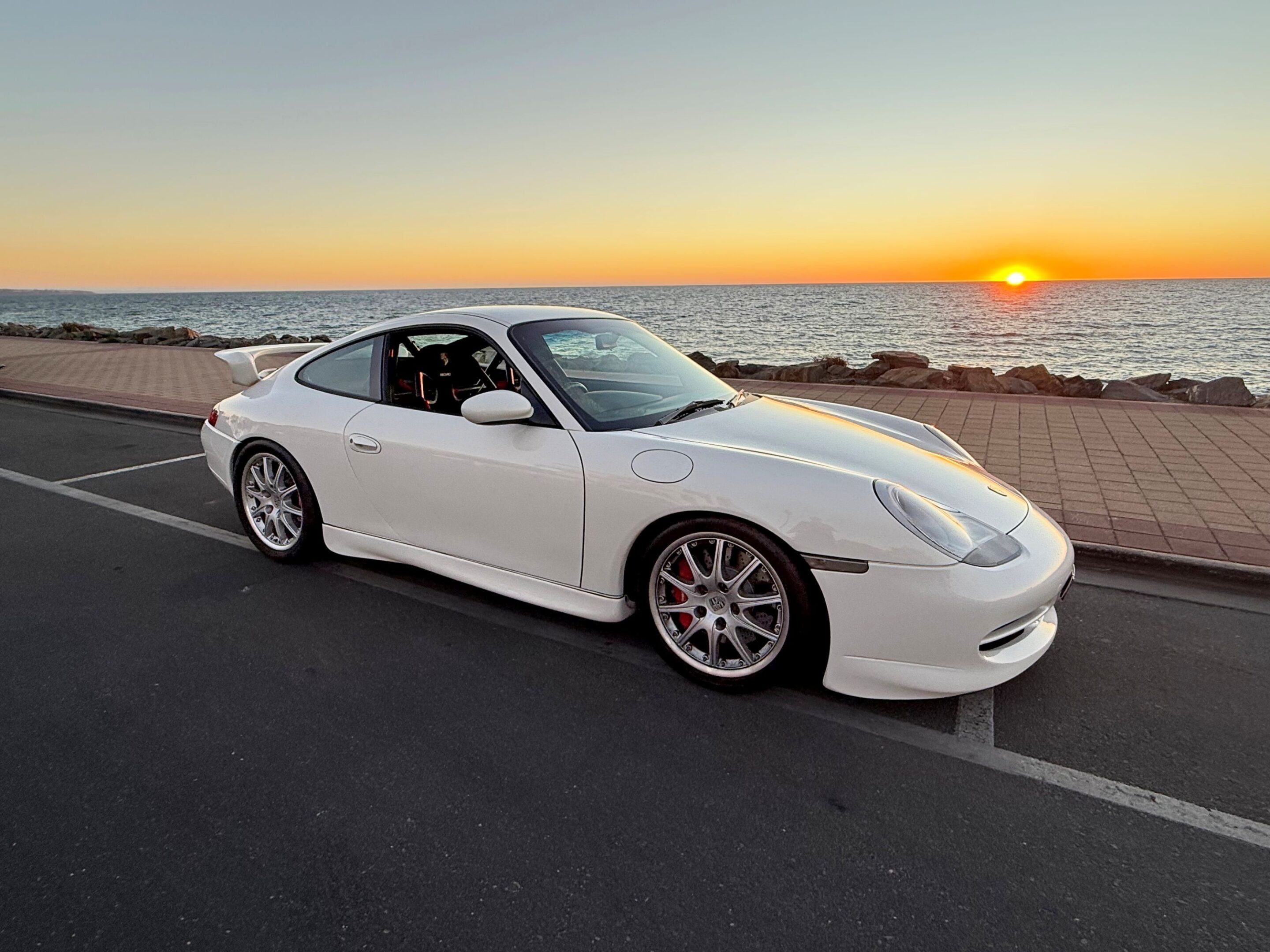
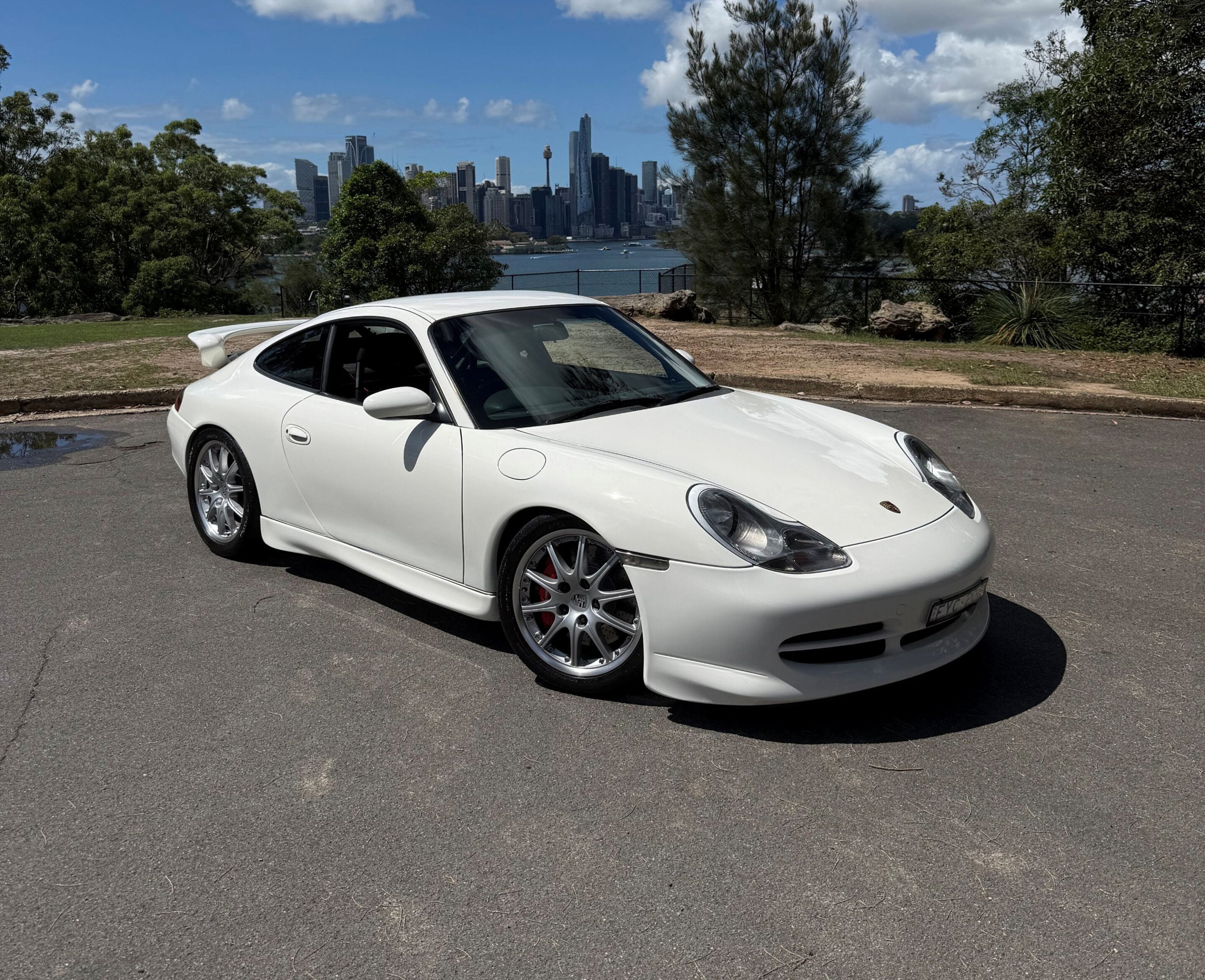
The funny part is that I own a 911 GT3 (pictured), which I forgot to mention and makes me quite different to the typical GT3 owner because it’s usually the first thing they mention about themselves (and the last).
But I’m in a bit of a bind because when it comes to the GT3, I now find myself admiring the car while questioning what it’s become. It’s one of the world’s most celebrated driver’s cars but it’s also become one of the world’s most annoying status symbols.
1
The difference between my car – a highly original 1999 Series 1 Club Sport – and the latest 992.2, is about as wide a void as you’re likely to find between two cars carrying the same badge. The original GT3 existed because Porsche wanted to compete on track. Built to homologate Porsche into the then-new GT3 category, it was essentially a race car body with a true race-car engine wearing road-car tyres. The interior had the rear seats removed and sound deadening was stripped back to rather thin carpet. The options list consisted of a CD player (connected to speakers that you can’t hear), air-conditioning and a choice of no roll cage, a half cage or a full cage. Mine has the half cage, largely because I enjoy getting in and out of it.
However what made the original GT3 special wasn’t that it was ‘stripped out’ – plenty of cars have been put on that diet over the years. It was that Porsche built it because racing demanded it, not because customers did. As such the original GT3 feels like a race car that accidentally became a great road car.
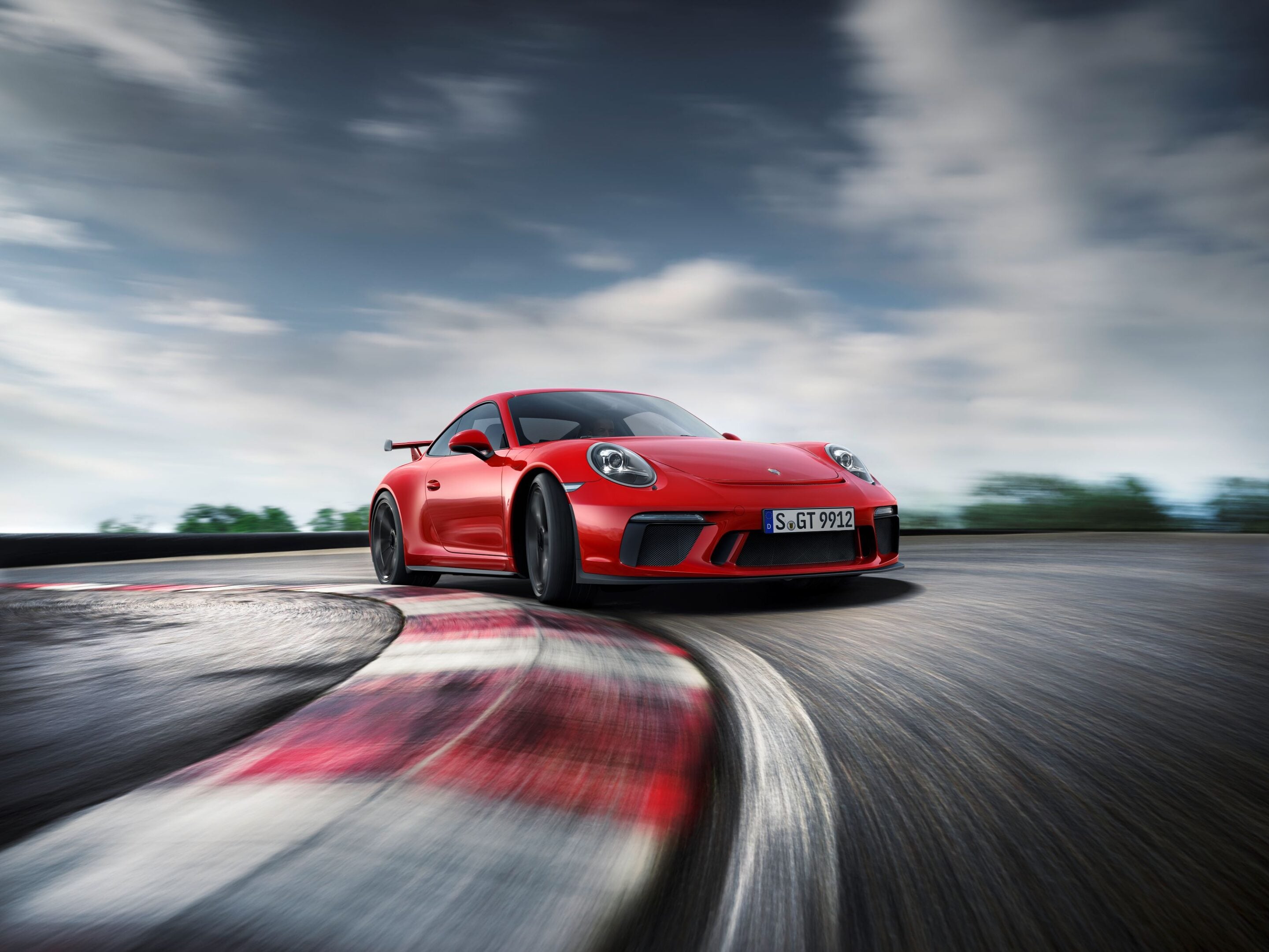
Now, jump onto the online configurator for the latest GT3 and print out the options list. Just make sure you’ve loaded a full roll of Reflex copy paper into the printer first. I’ll draw your attention to my favourite item: carbon-fibre windscreen wiper arms. Cost? $2620. For wiper arms.
The amazing thing isn’t that Porsche offers them because they offer almost everything in carbon-fibre. The amazing thing is someone ticks the box convincing themselves they’ve improved the car rather than simply increased the final invoice.
1
And if you were to dare question the need for carbon wiper arms you will likely be met with the response that it’s about saving weight on track. At which point you’re perfectly allowed to suggest they could save considerably more weight by eating less, fuelling the car only for the laps they actually intend to do, or by removing the five GoPros mounted in the cabin to capture just how great they are.
These carbon choices aren’t really about performance gains. They’re about bragging rights. The original GT3 addressed weight because Porsche engineers were trying to make a race car faster by making it lighter. The modern GT3 customer often obsesses over weight because they want everyone at the Sunday morning coffee stop to know they ticked the expensive box. One is engineering. The other is attention-seeking masquerading as engineering.
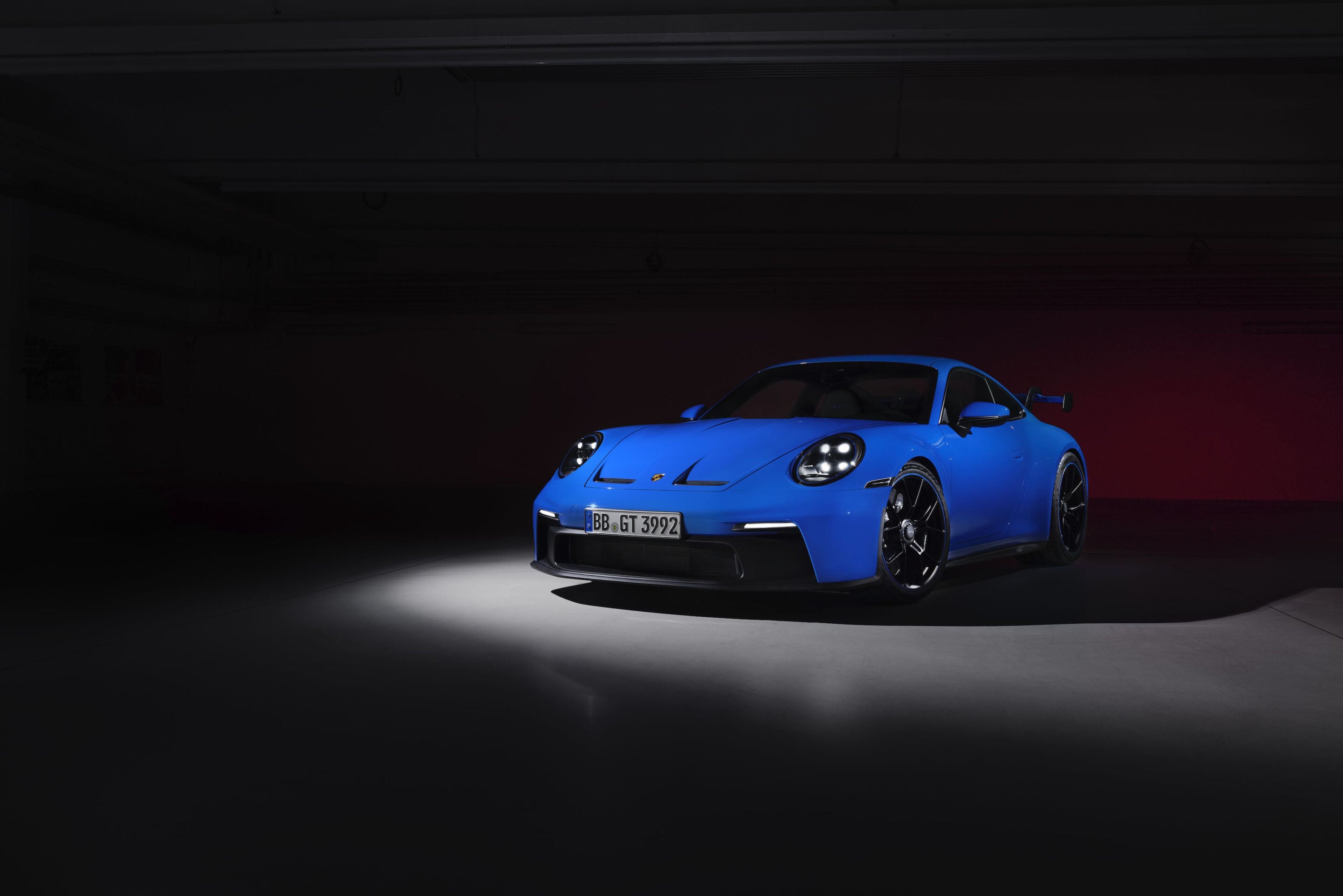
The sad thing is that all of this distracts from the fact the current GT3 is phenomenal. As should be expected of a car that’s been developed over 25 years, in almost every measurable way it’s a vastly better performance car than my car. In fact, it’s in another league entirely. That’s what makes the whole thing so frustrating because the GT3 itself hasn’t lost its way – but the majority of people buying them have.
1
Owners started talking about allocations, resale values and option codes. It’s not about the driving experience; the credibility now comes from what was paid over standard RRP.
The original GT3 was built for drivers but the modern GT3 increasingly feels like it’s made for people who will flag the idea of going to a track day, provided nobody expects them to actually do it. Somewhere along the way, ownership became more important than driving. Which is a shame because hidden underneath the carbon-fibre options list, allocation games and social-media theatre is one of the greatest driver’s cars ever built.
In defence of Porsche engineers, it wasn’t them who changed the GT3 formula. They have never stopped perfecting it. What changed wasn’t the philosophy of the car. What’s changed is the buyer.
This story first appeared in the July 2026 issue of Wheels magazine, now on sale. Subscribe here and gain access to 12 issues for $109 plus online access to every Wheels issue since 1953.
Follow WhichCar/Wheels on Google
Click the button below to make WhichCar by Wheels a preferred source for your news.

We recommend
-
 News
NewsPorsche confirms it has a new mid-engine hypercar in the works – but there's bad news for fans of the 718
Porsche has released its Sportwagenschmiede '35’ plan, and it's good news for fans of outrageous performance cars.
-
 News
NewsAll-electric Porsche Boxster comes back from the dead as it's snapped at the Nürburgring
Reports said Porsche was going to kill the 718 electric sports car program, but new photos tell a very different story.
