Opinion

Gallery 1
A write-off. This simple phrase has always been powerful and emotive to me, like “shark” or “root canal therapy,” although I’ve only had first-hand experience with the lattermost.
If you’d told me a few weeks ago that my wife was going to have an accident that would write off her car, I’d have pictured myself in therapy about now. Thankfully she’s perfectly okay, and I would almost have said the same of the little Mercedes-Benz B250 we bought used about four years ago, an empty-nester downsize from the previous SUV.
But the B is not to B.
The accident, such as it was, lacked only a swipe of yellow paint from a steel pole in a supermarket car park. It actually happened at home: she took a phone call as she exited our garage, which involves driving forwards into an immediate 90-degree left turn into the narrow driveway.
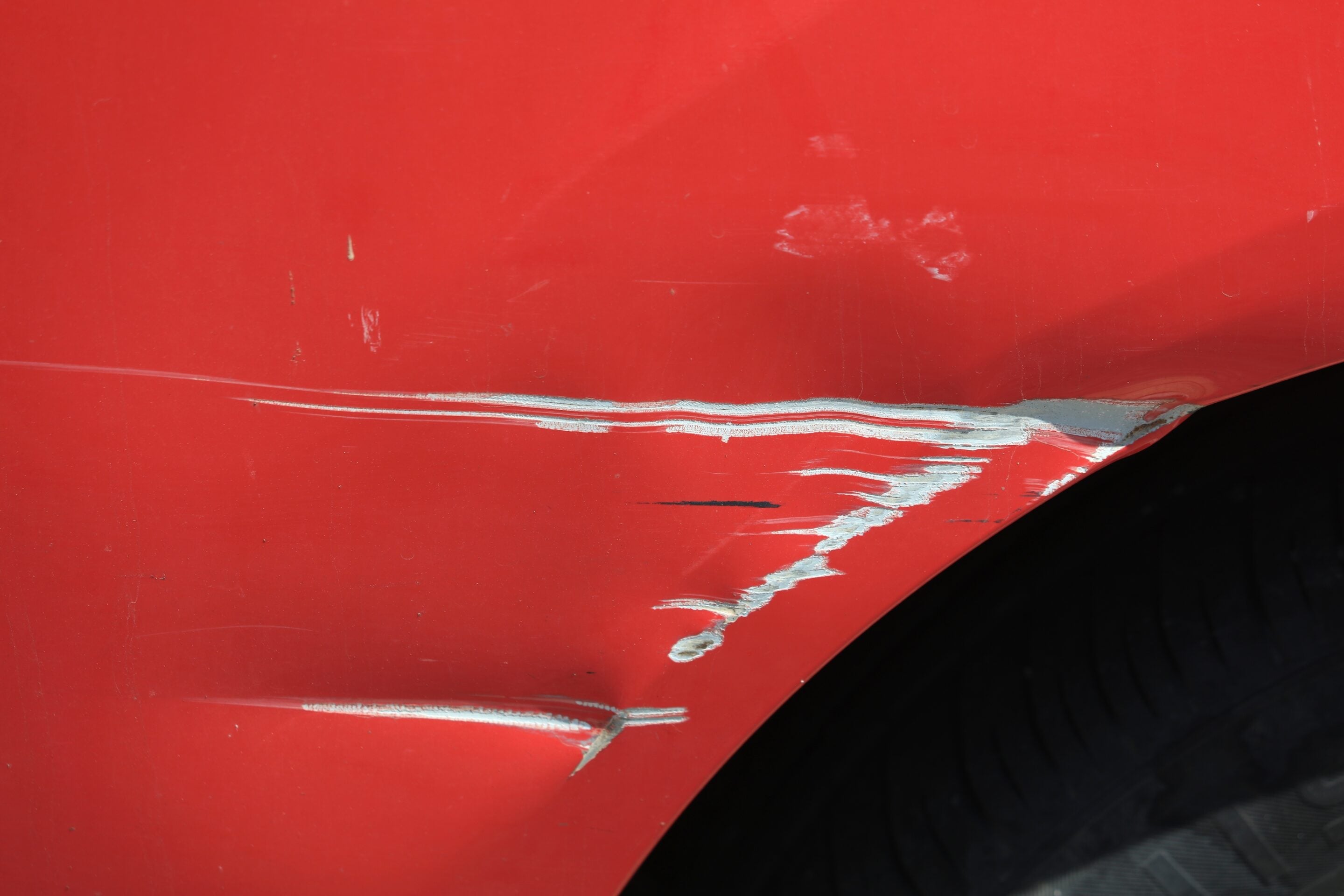
She’s been doing this for 14 years without incident, but this time she turned too soon. The concrete corner of the garage snagged the B-Class on the left rear quarter panel, above the wheel. I later had to digest the crunch when I viewed it on the garage security camera.

1
The panel was pushed in and scraped for about the width of the wheel. While the tyre was scuffed, it was apparent that the wheel itself hadn’t contacted the wall.
This was hardly the stuff of bent chassis rails or (this being all-wheel drive) a deranged driveline. Indeed, after my brief inspection, she kept driving it for a couple more weeks – feeling emboldened by the $4500 we’d spent only a month earlier on a new inlet manifold, thermostat, serpentine belt, rear brake rotors and intermediate service at 80,000 kays.
She called about the insurance claim and was told to drop the car in for assessment. A few days later, a guy phones from the panel shop. My wife says, “I’ll just go get my husband. He’s, uhh, some kind of motoring expert.”
I guess I’m not, because it was like we were suddenly talking about quantum-optimised aerospace construction when this guy quoted $36,000.
I naturally asked if the whole chassis was skewed or if there was something equally serious I’d missed. I had noted the B-Class’s rear quarter was part of one panel that extended all the way forward to the base of the A-pillar.
The panel shop guy explained his shop didn’t do half-arsed jobs using body filler; that the repair would involve replacing that whole panel. Even at that, I thought: “Yeah? So?”
What I had really been missing was the last 10 years’ worth of eye-opening increases in the cost of labour and replacement parts.
The Insurance Council of Australia in March 2025 noted a 42 per cent increase in the average cost of vehicle accident claims between 2019 and 2024. The cost of vehicle repairs, accounting for about 60 per cent of that average claim cost, increased by 26 per cent between 2022 and 2025. (The other 40 per cent is things like replacement rental cars).
The ICA partly blames these cost increases on some car makers covertly controlling the supply of parts. Since 2022, manufacturers have been obliged to make diagnostic and repair information available to independent repairers, but the ICA has noted a trend among some newer brands only selling parts – and/or the software to integrate them – to its own network.
The motive, you’d like to think, is to better control the integrity of repairs. But an obvious side effect is fewer available repairers and less pricing competition. Hence, higher repair costs.
I was just enough of a motoring expert to know that our 2017 B250’s market value was well shy of $36,000. But the words still came as a shock when, a few days later, the insurance company phoned. A write-off.
My wife went out to the insurer’s yard to collect all the stuff from her car. All the day-to-day things. Sneakers in the boot. A First Aid kit. Six pairs of sunglasses, most broken. Wads of tissues and tubes of lip balm in the door pockets. Reusable paper shopping bags that no-one remembers to reuse. The private rego plates, for her next car.
I was busy and so didn’t go. It was a few days later that I realised I’d taken out the owner’s manual and service booklet at some point during this kerfuffle, and still had those and the spare ignition key in my office.
It’s still a sad, sinking feeling that there is no longer a car to return them to. It would feel too weird to just throw them out.
I never got to say goodbye.
This story first appeared in the August 2026 issue of Wheels magazine, now on sale. Subscribe here and gain access to 12 issues for $109 plus online access to every Wheels issue since 1953.
Follow WhichCar/Wheels on Google
Click the button below to make WhichCar by Wheels a preferred source for your news.

We recommend
-
 Opinion
Michael Stahl: The incredible story of how Kerry Packer came to own his first Audi Quattro
A rally-bred Audi and a billionaire’s singlemindedness – how Kerry Packer set his sights on a right-hook Quattro performance coupe in the 1980s.
-
 Opinion
Paul Gover: It was during a fancy restaurant meal I realised Australia's car industry was doomed
You go to some nice restaurants as a car journo... but one fine-dining meal more than a decade ago left a bitter taste in my mouth.