
Opinion

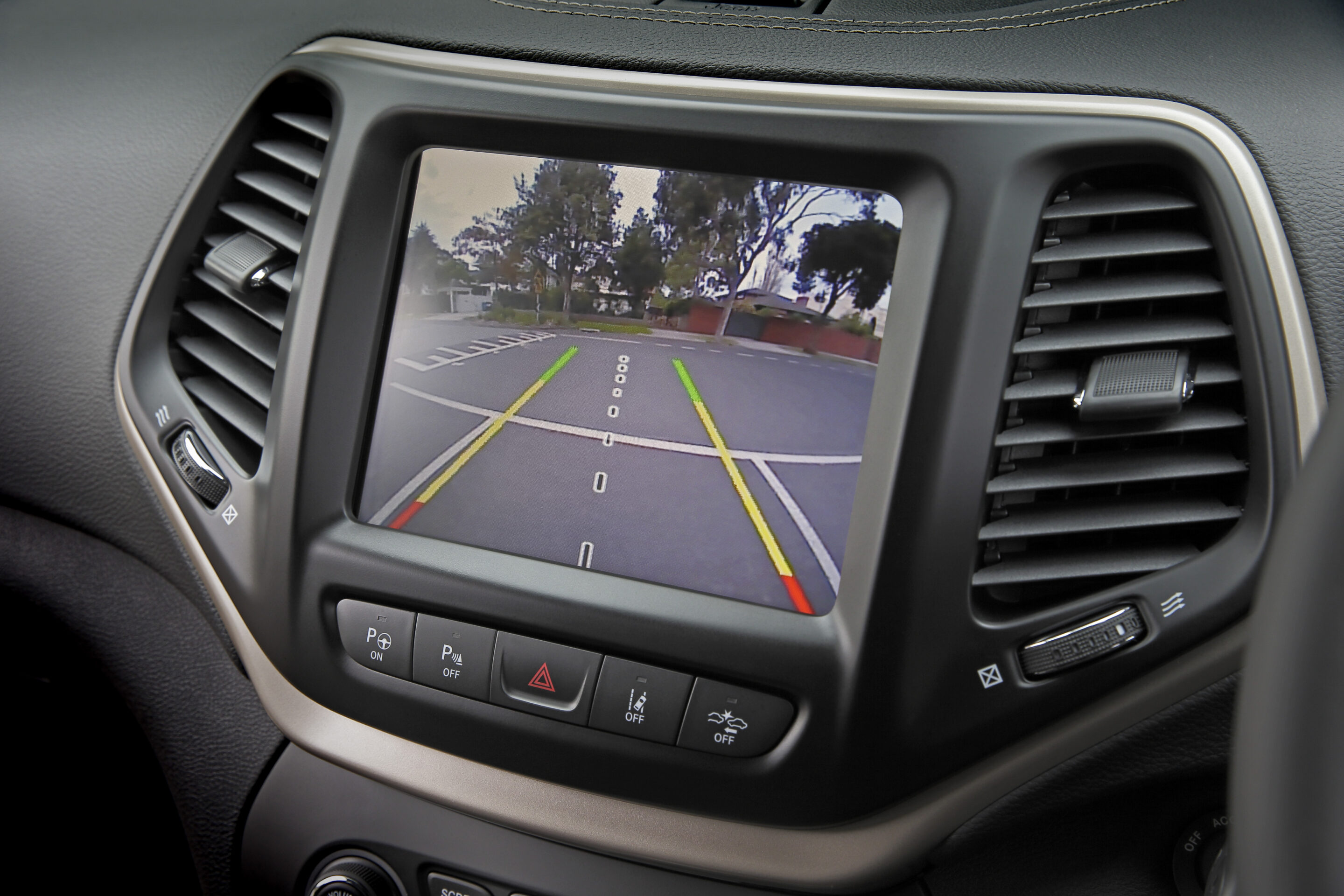
Gallery 1
My mate Peter Lyon in Tokyo won his wife with one of the most devastating old-school moves in motoring.
It was the same one used to swooning effect by Tommy Hancock outside my local record store in Campbelltown, on the far western limits of Sydney, in the 1970s.
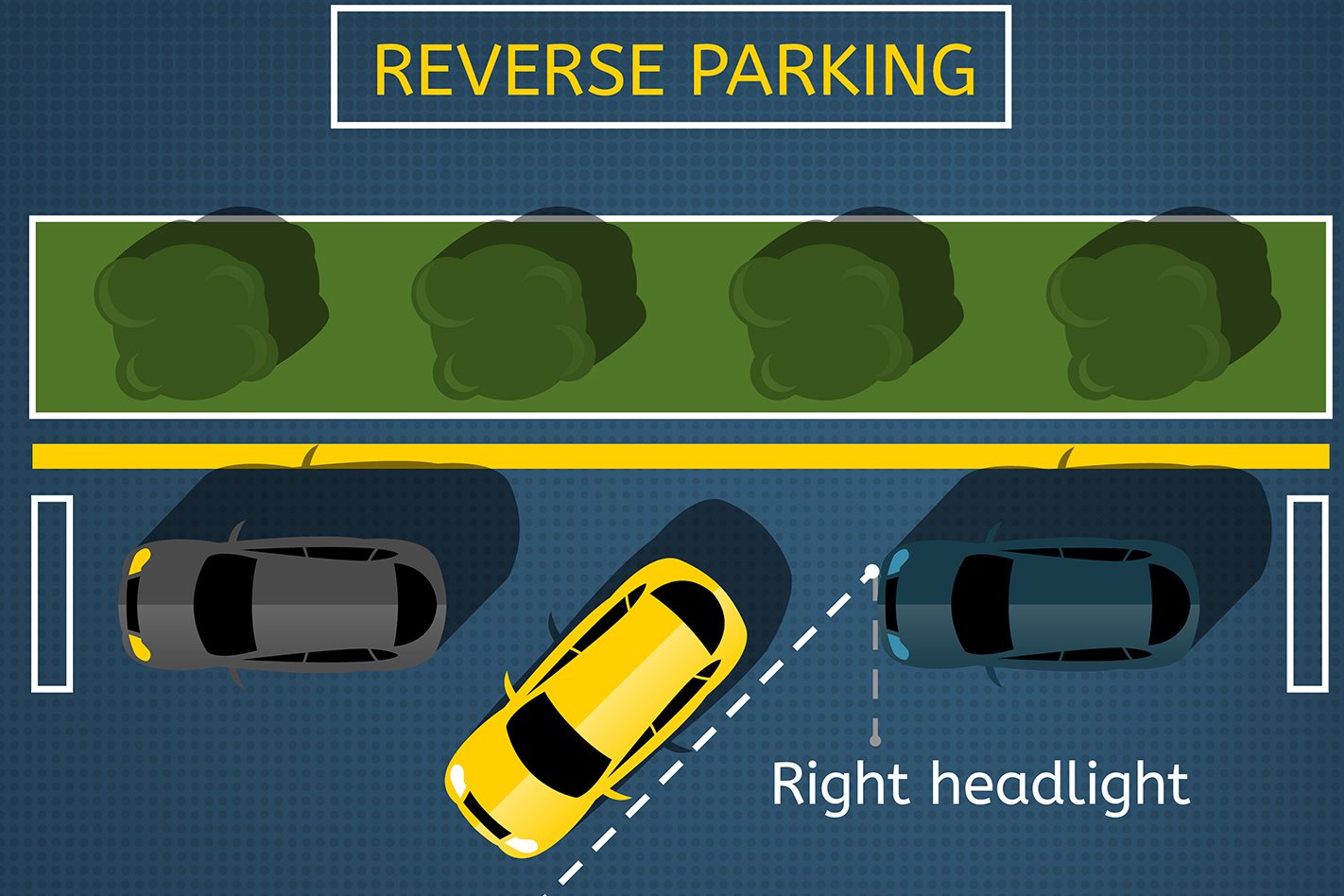
Tom, who was the ‘Fonz’ in our friend group, could wheel his blue HT Holden Belmont like no-one else and was the champion when the car crew turned weekly parade ‘laps’ up and down Queen Street. His sweetest move was reverse parking, usually into a spot that was only marginally longer than the big chromed bumpers on his lowered cruiser, in front of an admiring crowd.
Things were different, but still the same, in Tokyo as Peter-san wooed his own locals, including his future wife Mami.
“He could reverse park. This was very appealing. None of the Japanese boys could do it,” Mami once told me.
Peter’s impressive wheel work helped him to win her heart, even if he was just a lowly motoring journalist while she was a pop singer and television star.
1
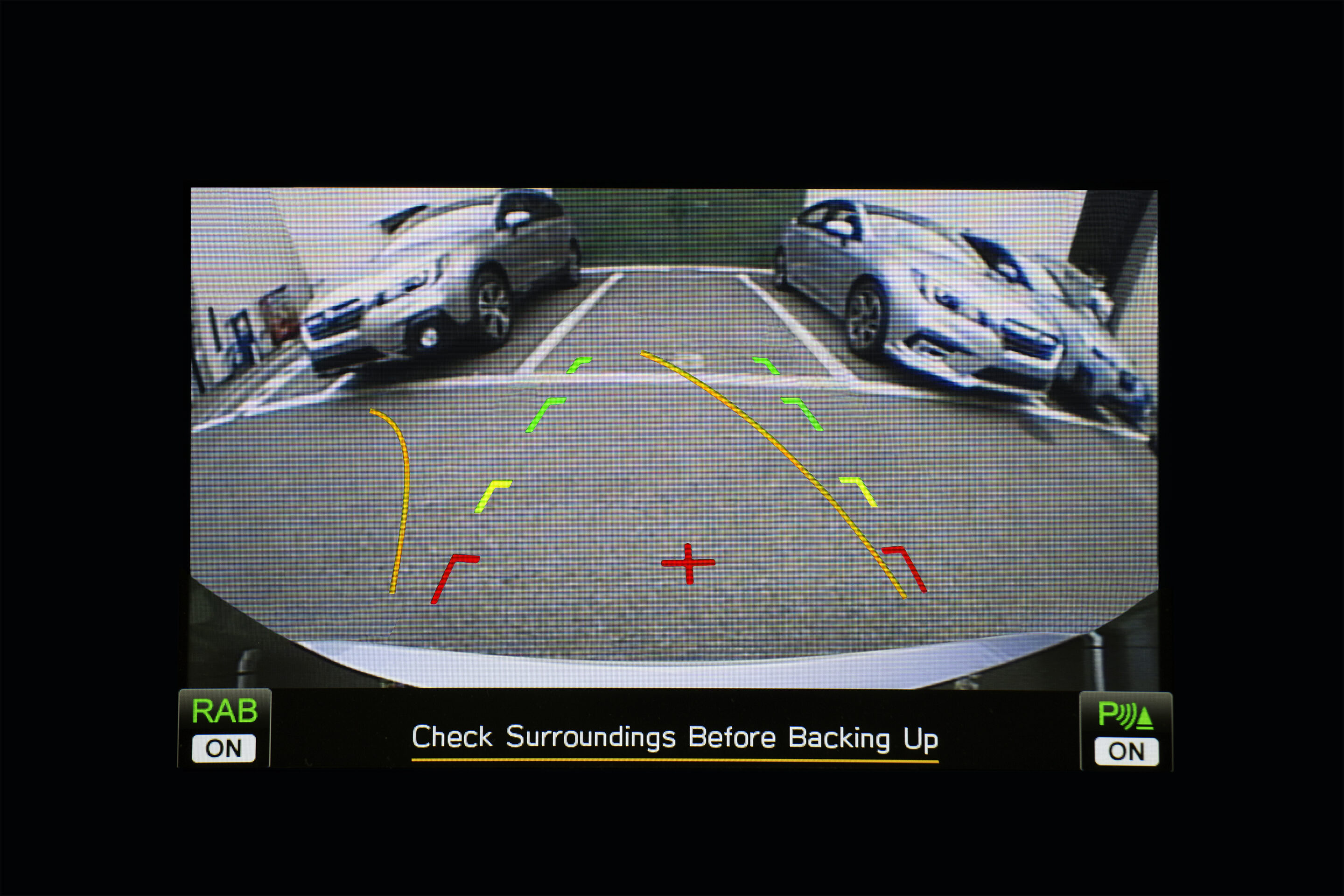
Fast forward and plenty of new cars can match Peter and Tom in the reverse parking stakes. It’s all done with sensors and electronic trickery in measurements, and steering that means the driver only needs to go lightly on the brakes and accelerator to fit into the teeniest of parking places.
Learner drivers must still complete a successful reverse park during their licence test, but what’s the relevance in 2026? And the same thing applies to a hill start when so many new cars have ‘auto hold’ functions and electronic handbrakes to stop the dreaded roll-back. Who now has even heard of an evil umbrella-style handbrake release hidden under the dashboard?
So things are changing, and one that’s visible every day is the parking switch in shopping centres.
Plenty of people have heard the expression ‘back it in’, usually associated with rally competition. Or drifting. It’s about getting the rear of a car sliding to help it change direction, instead of just relying on the steering.
Now it has a new meaning and it’s only going to get more and more popular in the age of the SUV.
Instead of driving front-first into a vacant space, the time-honoured way, it’s getting more and more popular with more and more people to reverse into a vacant slot.
How and why? That’s down, as usual, to new technology. But it’s also a result of the design of the latest generation of SUVs, and the awful turning circles of all-wheel drive family haulers and four-wheel drive pick-ups. It can be hard to drive nose-first into a vacant space and, once you’re in, getting back out is a challenge.
So it’s now easier to reverse into a slot and make a less challenging front-first getaway once the shopping is done.
1
Visibility around the rear end of the family haulers is almost universally awful. Which makes backing out into the traffic at Bunnings or Woolworths or Officeworks a worrying hazard. More and more new cars have ‘rear cross-traffic alert’ to help, providing auto braking for obstacles and oncoming cars, which only seems to encourage designers to make the rear windows even smaller.
The act of backing itself is also easier, thanks to parking radar, rear cameras and the latest 360-degree view systems. It makes an old-school head turn to check a parking spot totally redundant. You just line up the white lines on camera and, bingo, back you go.
So that’s another driving skill on the way out. Fast. Thankfully, this time it’s making things safer all around, and should also mean less parking-lot bumps caused by people – my mum was one – who only ever completed that one successful reverse park to get their licence.
What’s next? Who knows. But the neatly parked cars at your local shopping centre are never going to look the same again.
This story first appeared in the April 2026 issue of Wheels magazine, now on sale. Subscribe here and gain access to 12 issues for $109 plus online access to every Wheels issue since 1953.
Follow WhichCar/Wheels on Google
Click the button below to make WhichCar by Wheels a preferred source for your news.

We recommend
-
 Opinion
Opinion: Should we be asking more questions about the ANCAP safety ratings?
Wheels columnist Paul Gover reckons It’s time to ask some questions about the cherished ANCAP 5-star safety rating.
-
 Opinion
In an age of digital touchscreens, are buttons making a comeback?
The dashboard trend for screens rather than buttons started more than 20 years ago – now there is a rethink by some car-makers.
-
 Opinion
Trent Nikolic: Now is the time to discuss why Australia is not fuel self-sufficient
With talk of fuel such as diesel hitting $4.00/litre, rationing taking effect, or supply drying up, now is the time for Australians to be demanding a return to fuel self-sufficiency... and asking what happened to a 90-day reserve.
