Opinion
Gallery 1
Electric cars are re-writing many of the rules of motoring, including the requirements for P-Plate drivers. The slingshot straight-line performance of many EVs, even family-focussed medium-sized SUVs, makes them a clear and present danger for newbies on the road.
Older people, too, are potentially threatened by their ability to arrive very briskly at a the scene of a potential crash.
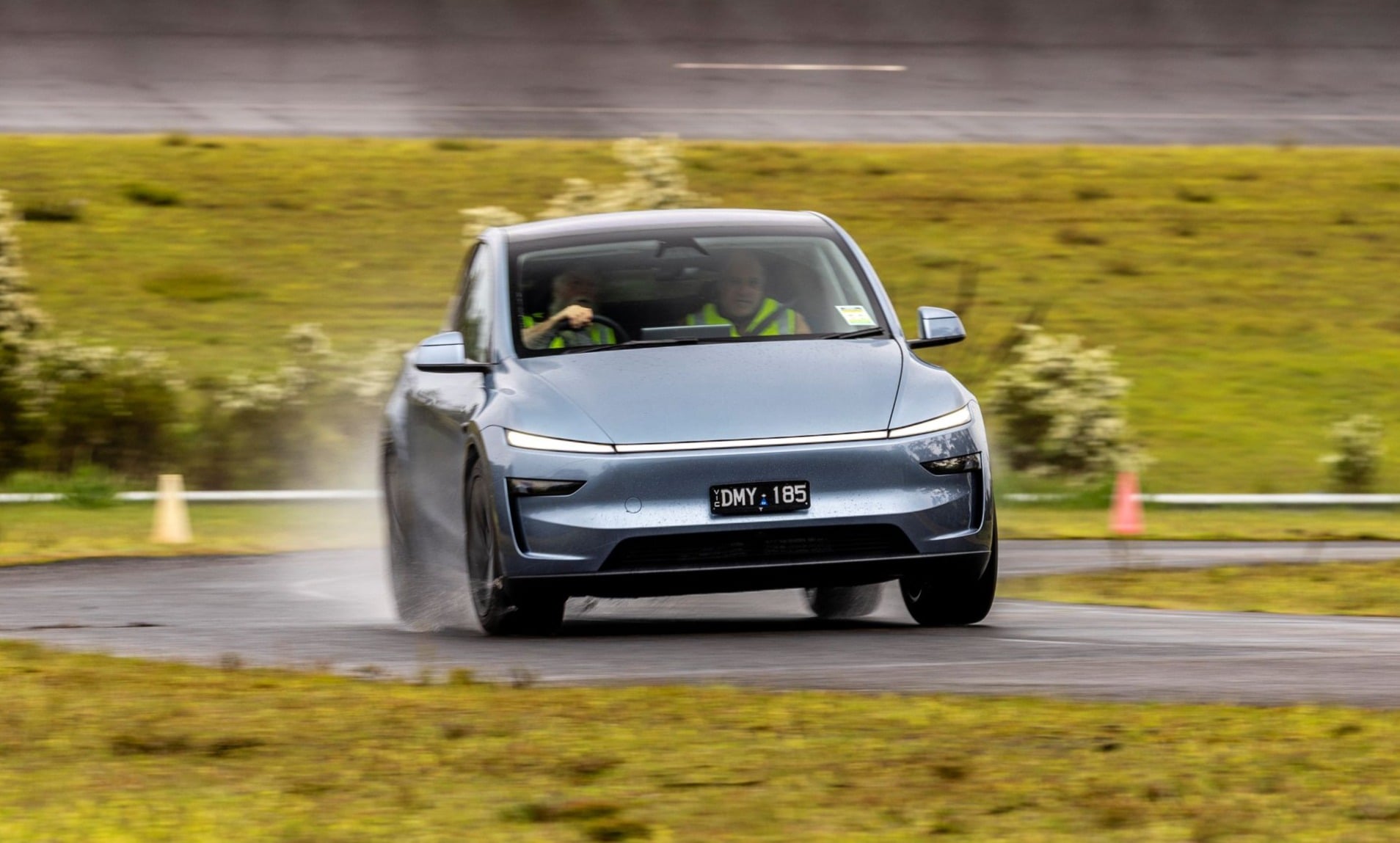
More than 100 cars are now on the banned list compiled by authorities in Victoria and NSW and the number is likely to grow considerably in the future. Some of the headliners on the naughty list are the Tesla Model Y (main, and below) and Model 3 Performance, BYD Shark 6 ute and the Kia EV6 and EV9 GTs, although even the relatively pedestrian and underwhelming Leapmotor C10.
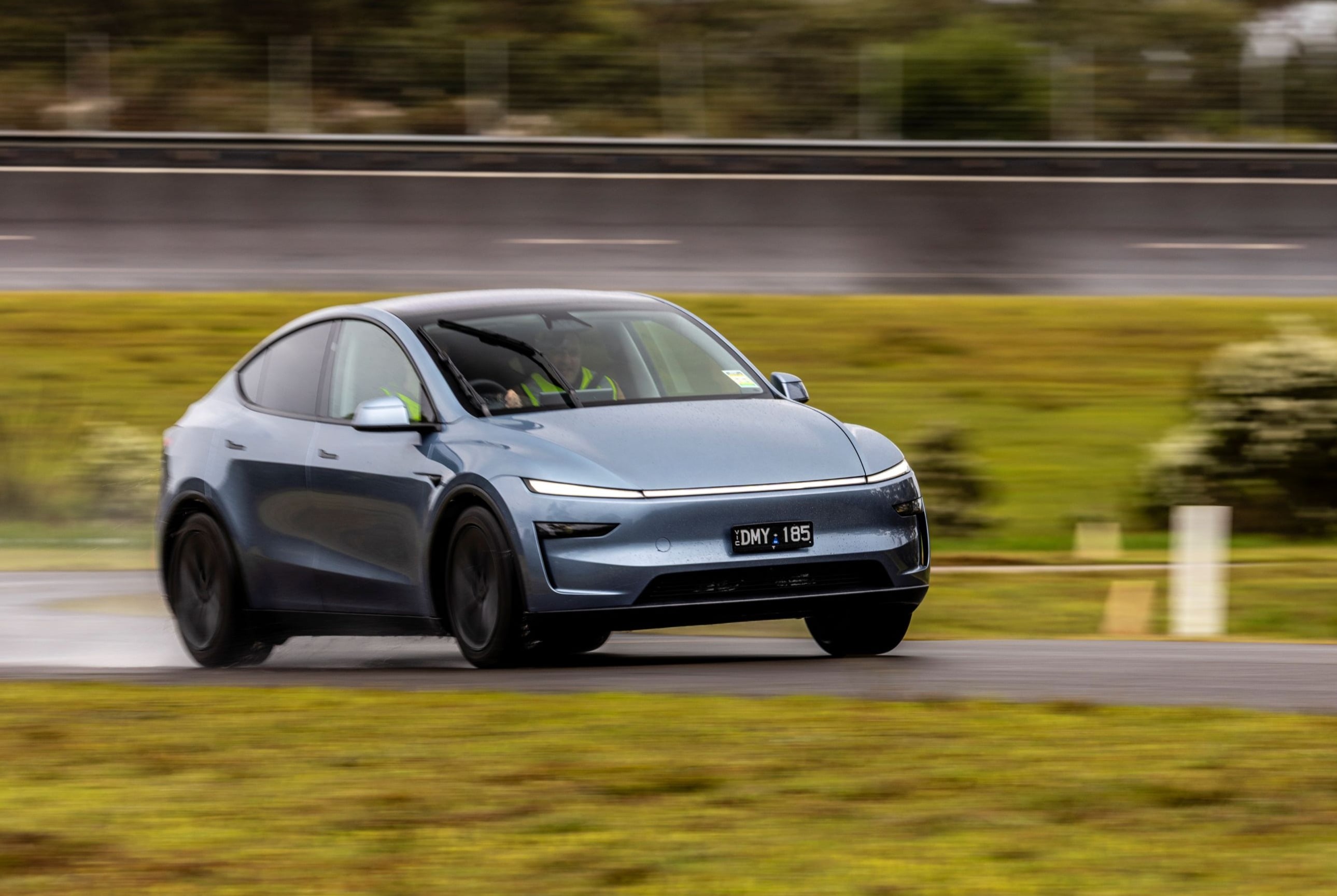
1
On the combustion front, excluding exotics from Ferrari and Lamborghini and the rest, no-go models for P-Platers including the Ford Mustang GT, Subaru WRX and BMW M3 (below).
But … There is a flaw for the future of the regulations, which are based on a power-to-weight formula.The key figure is 130 kiloWatts-per-tonne, used in both NSW and Victoria as a measure of an unsafe speed potential for P-platers. It’s a similar situation in South Australia and Queensland, but the limit only applies to P-Platers under the age of 25.
P-platers can drive any EV regardless of power in Western Australia, Tasmania, Northern Territory and the ACT. But the performance of EVs is more about their instant-on torque, which does not require the driver to be changing gears and revving the engine to its highest horsepower. They respond very rapidly to any push on the accelerator pedal, something that’s most obvious from a standing start but can also produce a jack-rabbit jump from medium speeds in all conditions.
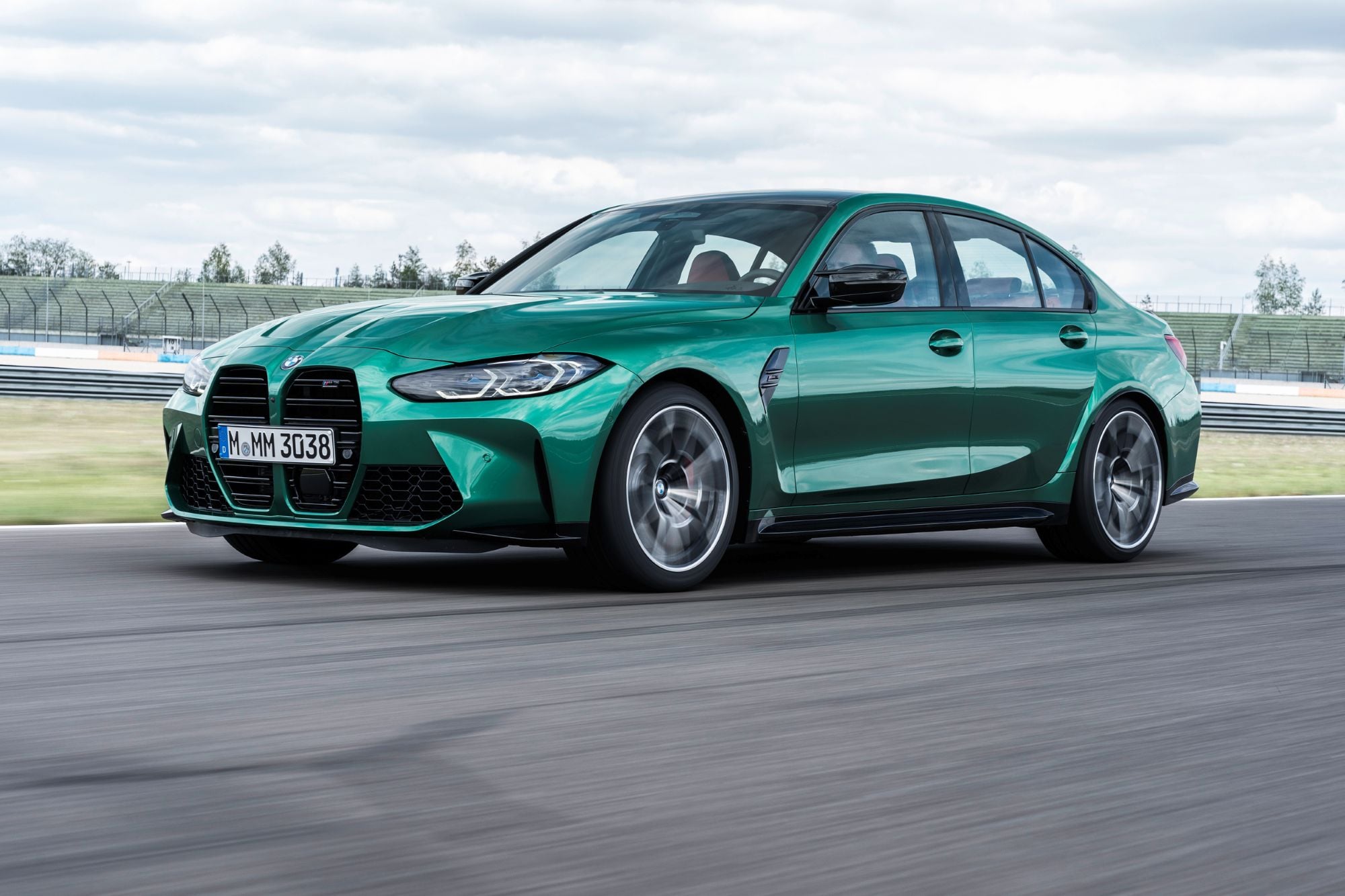
1
In NSW, cars can also be added to the banned list if they have “other specifications or data suggesting that it is a high risk for novice drivers”. The philosophy in the state, and in general across Australia, according to the NSW Government’s website, is “high-performance vehicles have greater acceleration and power than other vehicles. The more power a vehicle’s engine has compared to its weight, the more acceleration it can deliver”.
Even the wording of the regulation is outdated, since EVs have an electric ‘motor’ and not a combustion ‘engine’. The EV threat is not as obvious as the challenge from high-performance petrol cars, since an ordinary family EV can often out-sprint a sporty two-door V8 coupe. But the instant zap of an EV can catch out any driver, not just an inexperienced one.
There is little research material so far on crashes and casualties, since EVs have been a slow burn in Australia – apart from the recent spike during the fuel crisis. The acceleration is breathtaking and addictive. Especially to impress friends.
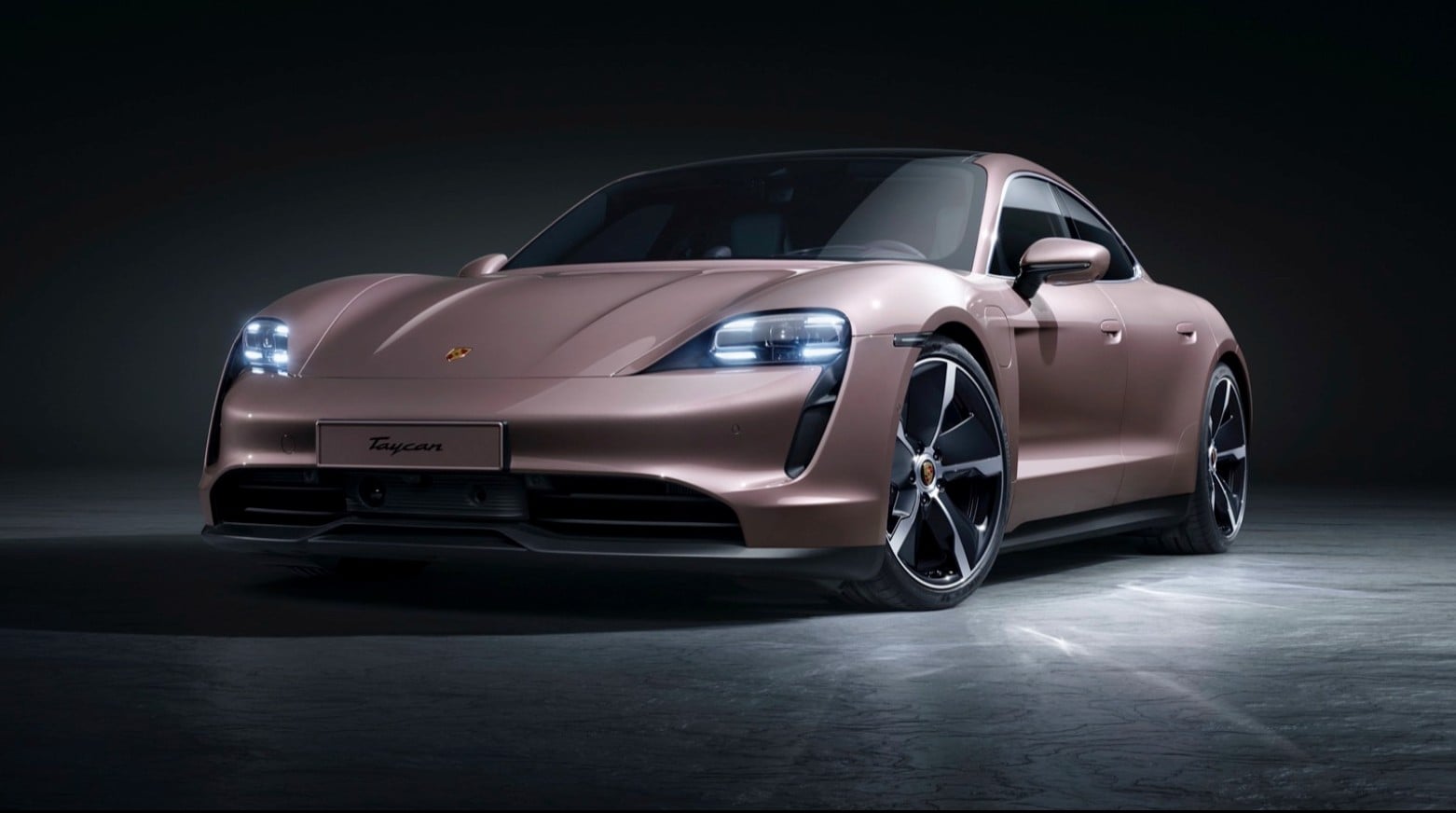
1
No-one who has ridden in a battery-powered Porsche Taycan (above), which rockets to 100km/h in less than three seconds, will forget the experience. It’s challenging and fun for the driver and a threat to the stomach for a passenger.
Clearly, P-plate drivers will face more EV restrictions as sales rise and the number of vehicles increases as dramatically as the introduction of ’new energy’ brands from China. As always, the authorities and regulations are chasing behind and the EV situation is just another reminder of the need for an Australia-wide approach to all road rules, not the current hodge-podge which doesn’t even have agreement on such basics as licensing and speed limits.
Follow WhichCar/Wheels on Google
Click the button below to make WhichCar by Wheels a preferred source for your news.

We recommend
-
 News
NewsAustralia’s EV boom is in full swing – here are the top 10 cars people are buying
As fuel prices continue to surge amid the Middle East conflict, Australian new car buyers are gravitating to EVs in ever-increasing numbers.
-
 News
NewsFord’s electric Mustang Cobra Jet 2200 becomes fastest EV over a quarter mile
Ford’s latest electric drag racer shatters records with blistering pace, showcasing cutting-edge battery, motor and drivetrain tech in quarter-mile competition