Opinion

Gallery 1
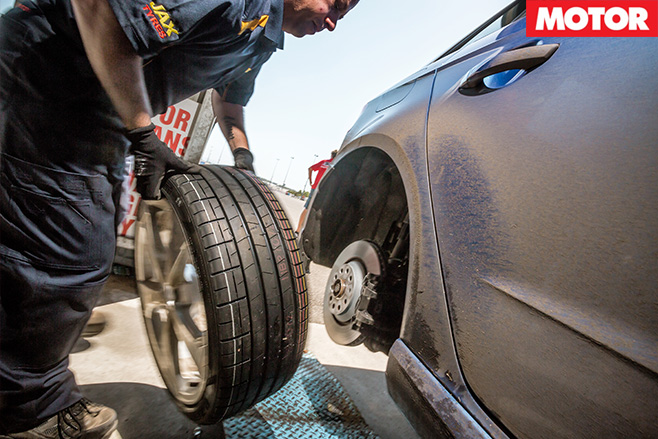
When I was younger I could change a flat tyre in less than two minutes… on my own.
There was a reason for this youthful speed and efficiency, as I was driving rally cars and they were prone to punctures. Every second wasted with a flat tyre meant a big hit in the results. So I learned to do a rapid change on my own, from the wheel nuts to the jack – not forgetting to ‘chock’ a wheel – through to re-packing the boot.
I was reminded of my flat-tyre routine when I stopped recently to help a bloke and his boy who were struggling with a flat. Their first mistake was jacking the car before loosening the wheel nuts . . .
Then I read a survey from the UK which said around half of all motorists there cannot change a tyre, a number that rises to 75 per cent for millennials. Many people didn’t even know if their car had a spare tyre . . .
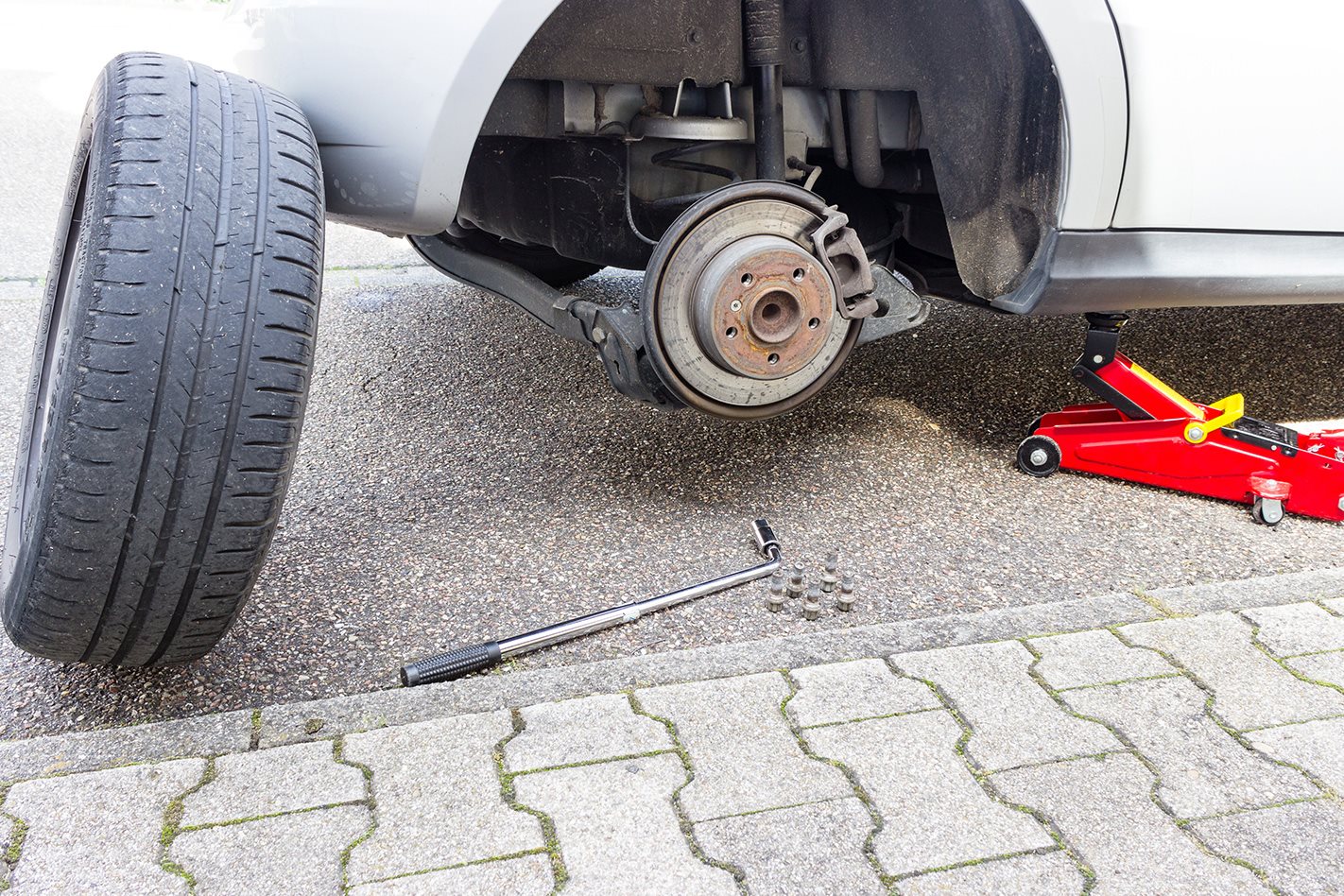
Then a friend told me about the time he had a $150,000 garden ornament at his house for a weekend. It should have been a lovely Sunday fun run in a BMW speed machine, but a stray nail meant a flat tyre and a wait of several days to find and fit a suitable replacement.
At a time when Australia is in the middle of a pothole pandemic there have never been more people dealing with flat tyres. This is also the time when carmakers are pivoting – rapidly – away from spare tyres in their products.
Dumping the spare can make a lot of sense for the bean counters and engineers at head office. It frees space for the battery in a hybrid car, it cuts vehicle weight in any car, and it saves money because tyres and rims are expensive.
Looking around showrooms, the flat-tyre remedies now range from a full-sized spare matching the original alloys to an identical replacement with a steel rim, a space-saver, a deflated space-saver with a tiny pump, or a can of tyre sealant. Or nothing.
Did I mention run-flats? There is a reason…
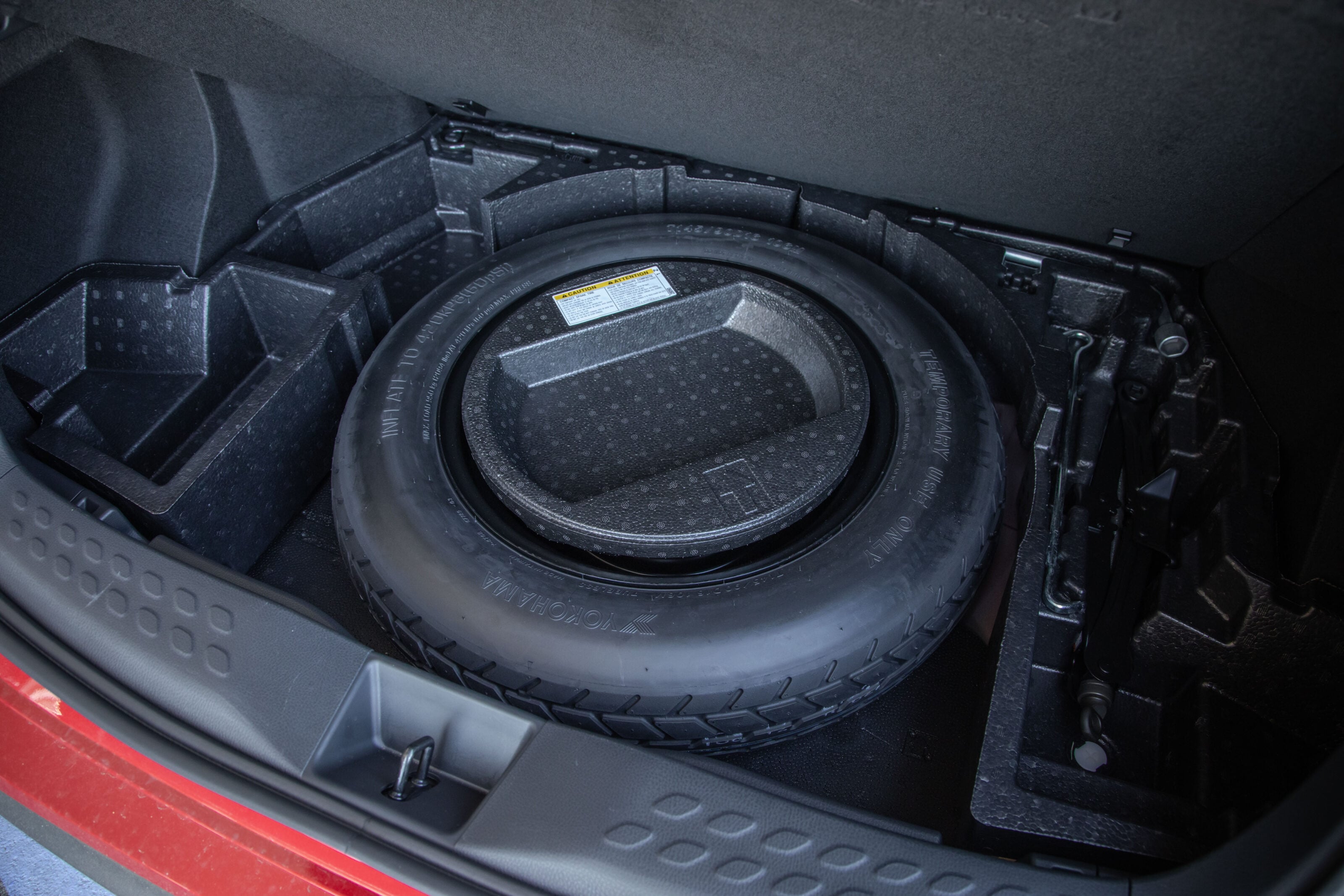
Apart from the tyre, there are wildly varying approaches to jacks and tools and a way to get air back into the tyre. And then you have to wonder if any of it matters. Australians are turning rapidly to ‘roadside assist’ when they hit a puncture problem, with local survey numbers suggesting more than eight million Aussies now cannot change a flat. It’s another of the lost arts of motoring, like doing your own hill starts and reverse parking instead of relying on a button in the car.
On the flat-tyre front, about 84 per cent of Boomers can do the job, falling to 65 per cent in Gen X, 53 per cent in Gen Y and only 49 per cent in Gen Z. No wonder Roadside Assist is now so critical. But, although it might work for new-car buyers who expect it as part of their warranty coverage, what about older cars – or even near-new ones just out of warranty and cut from the Roadside Assist lifeline?
They won’t be going on the back of a flat-bed truck to the nearest town for a replacement tyre while the driver grabs a latte. And here comes another pothole in the road – supplies of tyres.
As rims have become bigger, and tyres have become lower-profile and more specialised, the chance of finding the right tyre in the right place has become smaller. Tyre dealers are not going to stock a range of 18 or 19-inch rubber on the off-chance they will get to sell it sometime soon.
Rod Jane, who knows a bit about the rubber business through his T-Mart connections, says sourcing and delivering tyres to stranded motorists is becoming tougher and tougher in Australia. And he doesn’t see it getting any easier, while admitting his stores are seeing more and more victims of flat tyres.
The article originally appeared in the December 2025 issue of Wheels. Subscribe here and gain access to 12 issues for $109 plus online access to every Wheels issue since 1953.
Follow WhichCar/Wheels on Google
Click the button below to make WhichCar by Wheels a preferred source for your news.