
Reviews

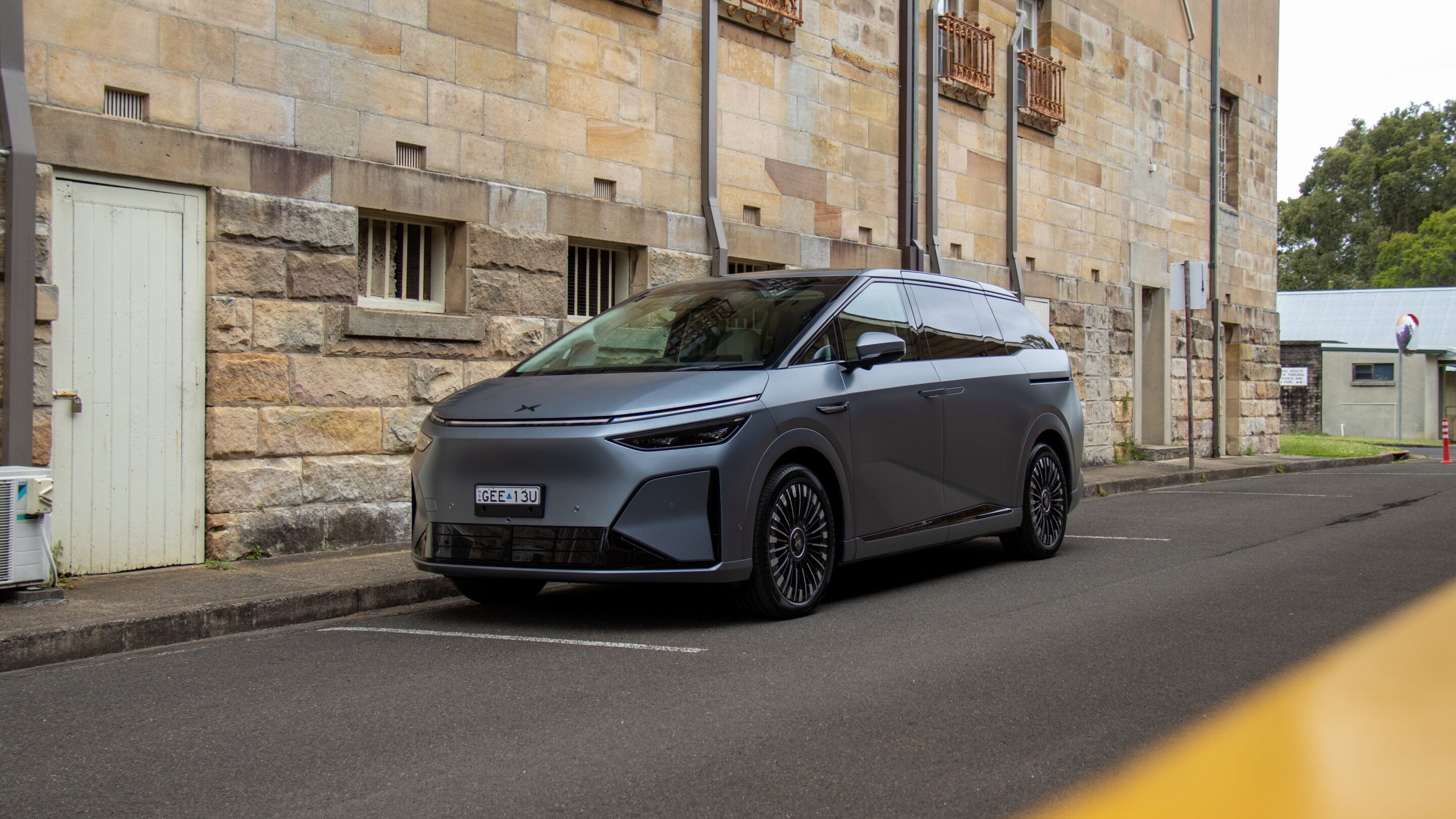
Gallery 1
7.8
/10
Score
Score breakdown
7.0
Safety, value and features
8.0
Comfort and space
9.0
Engine and gearbox
6.0
Ride and handling
9.0
Technology
Things we like
- Luxurious cabin, including awesome second row captain's chairs
- Absolutely loaded with standard equipment
- Punchy performance, quick charging and good range/efficiency
Not so much
- Not cheap for a new brand to Australia
- Boat-like suspension is too soft, poor body control
- Hideous tail with no rear wiper for the huge window
For all the talk of Chinese car makers disrupting the Australian new car market with affordable electric vehicles, arguably just as interesting is what’s happening at the opposite end of the pricing spectrum. Luxury people movers are enjoying something of a renaissance thanks to models such as the Denza D9 and Zeekr 009, and now there’s another contender in the form of the XPeng X9.
The second product to launch in Australia from XPeng after the G6 medium SUV, the X9 is packed to the brim with technology, offers impressive electric vehicle credentials and features an interior that puts some established European luxury cars to shame.
But with an asking price that stretches beyond $100,000 for the flagship Performance model tested here, expectations are understandably high. Has XPeng done enough to justify such an outlay?
How much does the X9 cost to buy?
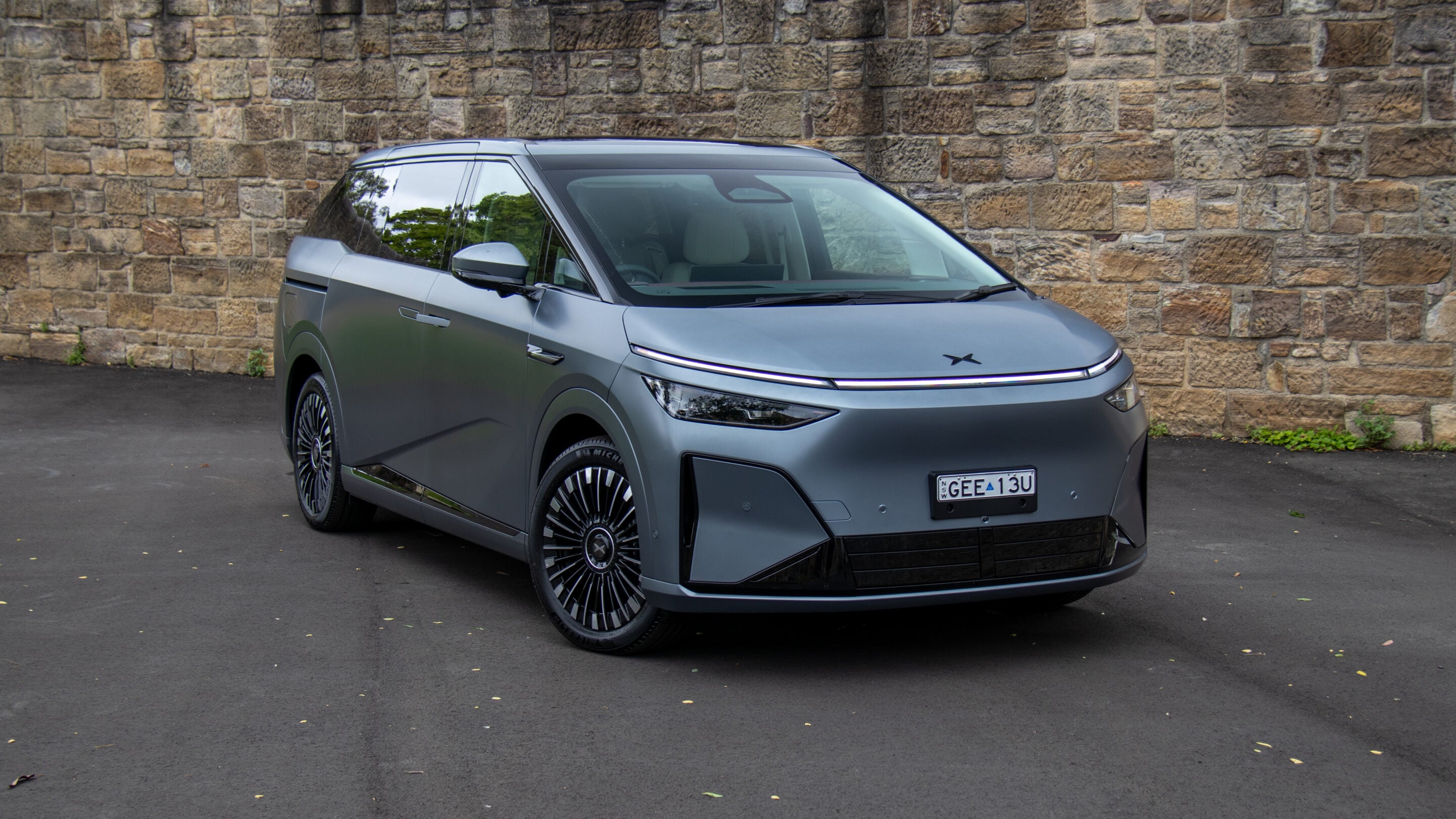
The Australian XPeng X9 range offers two models, starting with the $89,900 plus on-road costs Standard Range and extending to the $109,900 +ORC Performance. Once on-road costs are included, you’re looking at a minimum of $95,000 for the Standard Range and almost $120,000 for the Performance.
6
While the former uses a single electric motor driving the front wheels, the latter ups the ante significantly with dual-motor all-wheel drive, considerably more grunt (370kW/640Nm versus 235kW/450Nm) and a larger battery (110kWh vs 94.8kWh).
Regardless of which model you choose, the level of standard equipment is remarkably high. Highlights include Nappa leather upholstery with heated, ventilated and massaging front and second-row seats, a panoramic glass roof, a 17-inch touchscreen with live services, 27-speaker Xopera audio, five-zone automatic climate control, an integrated fridge, a 21.4-inch rear entertainment touchscreen and electric-folding third-row of seating that also features heating.
As for competition, the X9 sits between the more affordable Denza D9 and the more expensive Zeekr 009, while considerably undercutting the Lexus LM. The former rivals are also electric, while the Lexus is a hybrid.
8
Even with its lengthy equipment list and considerable size, asking Australians to part with six figures for a car from a relatively unfamiliar brand is no small task, particularly given the question marks surrounding long-term resale values. But to help that concern, XPeng is in the process of establishing a serious dealership network, with 66 locations targeted before the end of this year, and more due next year.
How far can the X9 travel on a charge?
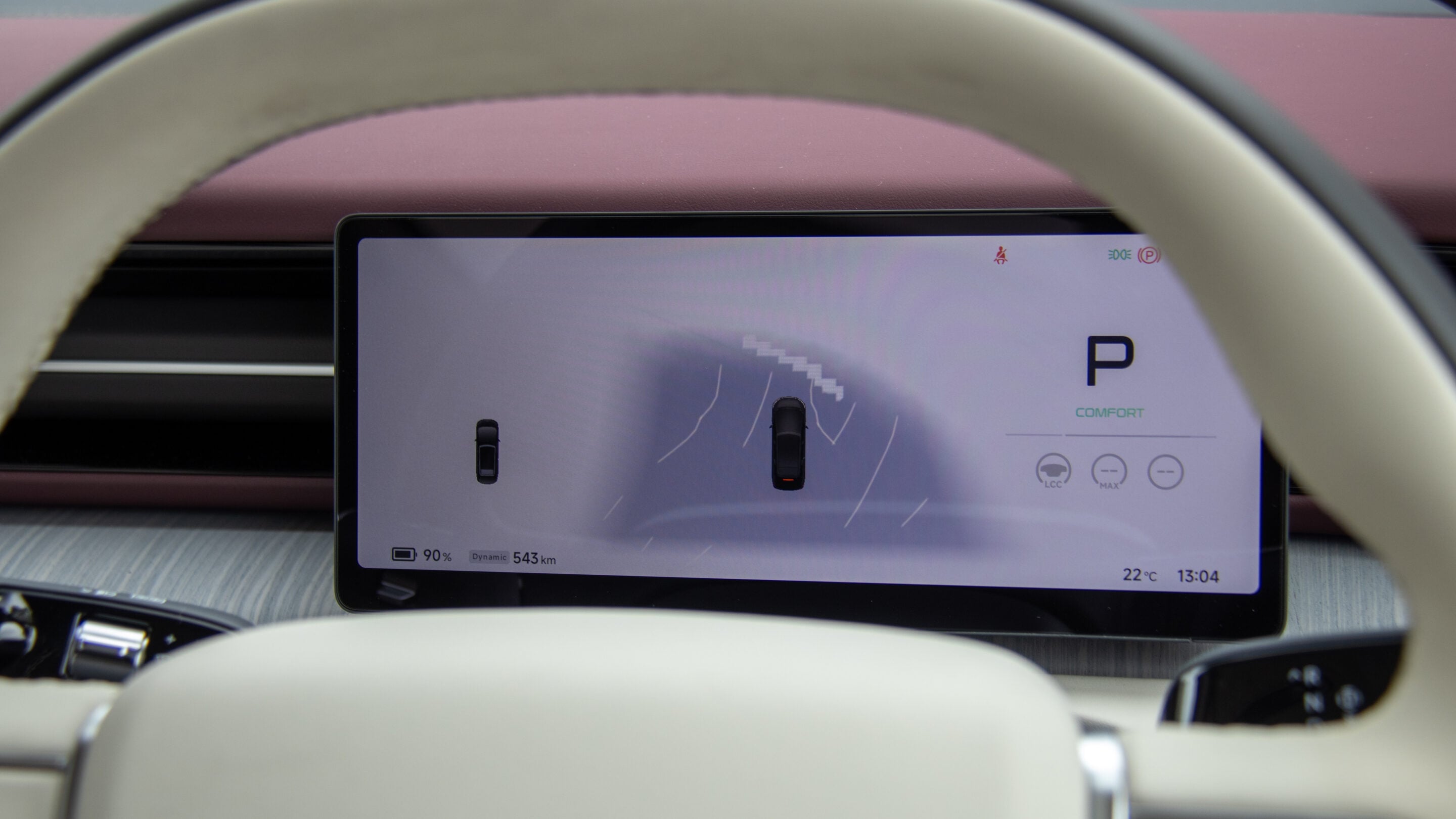
Despite its considerable size – it measures 5.3 metres long, or a good 300mm longer than a Toyota LandCruiser 300 Series – the X9 boasts some impressive electric vehicle credentials. The Standard Range uses a 94.8kWh LFP battery for a claimed 535km of WLTP driving range, while the Performance uses a larger 110kWh NMC battery extends that range rating to 580km.
The Performance’s claimed energy consumption of 20.8kWh/100km is commendable considering its size, weight and performance potential, helped by a remarkably slippery drag coefficient of 0.236. In our week with it, consumption didn’t stray too far from that number and I achieved a rating of 21.5kWh/100km. Obviously, that could be improved but considering that it weights north of 2.7 tonnes and I wasn’t trying to hypermile, I think that’s quite respectable.
5
But more impressive is its charging capability, though it will become even more impressive in the coming years as Australia opens more super fast charging infrastructure. Thanks to an 800-volt electrical architecture, the Performance can accept up to 542kW of DC charging power, allowing a 10-80 per cent top-up in just 12 minutes under ideal conditions, which makes it the fastest-charging car in Australia currently and it can reportedly top up 338km of range in just 10 minutes.
The catch there, of course, is that the fastest chargers locally can only provide up to around 400kW of power, so the actual charge rate locally will be much less than what XPeng says. That’s not its fault though, and I’m sure that the charging station situation will continue to improve. Still, it’s clear that XPeng’s DC fast charging capability is quite impressive, while there’s also 11kW AC charging and 6kW vehicle-to-load (V2L) functionality too.
How fast is the X9?
With keen peak outputs of 370kW and 640Nm, the X9 Performance is capable of sprinting from 0-100km/h in just 5.9 seconds, which is a somewhat amusing proposition for a vehicle whose primary purpose is to ferry passengers around in the utmost comfort. Performance is effortlessly strong, with ample reserves for overtaking and merging onto freeways, and the smooth delivery of its electric powertrain suits its luxury aspirations beautifully.
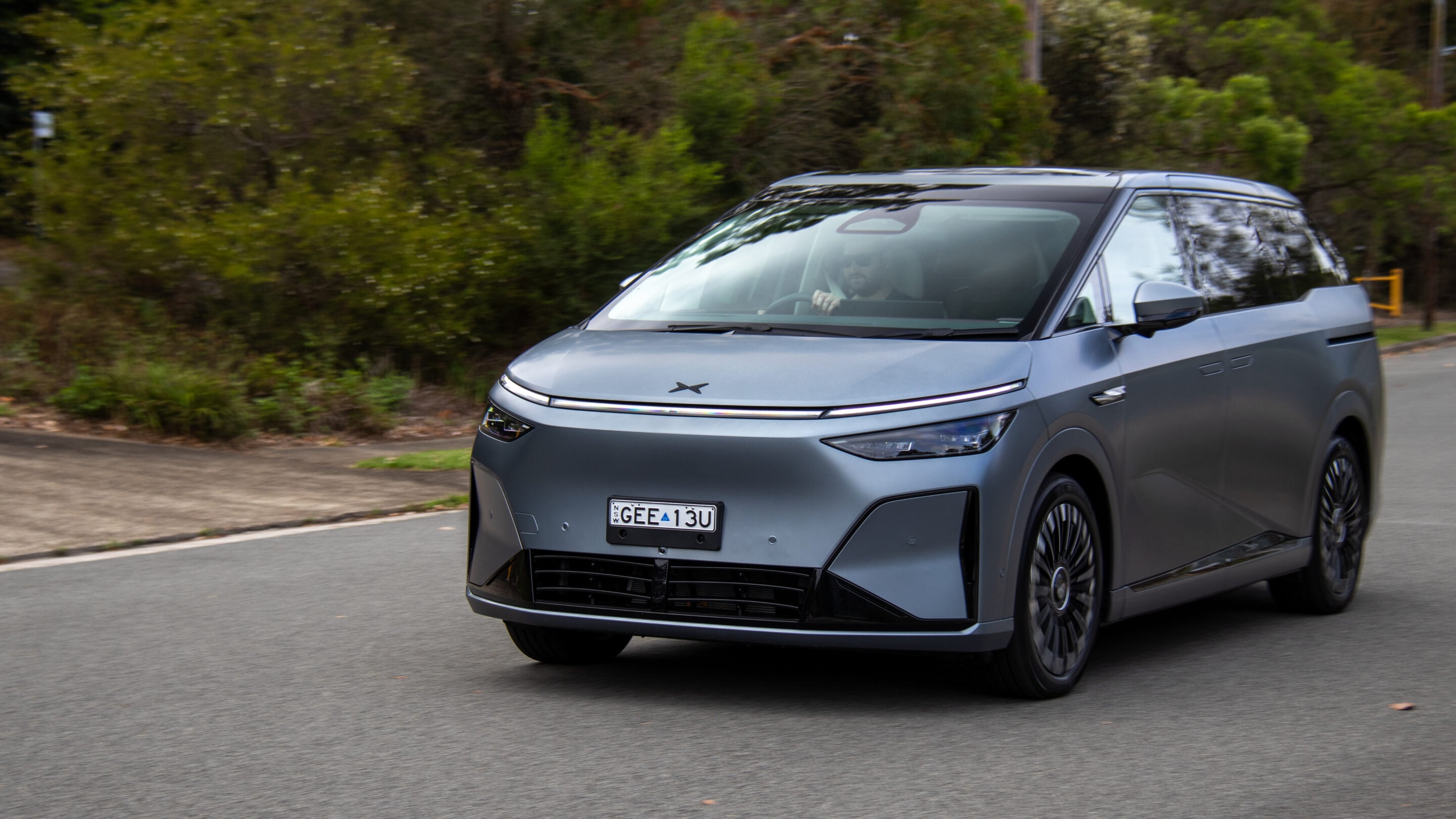
Perhaps more useful than its straight-line speed, however, is its standard rear-wheel steering system. With a turning circle of just 10.8 metres, the X9 is quite manoeuvrable for such an big vehicle, making tight car parks and suburban streets far less intimidating than you’d expect. More steering feel would be great, however, as there’s little indication of it working until you’re already in the turn much quicker than anticipated.
5
Elsewhere, it’s clear that XPeng’s pursuit of comfort has come at the expense of body control. The dual-chamber air suspension is just too soft, particularly on undulating Australian country roads where it constantly dips and dives, even in its firmer sport setting. While it does a good job of isolating occupants from smaller imperfections, larger dips and crests result in too much vertical movement, while the body leans considerably through corners.
For a vehicle designed around passenger comfort, the irony is that such excessive movement could leave those in the back feeling a bit sick, and even moderate throttle sends the nose into the air like you’re on a rollercoaster. Nobody expects a luxury people mover to handle like a sports car, but I think the X9 would benefit enormously from a revised, firmer suspension set up for the Australian market.
How luxurious is the X9?
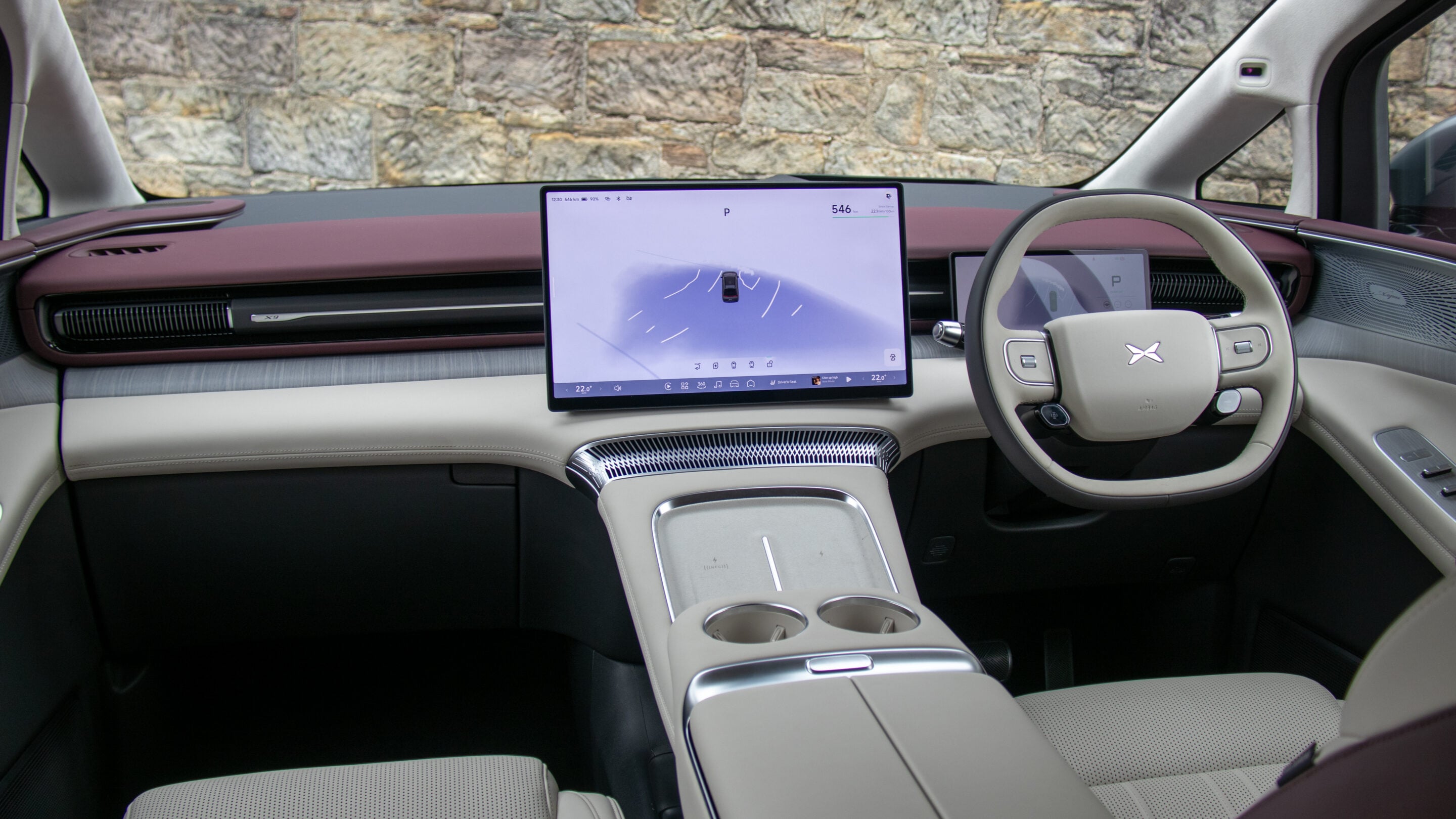
Very. In fact, the interior is comfortably the X9’s biggest selling point. Material quality is generally excellent, most of the cabin elements such as the air-conditioning vents feel appropriately expensive and there’s an abundance of technology, headlined by the crisp 17.3-inch central touchscreen with wireless Apple CarPlay and Android Auto and live services.
5
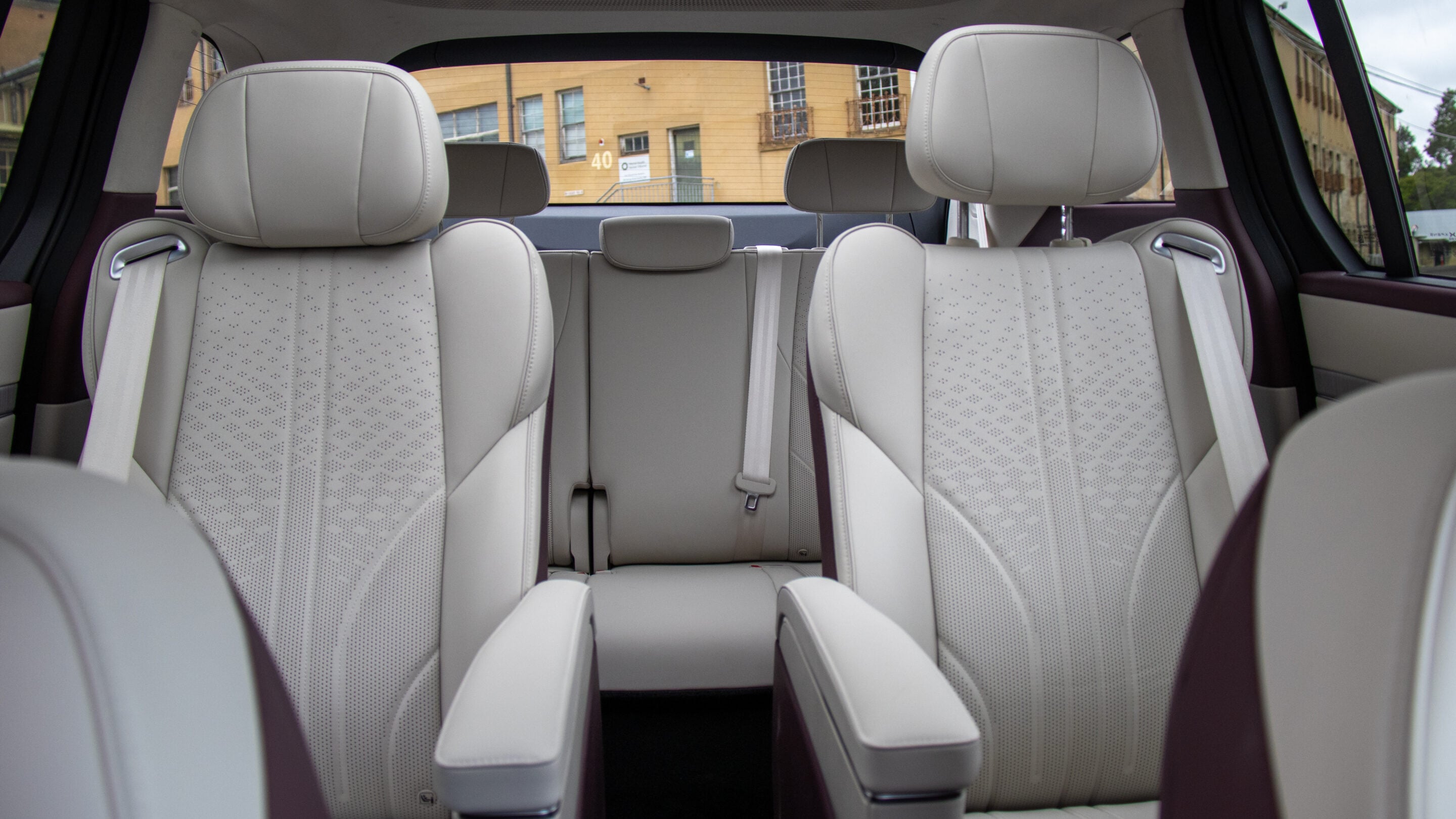
But the real party trick is the second row, where two enormous captain’s chairs deliver an experience more akin to a first class seat than something you’d find in a car. For starters, there’s a large 21.4-inch touchscreen with integrated apps like Disney+ (obviously you must have your own account to access it) so keep those in the back happy, and there’s also a large glass panel for stargazing, as well as a fridge at the rear of the centre console to keep drinks cool or warm and even some tray tables on the back of the front seats.
Then there are the middle row seats. With 14-way electric adjustment, heating, ventilation, massage functionality and a zero-gravity reclining position with extendable leg rests, they’re amazingly comfortable. A 30-minute heated massage is a genuinely relaxing experience in the middle row of the X9, and the 27-speaker Xopera sound system is appropriately punchy, though don’t expect the same aural quality you’d find in a Burmeister system in a Mercedes-Benz or Bowers & Wilkins in a Volvo.
9
Depending on the second row’s position, the third row can be quite spacious or not at all. The seat itself is quite comfortable, and there’s heating too, though the view out isn’t great and the enormous size of the second row of seats makes it feel a bit cushy. It seems like one for the assistants, rather than the CEOs, of the world, but I’m sure your kids would be more than comfortable seated there.
As for bootspace, the X9 can carry a lot, even if the second row seats aren’t foldable or removable. Behind the third row is 721-litre space, including an extra under-floor area, and folding the third row into the floor (which you do using buttons, it’s all very civilised) unlocks a massive 2554 litres of space. Again, the second row doesn’t fold, but there’s more than enough space behind them – just make sure to cover them when carrying loads so the Nappa leather doesn’t mark.
What warranty covers the X9?
XPeng covers the X9 with a seven-year/unlimited km warranty for private buyers, or seven years/160,000km of coverage for commercial operators. The EV battery is covered for eight years/160,000km, and there’s seven years of included roadside assistance as well.
Service costs for the X9 aren’t yet known, with some parties estimating an annual cost of up to $250-$300 based on the G6, which uses the same platform. Its annual service intervals are required every 20,000km, which is usefully long, especially for commercial operators that the X9 will appeal to.
Should I buy an XPeng X9?
There’s plenty to like about the XPeng X9. Its cabin is wonderfully luxurious, its standard equipment list is almost excessive and its electric powertrain combines strong performance with impressive range, efficiency and charging capability. Plus, those second-row captain’s chairs alone are really cool.
4
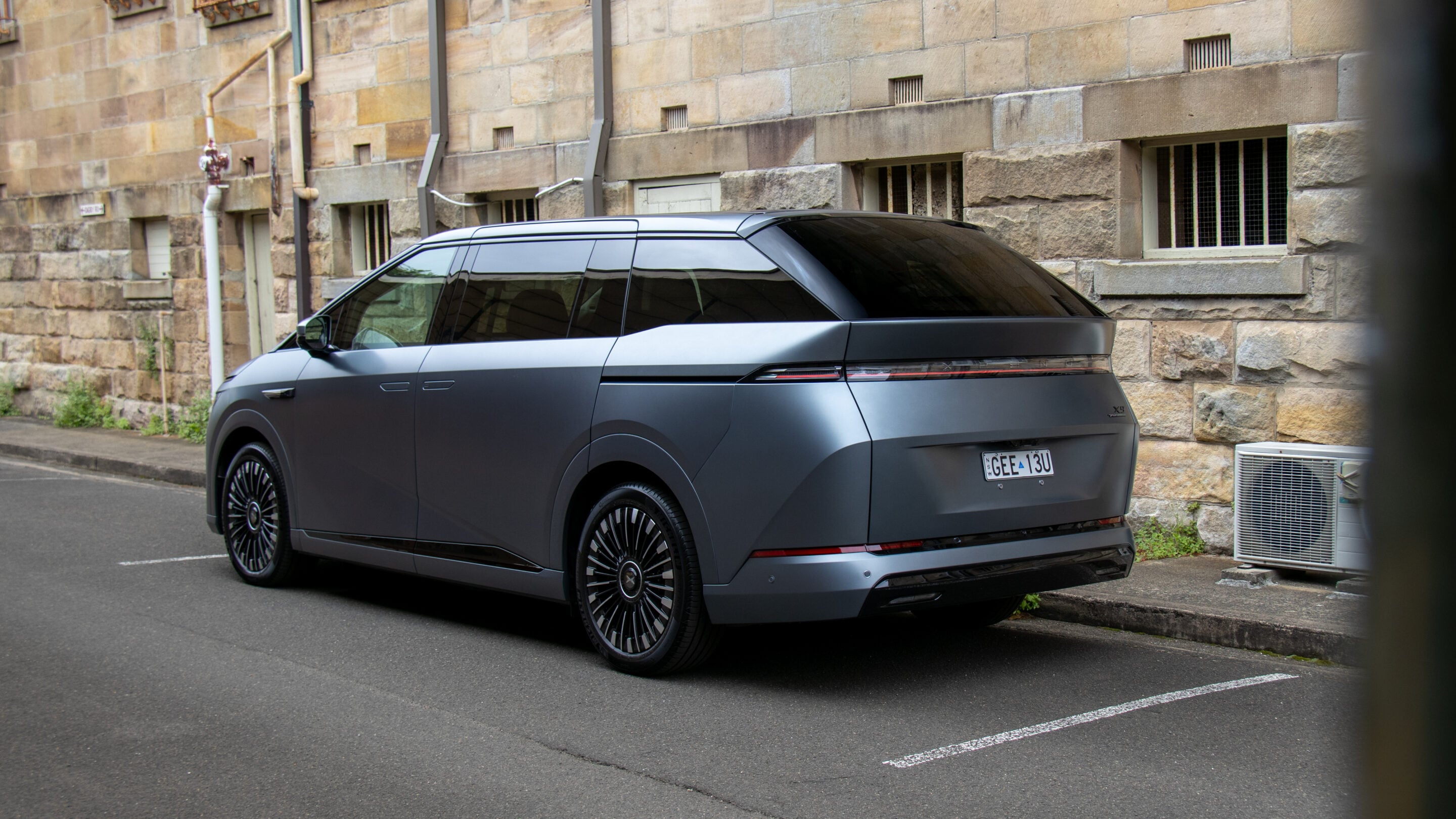
But it’s not without its shortcomings. Its, uh, unconventional rear end is overly soft suspension undermines the otherwise excellent passenger experience and it’s an expensive proposition from a brand still establishing itself locally. The $20,000-cheaper Standard Range also makes more sense given its more modest performance but identical equipment list. But nevertheless, the X9 is further proof of the Chinese car industry’s ability to build cars and with a few tweaks, I think it could be something special.
X9 Performance standard features:
- 20-inch alloy wheels with a tyre repair kit
- Height-adjustable air suspension
- Active rear-wheel steering
- Dusk-sensing automatic LED exterior lighting with auto high beam
- Rain-sensing automatic wipers
- Keyless entry and start, including NFC key and phone key functionality
- Panoramic glass roof with dual sunshades
- Dual sliding side doors
- Electric tailgate
- Five-zone automatic climate control
- Switchable ambient lighting
- Nappa leather upholstery
- ‘Ultra fibre’ steering wheel
- 12-way electrically adjustable front seats with heating, venting, massaging and memory settings
- Second row captain’s chairs with electric adjustment, adjustable leg rests, heating, ventilation, massaging and memory settings
- Power-folding third row seating with heating
- 17-inch touchscreen with live services and over-the-air updates
- Wireless Apple CarPlay and Android Auto
- Satellite navigation with live traffic
- FM/DAB+ digital radio
- 1552-watt 27-speaker Xopera sound system
- 4x wireless phone chargers
- Dual middle row tables
- Rear centre console refrigerator
- Rear electric-folding 21.4-inch touchscreen
- Head-up display with blind-spot and reversing view
- 9x airbags
- Autonomous emergency braking
- Lane keeping assistance with active lane centring
- Adaptive cruise control
- Blind-spot monitoring with rear cross-traffic alert
- Automatic parking with summon feature from the key
- Front and rear parking sensors
- 360-degree camera
- Tyre pressure monitoring
X9 Performance specifications:
| Price | $109,900 plus on-road costs (around $118,000 driveaway) |
|---|---|
| Powertrain | Dual electric motor, single-speed transmission, all-wheel drive |
| Battery | 110kWh NMC |
| Power | 370kW |
| Torque | 640Nm |
| 0-100km/h (claimed) | 5.9 seconds |
| Range (claimed) | 580km (WLTP) |
| Energy efficiency (claimed versus on test) | 20.8kWh/100km, 21.5kWh/100km |
| Max DC charging rate | 542kW (approx. 10-80% in under 12 minutes) |
| Max AC charging rate | 11kW |
| Tare mass | 2745kg |
| Dimensions (L/W/H/WB) | 5316/1988/1785/3160mm |
| Boot capacity | 721 litres (third row up), 2554 litres (third row folded) |
| Warranty | Seven-year/unlimited km |
| On sale | Now |
7.8
/10
Score
Score breakdown
7.0
Safety, value and features
8.0
Comfort and space
9.0
Engine and gearbox
6.0
Ride and handling
9.0
Technology
Things we like
- Luxurious cabin, including awesome second row captain's chairs
- Absolutely loaded with standard equipment
- Punchy performance, quick charging and good range/efficiency
Not so much
- Not cheap for a new brand to Australia
- Boat-like suspension is too soft, poor body control
- Hideous tail with no rear wiper for the huge window
Follow WhichCar/Wheels on Google
Click the button below to make WhichCar by Wheels a preferred source for your news.

We recommend
-
 News
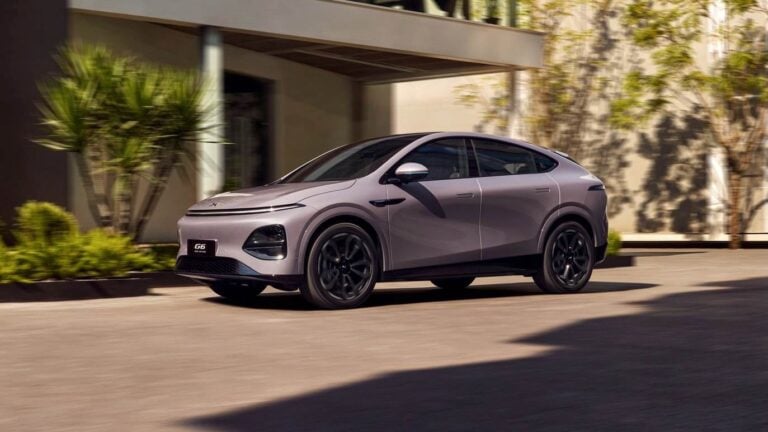
Xpeng reveals big savings as it announces new pricing for G6 electric SUV
XPeng has introduced national drive-away pricing across its G6 electric SUV range, with savings on on-road costs for Australian buyers.
-
 News
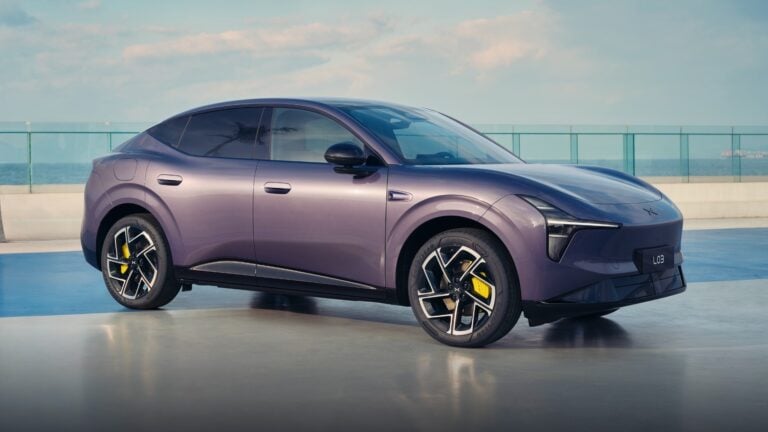
XPENG L03 Aussie price and specs revealed as EV and hybrid SUV takes on Geely's EX5
The cheapest Xpeng model to sell down under is also coming for the BYD Atto 3.
-
 News
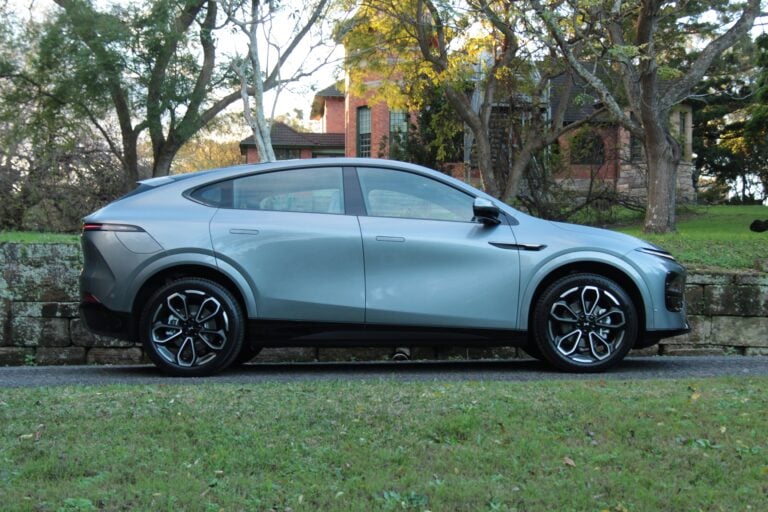
XPeng moves to clean up TrueEV fallout for Australian owners
Factory-backed XPeng Australia has taken full control of the brand and is promising to review unpaid cashback, warranty and servicing commitments left behind by its former distributor – but customers will need documentation to support their claims.
