News
Gallery 1
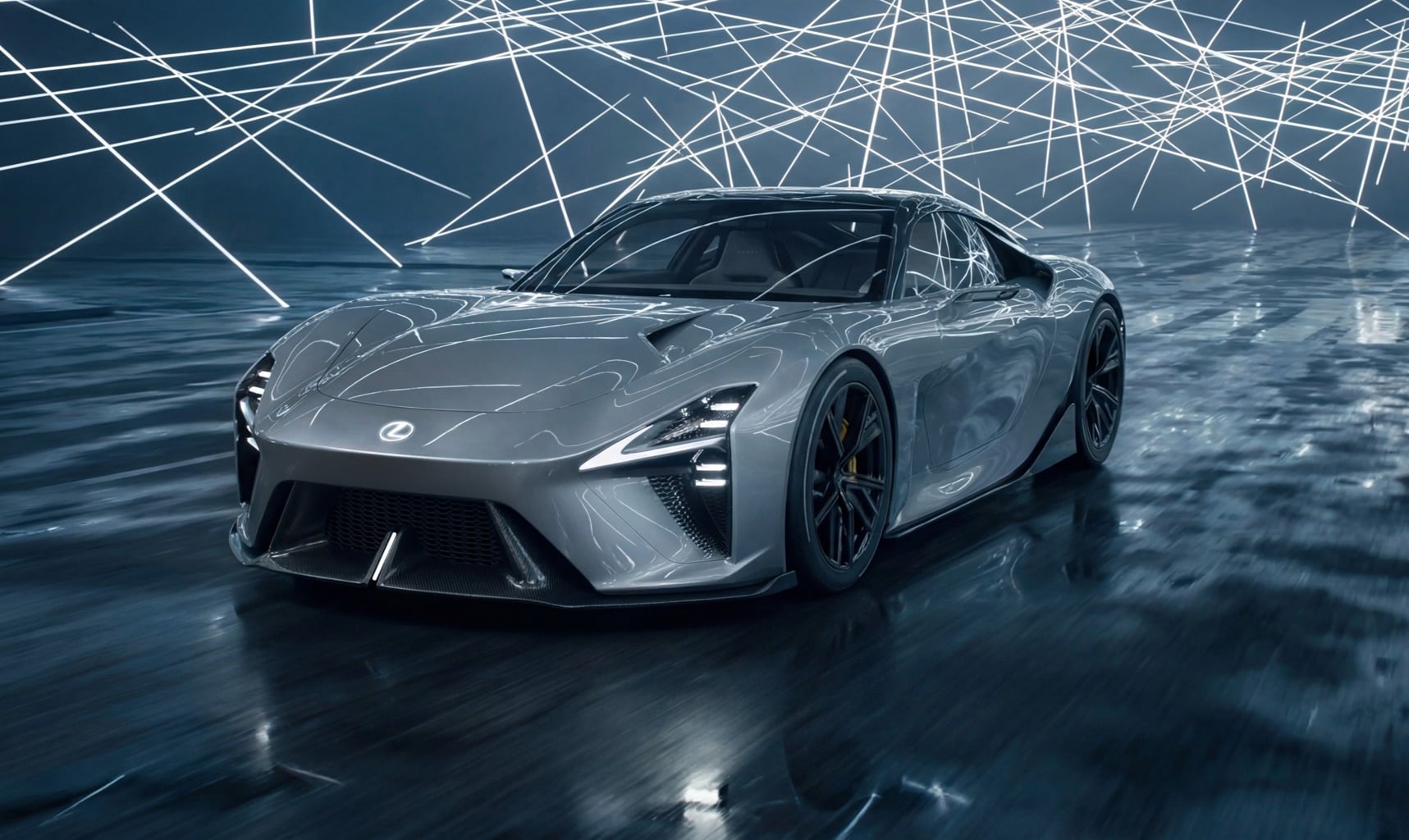
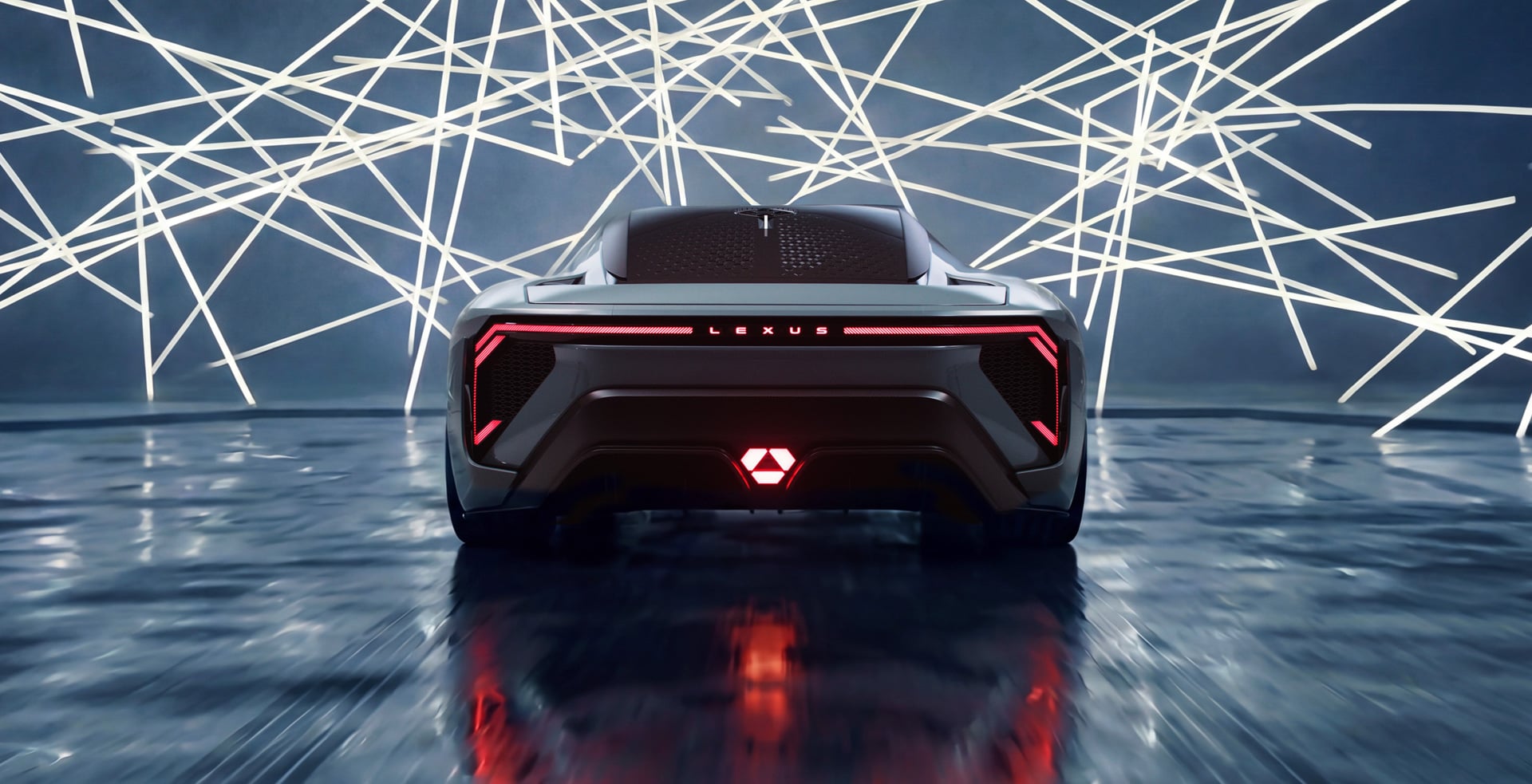
Lexus has revealed a new battery-electric sports car study called the Lexus LFA Concept, offering the clearest indication yet that the brand is preparing a flagship EV coupe. The concept has been shown before in near-identical form as the “Lexus Sport Concept” at Monterey Car Week and the Japan Mobility Show in 2025, but this is the first time Lexus has attached the LFA name and shared more detail about its engineering direction.
The company says the project is being developed alongside Toyota Gazoo Racing’s GR GT road car and GR GT3 racer, and that the three vehicles share underlying technology and development methods. The link is significant: Toyota has confirmed the GR GT program uses a new aluminium body structure and a 4.0-litre twin-turbo V8 hybrid set-up, while the Lexus concept explores how far a similarly focused platform can be pushed without an internal-combustion engine.
2
Lexus is framing the LFA Concept as a spiritual successor to the original Lexus LFA, and to Toyota’s earlier 2000GT, positioning it as a showcase for the brand’s most advanced performance and chassis ideas in the electric era. The choice of name matters. “LFA” is not being used here to describe a specific powertrain type, but rather a top-tier performance model intended to carry forward techniques and know-how from the company’s last generation of halo cars.
While Lexus hasn’t released hard figures on battery size, motors or output, it has outlined the same engineering priorities Toyota is using for the GR GT program: low centre of gravity, low mass paired with high structural rigidity, and aerodynamics designed around performance requirements rather than styling alone. The LFA Concept is also said to use an all-aluminium body frame derived from GR GT development, suggesting Lexus wants a lightweight, stiff base before adding battery and motor hardware.
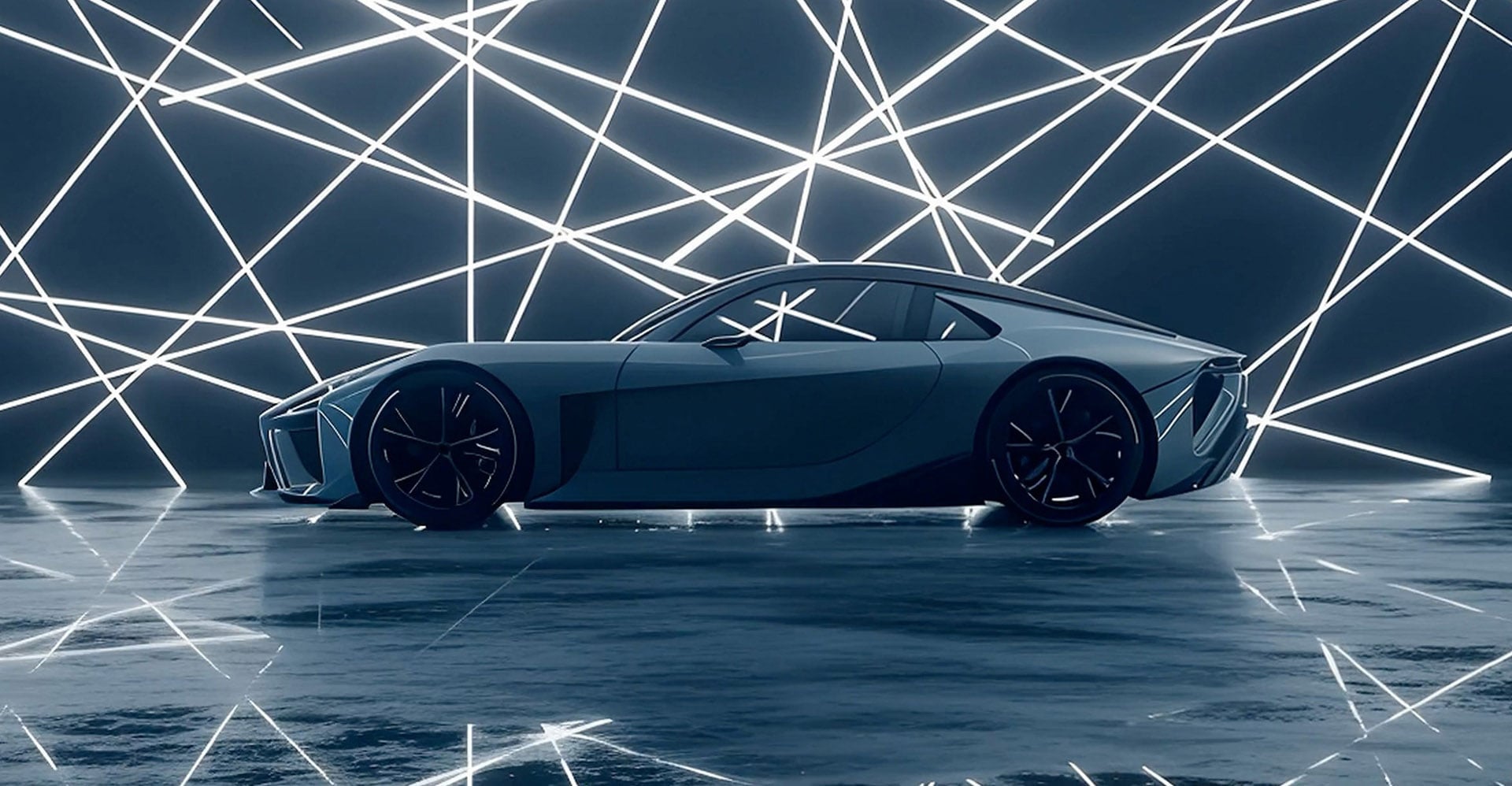
The packaging benefits of a dedicated EV layout are obvious in the car’s proportions. The concept sits low with a long, flowing roofline and wide stance, and there is no bulky engine bay. Lexus says this allowed a more cab-rearward cockpit position and a driving posture aimed at matching what its test drivers see as ideal for high-speed control. The silhouette intentionally echoes the original LFA’s coupe shape, but with cleaner surfaces and a more tapered nose, reflecting the lower cooling demands of an EV.
3
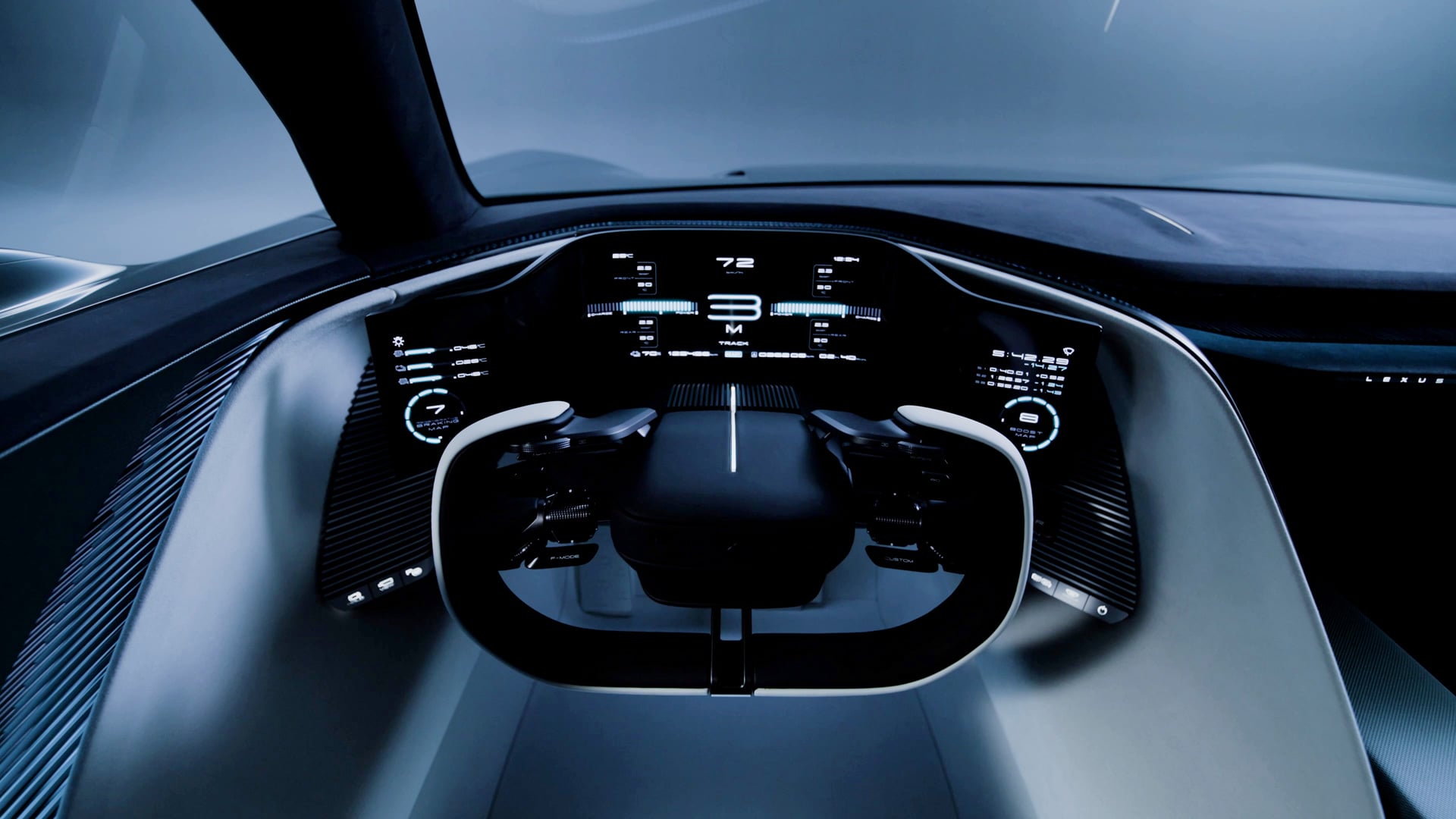
Inside, Lexus describes a pared-back cockpit that clusters key controls close to the driver. Images show a compact steering wheel and a minimalist dash, with most switchgear reduced or moved to ensure quicker access while driving. Lexus argues that this approach is meant to improve visibility and reduce distraction, while still keeping the cabin usable for everyday road driving.
Beyond the design, the bigger story is what the concept signals about Lexus’s direction. The brand has already committed to broad electrification and has indicated that performance models will be part of that shift. By openly tying the LFA Concept to Toyota’s GR GT/GT3 program, Lexus is emphasising that its future halo car will be developed with the same motorsport-influenced processes as Toyota’s next petrol-electric flagship — just translated into a fully electric format.
3
There is no confirmed production timeline, but the GR GT program is targeting a launch around 2027, and Lexus’s close collaboration suggests a similar window could apply here if the concept makes it to showrooms. For now, the LFA Concept stands as Lexus’s most direct statement yet that an LFA-level performance car can exist in a battery-electric world — and that the company is actively working out what that should look and feel like.
Follow WhichCar/Wheels on Google
Click the button below to make WhichCar by Wheels a preferred source for your news.

We recommend
-
 News
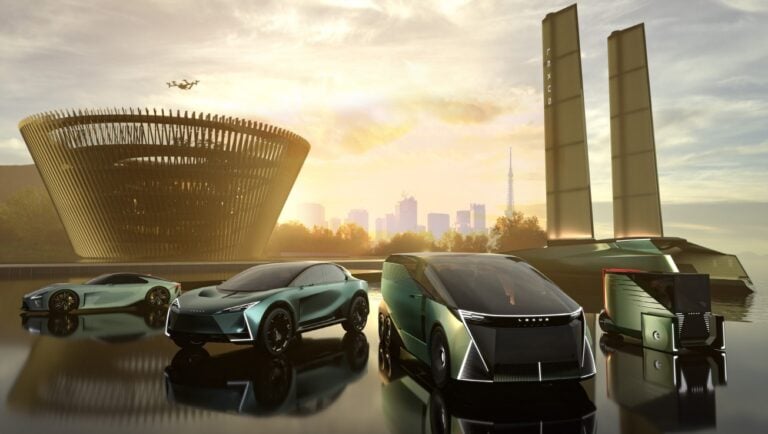
News2025 Japan Mobility Show: Lexus debuts futuristic luxury vehicle concepts and vision for 360-degree mobility
At the Japan Mobility Show, Lexus unveiled bold new concept vehicles – from six-wheel flagships to single-seat pods – as the brand embraces a broader luxury future.
-
 News
News2026 Toyota Hilux: Specs for the workhorse's first electric version revealed
Toyota Europe spills the beans on the capabilities of the first electric Hilux.