News
Gallery 1
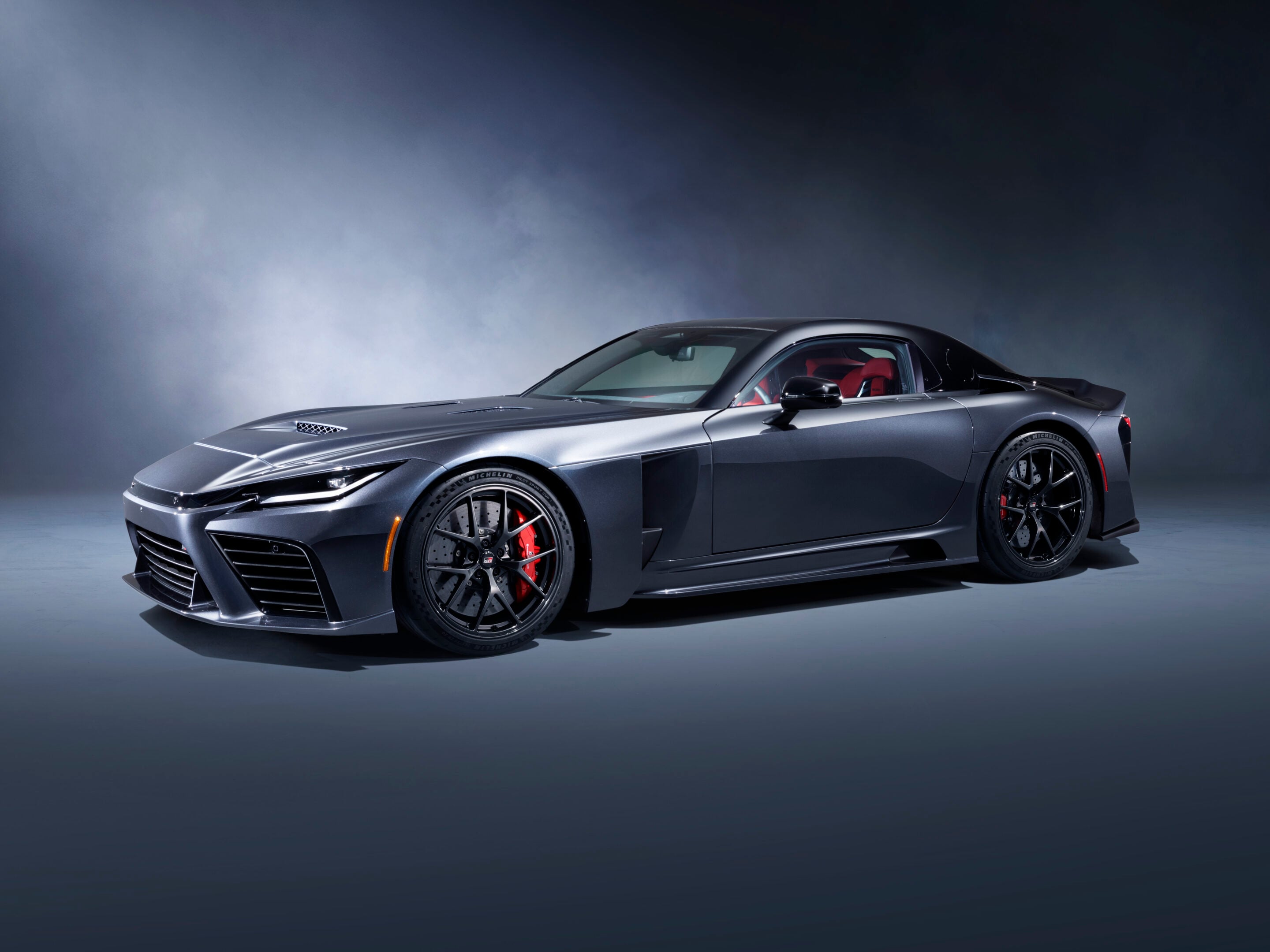
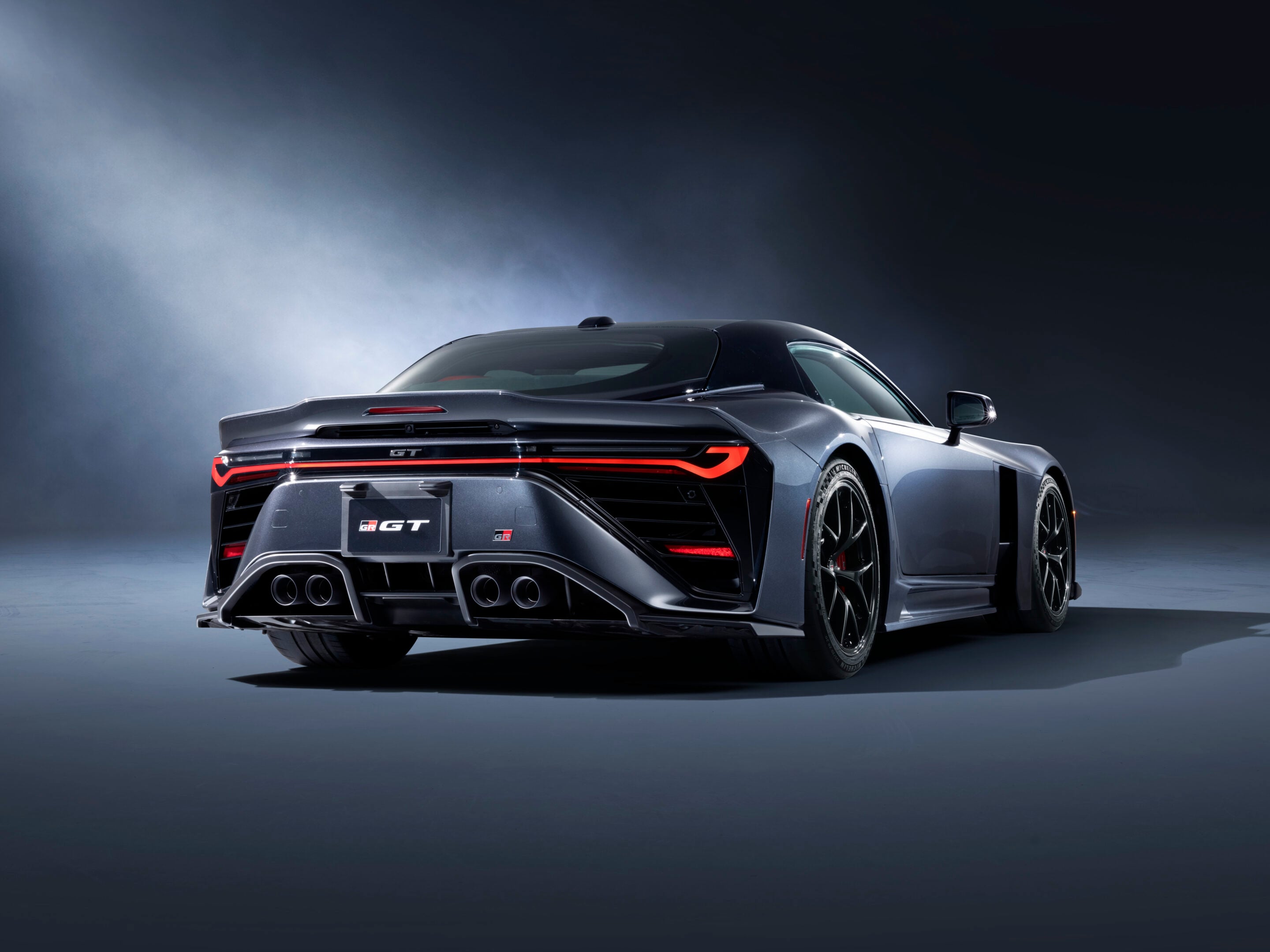
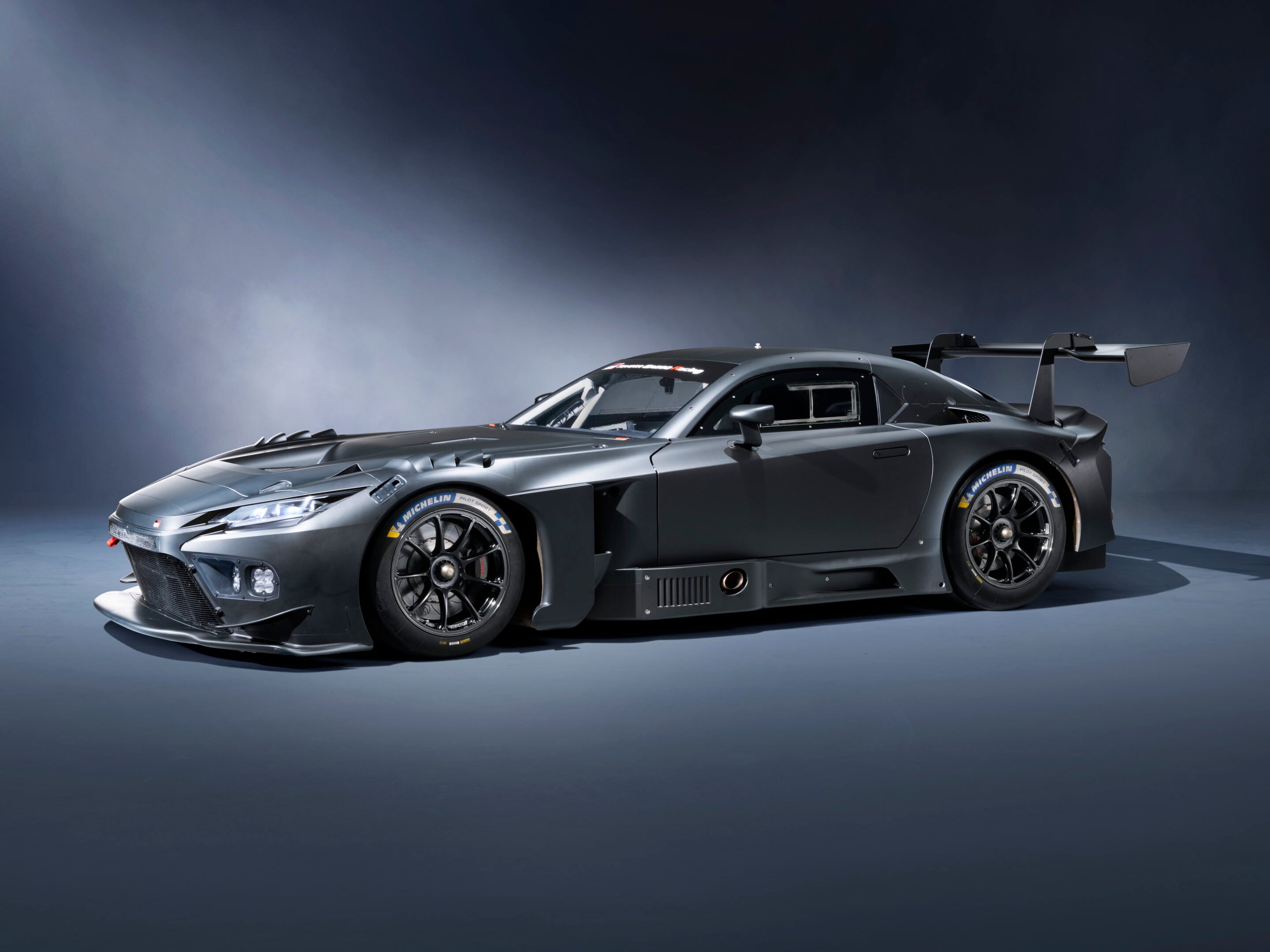
Toyota’s Gazoo Racing division has shown the first public prototypes of two related V8-powered cars: a new road-going flagship called GR GT and a customer racing version dubbed GR GT3. Both remain in development, but Toyota says they are being engineered side-by-side, with the road car intended to underpin an FIA-spec GT3 program aimed at global endurance and GT racing.
The GR GT is being positioned as Toyota’s next top-tier performance model, following the spirit of the 2000GT and Lexus LFA. Unlike those earlier icons, this one has been conceived from the outset with motorsport homologation in mind, effectively making it a road-legal race car. The GR GT3, meanwhile, is the track-only offshoot that will compete in the GT3 category, where brands such as Ferrari, Porsche, BMW, McLaren and Lamborghini fight for wins in customer-team racing.
3
Toyota is still holding back many final specifications, but key details were confirmed alongside the prototypes. Both cars use a newly developed 4.0-litre twin-turbo V8 and a chassis built around Toyota’s first all-aluminium body frame. The GR GT adds a hybrid system with a single electric motor integrated into a rear transaxle.
Development targets for the road car call for at least 650PS of combined output – roughly 480kW – and 850Nm of torque. Toyota also quoted a top speed target beyond 320km/h. Weight is being kept below 1750kg, with a front-to-rear distribution of 45:55. The layout is front-engine, rear-drive, with the V8 mounted low and pushed rearward behind the front axle to help balance and reduce the centre of gravity.
Toyota says the emphasis has been on three fundamentals: lowering the car’s centre of mass, keeping the structure light but stiff, and prioritising aerodynamics early in the styling process. In practice, that has meant packaging heavy components – the dry-sump V8, rear transaxle and major hybrid hardware – as low as possible, and shaping the body around airflow and cooling needs before final exterior lines were locked in.

1
The GR GT’s aluminium spaceframe is paired with body panels using a mix of aluminium, carbon-fibre reinforced plastic and other composites. Suspension is a low-mounted double-wishbone setup front and rear, with forged aluminium arms, and carbon-ceramic Brembo brakes. Toyota says the underlying chassis hardpoints and suspension architecture were designed so the racing GR GT3 can share major components, reducing development duplication between the road and race programs.
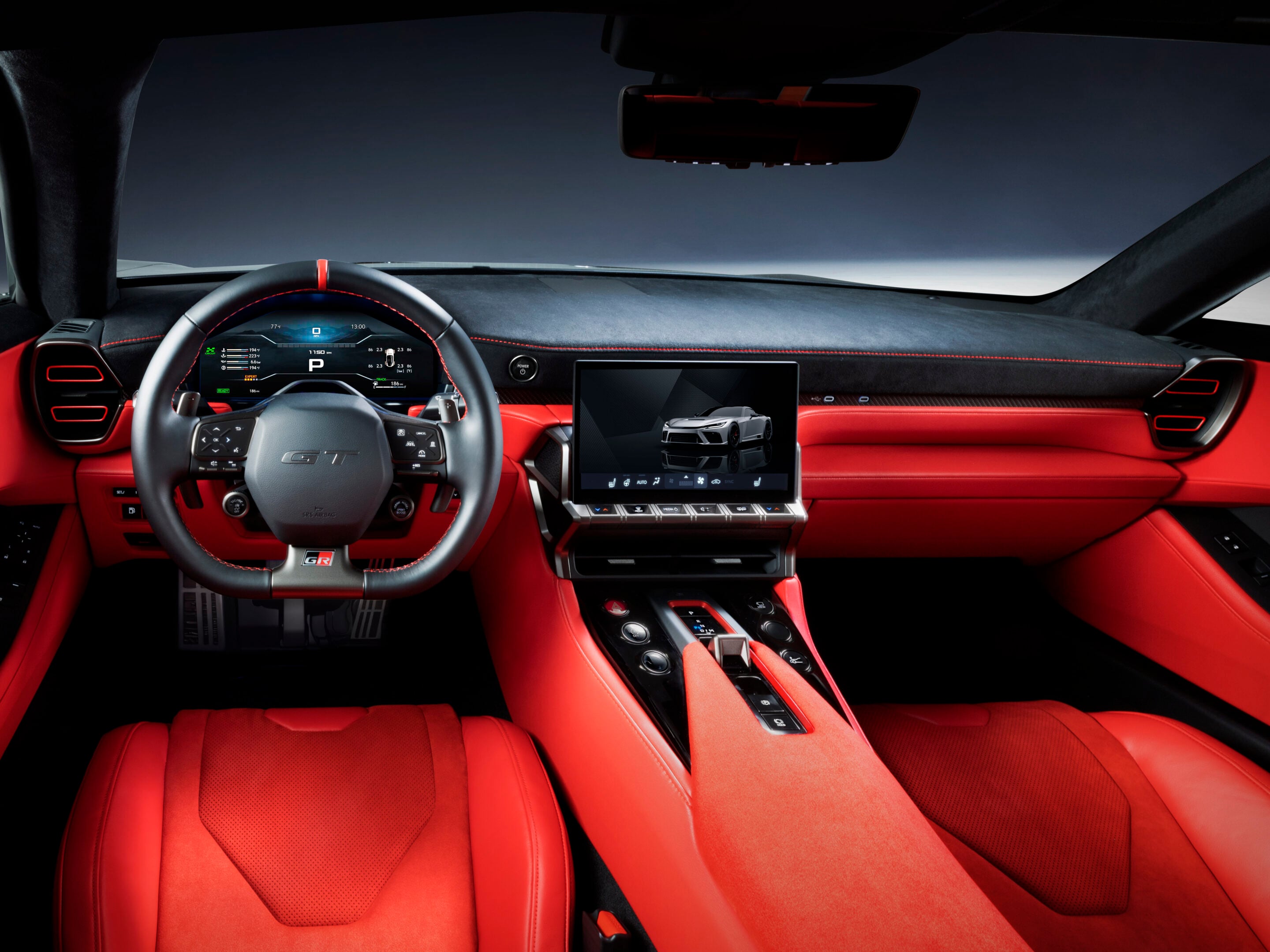
Inside, Toyota claims the GR GT has been laid out around a low seating position and clear outward visibility, with controls clustered close to the steering wheel for quick access on track. It’s also being tuned for daily use, though the company hasn’t shown a full cabin yet.
2
Toyota credits the development approach to lessons from competition, including heavy simulator use early in the program, then validation on circuits such as Fuji Speedway and the Nürburgring, plus public-road testing for drivability away from the track. The cars have been iterated through repeated test-and-repair cycles typical of GR products.
Neither model has a confirmed on-sale date, but Toyota is aiming for a launch around 2027. Final performance figures, design details and the GR GT3’s racing timeline will be released closer to production.
9
Follow WhichCar/Wheels on Google
Click the button below to make WhichCar by Wheels a preferred source for your news.


We recommend
-
 Features
Should you wait for the new Toyota RAV4 or buy one now?
The Toyota RAV4 was the world's best-selling car in 2024 and an upgraded version is due next year. Should you wait for it or buy the current model?
-
 News
News2026 Toyota HiLux pricing and specifications revealed
Pricing and specifications for the new 2026 Toyota HiLux – one of Australia's favourite work trucks cars – have been announced ahead of its December 2025 local introduction.