News
Gallery 1
Toyota is just days from unveiling a new V8-powered supercar, a flagship intended to sit in the lineage of the 2000GT and Lexus LFA. This next halo model isn’t aimed only at weekend drives, either: a GT3 race car has been developed in parallel, signalling a serious motorsport mission. With the covers set to come off on December 4, here’s a clear picture of what has surfaced so far.
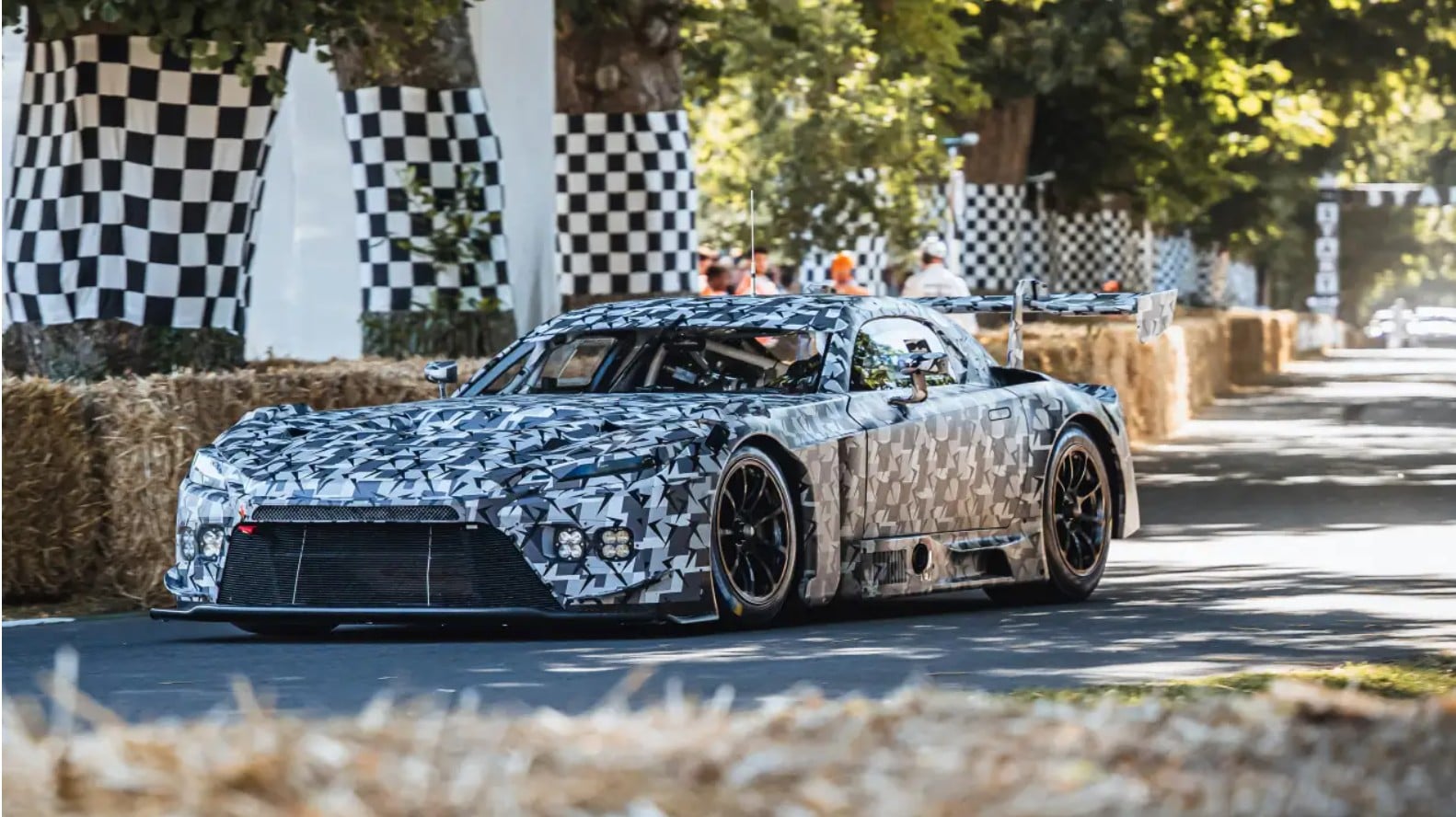
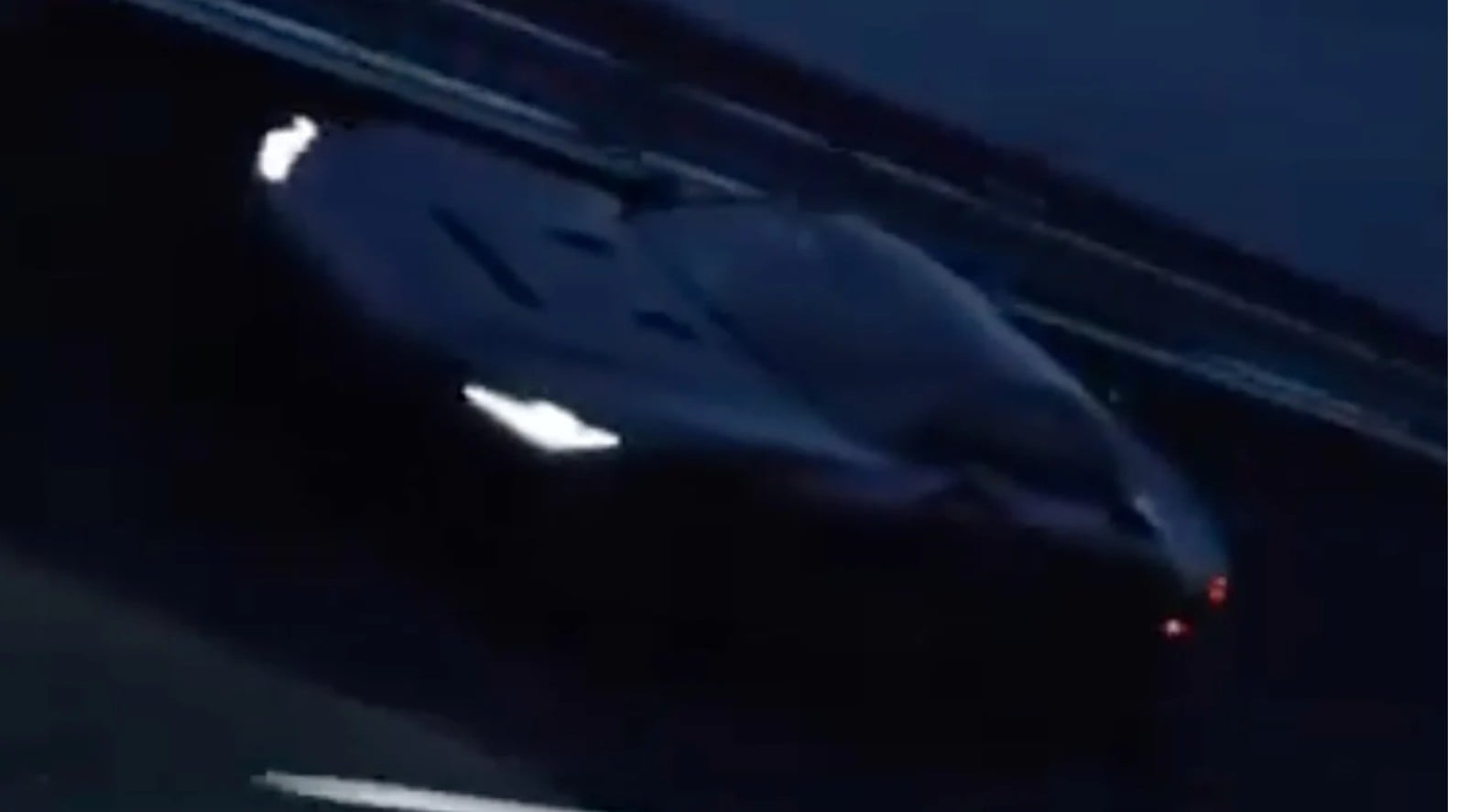
In Toyota’s latest teaser, the mystery coupe – widely tipped to be called the Toyota GR GT – shows a long bonnet, a tight rear overhang and a wide, planted stance. It lines up with what we’ve already seen from camouflaged prototypes running at the Goodwood Festival of Speed, and confirms a dramatic, aggressive shape. The silhouette feels closer to something like a Mercedes-AMG SLS Gullwing than any recent road-going Toyota, which is exactly the point of a halo car.
2
That teaser follows an official image released around last month’s Japan Mobility Show in Tokyo, revealing a partial front quarter. Even from that narrow view, the car wears slim LED headlights and a deep lower intake suggesting serious cooling and aero needs. A second, wider photo of the same car appeared on trackside signage at Fuji Speedway, giving a better sense of its low, stretched proportions.
Crucially, that Fuji shot shows a GR (Gazoo Racing) badge in the lower grille. Whether the finished product sits under Toyota or Lexus branding, the GR badge confirms the project is being led by Toyota’s competition arm rather than a purely road-car design studio.
Toyota has stayed quiet on hard technical details, but the breadcrumbs are meaningful. After the Goodwood hillclimb run, the company released audio clips of the engine note as part of its Japan Mobility Show build-up. The sound is unmistakably V8, and most signs point to a turbocharged unit. A hybrid boost for the road car is also on the cards, given the direction of modern performance flagships.

1
Output figures remain guesswork, but today’s rivals operate comfortably in the 520kW-plus bracket, and Toyota is unlikely to launch a halo model without playing in that same league. Expect a headline number that puts it squarely among the world’s quickest GT-style supercars.
The car’s layout also seems increasingly clear. Its proportions indicate the engine sits ahead of the cabin but behind the front axle, creating a front-mid-engine balance similar to the previous Mercedes-AMG GT. That configuration suits both a road car chasing agility and a GT3 machine chasing lap time.
Transmission details are still unknown, but the prototypes suggest power will be sent rearward via a transaxle, likely housing a limited-slip differential and a fast-shifting self-shifter. Whether Toyota opts for a traditional automatic, a dual-clutch, or something more bespoke remains to be seen.
Rumours also point to a carbon-fibre-intensive structure. If true, it would mirror the Lexus LFA approach, where Toyota’s luxury arm pioneered carbon construction within the group to cut weight and increase rigidity.
The road car’s purpose goes beyond showroom theatre. Toyota intends to homologate a GT3 racing version alongside it, echoing how the GR Yaris was built to support Toyota’s World Rally Championship program. GT3 is one of the toughest, most prestigious global classes, with Ferrari, Porsche, McLaren, BMW, Lamborghini and Aston Martin all represented — and Toyota is clearly aiming to join that fight with factory backing.
1
As for the badge on the nose, the momentum now leans strongly toward Toyota branding. Lexus appears to be concentrating on upcoming electric models, including a possible performance coupe inspired by the Sport Concept shown at Monterey Car Week and again in Tokyo. That shift also strengthens the view that Gazoo Racing will be the named team taking the car into WEC GT3 competition.
Either way, the wait is almost over. Toyota’s December 4 reveal should finally confirm the GR GT’s name, specs and full road-and-race intent — and whether this V8 halo car becomes the most ambitious Toyota performance statement of the modern era.
Follow WhichCar/Wheels on Google
Click the button below to make WhichCar by Wheels a preferred source for your news.

We recommend
-
 News
News2026 Toyota Hilux: Specs for the workhorse's first electric version revealed
Toyota Europe spills the beans on the capabilities of the first electric Hilux.
-
 News
NewsToyota C-HR+ electric SUV confirmed for Australia... but not until 2027
The Toyota C-HR+, a smaller electric SUV than the bZ4X already on sale, has been confirmed for the Australian market