News
Gallery 1
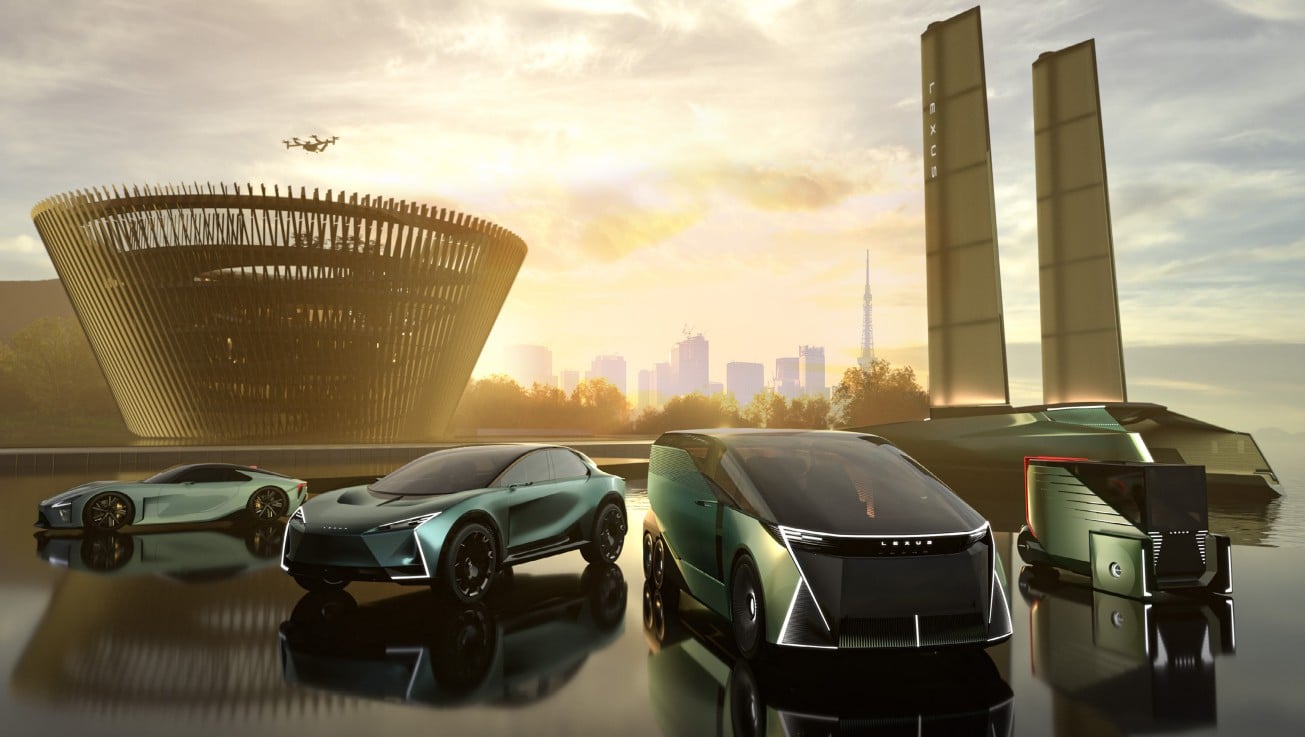
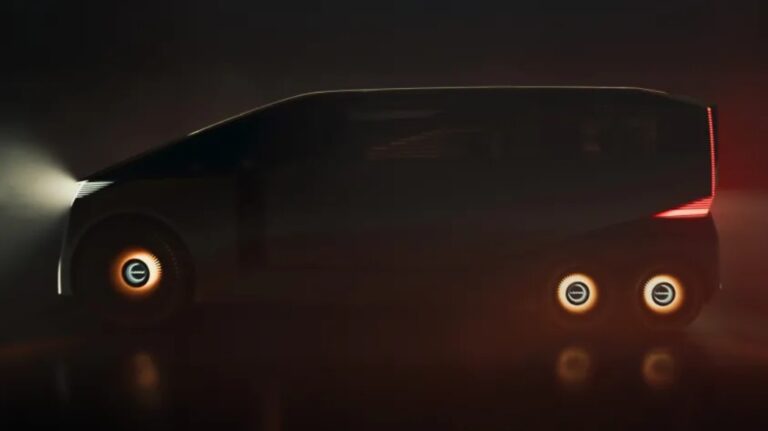
Lexus has used the Tokyo Mobility Show to challenge conventional ideas of what a luxury vehicle can be, unveiling a suite of design studies that reimagine its flagship LS model as everything from a six-wheel “Luxury Space” to a single-seat urban pod.
The LS Concept sits at the centre of Lexus’s evolving vision of luxury. Rather than defining LS solely as a sedan or SUV, the brand now positions it as a “Luxury Space” — a flexible, mobile sanctuary where freedom and privacy become the ultimate commodities.
In his presentation, Chief Branding Officer Simon Humphries said the LS Concept reflects a changing world in which personal space, time and emotional connection have become as important as performance.
“Space is freedom, and space is privacy,” Humphries said. “In a frenetic world, what greater luxury is there than that?”
5
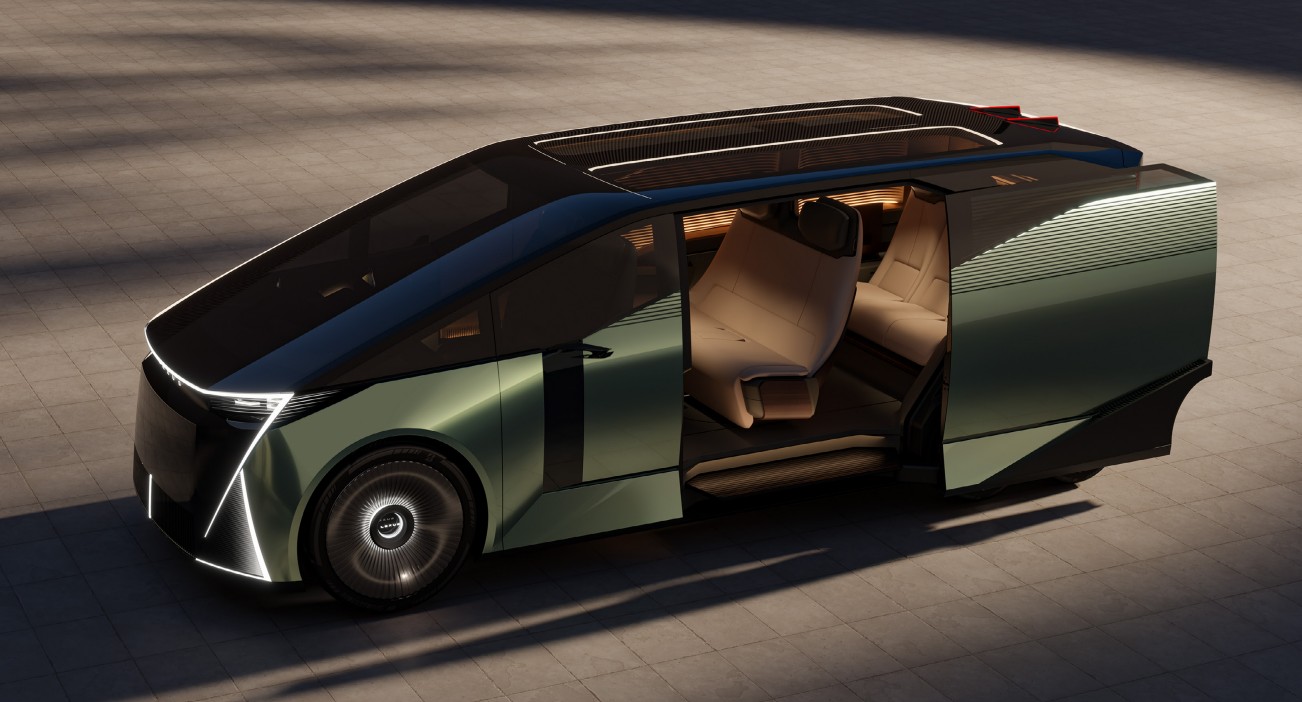
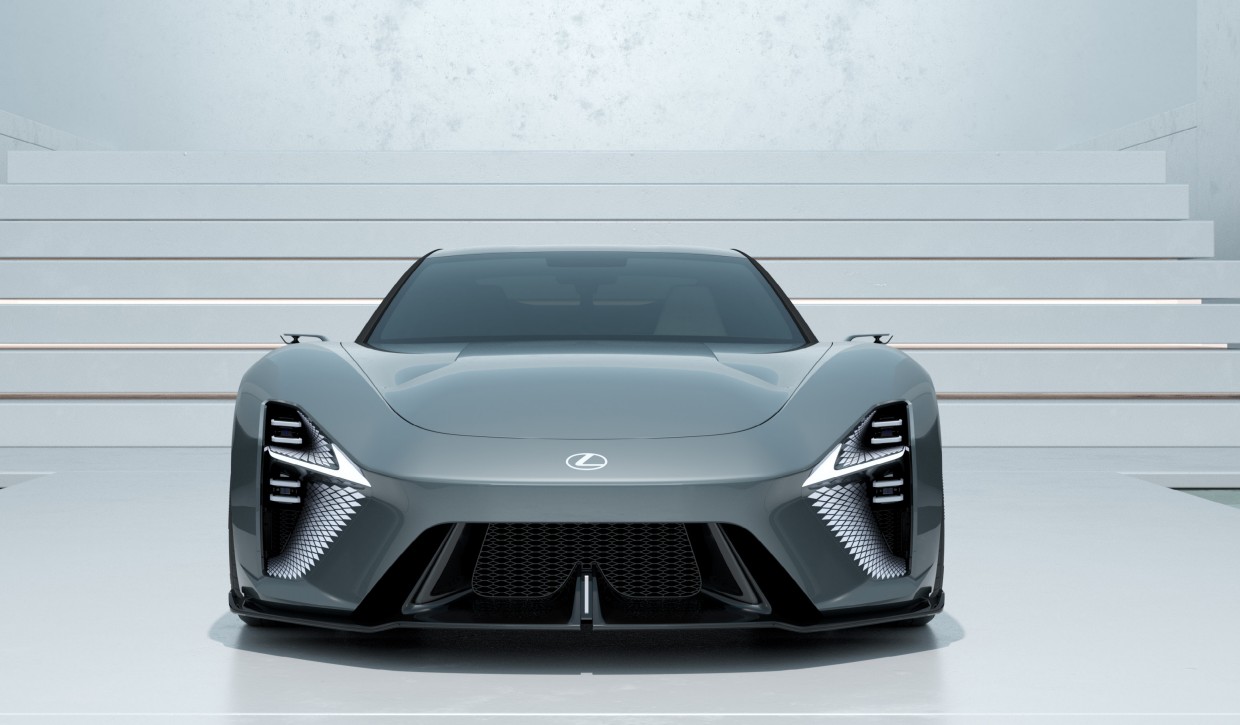
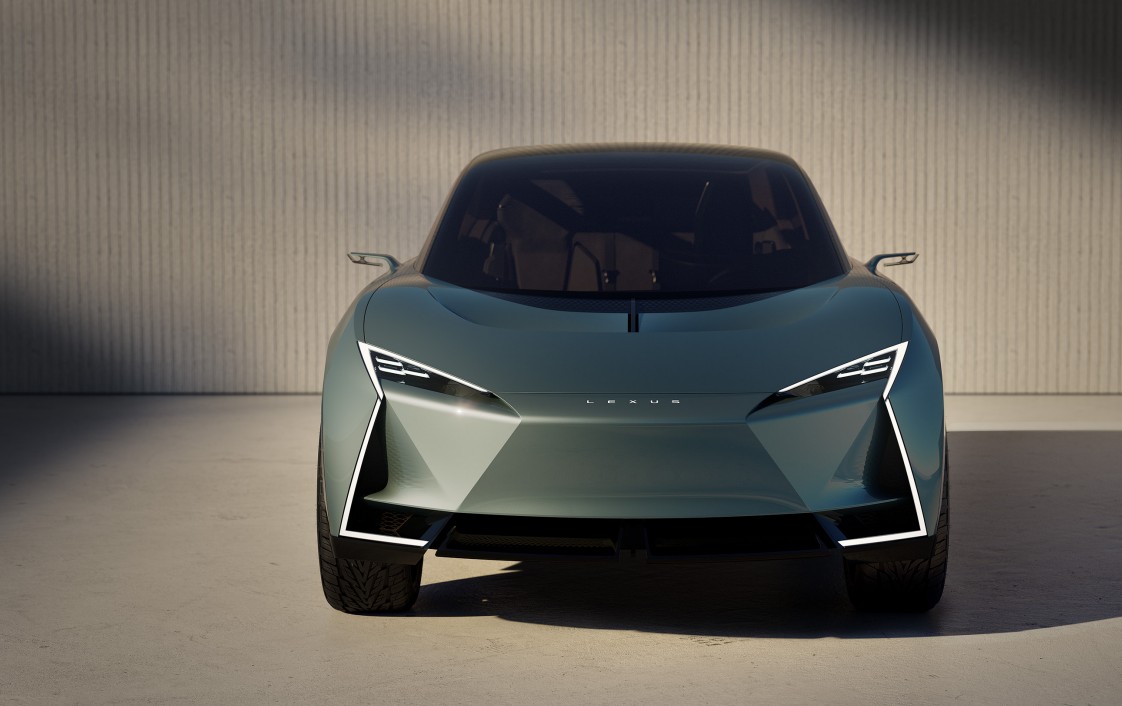
The show car rides on six wheels, a radical configuration designed to maximise interior room and accessibility. Its cabin functions more like a lounge than a traditional car interior, blurring the line between home and transport.(below), focused on driver engagement and sensory immersion; and the LS Coupe Concept (bottom), designed to balance comfort and excitement for both driver and passenger.
4
3
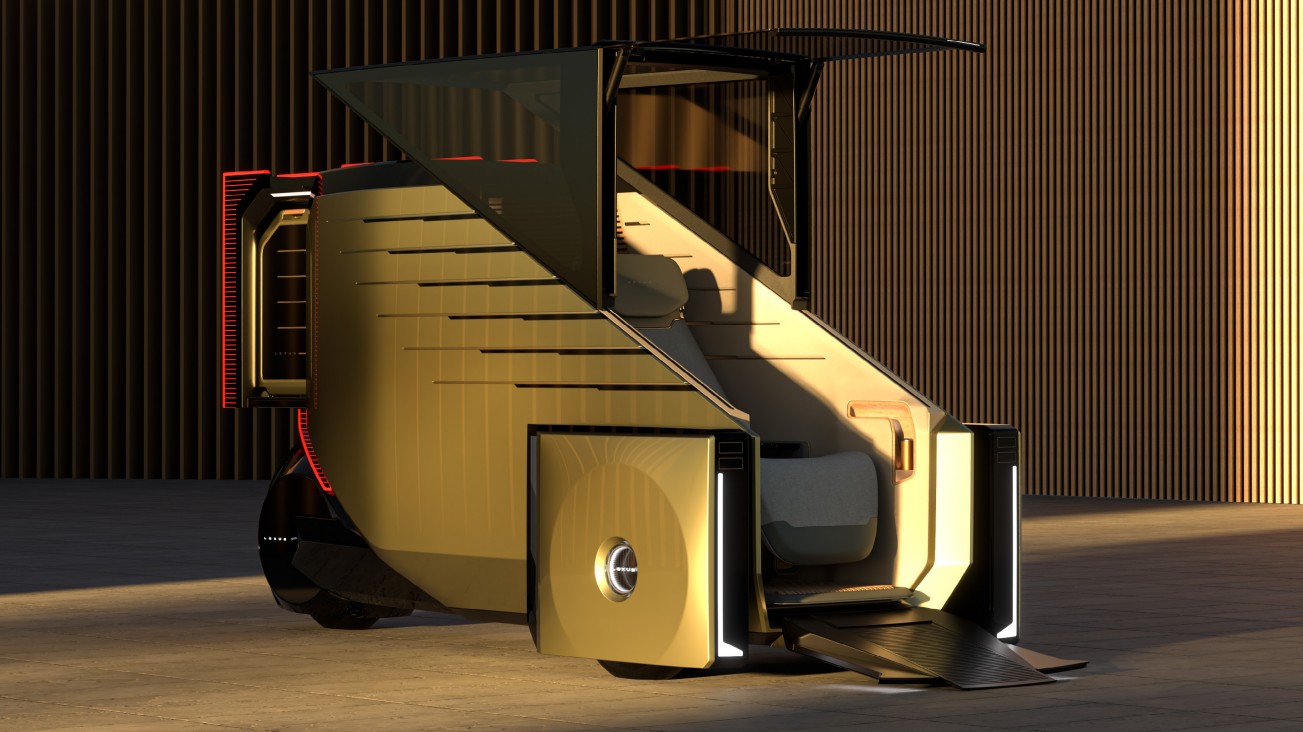
Beyond the LS line, the company teased future mobility projects, including an autonomous one-person “box” vehicle (below), a self-contained catamaran, and potential links to personal air mobility through Lexus’s collaboration with aviation start-up Joby Aviation.
Humphries said the concepts express Lexus’s core philosophy of “Discover” — encouraging customers to pursue new experiences while the brand expands beyond traditional categories of cars, boats, and aircraft.
1
“Luxury is leadership,” he concluded. “At Lexus, we believe everyone is their own brand — and we want to help them see the world through new eyes.”
The Tokyo showcase signalled that Lexus’s next flagship may not just drive — it could fly, float, or even provide a private retreat in motion.
Follow WhichCar/Wheels on Google
Click the button below to make WhichCar by Wheels a preferred source for your news.

We recommend
-
 News
NewsWhat is the Lexus LS Concept due for reveal at the Tokyo Motor Show?
Lexus will unveil a futuristic vision redefining luxury travel at the upcoming Tokyo show.
-
 News
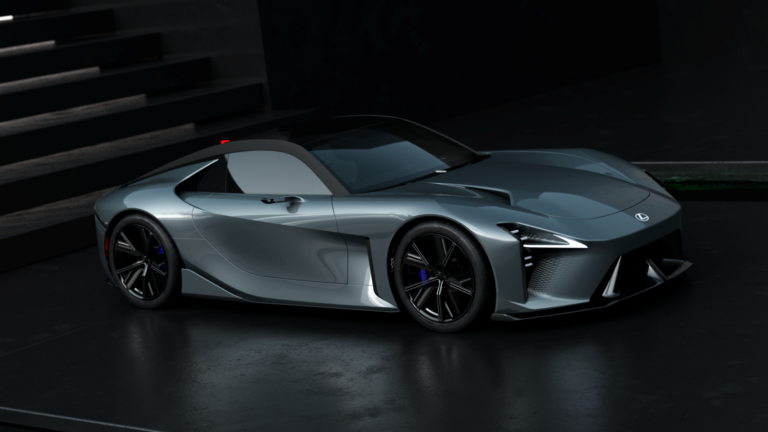
NewsLexus unveils striking Sport Concept at The Quail in California
Front-engine, rear-drive twin-turbo V8 coupe previews next-generation performance flagship and GT3 racing platform