News
Gallery 1
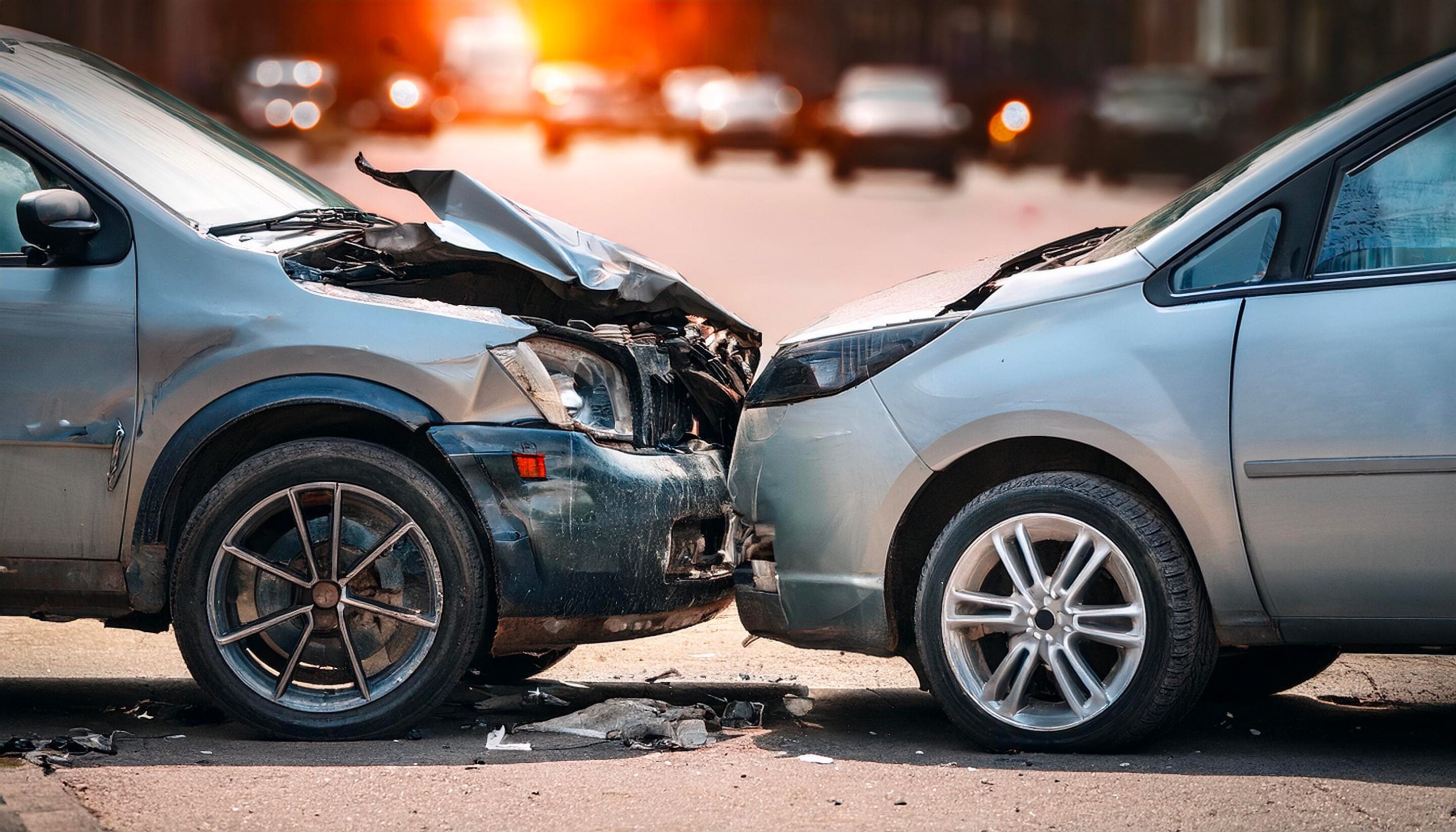
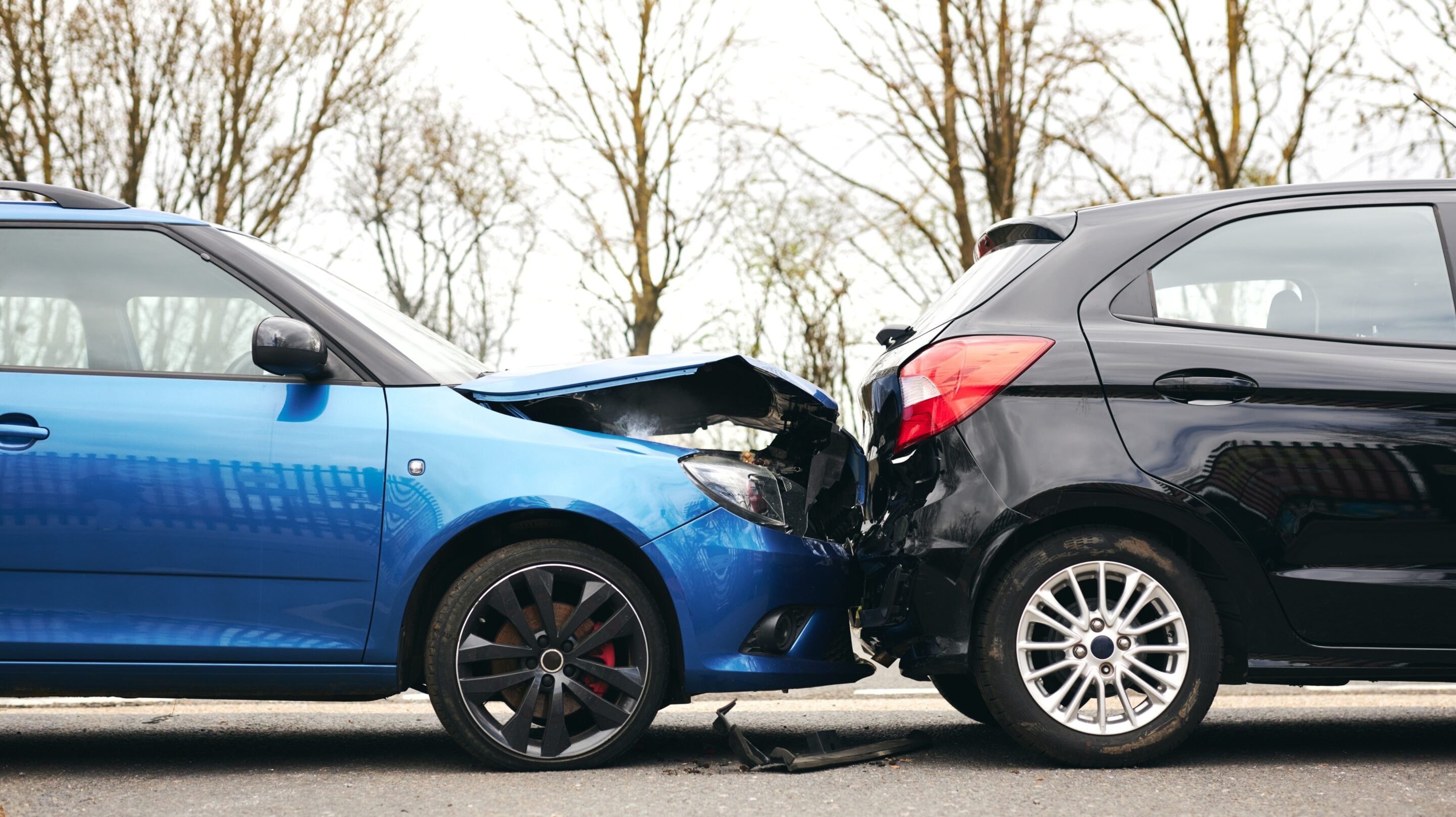
Australia’s peak motoring body has renewed calls for a federal investigation framework into road fatalities, warning the nation’s rising death toll demands a more rigorous, evidence-based response.
According to new data cited by the Australian Automobile Association (AAA), 1326 people were killed on Australian roads in the 12 months to March 31, an increase of 39 deaths compared with the same period a year earlier. The figure marks the 34th consecutive monthly rise in the rolling annual road toll and represents a 20.9 per cent increase since the National Road Safety Strategy 2021–30 was introduced, which aims to eliminate fatalities and serious injuries by 2050.
Pedestrians and cyclists remain particularly vulnerable. Pedestrian deaths climbed 16.4 per cent over the past year, while cyclist fatalities rose 4.4 per cent, highlighting growing risks for non-vehicle road users.
In a pre-budget submission, the AAA has urged the federal government to fund a pilot program for “no-blame” crash investigations, similar to those conducted in the aviation sector. The organisation argues that independent, detailed investigations into road deaths could uncover systemic causes and lead to more effective safety measures.
1
AAA managing director Michael Bradley said current approaches rely too heavily on assumptions rather than comprehensive analysis. He noted that while various theories exist to explain the increase in road deaths, there is insufficient evidence to determine the primary causes or why trends differ between states.
Australia already has established investigative bodies such as the Australian Transport Safety Bureau for aviation and the Australian Maritime Safety Authority for marine incidents. The AAA believes expanding similar investigative powers to road crashes would provide critical insights.
The Northern Territory recorded the highest fatality rate per capita despite a decline in total deaths, followed by Tasmania and Western Australia. New South Wales and Victoria reported comparatively lower rates.
The proposed investigations would examine factors such as heavy vehicle incidents, pedestrian impacts and the role of emerging transport modes. Researchers have also pointed to the growing dominance of SUVs and utes – now accounting for four in five new vehicle sales –as a potential contributor, given their larger size and greater impact forces in collisions.
Follow WhichCar/Wheels on Google
Click the button below to make WhichCar by Wheels a preferred source for your news.


We recommend
-
 Features
The Wheels Interview: Dr Stuart Newstead, safety expert, on why Australia’s road toll remains so high
Dr Stuart Newstead is one of Australia’s foremost experts on road safety, who has some pointed things to say about a country where car-related deaths are going up, not down, despite public safety campaigns and crash avoidance technology.
-
 News
NewsMajor road rule changes coming in 2026: What Australian drivers need to know
From lower speed limits to AI enforcement and tougher penalties, sweeping reforms are set to reshape Australia’s roads next year.