News
Gallery 1
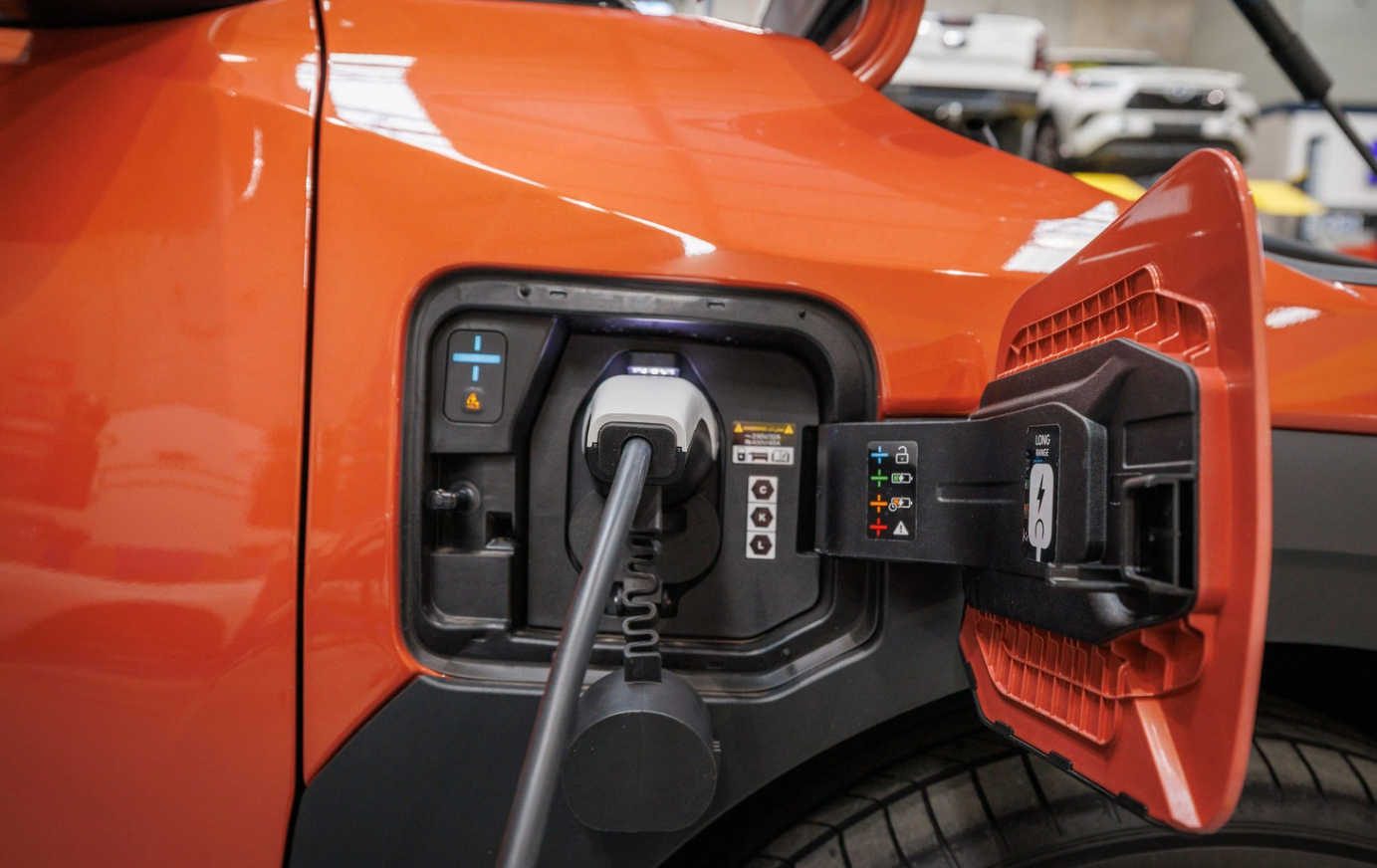
The federal government will wind back its popular electric vehicle tax break from 2027, tightening eligibility for the Fringe Benefits Tax (FBT) exemption as costs surge well beyond initial forecasts.
Under the changes, EVs priced below $75,000 will remain exempt from FBT from April 2027, while those above that threshold will be taxed at 75 per cent of the standard rate. By April 2029, the concession will be further reduced, with all EVs subject to the 75 per cent rate – except luxury models, which will continue to attract full FBT.
The move is expected to save $1.7 billion over four years, after the scheme’s cost ballooned to an estimated $1.35 billion this financial year, far exceeding the original $90 million forecast.
1
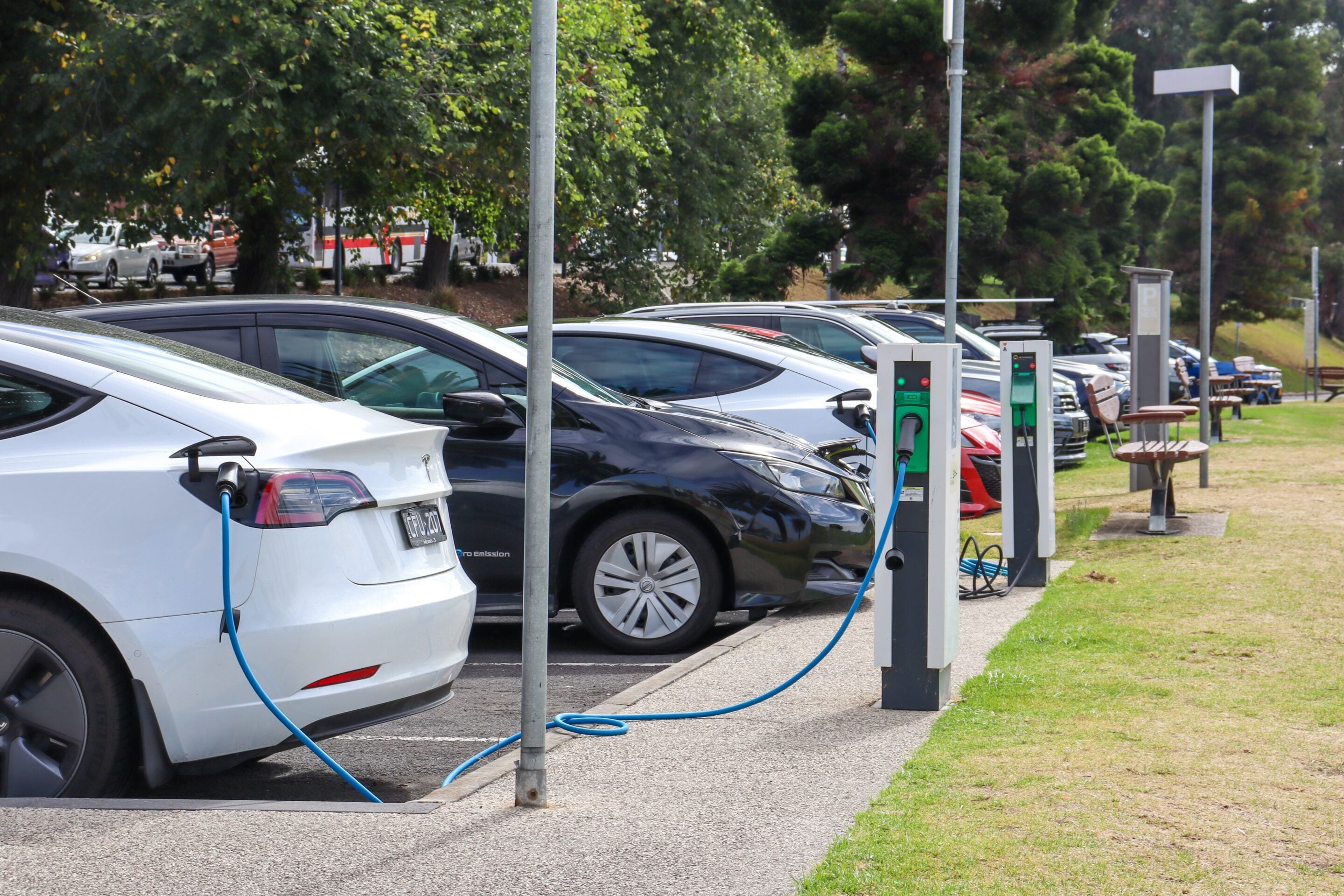
The exemption has been a key driver of EV uptake, particularly through novated leases, which allow buyers to package vehicle payments through pre-tax income. Around half of all EV sales are estimated to occur via this pathway.
From 2029, however, the financial equation will change. EVs that are currently exempt could attract thousands of dollars in annual FBT, narrowing the cost advantage over petrol vehicles. For example, a $50,000 EV that currently incurs no FBT could face a tax bill of roughly $7,300 per year, depending on the lease structure.
That said, existing novated lease agreements will be grandfathered, meaning buyers who enter into a lease before the changes take effect can retain the current tax benefits for the life of the contract – potentially well into the 2030s. This is expected to drive a short-term surge in demand as consumers look to lock in savings before the rules tighten.
Industry groups have broadly welcomed the government’s staged approach. Australian Finance Industry Association CEO Diane Tate said the phased changes provide much-needed certainty.
“A clear pathway gives consumers and businesses confidence to plan, invest and act,” she said, describing the exemption as the “single-most critical incentive” for EV adoption.
Electric Vehicle Council Chief Executive Julie Delvecchio said the decision gives Australians a clear pathway to ditch petrol costs and the certainty to act now.
“This is good news for everyday Australians who are doing the sums on going electric,” Ms Delvecchio said.
“The Albanese Government and Minister Bowen have listened and shown they understand EVs are a cost-of-living measure. This decision means most electric cars in Australia will remain eligible for the Electric Car Discount, allowing people to save thousands on their annual fuel bills.”

1
The National Automotive Leasing and Salary Packaging Association also supported the decision, with CEO Rohan Martin saying the one-year extension of current settings would help maintain momentum.
“At a time when Australians are feeling real pain at the pump, the Electric Car Discount is helping households take control of their fuel bills,” he said.
However, both groups warned that broader policy support – including charging infrastructure and finance access – will be essential to sustain growth as the market matures.
Follow WhichCar/Wheels on Google
Click the button below to make WhichCar by Wheels a preferred source for your news.


We recommend
-
 News
NewsAustralia’s EV boom is in full swing – here are the top 10 cars people are buying
As fuel prices continue to surge amid the Middle East conflict, Australian new car buyers are gravitating to EVs in ever-increasing numbers.
-
 News
NewsEV sales double in April 2026 with Tesla Model Y leading the way
Strong growth from Tesla and Polestar signals rising demand, with insurance data also pointing to a surge in EV interest.
-
 Reviews
2026 MG 4 Urban first drive: City-focused EV nails the price point
Following the announcement of local pricing, WhichCar by Wheels gets an early taste of MG’s fresh take on the MG 4, a city-focused, value-first offering for small car buyers otherwise sceptical about the leap to a fully-electric vehicle.