News

Gallery 1
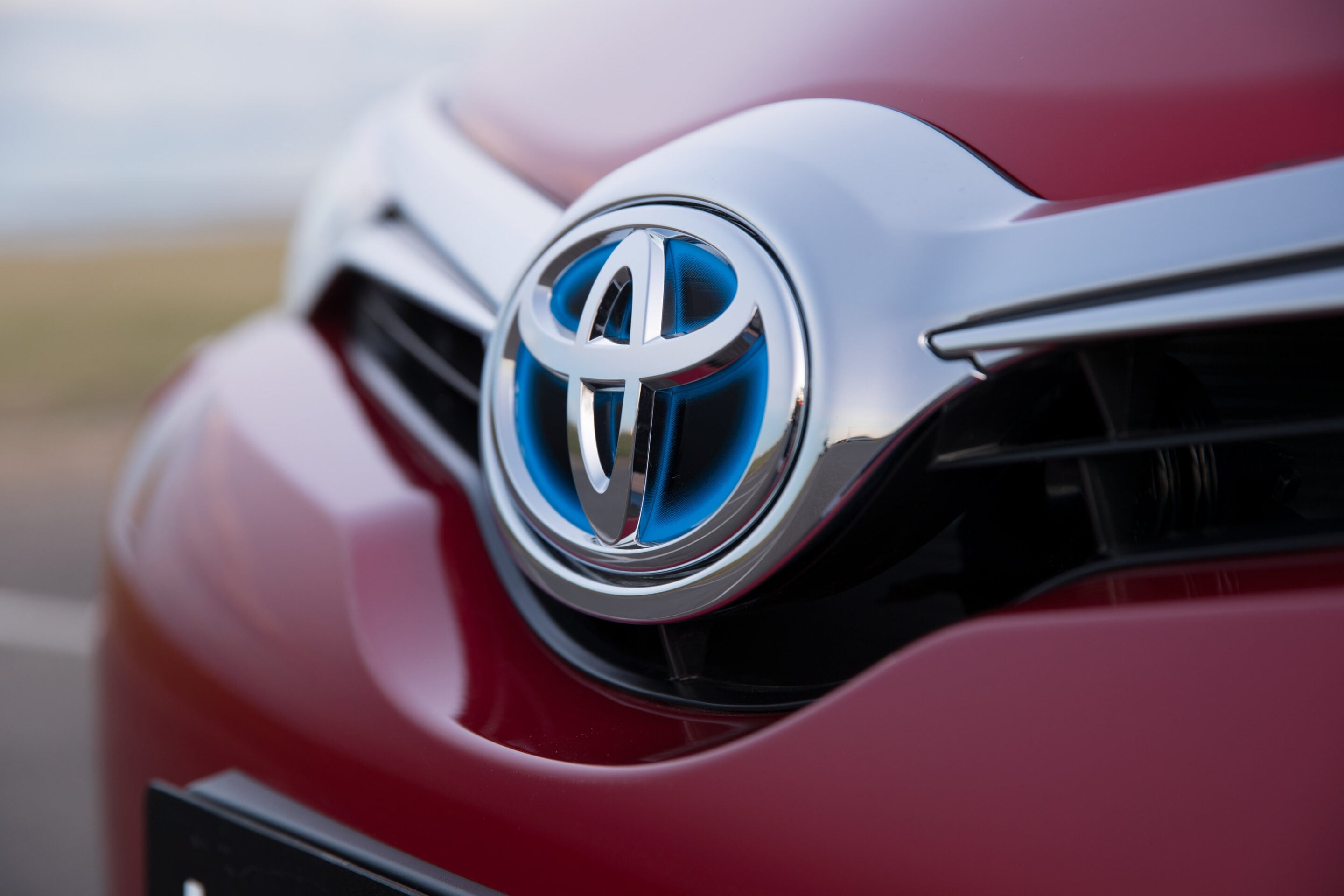
Toyota has warned that escalating US tariffs and rising global costs are set to inflict billions of dollars in losses on the world’s largest carmaker, with the company forecasting one of the sharpest profit declines in recent years.
The Japanese manufacturer says its North American operations have effectively slipped into the red after the combined impact of import tariffs, rising material costs and currency pressures erased regional earnings during the 2025-26 financial year.
Toyota reported operating profit of 3.77 trillion yen (about A$39 billion) for the year ending March 2026, down 21.5 per cent from the previous year, despite global vehicle sales rising 2.5 per cent to almost 9.6 million units. Revenue climbed 5.5 per cent to a record 50.7 trillion yen (approximately A$524 billion), but higher costs and trade disruption severely affected margins.
1
North America was one of Toyota’s strongest markets for vehicle sales, yet it became one of the company’s biggest financial weak points. Operating results in the region swung from a 108.8 billion yen (approximately A$1.1 billion) profit to a 192.5 billion yen loss (approximately A$2.0 billion) over the past financial year.
The company said US tariffs were the single largest factor affecting earnings, with Toyota estimating an additional 670 billion yen (approximately A$6.9 billion) hit to profits in the next financial year alone. Earlier estimates suggested tariffs imposed by the Trump administration had already cost the carmaker about US$1.3 billion in just two months.
Toyota now expects operating profit to fall again in the year ending March 2027, dropping to around 3 trillion yen (approximately A$31 billion) – roughly 20 per cent lower than current results.
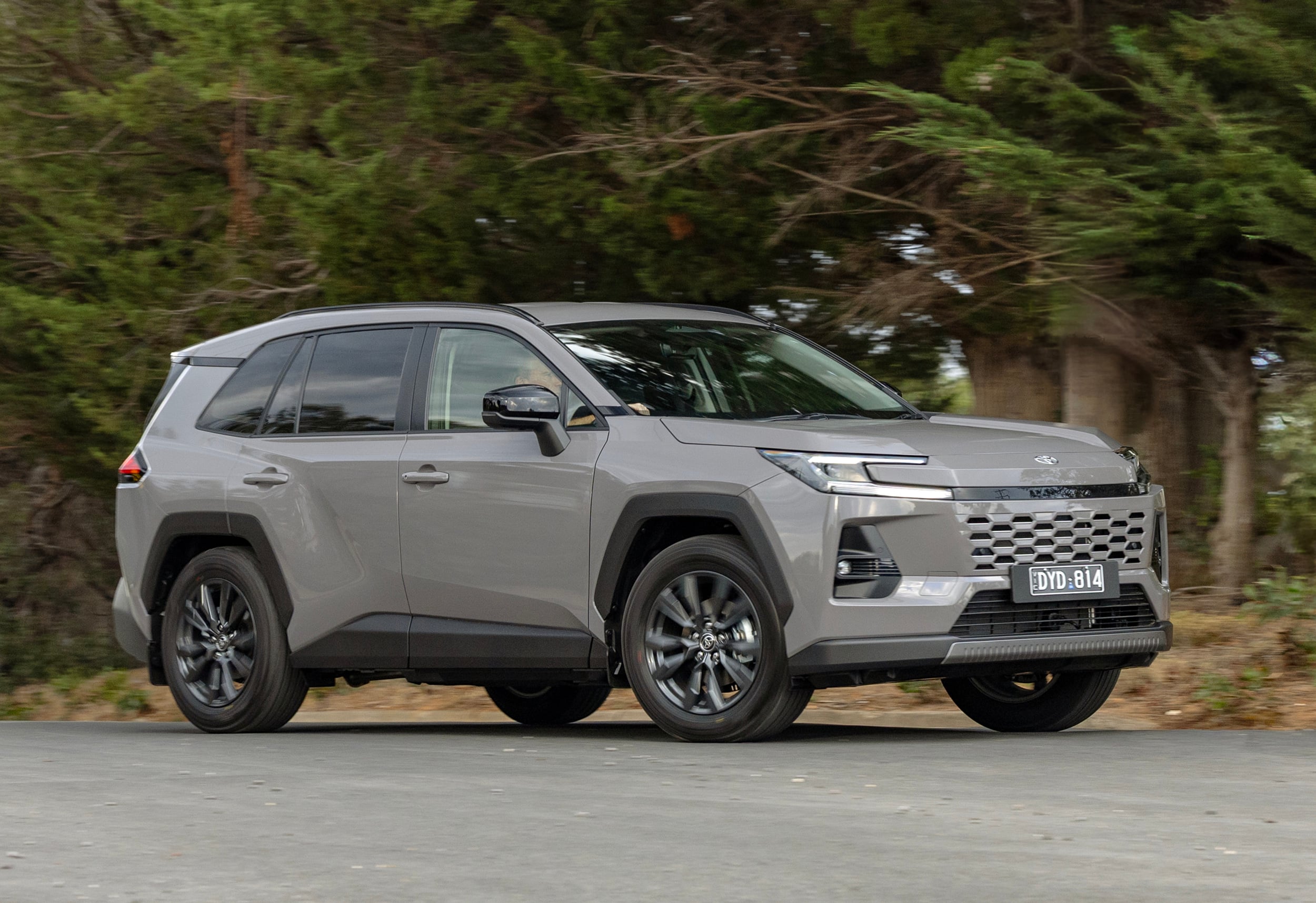
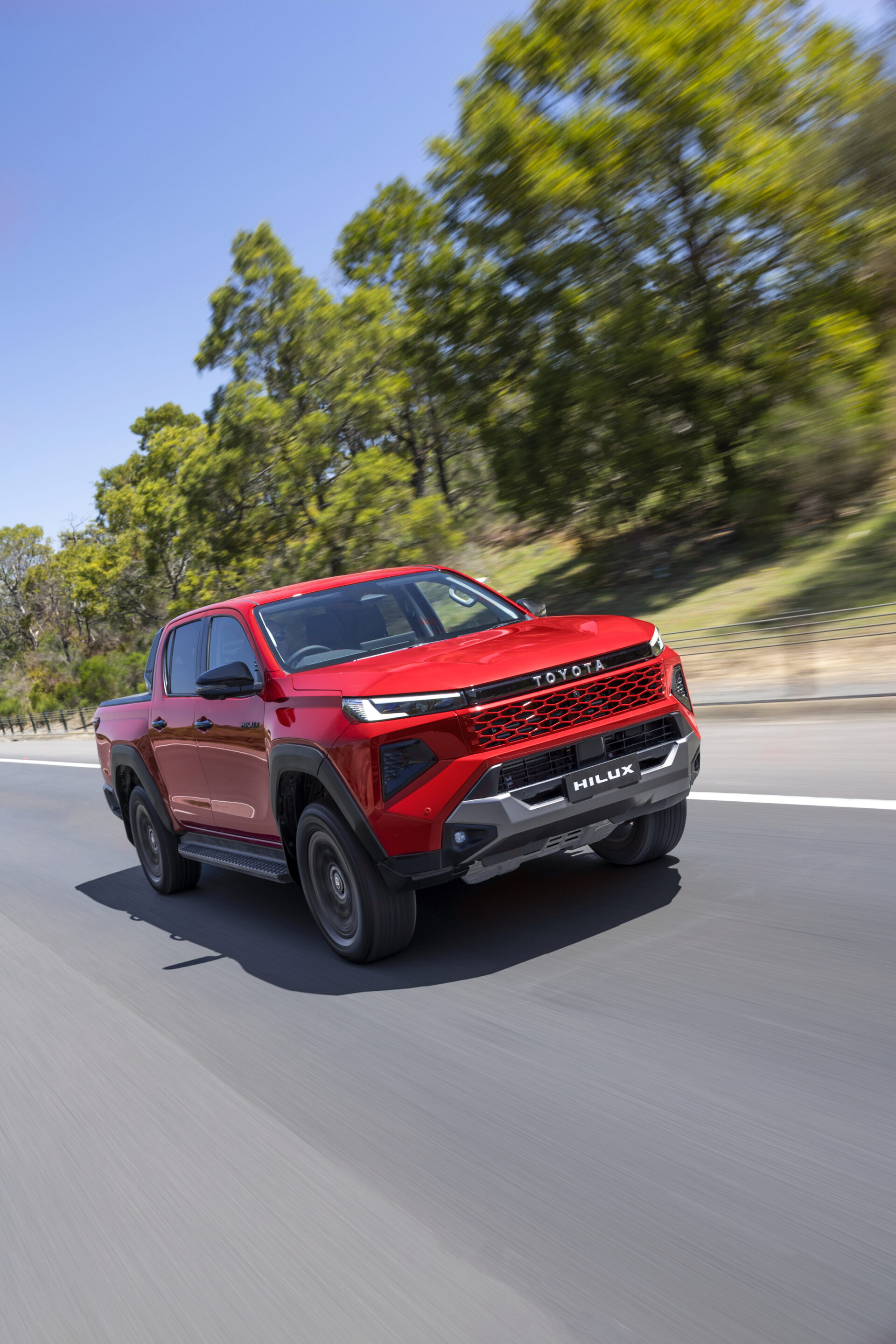
Despite the global pressure, Toyota is expected to remain in a strong position in Australia during 2026, helped by the arrival of the new-generation RAV4 and updated HiLux. The RAV4 returned to the top of the Australian sales charts in April 2026 VFACTS data, reclaiming its position as the country’s best-selling vehicle with 3729 deliveries for the month. Toyota is also banking on renewed momentum for the HiLux as the long-running ute prepares for a major update amid intensifying competition from Ford, BYD and a growing wave of Chinese rivals.
1
The company also pointed to broader geopolitical instability, including conflict in the Middle East and disruption to shipping routes, as adding further pressure to supply chains and material costs. Toyota disclosed a 400 billion yen increase approximately (A$4.1 billion) in material expenses linked to Middle East tensions, while weaker sales volumes in some regions compounded the problem.
Despite the financial headwinds, Toyota continues to benefit from strong global demand for hybrid vehicles, which now account for nearly half of its worldwide sales. The company has largely resisted a full-scale shift to battery-electric vehicles, instead continuing to focus heavily on hybrid drivetrains as a transitional technology.
Toyota executives say the rapidly changing tariff environment makes long-term planning difficult, particularly in the United States – one of the company’s most important markets. The company is now considering expanding localised manufacturing and product development in America as it attempts to reduce future exposure to import duties and political uncertainty.
Follow WhichCar/Wheels on Google
Click the button below to make WhichCar by Wheels a preferred source for your news.

We recommend
-
 News
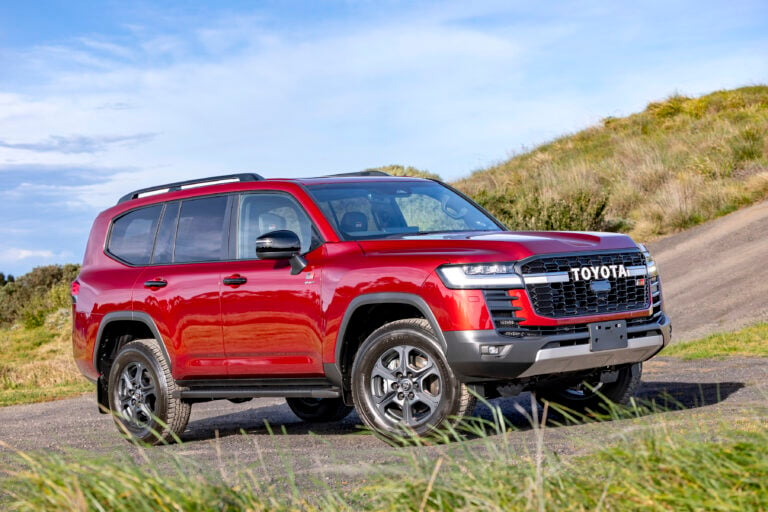
NewsToyota prices LandCruiser 300 Series Hybrid for Australia, on sale mid-2026
From mid-2026, the Toyota LandCruiser 300 Series will offer something unprecedented for the model – a hybrid drivetrain, which also makes up to 790Nm of torque.
-
 Reviews
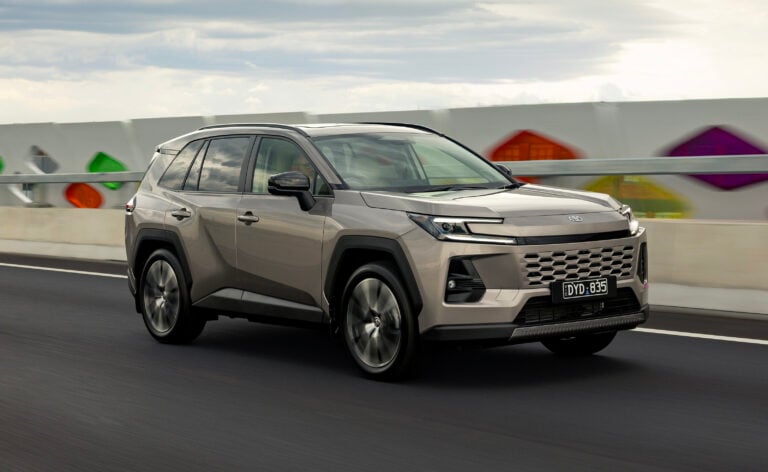
2026 Toyota RAV4 review: Is it still the benchmark medium SUV?
The new sixth-generation Toyota RAV4 is finally here, but is it still the benchmark in the hotly-contested medium SUV segment?
-
 Features
Best hybrid models still to come in 2026
Looking for a new hybrid vehicle? There are plenty to choose from, but it might be worth waiting as these 10 new models are set to launch with a bang in what remains of 2026.