News
Gallery 1
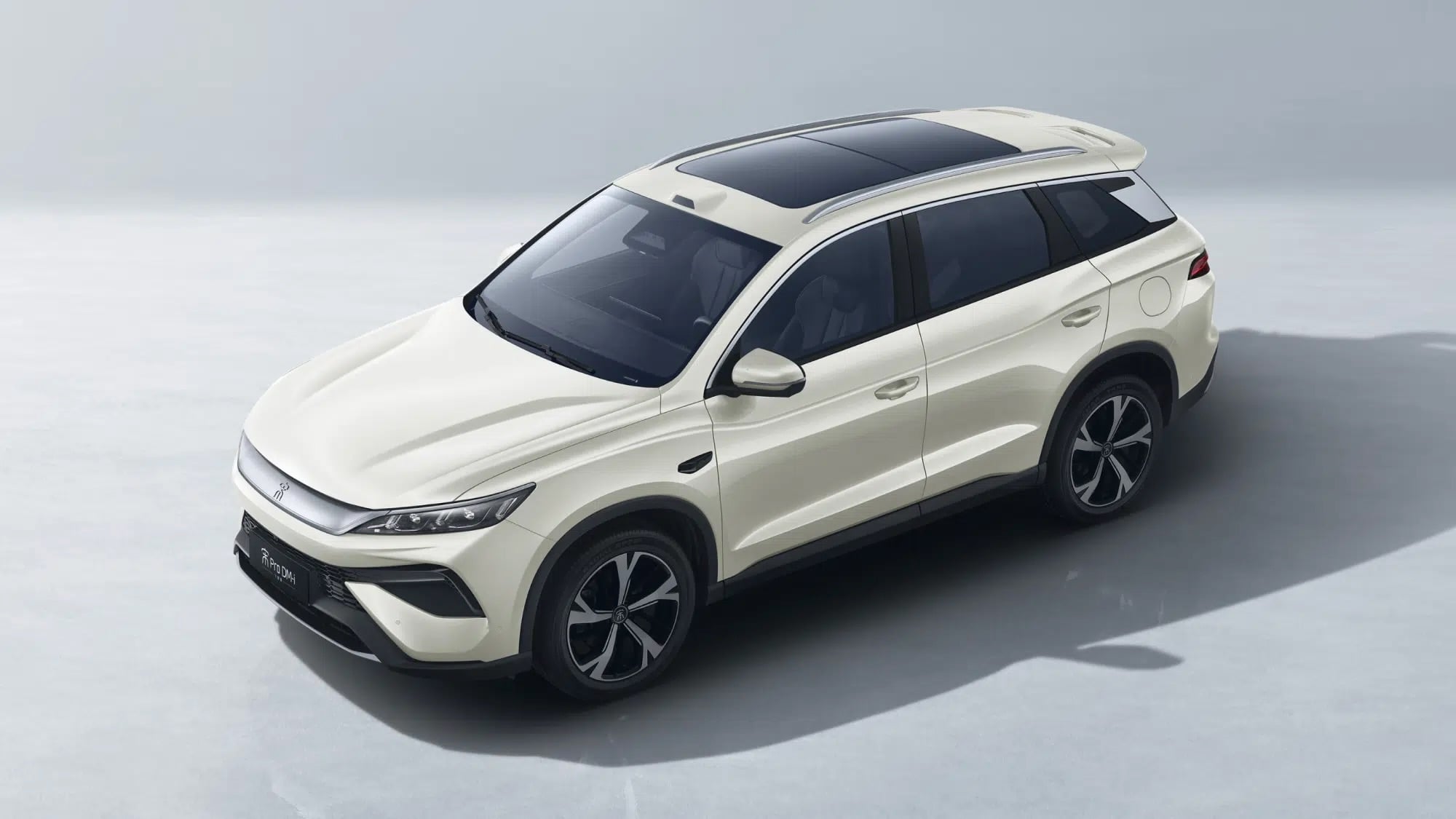
Figures compiled by the China Passenger Car Association (CPCA) and reported by Reuters, indicated new vehicle sales in China dropped by 21.6 per cent, with 1.4 million vehicles sold for the month.
April’s figures represent the seventh month in a row that China’s new car market has dropped below results from the previous year.
Believed to be driven by rising petrol prices and questions over supply stability, plug-in hybrid sales fell by over 25 per cent, but electric vehicles posted a small 2.4 per cent increase.
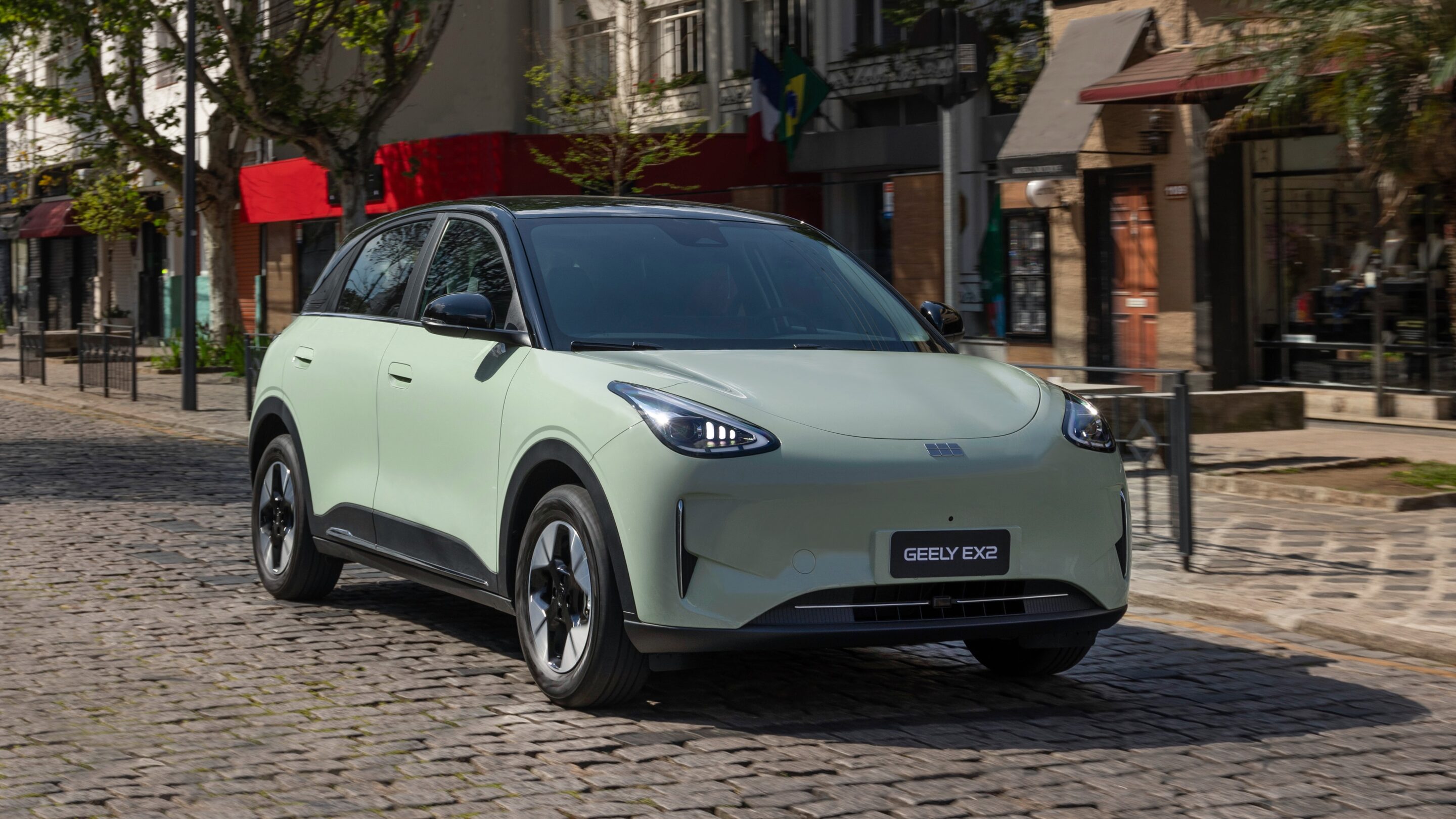
Chinese-built vehicles sent offshore, meanwhile, saw an 80.2 per cent increase in April with 769,000 vehicles reported as exported. Exported ‘new energy’ vehicles (NEVs), including electric, plug-in hybrid, and extended range EVs, represented 406,000 units, up 112 per cent compared to last year.
1
The combined sales for NEVs in China dropped by 6.8 per cent overall, with the small boost in EV sales not enough to stem the drop driven by PHEV numbers.
Within China, recent changes to the passenger car market have seen buyer incentives and subsidies for reduced for NEVs reduced, as the government looks to stabilise the country’s manufacturing sectors.
With fierce competition and heavy discounting to attract buyer attention, Chinese car brands are building stronger export programs. Vehicles sold outside of China can often be retailed with higher margins while still undercutting established rivals.
Financial analyst firm, Morgan Stanley, predicts that China’s overall vehicle production volume would drop by around 2 per cent in 2026, but has recently increased the country’s export growth potential estimate from 15 per cent earlier in the year, to around 33 per cent by the end of 2026.
To offset falling sales at home, Chinese automakers are turning to larger, high-margin luxury SUVs and sedans while reducing the number of cut-priced compact models offered.
Chinese brands are now also prioritising export markets, with a number of brands designing models specifically for sale in Europe, rather than adapting Chinese-market products for sale in overseas markets.
Follow WhichCar/Wheels on Google
Click the button below to make WhichCar by Wheels a preferred source for your news.

We recommend
-
 News
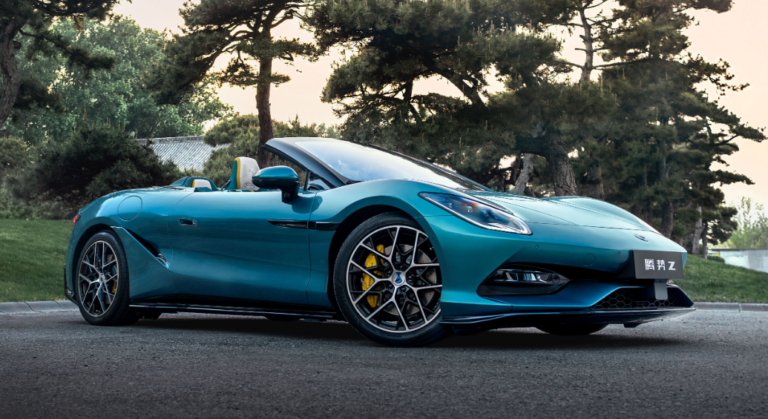
NewsChinese brands go Euro with a push towards more export-specific models seeking a ‘Yaris moment’
In a bid to further increase overseas sales, Chinese brands are increasingly developing a range of models designed specifically for high-margin Western markets.
-
 News
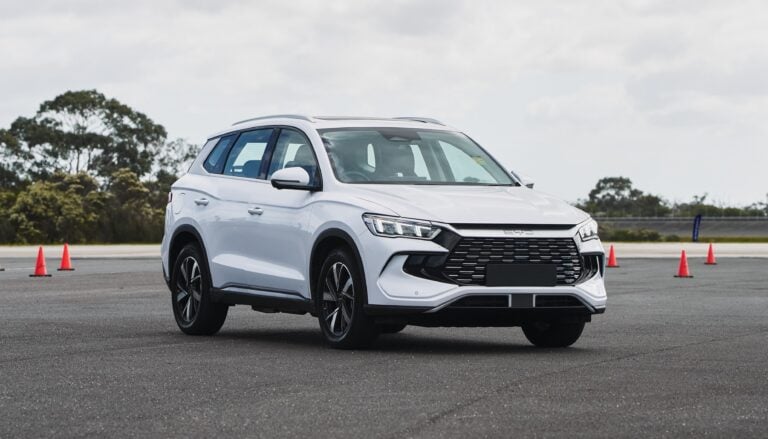
NewsVFACTS January 2026: China now the second-biggest exporter of cars to Australia, behind only Japan
The continued growth of cars manufactured in China shows no signs of abating.