News
Gallery 1
As competitive pressures for Chinese brands grow in their domestic market, a focused effort to increase lucrative export sales is underway.
Chinese automakers began their push into markets like Europe, the UK, and Australia with lightly modified versions of Chinese market vehicles. The focus is now shifting to cars specifically designed to appeal to Western-market buyers.
Reuters reports that a new generation of products from Chinese car companies is on its way, designed specifically for markets like Europe, rather than adaptations of existing Chinese-market products.
In their domestic market, Chinese brands are locked into price wars, chasing volume to make up for small profit margins. Outside of China, brands can often retail cars at twice the price they sell for in China, and still manage to undercut competitors.
1
The move is not a subtle one either. At the recent Beijing motor show, numerous brands revealed large, three-row crossovers and SUVs with export aspirations. A far cry from the high-end people movers that previously defined the Chinese market, but often failed to lure Western buyers.
The trend is not dissimilar to the way Japanese brands made headway into the North American market with cars like the Toyota Camry and Honda Accord. Those two models quickly evolved into larger, more powerful cars targeted at American consumers, away from their more compact origins.
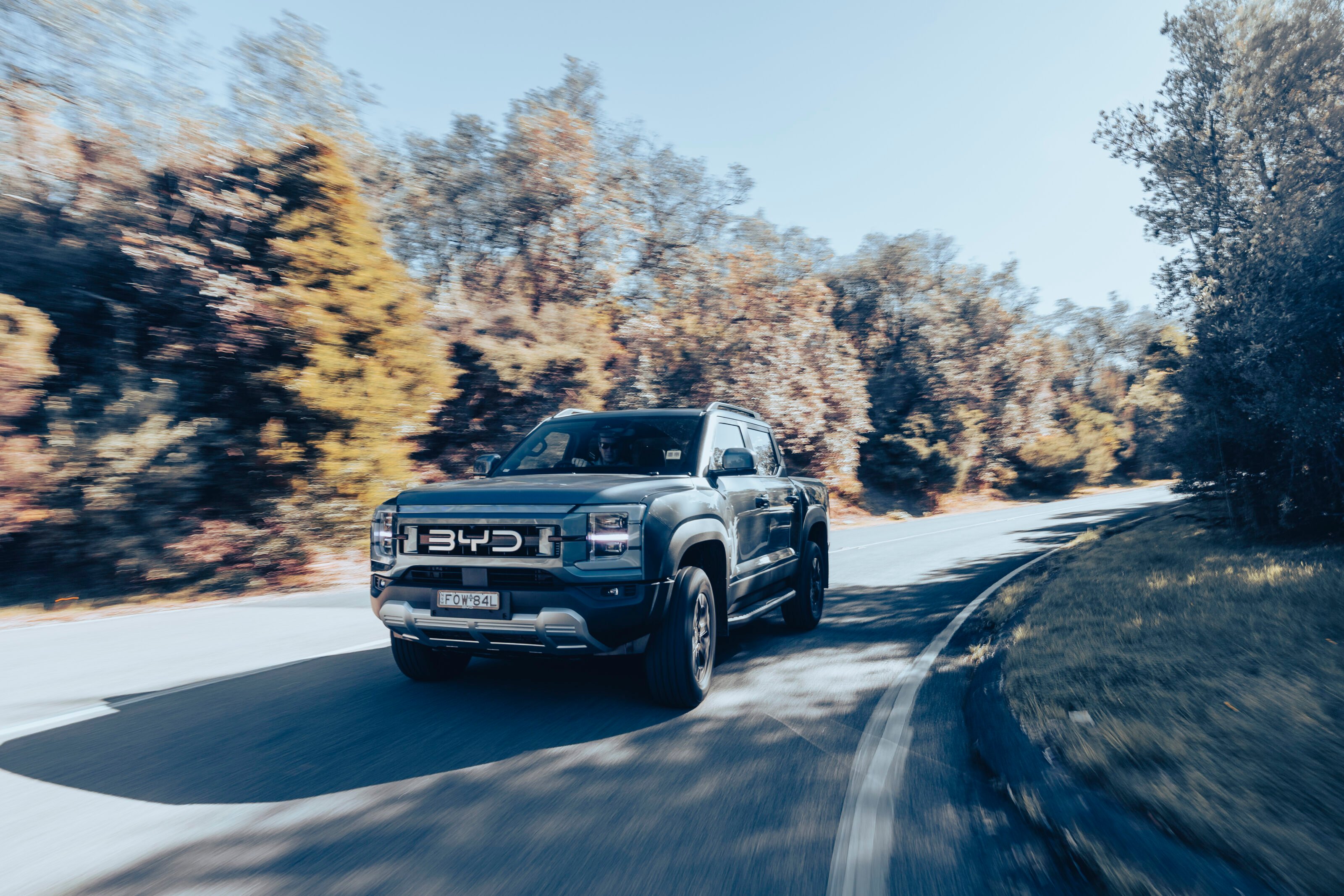
BYD’s export model plans are among the most obvious, with vehicles like the Shark 6 ute (above) developed to crack the Australian and South American markets. In 2025, BYD revealed plans for a kei car designed specifically for Japan, the first of its kind from a non-Japanese brand.
The next product to emerge will be the BYD Dolphin G, a Golf-sized plug-in hybrid hatch developed for Europe, where small hatchbacks still account for up to 40 per cent of the Southern European market. It will join the Leapmotor B05 as another market-specific Chinese take on the European hatchback.
1
Pedro Pacheco, an automotive specialist at data analytics firm Gartner, described it as China’s “Yaris moment”. Mimicking Toyota’s moves in 1999 with the Yaris and later the Auris, a version of the Corolla, to specifically target the European market.
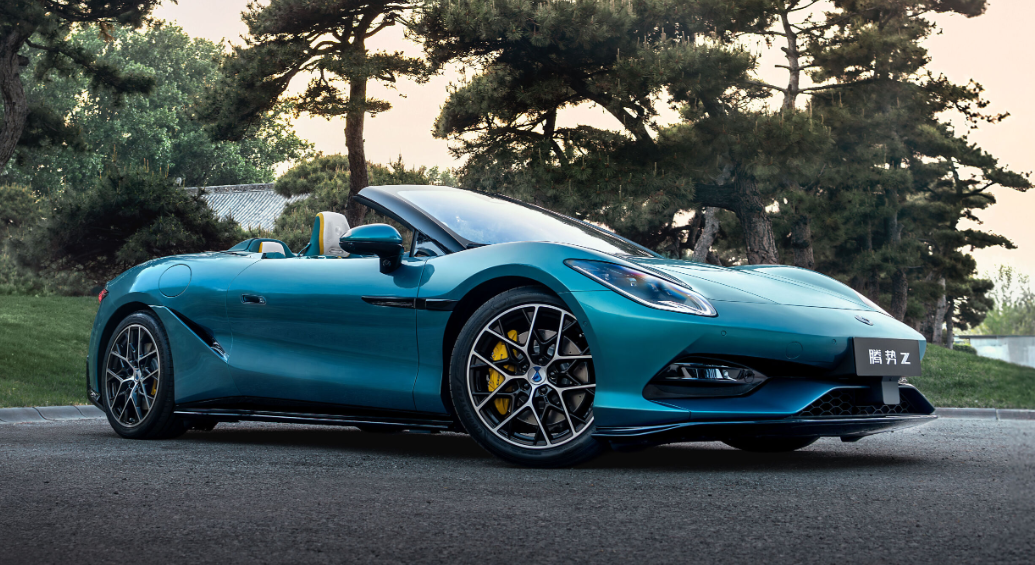
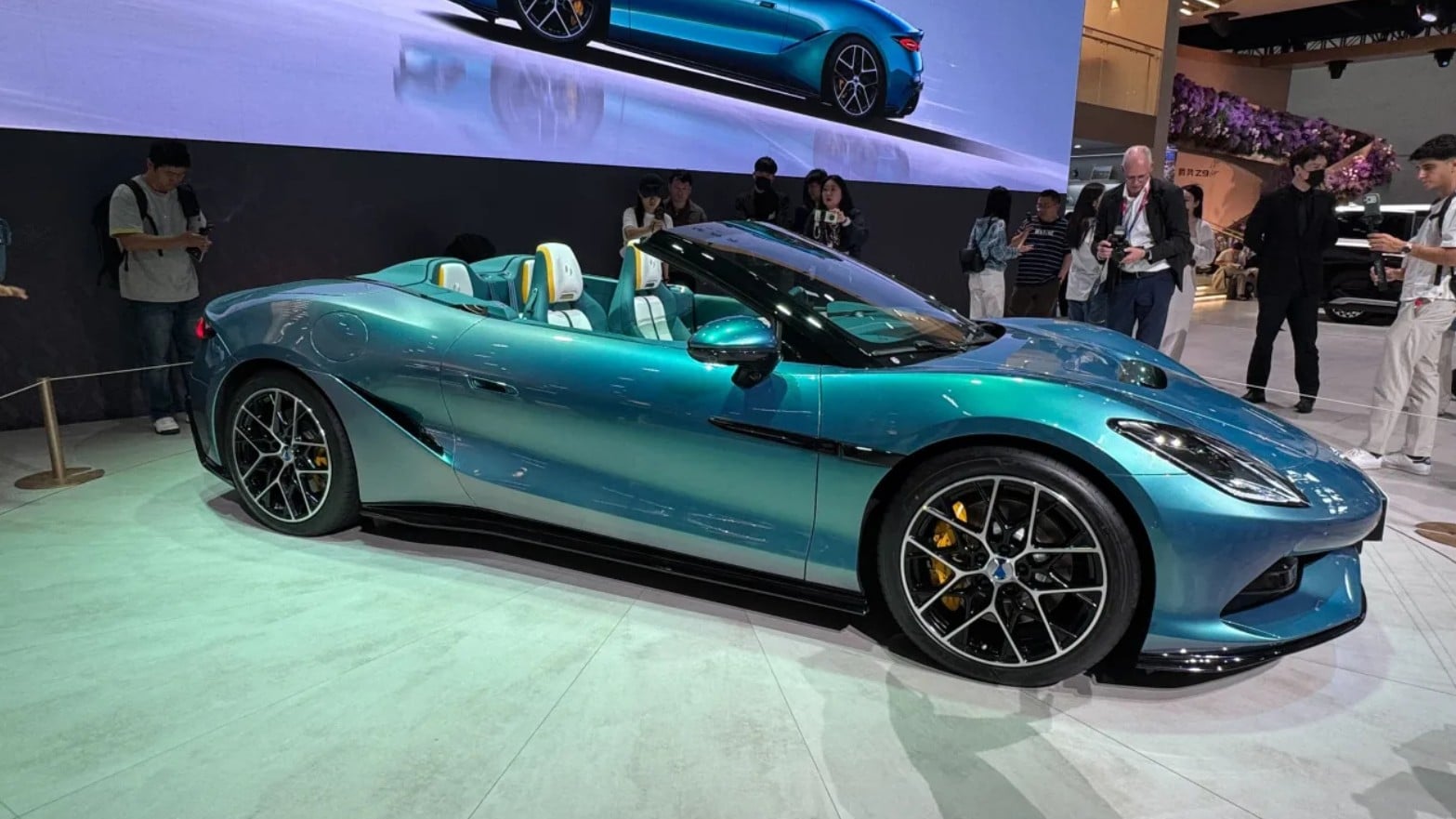
Rather than a single market segment, though, China’s export-first approach sees BYD preparing to launch high-end sports cars (Denza Z convertible, above and main) and sedans to tackle traditional luxury brands, and GAC revealed an off-road-capable four-wheel-drive aimed at adventure buyers.
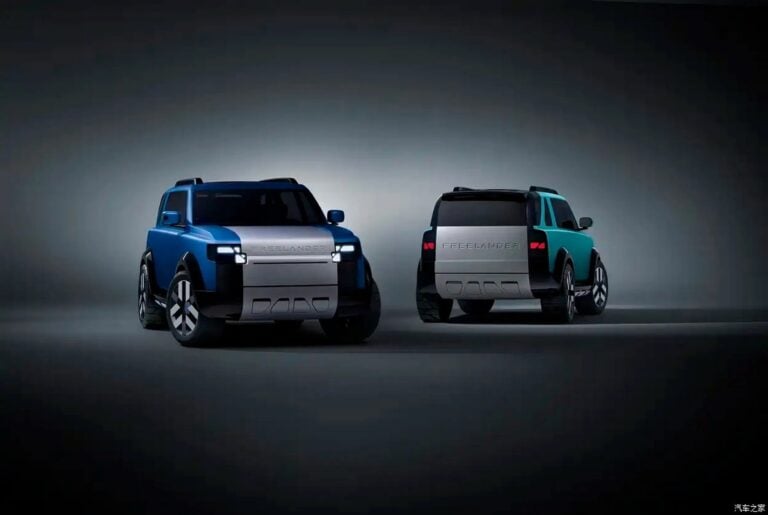
Chery has a ute and a related SUV to slot into the Australian market, plus a new Freelander brand, built in China but designed by Land Rover, to appeal to European buyers familiar with the British brand.
The move comes as Chinese brands look to better utilise production capacity, and as a means of delivering stronger profits through higher margins on vehicles sold in established markets.
Follow WhichCar/Wheels on Google
Click the button below to make WhichCar by Wheels a preferred source for your news.

We recommend
-
 News
NewsToyota leads global sales race as BYD cracks top five in 2025
Japanese giant stays well ahead globally, but surging Chinese brands and shifting demand signal a changing automotive landscape.
-
 News
NewsFreelander returns as electric and hybrid SUV in joint venture between JLR and Chery
A joint venture between JLR and Chery has seen the Freelander name used again, this time as a standalone brand with big expansion plans.
-
 News
NewsVFACTS February 2026: China becomes Australia’s biggest vehicle source for first time in a single month
February sales data shows Chinese-built vehicles overtake Japan as overall market declines.