News
Gallery 1
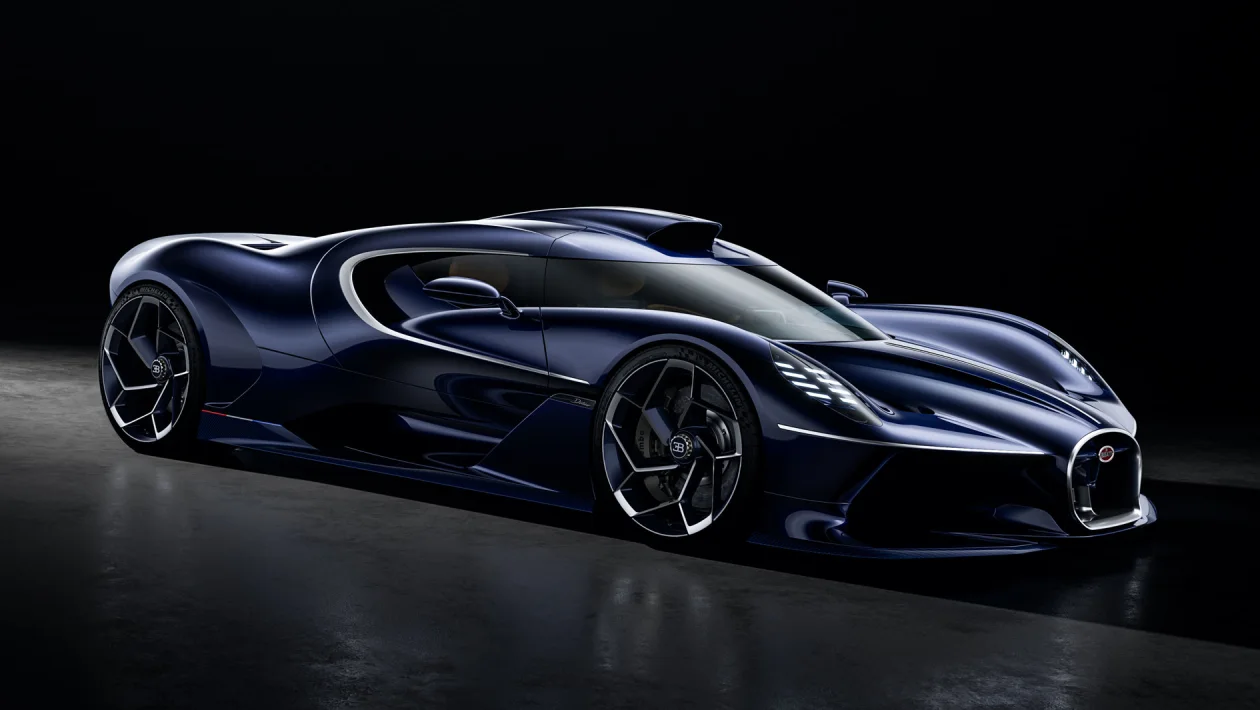
Anyone who thought Bugatti had pushed the design envelope about as far as it can go with the Bolide has just been proved wrong with the creation of the Destrier, the W16-powered new addition to the marque’s uber-exclusive Solitaire Program.
While it’s based on the Bolide, rather than the Chiron, the Destrier – which is named after a medieval warhorse or charger – is an even wilder proposition with a silhouette that’s as much a work of art as a highly effective piece of aerodynamic engineering.
Although it shares its fundamental architecture with the Bolide, the new hypercar has been transformed into a road-focused showpiece with an entirely new exterior and a lavishly appointed cabin. The result is a machine that retains race-inspired performance while presenting a far more elegant visual identity.
5
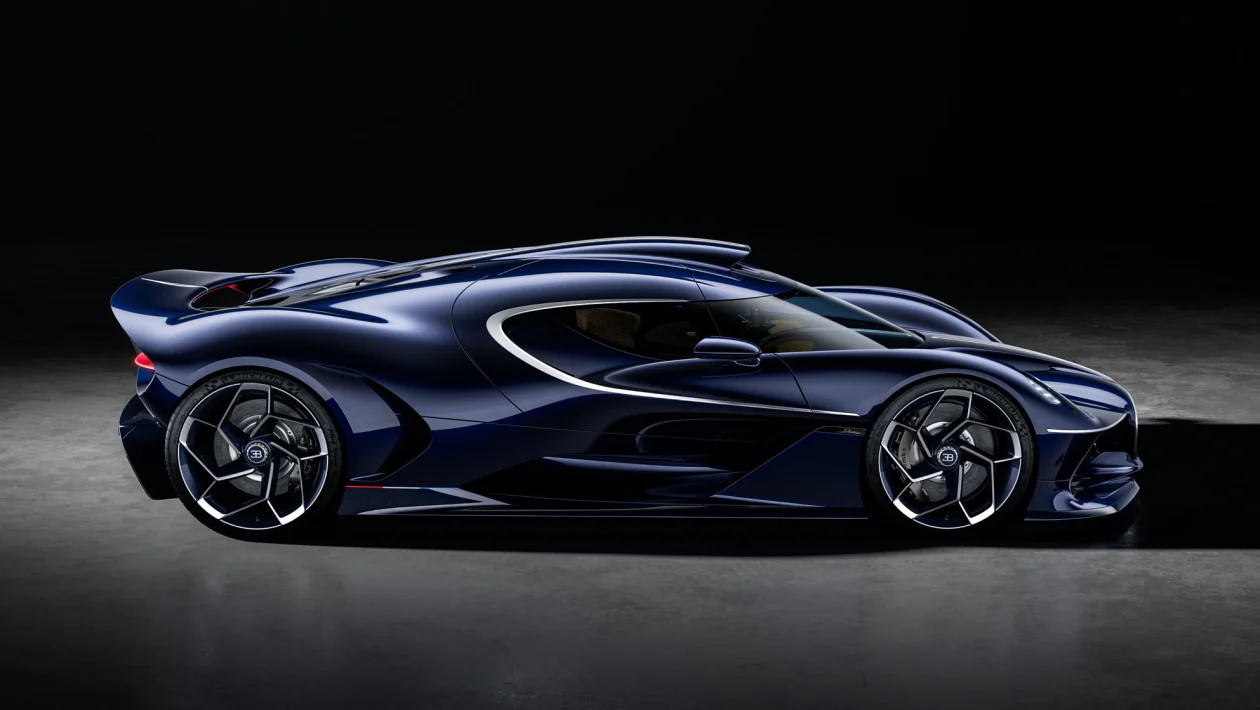
The most striking aspect of the Destrier is its low-slung stance. Standing at less than one metre tall, it sits significantly lower and wider than the Chiron, giving it an unmistakably dramatic presence. Unlike many modern hypercars that rely on large active aerodynamic devices, the Destrier maintains its sleek profile at all speeds thanks to carefully integrated aerodynamic solutions.
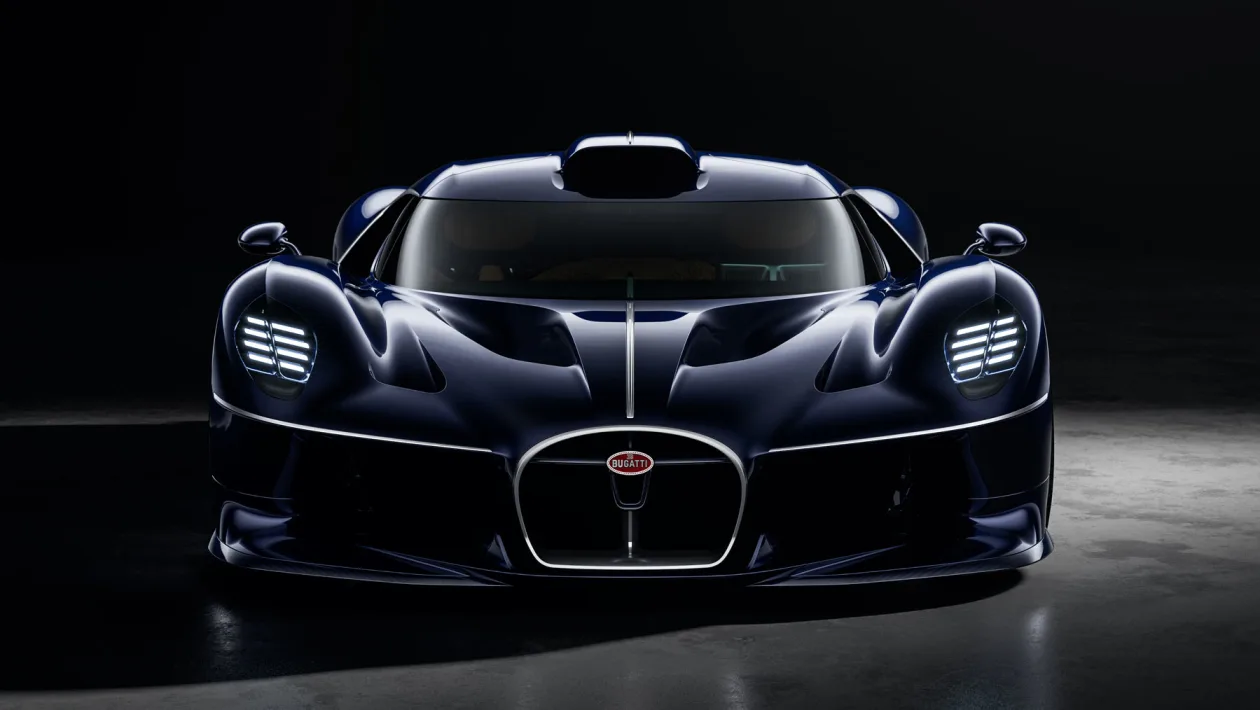
While the proportions stem from the Bolide, virtually every exterior panel has been redesigned. Up front, Bugatti has reimagined its signature horseshoe grille with a wider opening framed by a precision-machined aluminium surround. A carbon-fibre centre section supports the iconic enamel Bugatti badge, creating a striking focal point.
Flanking the grille are brushed aluminium trim elements that sweep rearwards across the front guards before flowing into Bugatti’s familiar C-shaped side profile. The design is complemented by newly developed oval headlights and an expansive wraparound windscreen featuring the same dramatic curvature as the Bolide.
At the rear, Bugatti has opted for a fixed ducktail-style spoiler in place of an active rear wing. Beneath it sits an aggressive diffuser incorporating four separate lighting elements and quad exhaust outlets. Despite the more refined styling, the Destrier retains the Bolide’s sophisticated cooling and aerodynamic package, with discreet air channels and vents ensuring sufficient engine cooling while maximising high-speed stability.
Power comes from Bugatti’s legendary quad-turbocharged 8.0-litre W16 engine, one of the final applications of the iconic powerplant following the end of regular production. Producing 1175kW, matching the Bolide, the engine promises extraordinary performance.
Bugatti has not released performance figures, but with the Destrier expected to remain close to the Bolide’s 1450kg dry weight, it is likely to deliver acceleration and top-speed capability worthy of the French marque’s most extreme creations.
5
Inside, however, the Destrier departs dramatically from its track-focused sibling.
Rather than the sparse cockpit of the Bolide, the cabin has been completely reworked with premium materials throughout. The interior is finished in Ambre Voyageur, combining fine leather with a specially knitted textile that extends across the seats and dashboard to create a distinctive handcrafted appearance.
Much of the Bolide’s functional switchgear has either been redesigned or eliminated altogether in favour of a cleaner layout. A newly developed yoke-style steering wheel sits ahead of a compact digital instrument display, providing key driving information without overwhelming the minimalist cockpit.
Bugatti has not disclosed the cost of the one-off creation, and it is unlikely to ever reveal the figure publicly. Given the level of brain-bending engineering and craftsmanship involved, expect that figure to comfortably run into the tens of millions.
The hypercar will make its public debut at the prestigious Pebble Beach motor show in California, where it is expected to be among the event’s biggest attractions.
Follow WhichCar/Wheels on Google
Click the button below to make WhichCar by Wheels a preferred source for your news.


We recommend
-
 News
NewsBugatti F.K.P. Hommage: Stunning one-off tribute to the Veyron and its visionary revealed
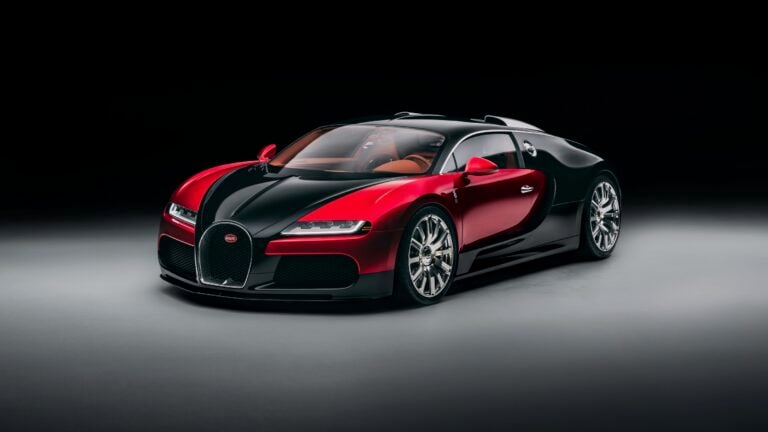
A special tribute named the F.K.P. Hommage has been commissioned by an unknown customer to celebrate 20 years of Bugatti's icon.
-
 News
NewsYou have to see this wild one-off Porsche 911 GT3 to believe it
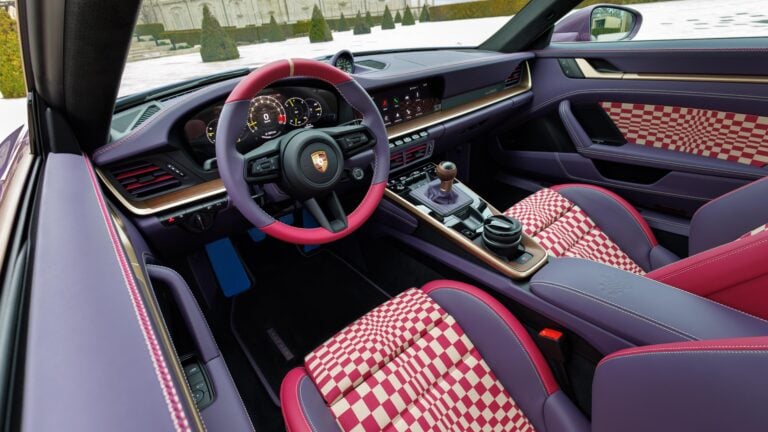
A special edition 911 GT3 like no other has been revealed to celebrate the 15th anniversary of the brand in Moldova.