News
Gallery 1
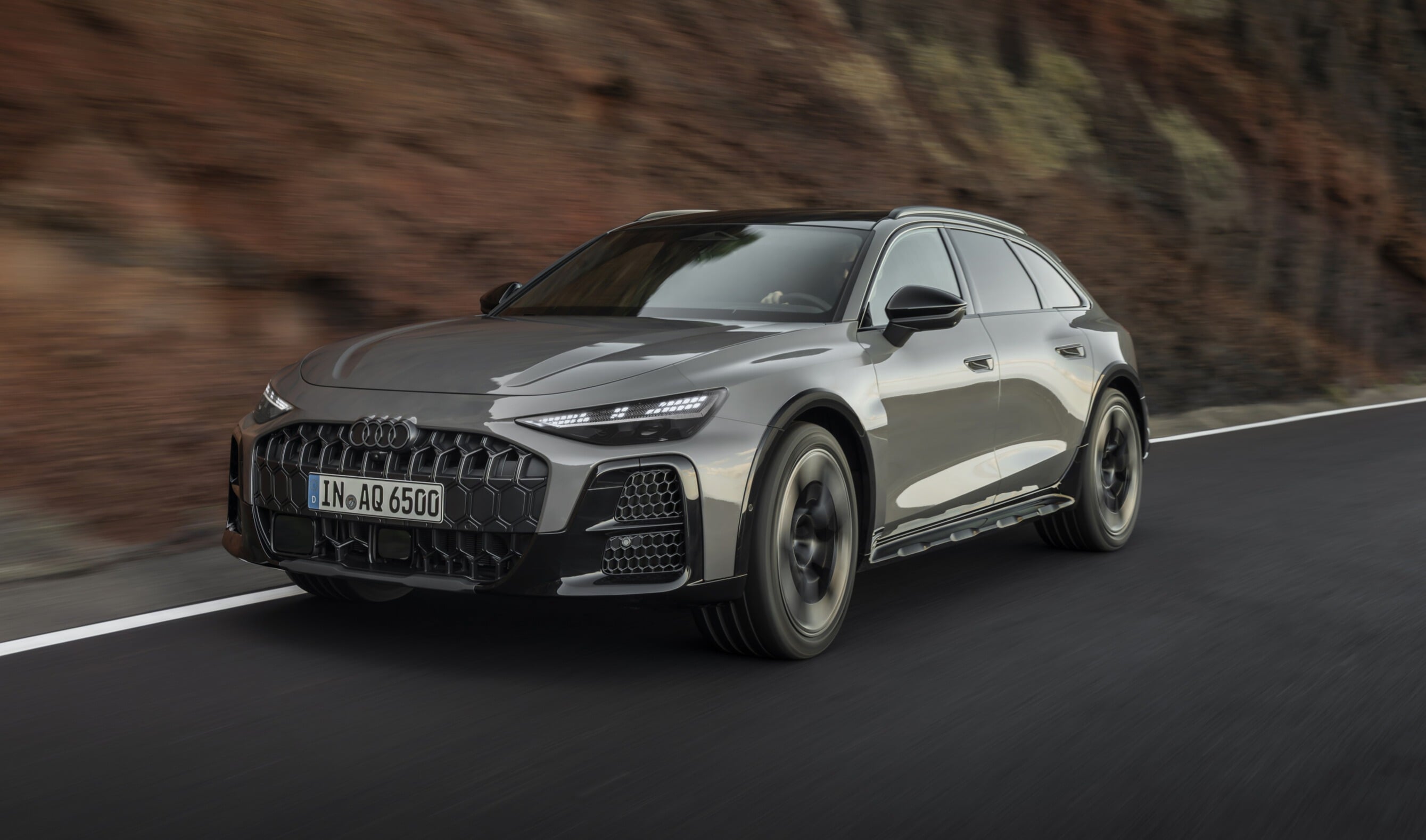
The 2027 Audi A6 allroad quattro has made its international debut, marking the fifth iteration of Audi’s SUV-styled crossover wagon.
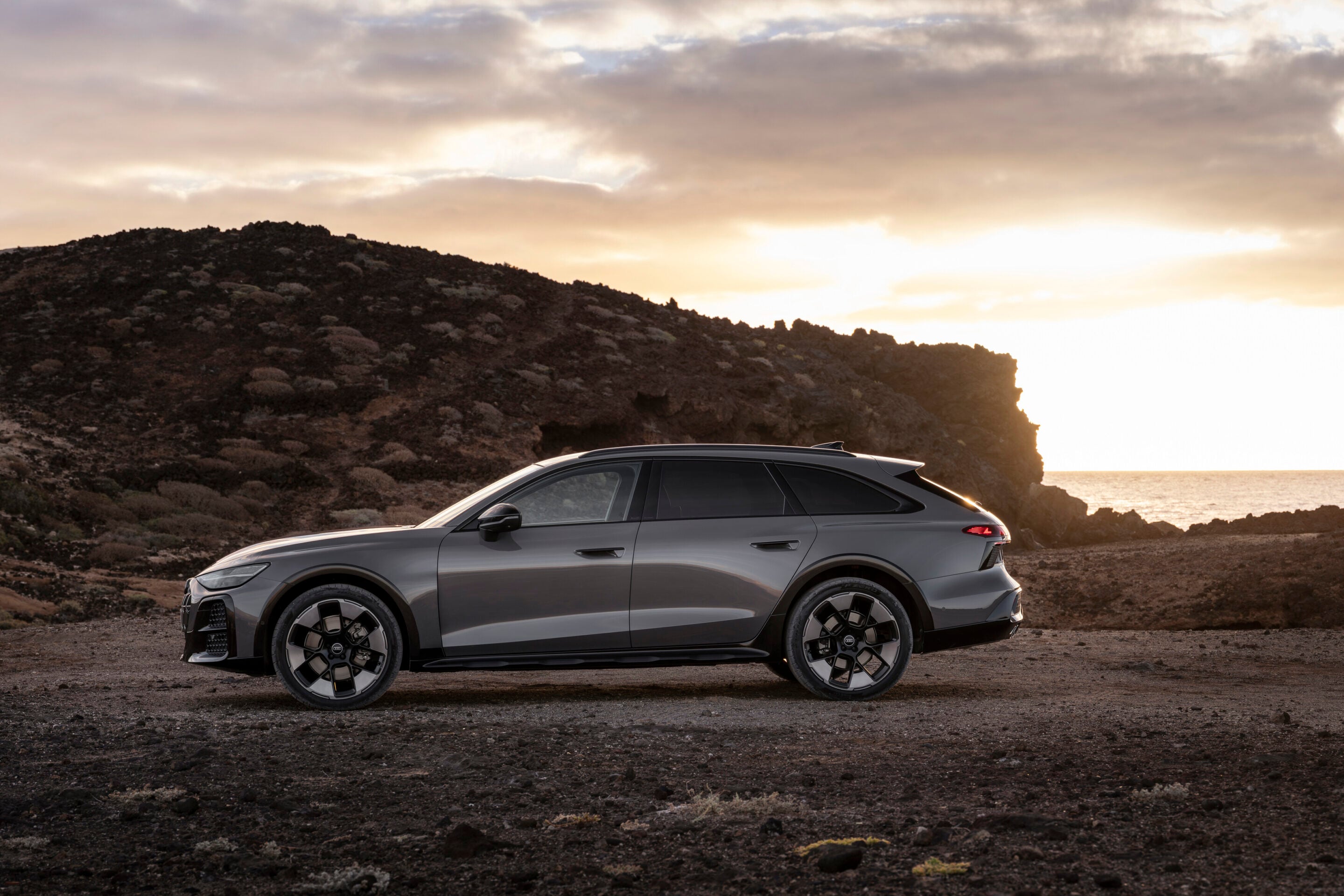
Based on the 2026 A6 Avant wagon, the A6 allroad takes a more rugged approach with air suspension that sits 35mm higher than the regular A6 at its normal height. The adaptive system features 55mm of height adjustment, 25mm greater than the A6.
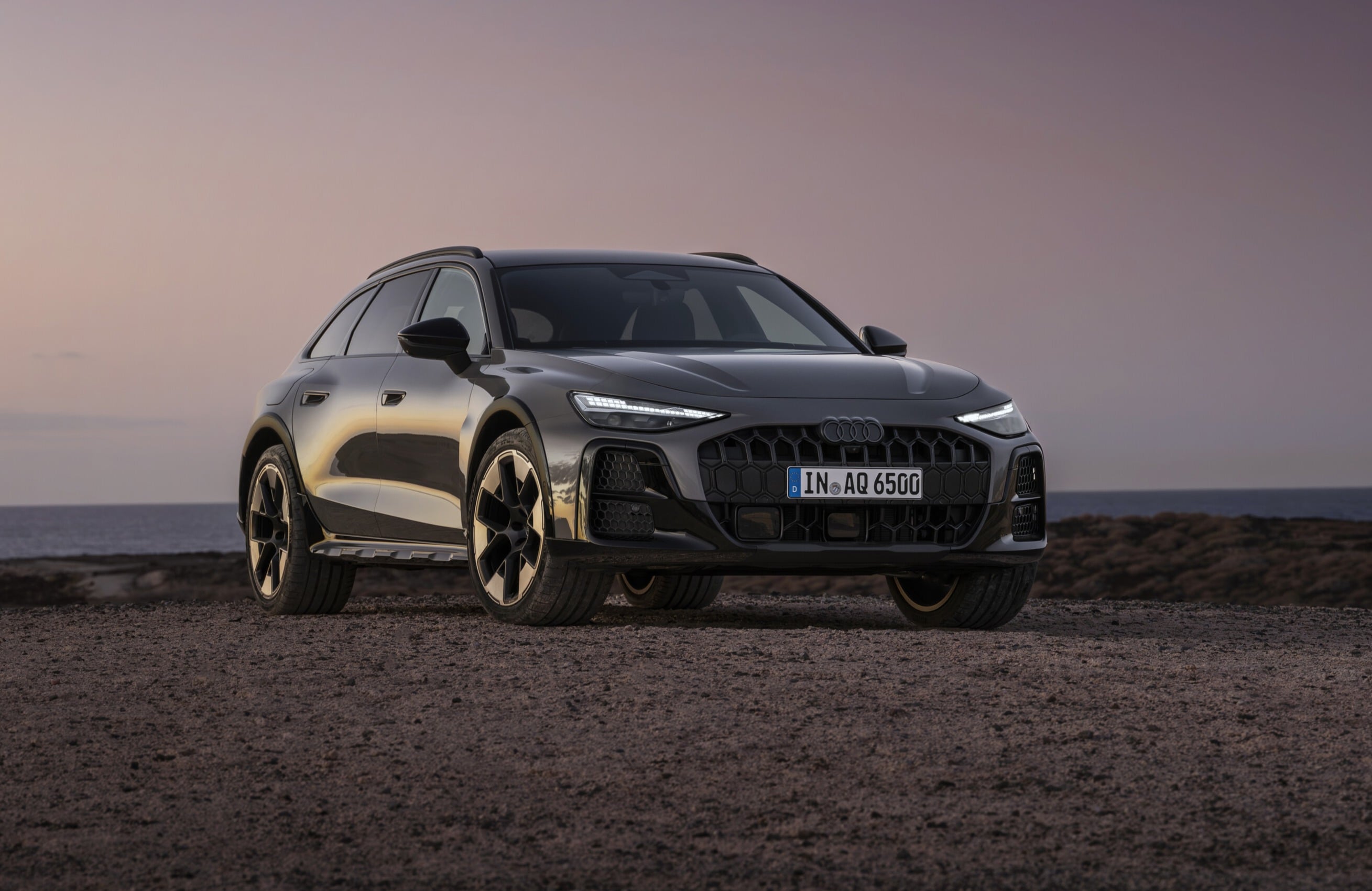
The A6 allroad also features beefier widebody styling, some 111mm wider than the car it’s based on and 84mm wider than the previous A6 allroad. The aggressive styling gives a strong hint at what Audi has in store for the high-performance RS7 Avant.
2
The off-road styling is further differentiated with slim wheel arch extensions, large bumper trims front and rear, and notched side sills available in black or with silver and aluminium highlights. Alloy wheels from 19 inches up to 21 inches are available with tyres ranging from 265/45 R19 to 285/35 R21 in size, the latter aimed at on-road dynamics rather than off-road traction.
From launch, two powertrains will be offered. The entry-level option is a 220kW/580Nm 3.0-litre turbo diesel V6 with mild hybrid, while plug-in hybrid will be optional on the allroad for the first time, with a 270kW/500Nm claimed combined output from a 185kW 2.0-litre four-cylinder turbo petrol and 105kW electric motor.
Acceleration from 0-100km/h in the hybrid takes a claimed 5.5 seconds, with up to 95km of WLTP electric-only range and fuel consumption from 2.6 to 2.9L/100km when fully charged or 7.2 to 7.7L/100km once the hybrid battery is depleted. The 3.0-litre V6 has a slightly quicker 5.4-second sprint to 100km/h and has a claimed fuel use of 5.8 to 6.4L/100km depending on specifications.
2
Audi has overhauled the steering for a more direct feel with a stiffer mounting path between the steering wheel and front wheels. The A6 allroad comes standard with progressive rate steering, and the plug-in hybrid features standard four-wheel steering, which is optional on the diesel.
Brake-by-wire with blended braking removes the physical connection between the brake pedal and brake booster to allow a greater range of regenerative braking for both the mild-hybrid and PHEV versions. Regenerative braking is used in most situations, with physical braking now reserved for emergency stops. Up to 25kW can be harvested by the mild-hybrid and 88kW by the PHEV.
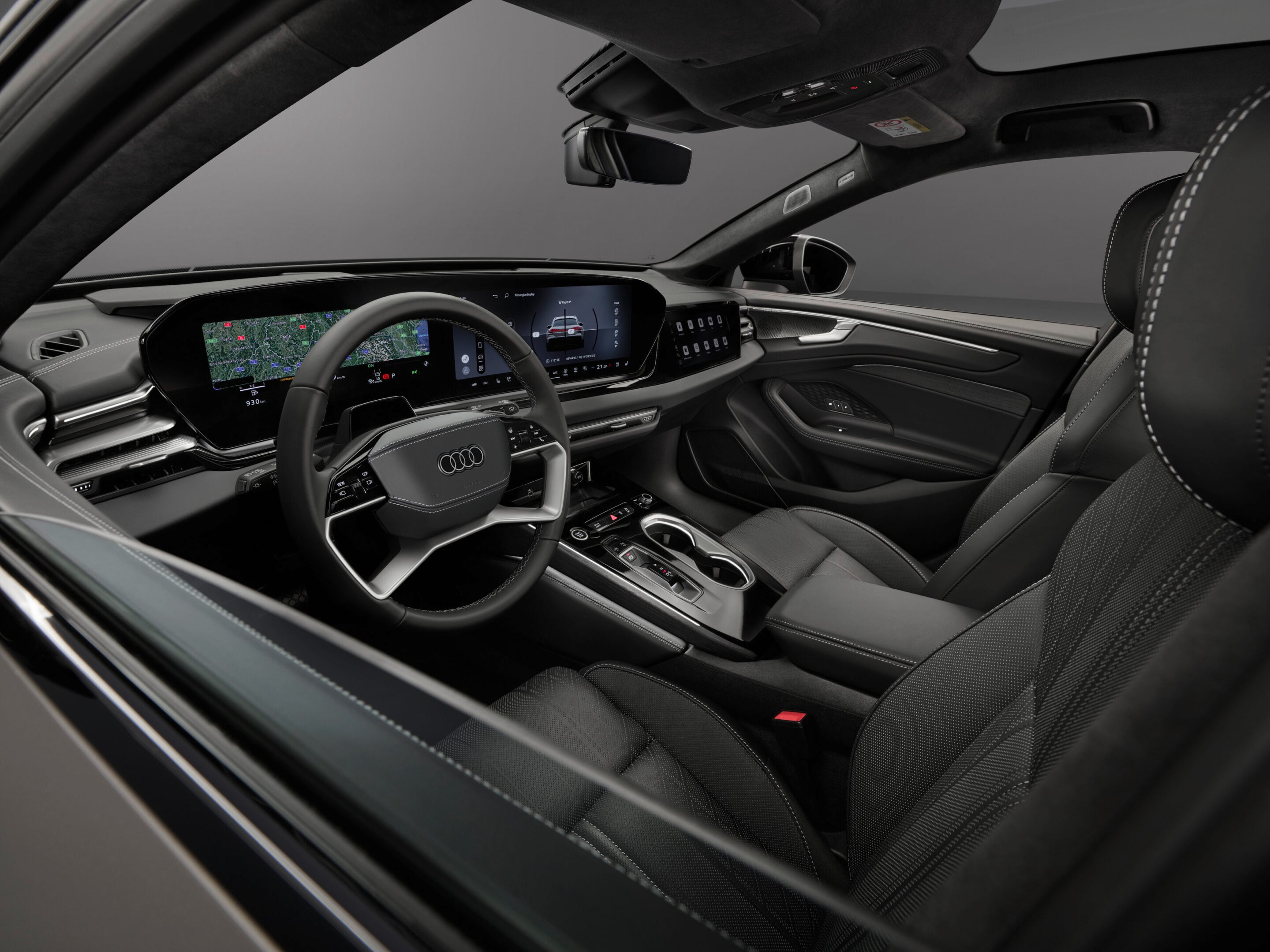
The interior of the A6 allroad follows the design direction set by the regular A6 range, including an 11.9-inch digital instrument display, 14.5-inch infotainment, and an optional 10.9-inch passenger screen.
The system can be accessed via the touchscreen, capacitive buttons on the steering wheel, or through voice commands with ChatGPT integration. Outside of the navigation and infotainment, voice control also allows some driver-assist functions, like adaptive cruise control, to be engaged via spoken instructions.
2
The A6 allroad comes with sport seats and available features including heating, ventilation, and massage, an electrochromatic panoramic glass roof, four-zone climate control, soft-close doors, and Bang & Olufsen 3D surround sound.
Audi’s matrix LED headlights include adaptive lighting that can adjust to weather conditions and illuminate an adjacent lane when merging, plus features lane-marking projections and dynamic start-up animations along with user-customisable running light signatures.
Cargo capacity of the V6 TDI model outranks the PHEV slightly, with between 466 litres and 1497 litres depending on rear seat position, which drops to 404L to 1423L in the PHEV. Towing capacity for the PHEV is also slightly lower at 2000kg, compared to 2500kg for the diesel.
Audi has not yet confirmed the new A6 allroad quattor for Australia, but says the model is under evaluation for the Australian market. Other new-generation models in the A6 range, including the A6 Avant and A6 e-tron sedan, are yet to launch in Australia.
Follow WhichCar/Wheels on Google
Click the button below to make WhichCar by Wheels a preferred source for your news.

We recommend
-
 News
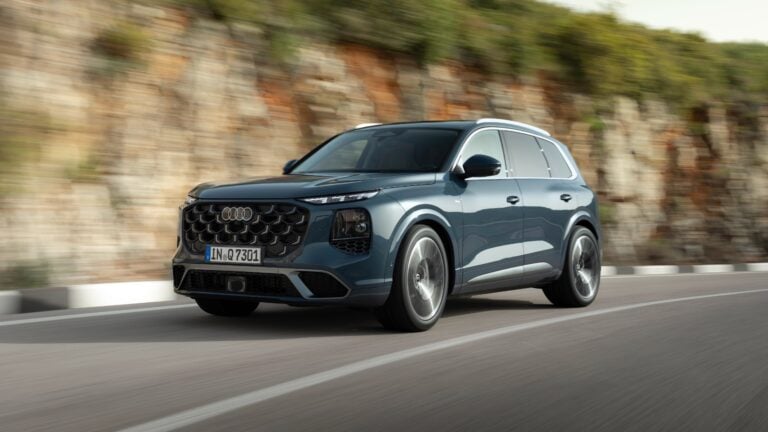
NewsAudi Q7: More luxurious and larger third-generation model debuts
A new generation of one of Audi's most popular products, the Q7, has been made bigger and with more premium features than earlier models.
-
 News
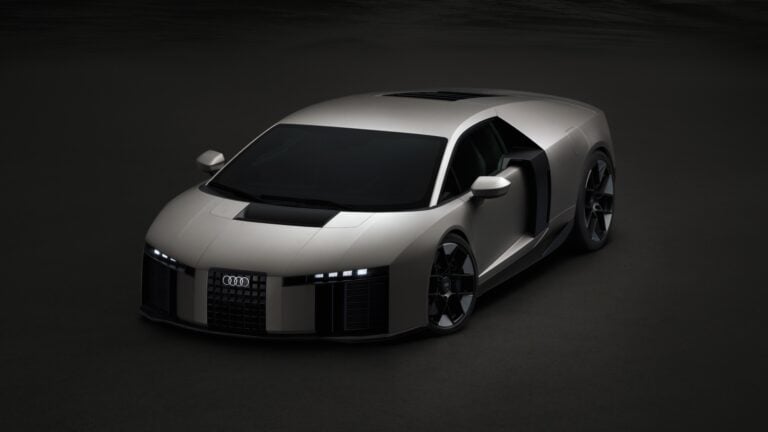
NewsAudi Nuvolari: Shock 736kW R8 successor revealed
We thought that Audi had stopped making supercars when the R8 died, but it's back with the Nuvolari, which uses a hybrid V8 making 736kW of power.
-
 News
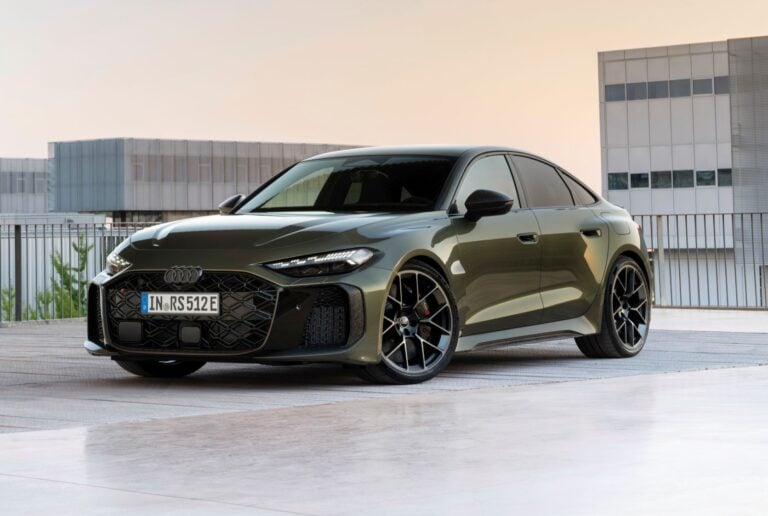
NewsAudi confirms price for performance-focused PHEV RS 5
Audi has confirmed local pricing for its new RS5, which debuts as the brand’s first high-performance plug-in hybrid, generating 470kW and 825Nm.