
Features
Gallery 1
There are hundreds of systems – some obvious, some running in the background – that make up a modern automobile. Over the years, engineers have worked long and hard to perfect technologies that make cars safer, smarter, or more luxurious.
As innovation evolves, it’s easy to forget that commonplace features found in cars today could be considered revolutionary, rare, or exclusive. Here are just a few examples of the starting point for tech we take for granted today.
Three-point seatbelts – Volvo PV544, 1959
1
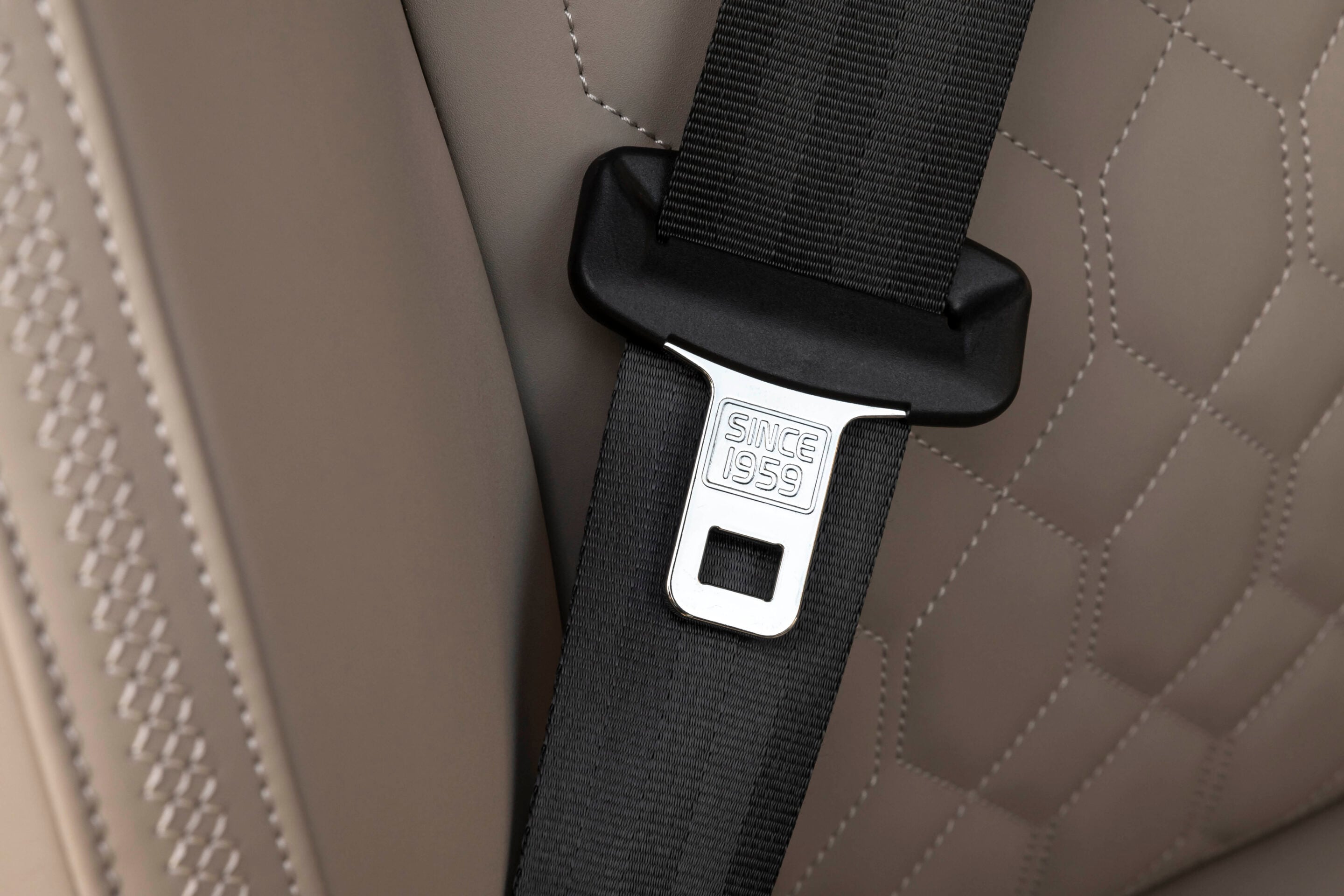
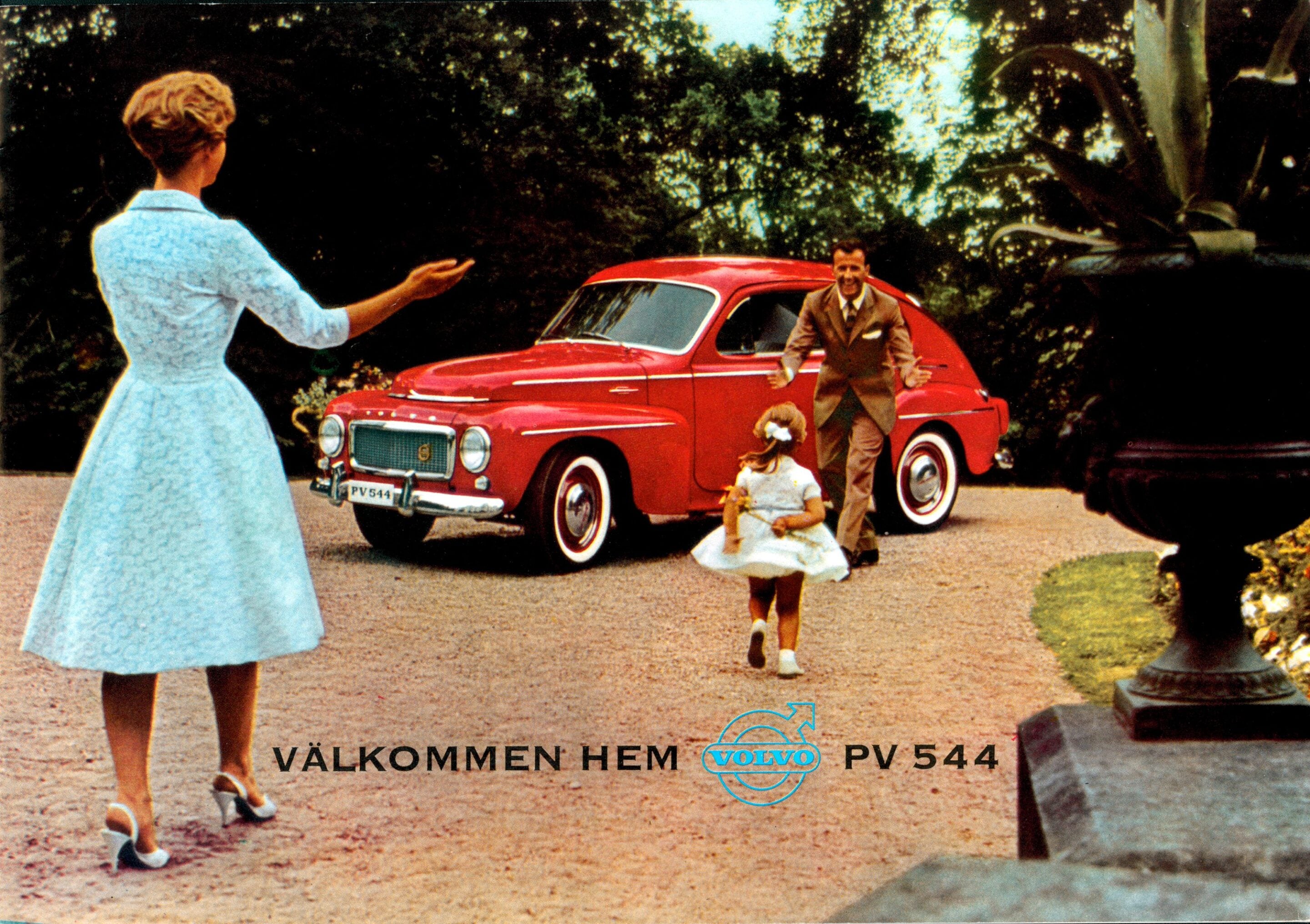
It’s almost second nature to reach for a seatbelt any time you get in a car, but the three-point design that’s widely used today owes its origins to Volvo in 1959. As with many early automobile innovations, the seatbelt’s safety benefits were recognised in aircraft, and adapted from there.
Lap-only belts were introduced on production cars in the late 1940s, but Volvo’s three-point system, spanning from hip-to-hip-to-shoulder, took a major leap forward by securing occupants upright in a collision, demonstrating a huge leap forward in protection.
Recognising how important the system could be, Volvo opened the patent to its design, allowing for adoption across the auto industry.
Power windows – Packard Custom Super Eight, 1941
1
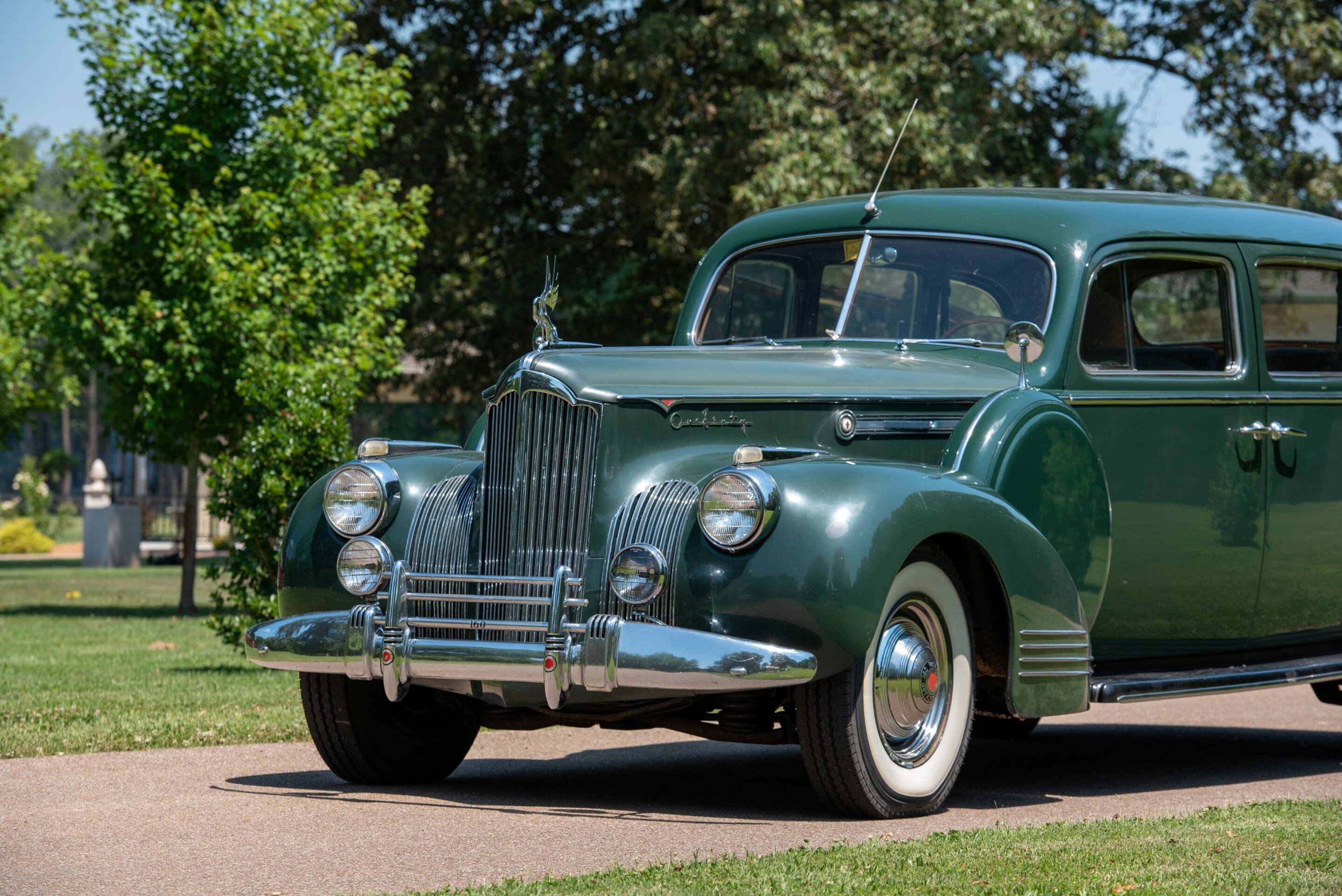
It’s rare to find a car without power-operated windows in 2026, but the pioneer of what we recognise today as the power-assisted raising and lowering function was first fitted to Packard’s luxurious Custom Super Eight line.
Back then, the system was hydraulically actuated by an electric pump and similar systems were used on early versions of power window systems. The result was effortless operation, but also a very real risk of injury with powerful hydraulics refusing to yield to any obstructions.
Today, electric motors with jam protection are commonplace, and even the cheapest new cars on the market come standard with power windows, although workhorse vehicles like the LandCruiser 70 still offer manual wind-up windows in some versions.
Airbags – Chevrolet Impala, 1973
1
Competition for airbag development was fierce. Another aircraft technology adapted for use on the road, competing patents in the 1950s proposed protection via compressed air, before moving to faster-inflating chemical compounds that form the basis of today’s airbags.
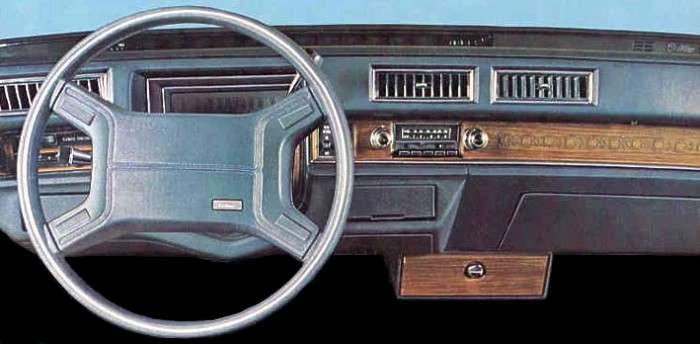
General Motors was first to introduce the technology on a production car, fitting a driver’s airbag as optional equipment on the 1973 Chevrolet Impala aimed at fleet buyers and an optional driver and passenger airbag on the 1973 Oldsmobile Toronado.
Initially proposed as an alternative to seatbelts, airbags were eventually discovered to work more effectively in combination with seatbelts. In 1981, Mercedes-Benz introduced the first supplemental restraint system airbag, the system used today, which worked in conjunction with seatbelt pretensioners.
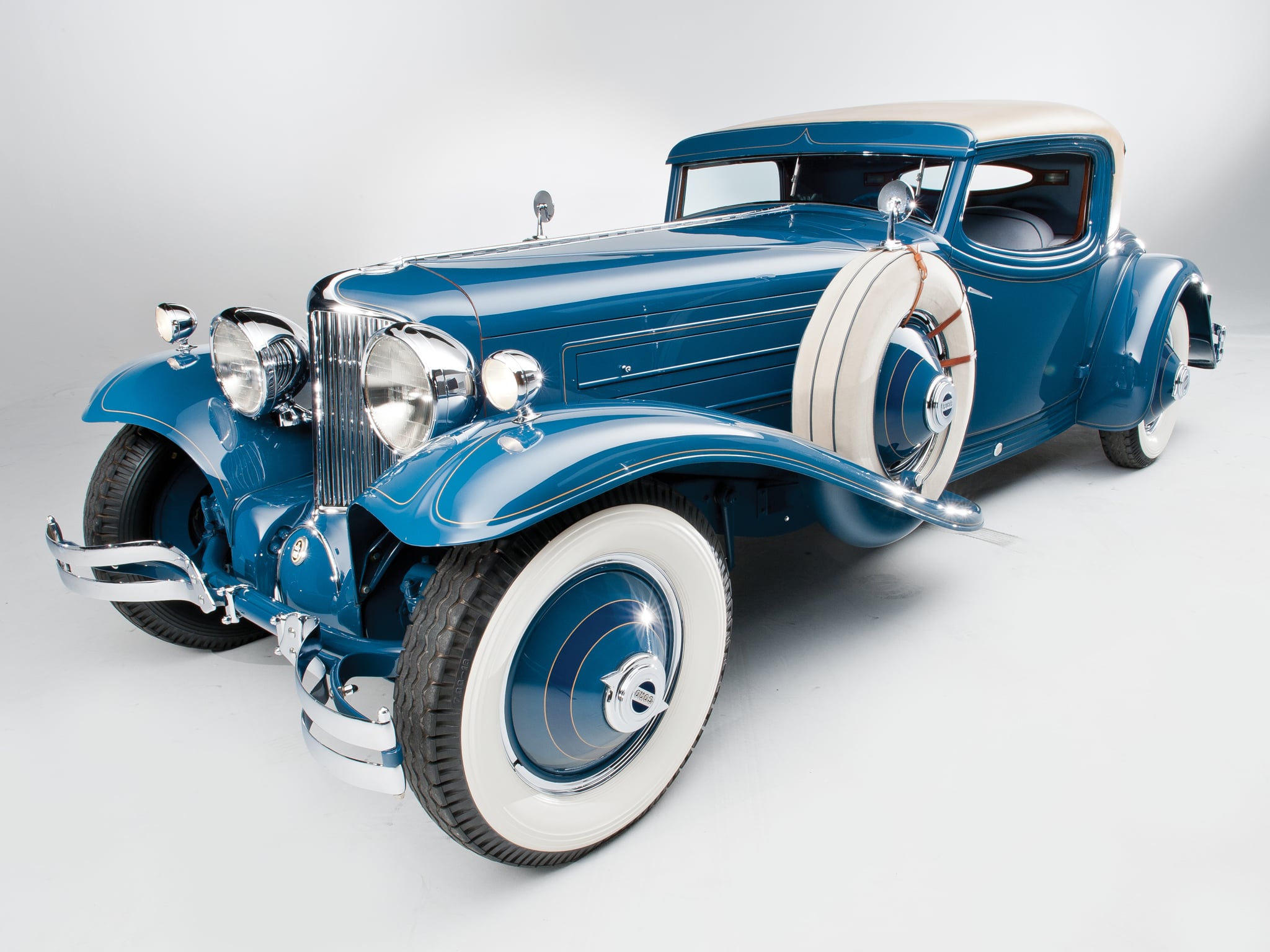
Front-wheel drive – Cord L-29, 1929
1
The definition of a ‘car’ as we know it today, and what constitutes a production car, makes this one a tough call. Some of the first self-propelled carriages drove their front wheels, and Australian inventor and engineer Henry Sutton is believed to have built the world’s first one-off front-wheel drive car, the Sutton Autocar, in 1899.
Though its production was limited, the Cord L-29 gave the world a front-wheel-drive powertrain that used constant velocity joints to smoothly transmit power to the front wheels while also allowing them to steer and ride out bumps. That mechanical format remains a mainstay of front-wheel drive cars today.
Shortly after, in 1931, German automaker DKW produced the first transverse-engined front-wheel-drive car, the DKW F1. Its transverse front-drive layout is now the most popular powertrain arrangement found in combustion-engine vehicles around the world.
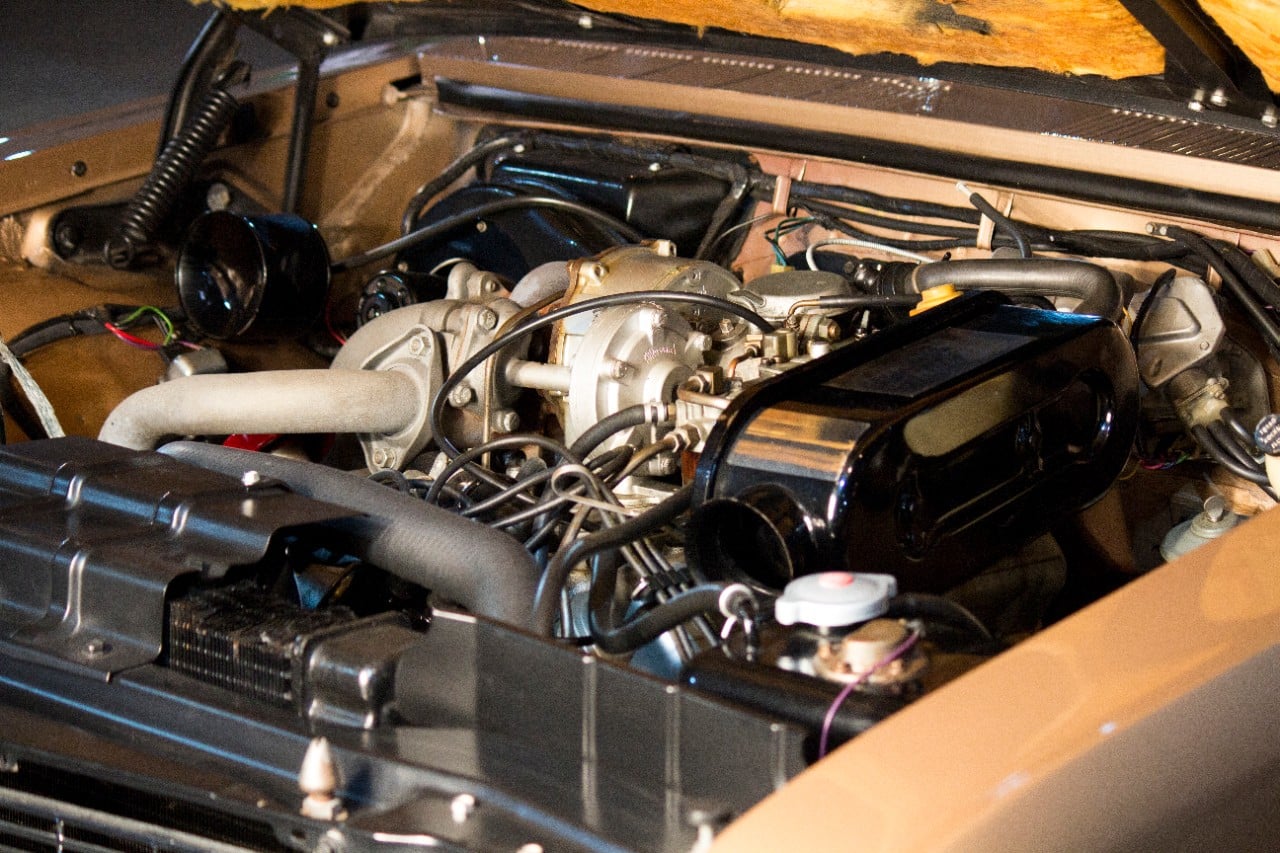
Turbocharging – Oldsmobile F-85 Jetfire, 1962
1
Originally conceived to compensate for power losses at high altitude in aircraft, the turbocharger provided a successful means of boosting the performance of ground-based vehicles too.
In 1962, GM equipped the Oldsmobile F-85 Jetfire with a turbocharged 3.5-litre V8, making it the first production car to be fitted with a turbo engine, and later that same year added a turbocharged version of the six-cylinder Chevrolet Corvair, though both were short-lived options.
Turbocharging persisted in motorsports applications, and advancements increased reliability and overcame turbo lag, with European manufacturers utilising the technology throughout the 1970s and ‘80s, and eventually using the performance boost as a means to downsize engines and stay ahead of emissions regulations for mainstream models.
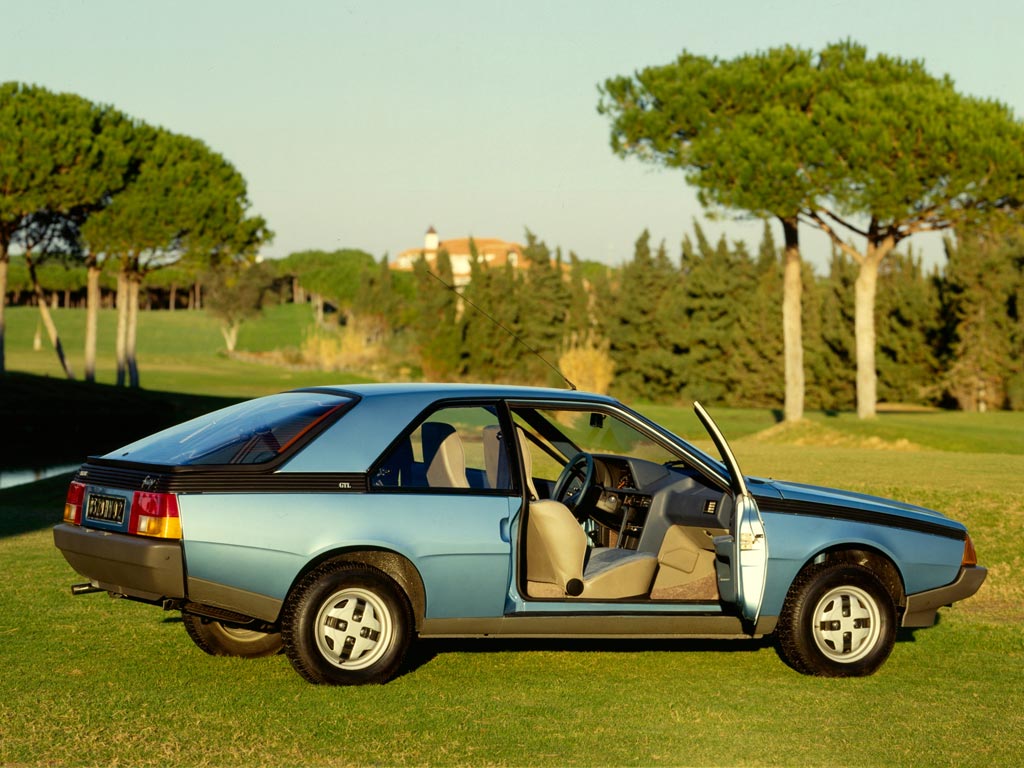
Remote keyless entry – Renault Fuego, 1982
1
Much like power windows, the idea of keyless entry has become an assumed expectation on a modern car, but not too long ago it was a feature reserved for high-tech or luxury cars. Renault first introduced keyless entry on the Fuego coupe in 1982, and through its partnership with American Motors Corporation, the tech made its way Stateside by 1983.
Early systems, and still some today on lower-priced cars, required manual operation by pressing a button on the key fob. The first passive system, without the need to press the lock or unlock buttons, was introduced on the 1993 Chevrolet Corvette.
By 1998, Mercedes-Benz adapted the system further, adding Keyless-Go, which allowed vehicle entry and engine starting without the need to remove the key from your pocket or purse, as long as you had it with you.
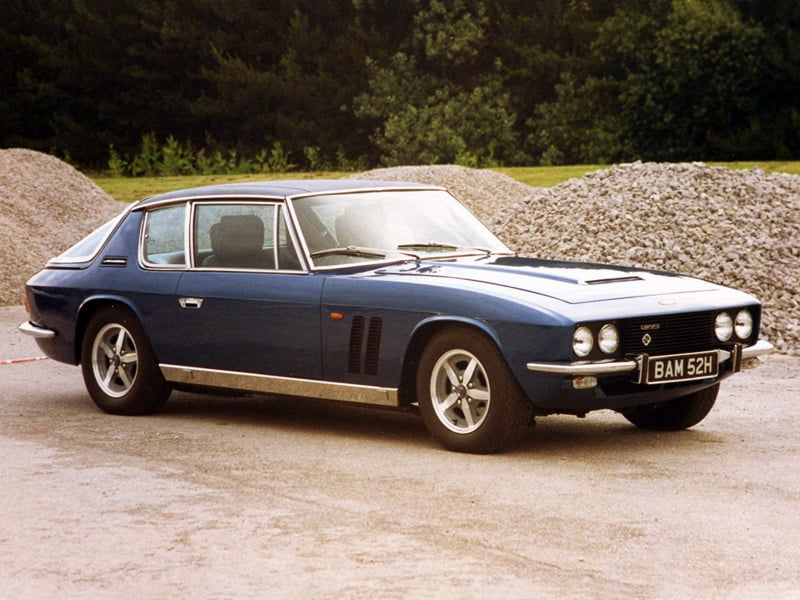
Anti-lock brakes – Jensen FF, 1966
1
Systems to regulate brake pressure and prevent slipping first came from trains, but progressed with the advent of the aeroplane. In automobiles, the first mechanically-actuated anti-lock system saw use on the Jenson FF, albeit in a small production run from 1966.
Early ABS systems were developed in the late 1960s and early 1970s by Ford, GM, and Chrysler for their respective line-ups. In 1971, the Lincoln Continental and Toyota Crown introduced the first electronically controlled anti-lock braking systems, precursors to the multi-channel ABS fitted to every new car today.
Australian Design Rules mandated the fitment of ABS brakes to passenger cars from 2003, but the technology was already widespread by that stage and largely expected in most vehicle segments.
LED headlights – Lexus LS, 2006
1
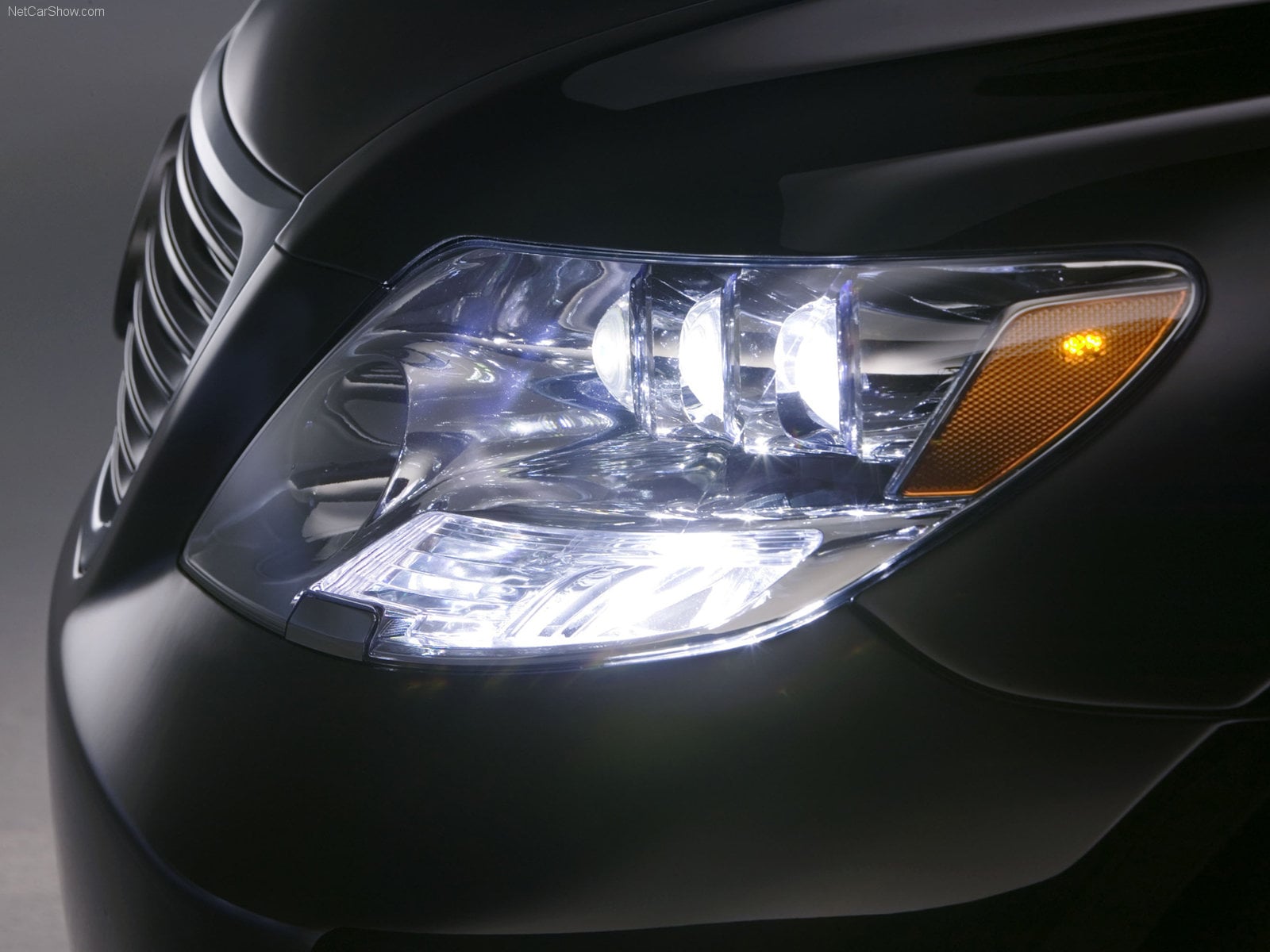
The electric headlight traces its origins back to 1898, first fitted on the Columbia Electric Car. Peerless made electric lighting standard in 2018, and Cadillac produced the first integrated electrical system in 1912. That latter system essentially underpinned headlights as we know them for almost a century.
Audi showcased LED lighting on the 2003 Nuvolari concept and introduced LED running lights in 2004. In 2006, Lexus introduced the first LED low-beam headlight on the LS600h luxury sedan. From there, adoption was fast-paced. Audi introduced all-LED illumination on the 2007 R8, and in 2011 Mercedes-Benz introduced the first adaptive LED lighting system on the CLS.
LED headlights are now expected equipment. Some lower-priced models have stuck with halogen headlights, but on everything from city-sized hatchbacks to luxury limos, rugged off-roaders to family SUVs, it’s commonplace to find LED headlights.
Cruise control – Chrysler Imperial, 1958
1
Cruise control, in some ways, actually predates the variable throttle. Early steam and combustion engines were often designed to operate at a set speed – albeit usually a very slow one – with various systems to compensate for varying load and maintain momentum.
So-called ‘modern’ cruise control, designed to maintain a set road speed, functioned a little differently to what we use today, operating more like a speed limiter function preventing overrun from a set speed, but allowing increased throttle input if the system detected a loss of speed.
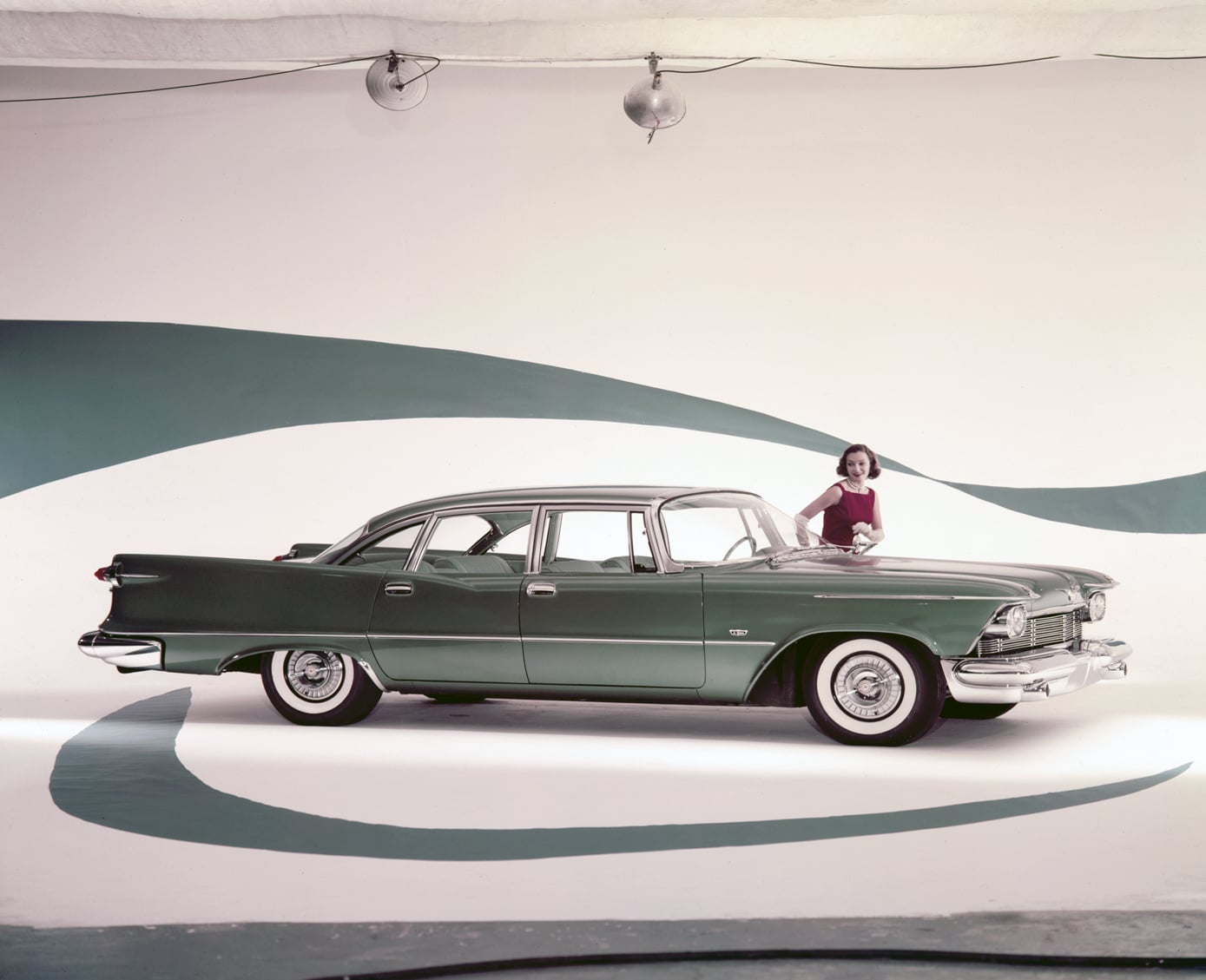
The first car with the system was the 1958 Imperial, Chrysler’s luxury flagship brand, and the name for the system: Auto-Pilot. Cadillac adopted the system in 1960, renaming it Cruise Control – the name that has since stuck.
In 1995, the Mitsubishi Diamante added lidar-based distance-keeping functionality, and allowed engine braking via transmission downsifts, but not friction braking, to regulate speed and adjust to slower vehicles ahead. Mercedes-Benz later switched to a radar-guided system for the 1999 S-Class with the ability to apply the brakes and slow the vehicle when required.
Electronic stability control – Mercedes-Benz S-Class, 1995
1
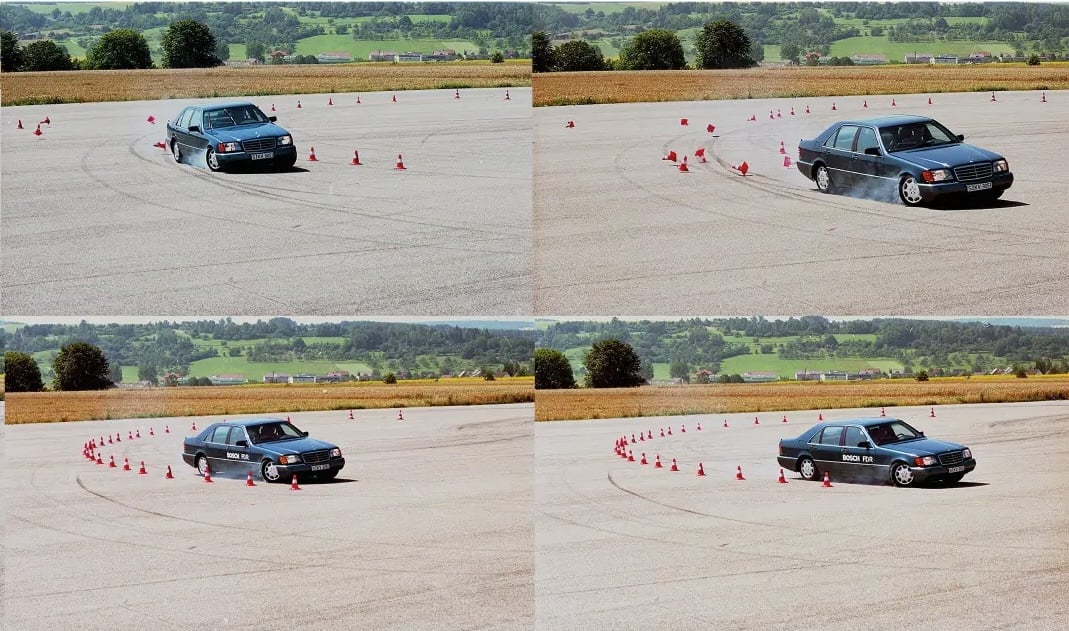
As with many new technologies of its era, electronic stability control was designed with flagship applications in mind. In 1995, it first featured on the Mercedes-Benz S-Class, manipulating the accelerator and brakes via traction control and ABS to reduce the likelihood of losing control.
Toyota was not far behind with its version, Vehicle Stability Control, appearing on the Crown Majesta in 1995, and GM rolled out StabiliTrack to Cadillac models in 1996.
The rollout of ESC to much cheaper cars may have taken much longer, if not for the poor performance of the then-new Mercedes-Benz A-Class in Sweden’s notoriously challenging ‘moose test’ in 1997. Stability control became the best fix for the issue, and Mercedes-Benz accelerated its development for use on cheaper models.
Like the three-point seatbelt, patents for the system were opened to rivals, and the result was much more affordable systems developed and rolled out to mainstream models incredibly quickly. The impact on single vehicle incidents was soon noted, and ESC became mandatory on all passenger cars in Australia by 2013.
Follow WhichCar/Wheels on Google
Click the button below to make WhichCar by Wheels a preferred source for your news.

We recommend
-
 Features
Origin story: A walk through time visiting Stuttgart's famous Mercedes Museum
The stunning Mercedes-Benz Museum in Stuttgart is more than just a history of the brand – it’s a walk through history itself.
-
 Features
10 Australian cars that rewrote the rules
Australia’s motoring history followed a mostly predictable pattern, but every so often an outlier came along to shake things up.
-
 Features
10 cars that defied logic... but went into production anyway
Every so often, a car brand will launch a car that breaks the mould and goes against the industry’s high-volume norms.
