Features
Gallery 1
There are times when the new car market seems almost formulaic. Carmakers know what sells and so are often risk-averse when it comes to trying something unusual.
Then there are the times that management has given the thumbs up to something that seems entirely off the wall. Unlikely cars with unusual styling or outrageous specs that make absolutely no rational sense.
A true automotive oddity is a rarity, but nonetheless, over the last 50 years here are some of the stranger cars to roll down the production line and into showrooms.
Chevrolet SSR
1
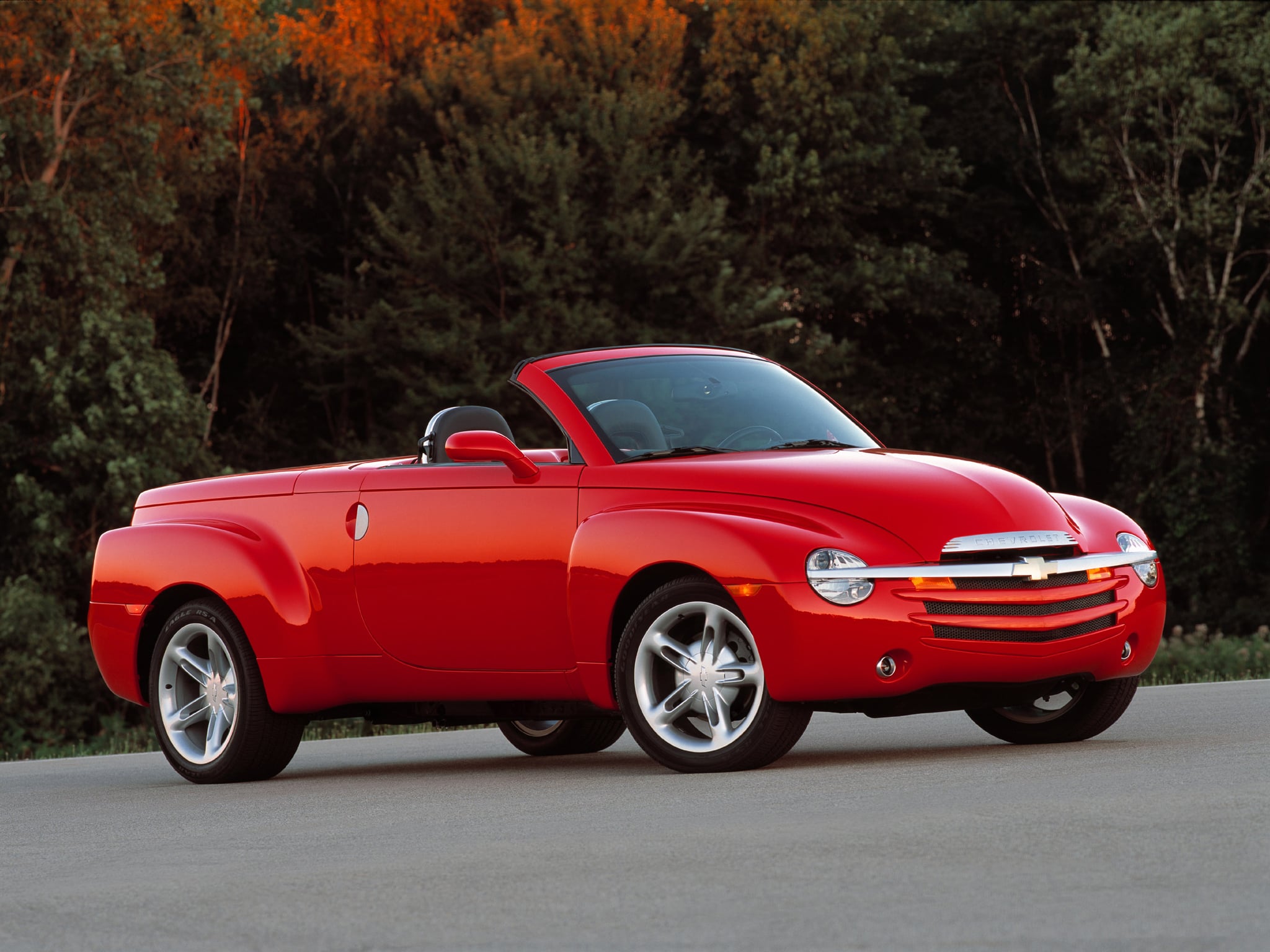
In 2003, Chevrolet gave North American customers a car that no one asked for, the Super Sport Roadster, or SSR. With the market for high-end pick-up trucks expanding quickly, and retro designs riding a wave of success, the SSR seemed like the smart way to address both booming markets at once.
The concept seemed sound. A sporty pick-up with a V8 engine, unmissable looks and the added benefit of a folding hardtop to take advantage of summer days. Volumes were never predicted to rival mainstream trucks, but even then, GM quickly built inventory as SSRs sat unloved at Chevrolet dealers.
Dodge Viper
1
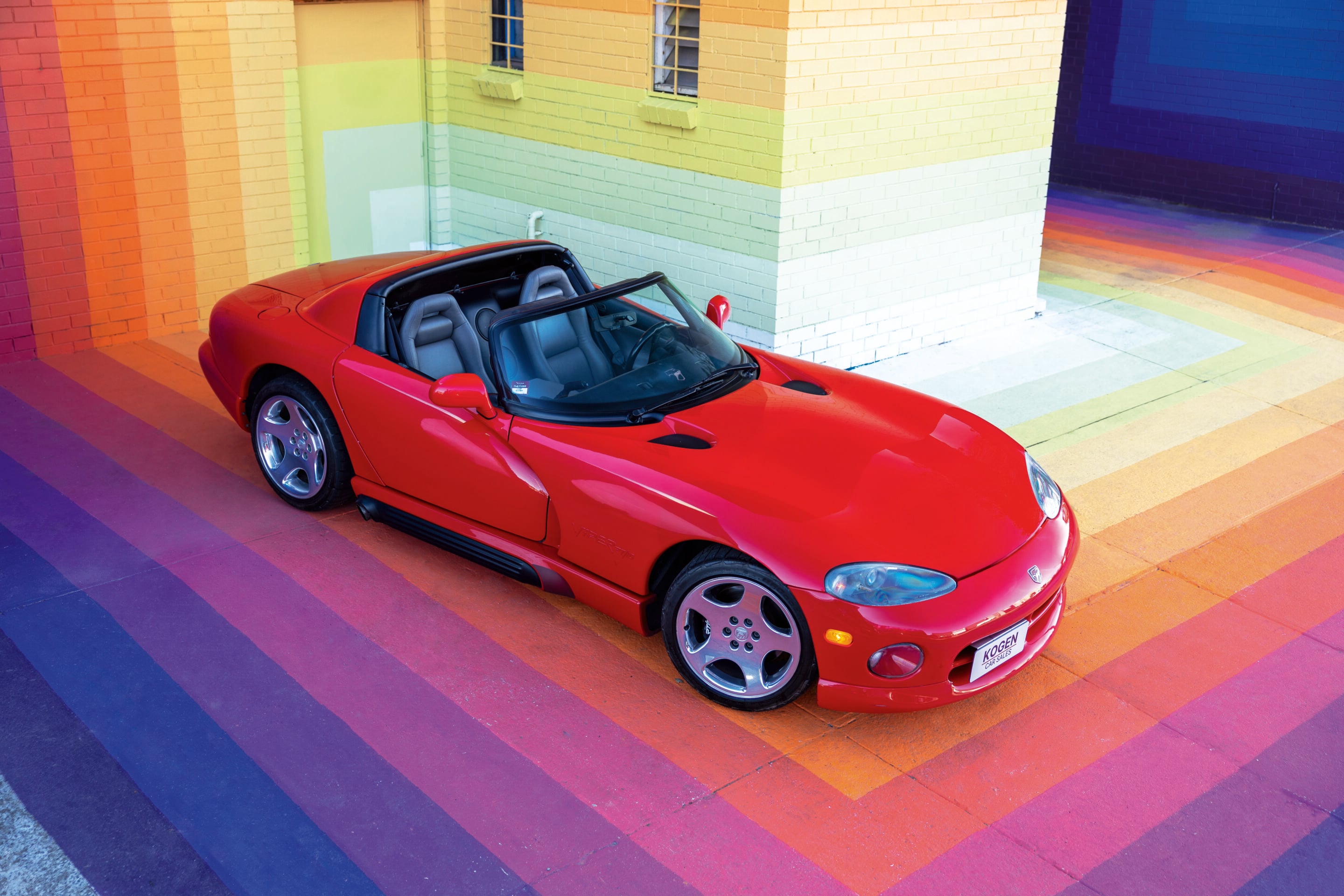
The Dodge Viper concept wowed when it made its 1989 debut, but the insane proportions, with no consideration given to practicality, and oversized 8.0-litre V10 engine made it impractical as a production car. Public demand said otherwise though, and Dodge rushed development of the production model.
With the Shelby Cobra as its engineering inspiration, the Viper shunned the kind of modern considerations you’d probably expect. Side windows? No, those were an accessory. External door handles? What on earth for. But surely the driving position is dialled in perfectly? Actually, the massive transmission tunnel ruled that out.
As illogical as the original Viper was, Dodge refined the formula over three generations from 1991 to 2017.
Nissan Murano CrossCabriolet
1
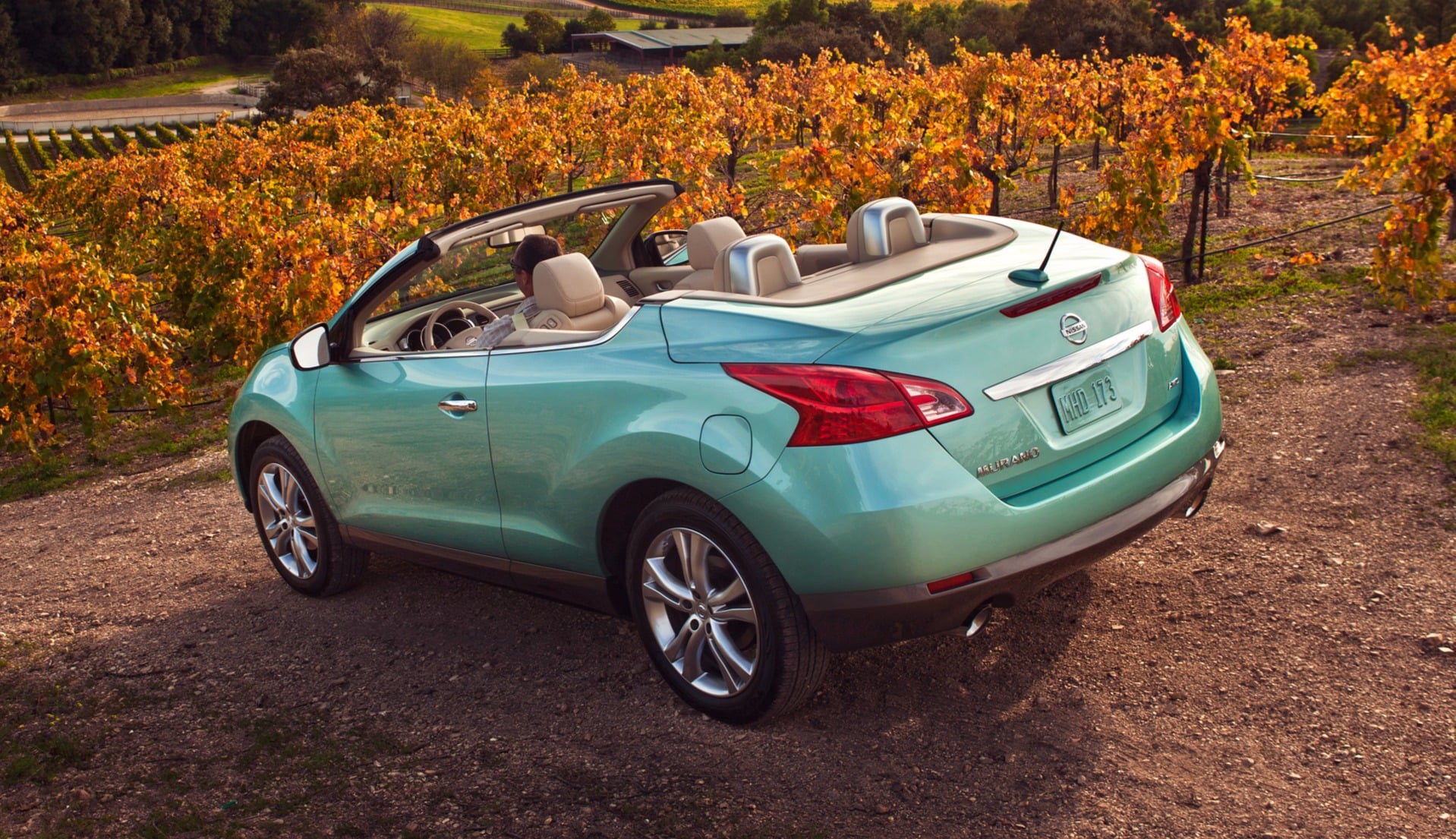
While it only made a brief appearance in Australia, the Nissan Murano has been a fixture of US showrooms across four generations. Between 2011 and 2014, the regular SUV was also joined by the convertible that surely no one asked for, the Murano CrossCabriolet.
The pool of Florida retirees that the CrossCabriolet was aimed at was, apparently, large enough to warrant building a version of the Murano with a two-door body and folding fabric roof.
The target market was affluent older buyers in the ‘lifestyle’ stage of their lives. The premise was the open-top fun of something like a Mustang, but with the ease of entry and egress provided by a crossover SUV.
While the project was short-lived, it seemingly inspired Range Rover to follow up with the Evoque convertible in 2017 and Volkswagen with the T-Roc Cabriolet in 2020.
Mitsuoka Orochi
3
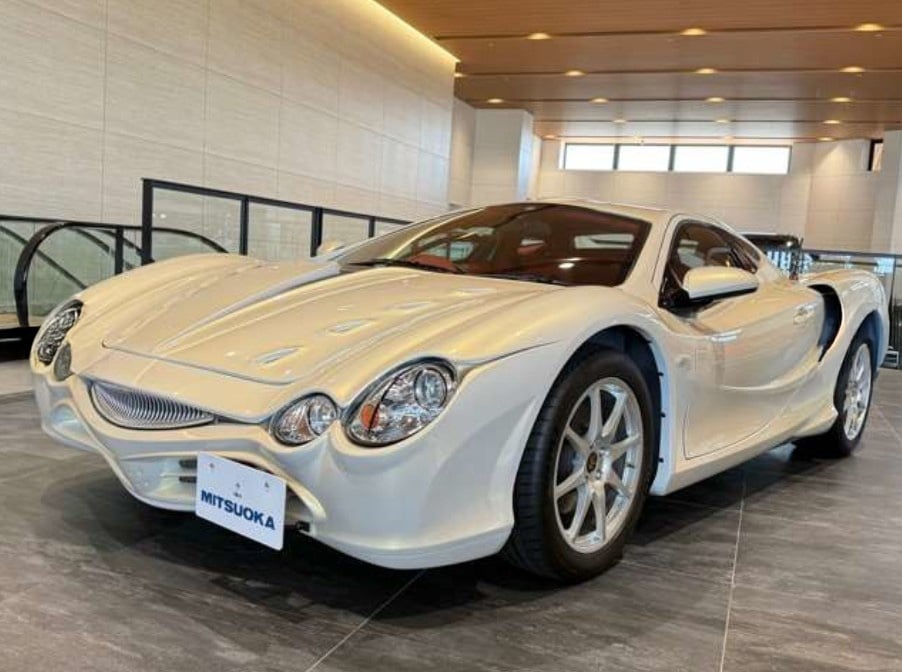
Mitsuoka found an unusual niche as a second-stage manufacturer, adapting the designs of existing Japanese domestic models into retro-inspired throwbacks. For the Orochi, Mitsuoka designed a mid-engined coupe without relying on another brand for its starting point.
That may have been a mistake. Steeped in Japanese mythology, the Orochi takes its name from an eight-headed dragon. The quad-headlight front, overabundance of swept lines, and small grinning grille fall short of the sinister name.
Adding to the disappointment, the Orochi takes its power from the 3MZ V6 found in a variety of early 2000s Toyota and Lexus models, tied to a five-speed automatic, offering just 172kW of uninspiring motivation.
Toyota Sera
1
We have Japan’s unprecedented economic boom of the late 1980s to thank for all manner of over-engineered, and frankly unusual, automobiles. The great crime being that very few ever sold outside of Japan.
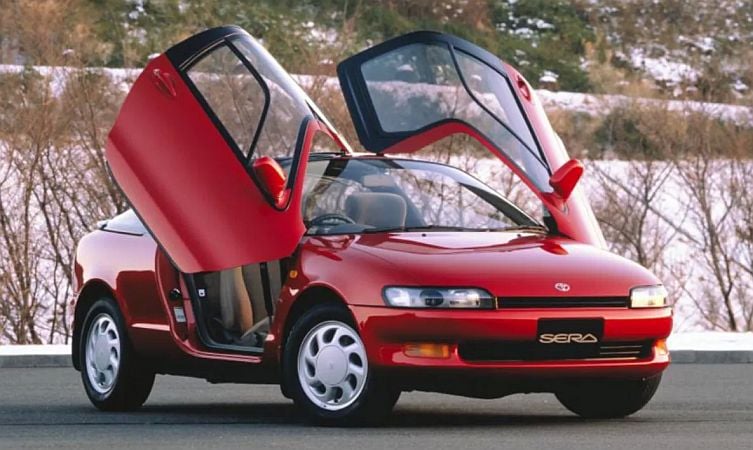
One of many attempts from Toyota was the compact Sera sports car. The Sera’s butterfly doors and glass canopy roof had absolutely no business being mounted on the bones of a sedate 78kW 1.5-litre Starlet chassis.
A lot of engineering effort went into those doors, which rivalled a Lamborghini for drama when operated. Gordon Murray even claims they inspired the McLaren F1’s door design. Between 1990 and 1995 less than 16,000 Seras were produced.
Suzuki X-90
1
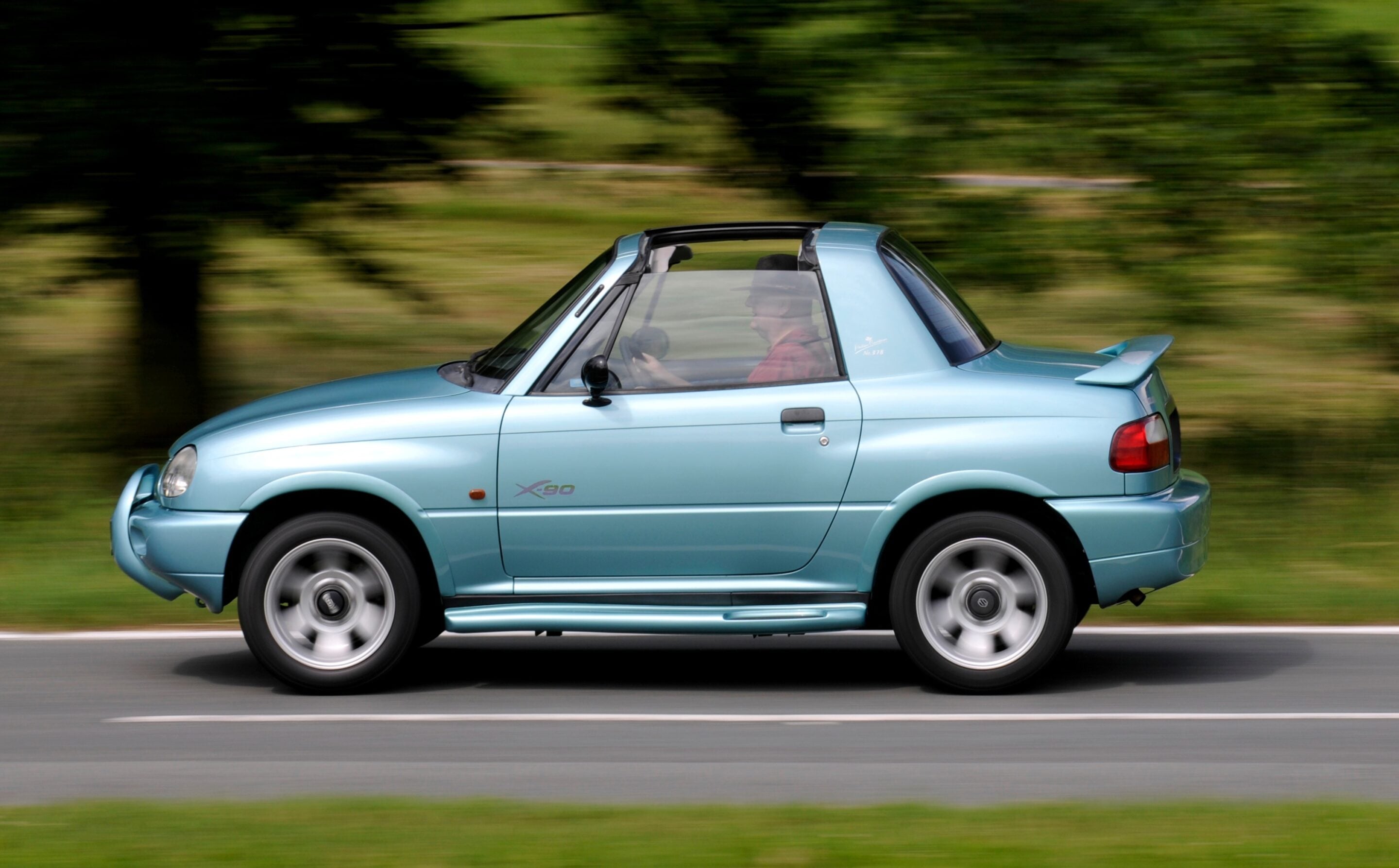
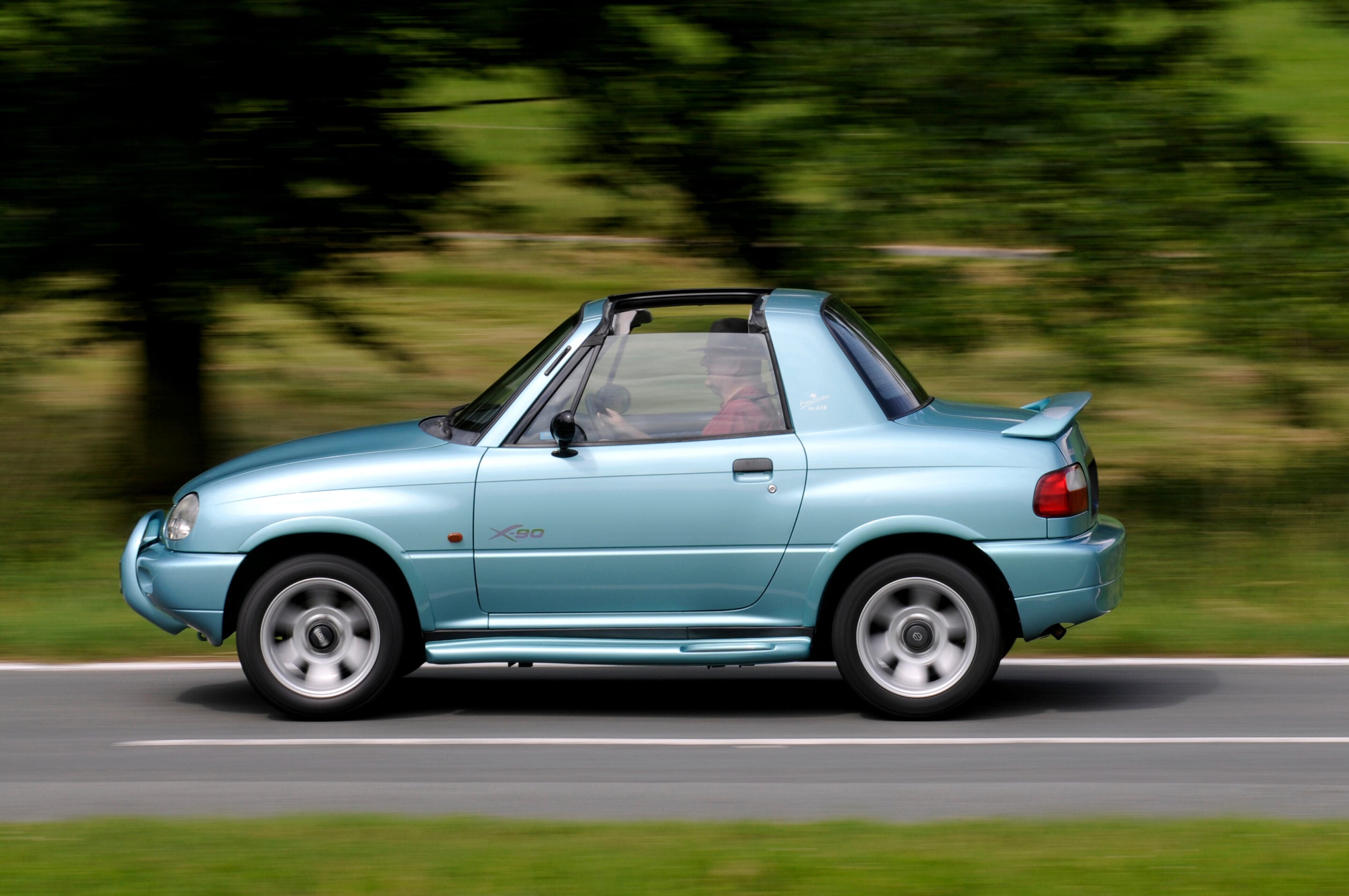
No matter how you slice it, a compelling reason for the Suzuki X-90 to exist never quite reveals itself. A version of the three-door Vitara, but with fewer seats and far less cargo space. Genius.
Suzuki perhaps looked at the enviable reputation the Mazda MX-5 was building among enthusiasts and figured that the body-on-frame Vitara could be its own shortcut to success. The rugged underpinnings gave the X-90 genuine off-road capability, but the coupe-style body stymied practicality.
Sporty drivers didn’t fall for the upright stance and compromised handling, and image-conscious trend seekers looked elsewhere. Finally, the much more sensible and still open-air experience of the RAV4 Convertible delivered a similar al fresco experience with far fewer compromises
BMW Z1
4
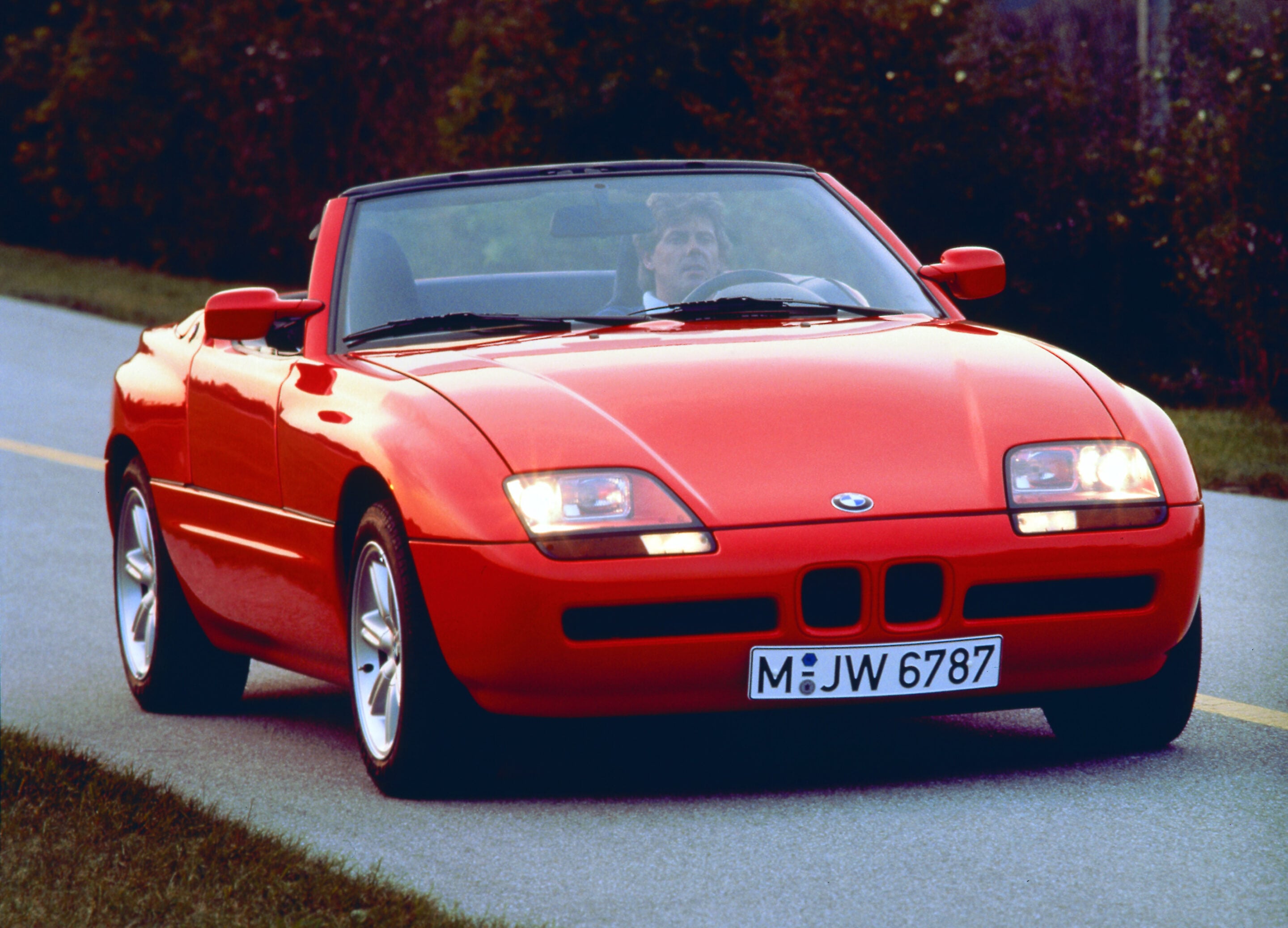
The BMW Z1 was truly an experiment brought to life. Designed by BMW’s Technik division, which was set up to fast-track innovation, free from the slower committee-style processes that usually governed BMW’s decision-making.
Floated as the idea of a sports car with a connected driving feel that mimicked that of a motorcycle, the BMW board loved the idea so much that the Z1 was given the green light.
Its construction was unusual, pioneering a monocoque chassis that functioned like a spaceframe, bonded with composite panels and covered with a non-structural plastic body that made it possible to swap panels to change colours. The absolute centrepiece, though, were powered doors that retracted down into the body, rather than being traditionally hinged, and could be opened on the move, removing the traditionally enclosed feeling of a regular roadster.
Isuzu VehiCross
1
With so many brands offering overlapping SUV models today, the Isuzu VehiCross would fit right in, but at its 1997 debut, it arrived as an outlier that felt like a gamble for Isuzu at the time.
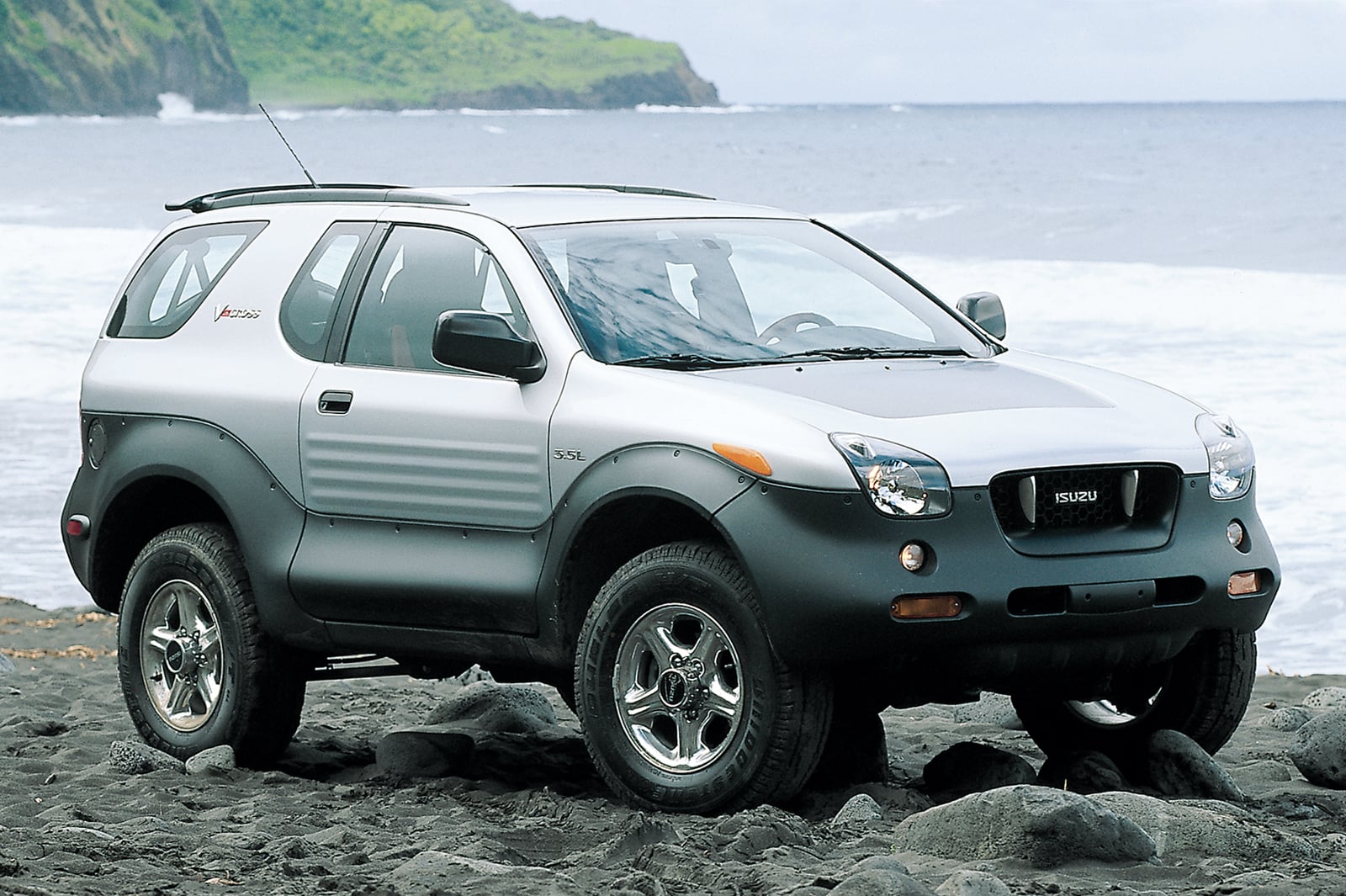
The chassis was shared with the three-door Isuzu Trooper, AKA the Holden Jackaroo, but Isuzu knew the VehiCross was always going to be niche, and replaced expensive tooling dies with lower-cost, shorter-life versions. The end product looked like a concept car brought to life.
Massive plastic cladding and a perpetually surprised face showed that Isuzu was happy to try something different in an emerging leisure-SUV market. Snug rear seats and a spare wheel mounted inside the tailgate proved that the idea perhaps needed a little further finessing.
Subaru BRAT
1
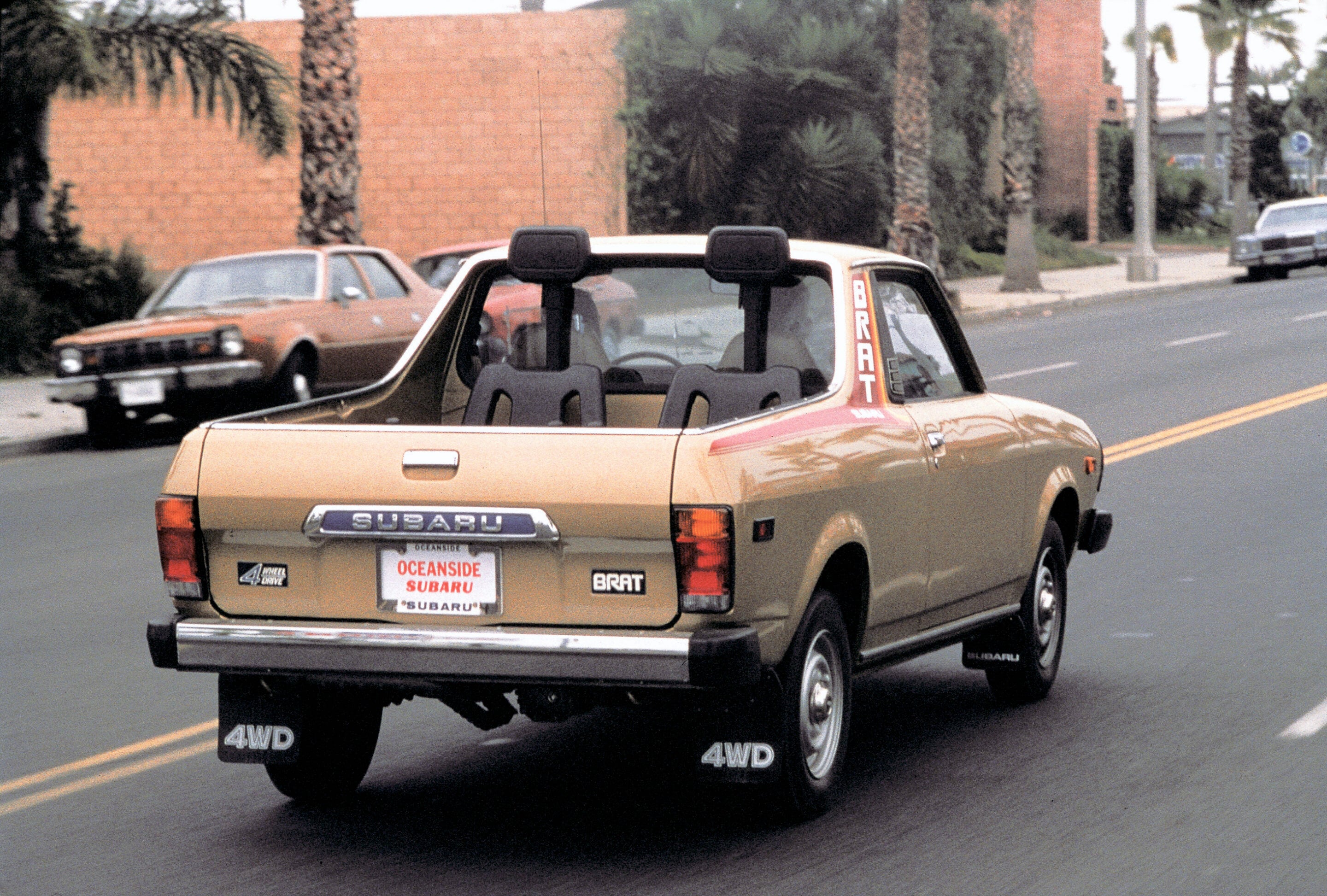
The version of the Subaru Bumby ute sold in the USA offered a clever solution to avoiding the tax on imported pick-up trucks in that market… by disguising itself as a four-seat passenger car.
A pair of all-weather outdoor jump seats helped the BRAT (which stands for Bi-drive Recreational All-terrain Transporter, by the way) avoid the 25 per cent import levy on light trucks imported to the US. It also introduced some atypical features for the light truck segment, like all-wheel drive, and by its second generation, a removable targa roof.
The gamble paid off for Subaru, and a much more sensible solution, without rear seats, was able to be sold in other parts of the world, providing a compact ute as rivals like Nissan and Mitsubishi started to upsize their ute models.
Renault Avantime
1
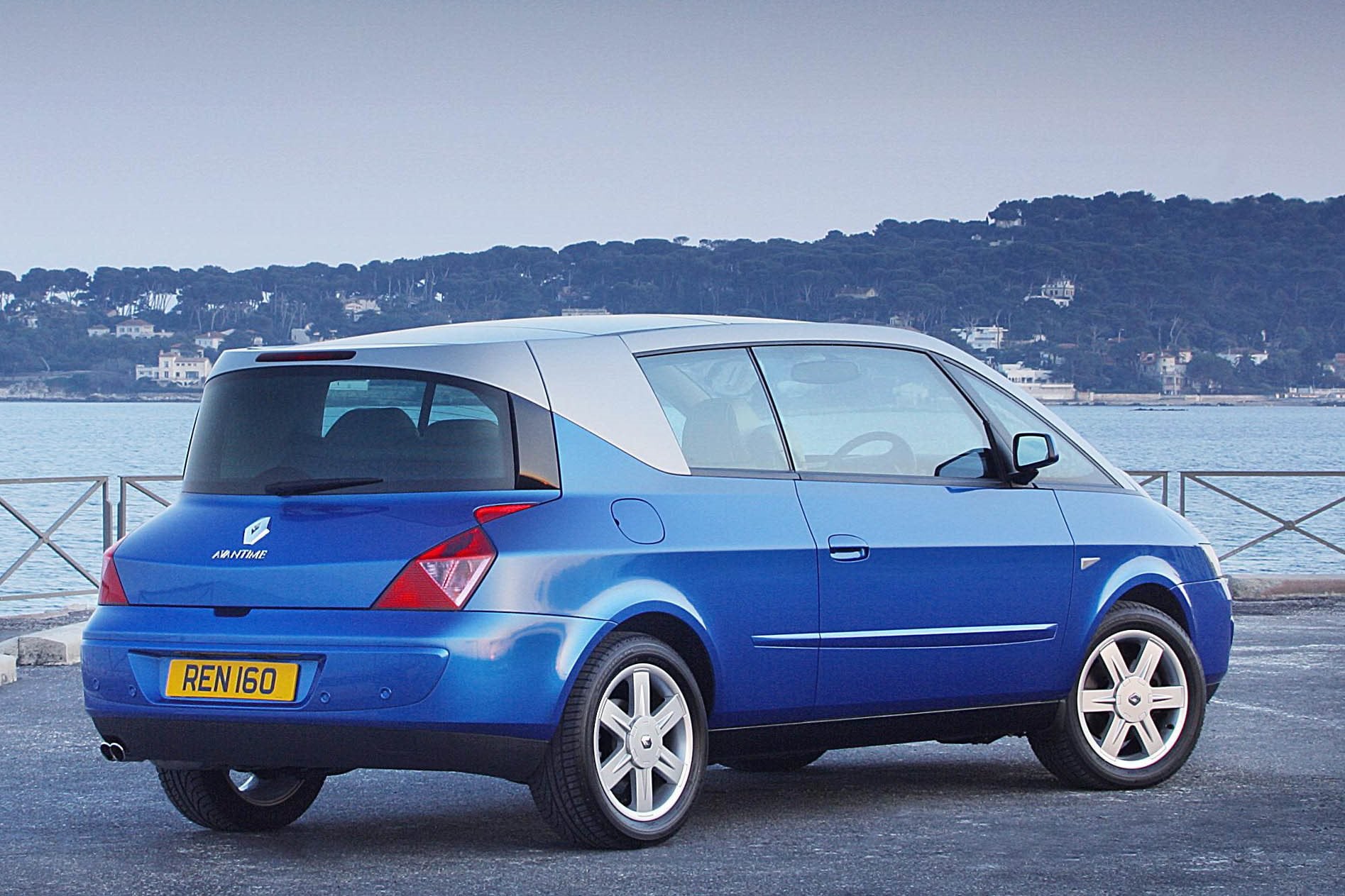
At the start of the 2000s, French brands had a staunch reluctance to accept the traditional SUV, and Renault’s stance saw it opt for a flagship model no one asked for. The Avantime arrived as a luxury 2+2 coupe, wrapped in a practical body modelled after the Espace people-mover.
Renault thought the Espace had grown so popular that once owners matured and found themselves with empty nests, they’d be so wedded to the idea of a people-mover that they would want the practicality of one with the elegance of a luxury two-door.
The Avantime’s massive glasshouse, B-pillarless construction, and huge doors on double-path hinges packed in plenty of innovation. Although probably never destined to be a runaway success, Renault further undermined its flagship efforts by unveiling the more traditional five-door Vel Satis alongside the Avantime, though neither proved commercially successful.
Follow WhichCar/Wheels on Google
Click the button below to make WhichCar by Wheels a preferred source for your news.

We recommend
-
 Features
10 high-performance versions of cars with humble beginnings
You may think of most of the cars on this list as mundane appliances, but that didn’t stop some extreme versions from being spun from their humble underpinnings.
-
 Features
10 Holdens that mattered: One year on from Holden’s Aussie factory closure
It’s an unwinnable argument, but let’s start it anyway: here are the General’s top 10 soldiers that made the most important contribution to the battle for hearts, minds and wallets
-
 Features
Weirdest cars you could buy in Australia - top 10
With the reliance on volume and market dominance of some new car brands, it's easy to forget that, at one stage, car brands were prepared to get a little bit weird.