
Features
Gallery 1
A look around any Australian suburban carpark will reveal a sea of unextraordinary utes, SUVs and hatchbacks. Nothing out of the ordinary, all very safe resale-protecting choices.
But it wasn’t always like that. From time to time, a car brand might be brave and bold and try something a bit different.
While not every oddball could make the cut, here are some of the more unusual models that brands took a punt on from the last 50 years.
Bullet Roadster SS
2
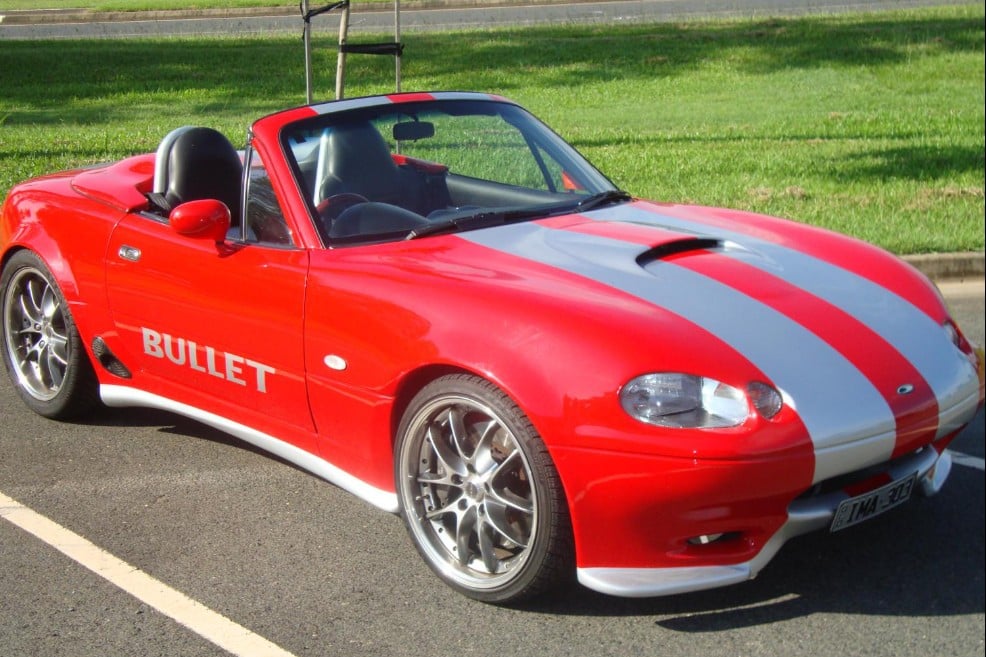
Unbridled Australian innovation took the humble Mazda MX-5 and mated it with the quad-cam V8 from a Lexus to create a formidable sports car that provided big power and minuscule weight.
While some of the MX-5 DNA is obvious in the styling, a spaceframe underneath braced the body, and the most powerful option saw a 4.0-litre Toyota V8 with a Sprintex supercharger deliver a claimed 320kW/575Nm.
The extent of changes and reengineering meant Bullet became a manufacturer of its own, achieving low-volume ADR compliance and offering something utterly unhinged that looked familiar, but came with carbon composite bodywork and a full set of performance and handling upgrades.
Suzuki Mighty Boy
1
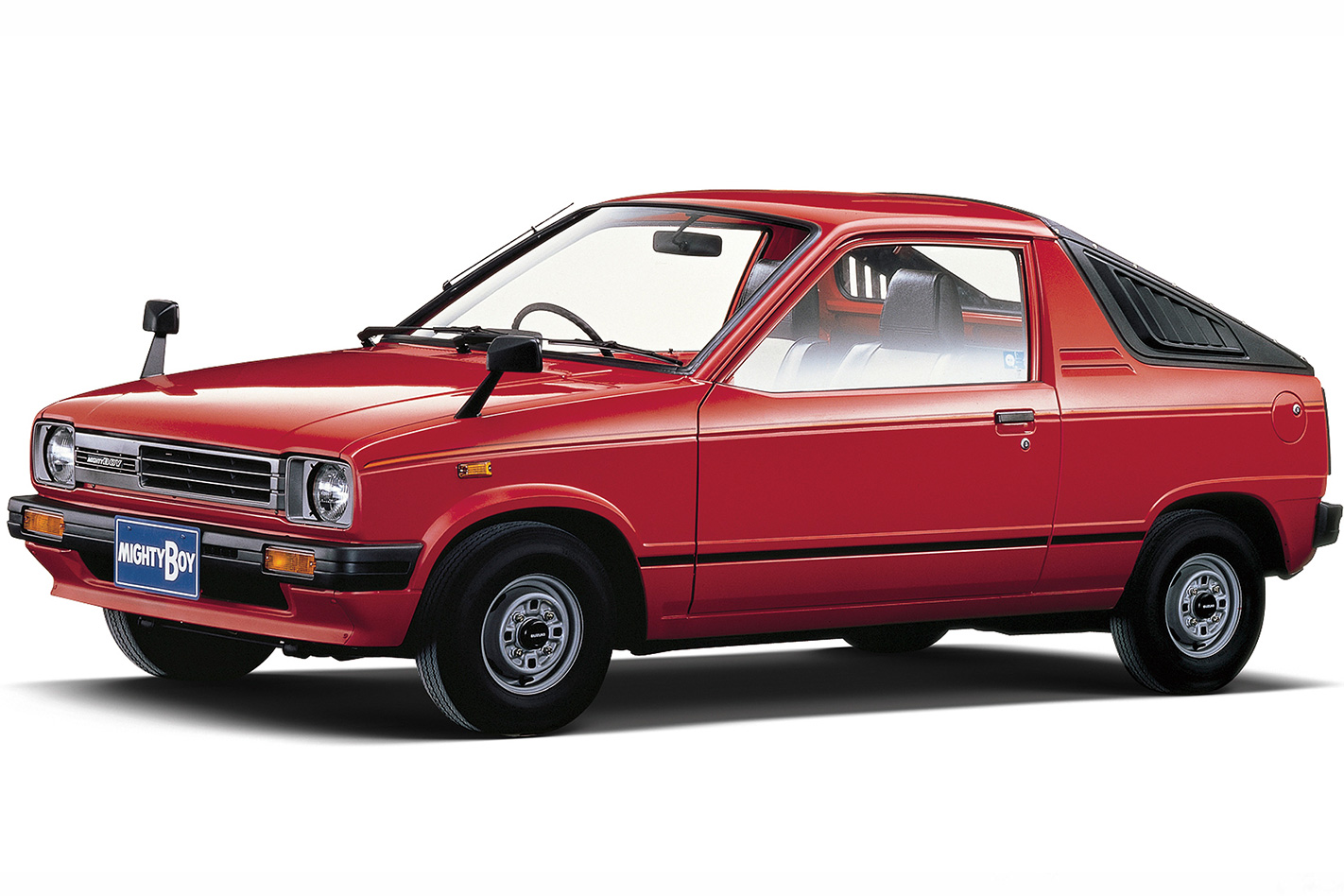
Aussie utes have taken many forms, but by the 1980s, they were mostly either based on full-size Holden and Ford sedans, or dedicated workhorses from Japan, similar in size, if not performance. That didn’t stop Suzuki from having a crack at something very different in the mid-80s.
The Mighty Boy was a tiny ute, designed to meet Japan’s compact kei class regulations, with a 550cc engine and unusual proportions that made the cabin longer than the bed, thanks to its close relationship with the Cervo hatch.
The rise of more practical vans, which put the driver over the engine instead of behind it, sealed the Mighty Boy’s fate in Japan, and while it developed a cult following in Australia, sedate specs and limited practicality stopped it from being a widespread success.
Smart Roadster

1
Smart’s entire Australian line-up felt like it was fighting with one arm tied behind its back, thanks to compact dimensions, tiny engines, and frustratingly dimwitted automated manual transmissions. While the City-Coupe range found favour with businesses as a quirky mobile billboard, the Smart Roadster was something else entirely.
Almost 74 per cent more expensive than the City-Coupe, the Roadster offered the same cramped cabin, but a longer body that blended classic sports car cues with the ability to complete a 0-100km/h sprint in a drowsy 10.9 seconds.
With your bum so close to the ground, its 60kW 698cc turbo engine almost felt swift, and the absolute need to rev the ring out of it gave it a fizzy feeling from behind the wheel, but cartoonish interiors and a lack of any substance made it incredibly niche.
Blade Electron
1
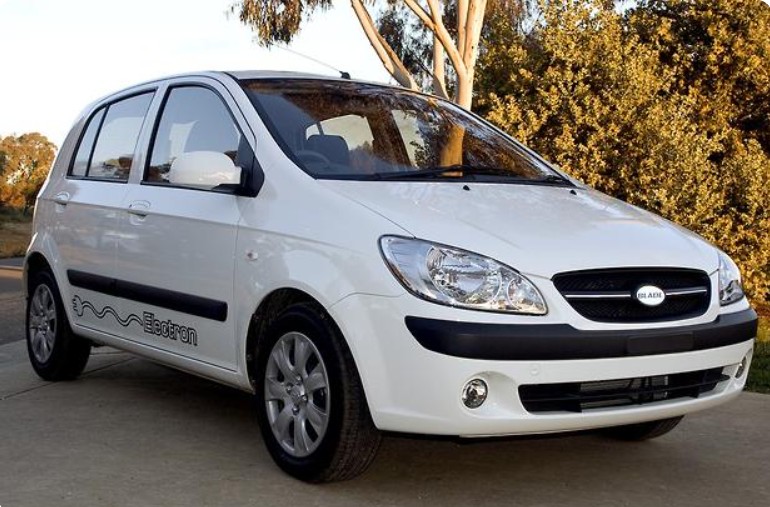
If the idea of a Hyundai Getz with lower performance and crippled range for three times the price of the cheapest Getz sounds like your cup of tea, then the Blade Electron was for you.
Based on the body of a Getz, the Electron swapped out Hyundai’s 70kW 1.4-litre petrol engine for a 40kW electric motor, taking the price from Hyundai’s attractive $14,990 all the way to $48,000 with a claimed 100km range thanks to a 16kWh battery.
The Electron was a bold attempt to spark EV innovation, using funding available under the Australian government’s ‘green development’ fund at the time, but a limited audience, and competition from the more resolved Mitsubishi i-MiEV and Nissan Leaf saw demand dwindle quickly.
Bufori Madison
2
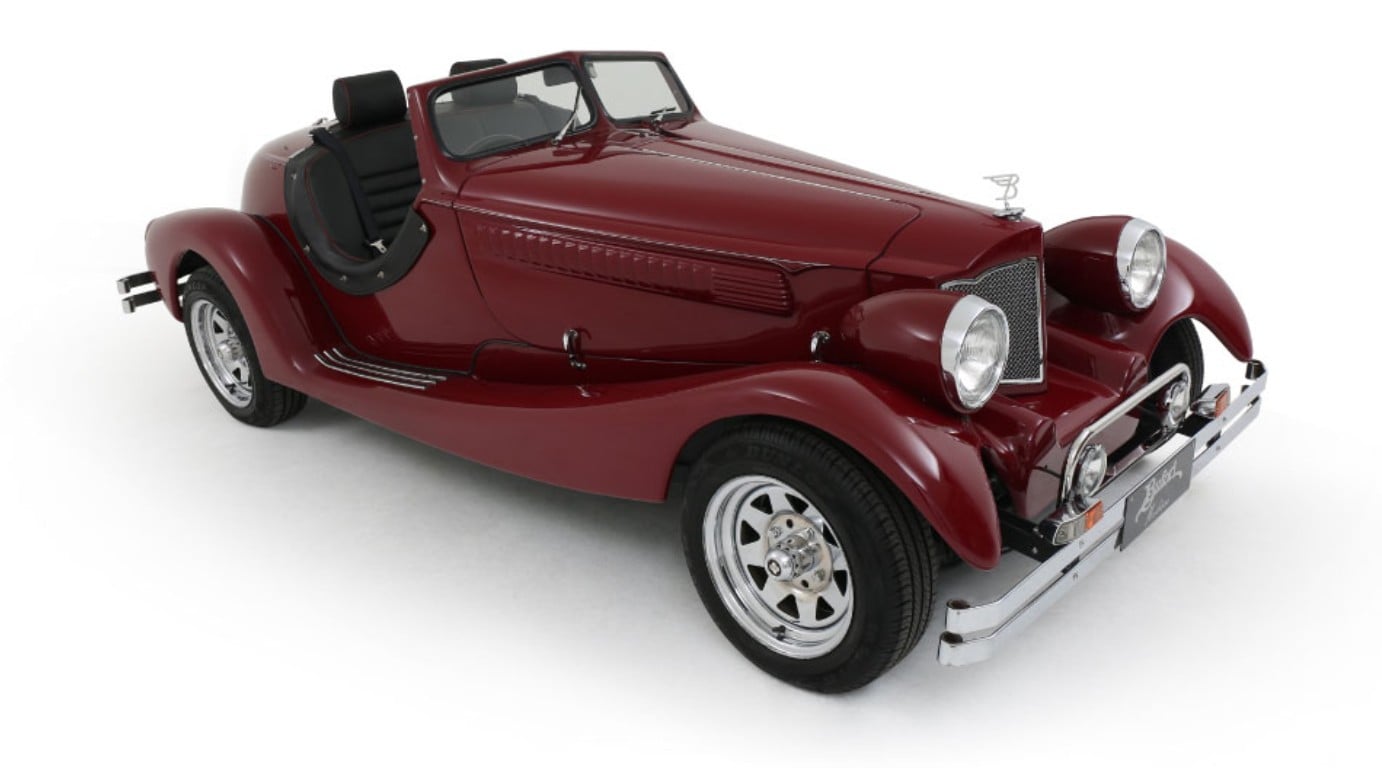
Think of Australian car brands, and you’ll likely think of Holden first, but Bufori was an Australian brand with an entirely different ethos. Their first model, the Madison, was hand-built in Sydney with a neoclassical design that wrapped the look of a 1920s roadster around Volkswagen mechanicals.
An emphasis on craftsmanship and hand-assembled coachbuilding techniques kept Bufori’s production volumes low, but the company grew to a point where exports kicked off, and eventually production was shifted to Malaysia, where it continues to this day.
Toyota Corolla Sportivo Levin
1
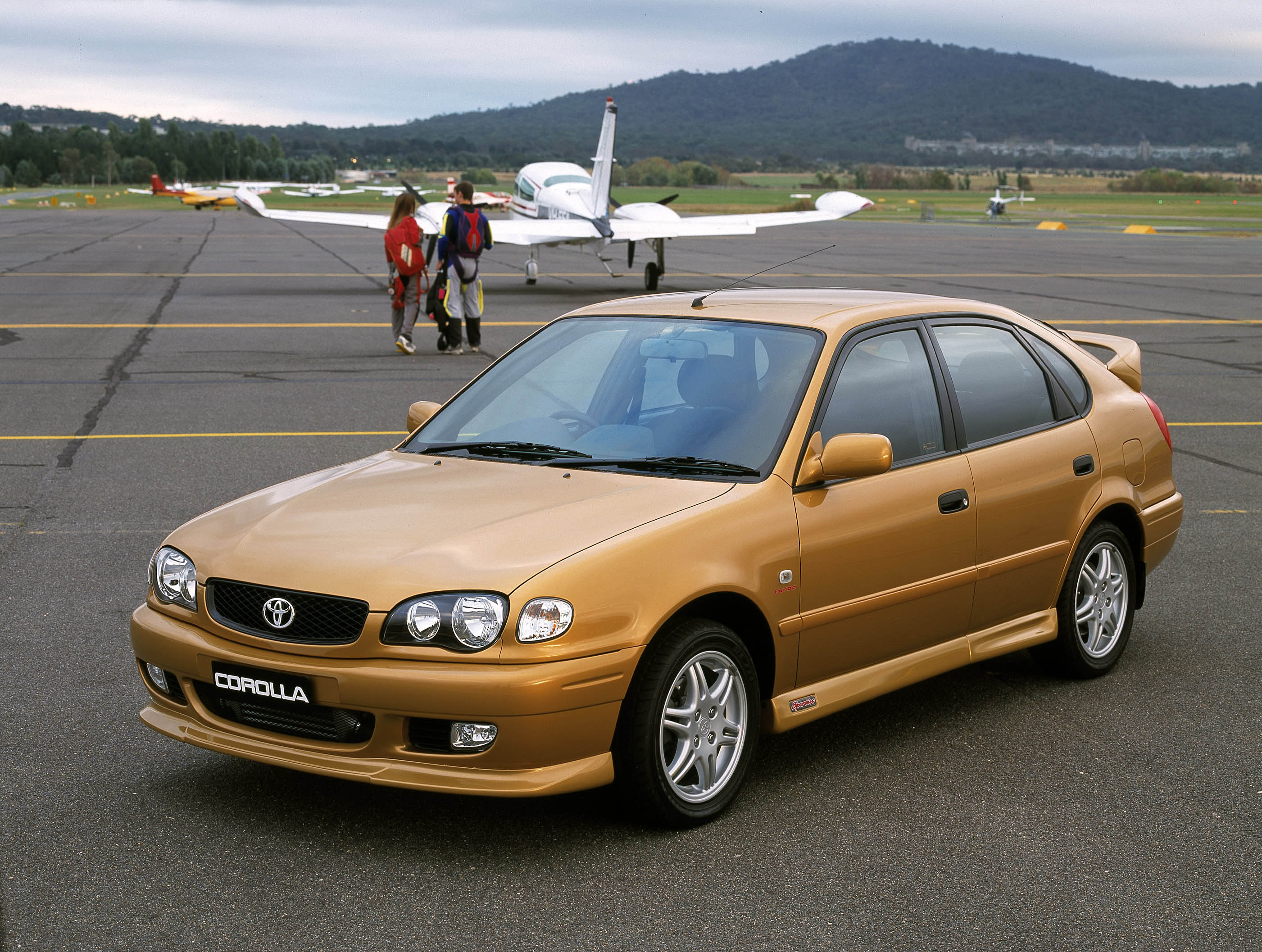
Corolla and weird don’t usually belong together, with Toyota’s small hatch about as mainstream as they come. In 2001 Toyota Australia tried something a bit different, bolting a turbo on for kicks and creating a low-volume sleeper.
Looking more like a Corolla dressed from Toyota’s accessory range, with a Sportivo front bumper chin, sills, spoiler risers, and wheels, the best bits were hidden from view.
The turbocharger boosted power from 85kW to 115kW, and torque jumped from 154Nm to 237Nm. A five-speed manual was the only transmission, and suspension was stiffened to keep handling in check.
In the world of performance, the 115kW Corolla outgunned a Mk 4 Golf GTI of the time by 5kW, but was also priced higher than a base Commodore with a V8, meaning numbers were limited to just 110 units from an intended run of 150.
Suzuki X-90
1
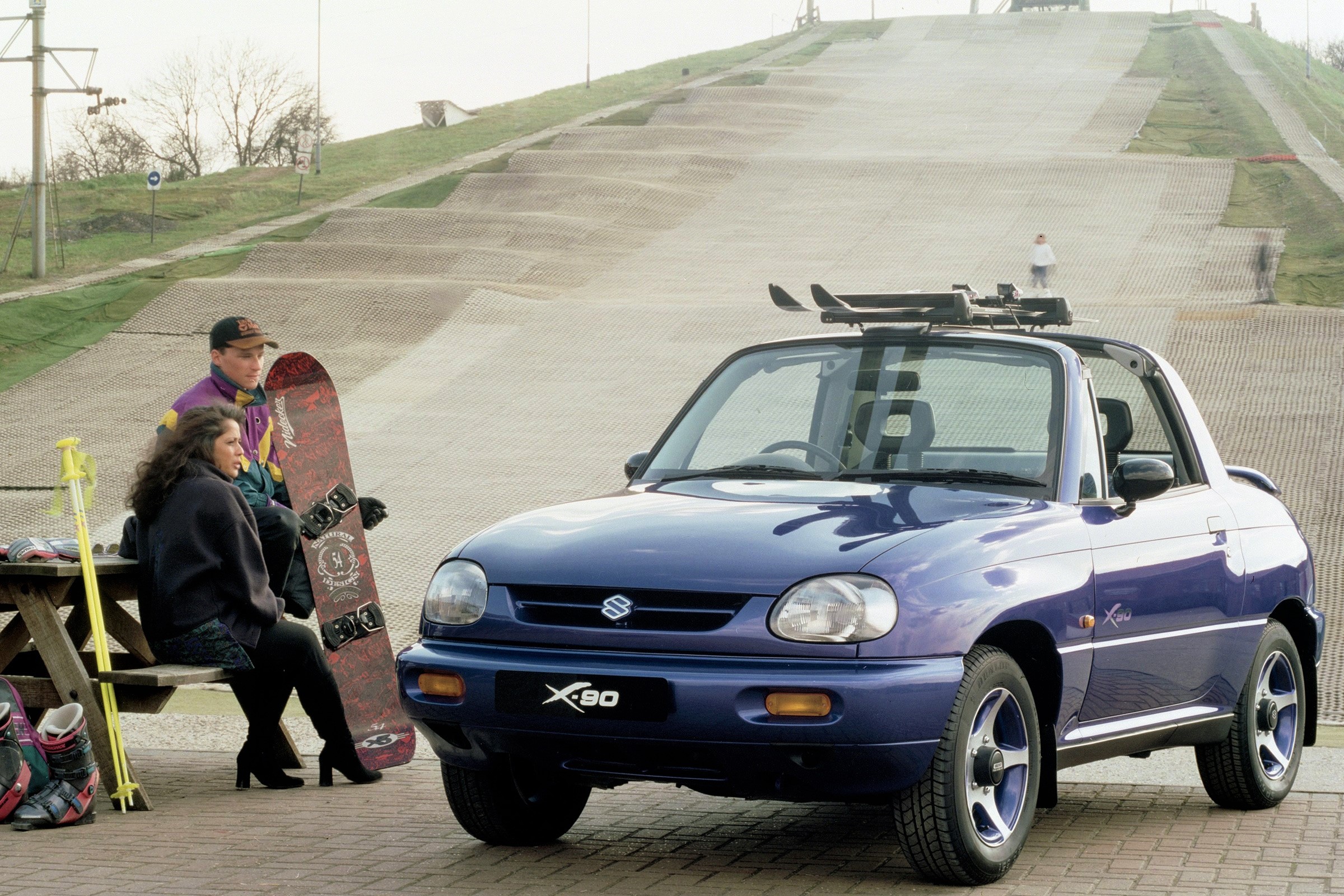
Suzuki helped pioneer the compact SUV craze with the Vitara in the 1980s, but by the mid-90s, it may have gotten a little cocky with the two-door X-90.
Unlike anything else before it, or since, the X-90 took the Vitara’s ladder-frame chassis and draped it in an upright two-door coupe body. With a boot, not a tailgate. And with a removable targa-style roof.
Off-road enthusiasts avoided it for its lack of practicality, and the kinds of trendy young urban buyers Suzuki was targeting opted for the more spacious and practical RAV4 instead
Lada Bizivan
2
Every attempt Lada made in the Australian market could land on this list, probably the best-known of which were those modified by racing legend Peter Brock, with handling and styling revisions that did little to spur on the Soviet hatchback’s success.
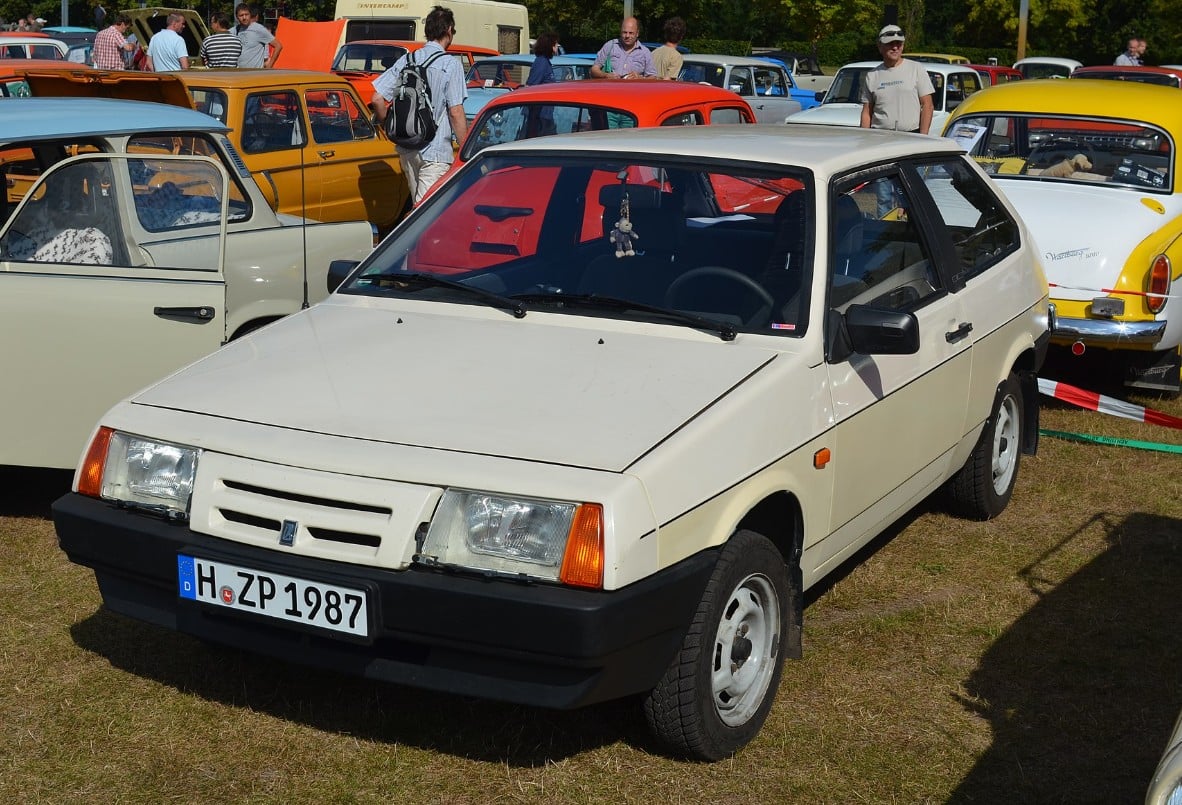
Weirder still, by the late ‘80s, Lada introduced the Bizivan. A three-door version of the Samara hatch, but with no rear seats and a focus on the commercial vehicle market.
A wooden floor, optional side windows with bars, and a 425kg payload made it cargo compatible. Priced from $10,655 when new, the Bizivan was over 20 per cent cheaper than a base model Corolla, while matching it for power and including a five-speed manual – one up over the four-speed Corolla.
Ssangyong Chairman
1
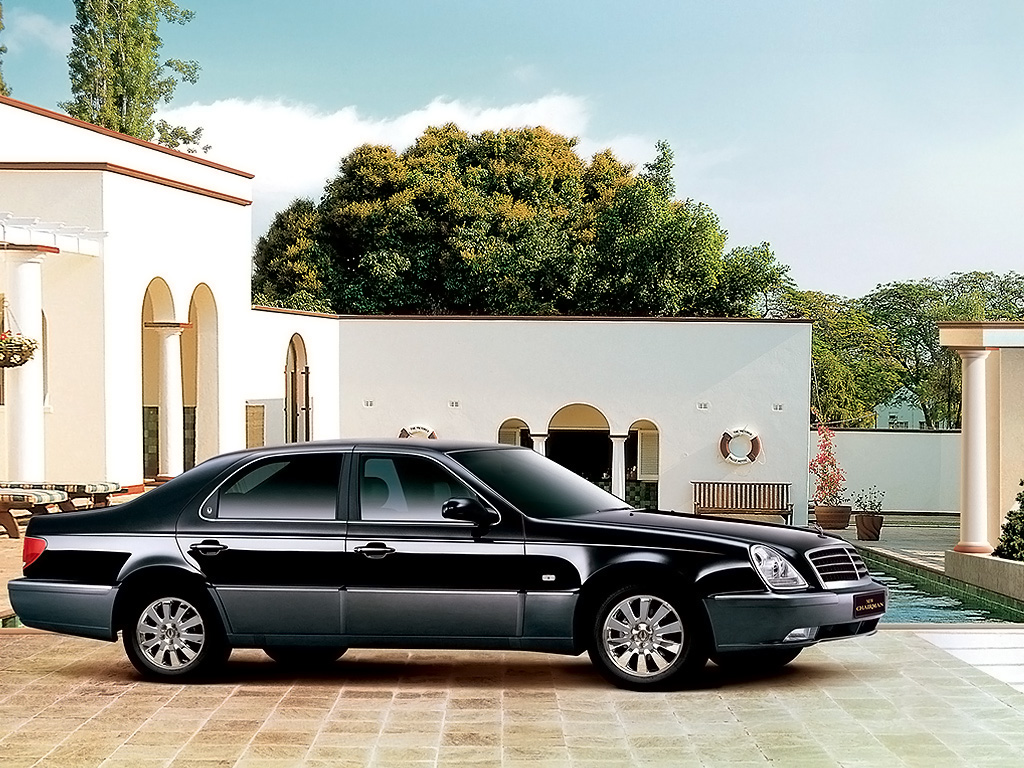
Ssangyong, now KGM, is best known for its SUVs and utes, and perhaps little known for its tilt at the full-size prestige sedan market.
The Mercedes-Benz look-alike styling was no coincidence. Stemming from Benz’s investment in the Korean brand at the time, the chassis was derived from the much older W124 E-Class, and even the styling blended rejected elements proposed for the W202 C-Class.
The 3.2-litre inline six engine was, you guessed it, a Mercedes design, built under license. The combination of unusual bug-eyed looks, a two-generation-old chassis, and a $57K price when new – which could have got you a larger, more powerful Ford Fairlane – not to mention Ssangyong’s less-than-favourable reputation, meant the Chairman was a certified oddity on Aussie roads.
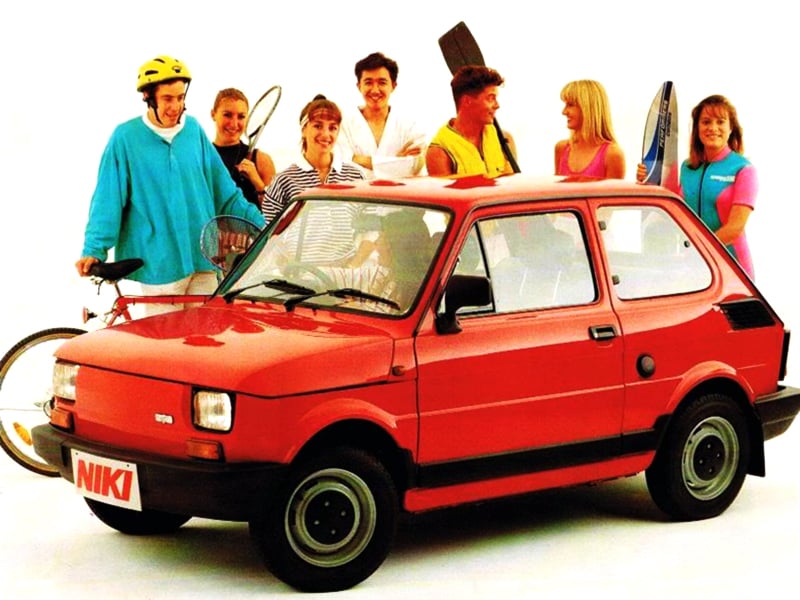
FSM Niki
1
As late as 1993, you could buy what was essentially a Polish-built, air-cooled, two-cylinder Fiat 126, first designed in 1971. The back story is a bit more complicated than that, but FSM (which stood for Fabryka Samochodów Małolitrażowych, literally ‘small car factory’) offered Australia’s cheapest new car in the 1990s.
The $6000 price when new came with some compromises. No power steering, arguably not needed with so much weight at the back, no automatic transmission, no air conditioning, and with only 18kW, no real performance to speak of.
Despite petering out in Australia in 1993 as consumers demanded cheap compact cars with, well, anything at all, the FSM Niki – known by its original Fiat 126 moniker, made it to the year 2000 in overseas markets, by which time over 3.3 million units had been built in Poland.
Follow WhichCar/Wheels on Google
Click the button below to make WhichCar by Wheels a preferred source for your news.

We recommend
-
 Features
The Wheels Interview: Jeremy Clarkson, on cars, cows and whether he misses The Grand Tour
From Top Gear to The Grand Tour and Clarkson’s Farm, the famously acerbic presenter, columnist and writer has lost none of his bluster. He spoke with Steve Cropley and Matt Prior for Autocar and My Week In Cars about modern and classic cars, his rollercoaster career and why he couldn’t love Porsche.
-
 Features
Cars that won't make it to 2027
Some heavy-hitters among driving enthusiasts will be pulled from the market during this year.
-
 Features
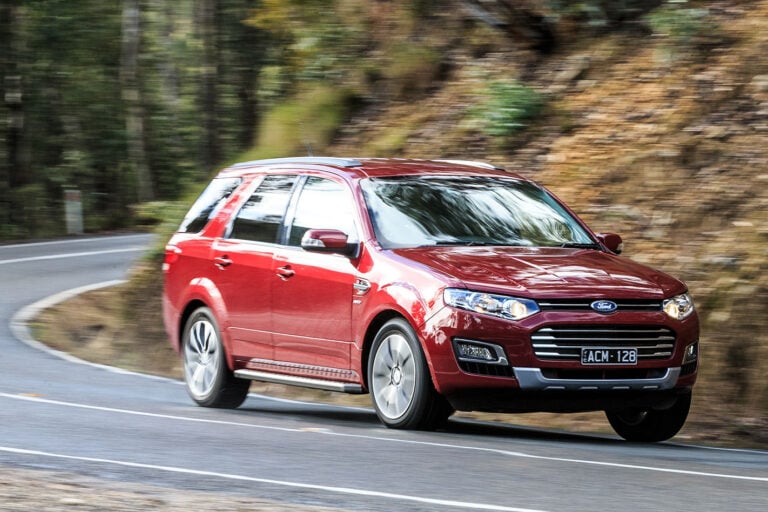
AI helps us imagine what the Ford Territory would look like if still produced today
Have you ever wondered what a modern day Ford Territory would look like? Now, thanks to some help from AI, we can imagine a future version of Ford's homegrown car-based SUV.
