Features
Gallery 1
As Australia’s car manufacturing matured, the ‘big Aussie six’ formula became the sure-fire recipe for success.
Brands tried alternatives. Cars in different classes with different capabilities, but landing a breakthrough wasn’t always assured.
Every so often, a ground-breaker emerged. Something that changed minds, clicked with buyers, and forced competitors to rethink their future plans.
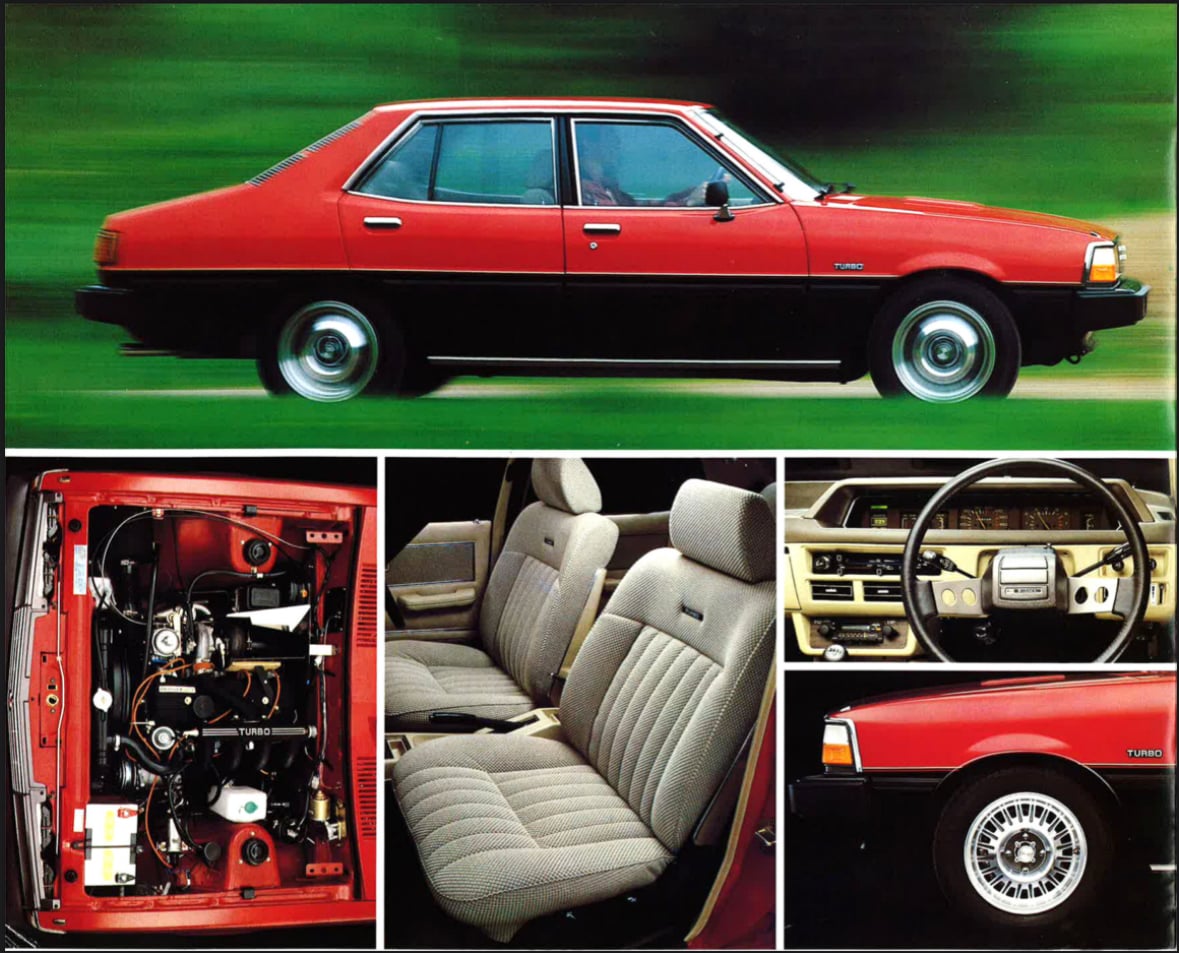
Mitsubishi Sigma Turbo
1
While the Sigma itself wasn’t anything particularly groundbreaking when it first arrived, the addition of a turbocharged model made it an Australian first. The performance it unlocked wasn’t exactly subtle either.
Power from the 2.0-litre turbocharged four-cylinder reportedly jumped to 116kW – equivalent in output to Holden’s 5.0-litre V8, and a sizeable bump from the 70kW output of the non-turbo 2.0-litre. Fizzy straight-line performance impressed, and the Sigma Turbo dared to challenge the popular notion that there was no replacement for displacement.
A limited run of 500 Sigma Turbos was produced, and pricing was kept under $10,000 when new – on par with a basic six-cylinder VC Commodore. Unfortunately for Mitsubishi, strong competition from front-wheel drive mid-size competitors that felt more modern and high-tech dented its chances at success.
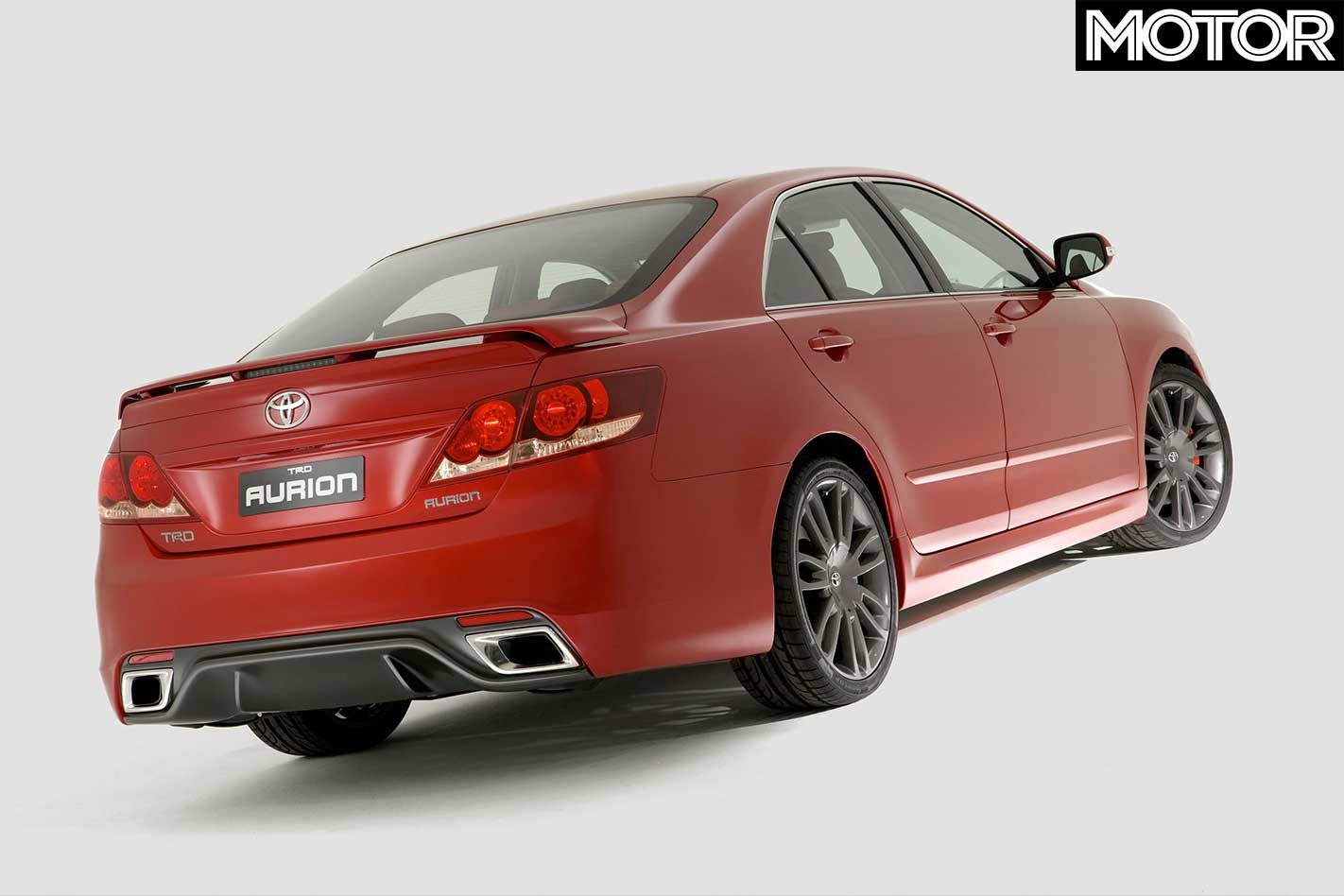
TRD Aurion
1
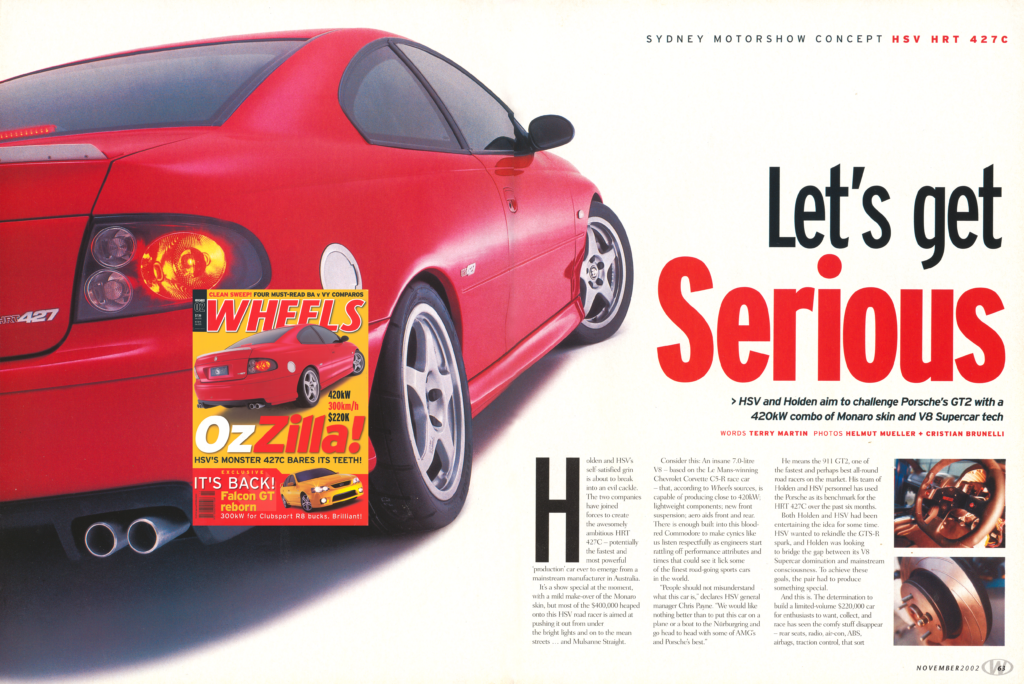
Conventional wisdom in the 2000s stated that performance cars needed a V8 engine and rear-wheel drive. Toyota disagreed and attempted its own HSV alternative based on the V6 Aurion.
The 241kW supercharged V6 in the Aurion had a decent 41kW advantage over the regular Aurion V6, and Toyota engineers worked to give the suspension a more planted and connected set-up, while battling to overcome the wheel-tugging torque-steer already prevalent in the base car.
The result was more of a grand tourer than an outright track warrior, and the TRD experiment was ultimately short-lived, spanning from 2007 until 2009, but it paved the way for the 2008 Mitsubishi TMR 380 as a direct competitor, though it too was short-lived.
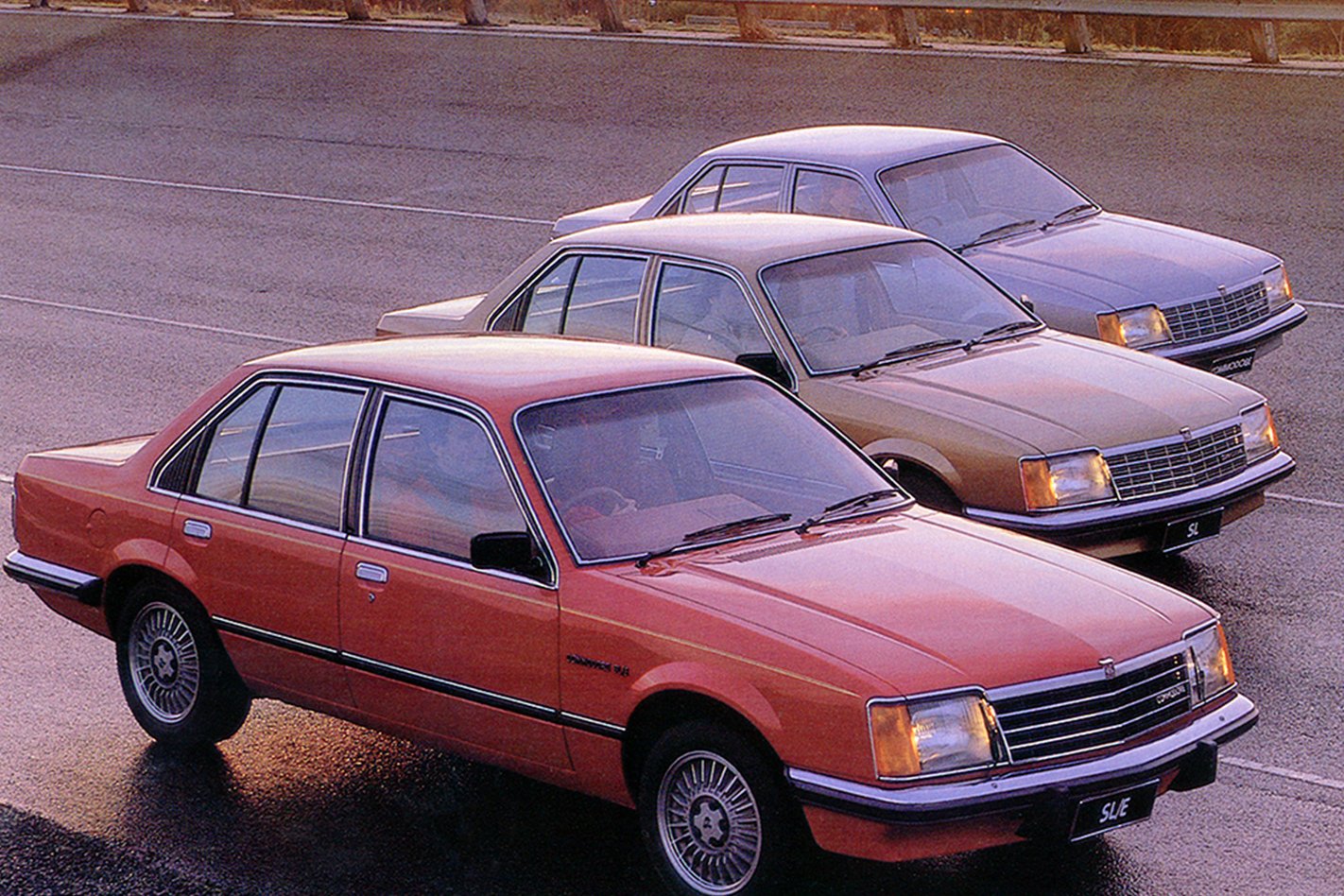
Holden VB Commodore
1
Against all odds, the VB Commodore became a success thanks to smart engineering decisions, powerful marketing, and some help from external forces.
Throughout the ‘70s, Holden had plans for a new, full-size HZ successor, dubbed the WA, then a rebodied version of the extended-life HZ, in the WB. Eventually, the smaller, lighter VB Commodore became its primary focus, leaving the bigger WB to support the long-wheelbase ute, van, and luxury markets the Commodore couldn’t fulfil.
Based on the European Opel Rekord, but engineered to accept Holden’s own six- and eight-cylinder engines, the Commodore was tuned and tweaked to withstand local conditions. Its smaller size became an advantage as fuel pressures raised questions over large cars in 1979, and its handling and packaging efforts saw it win Wheels Car of the Year in 1978.
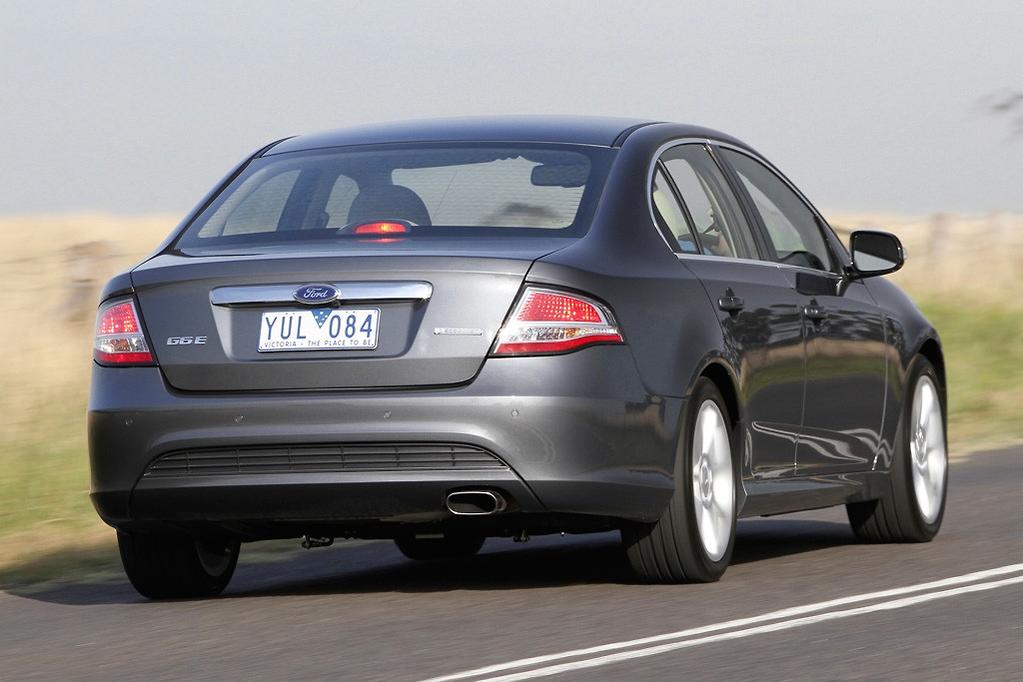
Ford FG Falcon EcoBoost
1
Though it was only short-lived, the first – and last – four-cylinder Falcon did a better job of feeling like a complete package than the downsized Commodore V6 it was designed to compete with.
Launched in 2011, the four-cylinder Falcon featured a 2.0-litre turbocharged engine that produced 176kW and 353Nm, and wasn’t at a massive disadvantage compared to Ford’s 195kW/391Nm basic 4.0-litre six in the FG Mark II Falcon.
The Falcon EcoBoost was lighter over the front axle, slightly more refined, and in relaxed driving, peak-hour crawls, or simple highway cruising, was as good as its six-cylinder equivalent. Perhaps even better, thanks to its earlier torque peak.
As an answer to the 3.0-litre V6 Holden had introduced on low-spec Commodores, the Falcon EcoBoost ran circles around it for driveability and real-world efficiency.
Mitsubishi Magna
1
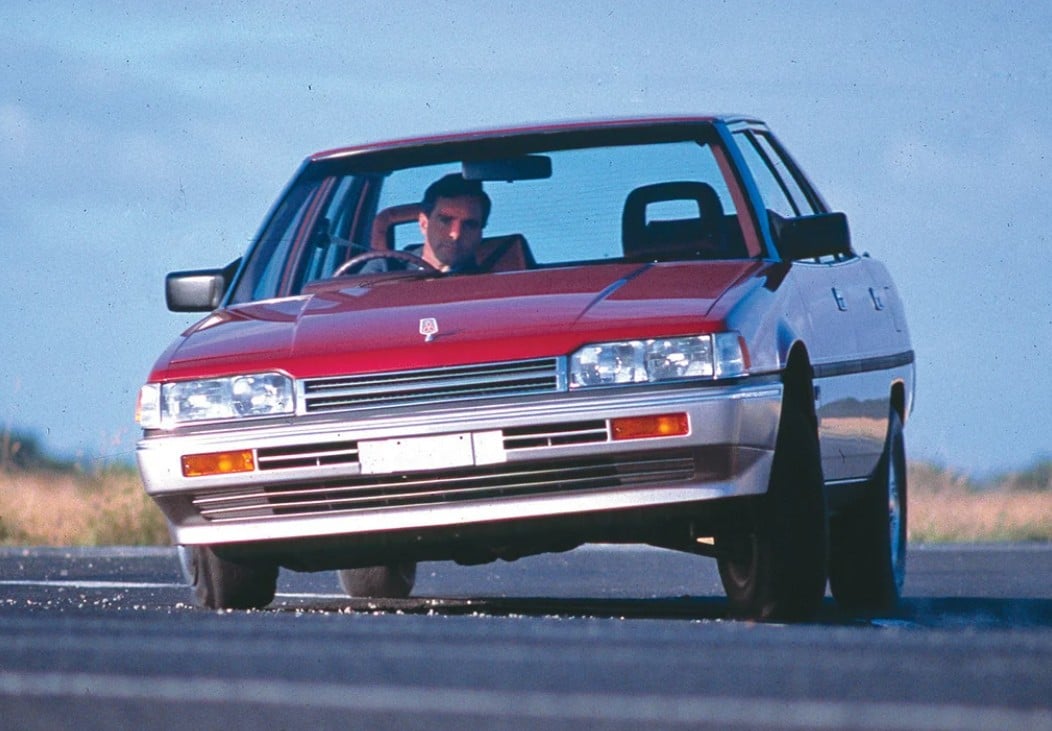
When the time came to replace the mid-size Sigma in the mid-1980s, Mitsubishi knew it wouldn’t be able to go head-to-head with the full-size Falcon and Commodore. Instead, a clever decision to widen Japan’s Galant for large-car-equalling interior space proved a master stroke.
Compared to the Sigma it replaced, the Magna was much more modern, and the packaging benefits of front-wheel drive meant the Magna was lighter and more compact overall than its larger rivals, without sacrificing interior comfort.
So successful was the Magna program that Japanese rivals followed suit with their own mid-size models – a move that led to market domination for cars like the Toyota Camry and Honda Accord in markets like the US.
Holden VT Commodore
1
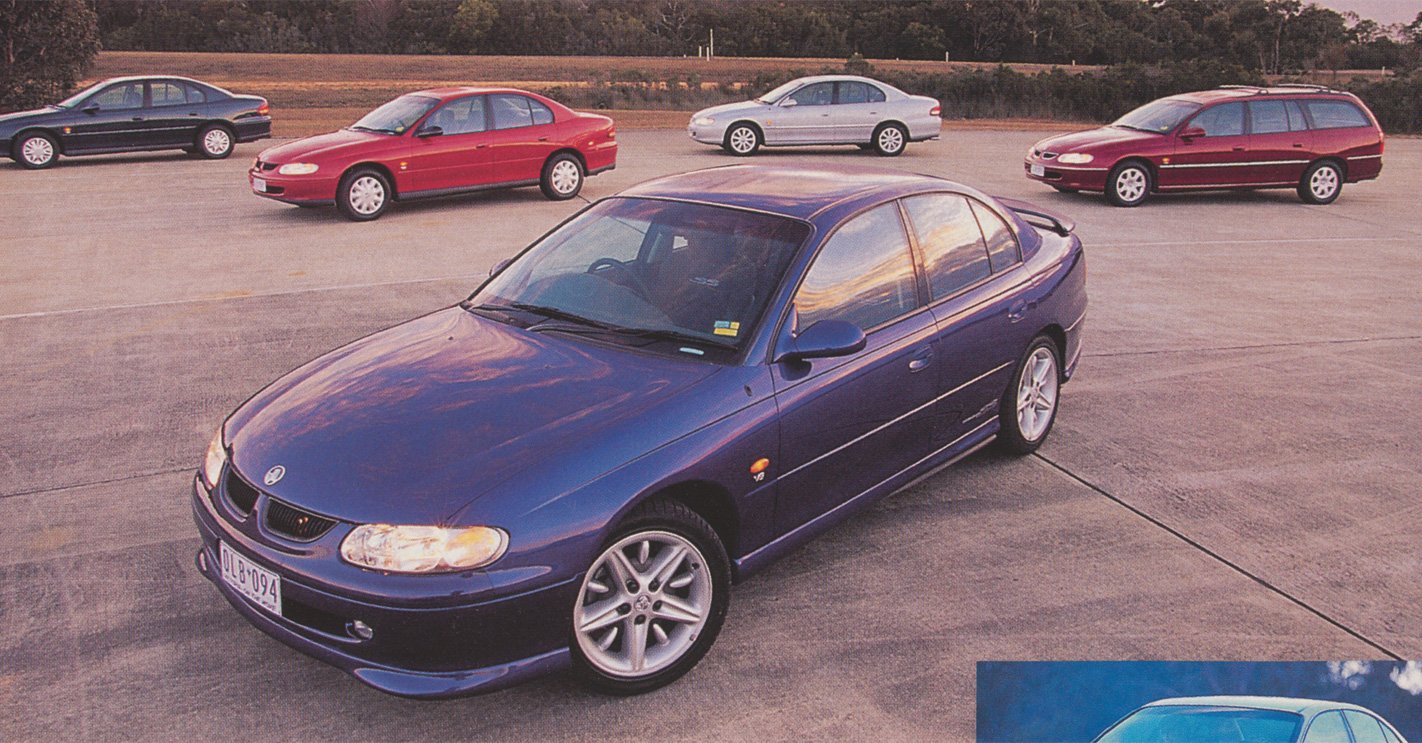
After a decade dominated by the Falcon in the 1980s, and a switching lead through most of the early 1990s, the VT Commodore of 1997 put General Motors back on top with absolute authority. Ford tried to innovate with the AU Falcon, but Holden’s safe-bet VT eroded Falcon’s fortunes.
It took the coveted Wheels Car of the Year award in 1997 and went on to become the most popular generation of Commodore in the nameplate’s history. A focus on refinement, safety, and sophistication gave the VT Commodore an edge for its era, and rushed in new standard features and safety systems.
In response, Ford worked hard on upping the Falcon’s refinement and improving interior quality to match or exceed that of the Commodore, but incremental changes to both models saw Holden maintain an enviable lead.
Ford Territory
1
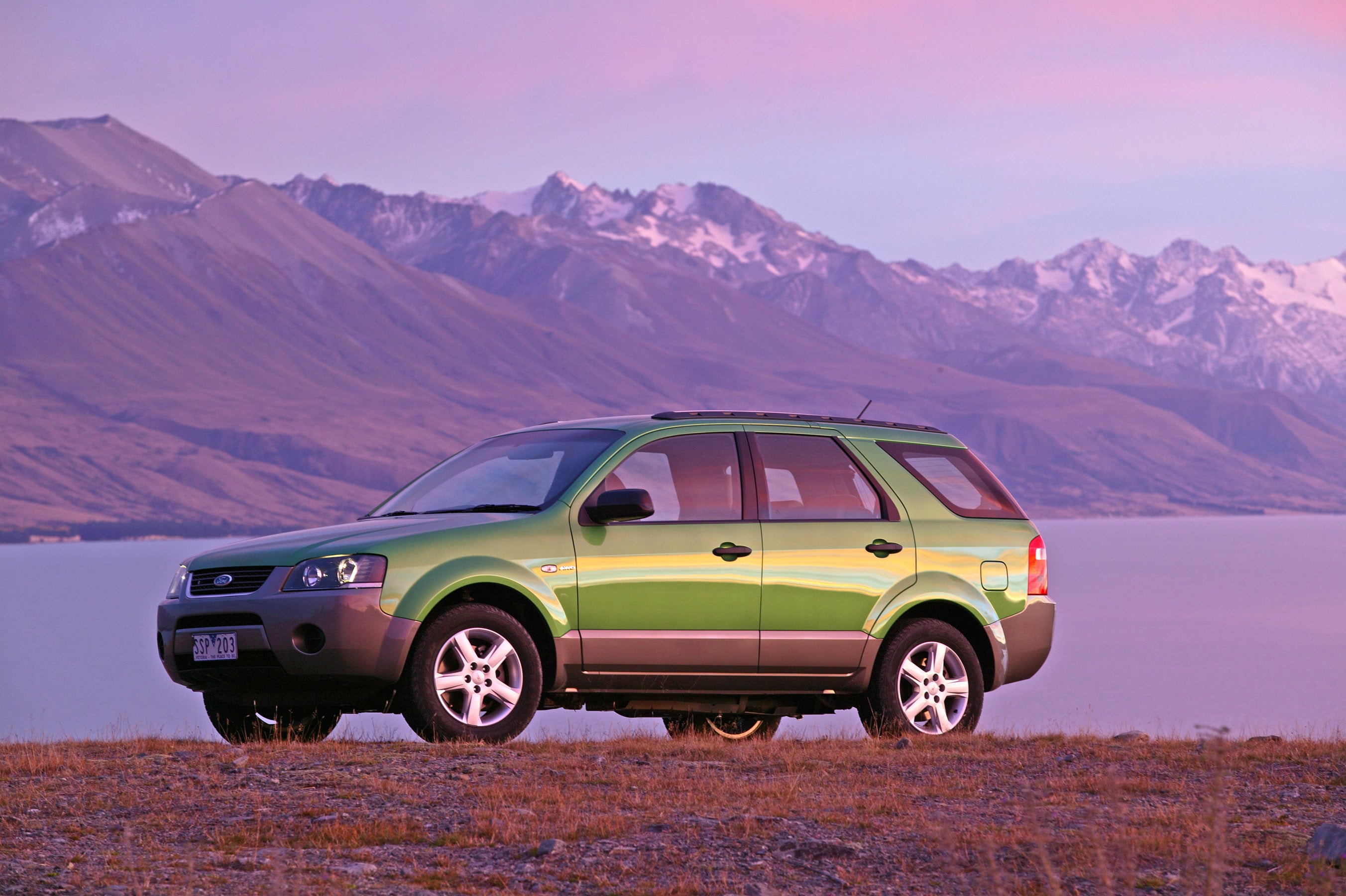
Holden added some extra cladding and raised the ride height of the Commodore wagon in 2003 to catch the growing SUV craze. Ford joined the party a year later with a freshly designed, spacious, and cleverly packaged SUV with room for seven and handling benchmarked on BMW’s X5.
The Territory demonstrated that Ford understood Australia’s changing market. Ford asked people what they wanted and looked at how they lived with their cars, then delivered an SUV with dynamics that appealed to sedan and wagon buyers, and spaciousness that every family was hollering for.
By 2006, Holden’s Adventra experiment was over. The Territory, meanwhile, stayed until Ford’s Australian production wrapped up in 2016 and demonstrated how local cars could evolve with the changing Australian market.
Holden Sandman
1
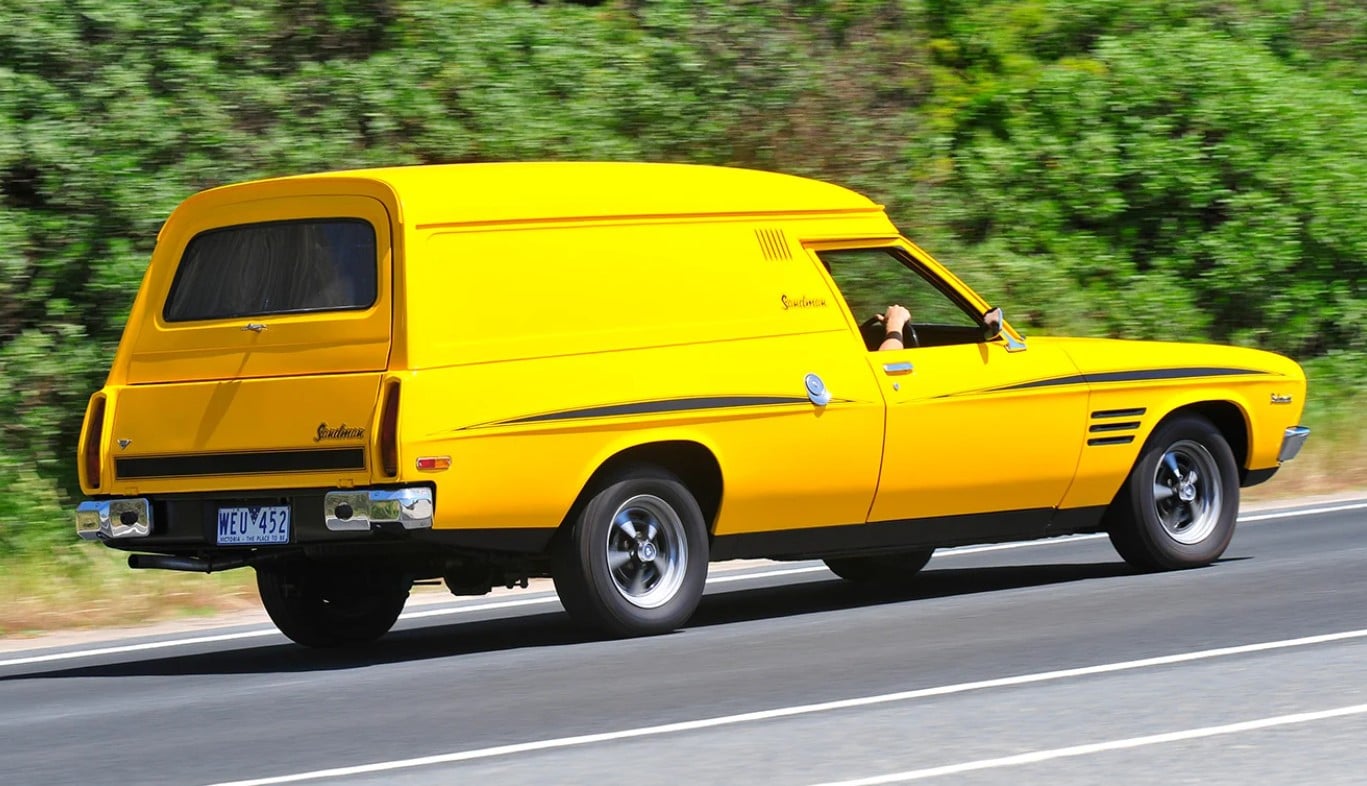
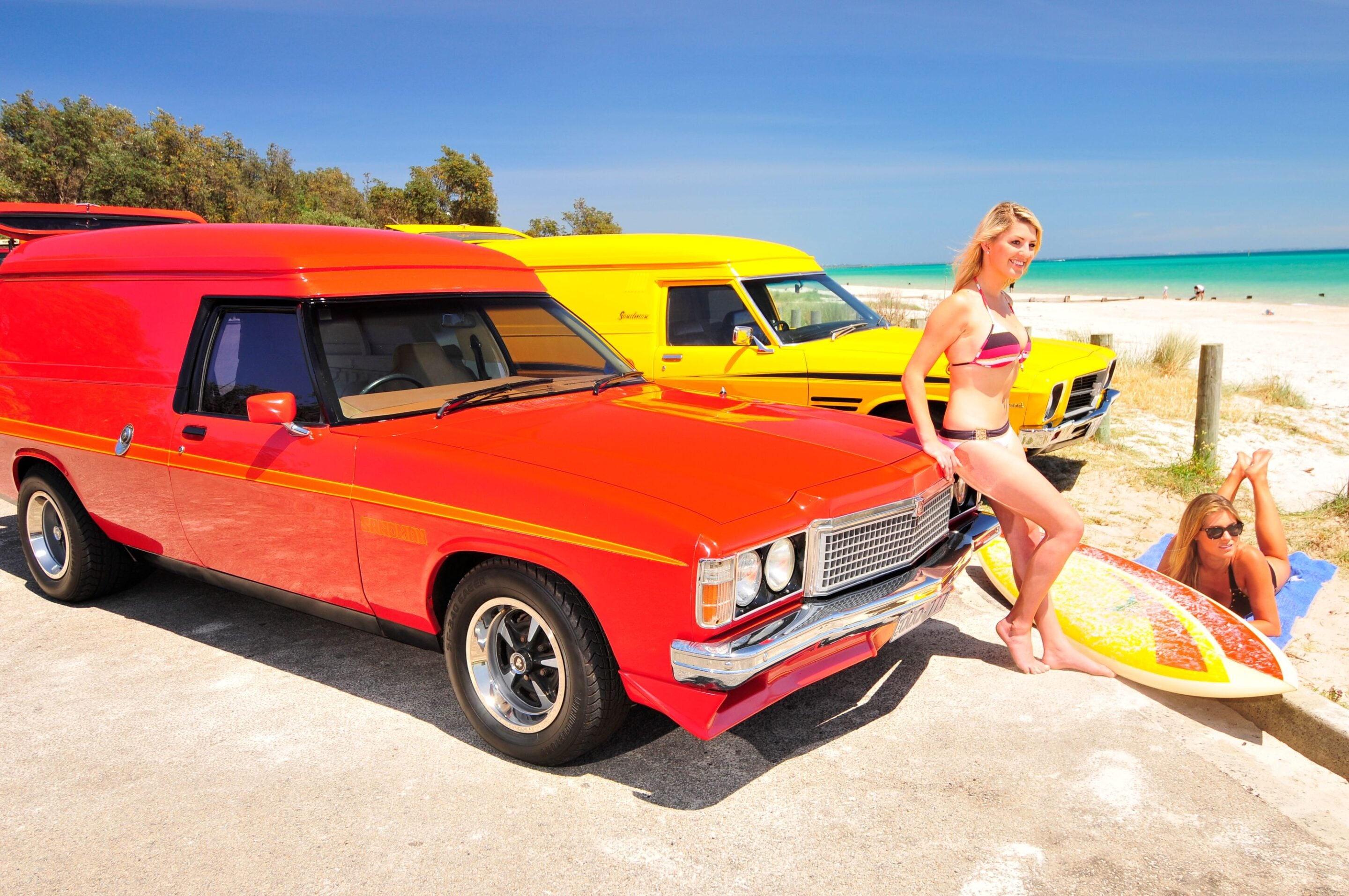
The Sandman was more than just a car, it was a cultural icon. Staring life as a special edition late in the life of the HQ series, the Sandman became a fixture of Holden’s full-size line-up until 1980.
Short though its run may have been, the Sandman inspired the Ford Falcon and Escort Sundowner, and Chrysler Drifter, and led to a similar treatment being applied to the Gemini Gypsy. Inspired by America’s van craze, the Sandman tapped into Australia’s surf culture and became a symbol of freedom and independence for thousands of young Aussies.
The Sandman shone brightly, but its legacy was short-lived. By the 1980s, Ford and Holden had essentially declared the counterculture van life over. Vans were for work, and the spec reflected this
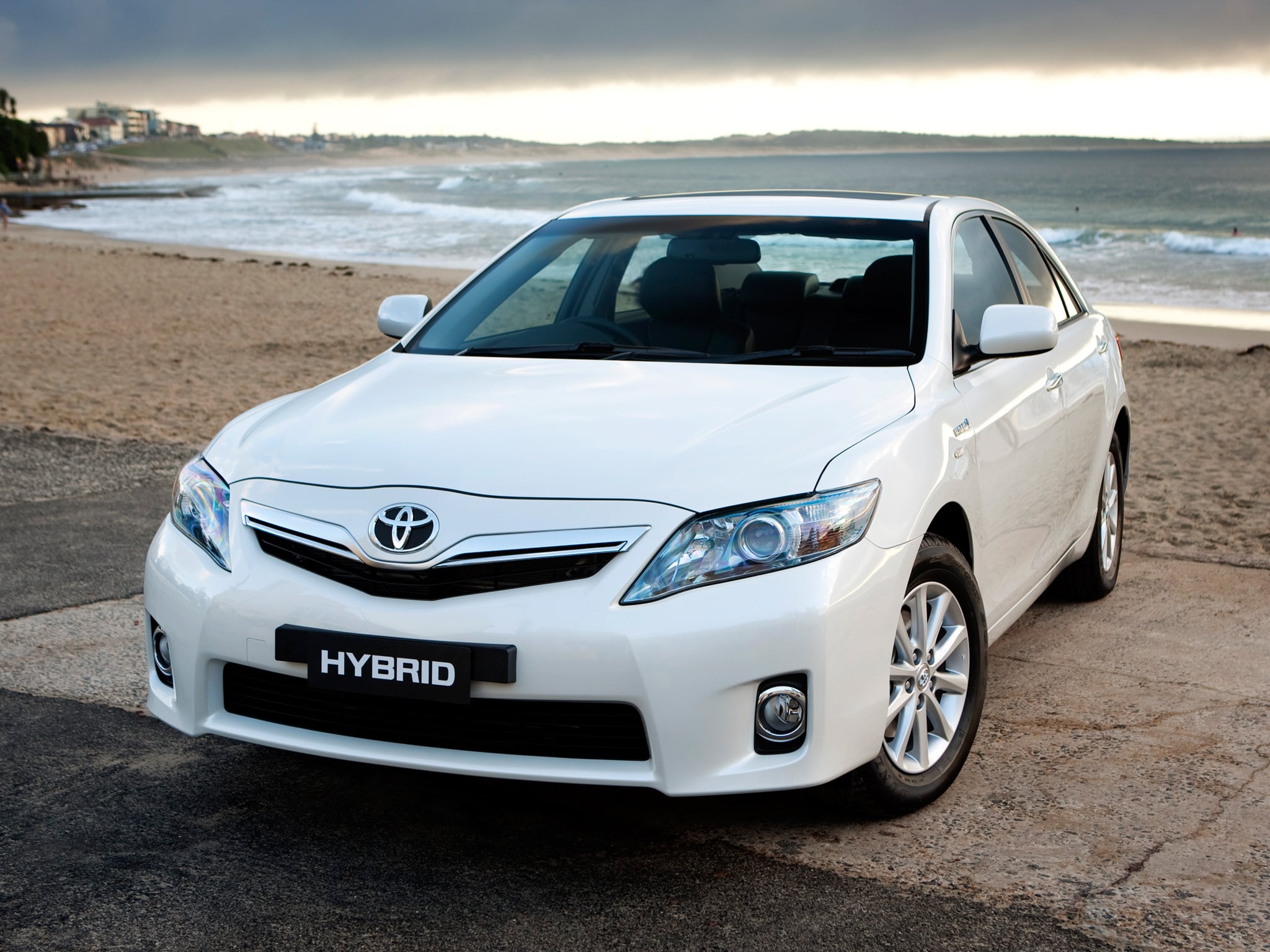
Toyota Camry Hybrid
1
While it wasn’t a locally conceived model, Australian production of the Toyota Camry hybrid showcased what was possible from a technology that still wasn’t universally familiar at the time. Toyota would go on to be the only manufacturer of a hybrid vehicle in Australia, despite Holden showcasing a Commodore hybrid concept as early as 2000.
Becoming only the second Hybrid model in Toyota’s local line-up, the Camry moved the technology away from being a conspicuous ‘green car’ like the Prius, and unlocked the space and versatility of a family sedan.
Toyota would expand its hybrid range in the years that followed, to a point where all but its commercial and high-performance models are hybrid-only now. Rivals, meanwhile, have stepped up their hybrid efforts with a range of competing models across every vehicle segment.
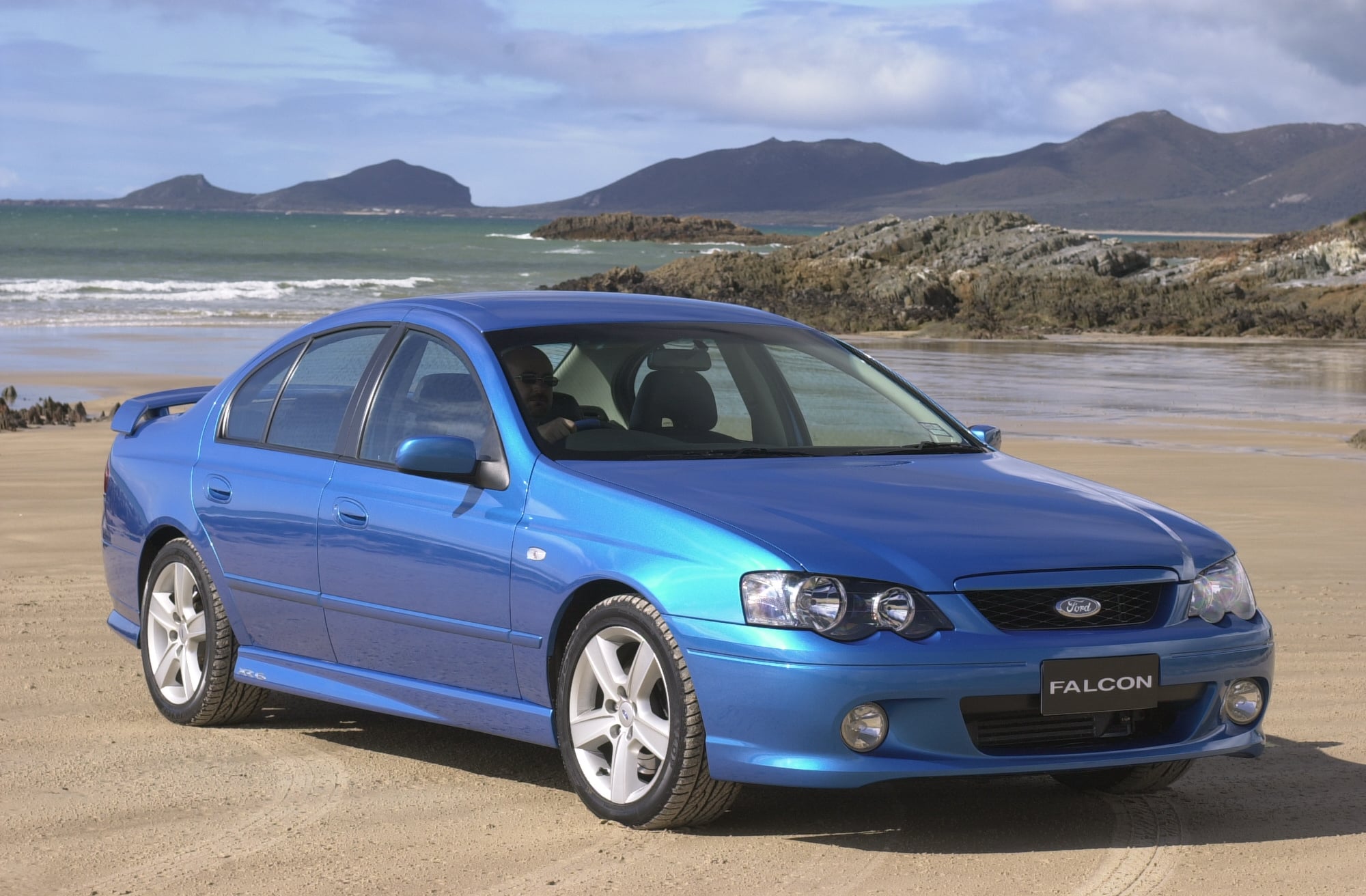
Ford BA Falcon XR6 Turbo
1
The push to improve the Falcon against the runaway success of the Commodore came to a head with the 2002 launch of the BA Falcon. A massive re-engineering program on the AU chassis, the BA overhauled refinement, handling, safety, and comfort.
And to give the Falcon an advantage the Commodore couldn’t match, Ford introduced a turbocharged version of its long-running 4.0-litre inline six. With 240kW, just enough to make Holden’s 235kW 5.7-litre V8 look a little timid in the VY Commodore.
Ford’s flagship six would only grow in importance, replacing the V8 as the peak power option in the Fairmont Ghia-replacing FG G6E, and creating its own high-output legacy in FPV’s F6 range, before creating the XR6 Sprint send-off edition in the final FG X Falcon.
Follow WhichCar/Wheels on Google
Click the button below to make WhichCar by Wheels a preferred source for your news.

We recommend
-
 Features
Six-cylinder heroes: The top 10 Aussie 'big sixes'
From turbocharged Falcons to supercharged Toyotas, these overlooked Australian six-cylinder heroes proved V8s were not the only local performance legends ever built for enthusiasts.
-
 Features
Cars that defined Australian suburbia in the 1990s
Tarago, Laser, Commodore? In the 1990s you couldn't turn around without seeing one, but these days they’re becoming a lot harder to spot on Australian roads.
-
 Features
Forgotten Aussie flagships – top 10 range-toppers from our motoring heyday
Whether they were overlooked in their heyday or have simply faded from memory over time, here are 10 range-topping cars that you probably haven’t thought about in a while.