Features
Gallery 1
Some cars are survivors, others fall victim to not being worth the time and effort to keep on the road.
It seems like the more popular some cars were, the more disposable they became. Flash back a decade or two (or maybe a little longer in some cases) and the cars you couldn’t miss are now rare finds on Aussie roads.
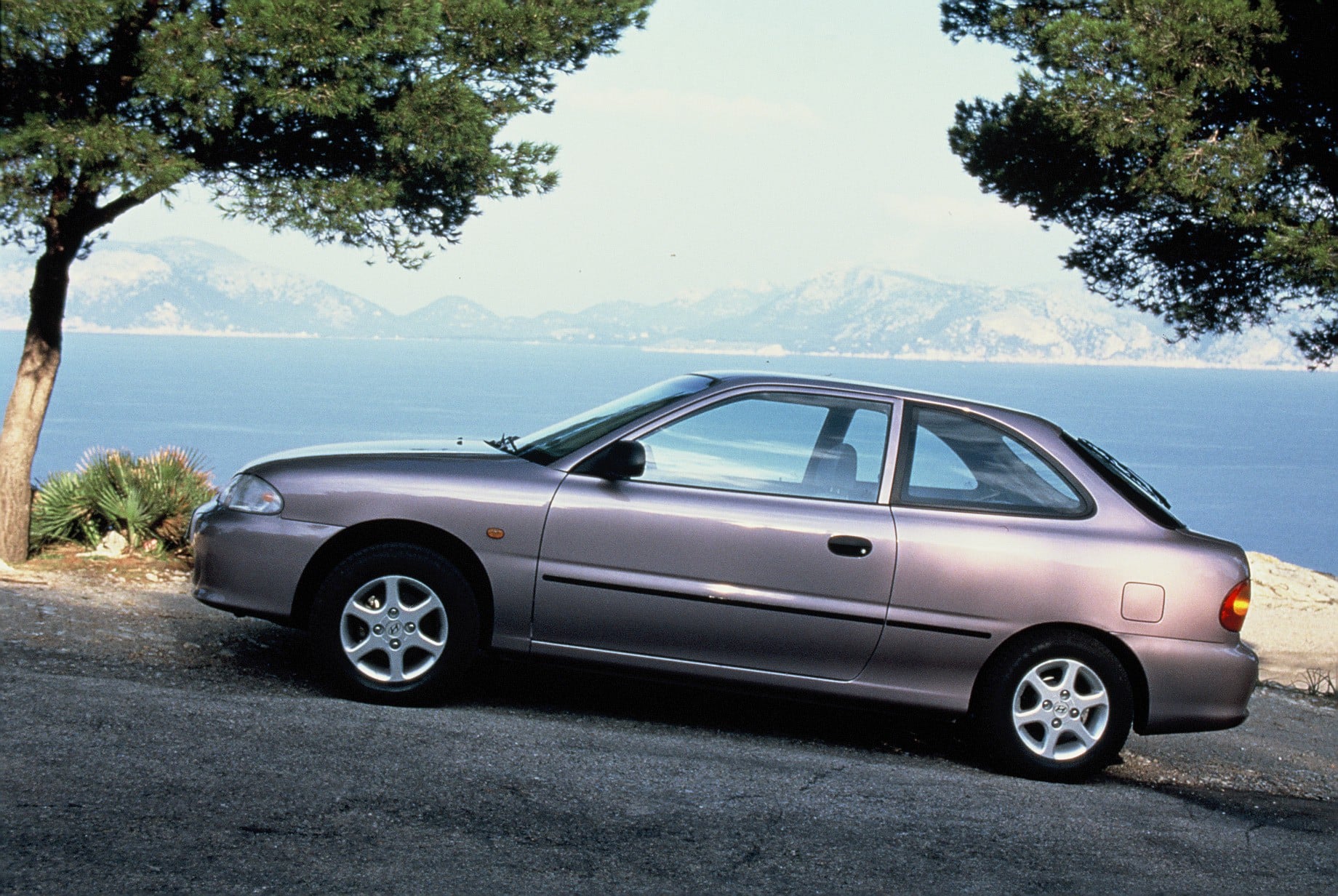
Hyundai Excel
1
Hyundai grabbed the attention of Aussie small car buyers with $13,990 driveaway deals on its compact Excel. As a result, the damn things were absolutely everywhere – brightly coloured beacons of a brand on the rise.
In the late 1990s, three out of every four Hyundais sold was an Excel. In just one month of 1998, the Excel even outsold the Commodore in its best year on record.
In the years since, the humble Excel has succumbed to a high strike rate at the hands of P-plate drivers, years of neglect and underinvestment in repairs, and finally, a one-make race series with a healthy appetite for replacement vehicles.
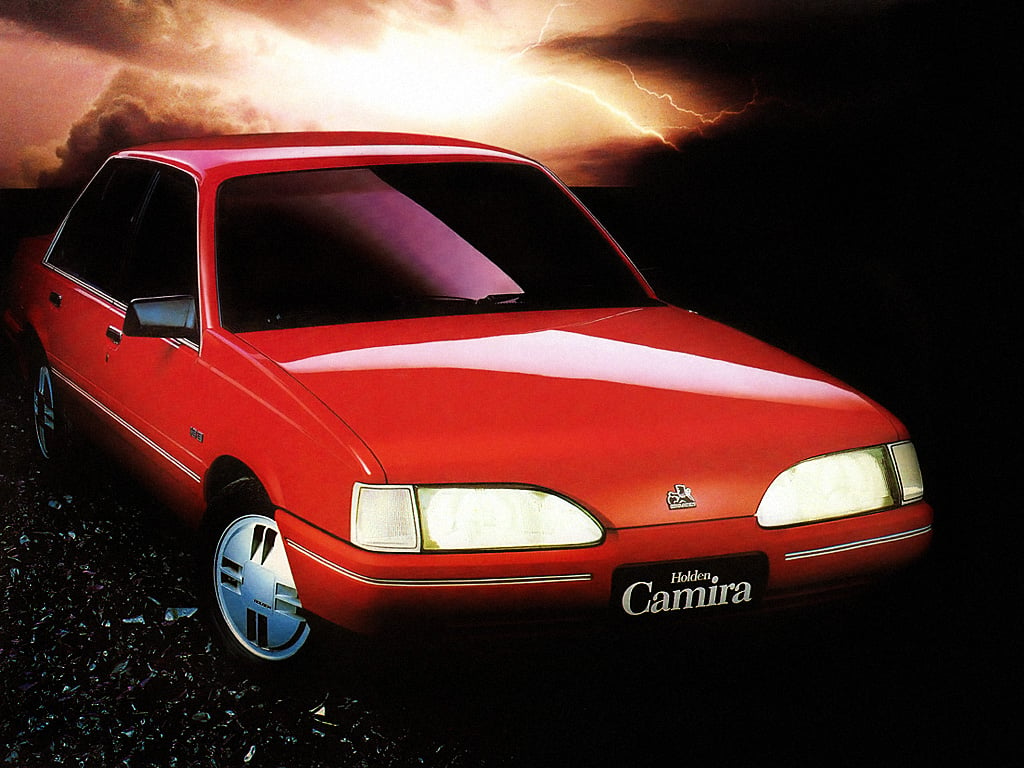
Holden Camira
1
The Holden Camira was GM’s Down Under adaptation of a ‘world car’ that served as the basis for mid-size cars for every brand from Daewoo to Cadillac.
When it debuted in 1982, the Camira was seen as a sharply modern medium car, light-years ahead of the Torana it replaced. The Camira benefited from global engineering expertise with local design and tuning to cater to Australian tastes.
While its sales success waned with each successive update, the Holden badge of honour meant the Camira was enlisted as a second car for families, a downsizer for empty-nesters, and a first car for new drivers.
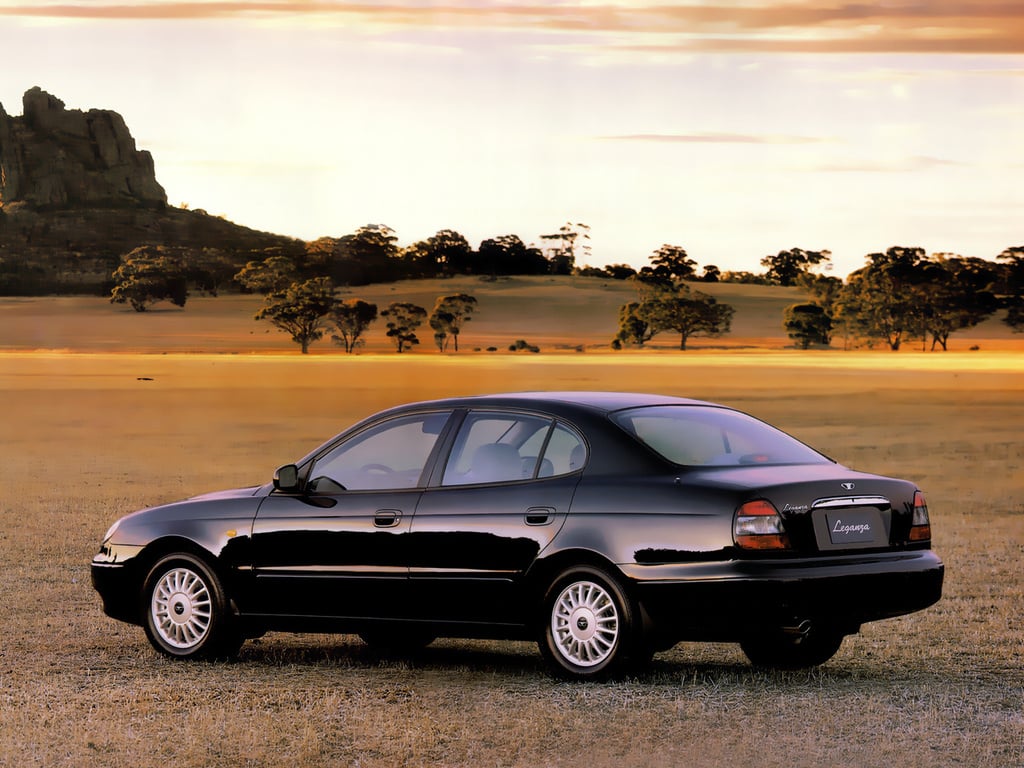
Any Daewoo
1
Take your pick. From the Matiz to the Leganza (above), the Cielo to the Lanos, if it wore a Daewoo badge you’ll struggle to find it today.
Daewoo arrived in Australia with hopes of emulating Hyundai’s success, and riding the coattails of goodwill that Hyundai and Kia had built towards cheaply priced South Korean cars. Daewoo’s cheapest models, like the Lanos and Matiz, quickly proved popular.
From 1994 until the brand withdrew in 2004, Daewoo sold over 140,000 vehicles in Australia. Struggles with quality and reliability thinned the herd quickly, but Holden’s adoption of Daewoo’s orphaned range as the Barina and Viva extended a temporary lifeline.
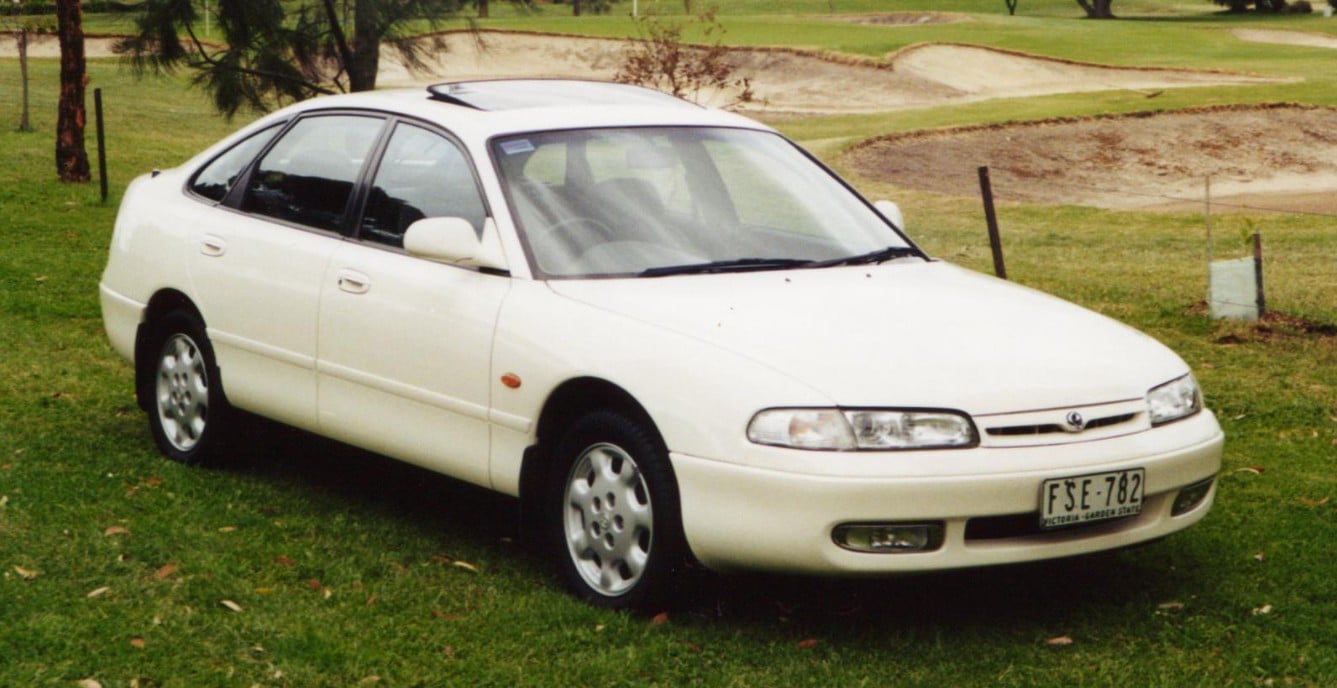
Mazda 626
1
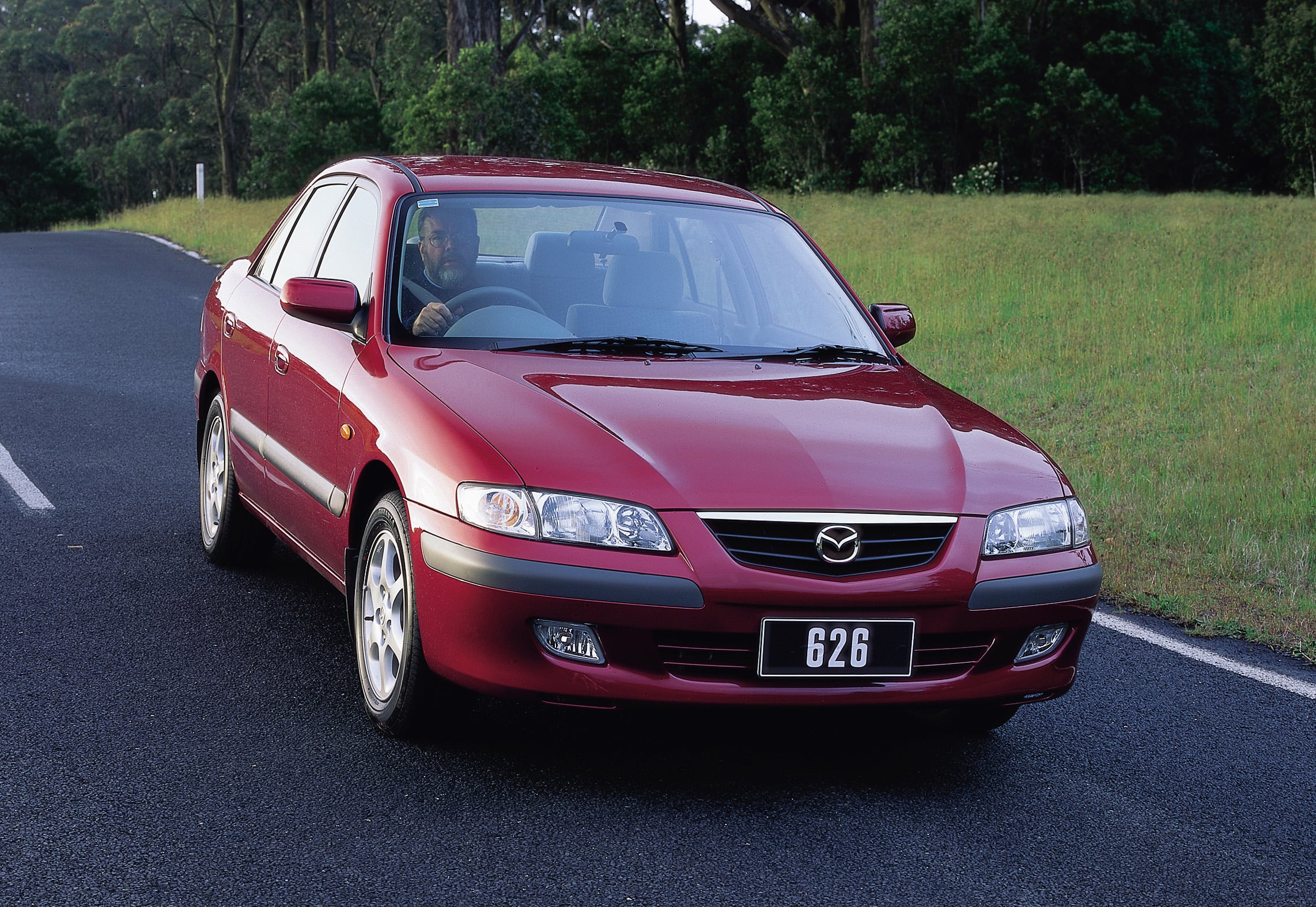
From the boxy simplicity of the 1980s models, to the teardrop profile adopted in the ‘90s, culminating in the angular resurgence of the final 626 that petered out in the early ‘00s. The 626 was Mazda’s best foot forward for family motoring.
Both it and its Ford Telstar twin embraced the move to smartly packaged front-wheel drive underpinnings at the start of the ‘80s. Excellent build quality and robust mechanicals helped the 626 earn a reputation for long-running reliability.
Eventually though, the 626 couldn’t survive the high cost of replacement parts. Lumped in with cheaper mid-size stalwarts, like the Camry, and treated like an appliance, Mazda’s medium car quickly vanished on Aussie roads.
Holden Nova and Apollo
1
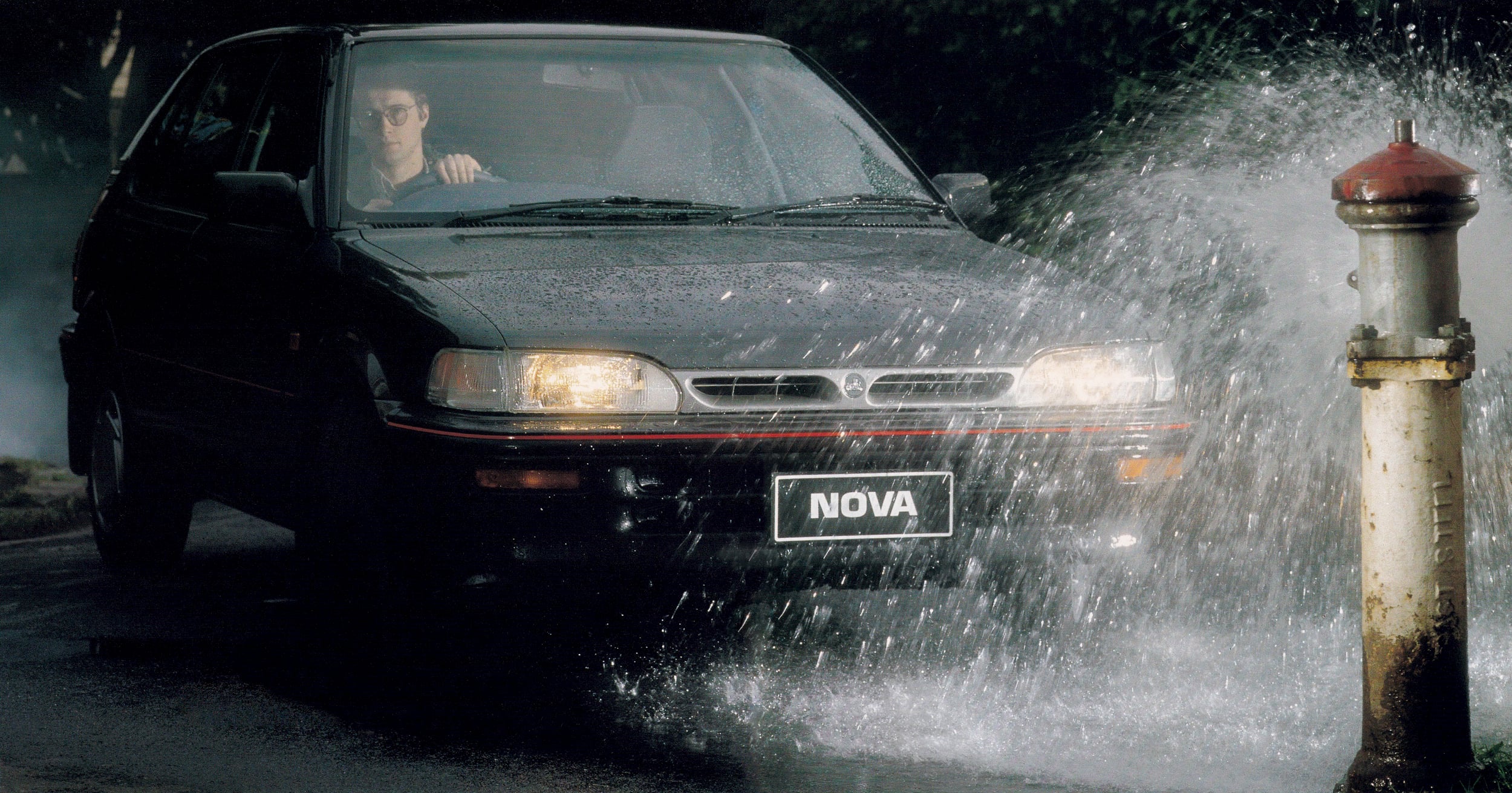
The Motor Industry Development Plan of the 1980s, better known as the Button Plan, had sound reasoning behind it. Rather than have local carmakers struggle with low volumes and rising costs, model-sharing programs and joint ventures could use shared development to amortise costly engineering.
Instead of cloaking common building blocks in unique bodies, Australia’s car builders took the easiest option and rebadged each other’s existing models, sabotaging the very survival plan they depended on in the process.
You might remember seeing a healthy smattering of Corolla-based Holden Novas, and rebadged Camrys as Holden Apollos, so where did they all go? Once the model sharing plan collapsed, so did the supply of replacement parts. Holden dealers would send you to Toyota, where your Nova would be re-issued with Corolla bits for things like bumpers and tail lights.
Blended cars with a mix-and-match of Holden and Toyota spares weren’t an uncommon sight, and as uncaring owners looked for cheap and easy repairs, Toyota-sourced Holdens reverted back to their brand of origin, or were simply deemed too hard to persevere with.
Mitsubishi Mirage
1
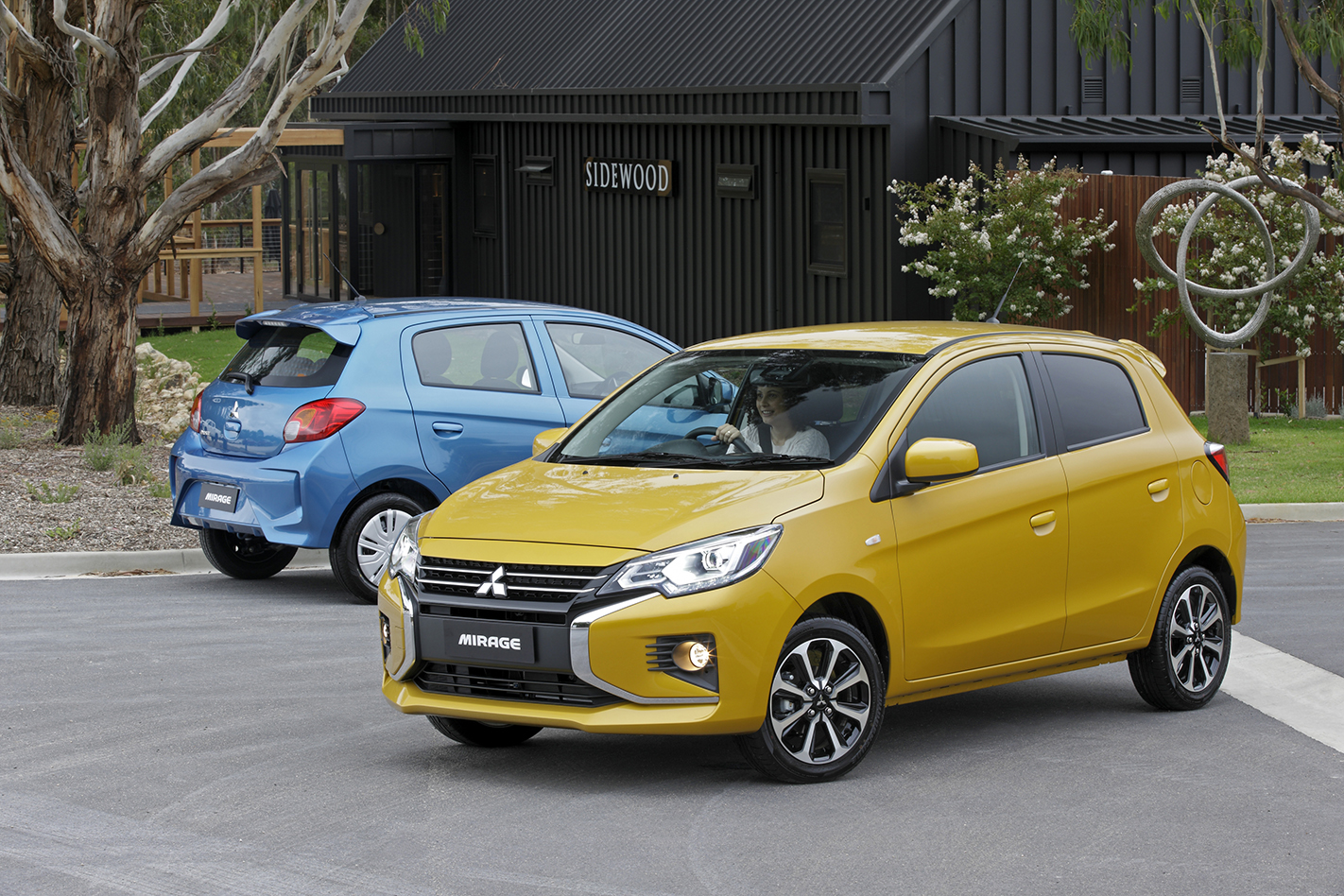
The Mirage came in two waves, launched in mid-1996 as an Excel-baiting three-door version of the Lancer, before meeting its end in 2003. A revival in 2013 and a longer life until 2021 as a dedicated stand-alone model put the cheap and cheerful Mirage back on the map.
In the five years since the Mirage wrapped up in Australia, the little city hatch enjoyed a brief resale apex, with secondhand cars changing hands for more than their new price. Then, as quickly as they came, they went.
From commonplace to rarely spotted in a five-year window is a massive fall from grace, and at an almost record-setting pace.
Ford Laser
1
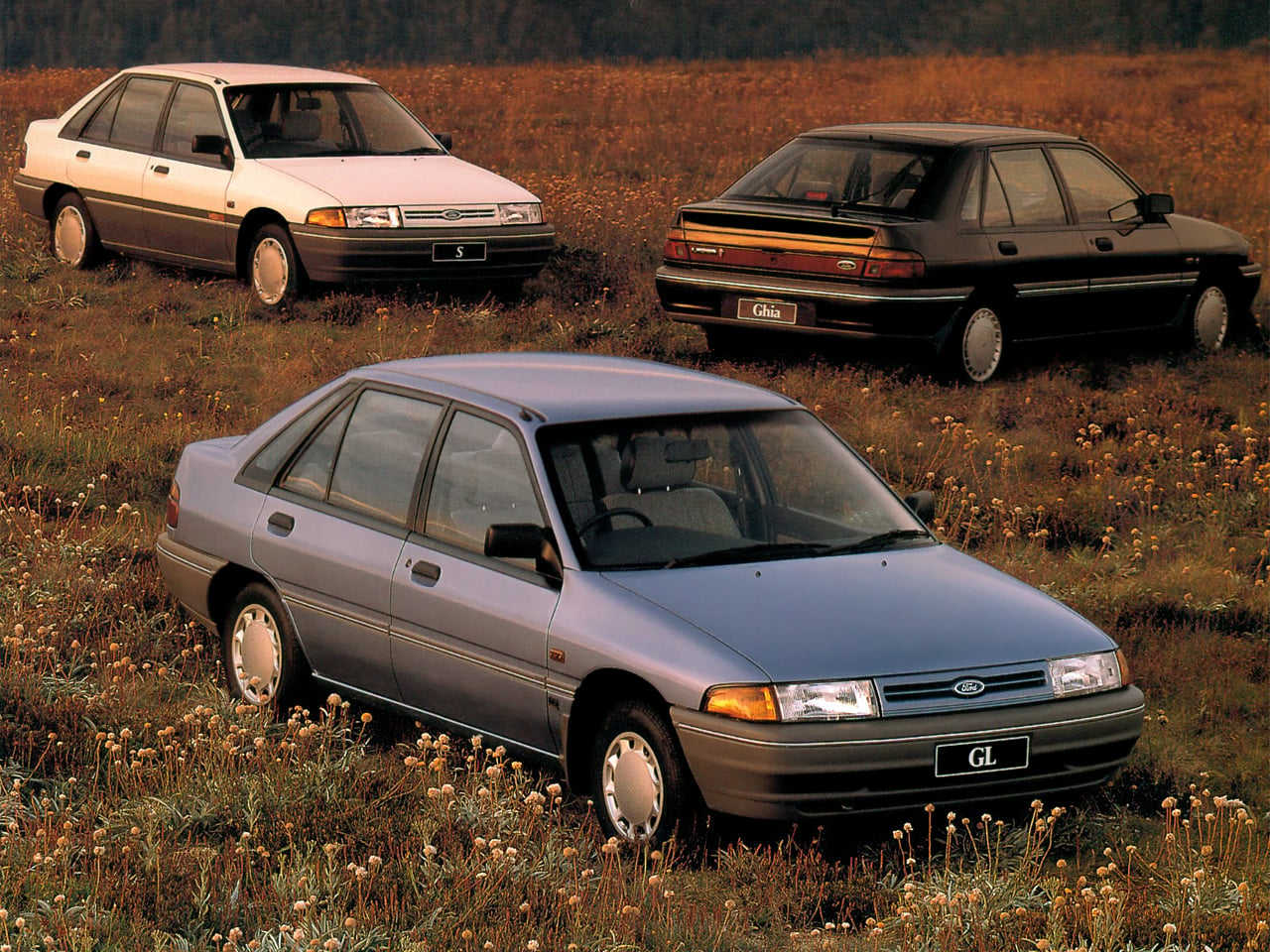
The early Ford Laser was praised for its Japanese quality and efficiency. Traits that had otherwise escaped Australian-built small cars of the era.
Highlights like the sporty turbocharged TX3 models made the Laser desirable beyond its economy-car origins. Its volume lived in the more sensible, well-equipped but ultimately staid, versions.
By the time Ford pulled the pin on the Laser in 2002, and with over half a million sales to its name in its 21-year history, Ford’s small car was a common sight on Aussie roads. Tack another 20-odd years on from that point – a lifetime in automotive terms – and the Laser ranks with the Tasmanian Tiger for sightings in the wild.
Mitsubishi Magna
1
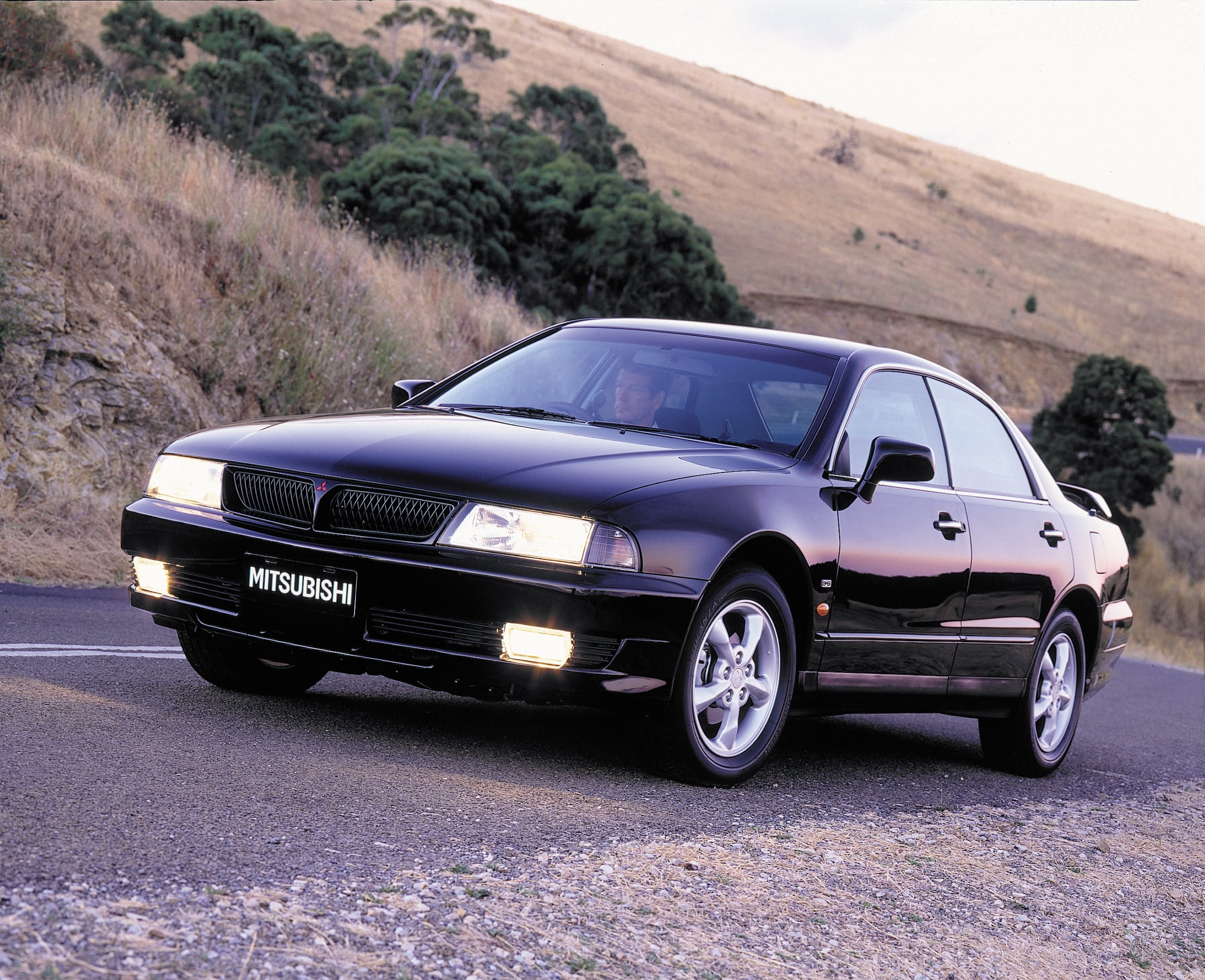
The Ford Falcon and Holden Commodore may have been the leaders of the sales charts in Australia, but the Mitsubishi Magna refused to give them an easy run.
From fully-loaded wagons put to work for company reps, to the Lexus-challenging luxury of the upscale Verada models, there was a Magna for everyone. While that didn’t mean everyone bought a Magna, it did mean you didn’t have to go far to find one.
Depending on the model, flimsy automatic transmissions, engine oil leaks, valve stem seal issues, and crack-prone cooling systems have taken the humble Magna from commonplace to surprisingly scarce.
Nissan Pulsar
1
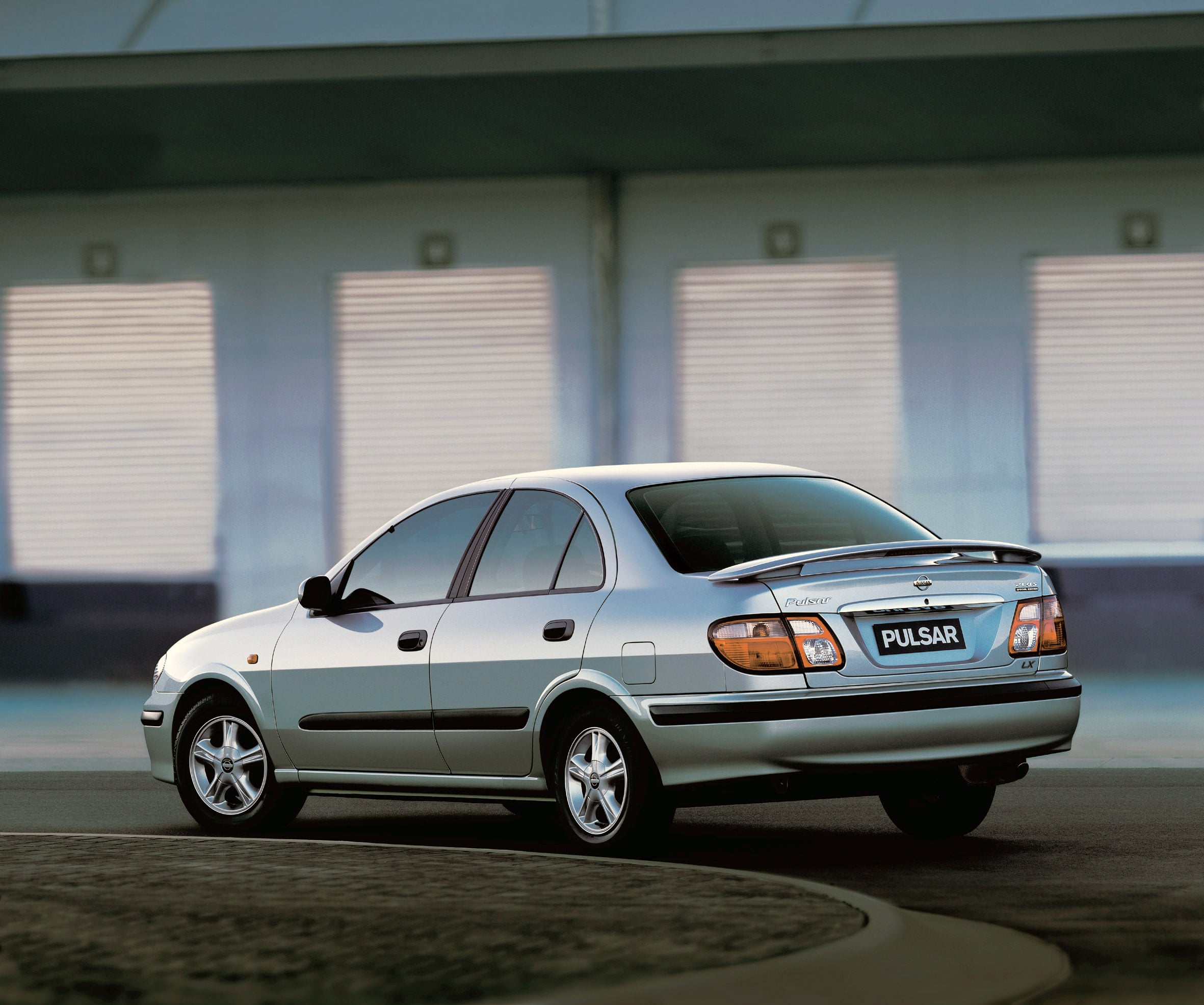
In the early 2000s there was only one way to buy a small car in Australia, and that was with a $19,990 driveaway deal. In Nissan’s case, that promotion added aspirational extras like a CD player, air-con, and a rear spoiler, marketed as the Pulsar Plus.
The result was Pulsars everywhere you looked. Nissan had built a lot of brand awareness around the Pulsar name. Australians trusted it, and in an era when a Toyota Corolla would slug you extra for air conditioning and on-road costs, the Pulsar was smart buying.
Look around today and any Pulsar – be it from the ‘90s, ‘00s or the model’s 2013 re-introduction after the unsuccessful Tiida blunder – feels like a rare and special sighting for what was a largely unspectacular but persistently popular car.
HQ Holden
1
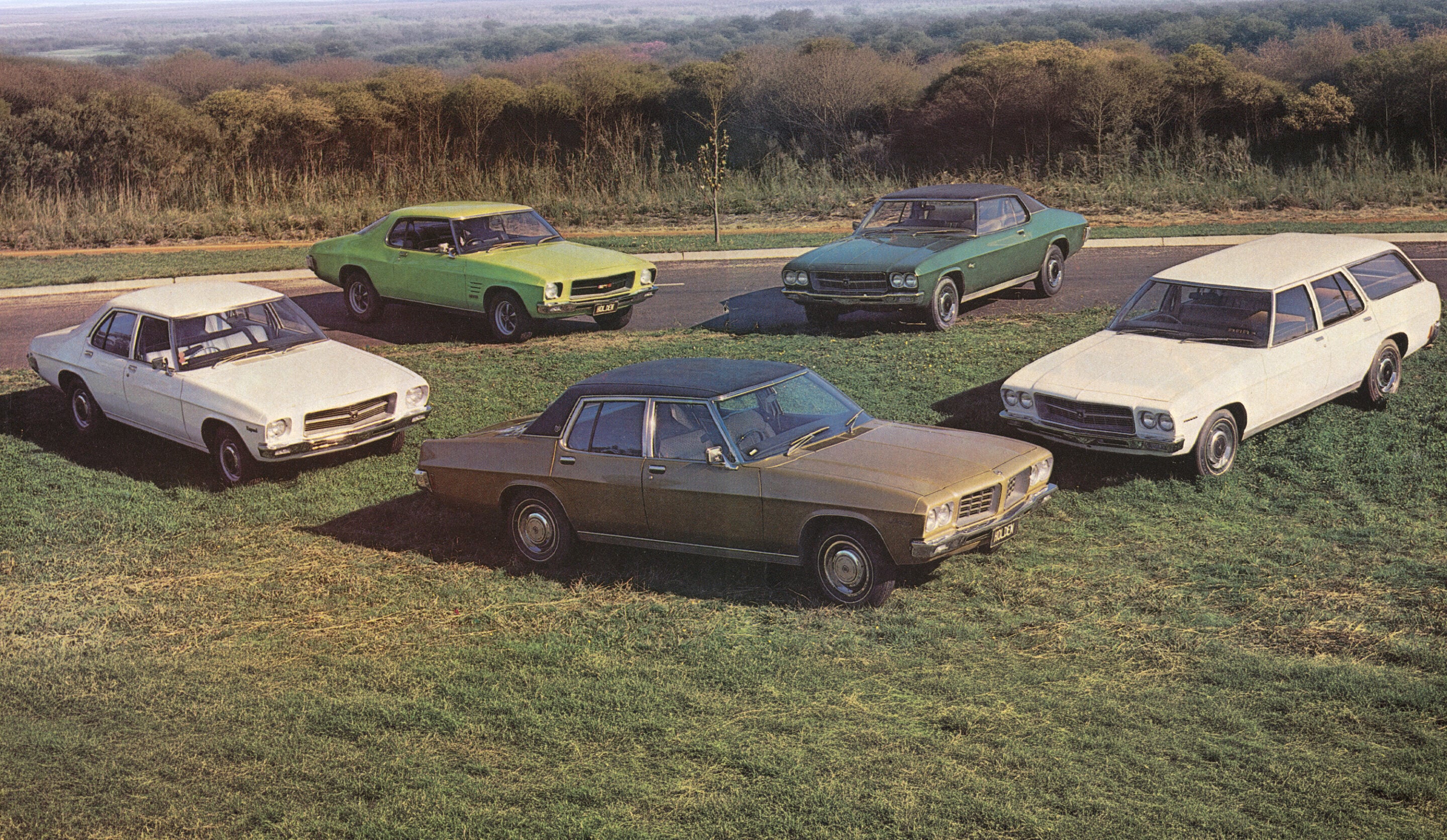
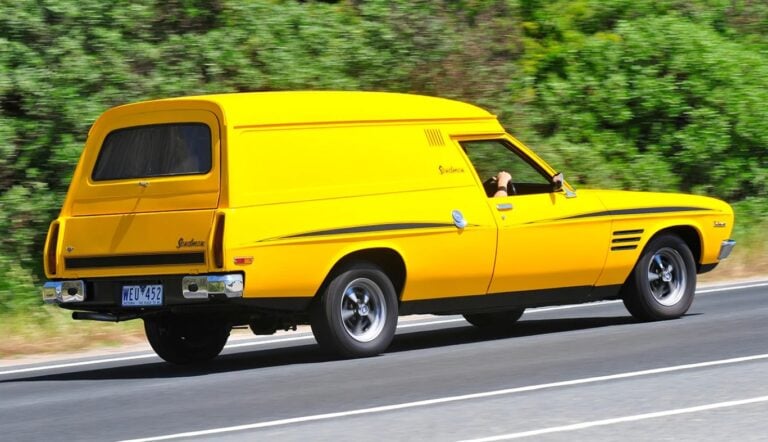
The HQ Holden holds the honour of being GM’s best-selling single-generation model in Australia, helped slightly by an extended run from 1971 until 1974, and a span of models that included long and short-wheelbase sedans, wagons, coupes, utes, vans, and one-tonners.
With a legacy like that, it’s no surprise that HQ Holdens could be seen everywhere you looked. They didn’t disappear quickly either. Through the ‘80s and into the ‘90s, it wasn’t unusual to spot multiple HQs in a single day on the road.
Of course, that popularity sparked a one-make race series, built around the low-cost and ease of access to the once plentiful HQ sedan. The formula proved popular, and before long the HQ found itself on the critically endangered list on Aussie roads – although you can still see them in action on track around Australia, as the racing series lives on.
Follow WhichCar/Wheels on Google
Click the button below to make WhichCar by Wheels a preferred source for your news.

We recommend
-
 Features
10 Australian cars that rewrote the rules
Australia’s motoring history followed a mostly predictable pattern, but every so often an outlier came along to shake things up.
-
 Features
Weirdest cars you could buy in Australia - top 10
With the reliance on volume and market dominance of some new car brands, it's easy to forget that, at one stage, car brands were prepared to get a little bit weird.
-
 Features
Forgotten Aussie flagships – top 10 range-toppers from our motoring heyday
Whether they were overlooked in their heyday or have simply faded from memory over time, here are 10 range-topping cars that you probably haven’t thought about in a while.