
Features

Gallery 1
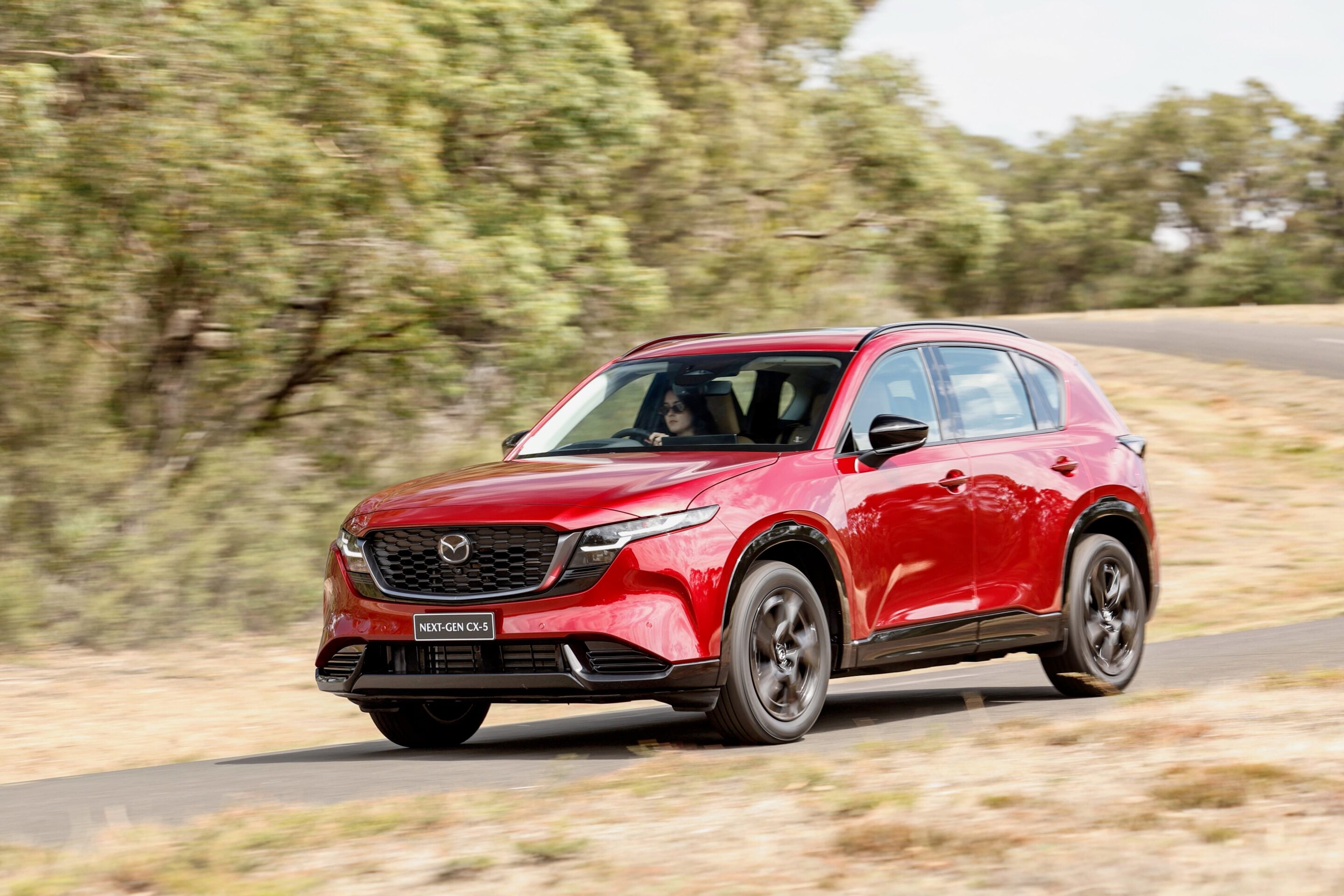
Mazda’s Australian line-up has undergone some major changes over the past few years, and the transformation isn’t finished yet. The Japanese brand has already had a busy 2026, headlined by the arrival of the all-new CX-5 and the all-electric Mazda 6e – the latter marking Mazda Australia’s long-awaited return to the electric vehicle market. But that’s just scratching the surface.
Before the end of 2026, Mazda will launch its first electric medium SUV in Australia, while further down the track, attention will turn towards its long-awaited hybrid technology, including an electrified version of its hugely important CX-5. Here’s the latest on what Mazda has planned…
Mazda CX-6e: Imminent
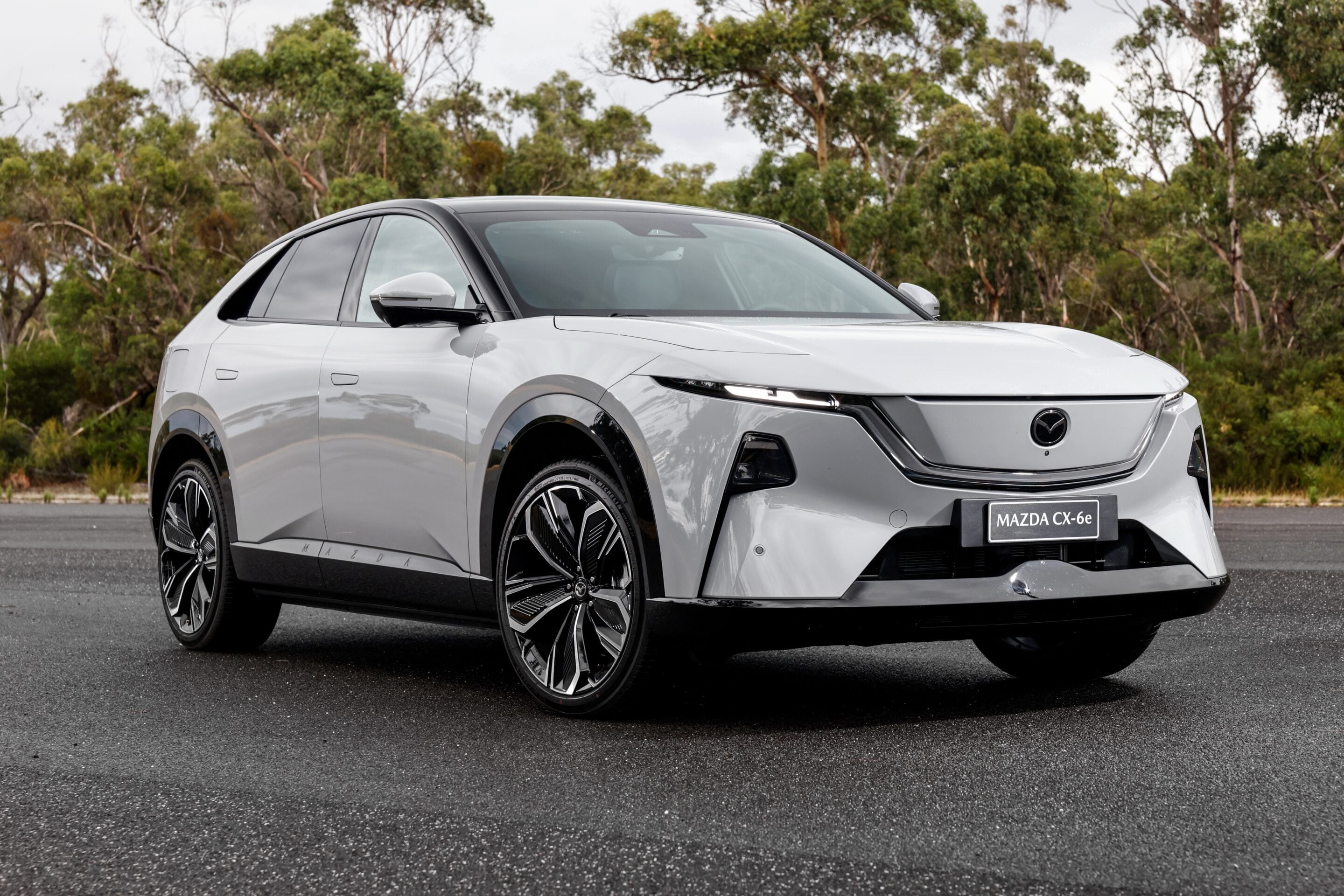
The biggest new Mazda coming to Australia during 2026 is the CX-6e, the brand’s first medium-sized electric SUV. It’s closely related to the Mazda 6e electric liftback that arrived earlier this year and is another product from Mazda’s joint venture with Chinese manufacturer Changan. Importantly, the CX-6e will give Mazda a direct rival for popular electric SUVs such as the Tesla Model Y, BYD Sealion 7 and Kia EV5.
3
Measuring 4850mm long, 1935mm wide and 1620mm tall, the CX-6e is a considerable 160mm longer than the CX-5 and features sharp exterior styling. All Australian CX-6e models will use a 78kWh battery feeding a 190kW/290Nm rear-mounted electric motor, for up to 486km of WLTP-rated driving. A healthy 195kW maximum DC charging rate allows the battery to be charged from 30 to 80 per cent in a claimed 15 minutes.
The cabin is dominated by an enormous 26-inch widescreen display, while equipment includes a head-up display, panoramic glass roof and a comprehensive suite of active safety technology. The CX-6e is available to pre-order now ahead of Australian deliveries commencing later in 2026.
Mazda CX-5 Hybrid: 2027 and beyond
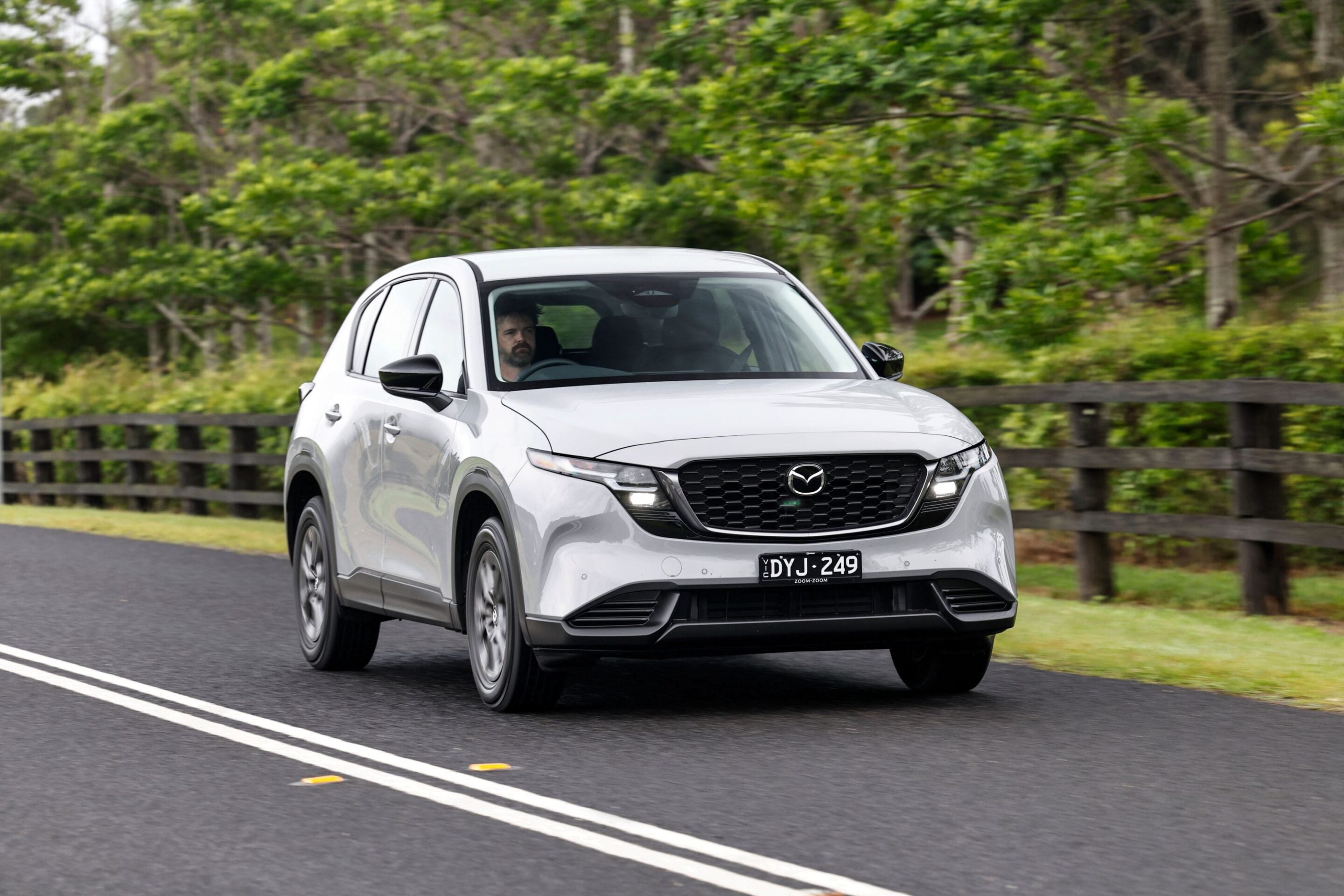
The third-generation CX-5 only arrived in Australian showrooms earlier this year, but the most important version is still to come. Every Australian CX-5 uses a familiar naturally aspirated 2.5-litre four-cylinder petrol engine paired with a six-speed automatic transmission and all-wheel drive. However, that will eventually change with the introduction of Mazda’s first internally developed full-hybrid drivetrain.
Unlike the hybrid system used in models such as the North American CX-50 – which borrows technology from the Toyota RAV4 – the forthcoming CX-5 Hybrid will use Mazda’s own set-up paired with its new ‘SkyActiv-Z’ petrol engine. Mazda says SkyActiv-Z is being developed to offer improved thermal efficiency and cleaner combustion, while the hybrid system will provide electric assistance to further reduce fuel consumption and emissions.
3
The technology is particularly important for Mazda Australia, where the CX-5 remains one of the company’s biggest-selling models and competes against rivals that have embraced electrification, including the aforementioned Toyota RAV4, as well as the Hyundai Tucson, Kia Sportage and Honda CR-V.
Mazda Australia has indicated it wants to offer the hybrid drivetrain broadly across the CX-5 range rather than restricting it to expensive flagship variants. Global production is expected to begin in 2027, although Australian timing remains less certain and could stretch into 2028.
Mazda CX-60, CX-70, CX-80 and CX-90: Major updates coming
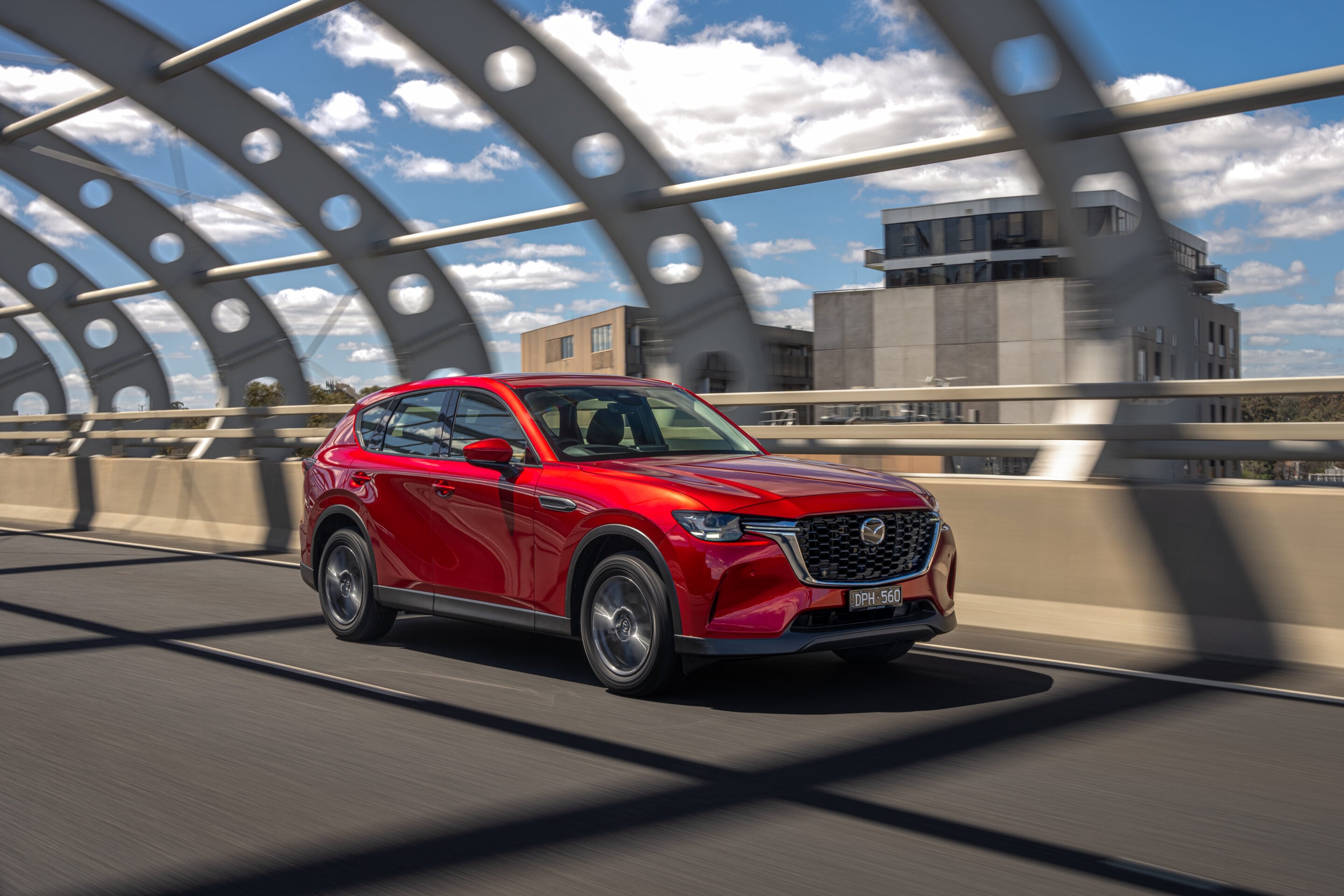
Mazda’s four ‘Large Architecture’ SUVs are also in line for significant changes, with the company confirming plans to facelift the CX-60, CX-70, CX-80 and CX-90. Rather than a conventional model-year update, Mazda is promising substantial changes to all four models, which share the brand’s longitudinal Large Architecture platform and a family of six-cylinder mild-hybrid and plug-in hybrid powertrains.
Mazda president Masahiro Moro has confirmed that the company intends to make changes to the exterior styling, interiors and powertrains of the four SUVs, describing the scale of the upgrades as greater than anything Mazda has previously attempted. Mixed sales performance globally has prompted the company to make the changes.
4
Exactly what will change and when is yet to be confirmed, although Mazda has previously said that its new SkyActiv-Z combustion technology will eventually be rolled out to its inline six-cylinder engines. The company is also considering incorporating elements of its forthcoming in-house hybrid system into its Large Architecture models.
Don’t expect all of that technology immediately, however. SkyActiv-Z isn’t due to reach Mazda’s six-cylinder engines until later in the decade, meaning the nearer-term updates could instead focus on improving the existing powertrains alongside substantial cabin and styling revisions.
Mazda’s next-generation hybrids: 2027 and beyond
The CX-5 won’t be the only Mazda to benefit from the company’s new hybrid technology. SkyActiv-Z is being developed as an important part of Mazda’s next-generation combustion engine line-up and will eventually replace the existing SkyActiv-G and SkyActiv-X engine families.
That could ultimately see more of Mazda’s familiar models adopt conventional hybrid power, providing an important middle ground between its petrol-powered range and newer electric models such as the 6e and CX-6e. Exactly which Australian vehicles will receive the technology next is yet to be confirmed, but expect hybridisation to become increasingly prominent across Mazda’s range during the next few years.
What else is Mazda working on?
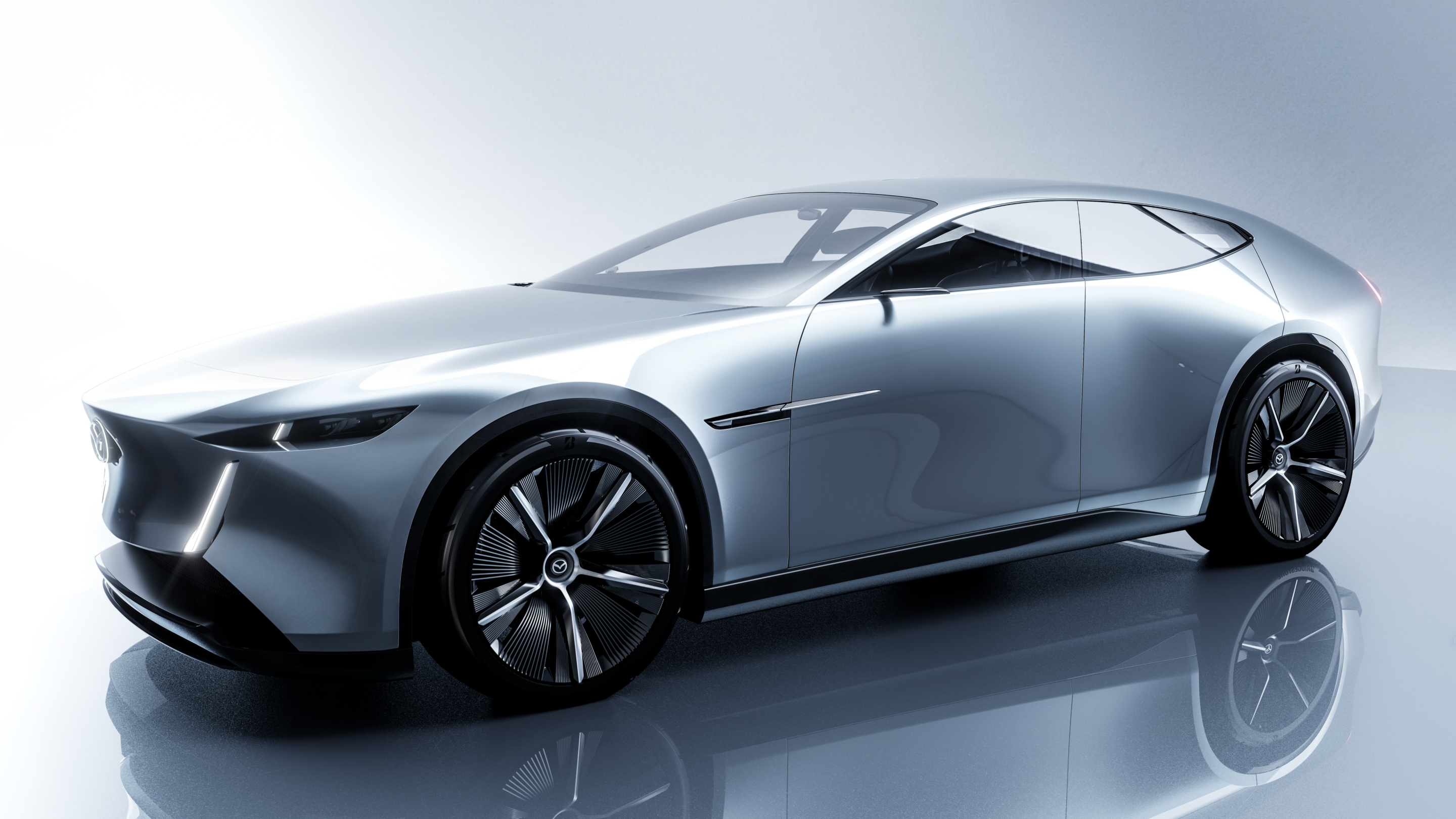
Look beyond the immediate Australian product pipeline and things become considerably more interesting. Mazda previewed its longer-term future at the 2025 Japan Mobility Show with the Vision X-Coupe and Vision X-Compact concepts. The Vision X-Coupe (pictured below) is particularly intriguing, combining a two-rotor turbocharged rotary engine with a plug-in hybrid system producing a claimed 375kW. At the time, Mazda said the concept could travel up to 160km using electric power alone.
4
The smaller Vision X-Compact, meanwhile, previews Mazda’s thinking around its next generation of small cars and could provide clues about an eventual replacement for the Mazda2. Neither is confirmed for production, let alone Australia, but both provide a glimpse at where the marque is heading beyond 2027.
What about Mazda’s next dedicated EV?
Mazda is also developing its own dedicated electric vehicle architecture, reducing its reliance on models co-developed with Changan. The first production vehicle based on the new platform is expected to arrive globally later in the decade, with Mazda previously targeting 2027 for the first model before revising its broader electrification plans.
Mazda might not have the enormous stream of new models coming from some rival brands, but the next few years could prove pivotal. The CX-6e gives it a serious electric SUV contender, while the arrival of Mazda’s own hybrid technology could be even more important. Once that tech reaches models such as the CX-5, Mazda will finally have a direct answer to the hybrids that have increasingly come to dominate some of Australia’s most important new-car segments.
Follow WhichCar/Wheels on Google
Click the button below to make WhichCar by Wheels a preferred source for your news.

We recommend
-
 News
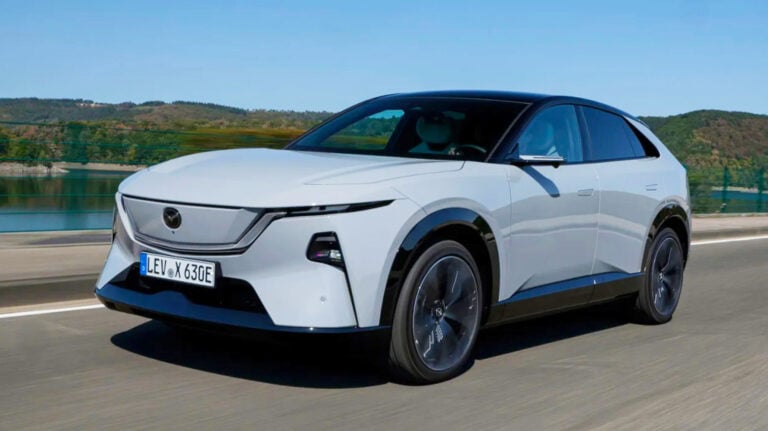
NewsMazda CX-6e review: All-electric SUV's tech can't quite match its impressive styling and features
Our friends at AutoExpress have got to grips with the all-electric SUV from Mazda, finding its gorgeous looks aren't quite matched by its tech.
-
 Reviews
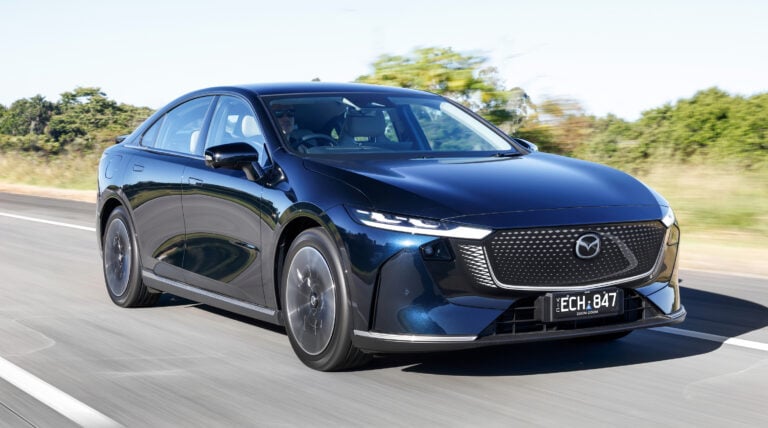
Mazda 6e review: Is there enough of Japan in this Chinese-built electric sedan?
The spiritual successor to the beloved Mazda6 is now an electric sedan built in China.
-
 News
NewsMazda CX-30 could go 11 years without a new generation as redesign is pushed back
New models from Mazda have slowed to a trickle, with news that a replacement for the CX-30 won't arrive this decade.
