
News
Gallery 1
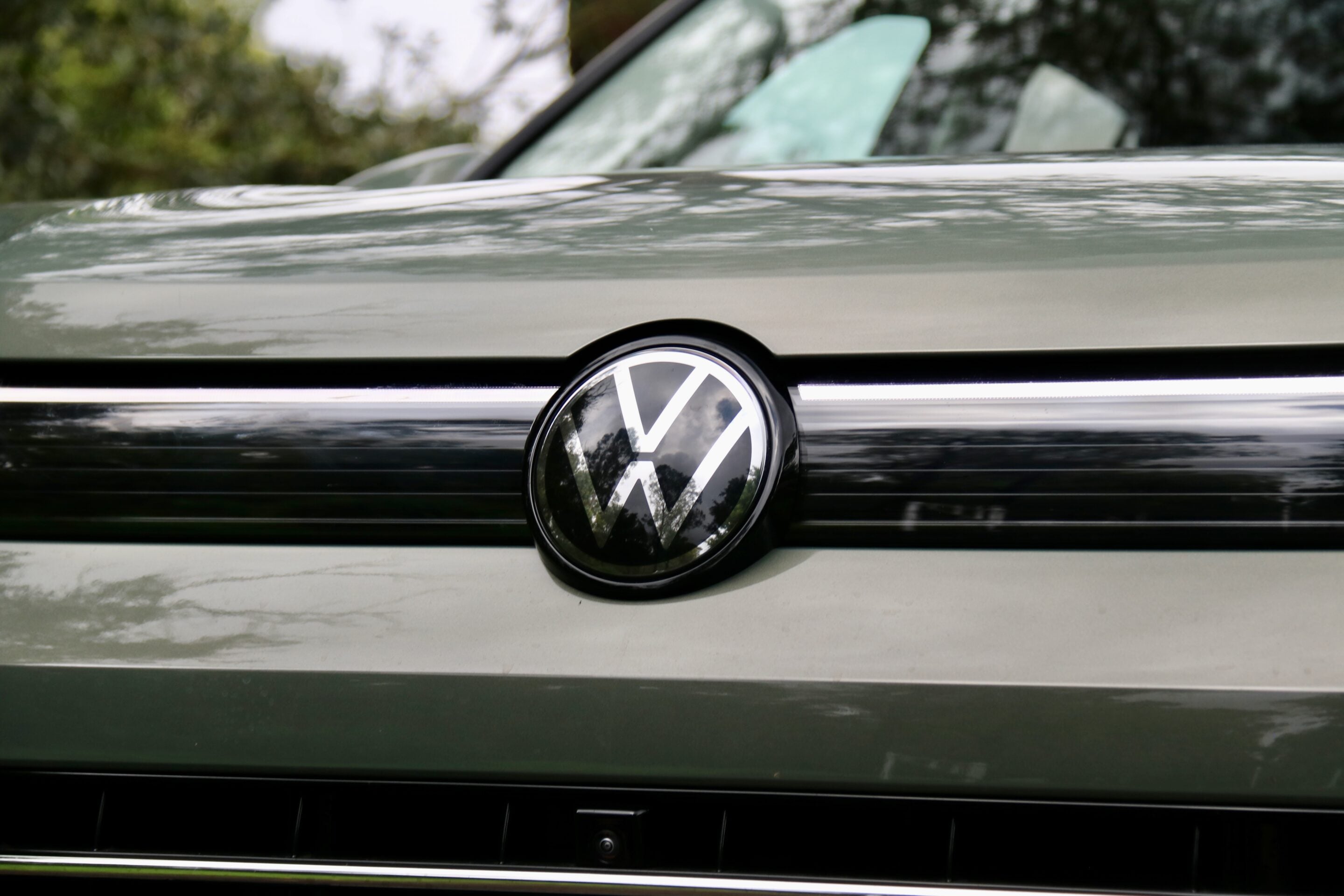
The Volkswagen Group has approved a major restructuring that will halve its model line-up and ultimately cut around 100,000 jobs as the German automotive giant attempts to reduce costs and improve profitability.
Under its Future Plan 2030, Volkswagen intends to cut the number of model variants by 50 per cent and reduce product complexity by 75 per cent, eliminating numerous trim levels, options and low-volume derivatives across its brands.
The group, which includes Volkswagen, Audi, Porsche, Skoda, Cupra, Bentley and Lamborghini, is targeting a nine per cent operating margin and annual operating profit of €31 billion ($A54bn) by 2030.
1
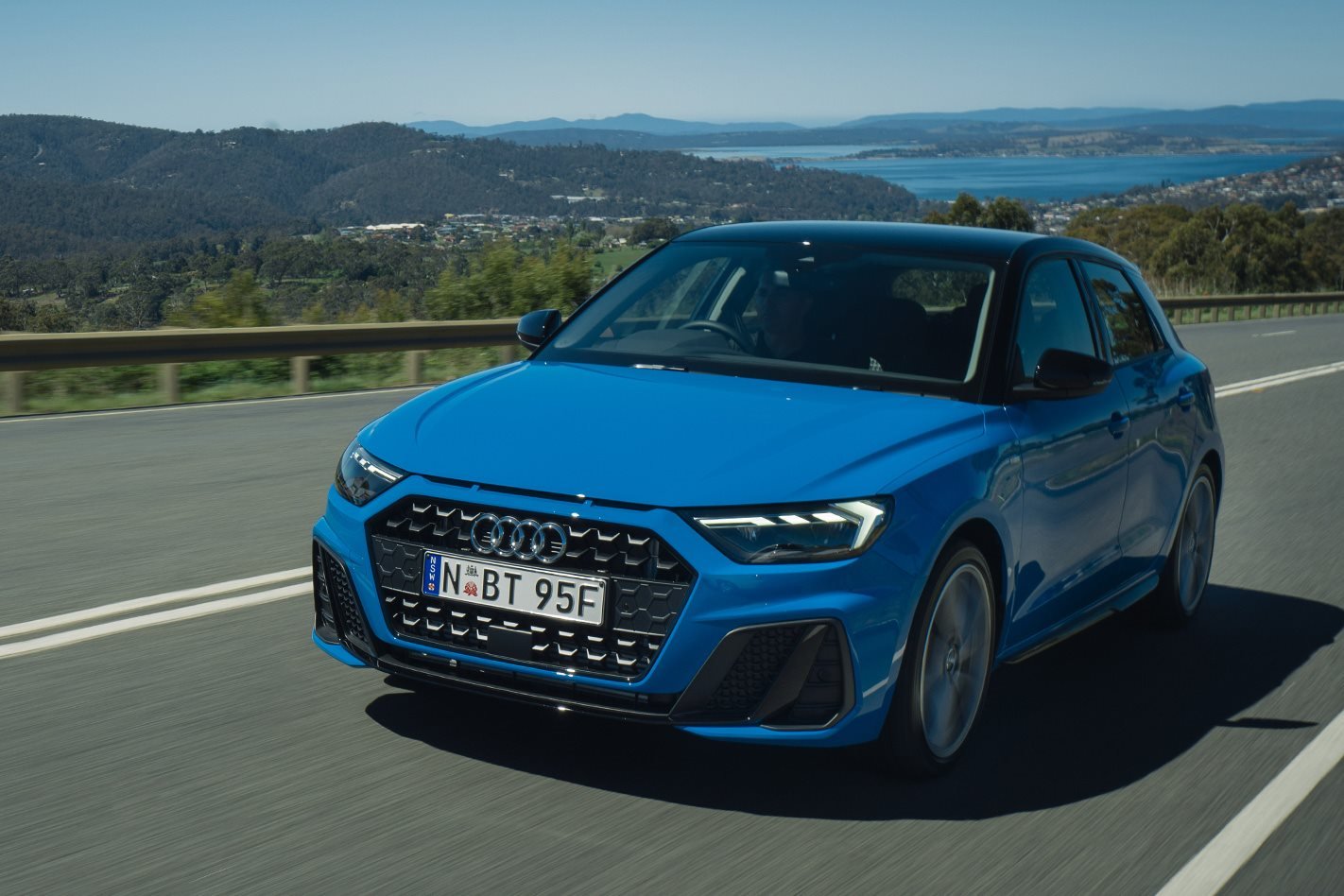
Some rationalisation is already evident. Audi has ended production of its A1 (above) and Q2, while Volkswagen Group brands are increasingly concentrating resources on higher-volume and more profitable vehicles rather than niche derivatives.
The strategy will also reduce the number of vehicle platforms, electronic architectures and software systems used across the group. Volkswagen says greater commonality should eliminate duplicated development work while freeing resources for key models and expansion in China and North America.
Production capacity is also being targeted. The group wants its global manufacturing footprint aligned with annual output of around nine million vehicles by 2030, compared with post-pandemic capacity of about 12 million.
Several German factories face uncertain futures, with Volkswagen acknowledging that its domestic manufacturing capacity currently exceeds demand by around 500,000 vehicles annually. Plants at Emden, Zwickau, Hanover and Neckarsulm are among those under scrutiny as the company investigates ways to improve utilisation.
1
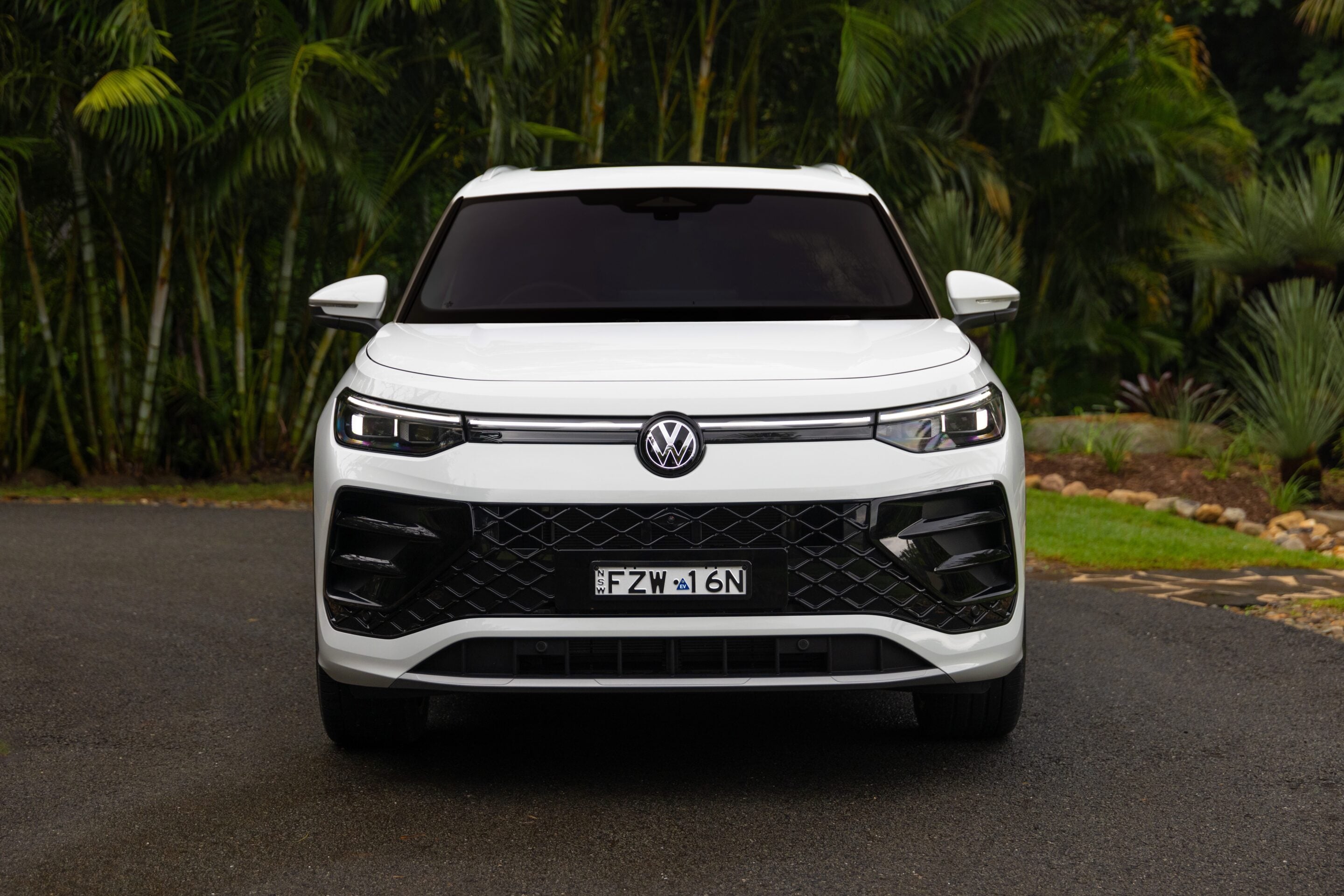
One possibility reportedly being considered is European production of vehicles originally developed for China, potentially using Volkswagen’s growing partnerships with Chinese manufacturers.
The restructuring will have a significant impact on employment. Volkswagen had already agreed to reduce its German workforce by around 50,000 positions, but says approximately another 50,000 jobs, including management roles, will need to go, taking planned reductions to around 100,000.
Group CEO Oliver Blume said Volkswagen had already reduced costs by more than €1 billion ($A1.75bn) compared with last year.
The company says the overhaul has become necessary as traditional European manufacturers confront weaker demand, US tariff costs, geopolitical uncertainty and increasingly aggressive competition from Chinese carmakers.
For Australian buyers, the full impact remains unclear, but the strategy raises the prospect of fewer niche models and variants as Volkswagen Group brands concentrate on their strongest-selling products.
Follow WhichCar/Wheels on Google
Click the button below to make WhichCar by Wheels a preferred source for your news.

We recommend
-
 News
NewsVolkswagen plans to cull model range, trim production, and shrink workforce
Volkswagen Group is preparing to launch drastic action to ensure its survival as restructuring efforts are revealed.
-
 News
NewsVolkswagen leaves door open to bring smaller, more affordable electric cars to Australia
Australia has so far missed out on smaller electric Volkswagen products, but that could change in the future if demand is there and charging infrastructure improves.
