
News

Gallery 1
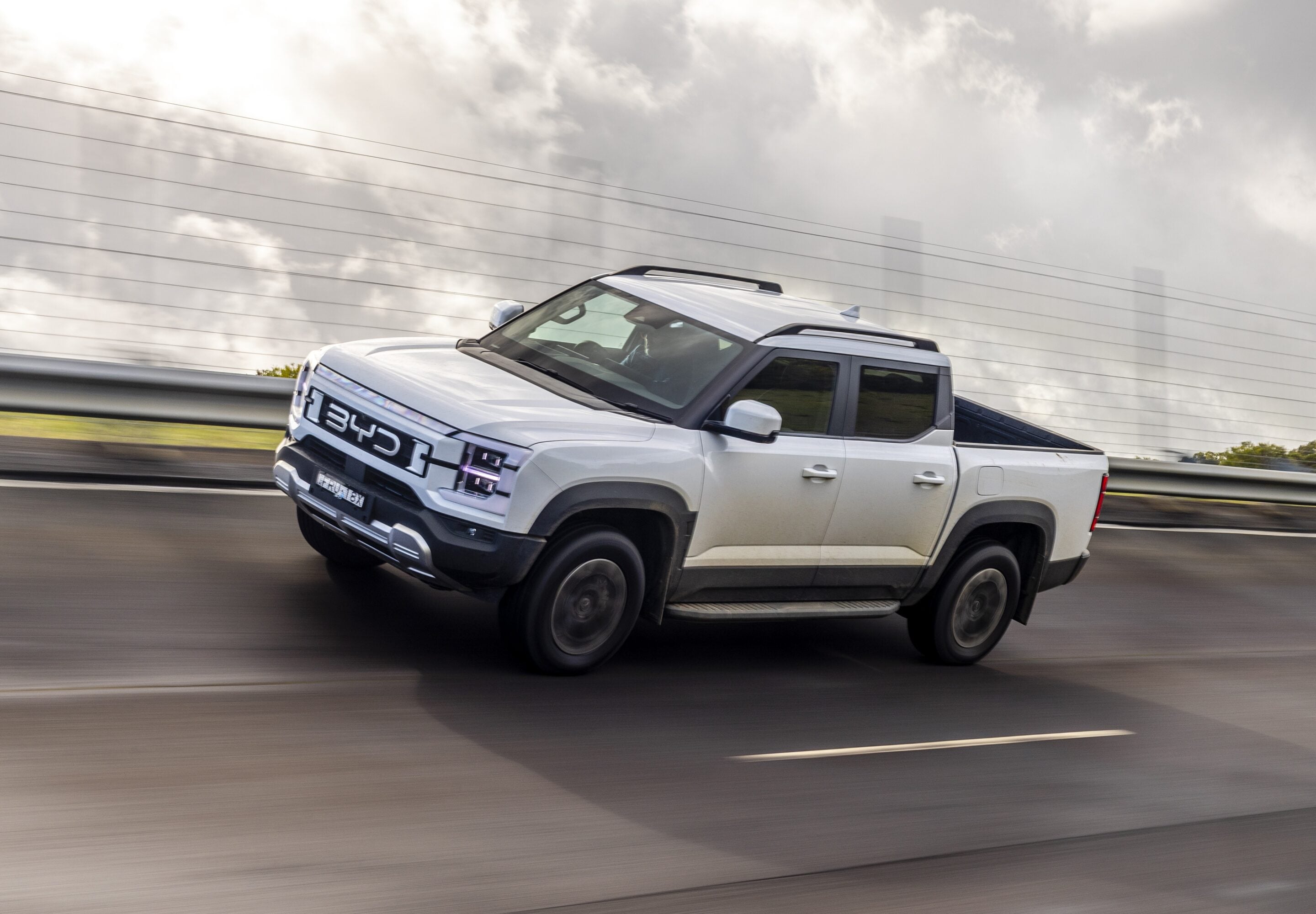
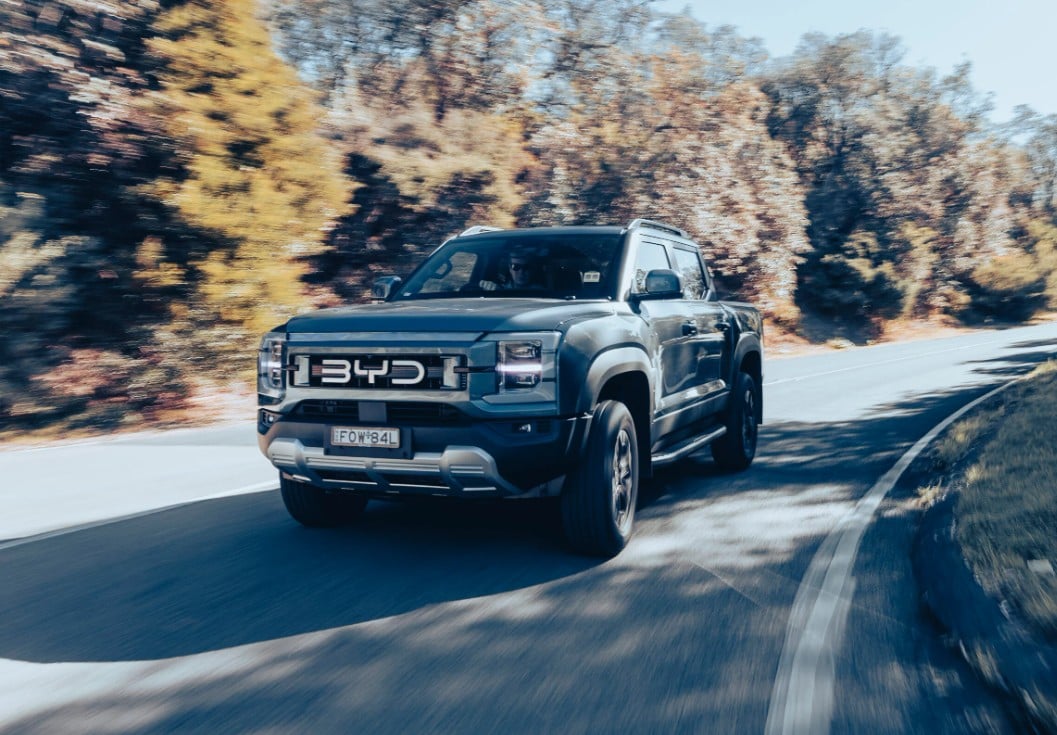
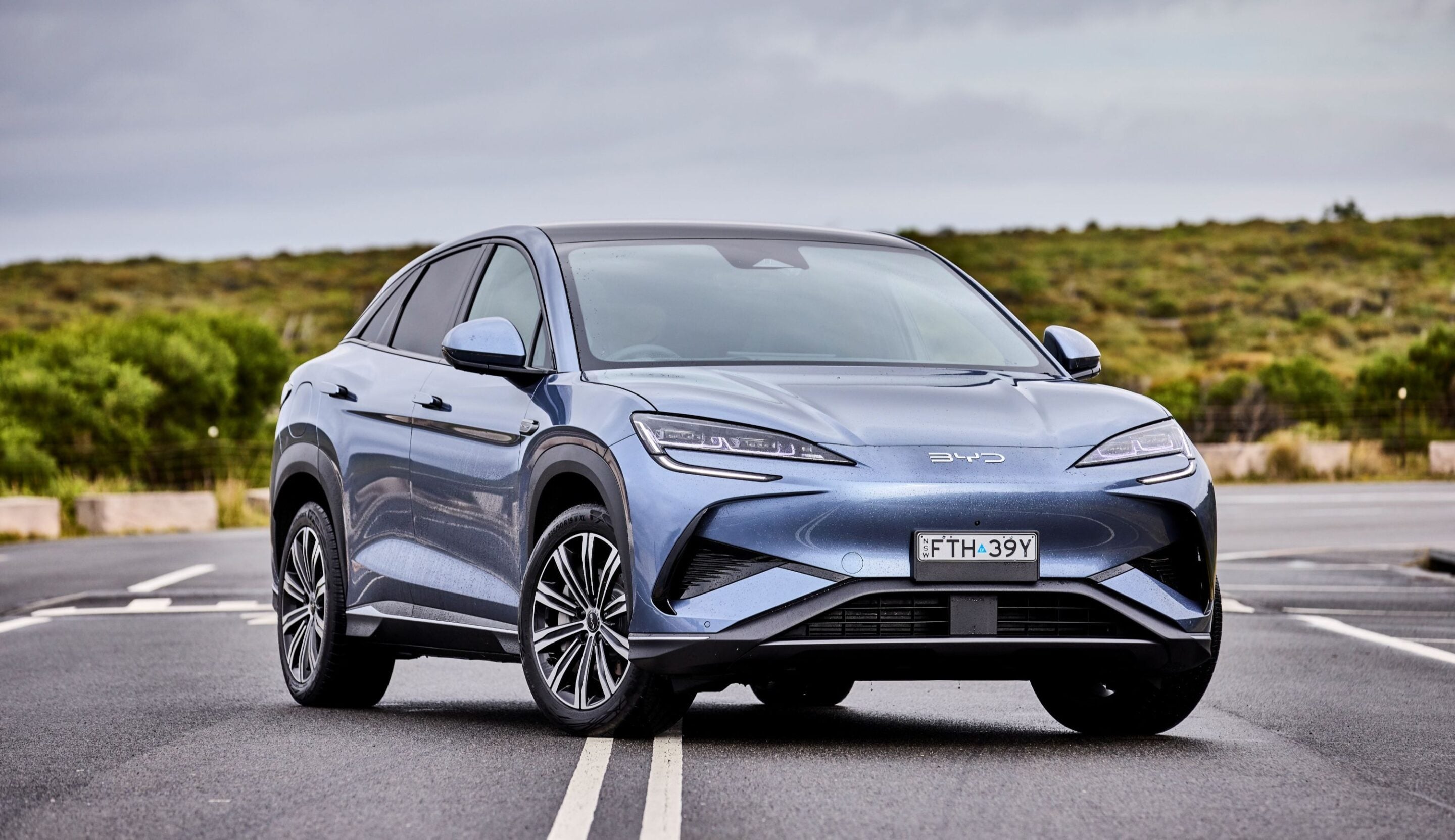
When BYD CEO Wang Chuanfu received the highest award in China’s automotive industry on Thursday, he revealed that the company employs 1.02 million people worldwide. That’s a staggering number by itself, but comparing it to those of the brand’s major rivals provides stark proof that the industry is being turned on its head.
Wang used his acceptance speech at the Rao Bin Award night to drop the startling information, explaining that about 960,000 of those staff work in China. And in another worrying sign for BYD’s rivals, 120,000 of the total work in research and development.
4
To put that into perspective, the 1.02 million figure is higher than the staff numbers for Toyota, Ford, General Motors and Tesla… combined.
To break that down, Toyota employed 390,927 people across the globe as of March this year, according to the company’s annual report, with just over 207,000 of those working in its home base of Japan.
Ford’s December 2025 annual report put Henry’s staff total at approximately 169,000. General Motors’ annual report from the same month states a total employee figure of approximately 155,000, and Tesla’s December 2025 report lists its staff at 134,785.
That adds up to a total of 849,712. So in other words, BYD’s workforce is roughly 20 per cent larger than the combined total for three of the world’s largest and most established carmakers.
5
Those numbers come with a caveat: BYD is best known for making cars, but its business covers a wide range of other areas, such as solar tech, forklifts, energy storage systems for huge applications like electricity grids, and rail transport.
In addition, while BYD is obviously zooming up the carmaking sales charts, it lags behind Toyota when it comes to sales per employee. The Japanese marque sells around 11 million vehicles a year, while its Chinese rival sold 4.4 million in the year to September, according to the company’s figures.
Wang’s reveal also illustrated how swiftly BYD is growing. In its 2025 sustainability report, the company said it had 869,622 staff at the end of last year. That was actually a decrease from the end of 2024, when it had approximately 969,000 workers.
Follow WhichCar/Wheels on Google
Click the button below to make WhichCar by Wheels a preferred source for your news.

We recommend
-
 News
Chinese carmakers overtake Japanese brands in Europe for first time
Led by BYD and Chery, Chinese manufacturers have surged from just one per cent of European sales to overtake long-established Japanese rivals.
-
 News
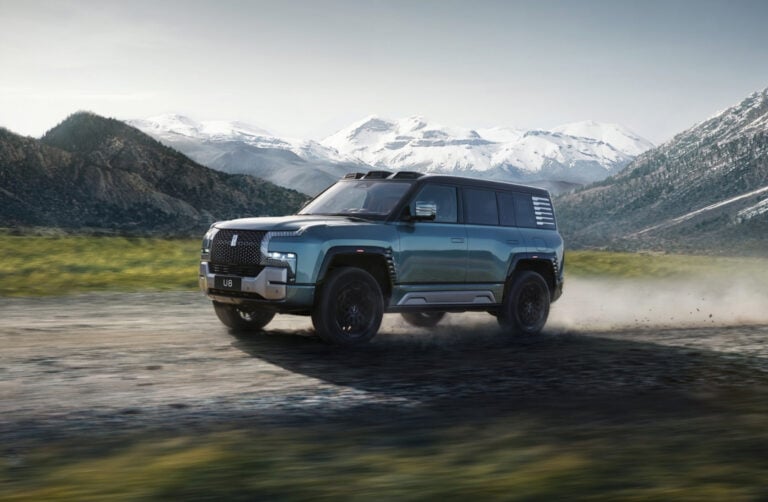
BYD gets green light to sell gigantic ultra-luxurious SUV in Australia – and it should be the brand's most expensive model
The Yangwang U8, the luxurious poster product of BYD, has been given approval to be sold in Australia, potentially giving a clue as to its local release.
